Running Shoes
Three Running Shoes Tested Over Almost 100 Miles: On Cloudsurfer 7, Saucony Kinvara Pro and Endorphin Speed 3
One runner put three road shoes through a 100-mile ultra race test. Here is how the On Cloudsurfer 7, Saucony Kinvara Pro and Saucony Endorphin Speed 3 each handled the distance.
Introduction
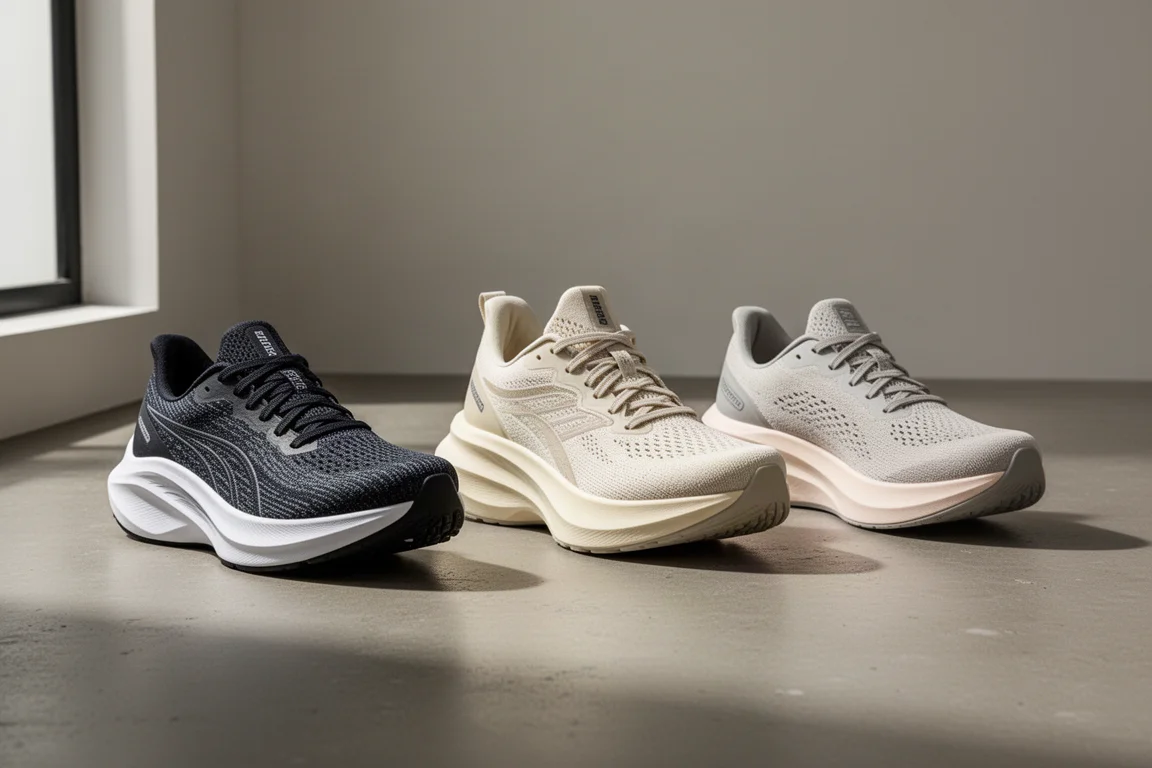
Choosing the right shoes for a 100-mile road ultra is never straightforward, so one approach was to test three very different models in a single race: the On Cloudsurfer 7 as the starting shoe, with the Saucony Kinvara Pro and Saucony Endorphin Speed 3 packed into drop bags for later stages. The result is a rare real-world comparison of how each shoe behaves when your feet have been moving for hours.
The Test: One Race, Three Shoes
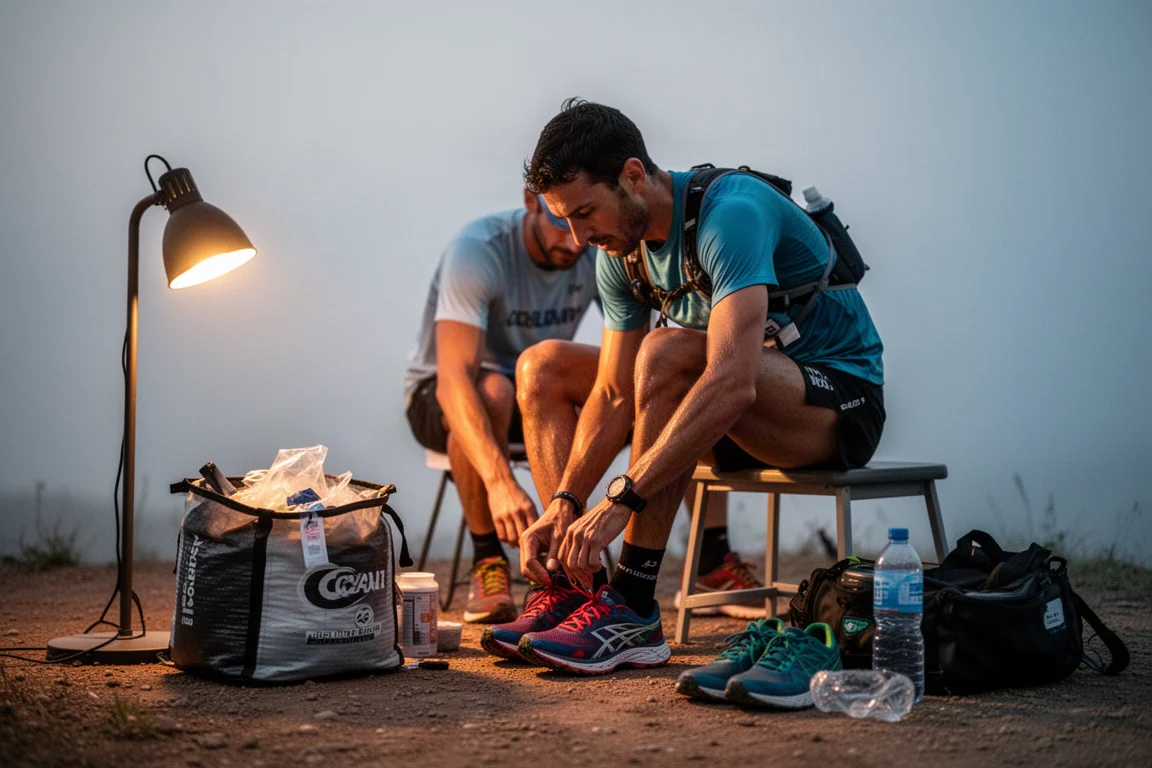
The plan was simple. Start the race in the On Cloudsurfer 7, carry the Kinvara Pro and the Endorphin Speed 3 in drop bags, and see whether one shoe could last the full distance or whether a change would be needed along the way. The first planned shoe change sat at the first major checkpoint, at roughly 56 km.
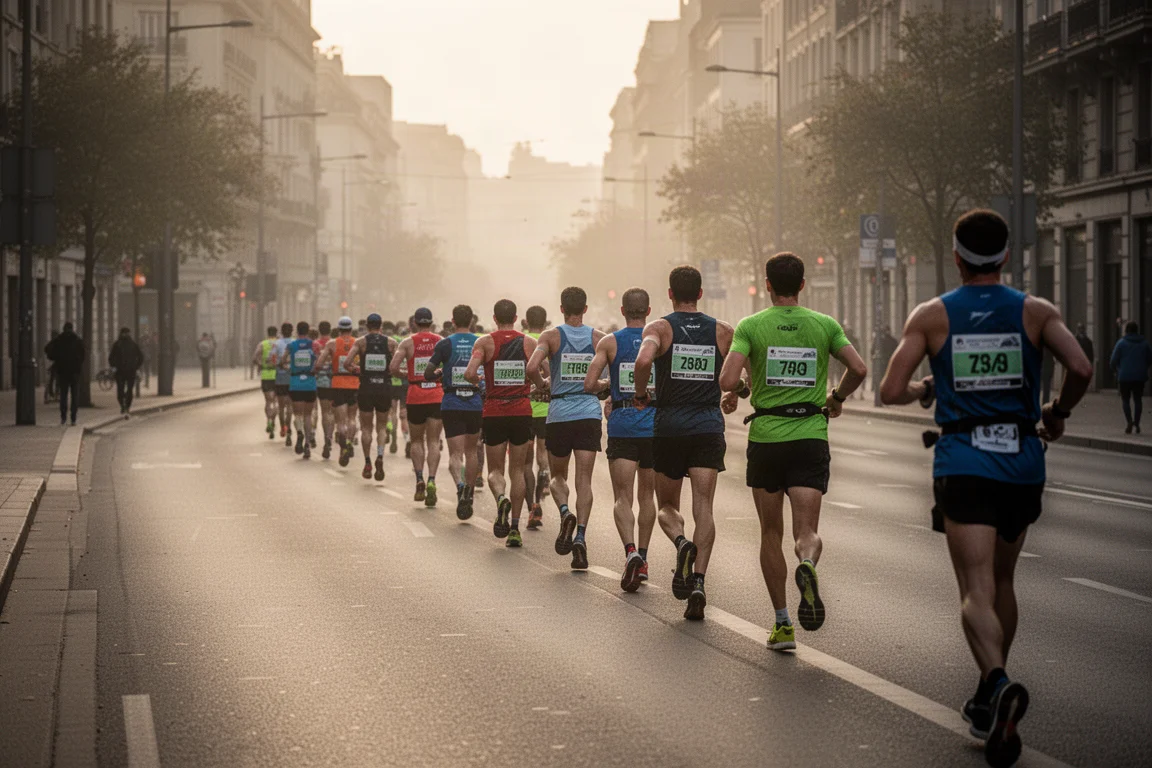
In the end, the race became a three-shoe test by necessity: about 56 km in the Cloudsurfer 7, around 32 km in the Kinvara Pro, and roughly 22 km in the Endorphin Speed 3 before the race had to be stopped at the 110 km mark due to recurring little-toe trouble.
First Leg: On Cloudsurfer 7
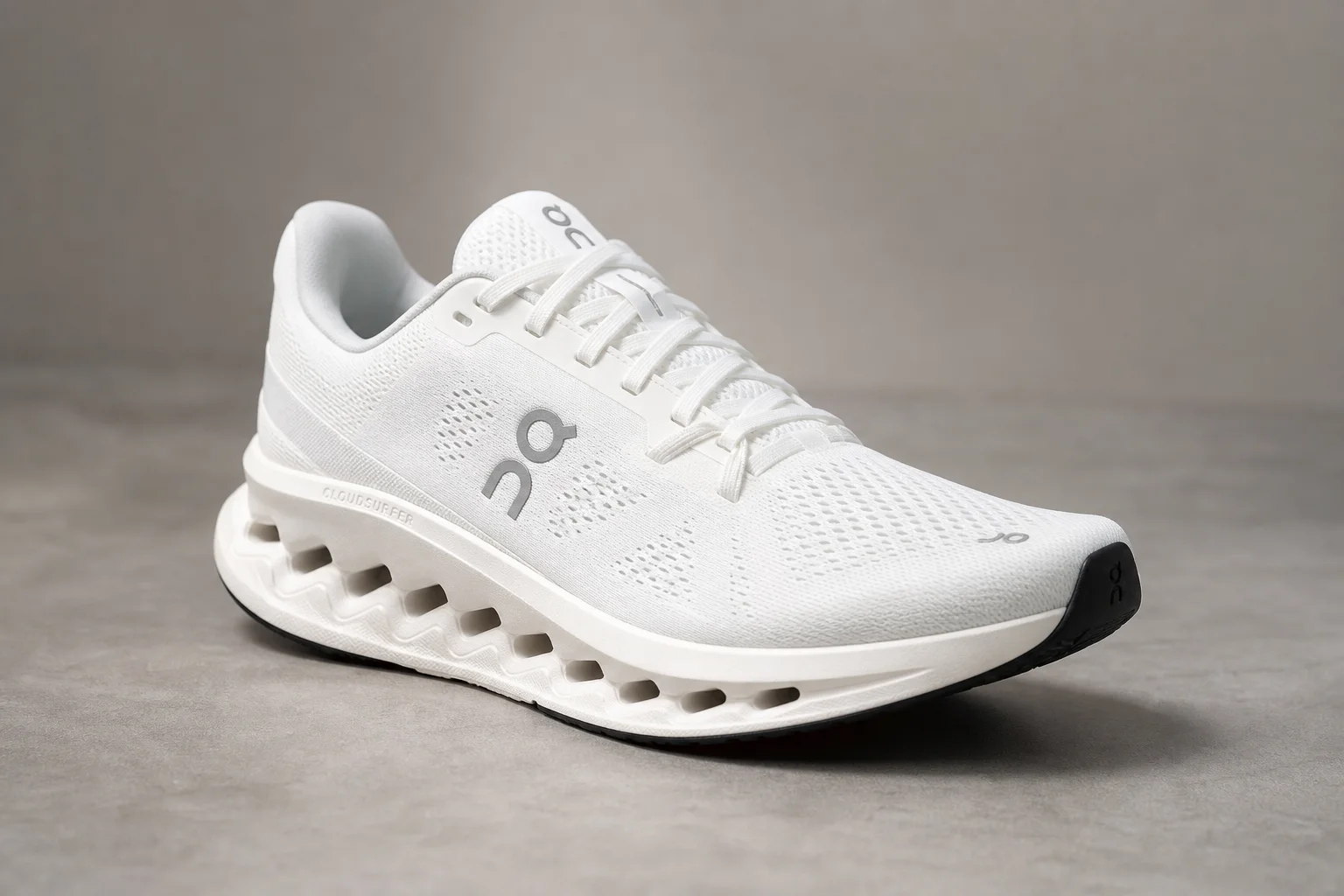
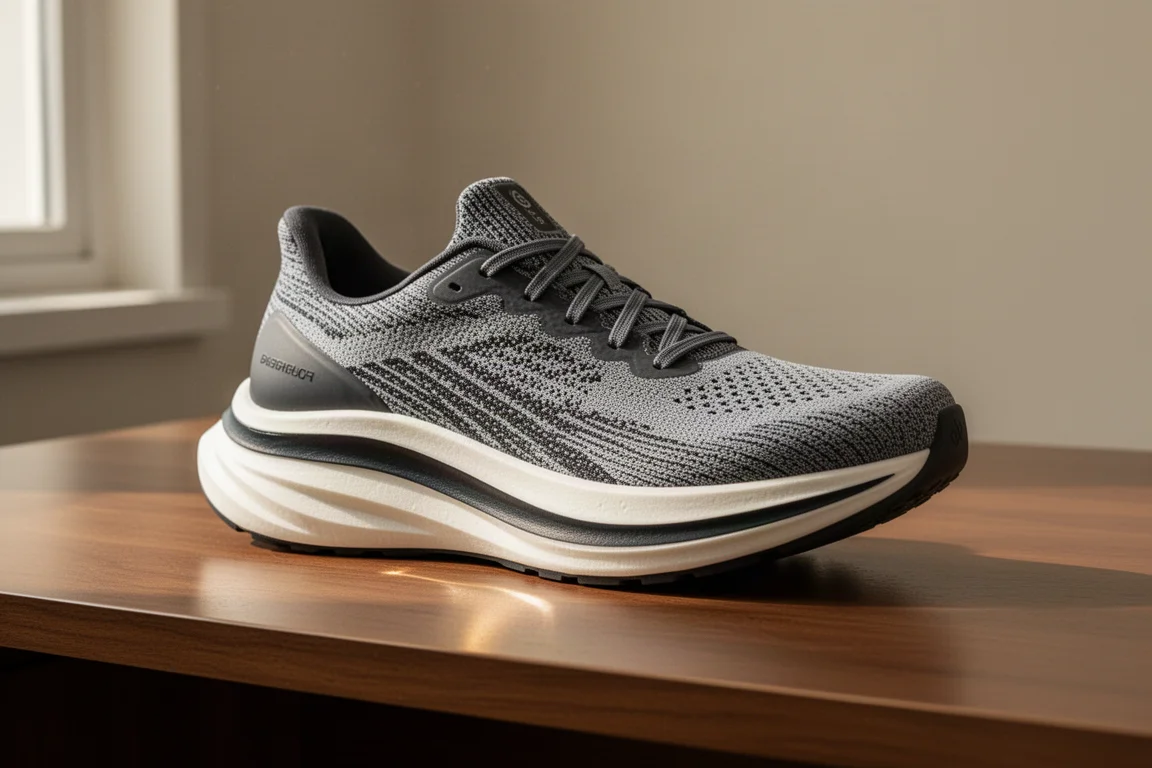
For the opening stretch through Berlin’s streets, the Cloudsurfer 7 did a genuinely good job. The cushioning felt nicely balanced, with just enough response to clip along at a slow ultra pace without feeling overly aggressive. The rocker and the collapsing Helium elements made for an easy, light, almost disappearing ride on foot.
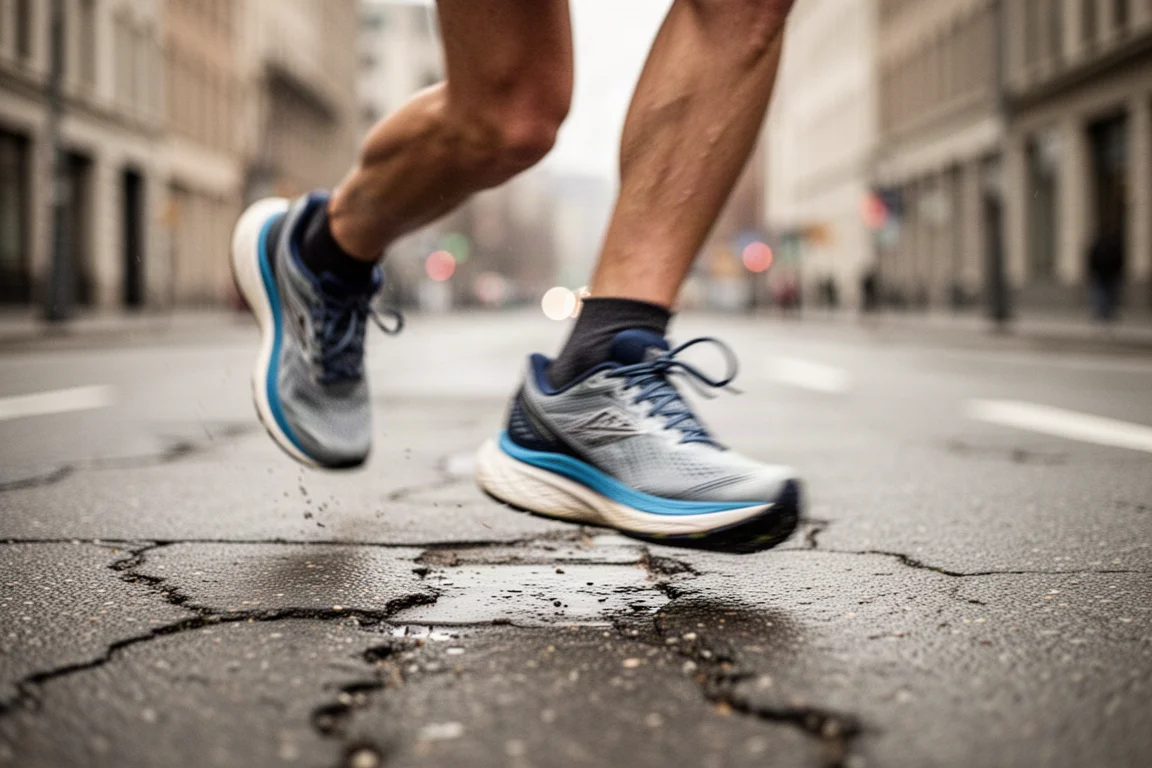
By around 30 miles, though, the picture changed. After roughly five hours on foot, too much ground was coming back up through the midsole, and the soles of the feet started to show real fatigue. There was not quite enough protection left for that stage of the race.
On the fit side, the toe box did not offer enough width to help with a recurring little-toe issue, where the little toes drift under their neighbors over long distances. That is a personal fit problem rather than a fault of the shoe, but extra toe-box room would likely have delayed it. As an opening leg shoe for urban road miles, the Cloudsurfer 7 ticked the boxes; for the full 100 miles, probably not.
Second Leg: Saucony Kinvara Pro
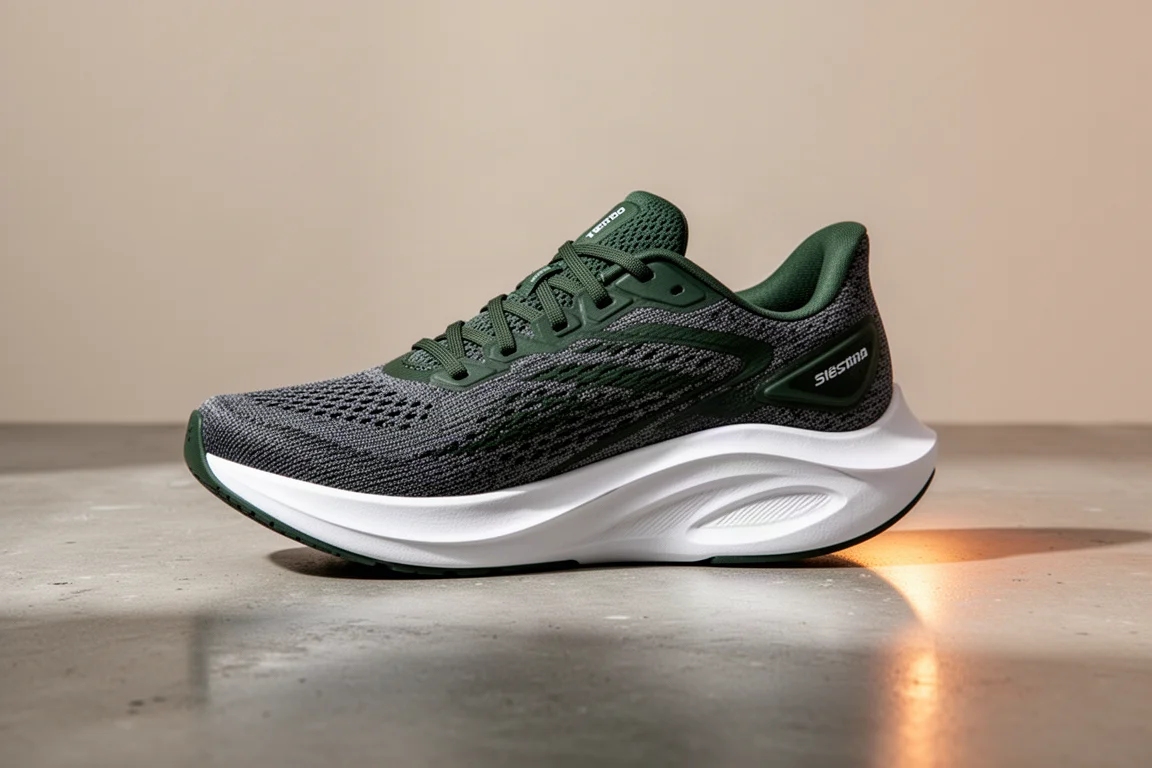
Swapping into the Kinvara Pro at the first checkpoint produced an immediate and pronounced contrast. The high stack of Power and PB foam delivered serious relief from the road, feeling almost like running on pillows compared with what came before. For the middle section of a long ultra, that is exactly the kind of comfort you crave.
The trade-off is stability. The Kinvara Pro is notably less connected to the ground, and with the three-quarter length carbon plate sitting high in that soft midsole, it took real concentration to settle into landings and movements. On tired legs after many hours, every small misstep matters, and the wobblier ride demanded extra attention to form.
For roughly 32 km, the shoe did an excellent job: easy mileage with plenty of bounce, spring, and protection, and not too aggressive. That may well be its sweet spot, a role that has been hard to pin down before. The toe box, however, was slightly more hugging and no wider than the Cloudsurfer’s, so it did nothing to solve the toe trouble. Ten miles into that stretch, the other little toe gave up.
Third Leg: Saucony Endorphin Speed 3
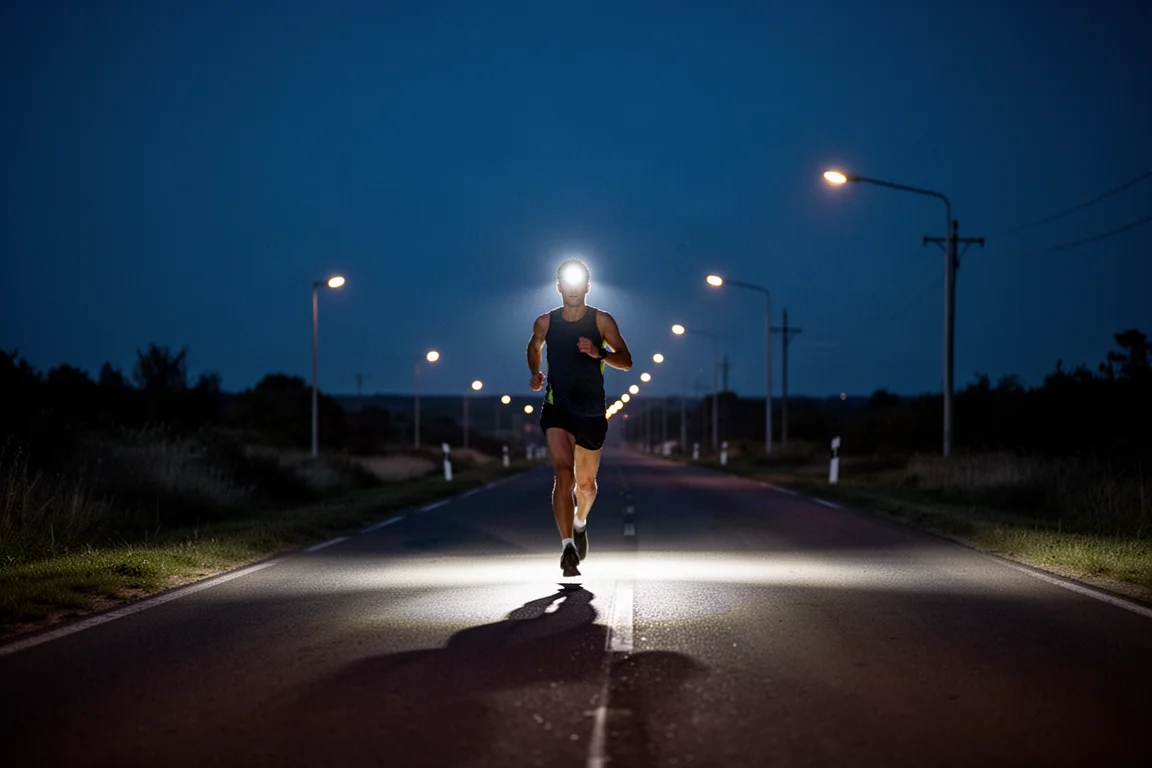
At the 88 km drop bag point, after 12 hours of running, it was time for the third pair. Lacing up the Endorphin Speed 3 made one thing obvious almost immediately: this should have been the starting shoe, or at least the second choice after the Cloudsurfer.
The wider, roomier toe box made the biggest difference. On 100-mile distances, some space in the shoe is essential, and of the three, the Speed 3 offered the best room. Although damage to the toes had already been done, the extra width helped limit further problems and kept things moving for the next stretch.
The midsole sits almost perfectly between the other two: more cushioning than the Cloudsurfer 7, more stability than the Kinvara Pro, and lighter than both. The combination of foam, rocker, and nylon plate makes it a cracking shoe for easy clip-along pace. It is often used for faster efforts, but it also balances cushioning, protection, and assistance in every step at slower speeds, which makes it a strong option for this kind of distance.
Which Shoe Would Win a 100-Mile Race?
If the race were run again, the Endorphin Speed 3 would be the clear first choice over both the Kinvara Pro and the Cloudsurfer 7. The Kinvara Pro would still earn a place in a drop bag, perhaps packed for the final 30 km, when extra cushioning and protection become genuinely useful in the late miles.
The Cloudsurfer 7 remains a great option for the opening, easier stretch of an ultra, but over very long distances it does not quite deliver enough underfoot protection. The Kinvara Pro offers the most cushioning of the three but asks for more focus because of its softer, less stable ride.
Conclusion
Three shoes, three distinct roles. The On Cloudsurfer 7 is a light, well-balanced pick for the early miles. The Saucony Kinvara Pro brings maximum cushioning comfort with a stability trade-off, best treated as a late-race relief option. The Saucony Endorphin Speed 3 offers the best all-round balance of cushioning, stability, weight, and toe-box room, and it is the shoe to trust over very long distances. On a road ultra, that combination matters more than anything else.
Further reading
Related Reviews

Running Shoes
Best Road-to-Trail Running Shoes: Three Versatile Options for Mixed Terrain
A practical guide to three road-to-trail running shoes that handle both pavement and mild trails, with clear strengths and trade-offs for different runner types.

Running Shoes
Best Running Shoes for Achilles Tendonitis: Three Options Explained
Three running shoes with different heel drops and support features designed to help reduce Achilles tendon pain during walking and running.

Running Shoes
Best Running Shoes for Women: Five Top Choices Ranked
A ranked guide to five women's running shoes, from versatile daily trainers to high-performance racing options, with real strengths and trade-offs for each.