Running Shoes
The Best Two-Shoe Rotation from Every Major Running Brand
One trainer, one racer, eleven brands: our guide to the strongest two-shoe marathon rotations from Adidas through Saucony.
Introduction
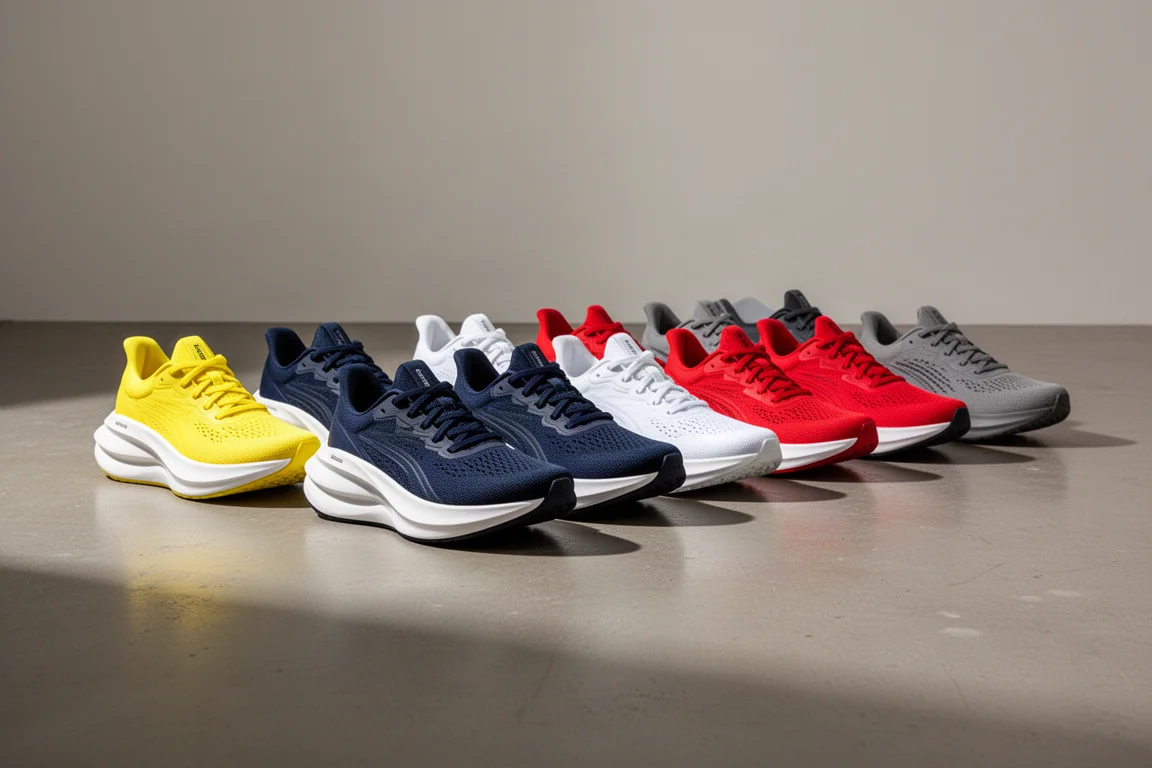
Most serious marathoners do not run everything in one shoe. The classic two-shoe rotation pairs one cushioned trainer for the bulk of daily mileage with one carbon-plated racer for workouts, long efforts and race day. We looked at every major brand in the lineup and picked, for each one, the two shoes that would make the strongest theoretical pair: the best trainer the brand makes, plus the super shoe or racer we would want alongside it.
The logic is simple. A racer with carbon in it covers marathon pace, threshold work and track sessions. A trainer covers recovery runs, easy miles and long runs. A good rotation deliberately mixes feels, so there is no need to match a rocker or foam type between the two. Variety is the point.
How We Chose Each Pair
For every brand, the racer pick was usually straightforward: the carbon-plated super shoe at the top of the lineup, or in a few cases the only serious racer the brand offers. The trainer pick involved more judgment. The goal was to find the shoe that handles daily miles and long runs well without overlapping too much with what the racer already does.
One caveat applies throughout. When a brand only has one racer, or when its trainer lineup is thin, the pairing reflects what is realistically available rather than an ideal. That is part of the fun of comparing rotations across brands.
Adidas: Adizero Adios Pro 4 and Hyperboost Edge
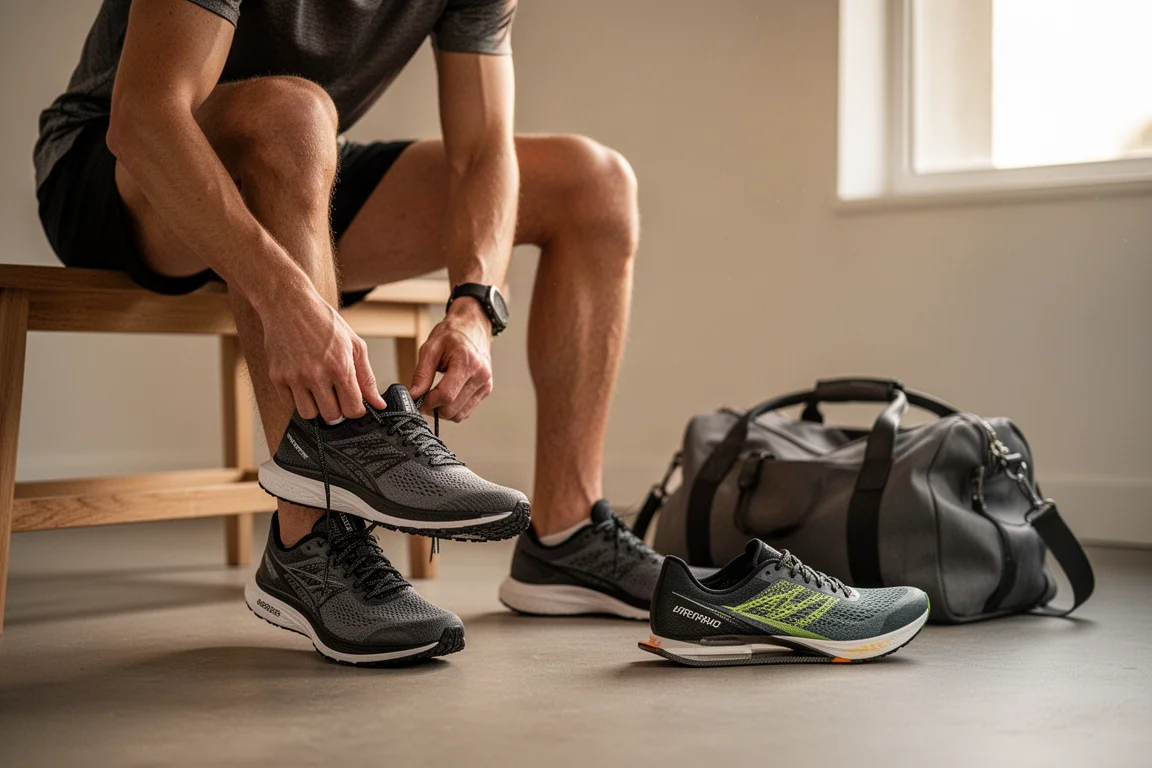
The Adidas pick is one of the most balanced rotations in the entire lineup. The Adios Pro 4 is a soft, bouncy race shoe built around energy rods rather than a conventional plate. The rods can feel hit or miss. Some runners find them too mushy, while others get a distinct plate-like snap. On a second pair, the shoe proved genuinely quick and currently holds a 5K PR.
For the trainer slot, the Hyperboost Edge beats the more popular Evo SL for this job. The Evo SL sits closer to a speed shoe, while the Hyperboost Edge is a true super trainer with beaded PEBA foam that can go long and go fast. Strides fly in it, and it handles 20-mile long runs without complaint.
Hyperboost Edge covers daily miles, long runs and tempo. Adios Pro 4 covers serious workouts, threshold, faster-than-marathon-pace efforts and track work.
ASICS: Metaspeed Sky and Superblast 3
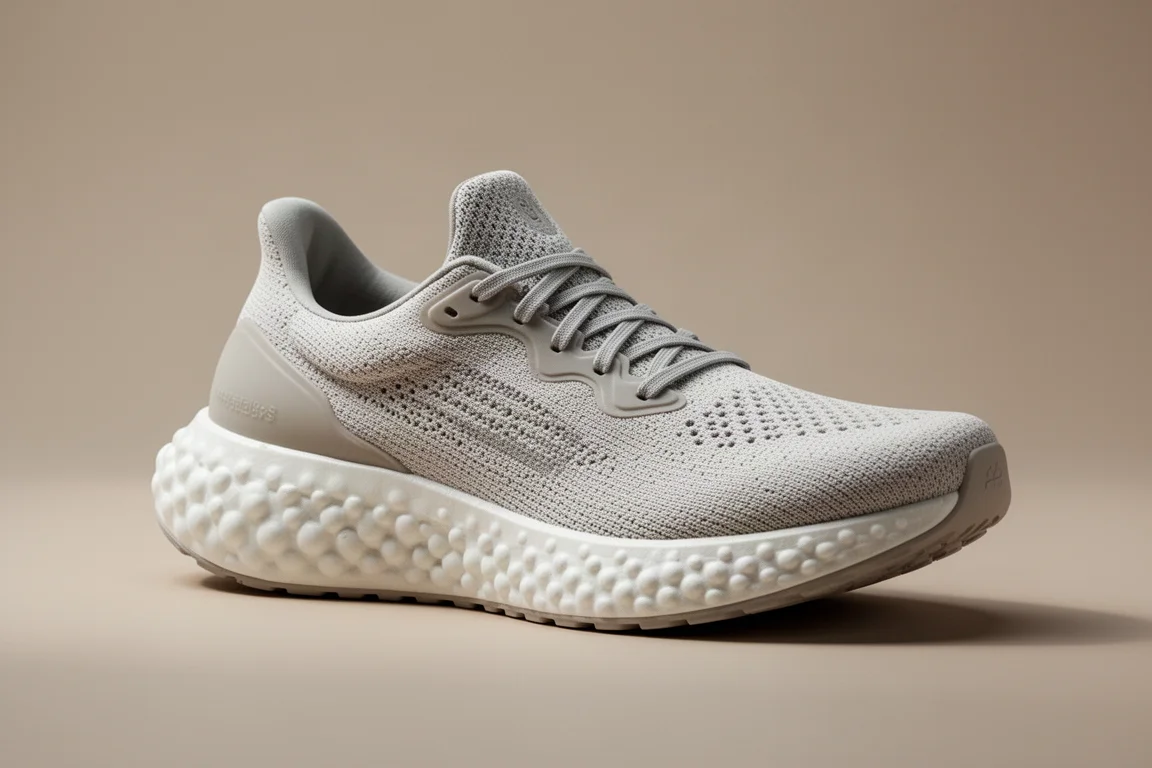
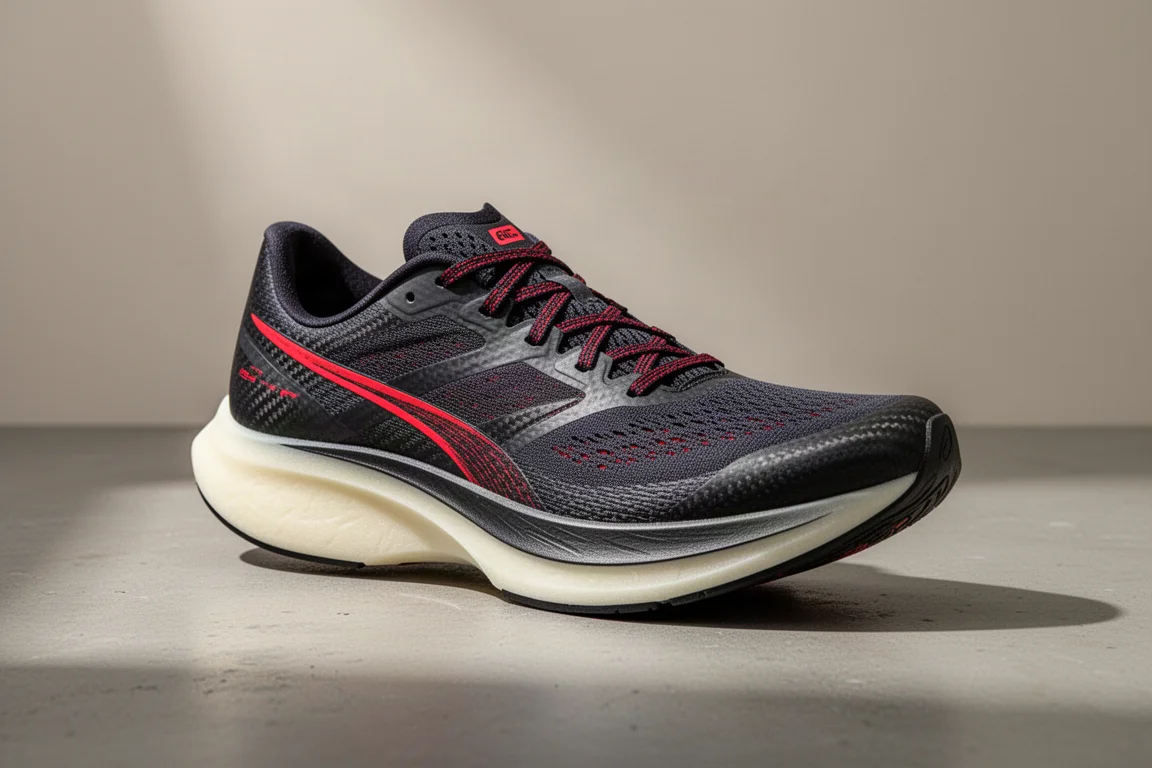
ASICS has three excellent racers, which makes the pick genuinely difficult. The Metaspeed Sky wins the slot here. The trainer pick is the curveball: the Superblast 3 over the widely loved Megablast. The reasoning comes down to what a two-shoe rotation needs. The Megablast is so versatile it almost works as a one-shoe rotation on its own. With a super shoe already in the lineup, the second slot should be polarized, a dedicated mileage eater and recovery cruiser.
The Superblast 3 is exactly that: soft, bouncy, and notably stable. The Metaspeed Sky is narrower and less stable by comparison, so the two complement each other nicely. The Superblast locks the foot down on recovery days, and the Metaspeed Sky handles faster workouts, long runs with pace and any track work.
Brooks: Glycerin 23 and Hyperion Elite 5
Brooks is the safe, conservative rotation. If the ASICS pairing is the super-soft rotation, this is the one nobody will hate. The trainer pick is the standard Glycerin 23, which surprises some people, but it is a genuinely solid workhorse with good cushioning in the heel thanks to DNA Tuned foam, and the softer heel makes it comfortable for recovery runs. It even picks up the pace acceptably on hill sprints. There is a reason it is one of the highest-selling running shoes on the market.
The Hyperion Elite 5 is the only racer in the Brooks lineup, with a carbon fiber plate and a soft-but-not-too-soft PEBA midsole that sits in a comfortable Goldilocks zone. Nobody is going to absolutely hate this shoe. It is not flashy, but it is very solid.
Hoka: Cielo and Skyward X 2
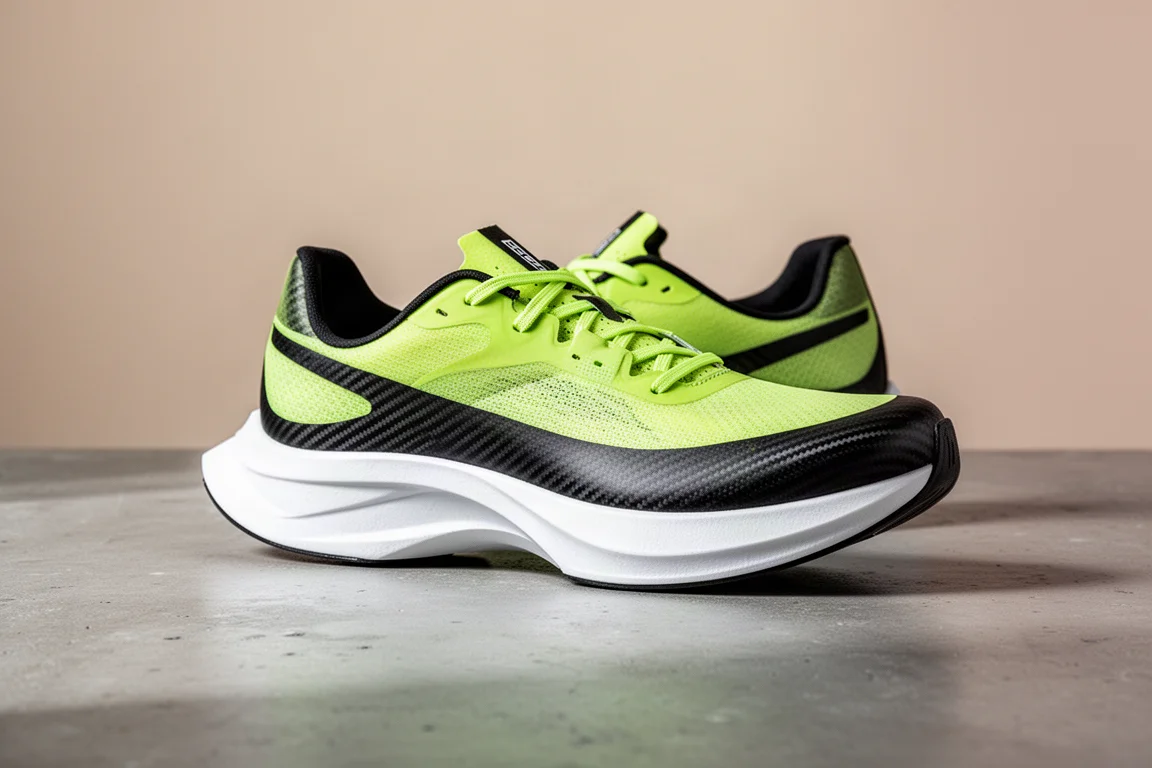
The Hoka rotation is one of only two here that goes double carbon, with a carbon fiber layer in both shoes. The Skyward X 2 is the least aggressive carbon shoe on the market: a top layer of PEBA foam over a bottom layer of supercritical EVA. It is protective, comfortable, with nice pop up front, and it is really a high-mileage cruiser, the perfect shoe for the bulk of daily work when comfort matters more than pep.
The Cielo is the speed weapon at the other end. It is a little more aggressive and narrower than the Skyward X, though stability reports vary. Some runners find it unstable while others find it decently stable, likely because the aggressive heel bevel keeps the heel from fully touching down. As an all-around marathon racer, it may be the top shoe on the market for most people right now. It handles any pace and any distance, balancing protection with speed.
Li-Ning: Red Hare 9 Ultra and Feidian 6 Elite
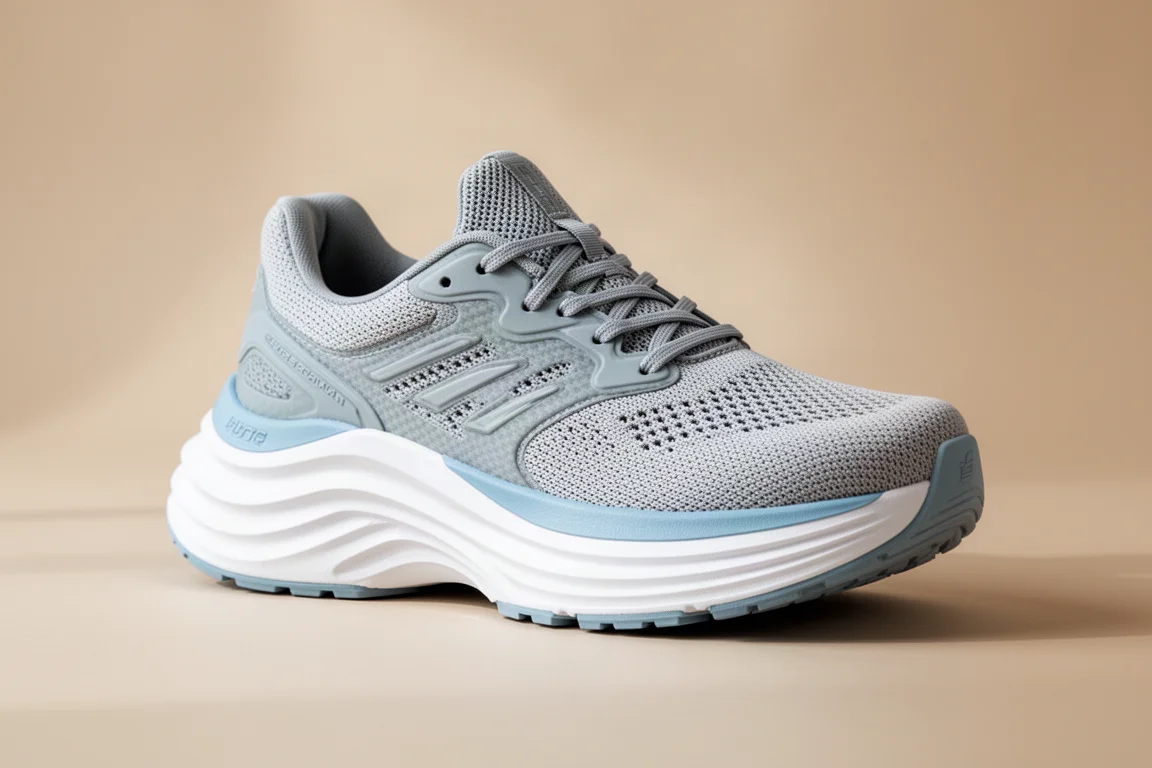
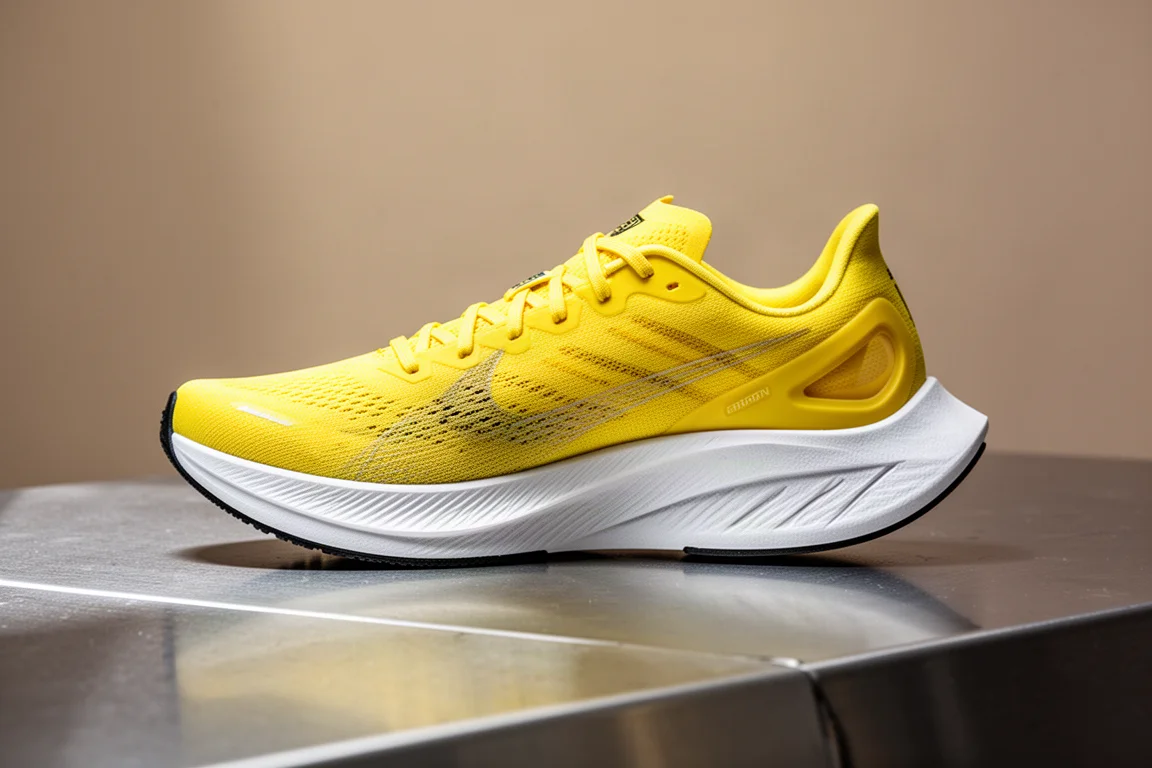
This is the absolutely bonkers rotation, the most fun of the eleven. The Red Hare 9 Ultra uses triple-stacked midsole foam: PEBA on top, another supercritical layer in the middle wrapped in a capsule, and firmer foam on the bottom. It has enormous bounce, soaks up impact well, and handles mileage easily, with 14-mile runs feeling great. The trade-off is some fatigue, since it is not the most stable.
The Feidian 6 Elite is a proven racer, having carried a 2:30:13 marathon earlier in the year. It is extremely bouncy and fast, with a rare character of feeling comfortable and squishy while somehow flying. Once it gets going, it is like a runaway train. If you want value alongside the fun, this pairing also stands out.
Mizuno: Neo Vista 3 and Mizuno Pure
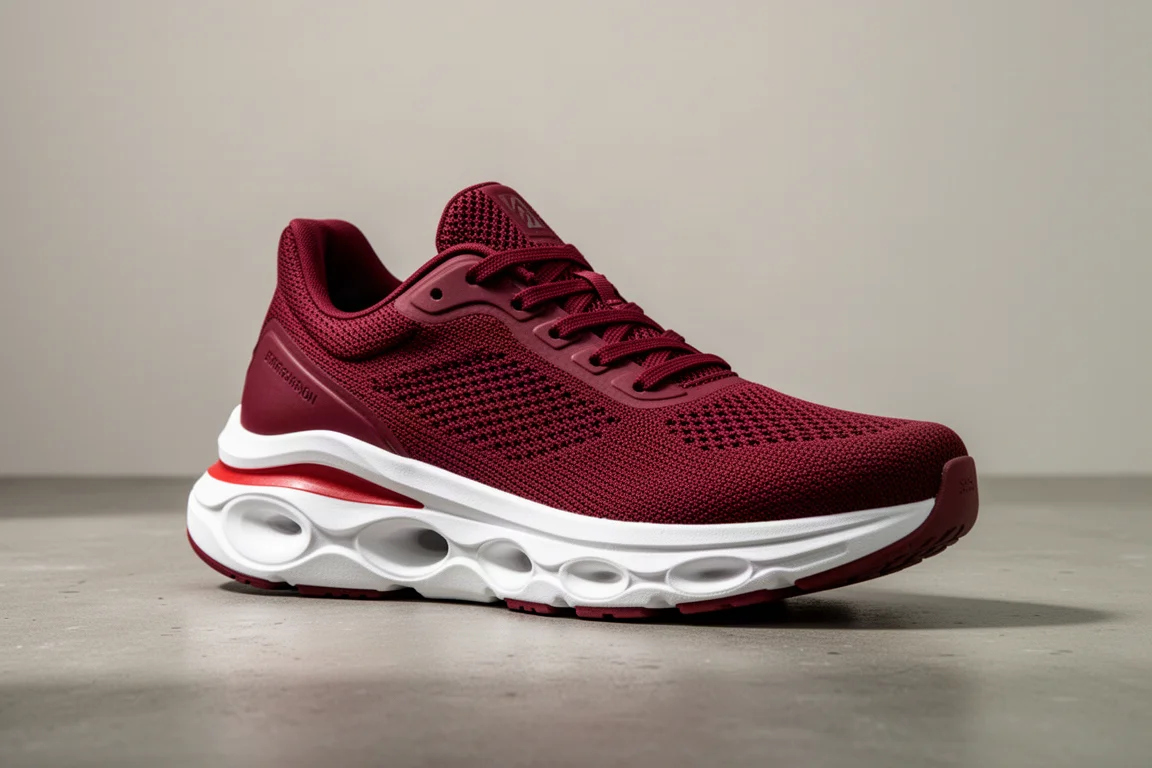
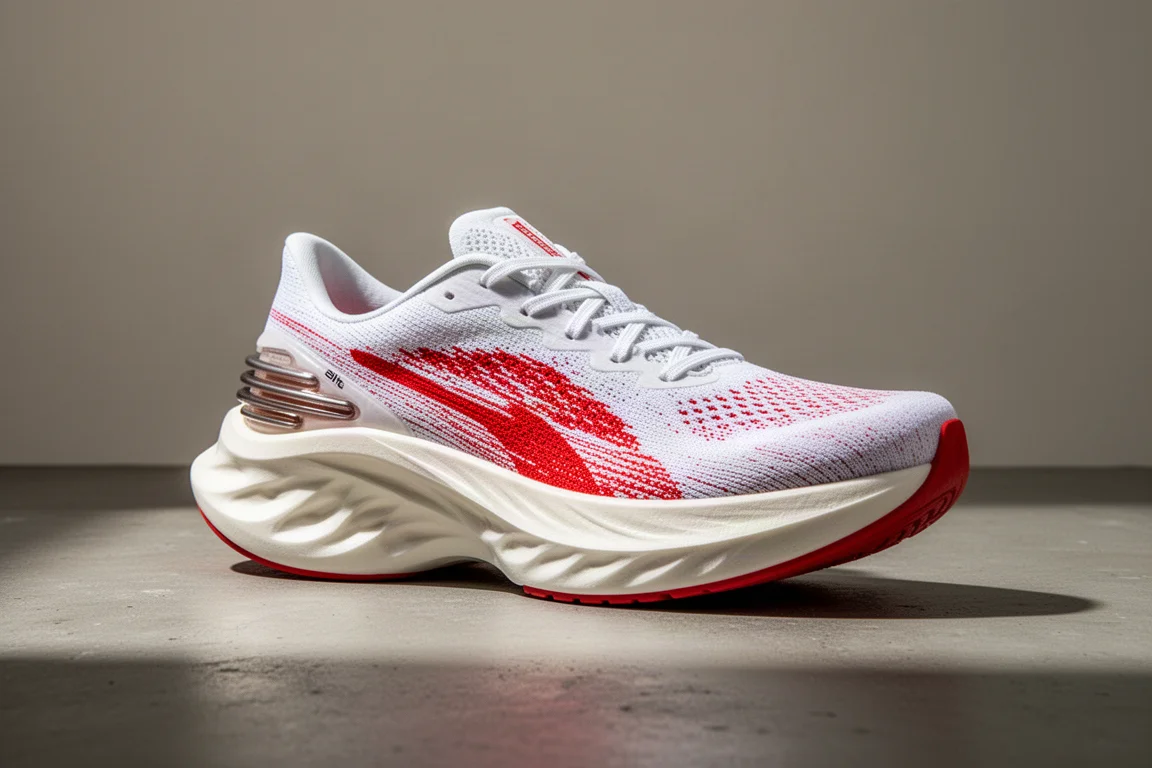
The most slept-on rotation, and the second pairing built around two plated shoes. The Neo Vista 3 is the Goldilocks long-run shoe: decently protective, with really nice rocker geometry, supportive of mileage with some speed assistance when you want to pick the pace up. It is not as soft as its predecessor, likely due to a revised plate, but it handles recovery, daily miles, long runs and zone three work with ease.
The Mizuno Pure sits at the other end of the spectrum: one of the lightest, most aggressive shoes available. A full-length carbon fiber plate, soft and bouncy PEBA, and a lower stack of 34 mm in the heel and 30 mm in the forefoot for a 4 mm drop. The looks are deceiving. The plate and front rocker are fierce, and it will tear up your calves, which makes it a great strength-building tool for track sessions while the Neo Vista 3 handles everything easier.
New Balance: 1080 V15 and SC Elite v5
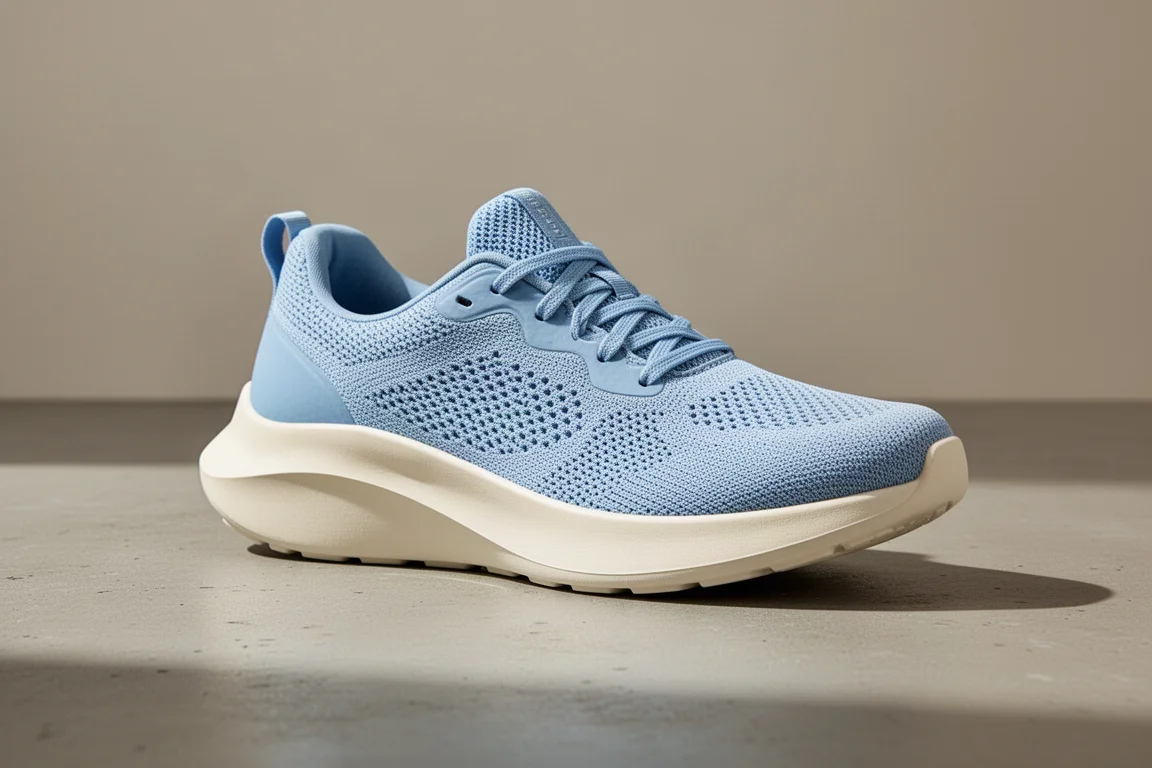
The New Balance pairing lives or dies on its racer, and the racer is excellent. The 1080 V15 is a fine but unexciting daily trainer. Its InfiniOn foam is soft and bouncy, and some consider it a sleeper, but the combination of lower drop, flat geometry and soft foam can create a braking sensation through the heel, so it encourages landing further forward. It serves daily and recovery runs well enough.
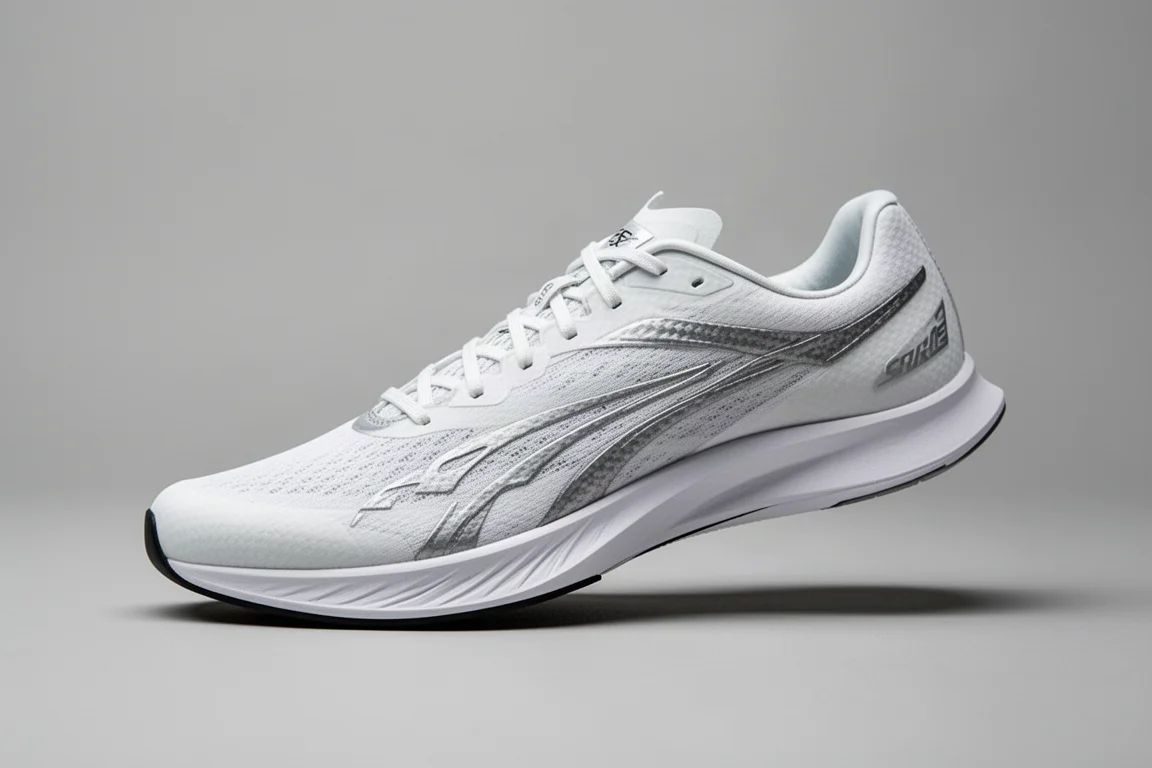
The SC Elite v5 is the star. Still one of the best super shoes out there for most people, it is comfortable, bouncy, decently stable and has good snap off the front. It works for marathon, half marathon and 5K alike, especially at the 6 to 9 minute per mile paces most runners train at, and it doubles as a long-run tool that protects the legs while keeping the pop of PEBA.
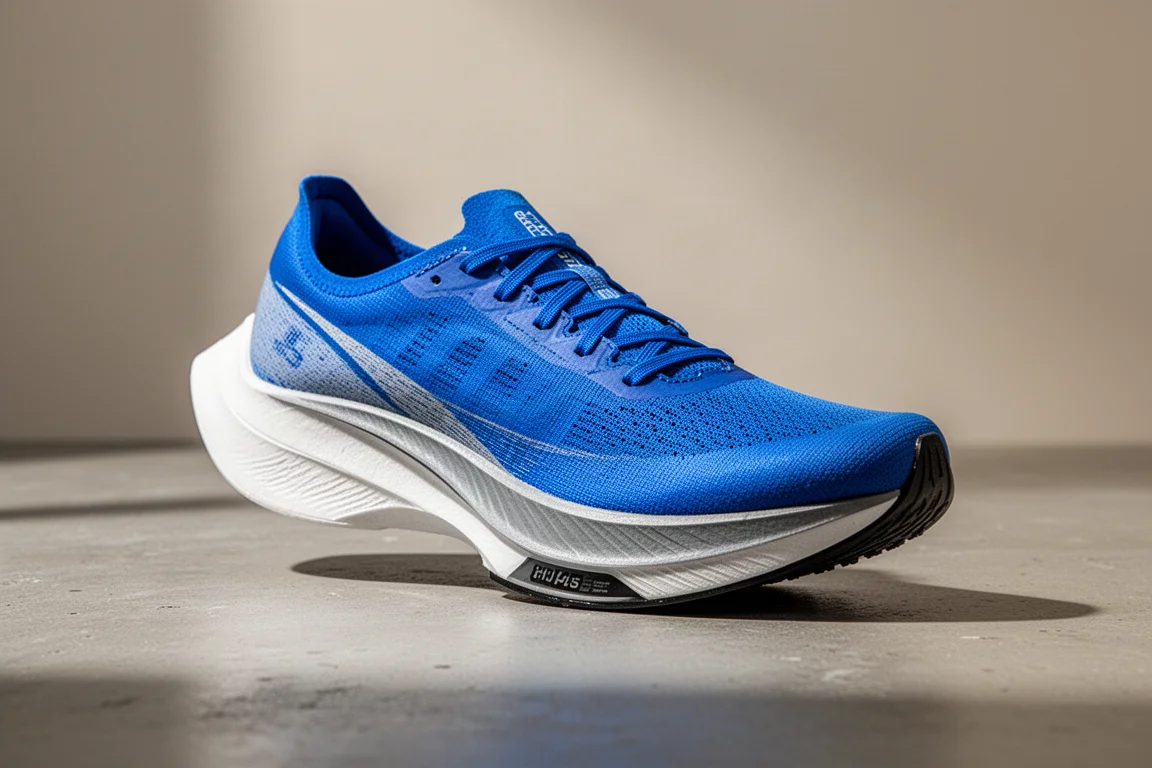
Nike: Vomero Plus and Alphafly 3
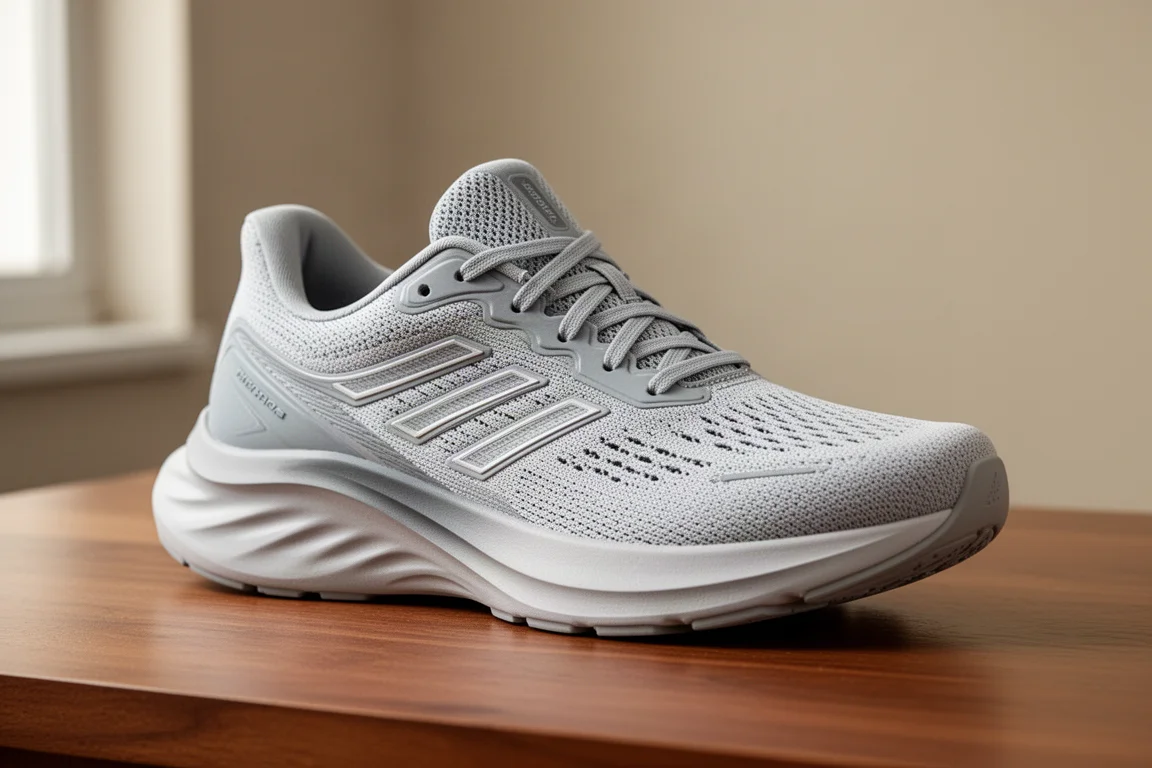
The cushioned-and-bouncy rotation. The Vomero Plus remains the best at what it does: comfort and cushioning with pop off the front. It is protective on the legs, easy to run in, and it quietly encourages a faster pace when you want it, all in a package that does not leave you thrashed. It is also versatile enough to recommend to beginners, and frequent Nike colorway drops mean it can often be found under $150.
The Alphafly 3 is the racer by default, since Nike has not replaced it. It is a good shoe: nice bounce off the forefoot, a wide base that gives decent forefoot stability, a protective Air pod unit, and it becomes genuinely fun when you push power through the front. It does want you to land more midfoot. The frustration is the lack of an update, and it is widely available on sale, so paying full MSRP in 2026 is hard to justify.

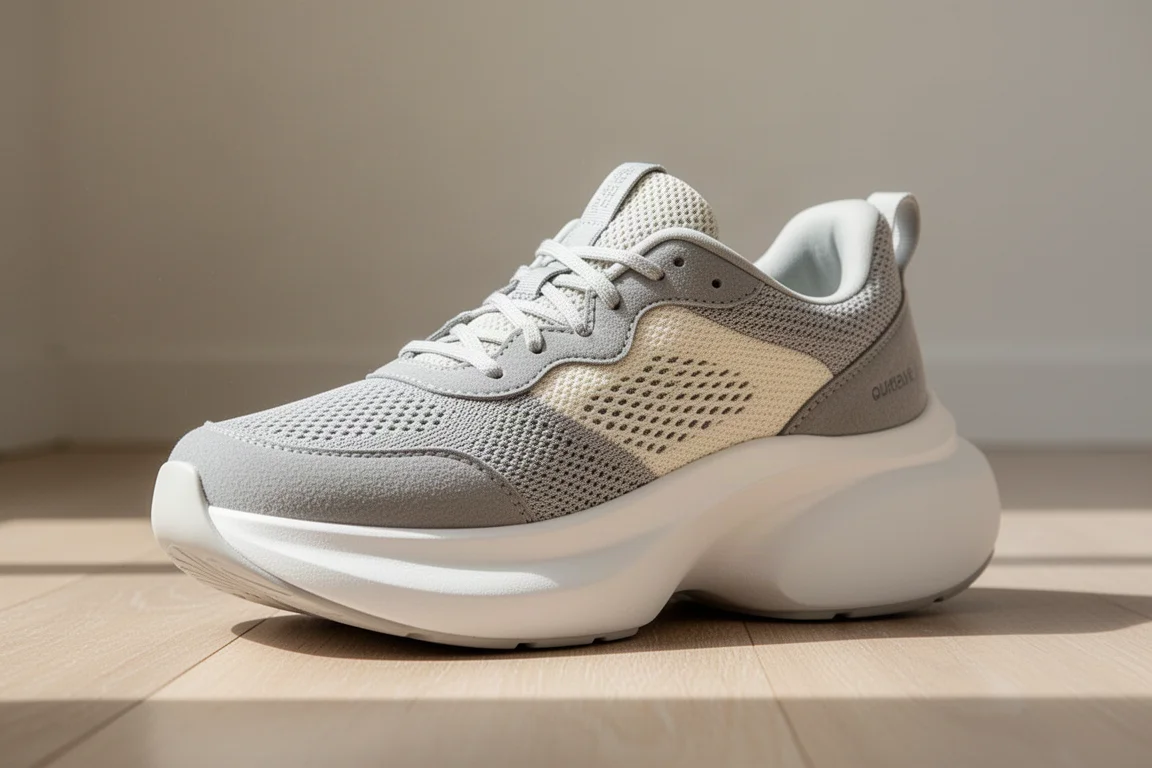
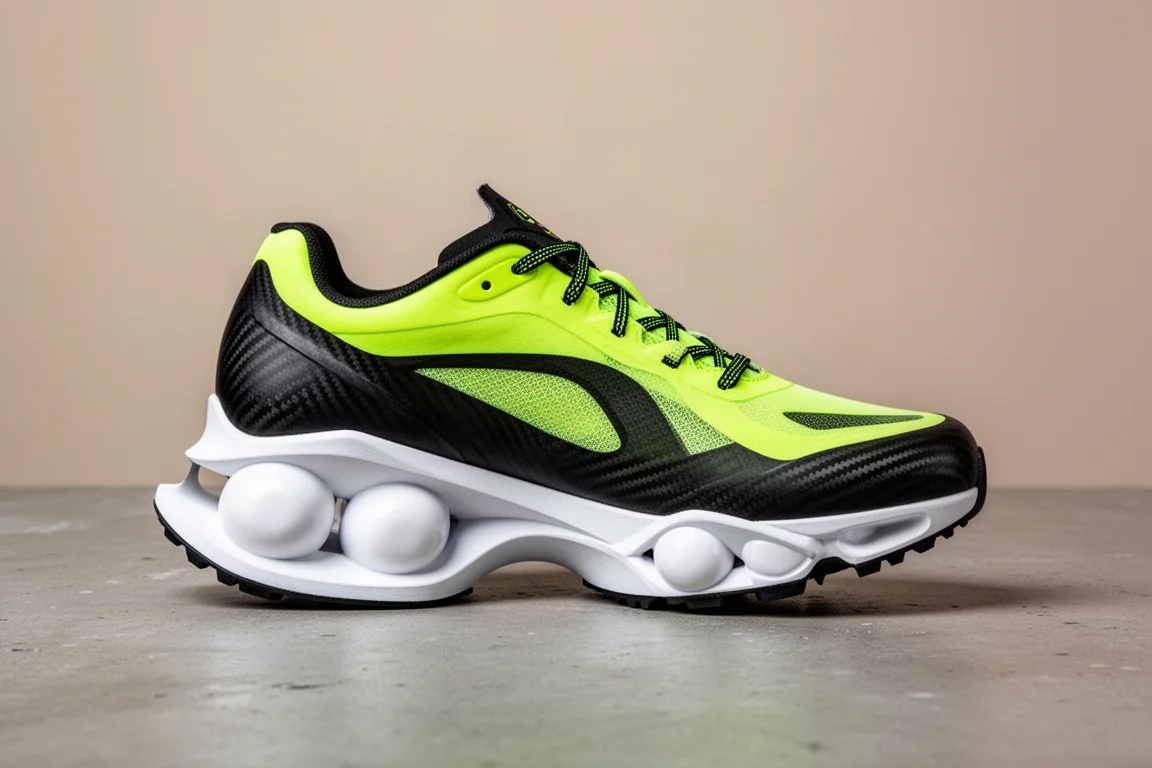
On: Cloudsurfer Light Speed Hyper and Cloudboom Strike
The premium rotation, with both shoes carrying a $280 price tag. The Cloudsurfer Light Speed Hyper is one of the top super trainers of the year. Its sprayed-on upper is remarkably light, and the midsole layers PEBA on top of a stable EVA-blend CloudTec frame. The result is an energetic but protective shoe, best suited to zone two and easy zone three running.
The Cloudboom Strike handles everything with pace pickup: soft, bouncy, but genuinely fast. It launched two years ago, and an update has already been seen on prototype feet, with what appears to be an Alphafly-inspired forefoot element. Even so, the current shoe produced some of the best Chicago Marathon workouts in its launch year. This is the drop-a-bag-on-some-stack rotation, but both shoes are excellent.
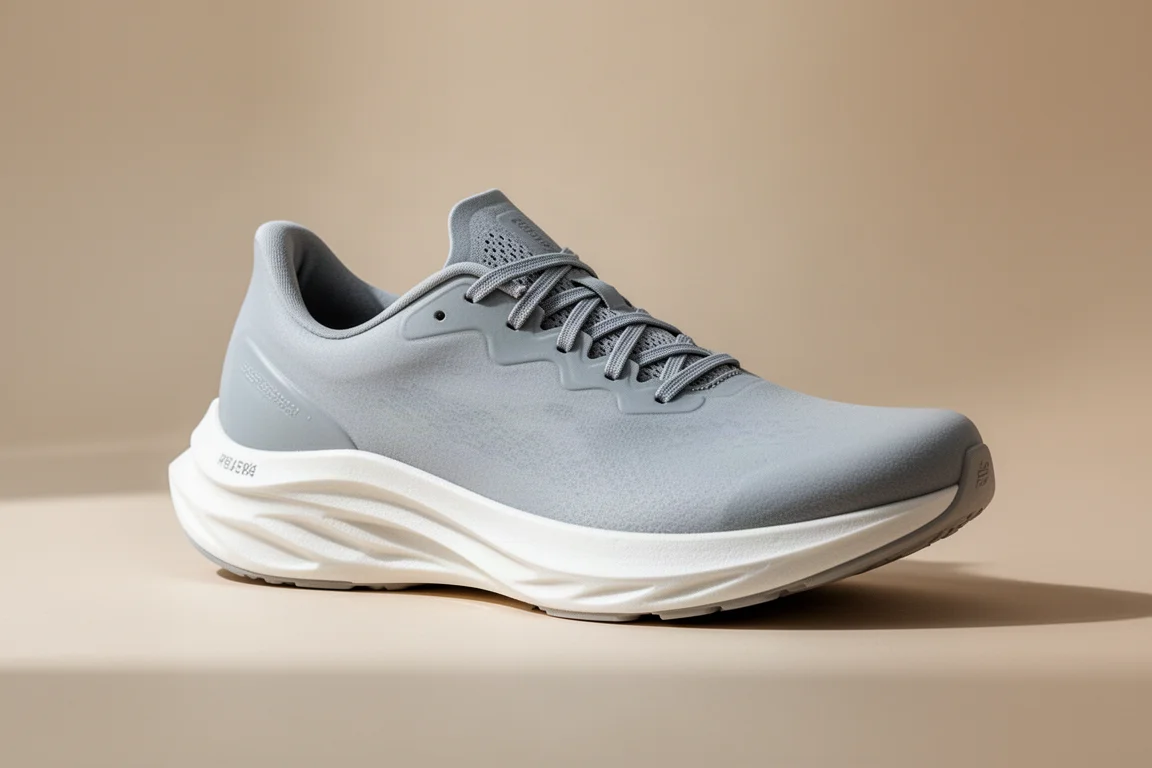
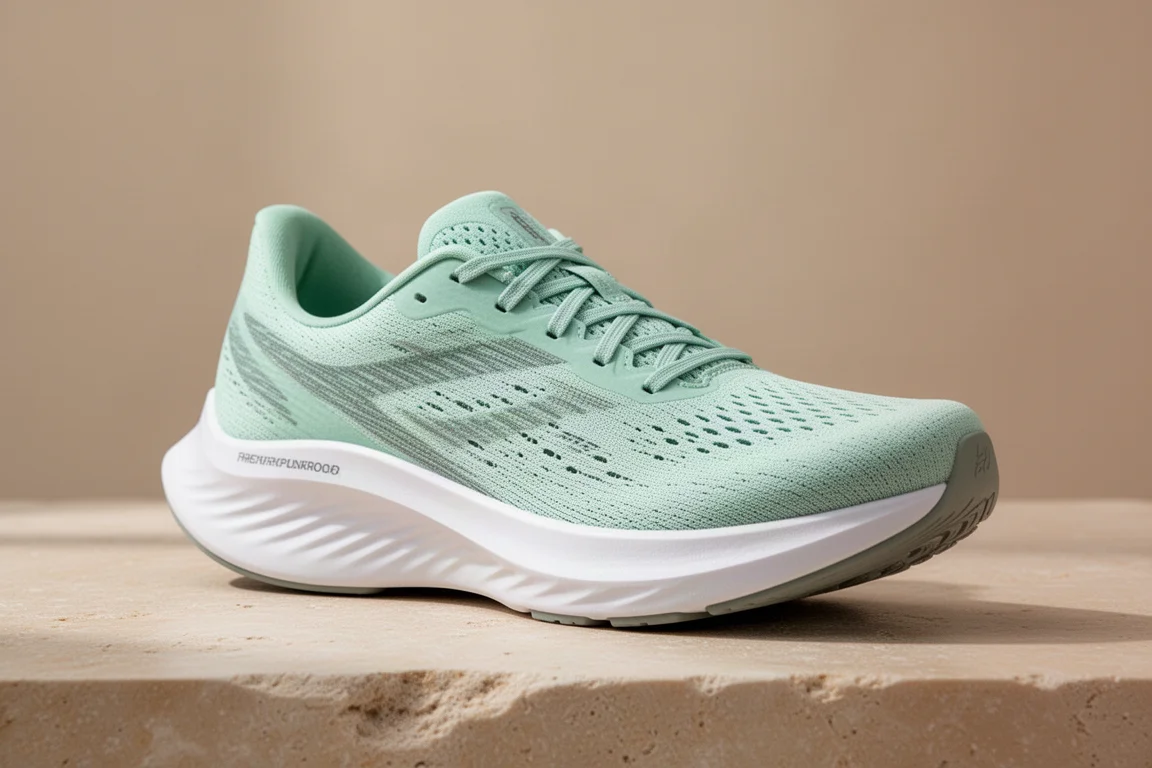
Puma: Magnify Nitro 3 and Fast-R 3
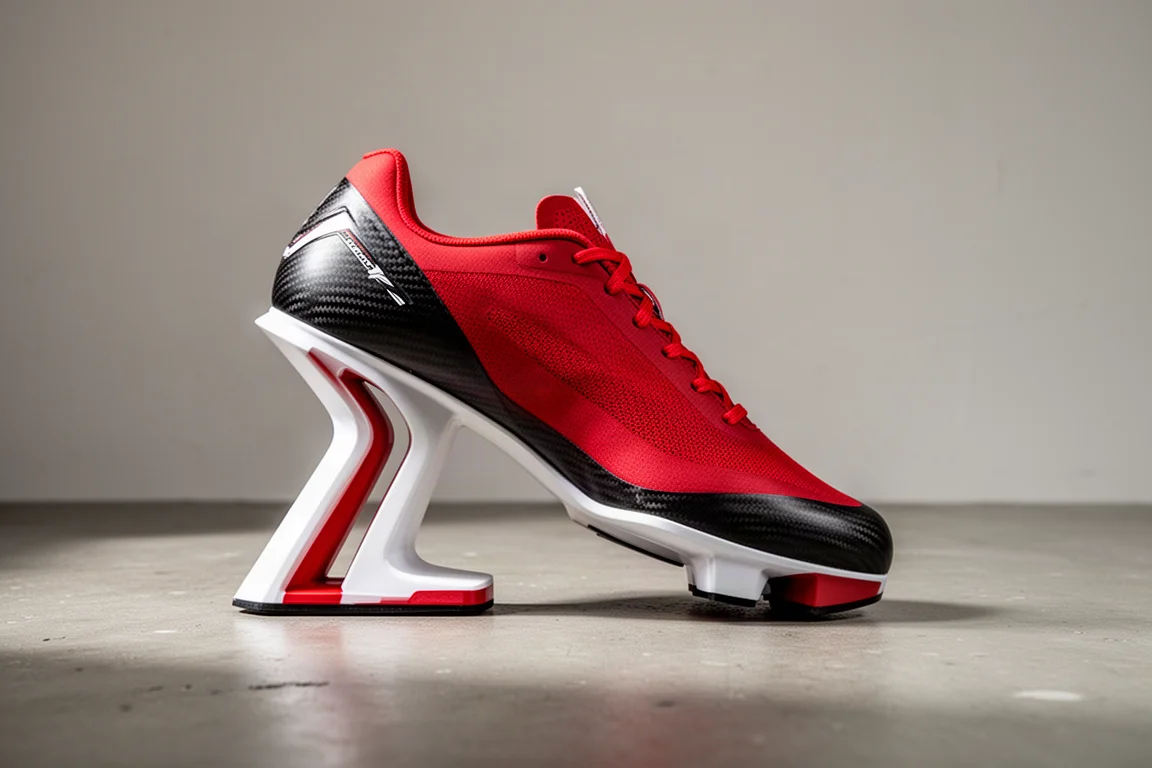
The Puma rotation has the biggest gap between its two shoes. The Fast-R 3 is the fastest, most aggressive race shoe in the game, and it is a proven PR machine, including a 2:29:04 marathon. The trade-off is real: it beats you up. Even with 200-plus miles across several pairs, it is intimidating to run in for anything beyond the biggest workouts and race day.
The Magnify Nitro 3 is the deep-cut trainer pick. It is a stable, standard daily trainer with a nice version of Nitro foam and good pop, nothing flashy, just a workhorse. It gets buried in the lineup by more exciting siblings, but for daily runs and even speed-oriented hill sprints, it does the job. Daily comfort in one shoe, serious speed in the other, and very little in between.
Saucony: Triumph and Endorphin Elite 3
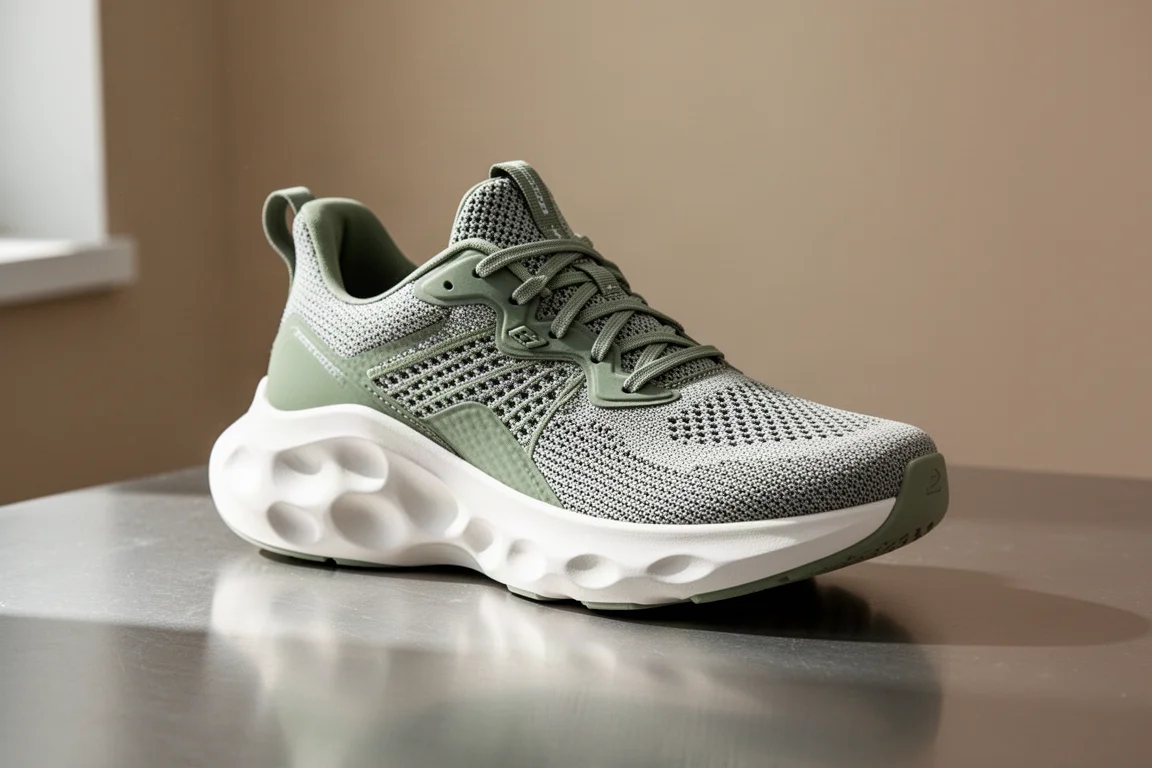
The on-the-come-up rotation, from a brand with a strong year of releases. The Endorphin Elite 3 is soft and bouncy, and it handled a 16-mile morning with hard uphill repeats well. It shines on long runs and steady efforts around 6:30 to 6:50 per mile. It is not a true racer in the mold of the Cielo or Fast-R 3, but as a super shoe for everyday training use, it is one of the best available.
The Triumph is the most well-rounded shoe in the Saucony training lineup, with aliphatic TPU foam adding some fun to a reliable daily trainer. The main gripes are crunchiness from thick rubber outsoles that deaden the foam slightly, a squeaky insole, and a forgettable colorway, but the team consensus is strongly positive. Pair the energetic race shoe with a dependable daily and the rotation makes sense.
Overall Buying Advice
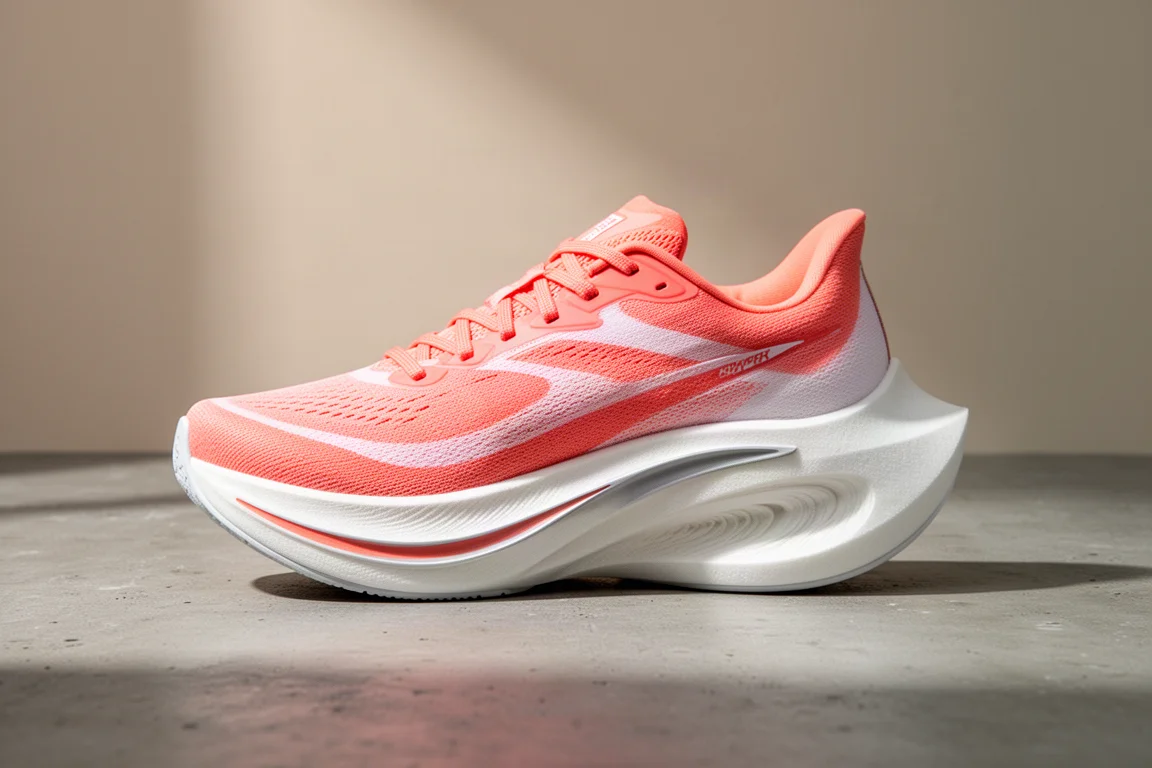
Across all eleven rotations, a pattern emerges. The strongest pairings deliberately polarize: a protective, comfortable trainer on one end and an aggressive racer on the other, with variety in feel between them. The Adidas, ASICS and Hoka rotations balance speed and comfort best, while Puma’s pairing has the widest gap and Li-Ning’s is the most fun.
Budget matters too. Deals are common on super trainers and older racers alike, so it is worth checking sale prices before paying full MSRP, particularly for established shoes that have been on the market for a while.
Conclusion
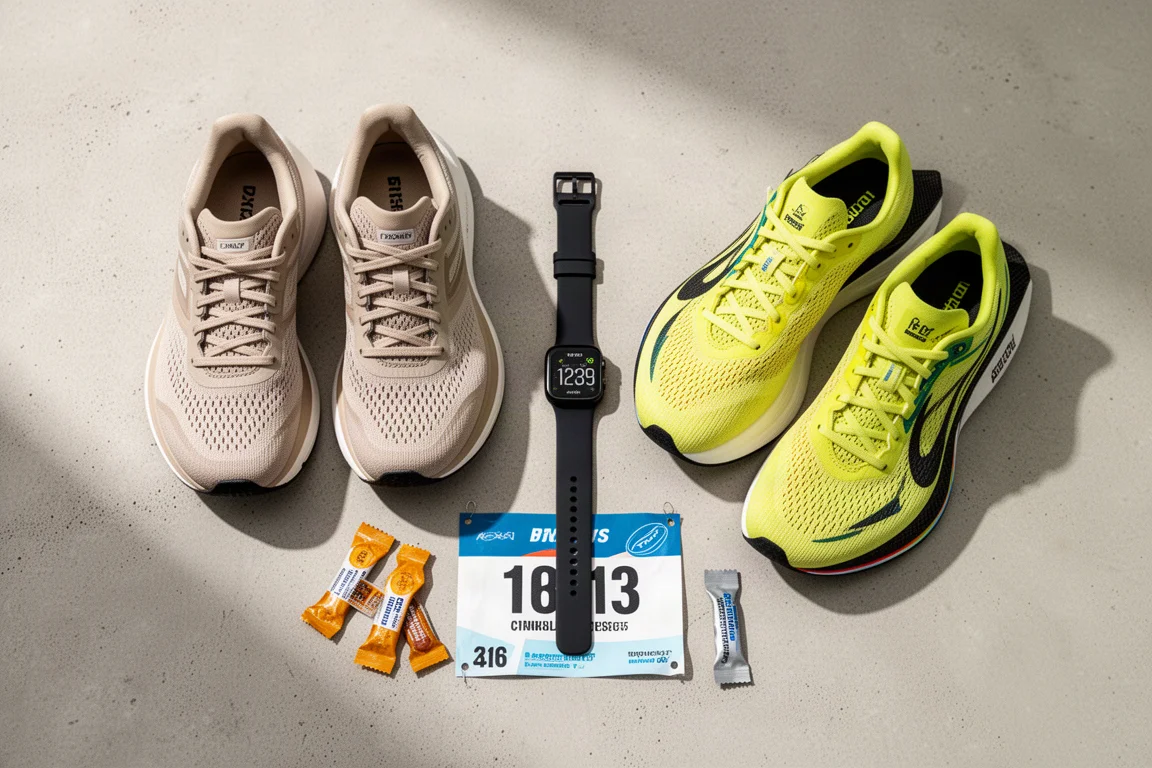
There is no single perfect two-shoe rotation, but every brand here offers a credible trainer-plus-racer pairing. Pick the racer that matches your race-day goals, add the trainer that protects your legs for the miles in between, and let the two shoes do what each does best.
Further reading
Related Reviews

Running Shoes
Best Road-to-Trail Running Shoes: Three Versatile Options for Mixed Terrain
A practical guide to three road-to-trail running shoes that handle both pavement and mild trails, with clear strengths and trade-offs for different runner types.

Running Shoes
Best Running Shoes for Achilles Tendonitis: Three Options Explained
Three running shoes with different heel drops and support features designed to help reduce Achilles tendon pain during walking and running.

Running Shoes
Best Running Shoes for Women: Five Top Choices Ranked
A ranked guide to five women's running shoes, from versatile daily trainers to high-performance racing options, with real strengths and trade-offs for each.