Backpacking Tents
Best Two-Person Backpacking Tents: MSR Hubba Hubba vs Nemo Dagger vs Big Agnes Copper Spur
Three freestanding two-person backpacking tents compared on floor width, headroom, weight, and price, with a clear pick for most buyers.
Introduction
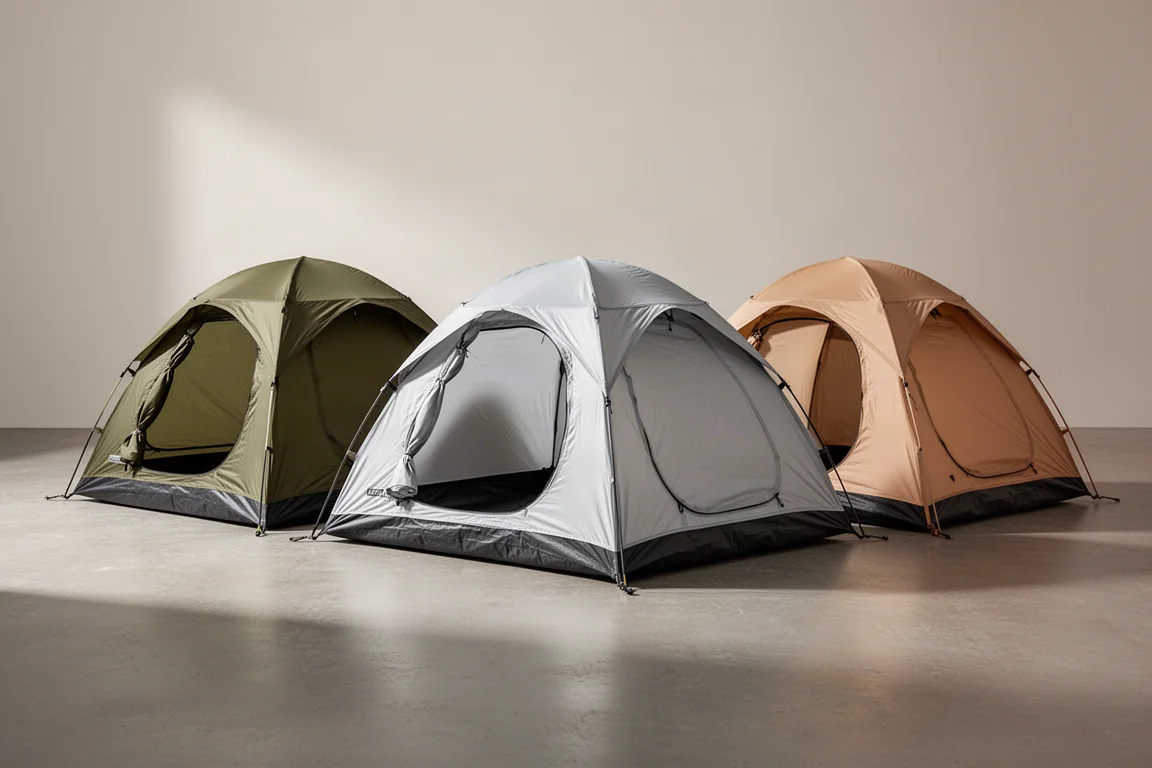
Two-person backpacking tents often get used as solo shelters, but there are trips where you genuinely want to sleep two people and still keep the load reasonable. Three long-running designs fit that brief: the MSR Hubba Hubba, the Nemo Dagger, and the Big Agnes Copper Spur. All three are freestanding, double-wall tents with two doors and two vestibules, and all three were redesigned for 2022.
They also sit close together on price. The Nemo Dagger and the MSR Hubba Hubba both come in at around $480, while the Big Agnes Copper Spur costs a little more than $550. The interesting question is what that extra money buys, and whether the answer changes which tent suits you.
What These Three Tents Have in Common
All three are traditional freestanding two-person tents. Each uses a double-wall design with an inner tent, a separate rain fly, two doors, and two vestibules, so both sleepers get their own entry and their own gear storage.
Headroom is where these tents separate themselves from cheaper shelters. Each one uses near-vertical side walls held up by a cross beam that extends out to the sides of the tent. That geometry matters more than headline floor area, because the most usable space in any tent is near the floor where you sleep, and the ceiling narrows as you move upward. Vertical walls keep enough room to sit up, change a layer, or shift position without feeling boxed in. All three tents also include generous interior pockets that lift small items off the floor.
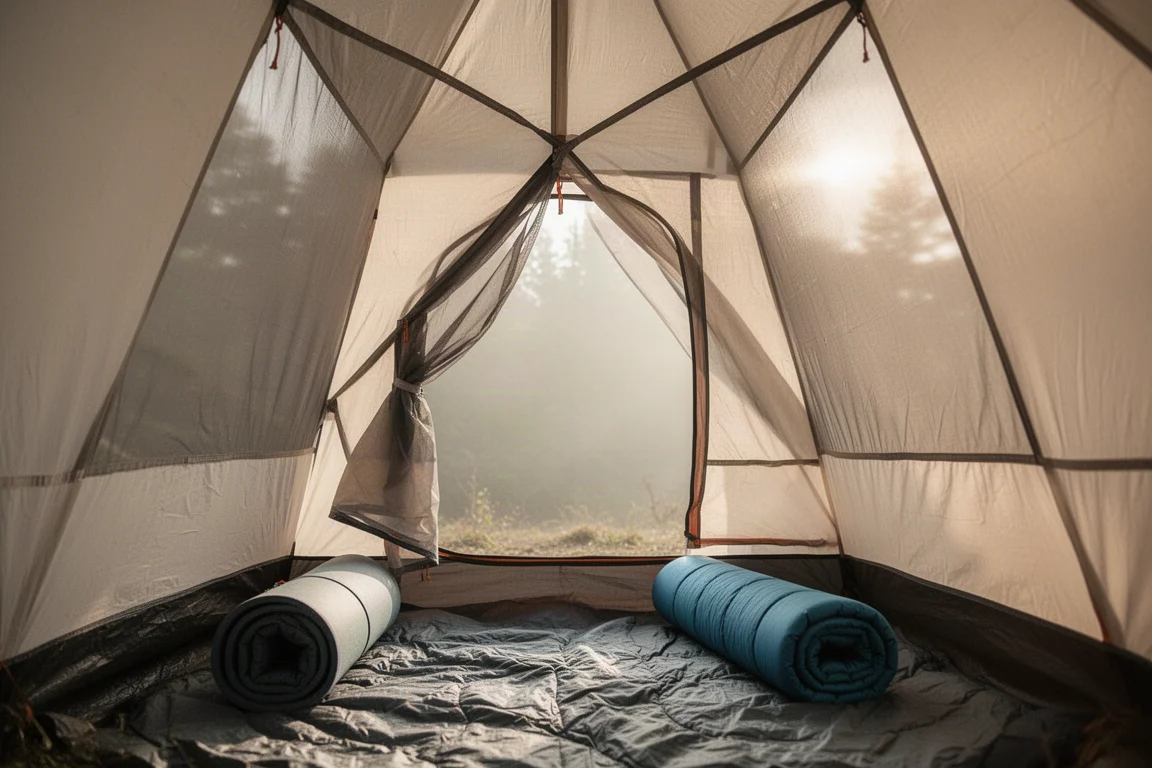
Floor width is the other shared consideration, and it is the single best predictor of whether a two-person tent will actually sleep two people. Two full rectangular 25 inch sleeping pads need 50 inches of usable width, which is why floor shape matters as much as floor length.
One construction difference is worth knowing before the individual comparisons. Nemo attaches its cross beam to the rest of the pole structure, while Big Agnes and MSR leave the cross section as a separate piece. A detachable section is easy to misplace at home or at a campsite, and without it the tent cannot be pitched correctly.
MSR Hubba Hubba
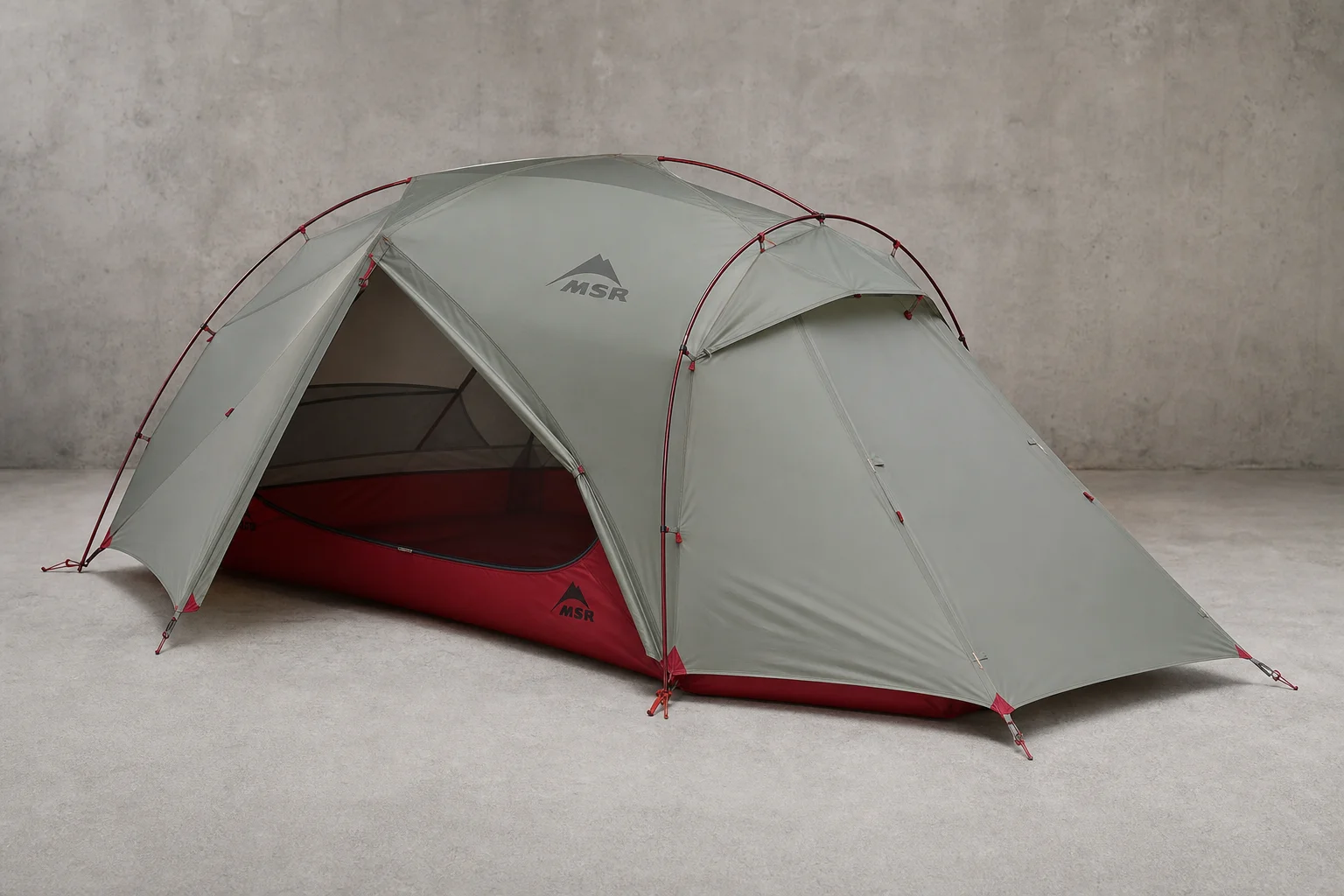
The MSR Hubba Hubba weighs just two ounces more than the Copper Spur, which makes it one of the lightest tents in this group despite costing around $70 less. Part of how MSR keeps the weight down is carbon fiber poles, a material normally reserved for much more expensive shelters. Comparable carbon fiber pole tents from Big Agnes cost roughly $1,000 or more.
The floor is a full rectangle, 50 inches wide at the head and 50 inches wide at the feet, so two full rectangular 25 inch pads fit side by side.
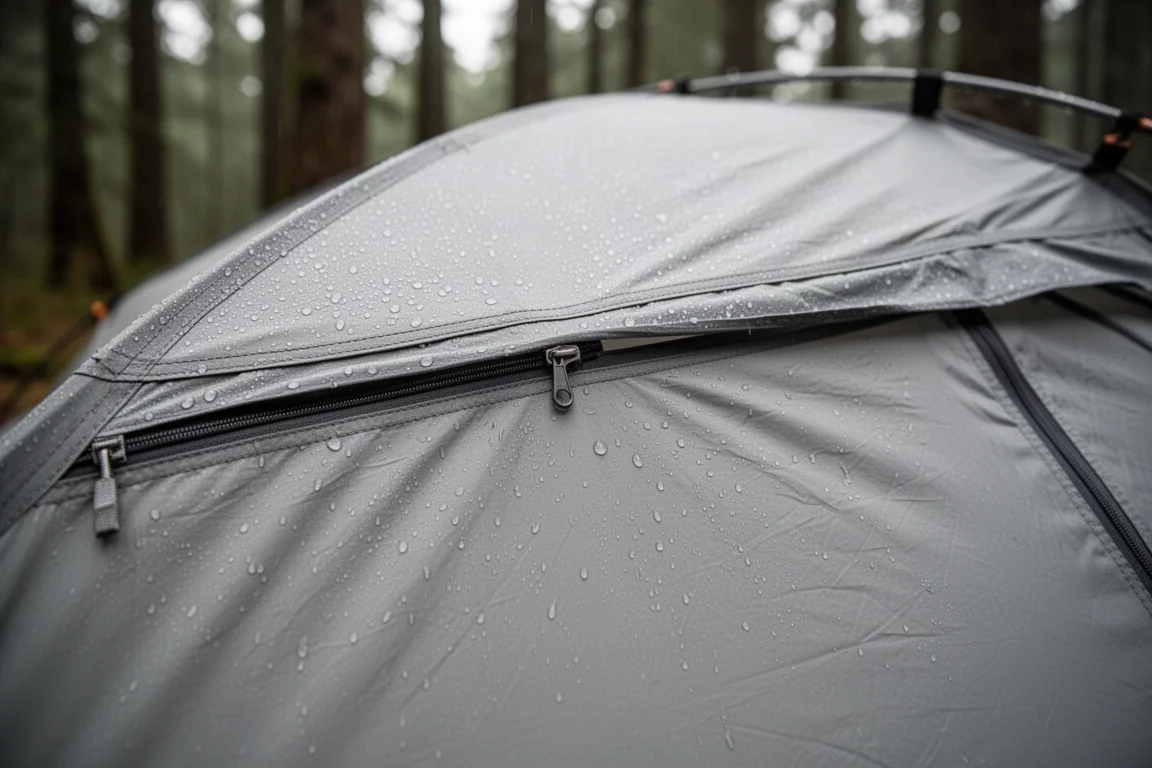
MSR also worked through the small details. The fly is designed so that it cannot be pitched backwards, where the Nemo Dagger and the Copper Spur rely on color-coded clips to steer you toward the correct orientation. Roof pockets have folding lips that keep contents from sliding out. Fly zippers open up to add ventilation. The zipper on the fly door runs across the door rather than straight down the middle, so you do not have to fold yourself in half to get out in the morning.
That zipper placement comes from the MSR FreeLite, where opening the fly lets water drip inside the tent. On the Hubba Hubba the fly extends further outward, which moves the zipper clear of the tent floor. Some dripping remains, but less of it lands, and it does not land inside the tent. The rain gutters along the door also catch and divert water more effectively here than they do on the FreeLite.
Taken together, the Hubba Hubba is the strongest all-round choice of the three.
Nemo Dagger
The Nemo Dagger is the heaviest tent here at 4 pounds 2 ounces, roughly a pound more than the Copper Spur. That is close to what a traditional two-person tent weighs, and it works out to about two pounds per person.
Its floor matches the Hubba Hubba: a full rectangle, 50 inches wide at the head and 50 inches wide at the feet, so two wide rectangular pads fit without a struggle. Vestibules are spacious and ventilation is strong.
Where the Dagger goes further is storage. The Landing Zone is a small bathtub floor built into the vestibule that protects gear from dirt and weather while moving it out of the main sleeping area, effectively a small single-wall shelter for your equipment. Nemo also uses the Jake’s Foot fly and pole attachment system, Gatekeeper door clips, and Osmo hybrid fabric that blends nylon and polyester.
Those details make the Dagger the nicest tent of the group to live with, but a number of them feel like more than most campers need, and weight is where you pay for them.
Big Agnes Copper Spur
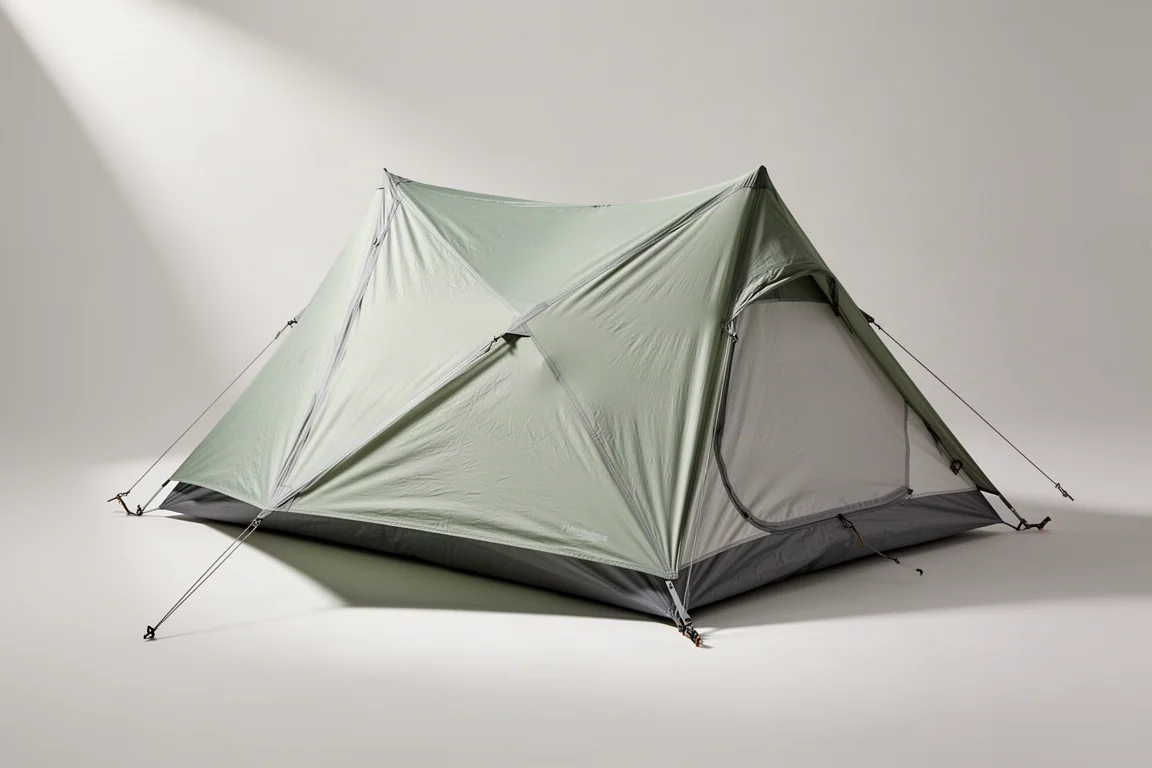
The Big Agnes Copper Spur is the lightest tent of the three at 3 pounds 2 ounces, which is not a light tent in absolute terms but is certainly not heavy either. It costs a little more than $550, around $70 more than the other two.
The weight advantage is small, and the floor is where the compromise shows. The Copper Spur measures 50 inches across at the head but only 43 inches at the feet, so two full rectangular 25 inch pads will not fit. Wide mummy-shaped pads might, though that was not confirmed with a real pair on hand.
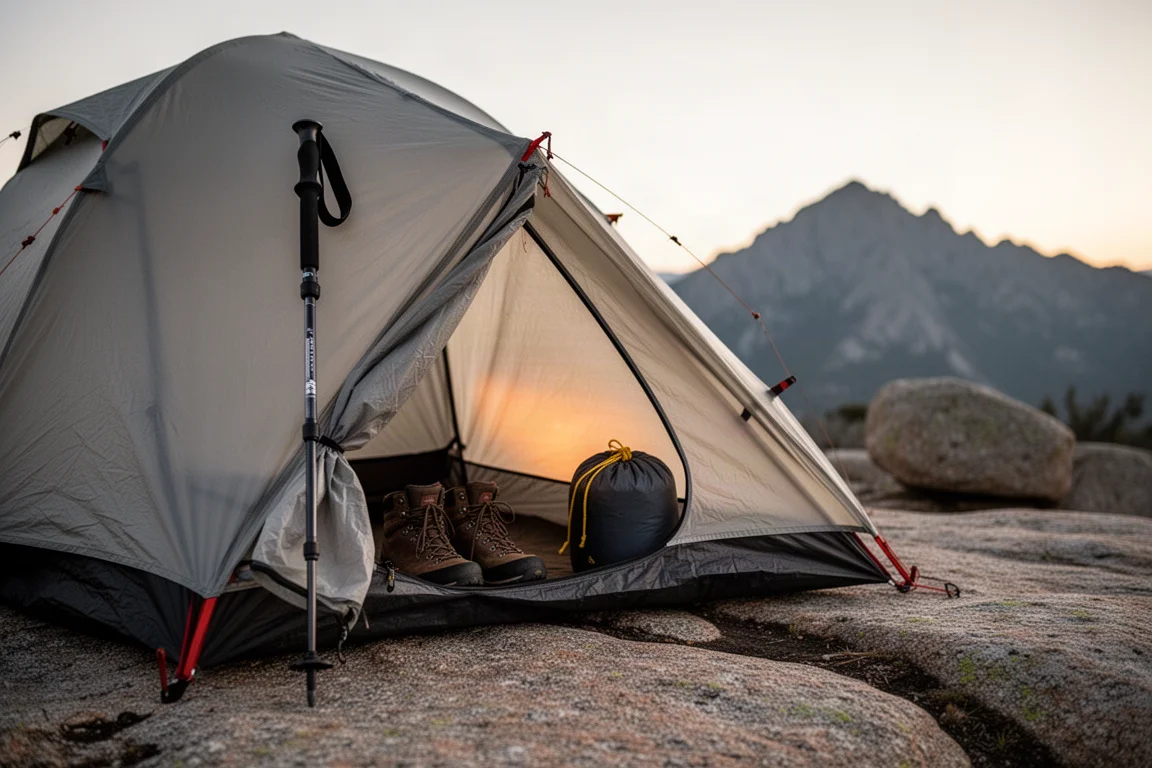
The vestibule door can be propped open with trekking poles, which photographs like a generous porch or a cooking awning. In practice the sheltered area is very small and reads more like a marketing flourish than a genuinely useful feature. Like the Nemo, the Copper Spur uses color-coded clips to guide fly orientation.
For a tent meant to sleep two people, the tapered floor and the price premium are hard to justify against a two-ounce weight saving.
Buying Advice
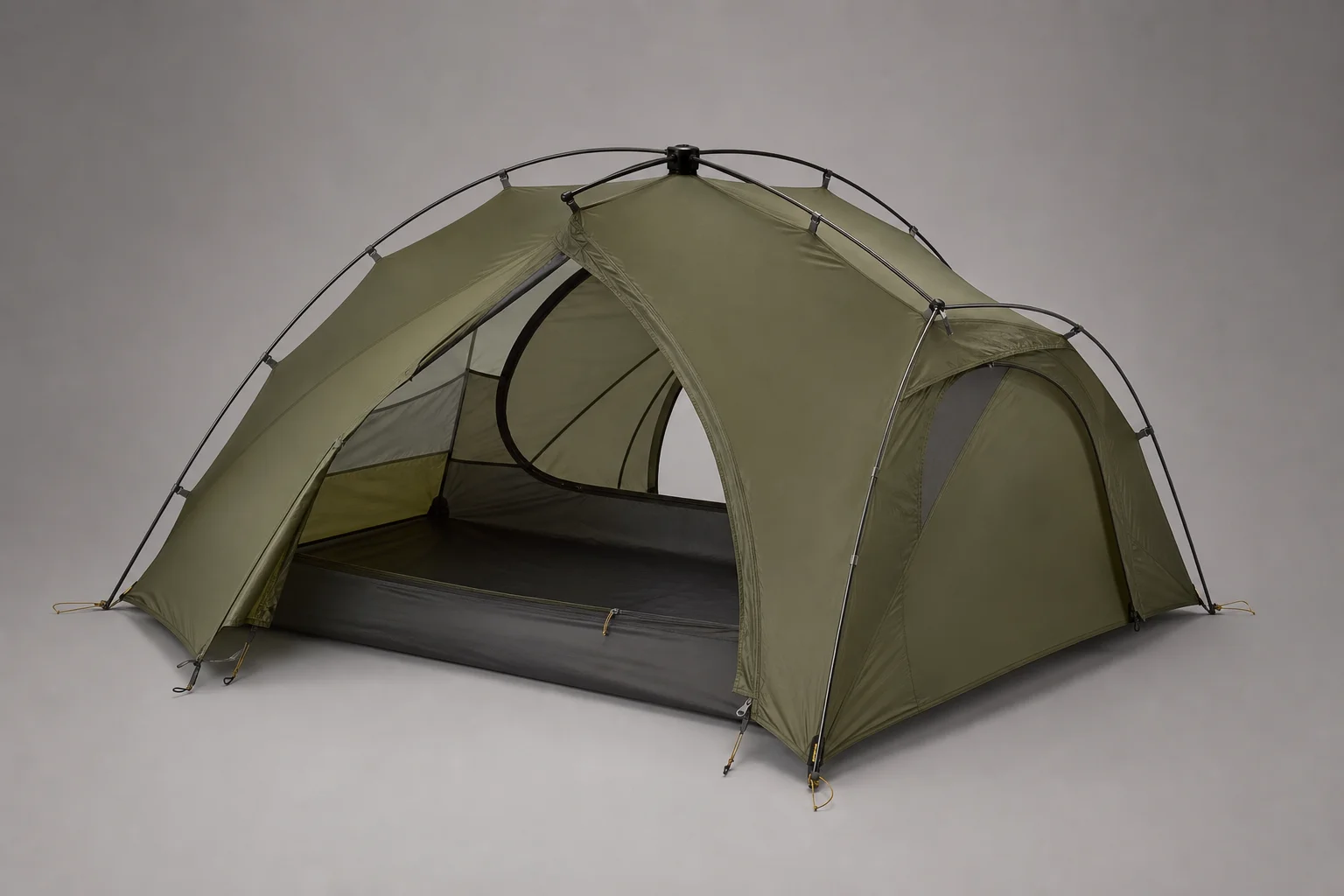
If the tent genuinely needs to sleep two people, floor width decides more than weight does. The Hubba Hubba and the Dagger both offer a full 50 inch rectangular floor that accepts two standard rectangular pads, and both keep the near-vertical walls that make sitting up and changing clothes practical. The Hubba Hubba delivers that at 3 pounds 4 ounces with carbon fiber poles for around $480, which is the best balance of weight, usable space, and cost in this group.
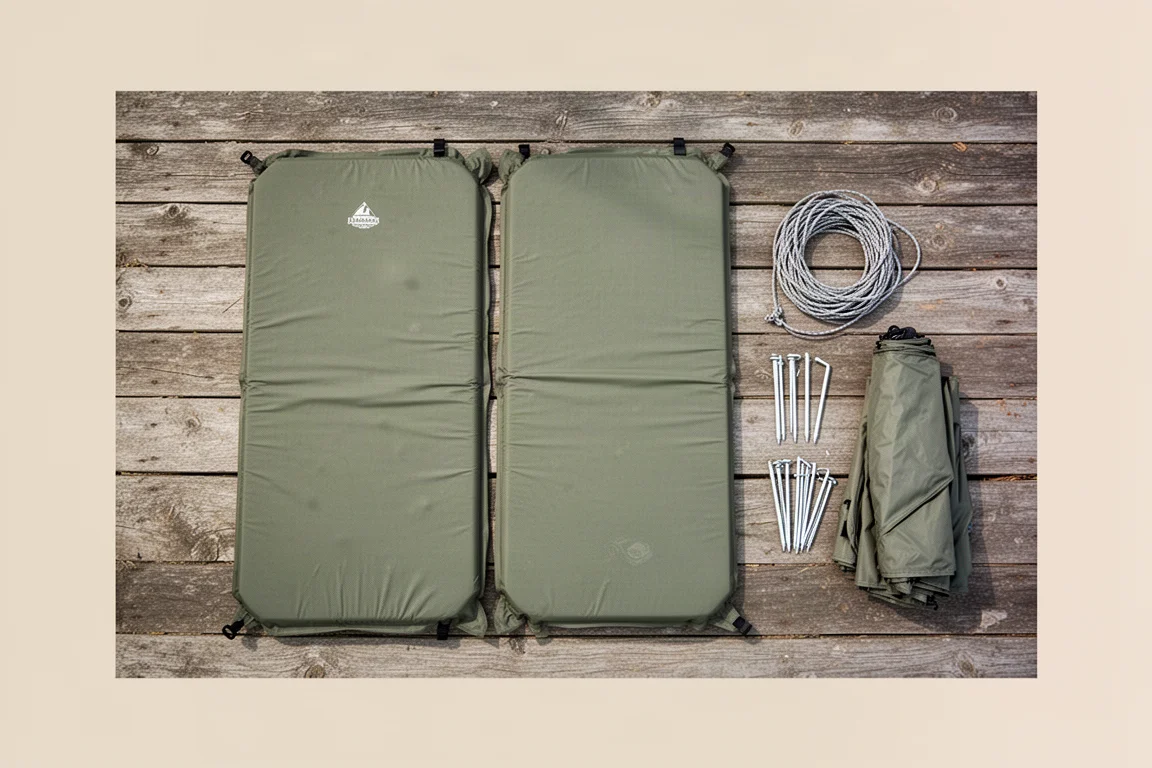
The Dagger is the most feature-rich tent of the three, with the Landing Zone gear storage, spacious vestibules, strong ventilation, and Osmo hybrid fabric. If those details matter to you and you do not mind carrying about a pound more, it is a comfortable and well-organized shelter. The Copper Spur is the lightest, but the two-ounce advantage over the Hubba Hubba is modest, the tapered floor rules out two rectangular pads, and it costs around $70 more.
Conclusion
All three of these tents are solid, freestanding two-person shelters with two doors, two vestibules, and the vertical walls that make a two-person tent feel like a two-person tent. The difference comes down to floor shape, weight, and price.
For most buyers who want a true two-person backpacking tent, the MSR Hubba Hubba is the strongest pick: a full rectangular floor, carbon fiber poles, and a fly that cannot be pitched the wrong way, at the lower end of this group’s pricing. The Nemo Dagger is the most comfortable and best organized if you accept the extra pound, and the Big Agnes Copper Spur is the lightest option for anyone who can work with a narrower floor.
Check weight and floor dimensions first, then decide how much the extra features are worth to you.
Further reading
Related Reviews
Backpacking Tents
3F UL Lanchan Pro 1 Review: A 1 lb 8 oz Single-Wall Trekking Pole Tent
A practical look at the 3F UL Lanchan Pro 1, a single-wall trekking pole shelter with a 1 lb 8 oz weight, 20D silnylon fabrics, and a roomy 90 x 31 x 49 inch interior.
Backpacking Tents
3F UL Taiji 2-Person Tent: A Convertible Backpacking Shelter Worth a Closer Look
A practical look at the 3F UL Taiji two-person tent, covering its materials, true two-person interior, fly-first pitching, and the seasonal inner swap that lets one shelter cover more of the year.
Backpacking Tents
3FUL Lanshan Twoerson Pro Review: A Light Trekking Pole Shelter That Struggled in Rain
A two-person trekking pole shelter with a 2026 redesign, pitched with sticks and put through a night of steady rain. Here is what worked, what did not, and what to check before buying.