Backpacking Tents
Best Two-Person Backpacking Tents 2026: Seven Category Winners
Seven two-person backpacking tents, each chosen for a different priority: ultralight weight, livable space, budget value, freestanding convenience, and stormworthy strength.

Introduction
Two-person backpacking tents cover an enormous range. At one end sit sub-600 g shelters built for fast and light trips, and at the other are stormworthy domes designed for winter and exposed terrain. Choosing between them comes down to which priorities matter most for the trips you actually take.
The seven tents below each win a specific category: ultralight weight, roomy ultralight comfort, budget value, freestanding convenience, semi-freestanding balance, all-around performance, and stormworthiness. Together they map out the real trade-offs in the two-person tent market, from pack weight and interior volume to wind behaviour and price.
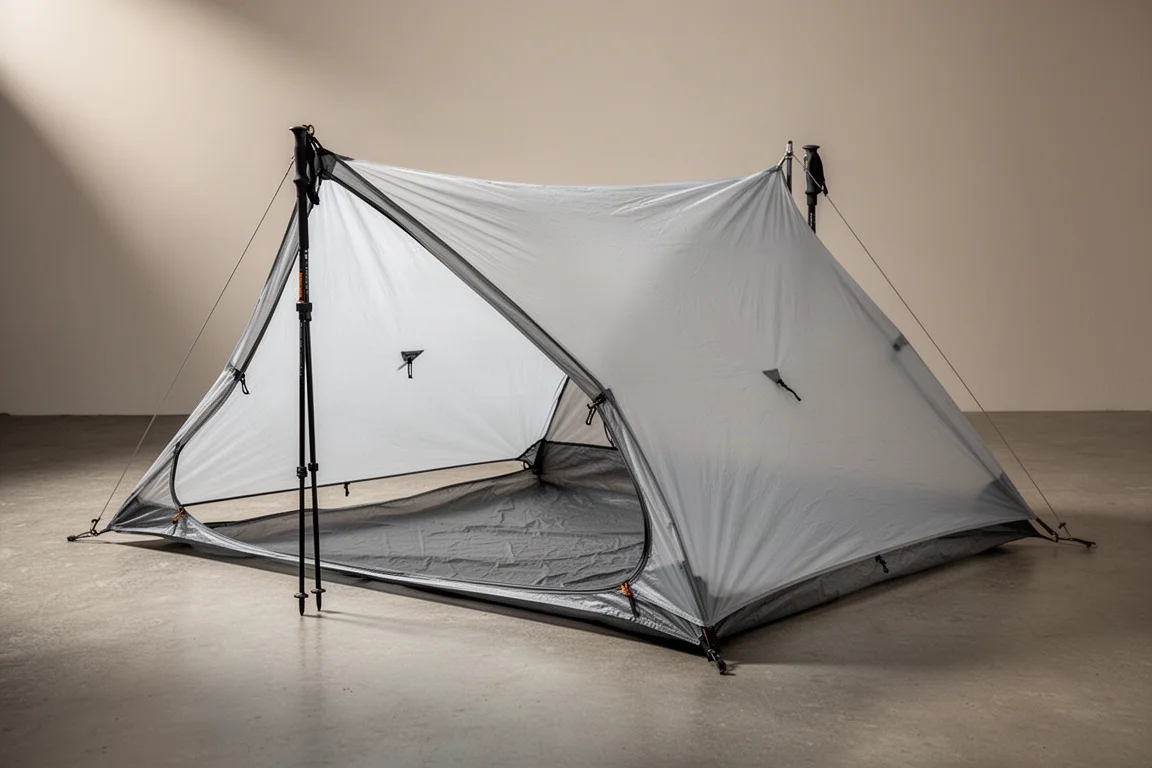
Best Ultralight Tent: Durston X-Mid Pro 2+
Weight comes first in this category, but a tent that is merely light is not enough. It also has to be quick to pitch, easy to live with, and wide enough for two 25 inch sleeping pads side by side. The Durston X-Mid Pro 2+ meets all three.
The interior measures 56 inches across, which leaves room for two wide pads plus a little space for gear. Total weight is 545 g, only 36 g more than the non-plus version of the same shelter. The details are equally considered: magnets that hold the doors back, a dual zipper door, and plenty of stakeout points for a taut pitch.

Two trade-offs are worth knowing before buying. The first is price, which sits at the top of the ultralight market. The second is the footprint, which takes up a lot of ground. That is largely unavoidable in any genuinely roomy two-person shelter, but it matters on small tent pads. This is a shelter for fast and light trips where every gram is counted, and it is forgiving enough for less experienced campers who want an easy, stable pitch.
Best Roomy Ultralight Tent: Zpacks Offset Trio
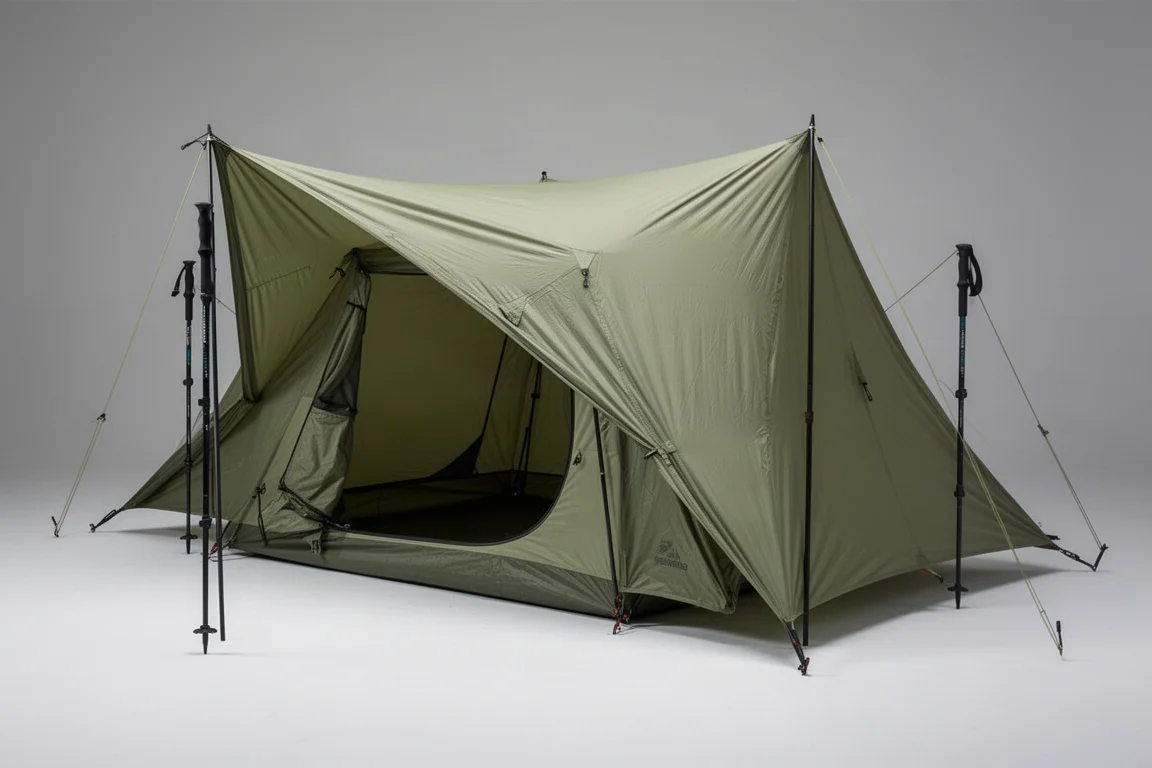
This category asks for a tent that stays light while feeling noticeably more livable than a stripped-back ultralight shelter. The Zpacks Offset Trio delivers space in three directions at once.
It is very wide, and the offset pole geometry adds shoulder room and headroom when you sit up. Because the two end poles stretch the head and foot ends outward, there is also real clearance around your head and feet, so a sleeping bag or quilt is unlikely to brush the walls. Getting in and out is straightforward, and the overall amount of space is remarkable for the weight.
The obvious cost is price, and the second is wind performance. The large panels and the end poles that create all that interior volume make the shelter less settled in strong wind. That makes it a tent for trips where space and weight are the priorities and camps are sheltered, below treeline and out of the worst of the weather.
Best Budget Tent: NatureHike Mongar 2
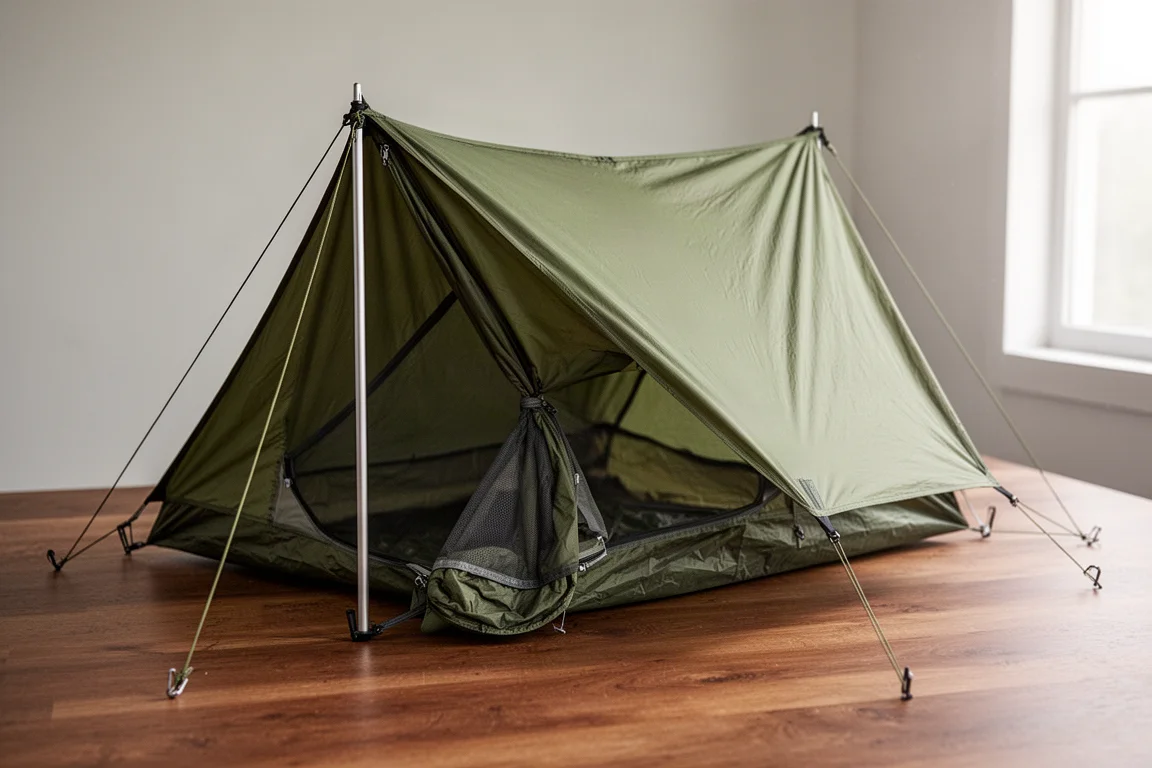
Three things matter in this category: a price around $100 or less, a simple pitch, and enough reliability to trust on a real trip. The NatureHike Mongar 2 hits all three.
It fits two 25 inch wide pads, so two people can share it comfortably, and the pitch is intuitive enough that anyone who has set up a tent before will get it right on the first attempt. Build quality is solid and durable, which means it can be lent to a first-time backpacker without worry, even in fairly harsh conditions.
The compromise is packed size. It is bulky and does not compress much smaller, so it takes up more room in a pack than the ultralight options here. For many people that is a fair trade, because this is the kind of tent that can serve as a first, last, and only shelter for years of three-season trips.
Best Freestanding Tent: Durston X-Dome 2+
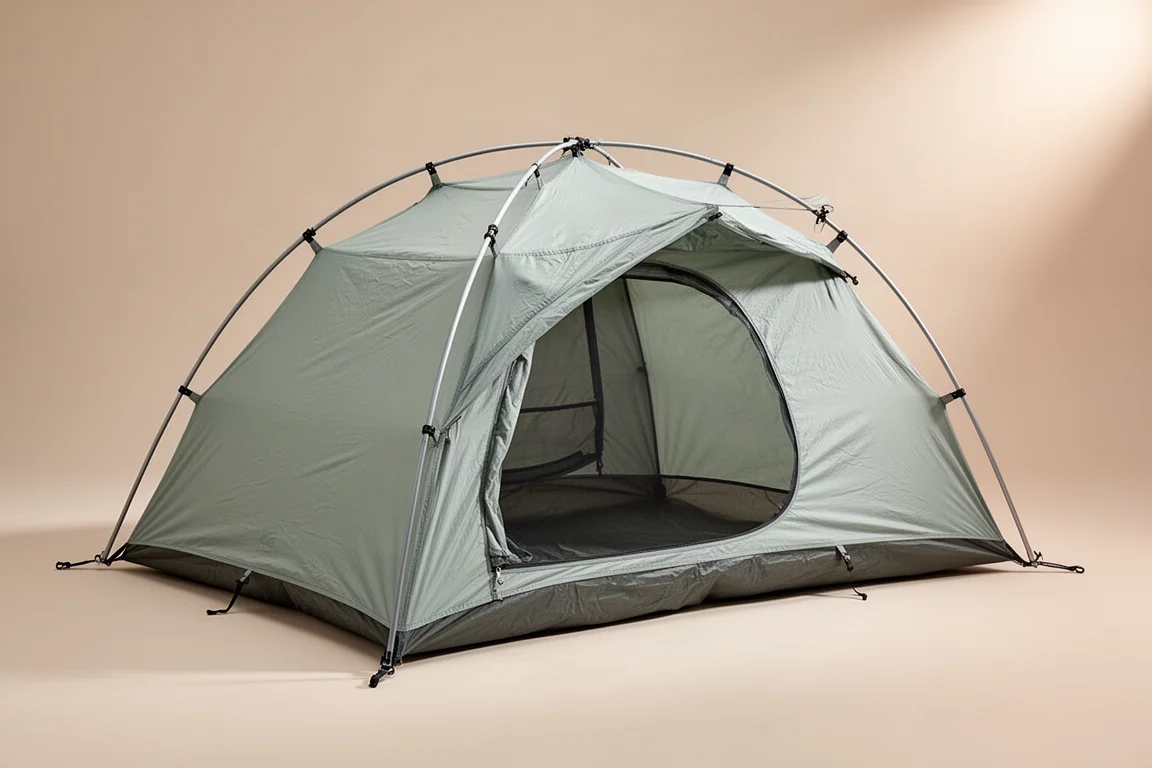
A freestanding tent has to stand on its own without stakes and without trekking poles, and it still has to work well in general use. That combination matters on rocky ground, on tent platforms, and anywhere stakes simply will not go in.
The Durston X-Dome 2+ is genuinely freestanding. Once the poles are in, the structure stands by itself, and only four stakes are needed to fully stake it out. Two large doors, vents on both sides, and an interior wide enough for two 25 inch pads with a little corner space for gear make it comfortable for two. The materials are equally serious: carbon fiber poles and a sil poly fly that does not sag or stretch when it gets wet.

The all-in-one pitch is the feature that stands out most. The inner attaches to the fly and the tent goes up with the poles on the outside, so heavy rain does not soak the interior, and wind cannot over-tension the poles before the shelter is fully guyed out.
The trade-off is panel size. The head, foot, and door panels are large. Trekking poles can be fitted to brace the door panels, but not the head and foot ends, so winds well over 50 km/h will push it, as they will any freestanding two-person tent at this weight. For three-season trips outside truly exposed terrain, that is a reasonable compromise, and wind handling is a clear strength within its weight class.

Best Semi-Freestanding Tent: Big Agnes Tiger Wall 2
Semi-freestanding tents use fewer poles than a fully freestanding design, so the vestibules and one end still need staking, but they usually save weight. The Big Agnes Tiger Wall 2 was chosen because it gives up as little space and storm resistance as possible.
The tent was updated for 2025 with a new fly material that is more durable and performs better when wet, sagging and stretching less than the previous version. The interior remains roomy, with good pockets, and the whole package stays light for a semi-freestanding shelter.
The pitch is the weak point. There is no all-in-one option, so the inner goes up first and the fly goes on over it. In rain that means a wet interior, and in wind it makes the tent harder to control while you are setting it up. This tent also sits in a slightly awkward middle ground: it does not save as much weight as a trekking pole shelter, and it does not offer every advantage of a fully freestanding one. For campers who want a semi-freestanding design with a roomy interior, though, it remains a solid choice.
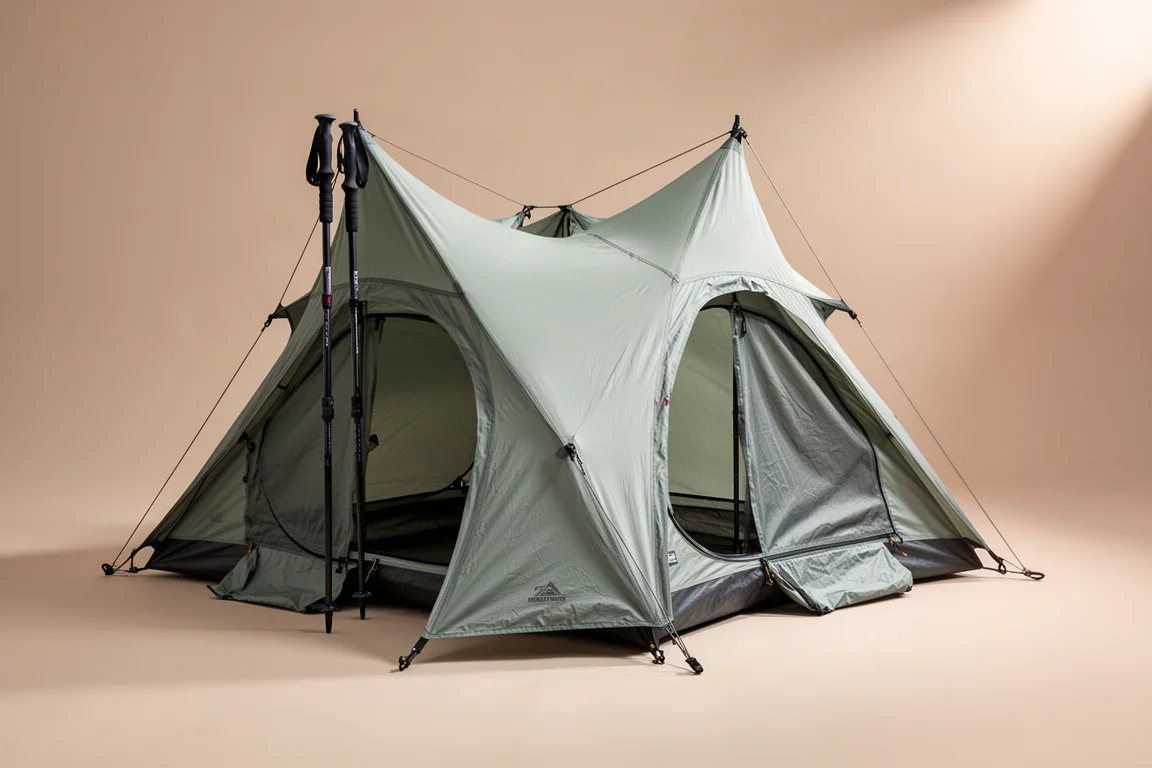
Best All-Around Tent: Durston X-Mid 2
The all-around category weighs weather performance, interior space, ease of use, and price together, and it is the category most buyers should start with.
The Durston X-Mid 2 uses a new 15 denier sil fabric that brings the weight down to 880 g, which is remarkable for a double-walled two-person tent that comfortably fits two wide pads. It has a proven record for durability and weather performance, and it costs under $300.

The main caveat is height. The geometry of the walls and ceiling may not suit two campers over 6 feet tall, who may be more comfortable in the X-Mid Pro 2+ or the Offset Trio. For everyone else, this is the tent that works on almost any trip.
Best Stormworthy Tent: Tarptent ArcDome 2
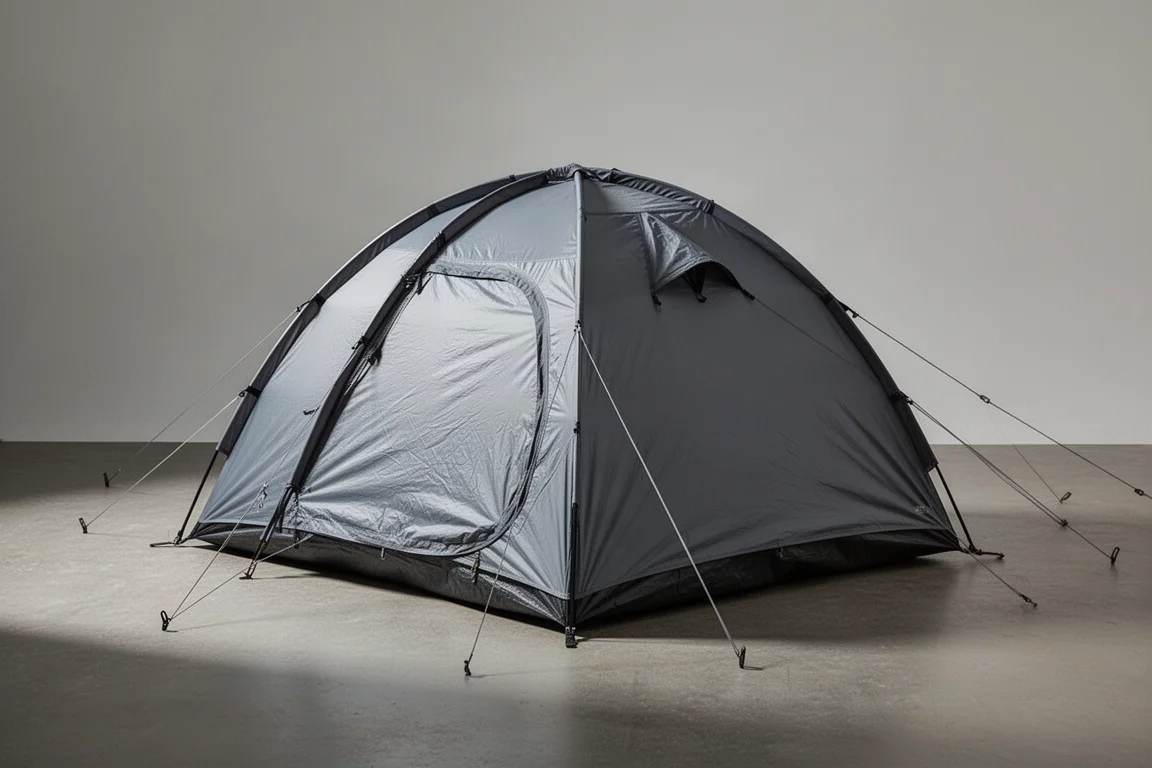
This category is about handling four seasons almost anywhere, from the mountains of Canada to the hills of the UK, and doing it without turning setup into a struggle.
The Tarptent ArcDome 2 has come through winds over 100 km/h without trouble, and it goes up easily even when the wind is strong. The pole structure and materials deal with wind well, which is unusual in a true two-person tent that fits two 25 inch wide pads. It is also light for how much weather it takes and how much room it offers, at a time when many stormworthy tents are either well over 2 kg or noticeably smaller inside.
Some parts of the setup are finicky, particularly getting the poles into the foot end, and that criticism applies most to the first edition. The payoff is a shelter for winter trips shared with a partner and for exposed places such as the Arctic Circle or alpine terrain.
Overall Buying Advice
Start with the conditions you actually camp in, not the conditions you imagine. If most trips are fast and light on established trails, an ultralight trekking pole shelter such as the X-Mid Pro 2+ or the Offset Trio saves the most weight, provided you accept the larger footprint or the reduced wind performance.

If you camp on rock, platforms, or hard-packed ground where stakes are difficult, a freestanding design like the X-Dome 2+ removes a real source of frustration. If you are buying your first tent and want something simple, durable, and inexpensive, the Mongar 2 covers the basics, with packed size as the main compromise.
For one tent that does most things well, the X-Mid 2 is the value pick, as long as neither camper is over 6 feet tall. And if winter camping or exposed terrain is part of the plan, the ArcDome 2 is the one built for it. Match the shelter to the trips you take most often, and the category winners above will serve you well for years.
Conclusion
Each of these seven tents earns its place because it solves a specific problem well. The X-Mid Pro 2+ is the lightest way to give two people real space. The Offset Trio trades wind performance for interior comfort. The Mongar 2 proves that a low price does not have to mean a fragile or complicated tent. The X-Dome 2+ brings true freestanding structure and an all-in-one pitch. The Tiger Wall 2 offers a lighter semi-freestanding option with an improved fly. The X-Mid 2 balances weight, price, and durability better than almost anything else. The ArcDome 2 is the one to trust when the weather turns serious.
Decide which of those priorities matches your trips, and the choice becomes far simpler than the size of the market suggests.
Further reading
Related Reviews
Backpacking Tents
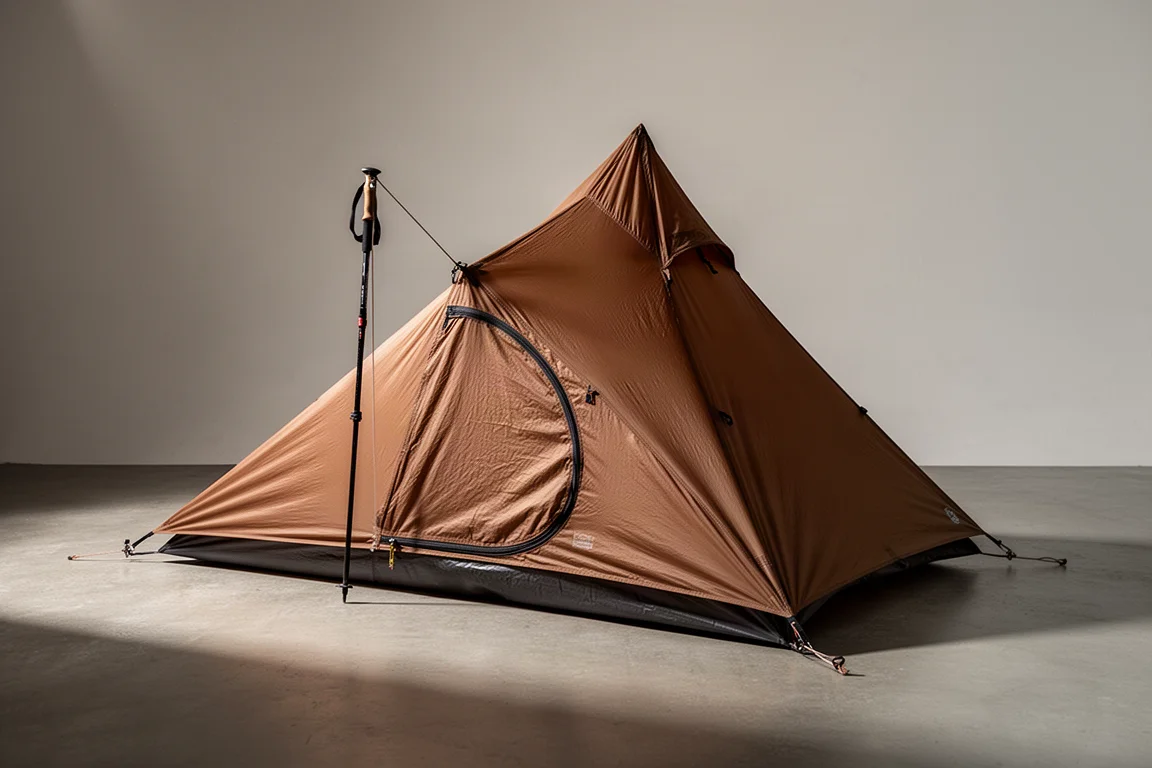
3F UL Lanchan Pro 1 Review: A 1 lb 8 oz Single-Wall Trekking Pole Tent
A practical look at the 3F UL Lanchan Pro 1, a single-wall trekking pole shelter with a 1 lb 8 oz weight, 20D silnylon fabrics, and a roomy 90 x 31 x 49 inch interior.
Backpacking Tents
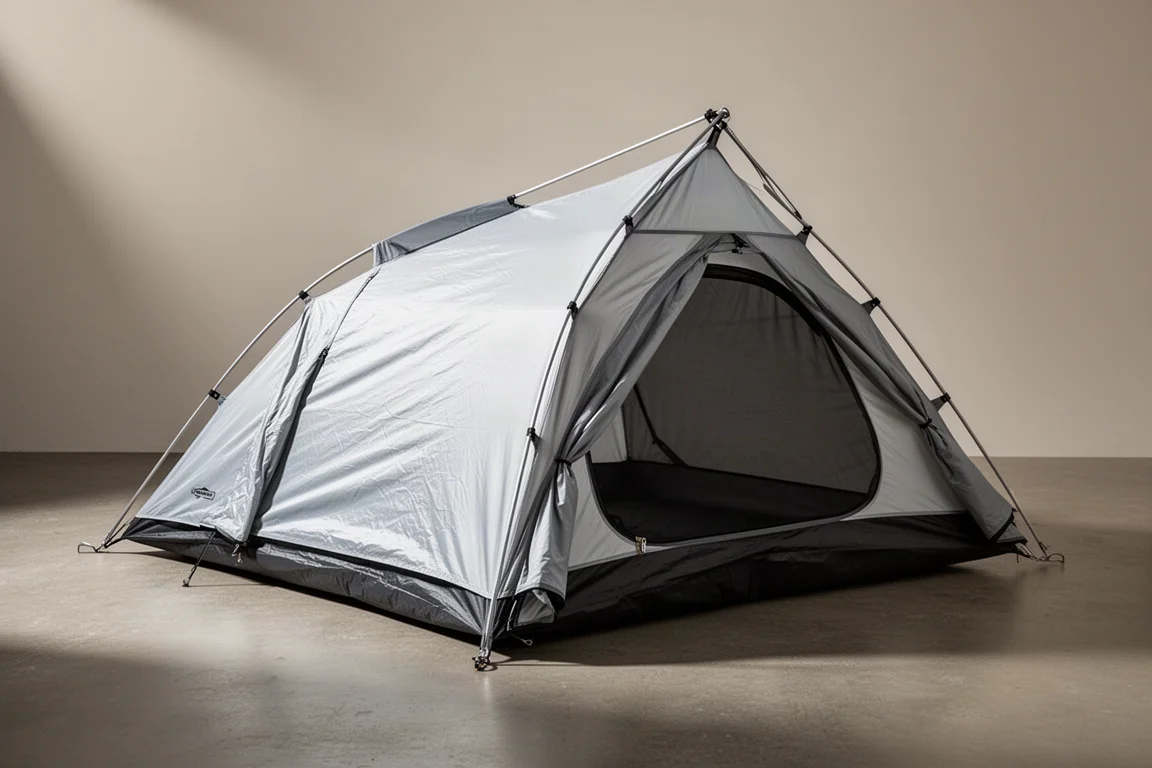
3F UL Taiji 2-Person Tent: A Convertible Backpacking Shelter Worth a Closer Look
A practical look at the 3F UL Taiji two-person tent, covering its materials, true two-person interior, fly-first pitching, and the seasonal inner swap that lets one shelter cover more of the year.
Backpacking Tents
3FUL Lanshan Twoerson Pro Review: A Light Trekking Pole Shelter That Struggled in Rain
A two-person trekking pole shelter with a 2026 redesign, pitched with sticks and put through a night of steady rain. Here is what worked, what did not, and what to check before buying.