Ski Gear
Best Twin Tip Skis for Park and All-Mountain: A Freestyle Ski Roundup
A practical roundup of twin tip skis, from value park models with bindings included to premium freestyle shapes, with notes on flex, construction, swing weight, and mount point.
Introduction
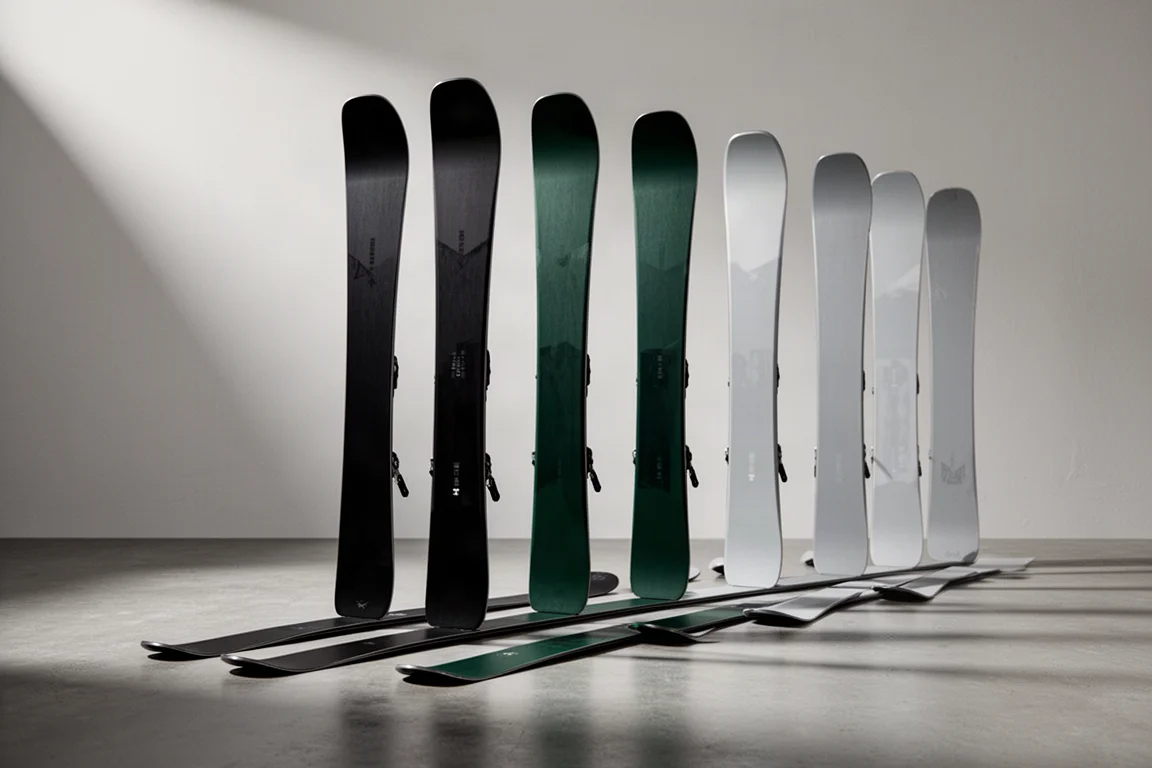
Twin tip skis cover an unusually wide spread of skiers. The same category holds a first pair of park skis for a young rider, a competition ski that lands on World Cup big air podiums, and a playful all-mountain shape that never touches a rail. That range is exactly what makes choosing one harder than it looks, because two skis with similar widths and similar shapes can behave completely differently underfoot.
This roundup runs from the value end of the market up to premium freestyle shapes. Every ski here has a twin tip, though not all of them are aimed at the park. Flex pattern, swing weight, sidewall construction, and mount point all push each ski toward a different kind of skier.
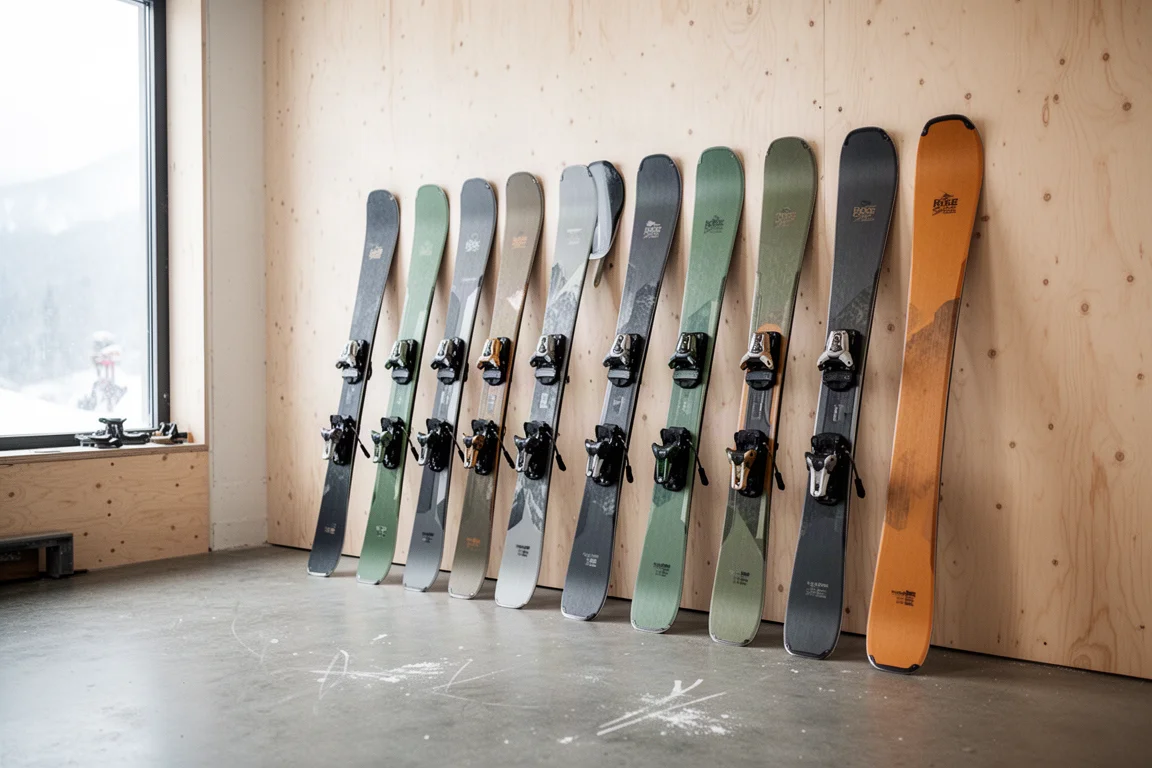
Prices are for flat skis unless noted, and several of the entry-level models include bindings. Where a ski spans a wide range of lengths, that matters, because the same model often suits both a young skier and an adult.
What to Look For in a Twin Tip Ski
Construction matters most for durability. A capped build holds the ski together as one cohesive unit, which adds quickness and protects the top sheet when skis clash, as they tend to in a park. A full vertical sidewall costs more and generally holds up better on rails. Hybrid builds place sidewall underfoot and cap the tips and tails, which reduces swing weight.
Flex pattern decides who the ski suits. A soft, round flex is forgiving and playful, and it makes butters, presses, and nose and tail manuals easier. A stiffer flex adds stability at speed and more support on landings.
Shape falls into two families. A traditional twin tip runs camber to the end of the ski and then turns up into a second tip, which produces a precise, responsive feel. A modern freestyle shape adds more tip and tail rocker plus early taper, which makes the ski quicker, less catchy, and easier to smear. Mount point matters as well: some skis here are designed around a true center mount, and others are not.
K2 Reckoner 92
The Reckoner 92 is the value entry in the Reckoner line, and it uses a different build from the wider models in the range while keeping the same overall intent. Flexing it by hand, it is clearly one of the easiest skis here to bend, which is what makes it a sensible first freestyle ski. It suits aspiring skiers whether they are heading into the park or simply cruising the mountain.
The construction pairs an Aspen veneer wood core with triaxial fiberglass braiding. The profile combines tip rocker and splay with camber underfoot and a reasonably symmetrical tail. It is not a symmetrical ski, but it stays playful. Most of the build is capped with only a small amount of vertical sidewall underfoot, which is a cheaper way to build a ski and also helps with durability and quickness. Lengths run from 149 to 179 cm.
At $399.95 with bindings included, it is one of the most accessible routes into freestyle skiing, and it is also offered as a package with boots and poles. The one genuine limitation is the Marker M10 system binding on a track, a 10 DIN unit that aggressive park skiers spinning on and off rails may eventually outgrow.
View more details for K2 Reckoner 92
Dynastar Menace 90
The Menace 90 follows a very similar recipe to the Reckoner 92: a simple wood core, fiberglass, and a cap construction with no vertical sidewall underfoot. The differences are in the flex and the binding. It uses an 11 DIN binding with a stronger heel piece, so it suits a heavier or more aggressive skier, and it carries a stiffer flex pattern.
That extra stiffness adds longitudinal stability, which makes the Menace 90 the better of the two when you are skiing fast. The trade-off is a little less playfulness. At $479.95 with bindings, it remains a strong value, and lengths run from 130 to 180 cm in 10 cm increments, which covers a very wide range of skiers.
Head Oblivion 79
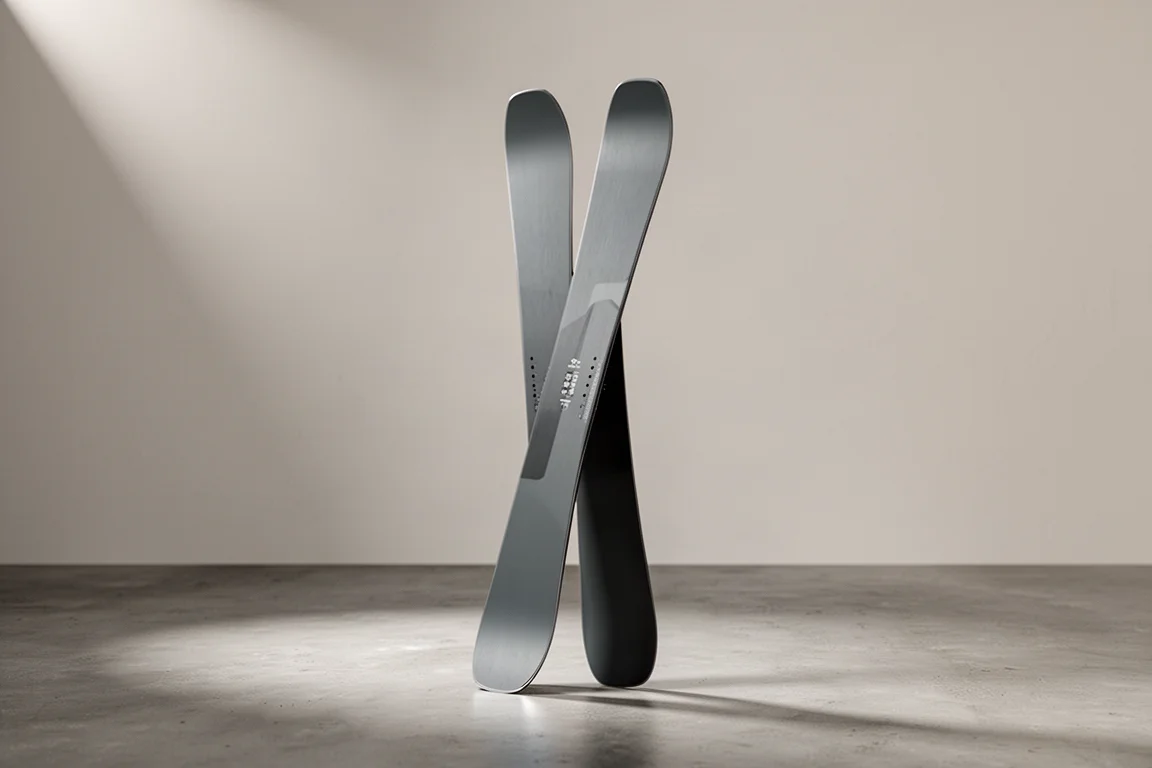
The Oblivion 79 is the first flat ski in this roundup, and it is a noticeable step up in build quality. It still uses a cap construction, which is welcome in this price range because it adds durability and quickness, and the ski feels more substantial in the hand than the two above it.
On the scale it comes in at 1,855 g in a 172 cm, and the flex is surprisingly stiff for a ski this narrow. The shape is a true traditional twin tip, and despite a park and pipe rocker description, it is essentially a fully cambered ski with a great deal of positive camber. That builds real energy and rebound for jumps. At 79 mm underfoot it is a firm snow and park focused tool that will get bogged down in softer conditions. At $349 it delivers competitive park performance for the money.
Volkl Revolt 86
The Revolt 86 is a park ski that has already been used on World Cup big air podiums, which is a useful reminder that you do not need to spend a fortune to get competition-level performance. It uses a more directional shape at 120/86/110, yet the recommended mount point is still dead true center, so it remains a purpose-built park ski.
The flex is round and even, sitting in the middle of the range rather than at either extreme, which gives it a balanced mix of park characteristics. It is quick on rails and willing to butter and press, while still having enough underfoot to handle a large jump. It is also light, at 1,604 g in a 164 cm, with a low swing weight. The directional shape adds a little bonus all-mountain performance when you are cruising and skiing forward. At $399.99 it is one of the best-value serious park skis here.
View more details for Volkl Revolt 86
K2 Sight 88
The Sight 88 is the ski many park skiers land on after breaking a few pairs of lighter models, and the reason is durability. It uses a full construction with an Aspen wood core, triaxial fiberglass braiding, and carbon stringers, plus a thicker overall profile. Full vertical sidewall and full edge run all the way around.
The shape is a true twin tip splay, similar in spirit to the Oblivion 79, with a little more rocker in the tip and positive camber underfoot. It also carries a more modern park shape than it first appears, with extra tip and tail rocker and a subtle amount of early taper, which makes nose and tail butters noticeably easier. At just under 1,800 g it is on the heavier side, and lighter skiers may need a few days to adapt. At $399, the durability is hard to argue with.
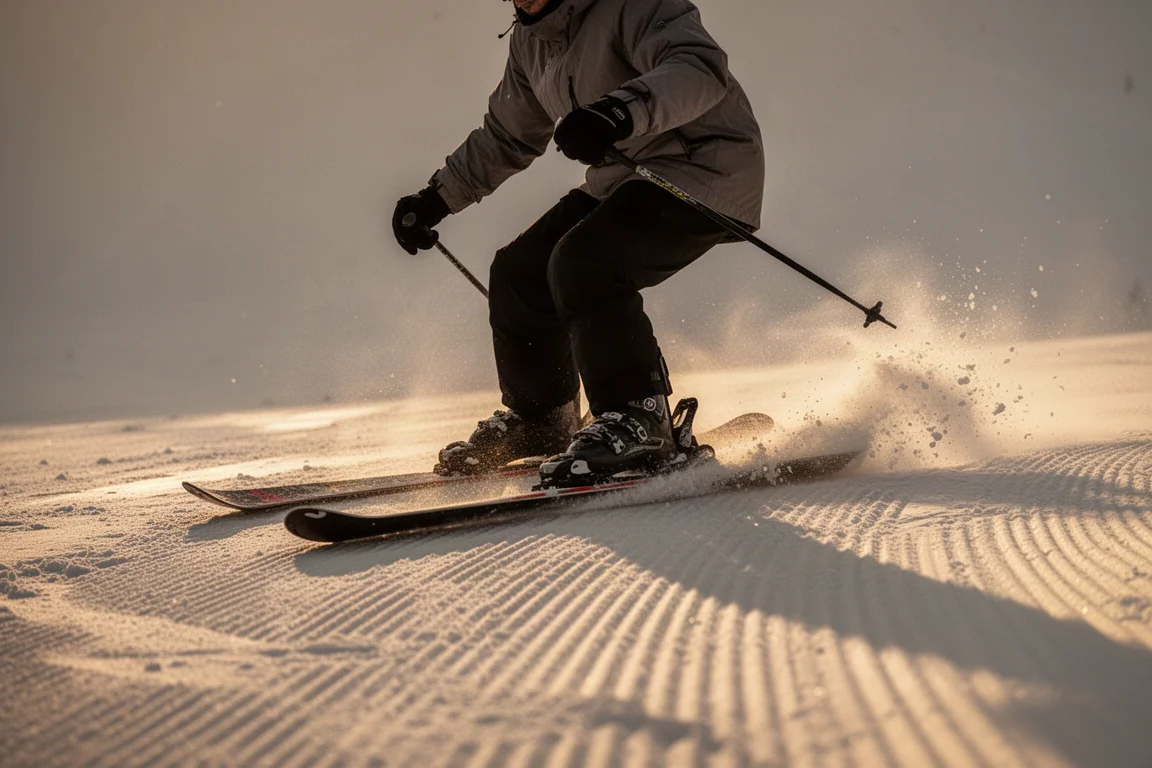
That extra weight has a second effect worth knowing about. Skiers moving onto the Sight 88 from a lighter ski often find the first days demanding, then end up making more direct and deliberate movements because the ski no longer forgives sloppy input.
Line Honey Badger
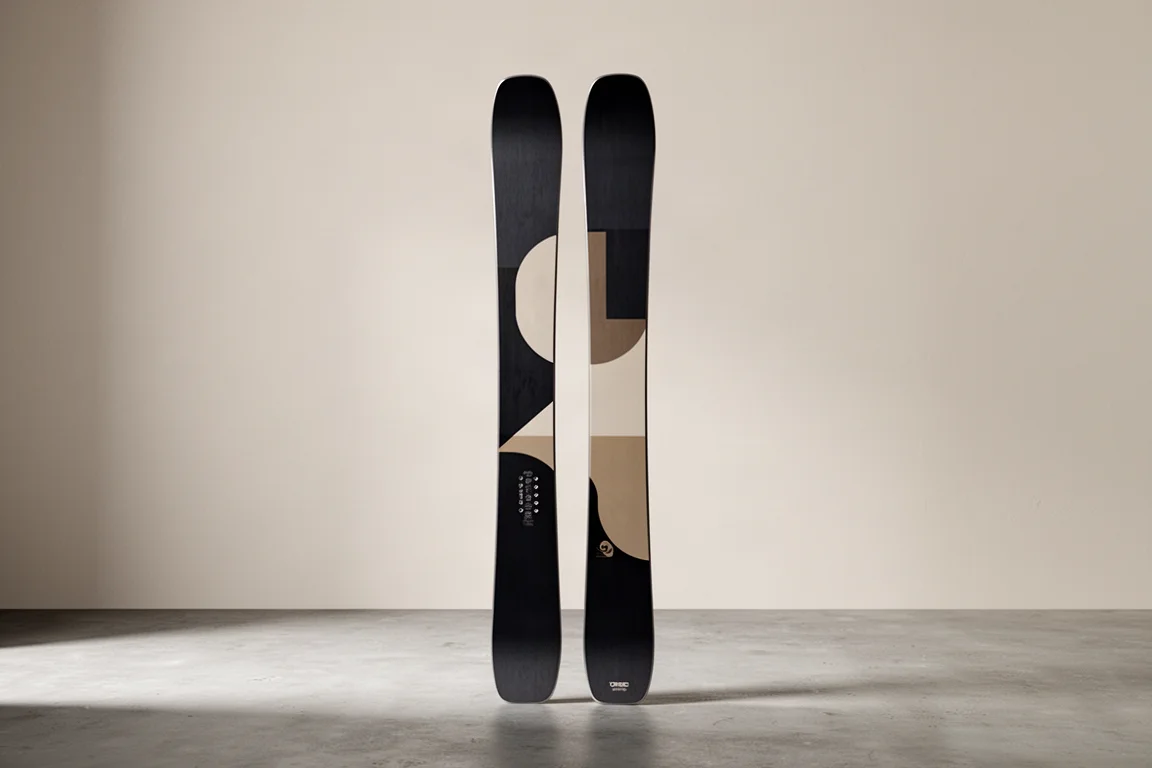
The Honey Badger sits somewhere between the two skis above it, blending a quick, agile feel with enough width to handle softer snow. At 92 mm underfoot and just over 1,600 g, it is one of the lightest skis in this roundup, and its reputation is built on quickness and responsiveness.
The flex is soft, arguably the softest here, which makes it a natural fit for ground tricks and playful riding. Its sidecut is less extended than the Revolt 86, so it turns a little differently on edge. It uses a cap construction, which means it gives up some chip resistance compared with a full sidewall ski, though it benefits from the durability thinking shared across its parent group. At $399 it is a very popular choice for good reason.
Head Oblivion 84
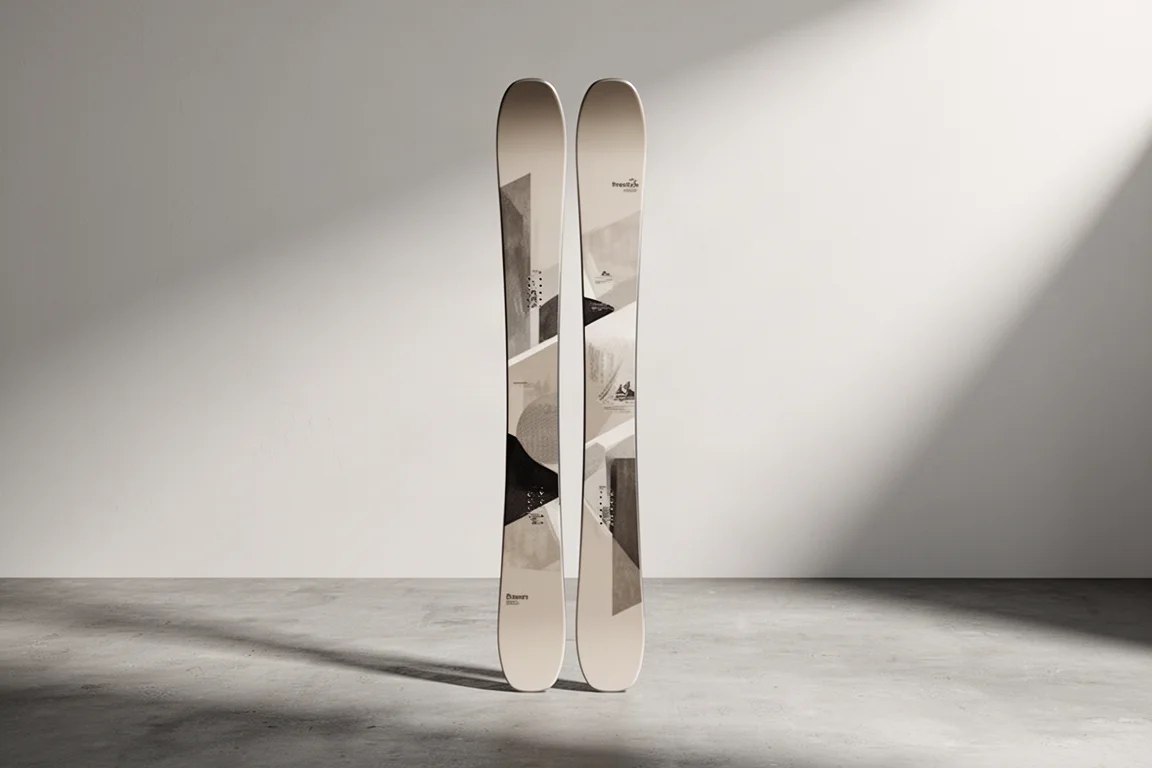
The Oblivion 84 takes the traditional twin tip approach of the 79 and adds width and a full sidewall. At 120/84/109 it is close to symmetrical, with almost identical splay front and rear, and it carries a beefier feel in the hand.
At 1,850 g in a 176 cm the weight is moderate, and the flex is even, sitting squarely in the middle between soft and stiff. Like the 79, it is essentially a fully cambered ski with a great deal of positive camber, and the result is a snappy, bouncy personality with strong grip and plenty of pop. The tail is round and clean rather than dramatically turned up. This is a precise ski rather than a loose one, and it carves well, which matters more than it used to now that carving into a jump is part of upper-level competition. At $449, the build quality is a genuine bargain.
Volkl Revolt 95
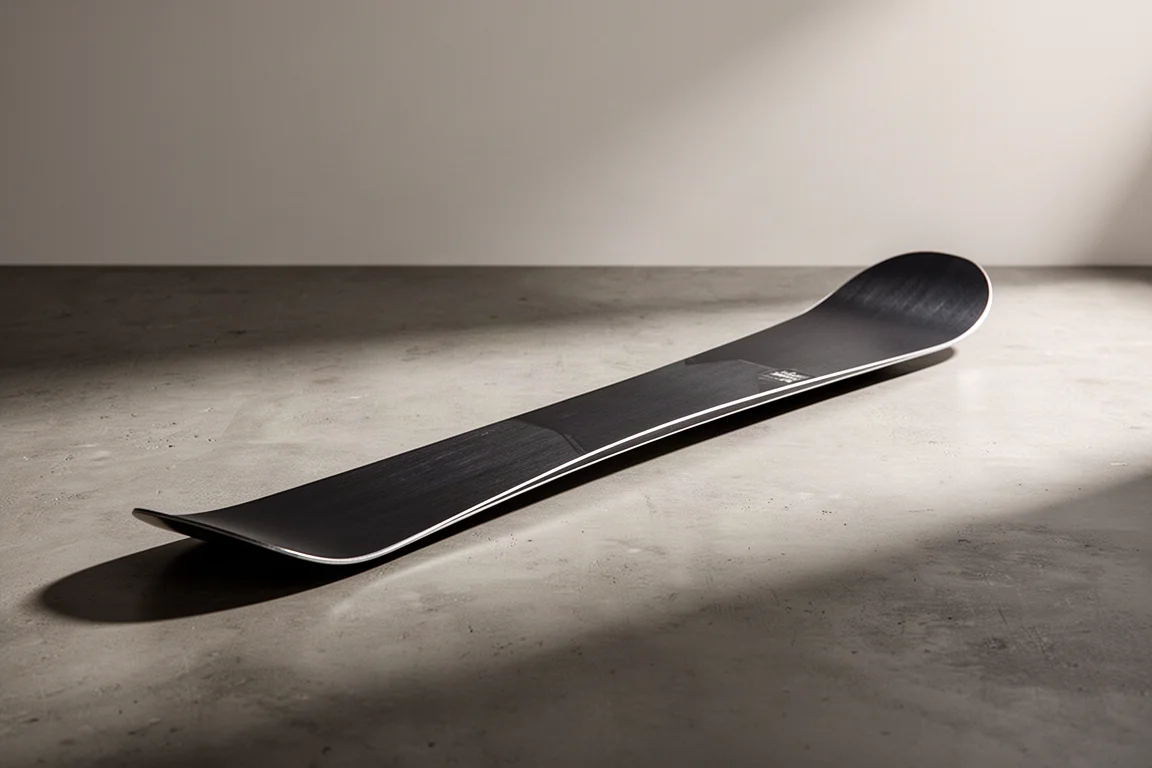
Of the Revolt models, the 95 is the one that feels most like an all-mountain ski, and it was designed that way. It uses a multi-layer wood core with an even, round flex, and the tips and tails are milled thinner so they are softer than the section underfoot. The rocker profile is longer than anything else in this roundup.
At 95 mm underfoot it is not the quickest ski in the park, though plenty of high-level park skiers ride 95 mm or wider. It carves well thanks to an extended sidecut that preserves effective edge even with all that rocker, and it is easy to maneuver in trees. It does need to stay sharp if you want strong edge grip. At just over 1,900 g it is sturdy rather than light.
One detail is worth flagging: the ski is not symmetrical and it only offers a center mount line, so all-mountain skiers often mount it a few centimeters back. At $449 it remains an excellent value.
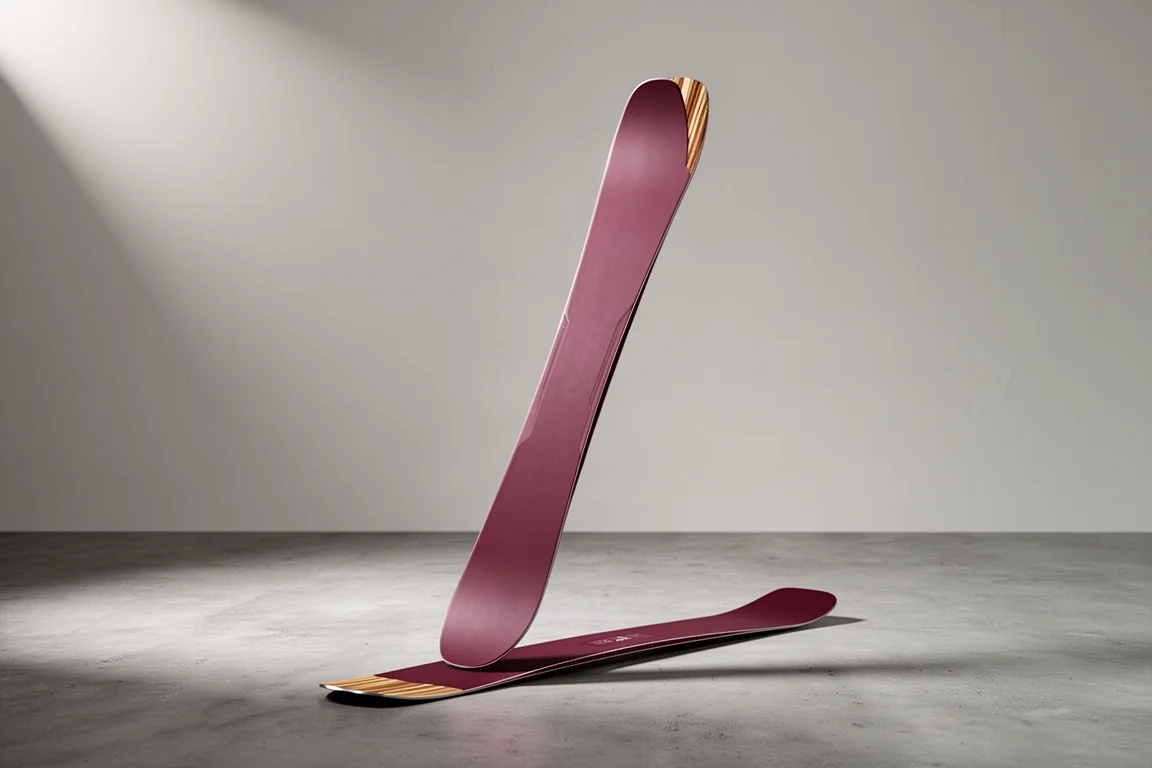
Line Tom Wallisch Pro
The Tom Wallisch Pro is a straightforward, well-executed park ski with a simple build and an even, round flex. At 118 mm in the tip and 116 mm in the tail it is only 2 mm from symmetrical, and the flex is soft enough to be forgiving while still offering enough stability for serious landings.
It weighs about 1,670 g in a 171 cm. The construction is a half cap, with sidewall underfoot and capped tips and tails, which moves mass toward the middle of the ski and reduces swing weight. Compared with a value park ski like the Sight 88, this is a clear step up in performance. At $499.95 it suits skiers who are serious about park skiing and want to move to the next level.
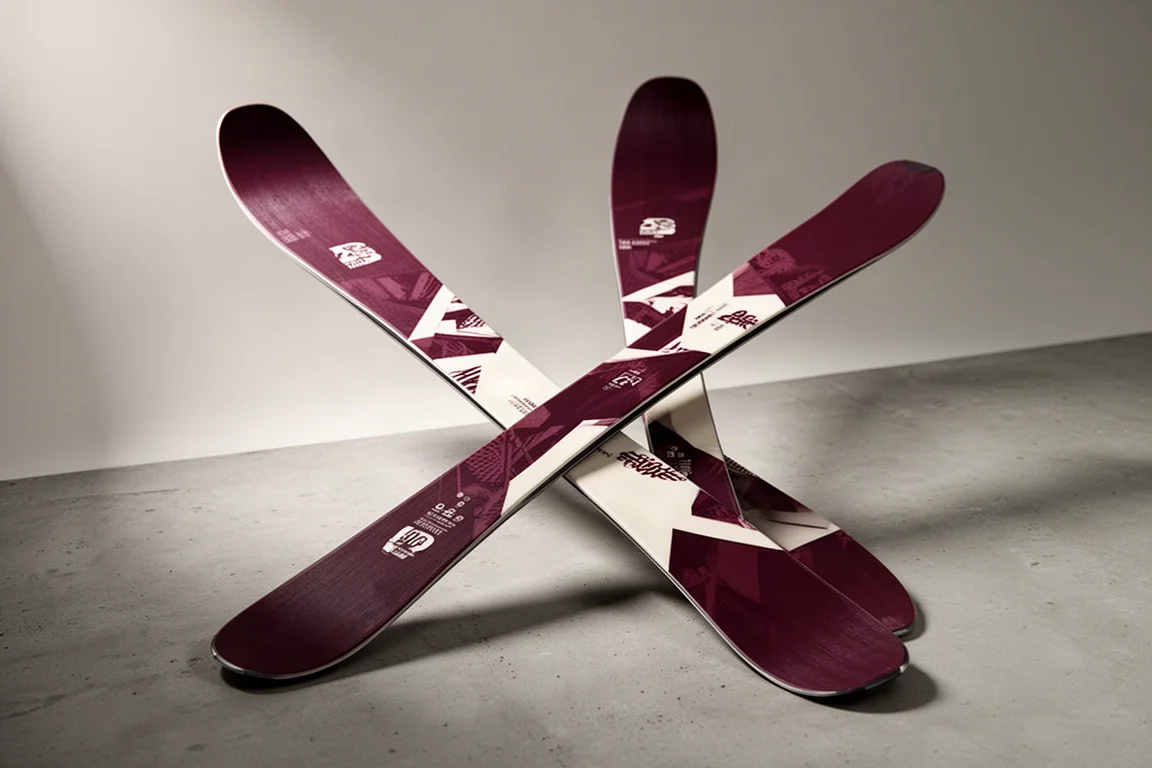
Atomic Bent 90
The Bent 90 is the point in this roundup where the category opens up. It is a directional shape at 118 mm in the tip and 109 mm in the tail, and it works as a genuine all-mountain ski rather than a park-only tool.
At 90 mm underfoot and 1,630 g, with Horizon tech in the tips and tails, it floats well for its width and handles tight woods and moguls exceptionally. Vertical sidewall underfoot gives it a planted feel, and the lighter swing weight makes it easy to maneuver. It gives up some stability when pushed hard at speed on firm snow, which is a limitation worth accepting rather than fighting.
It remains fully capable in the park and is still the best park ski in its brand’s line unless you prefer the wider 100. Because of the directional shape and the greater tip rocker, the mount point should not go true center.
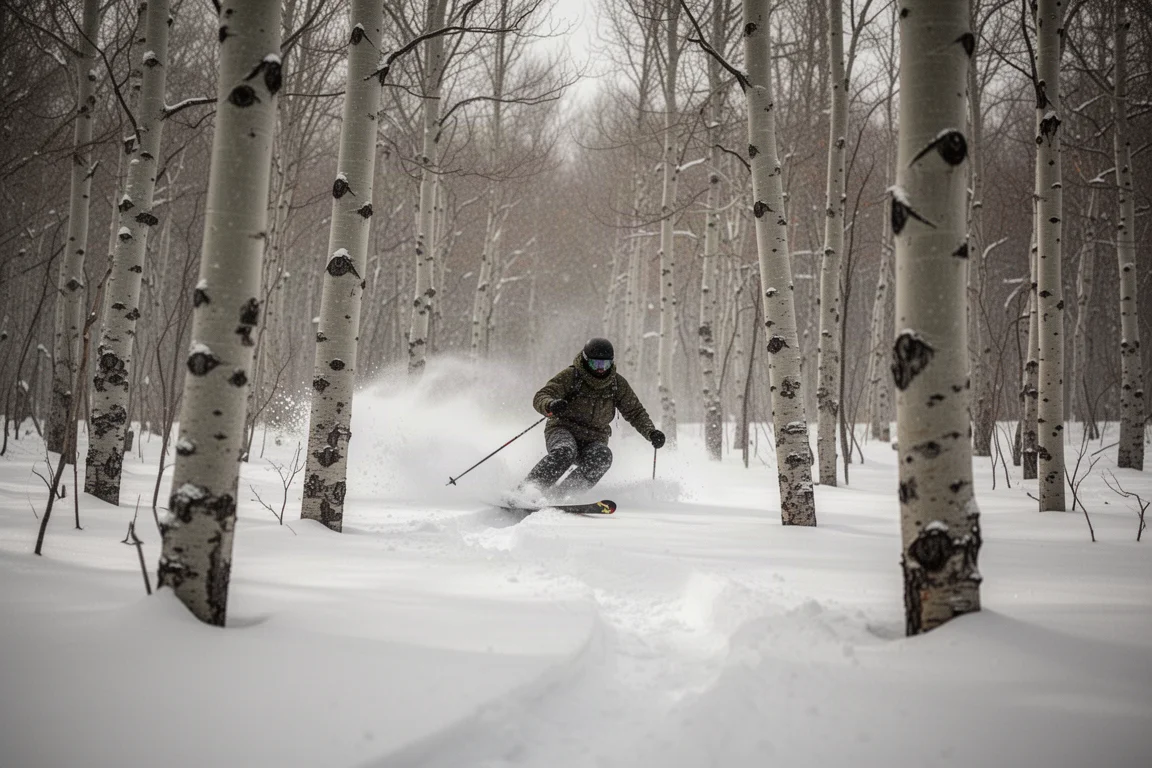
The practical takeaway is that this is the most versatile ski in the roundup for a rider who splits time between the park and the rest of the mountain, and it is one of the easiest lighter skis here to live with day to day.
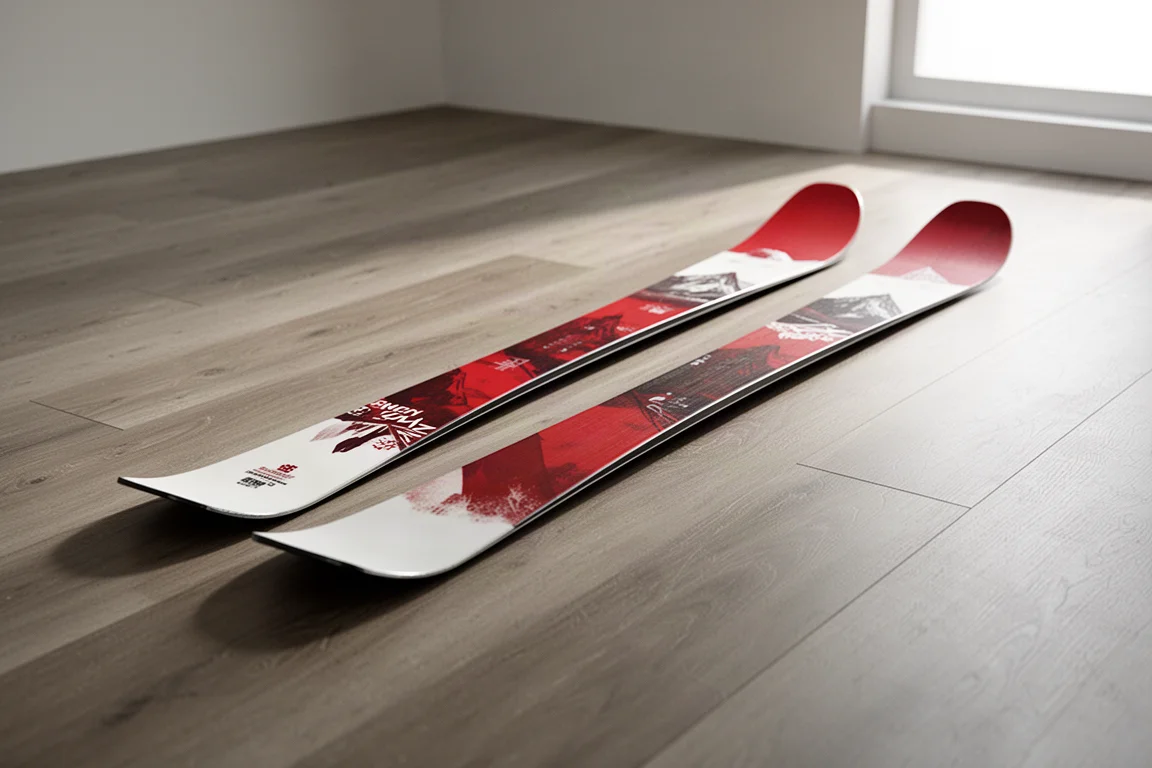
K2 Poacher
The Poacher is one of the sturdiest twin tips in this roundup, and that is the whole point. It shares the Aspen wood core, carbon boost, and triaxial fiberglass braiding found elsewhere in the same range, and it uses a full sidewall around the entire edge with a thick overall profile.
Compared with a ski like the Sight 88, the Poacher adds more freeride splay, a lower profile tip and tail, and more taper, which gives it a driftier feel in soft snow. The flex is stiff and it weighs around 2,000 g, so it is a substantial ski. That construction has put it at X Games and Olympic level, and it is also a sensible choice for a strong, heavier skier who is hard on equipment. At $549 it is priced above the value park skis, and the durability is what you are paying for.
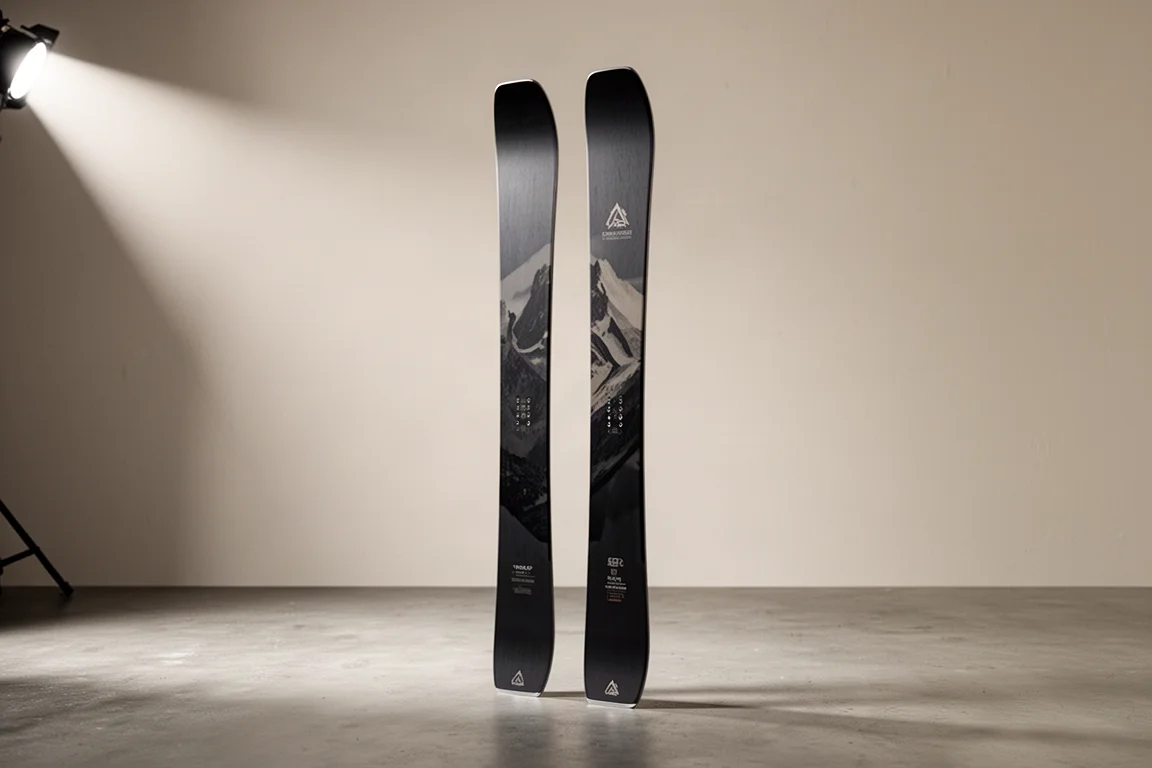
Volkl Revolt 90
The Revolt 90 is the most competition-focused park ski in the Revolt family. It is symmetrical, and it uses a light swing weight wood core with full sidewall underfoot that tapers to cap in the tips and tails, plus an additional layer of sidewall above the edge for strength.
The shape adds taper, which gives a smoother entry and exit into jumps and tricks, and it retains enough precision to stay responsive. It is sturdy underfoot with lighter tips and tails, which is exactly the balance a competition ski needs. It replaces the earlier Revolt 87 and represents a more modern interpretation of a park ski. At $599.95 it sits at the top of the Revolt range, and the price reflects the more complex build.
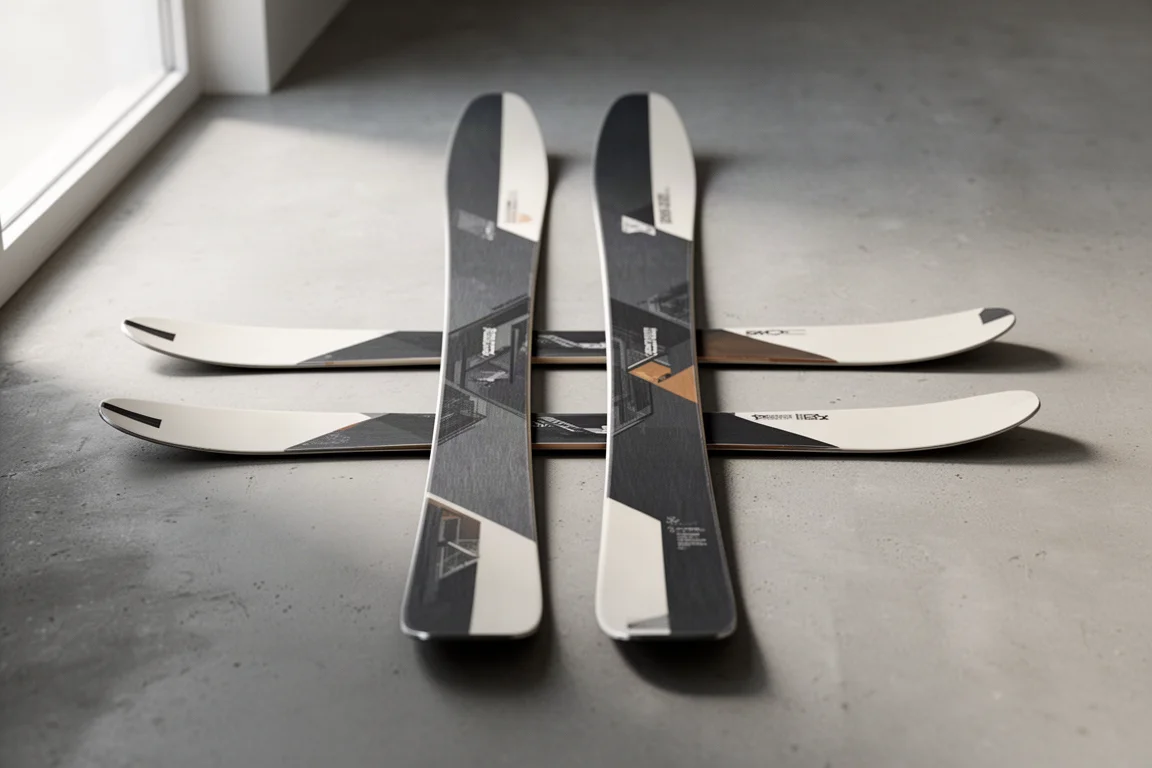
Armada B-Dog
The B-Dog is a pro model twin tip, and it is one of the most unusual shapes here. It has a rounded tip, then a straight section, then a dramatic sidecut with a 15 m radius, and a straight tail. The design intent is to stay smooth on the ground, so when the ski is pressed into the snow it drifts and runs straight rather than hooking up.
It uses ash in the wood core, which gives it real density, and it weighs just under 2,000 g. Sidewall runs underfoot, and the build steps through cap, half cap, and full sidewall along the length. Because the effective edge is short and there is a lot of rocker and taper, it is also a reasonable stepping stone for an intermediate who wants a wider park ski without a demanding ride. At $599.95 it is a specialist tool, and it rewards a progressive, playful style.
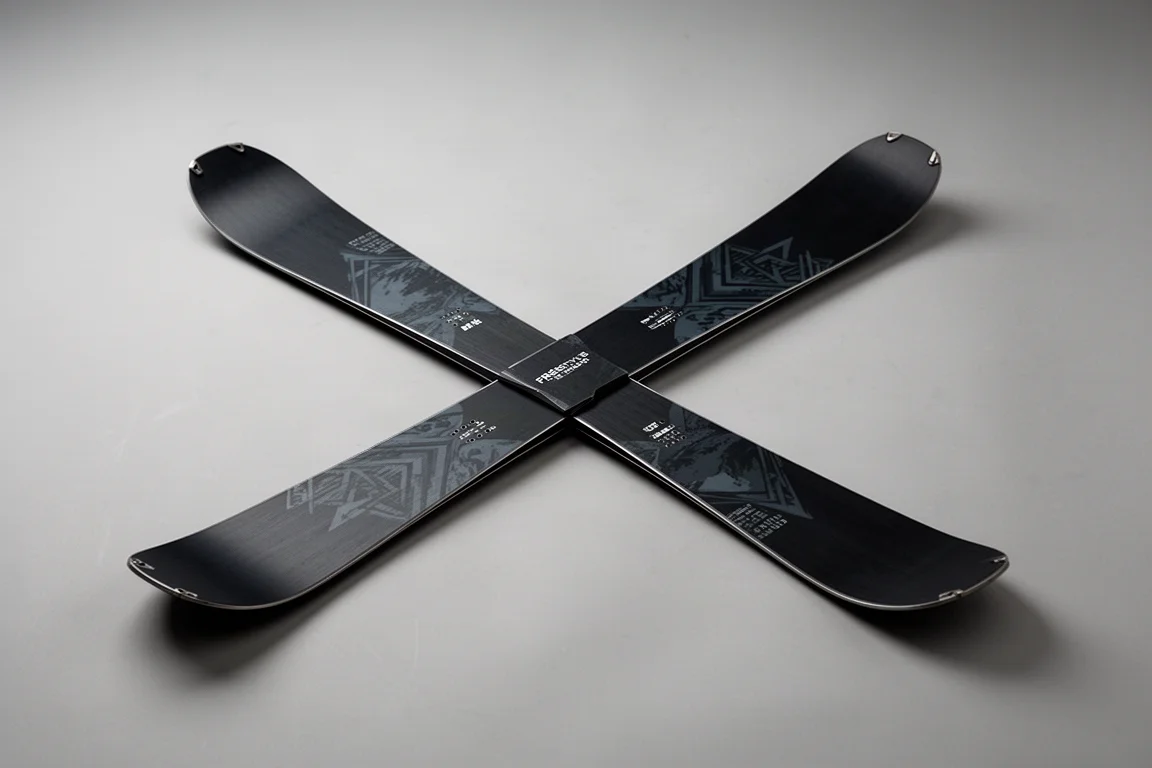
Black Crows Mirus Cor
The Mirus Cor is the most distinctive ski in this roundup. It combines a 13 m turn radius with a lizard tongue tail, a mini swallow tail, and a symmetrical rocker profile. A metal plate underfoot makes it notably rigid through the middle.
At 87 mm underfoot it uses a long, low rocker profile with a wide shovel and a taper that drops away toward the tail. That combination floats well in soft snow while carving cleanly on groomers. It is not a conventional park ski, and it is not cheap at $900 before bindings, but it delivers a kind of turn feel that very few other skis provide.
Buying Advice
Start with how you actually ski, not with the ski you think you should buy. The right answer depends on how much time you spend in the park, how hard you are on equipment, and how much of your skiing happens elsewhere on the mountain.
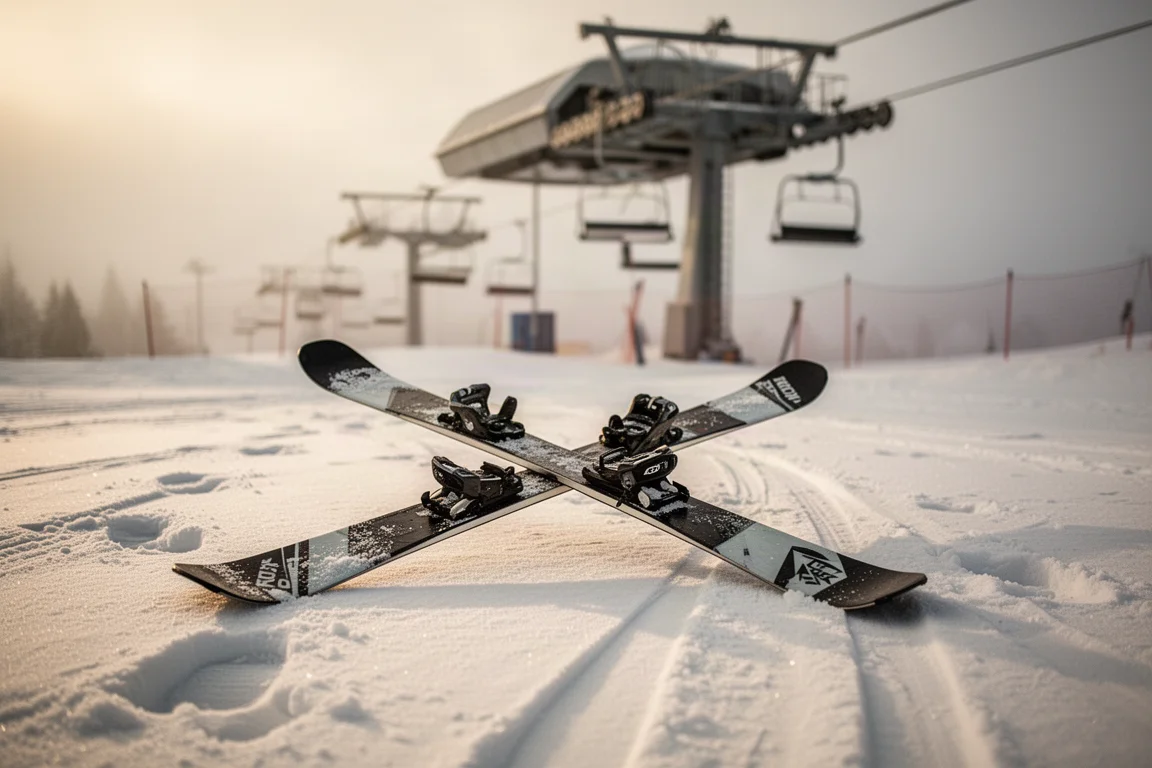
If you are new to the park, or buying for a teenager who is rough on equipment, the capped value skis at the top of this list are the sensible entry point. The K2 Reckoner 92 and the Dynastar Menace 90 both include bindings, and the Head Oblivion 79 offers a stiffer, more competitive ride for $349.
If you are committed to park skiing and want a ski that will survive a season of rails, the full sidewall options are the ones to look at. The K2 Sight 88 is the durability pick at $399, the Head Oblivion 84 is the precise, snappy option at $449, and the Volkl Revolt 86 delivers World Cup-level performance for $399.99.
If you split your time between the park and the rest of the mountain, the Atomic Bent 90 and the Volkl Revolt 95 are the most versatile choices here. Both ski well outside the park without giving up freestyle capability.
If you are chasing competition results, or you are a heavier, stronger skier who destroys gear, the K2 Poacher and the Volkl Revolt 90 are the sturdiest and most purpose-built options. If you want something genuinely progressive and playful, the Armada B-Dog is the specialist pick.
And if what you really want is a twin tip that carves, the Black Crows Mirus Cor is the outlier worth the money.
Conclusion
The twin tip category is broader than its reputation suggests. A narrow, fully cambered park ski and a wider all-mountain twin tip may share a shape at the tail, but they ask completely different things of the skier.
The good news is that the value end of this list is genuinely strong. The K2 Reckoner 92, the Dynastar Menace 90, the Head Oblivion 79, the Volkl Revolt 86, the K2 Sight 88, and the Line Honey Badger all deliver real performance well under $500, and several include bindings. Above that, the Head Oblivion 84 and the Volkl Revolt 95 add durability and versatility, while the upper-tier options are specialist tools rather than universally better skis.
Match the ski to your terrain, your weight, and your style, and most of these will serve you well for years.
Further reading
Related Reviews
Ski Gear
2023 Blizzard Hustle vs Rustler: Six Freeride Skis Compared
Blizzard's 2023 Hustle collection rebuilds the Rustler shape with a lighter core and no metal. Here is how all six skis differ, and which one suits your riding.
Ski Gear
2023 Skis of the Year: Atomic Maverick 88 TI, Salomon QST 106, and Look SPX 12 Pro
Three standout ski picks for all-mountain carving, powder days, and reliable binding performance, with practical buying notes for 2023 models.
Ski Gear
2025 Nordica Enforcer 104 Review: A Directional Charger Replaces the 104 Free
The 2025 Nordica Enforcer 104 drops the Free name and the twin-tip personality, gaining weight, stiffness and composure in rough snow. Here is what changed and who it suits.