Snowboarding Gear
Best Twin-ish Powder Snowboards: Five Standout Shapes for Deep Days
A practical look at five twin-ish powder snowboards, from wide and flickable shapes to surfy twins built for float, butters, and tight tree lines.
Introduction
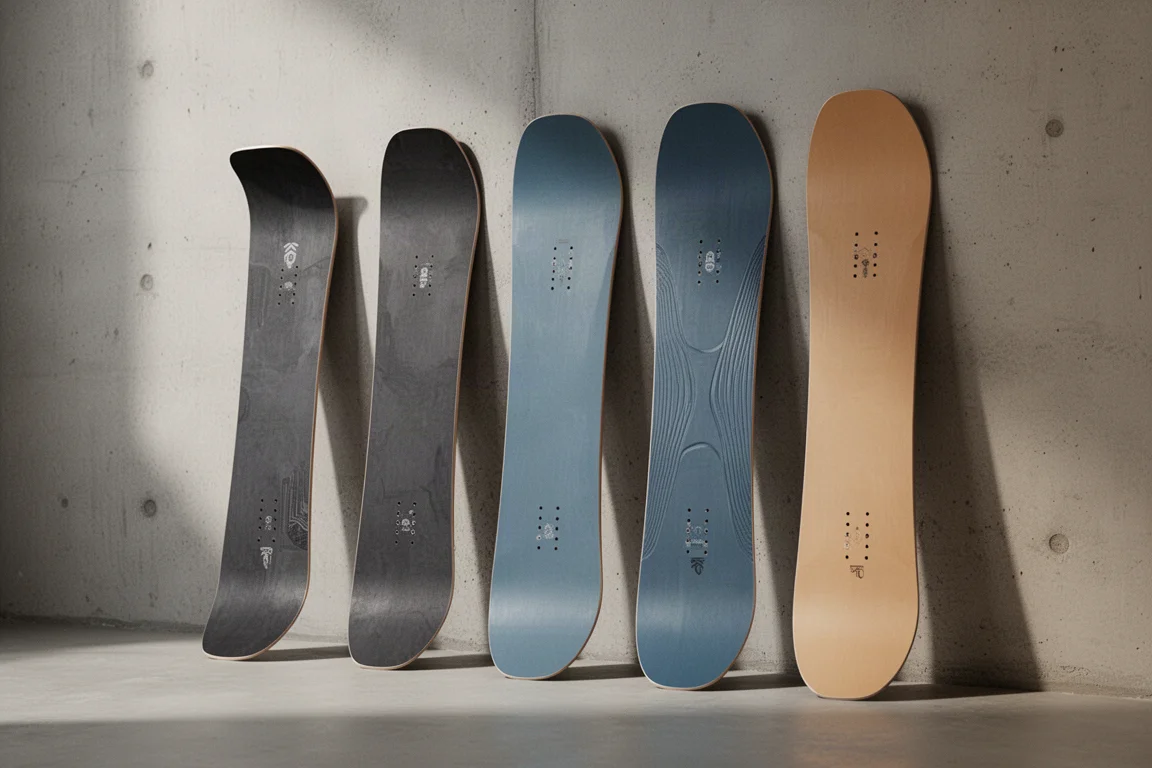
Powder boards and true twins rarely occupy the same space. A dedicated pow shape usually pulls the stance back and tapers the tail, which is excellent for float and awkward for landing switch. A twin-ish powder board splits the difference: it keeps enough symmetry to ride and land both ways while still delivering the float and surfy release that deep days demand.
This roundup covers five twin-ish powder boards that each take a different route to that goal. Some lean on width and a downsized platform, others use hull-like shaping in the nose and tail, and one is built specifically around pressing, buttering, and launching in fresh snow. Each entry explains what the shape does well and which kind of rider it tends to suit.
What to Look For in a Twin-ish Powder Board
Three things separate a board that genuinely works in powder from one that only looks the part.
The first is how the board manages surface tension. Snow has a habit of suctioning to a flat base, and the shapes below break that grip in different ways, whether through rocker in the tips, a hull-like contour, or side-to-side 3D shaping. The result is a board that planes more easily and releases when you want to pivot or press.
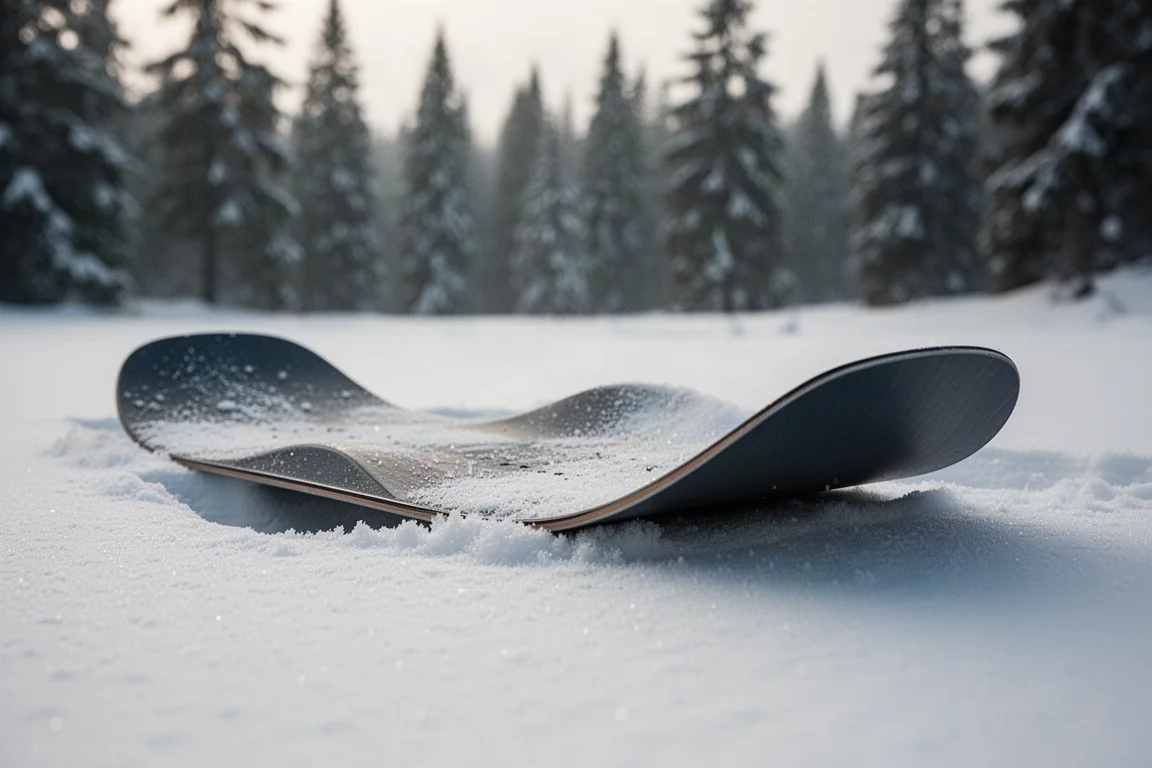
The second is tip and tail behaviour. A tip that is too stiff will fight you in soft snow, while a tip that is too soft folds when you drive into heavier, wetter snow or load it up for an ollie. The boards here sit at different points on that scale, and it helps to know which side of it you prefer before you commit.
The third is how the board behaves once the powder runs out. A powder twin that turns into a chore on a groomer or a chopped-up traverse tends to get left at home. The strongest options in this group stay rideable across the whole mountain.
5. Ride Warpig
The Warpig earns its place through width and a slightly different approach to sizing. The camber profile carries rocker in the tips, which helps it float, and the wider platform means you can size down without losing the surface area you need in soft snow.
Sizing down changes the ride more than the numbers suggest. With the stance brought in, more of the board sits directly underfoot, which makes it quicker to flick around for pow butters, spins off a side hit, or a gap off a cat track into fresh snow. The trade-off is a platform that rewards a compact, centred riding style rather than a long, stretched-out stance.
4. Bataleon Party Wave Twin
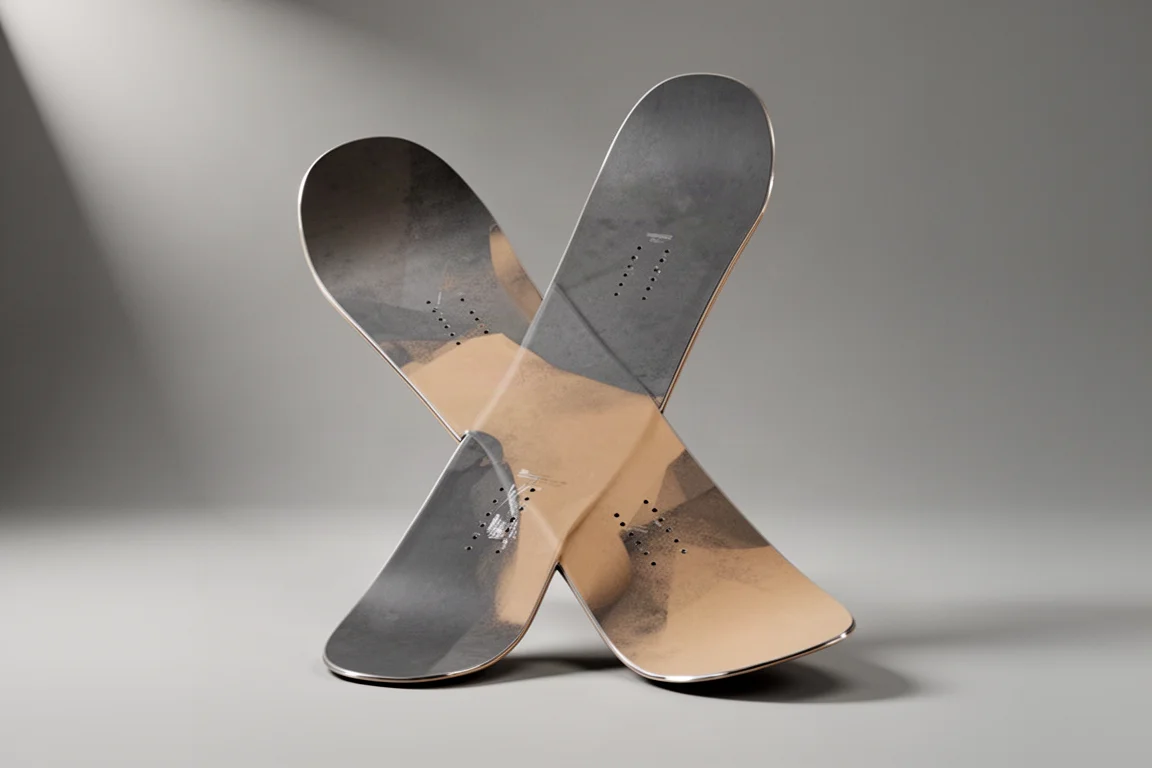
The Party Wave Twin replaces the Magic Carpet and arrives with small changes to its flex pattern and overall ride. The defining feature is the hull-like shape in the nose and tail, which funnels snow out to the sides rather than letting it pile up in front of the contact points.
Because that shaping exists at both ends, the board keeps its twin manners. Cut through variable snow and the hull effect breaks up the surface tension and suction that can otherwise slow you down. Pop a 180, land, and the same contour goes to work again. It also makes powder butters noticeably easier, since the ends release instead of catching.
3. Marhar Lumberjack
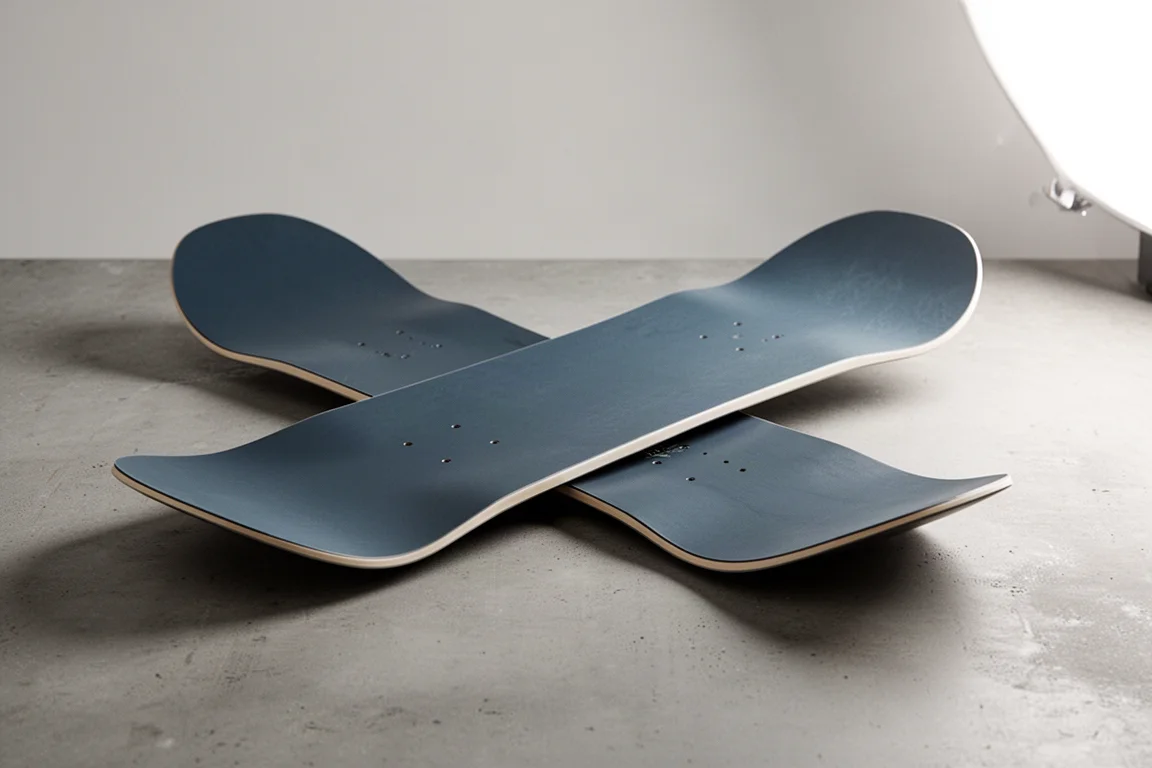
Note the name: this is the Lumberjack, not the Lumberjack Axe. The profile runs flat to rocker with a slight 3D shaping side to side, a combination developed around riding log jibs in powder.
In practice that translates into one of the most pressable shapes on this list. It butters easily in soft snow, and the rocker and 3D contour funnel snow back out to the sides so the board keeps moving. What stops it feeling vague is the tip stiffness: the ends are not so floppy that you cannot load them up and launch, or drive hard through heavier, wetter powder.
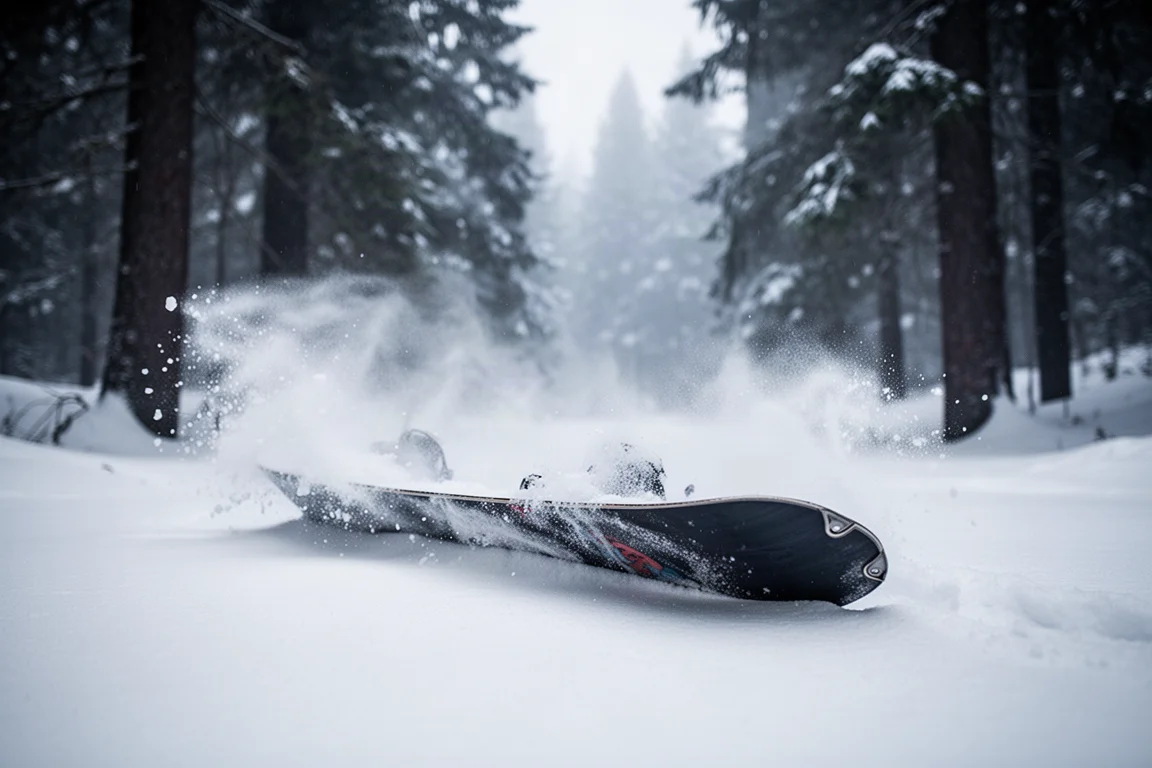
That balance is the interesting part. Plenty of boards are playful in powder and fold the moment you push them. This one stays supportive when you actually lean into it.
2. Spring Break Powder Twin
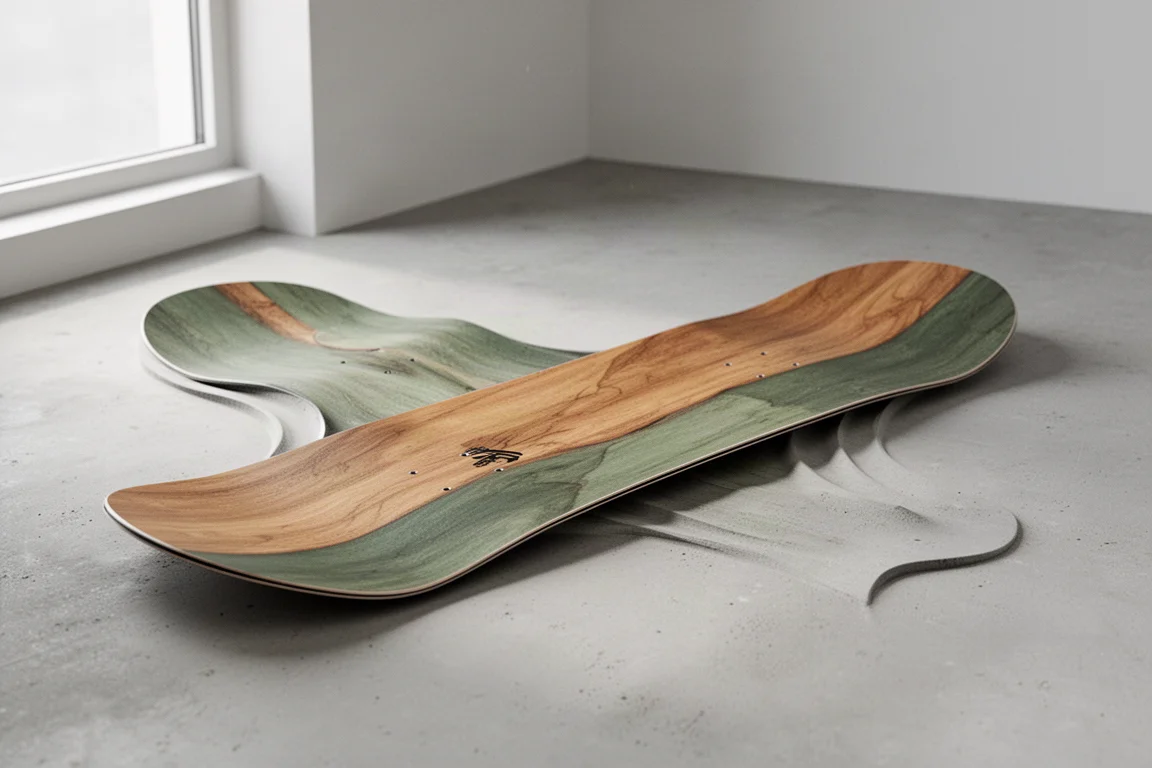
The Powder Twin is the most well-rounded board in this group. It cuts through chop and chunder without getting knocked off line, floats well in fresh snow, and stays nimble enough in the trees to make tight lines feel manageable.
It is also one of the more versatile shapes here. The outline butters easily in powder, and it holds up on a groomer, which is more than can be said for plenty of dedicated powder decks. If you want one board that handles deep days and the run back to the lift without complaint, this is the closest thing to a safe pick in this roundup.
1. Lib Tech Double Dip
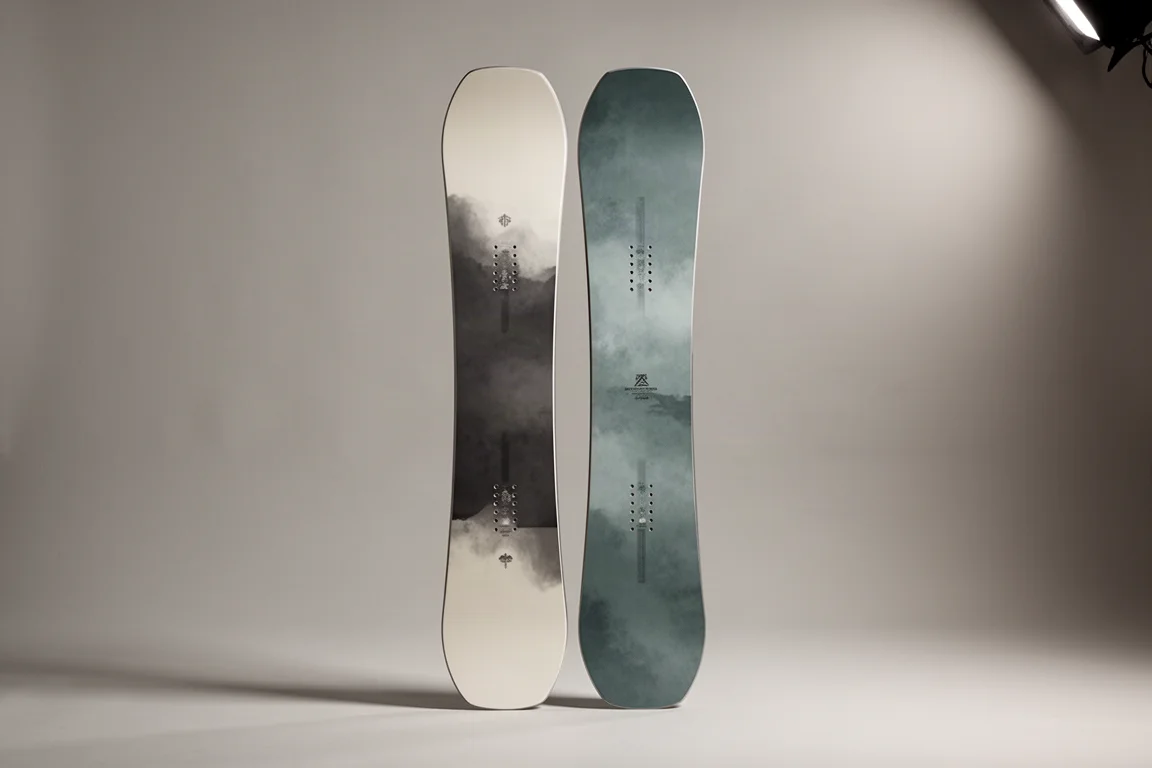
The Double Dip takes the top spot because it is purpose-built as a powder twin, and it shows. It was redesigned for the season covered here, and the updated shape is the reason it stands out.
The spatula tips are the headline. They have some give to them, but they do not fold when you press into them or drive through variable snow, which is the usual failure point on softer-tipped powder shapes. It floats exceptionally well, spins easily, and pops off natural features without needing to be forced.
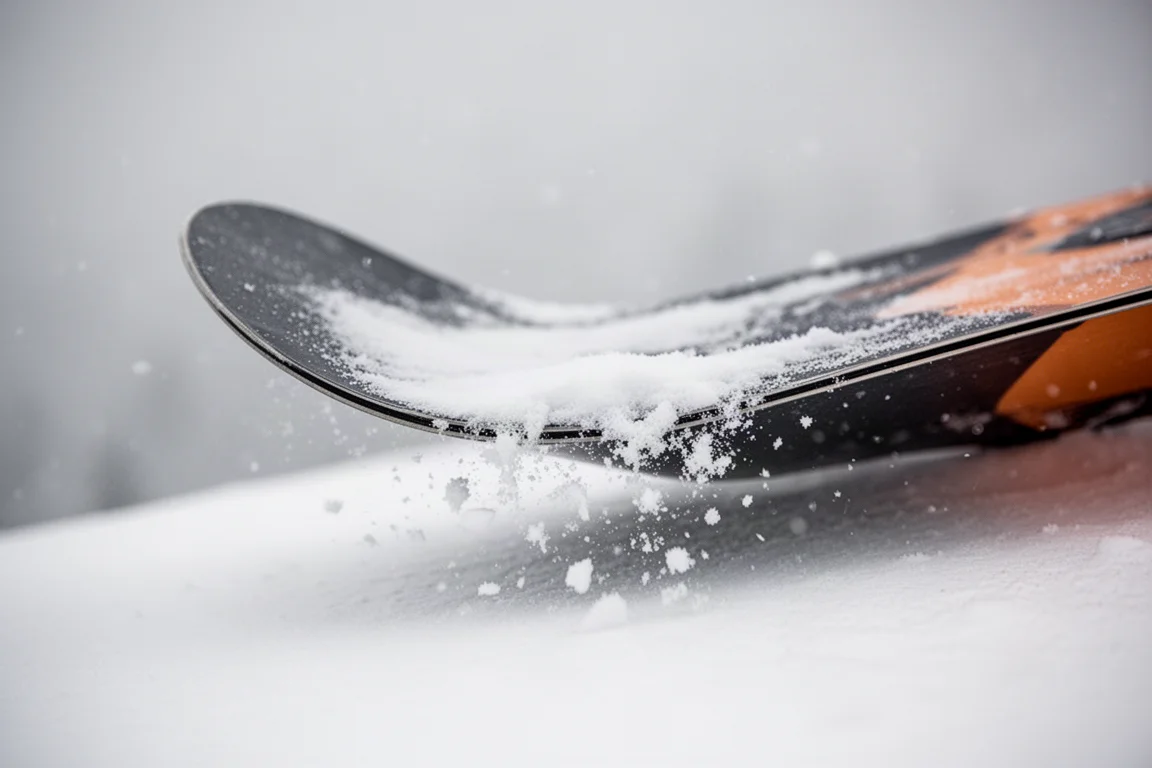
Worth noting: the tips are playful rather than flimsy, and that distinction is what keeps the board from feeling like a compromise once the snow gets heavy.
View more details for Lib Tech Double Dip
Overall Buying Advice
Match the shape to the way you actually ride. If you like a compact, centred stance and want a board that flicks and spins easily, the wider, downsizable approach of the Warpig makes sense. If you want the surfy, hull-driven feel and you land switch often, the Party Wave Twin is the natural fit.
If pressing and buttering sit at the centre of your riding, the Lumberjack is the most rewarding of the group. If you want a single board that does not fall apart when the powder ends, the Powder Twin is the safest all-round choice. And if powder performance comes first and you want a twin that was designed for it from the start, the Double Dip is the one to look at first.
A few other boards are worth a look if none of these land for you: the Yes 2020, the K2 Party Platter, and the Jones Mind Expander Twin are all solid alternatives, though they did not make this particular top five.
It is also worth being honest about how much time you spend in deep snow versus groomers and park. A twin-ish powder board is at its best as a second board, or as the primary deck for riders who chase storms. If most of your days happen on hardpack, a dedicated powder twin will feel like a lot of board for the conditions.
Conclusion
The twin-ish powder category exists because riders want float without giving up switch landings and freestyle feel. Each of these five boards solves that in a different way, and the right one comes down to whether you value flickability, surfy release, pressability, all-round composure, or pure powder performance.
Any of them will make a deep day better. The trick is picking the one whose personality matches your riding rather than the one that simply sits at the top of a list.
Further reading
Related Reviews
Snowboarding Gear
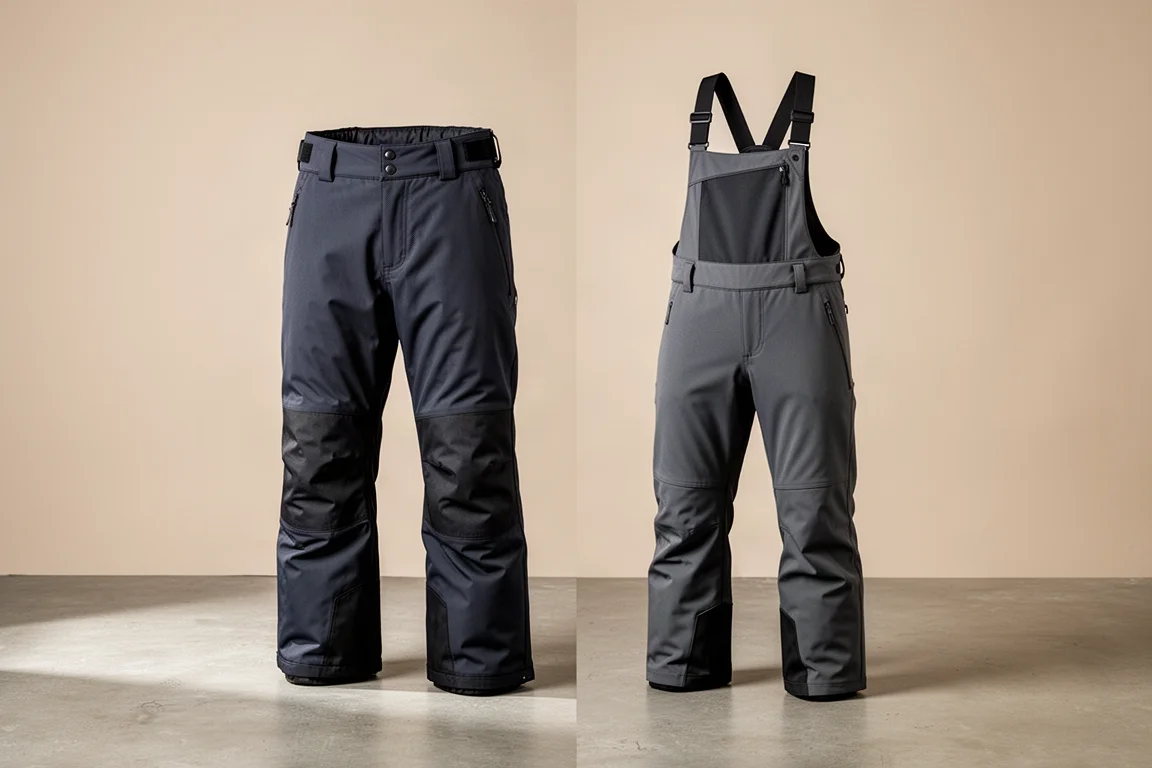
686 Smarty Pants vs 686 Dispatch Bib: Traditional Pants or Bib Pants?
A head-to-head look at two 686 snow pants, weighing warmth, comfort, durability, and breathability to help you pick the right style for your riding.
Snowboarding Gear
Bataleon Thunderbolt Review: A Powerful All-Mountain Freeride Snowboard
A deep-camber freeride snowboard with 3BT and SideKick shaping, tested in powder, chop, ice and soft groomers. Here is who it suits and what to weigh up.
Snowboarding Gear
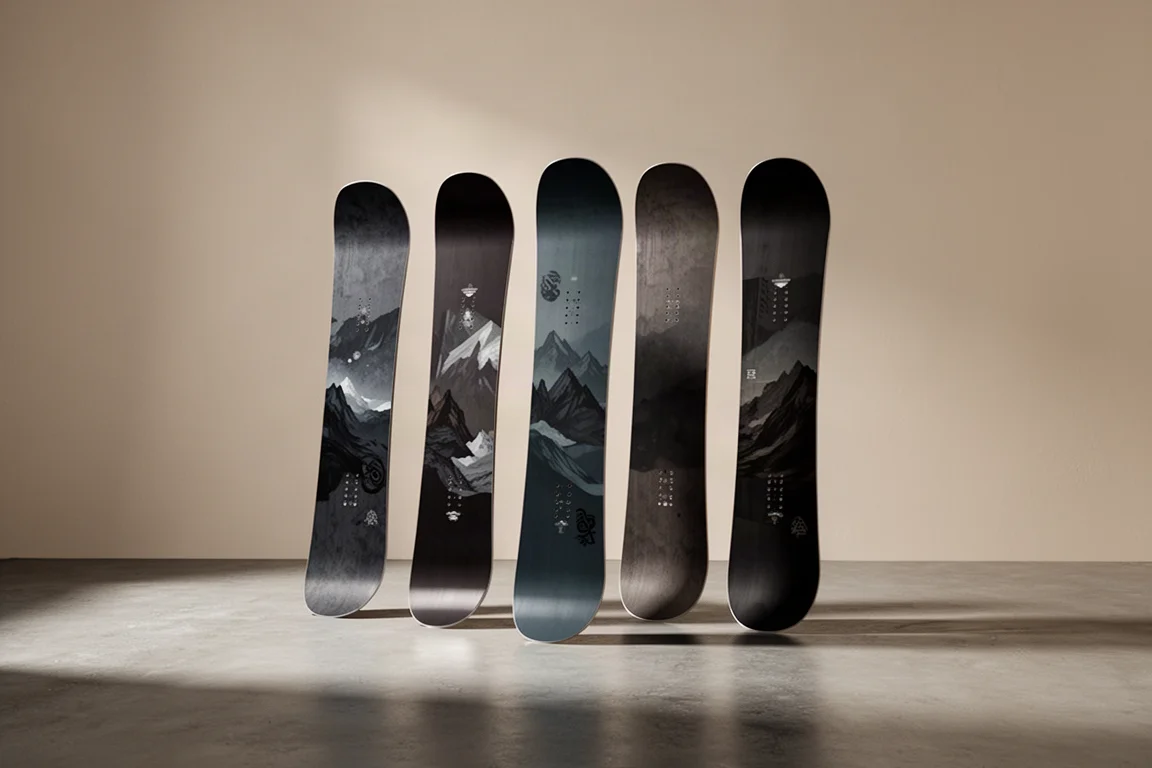
Best All-Around Park Snowboards: Five Balanced Freestyle Picks
Five park snowboards that balance jumps, rails, and everyday freestyle riding, plus three honorable mentions worth a closer look.