Trail Running
Best Trail Shoes for Taking Load Off Your Calves: 4 Plated Picks Worth Trying
Rocker geometry, plate stiffness, and smarter foam design have changed the calf-unloading equation beyond just high drop. Here are four trail shoes that put those principles to work.
Introduction
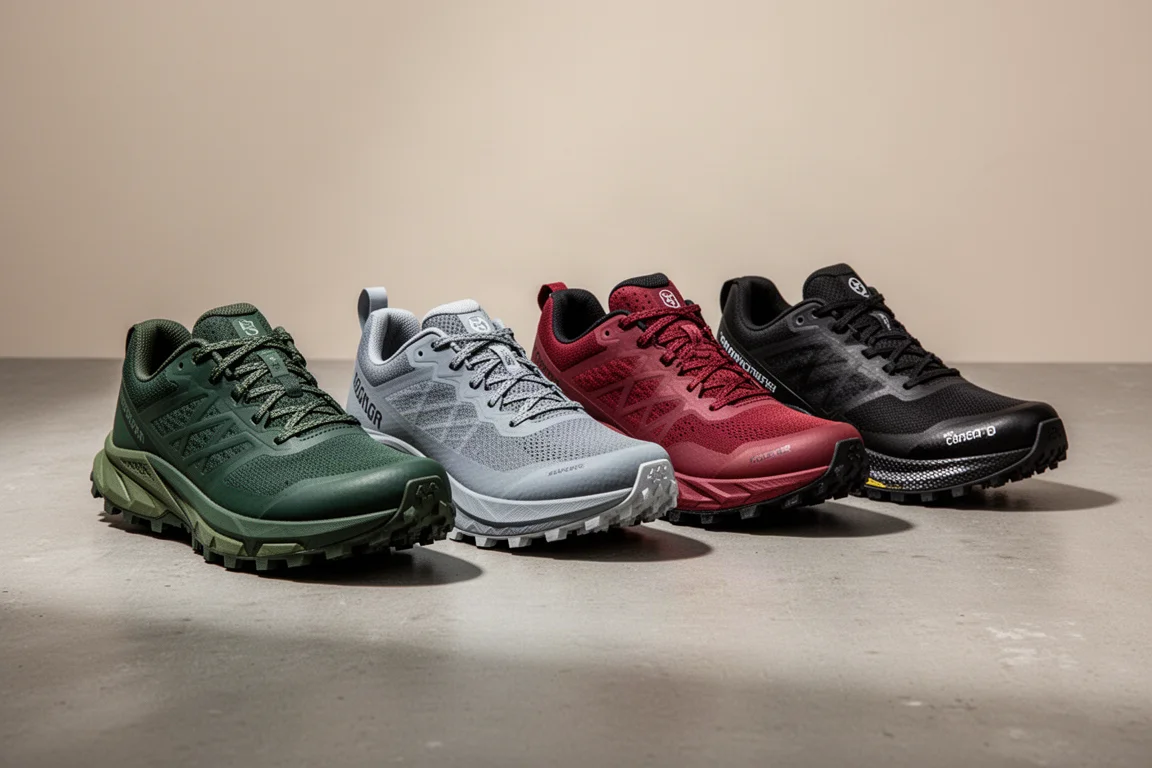
The traditional answer for reducing calf workload has always been a higher-drop shoe. But the last few years of trail shoe design, with new foams, rocker geometries, and stiff plates, have genuinely changed the equation. This roundup looks at four trail shoes built around those principles, and explains why they matter.
What Actually Reduces Calf Load
A few design factors consistently shift demand away from the calves. The main ones are a good forefoot rocker with noticeable toe spring, a longitudinal bending stiffness that takes over for the foot’s own rocker, and enough heel height that the ankle works through a smaller range of motion. Research on custom-built shoes found that a certain level of stiffness paired with a rocker starting at the right point and angle measurably reduces calf load, because the shoe takes over the job the foot would otherwise do.
Foam softness cuts both ways: soft foam plus a soft trail surface means more stabilization work, which actually engages the calves more, since they double as postural muscles. And a plate only helps if its curve and the forefoot rocker line up with your own mechanics. If they don’t, you end up pushing off an overly stiff surface and increasing calf demand.
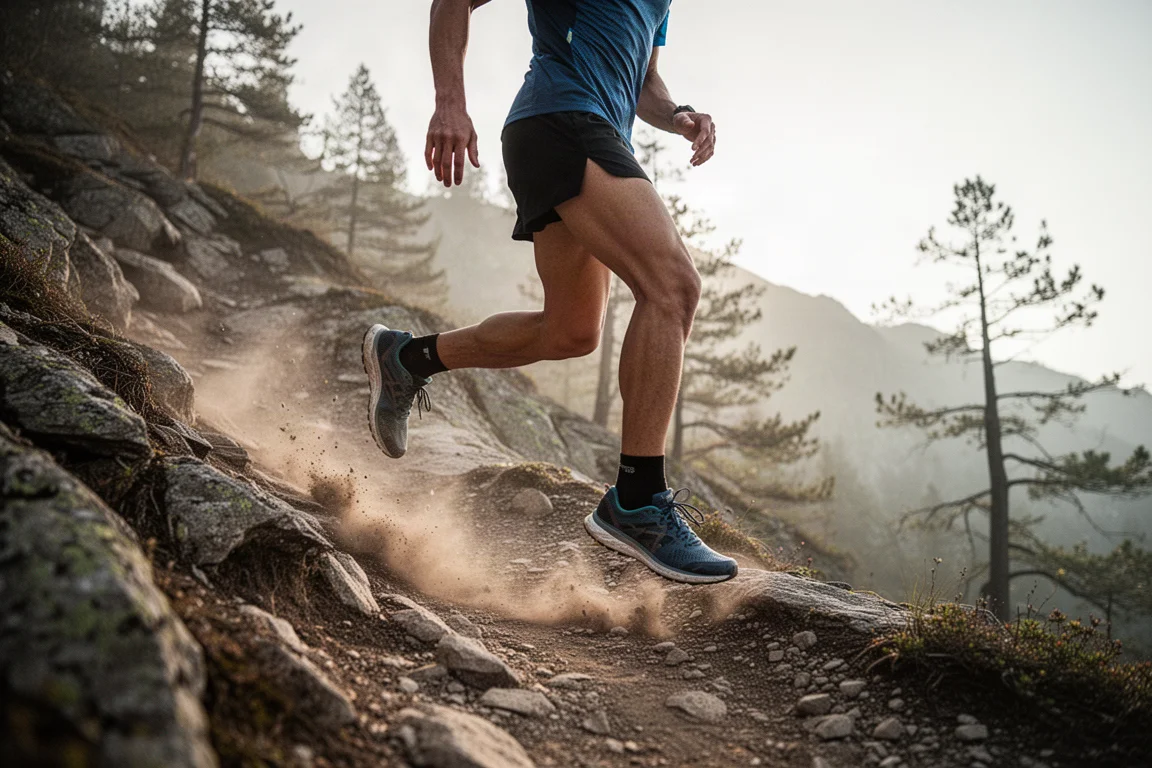
One honest caveat: no shoe eliminates calf work. The calf does more work than any other muscle in running, so strong calves remain essential. These picks reduce the workload, not remove it.
Saucony Endorphin Edge
The first shoe that comes to mind for unloading the calves is the Saucony Endorphin Edge. It follows the core recipe: plated, rockered, with a sharp toe spring up front, and a geometry that’s anything but flat and flexible. The less you have to physically lever off the forefoot and great toe, the less your plantar flexors and calves have to work.
As always with shoe fit and biomechanics, individual results vary, but the Endorphin Edge is the archetype of what to look for.
The North Face Vectiv
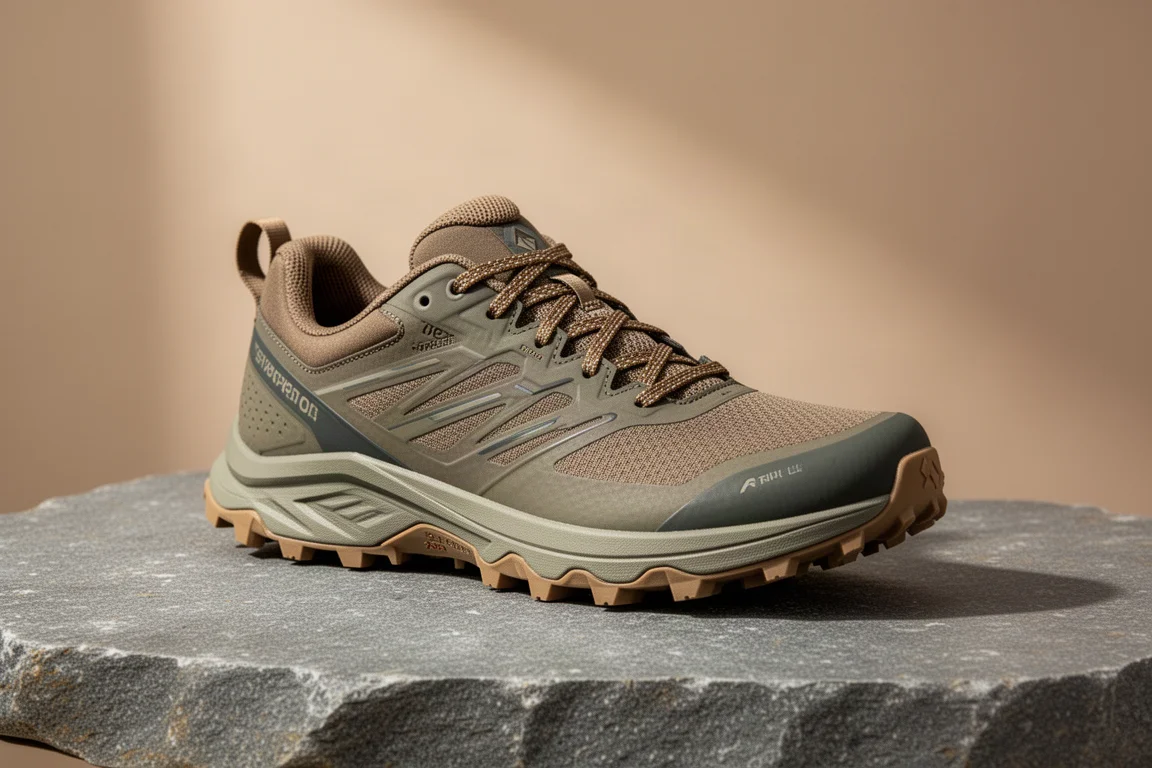
The North Face Vectiv series is another strong option, built around a stiffer plate design running through the midsole. Stiffness plus a well-tuned rocker is exactly the combination that research points to for calf unloading, and the Vectiv line puts a firm plate into a genuine trail package.
North Face has also been pushing new foam in its plated trail racers, making the Vectiv family one of the more interesting places to watch in this category.
Hoka Tecton X
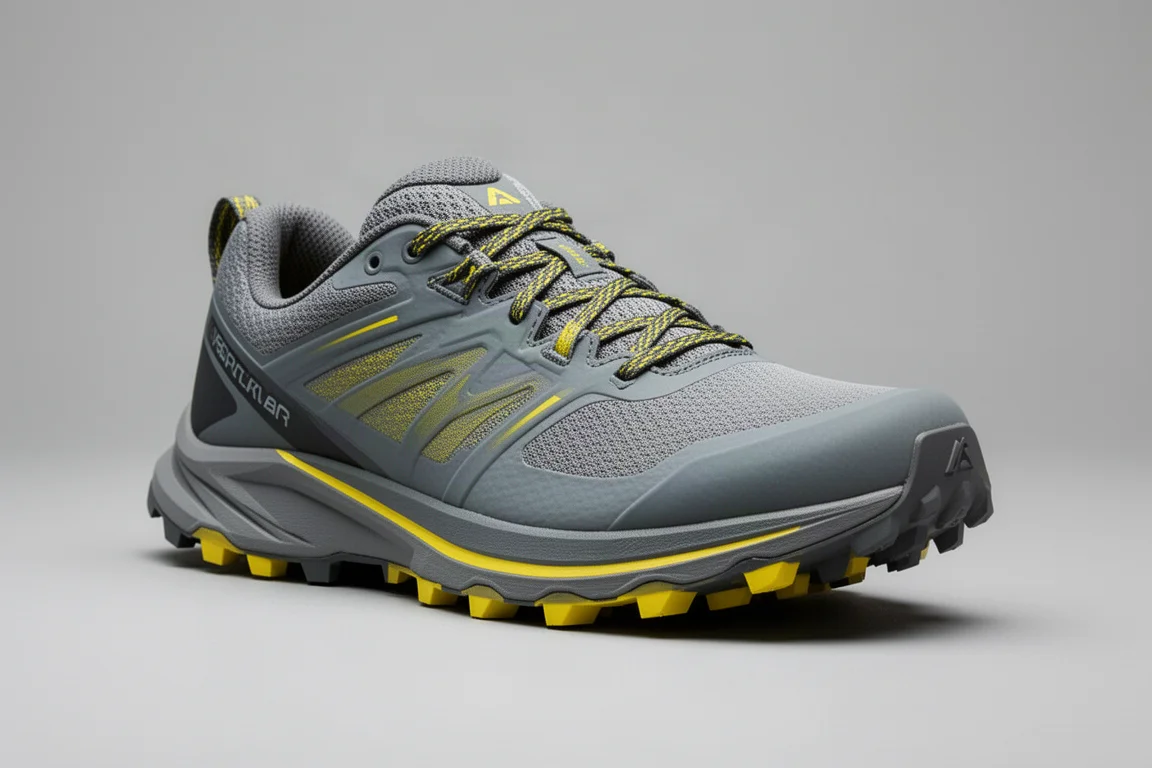
The Hoka Tecton X takes a slightly different approach. Its plate setup is a little more flexible, which many runners will love, but that flexibility means it probably won’t offload the calves as much as the stiffer options here. If comfort and a more natural ride rank above maximum calf relief, that’s a fair trade.
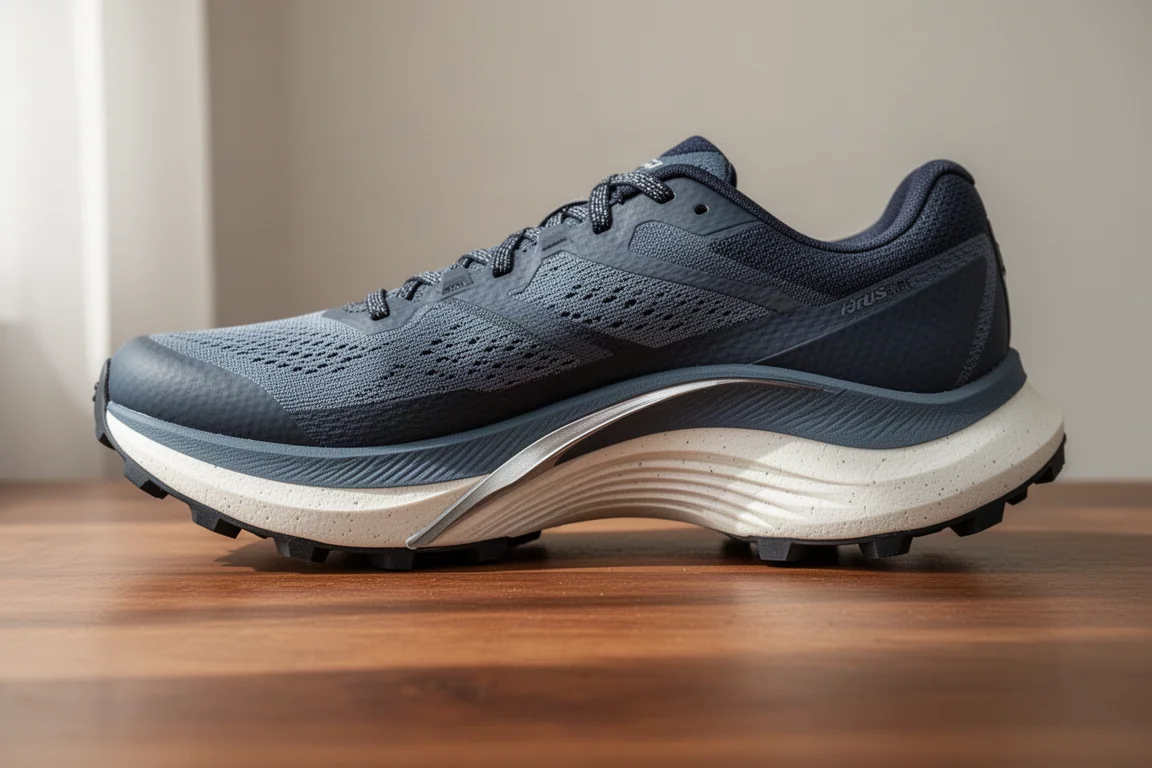
It still fits the broader pattern: some plate, some rocker, and less reliance on pushing off the forefoot than a traditional flexible flat-geometry trail shoe.
Craft Ultra Carbon
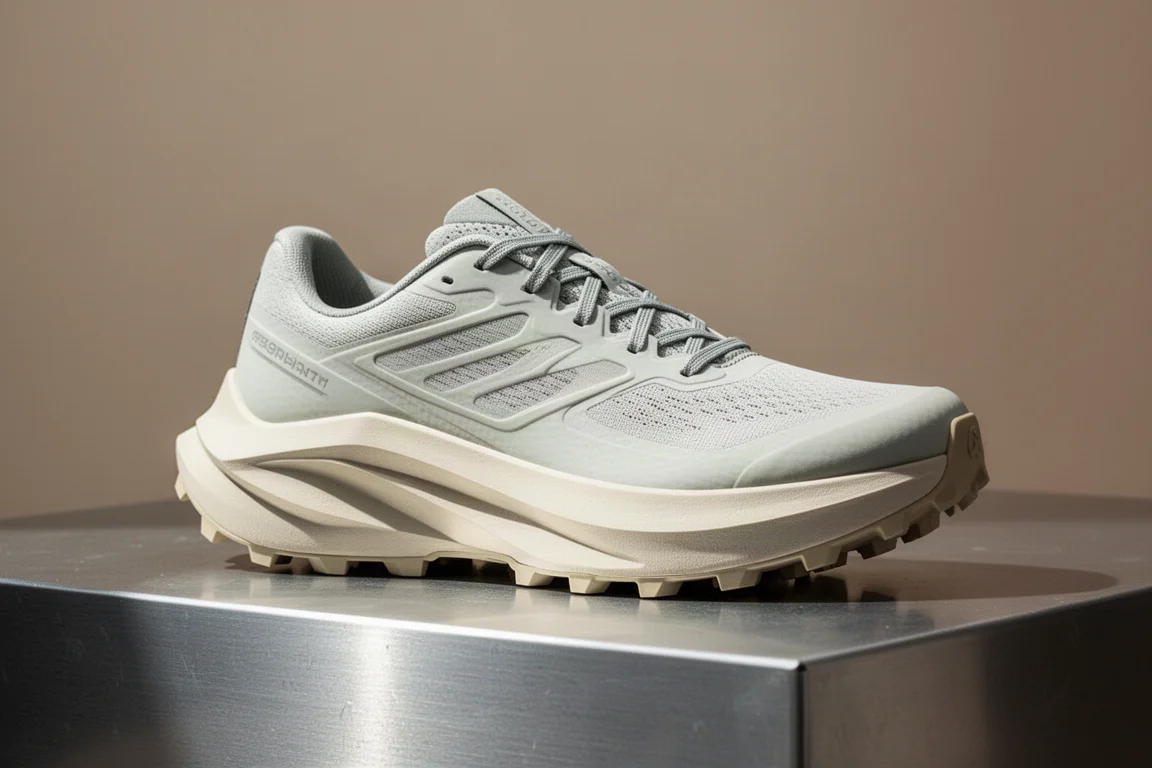
The Craft Ultra Carbon was the immediate pick for reducing calf workload in the way this question asks. It’s on the pricey side, but it checks every box: a higher drop, inherent stability from how stiff the shoe is, a plate that curves really nicely through the forefoot, and foam that isn’t overly soft, which helps stability as well.
If you want one shoe that combines drop, stiffness, and a properly aligned rocker in a single package, this is the one that best embodies the research.
One More Thing About Drop
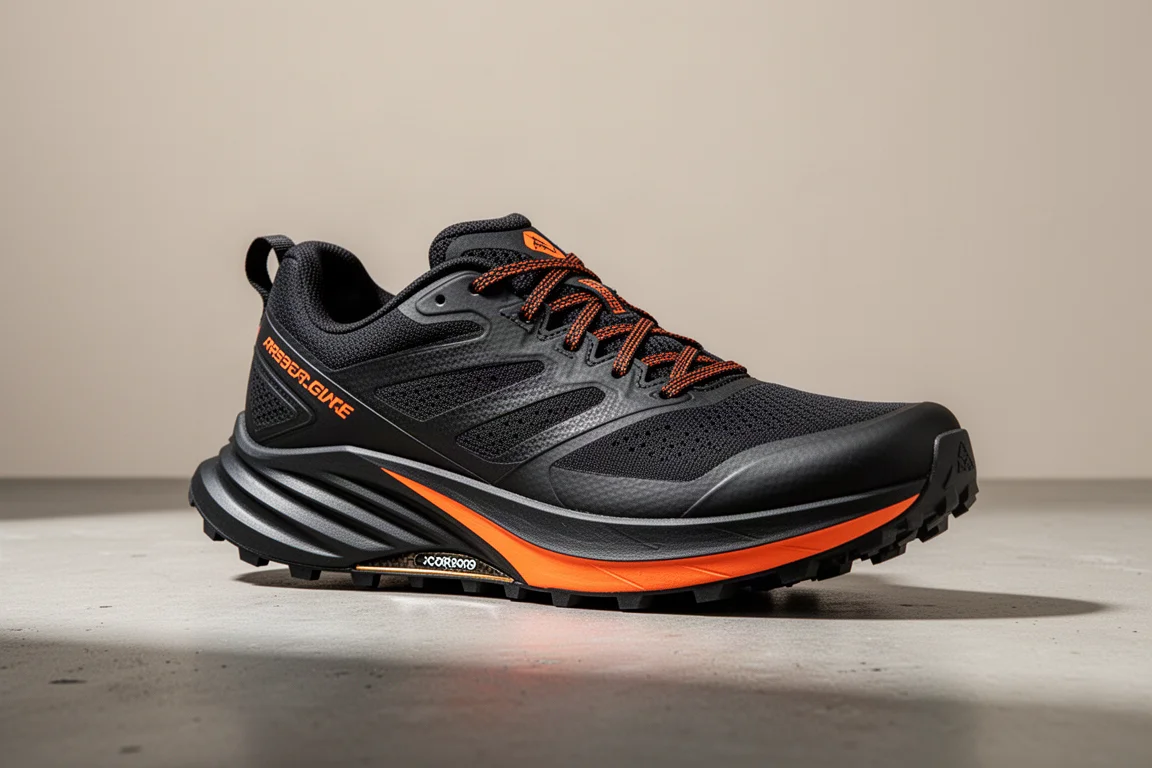
Drop is measured statically, not dynamically. The number you read on a spec sheet is taken with no weight through the shoe. Once you start running, a soft, compliant heel compresses and your effective drop can be much lower than listed, in extreme cases even approaching a negative drop. That means how soft your heel foam is can significantly change the loading through your calf, so a high drop only reduces ankle range of motion if the foam doesn’t collapse underneath you.
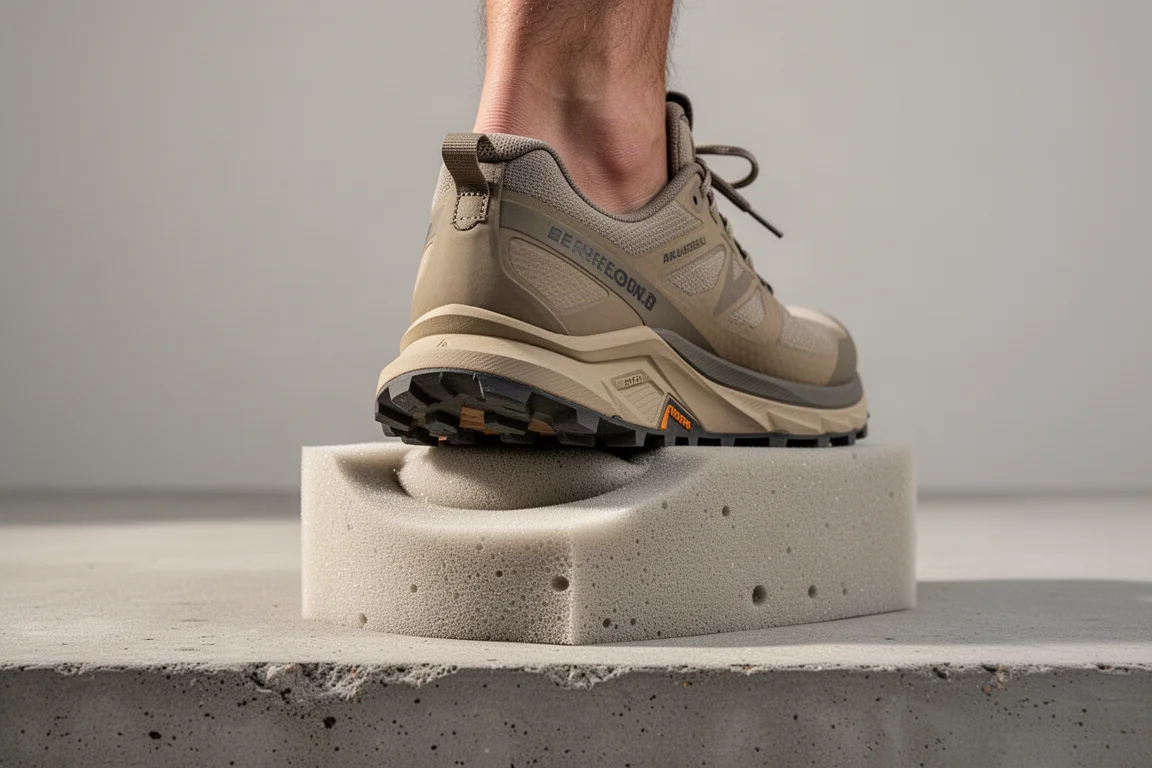
It’s one more reason to judge a shoe by how it rolls and feels underfoot, not just by the printed spec.
Buying Advice
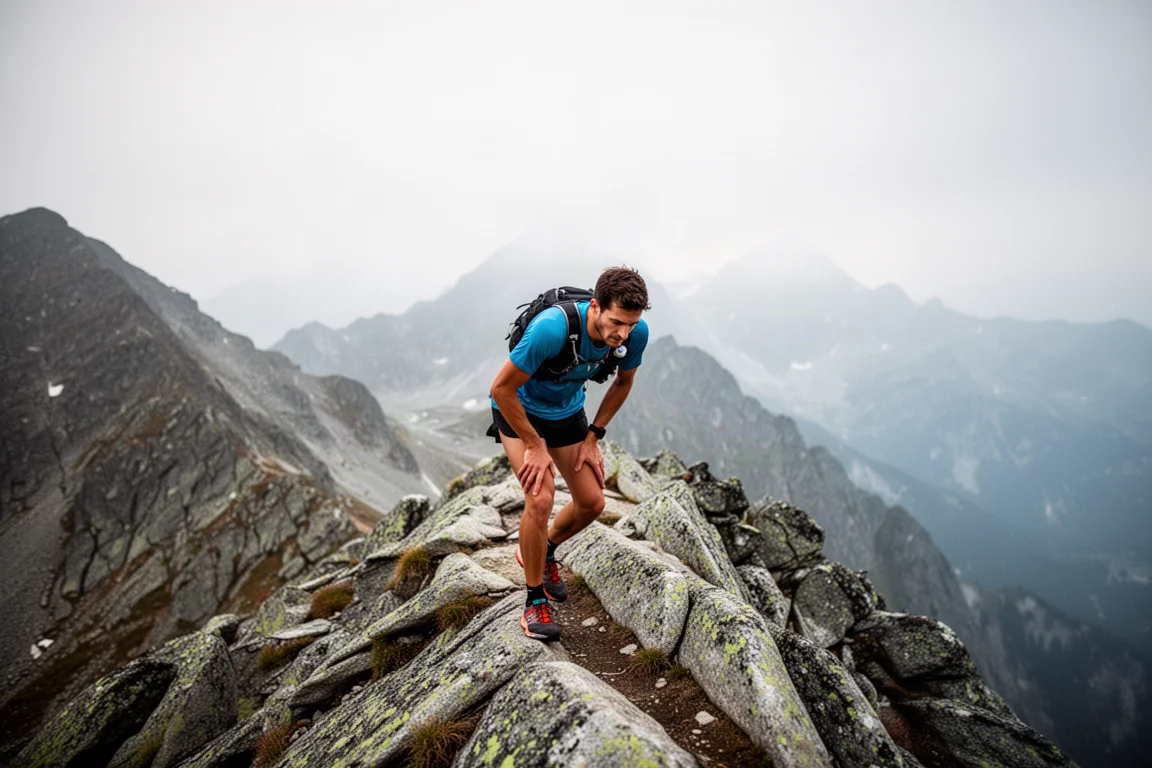
Prioritize a stiff-ish shoe with a forefoot rocker and toe spring, a plate that rolls smoothly rather than fighting your foot, and a heel that holds its shape under load. Test how the shoe rolls through your stride: if it feels smooth and natural, the geometry is likely lined up with your mechanics. Expect to work your calves regardless, especially on steep trails with big vertical gain, where no shoe can fully remove that demand.
Conclusion
High drop is no longer the only lever for reducing calf load. Rocker geometry, plate stiffness, and firmer foams now matter just as much, and shoes like the Saucony Endorphin Edge, The North Face Vectiv, Hoka Tecton X, and Craft Ultra Carbon each apply those principles differently. Match the shoe to your terrain and how it rolls underfoot, and keep training those calves no matter what you buy.
Further reading
Related Reviews
Trail Running
How to Choose Trail Running Shoes: A Guide to Shoe Type, Cushioning, and Drop
Learn the three most important factors when selecting trail running shoes: shoe type, cushioning level, and heel-to-toe drop.
Trail Running
Trail Running Poles: A Complete Guide to Technique, Fit, and Use
Learn why trail running poles redistribute workload, how to choose the right length and strap system, and master three essential climbing techniques for longer races.
Trail Running
Arc of Attrition Kit List: The Gear Worth Packing for a Winter Ultra
A practical look at the shoes, waterproofs, lighting, race vest and poles lined up for a brutal 100-mile winter coastal ultra, and why each piece earned its place.