Trail Running Shoes
Trail Running Shoes Roundup: 10 Models Worth Knowing Before You Buy
From hybrid road-to-trail options to deeply lugged technical specialists, here is how ten trail shoes differ and which terrain each one fits best.
Introduction
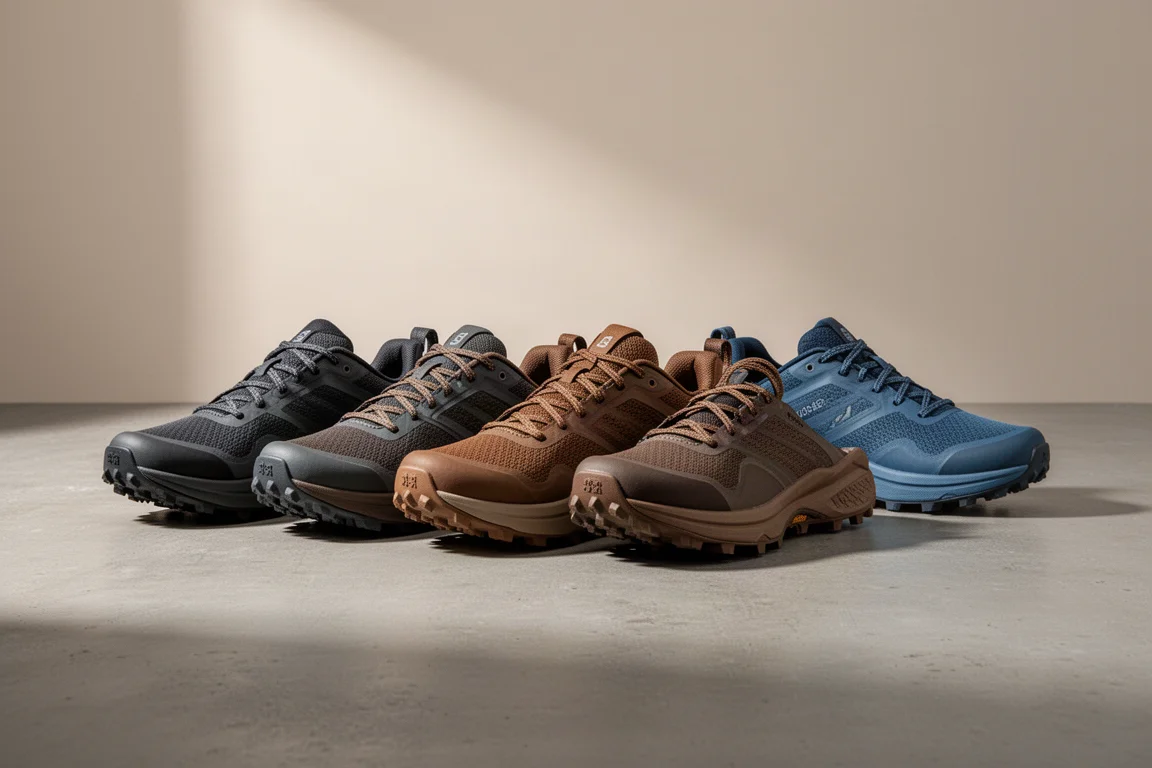
Trail running has grown quickly, and with it the number of trail shoes on the market. The challenge is that trail shoes are not one category: a shoe built for mud is nearly useless on pavement, and a shoe that cruises smooth fire roads can feel sketchy on loose rock. Knowing which type of trail you actually run is the single biggest factor in choosing well.
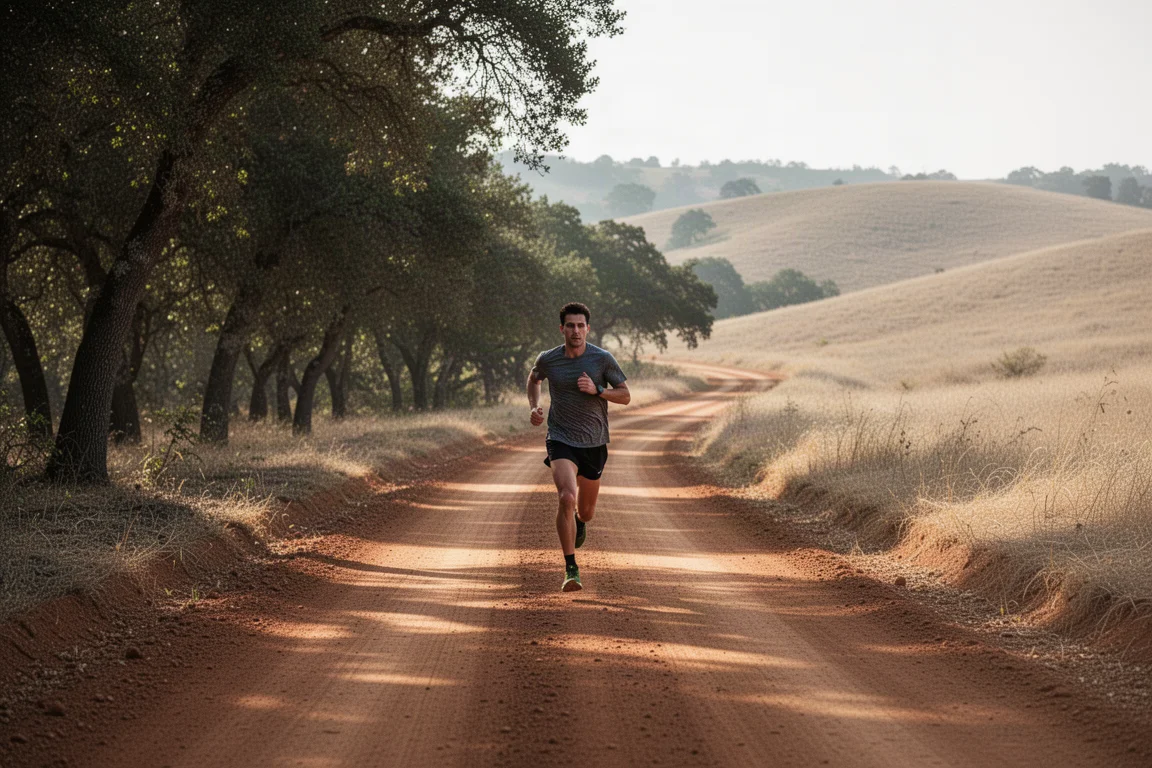
Rain, technical terrain, and snow are the three most common reasons runners reach for a trail shoe. Wet dirt holds water for a long time and turns slick, rocky routes punish thin road outsoles, and snow simply demands traction. If you have ever slipped your way through a run in road shoes, the case for dedicated trail grip writes itself.

What Makes a Trail Shoe Different
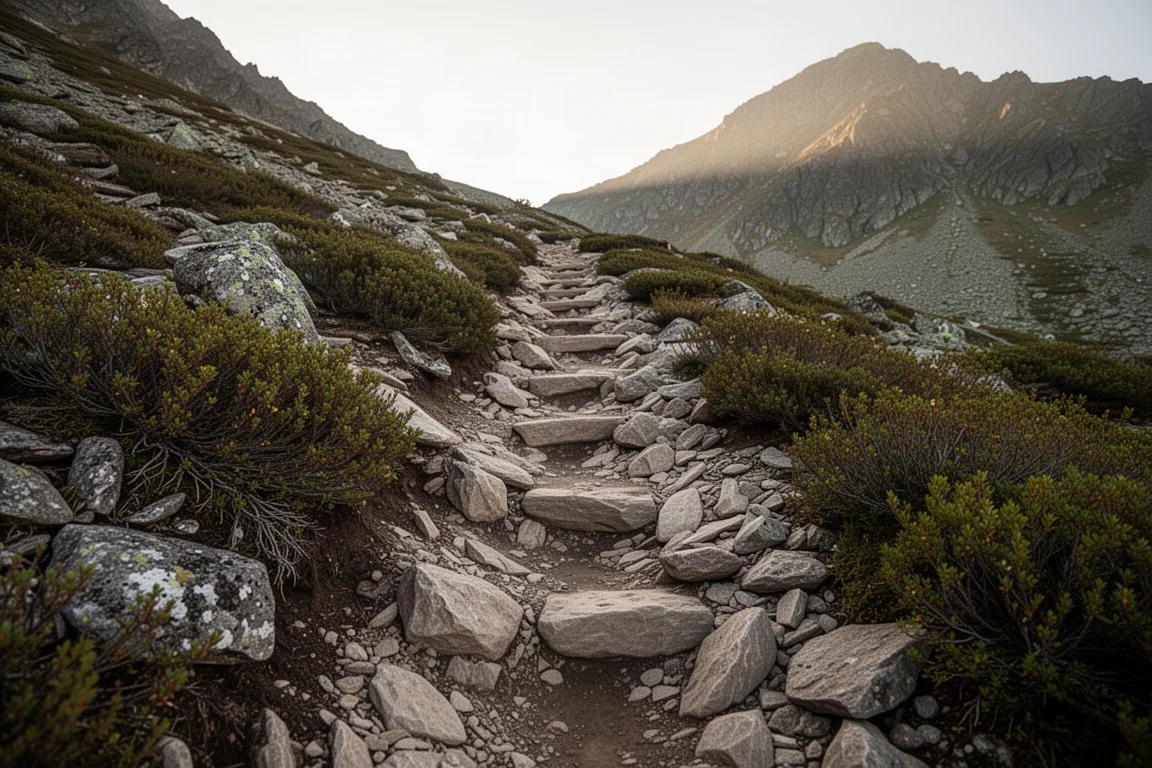
Trail shoes separate from road shoes in a few consistent ways. The uppers are more secure and abrasion resistant, often with overlays along the sides and toe guards up front to protect against rocks. The outsoles carry lugs, and the depth and spacing of those lugs signal what terrain the shoe is meant for: shallow, tightly packed lugs suit runnable trails, while deep, aggressive lugs are built for mud, snow, and loose rock.
Midsoles also differ. Many trail shoes include a rock plate underfoot to blunt pressure from sharp surfaces, or enough foam cushioning that a plate becomes unnecessary. The result is a shoe that runs heavier and stiffer than a comparable road trainer, trading a little speed for protection and security. One caveat worth knowing: true stability trail shoes are rare, so runners who need structured support should look for inherent stability from wide platforms, sidewalls, and rigid constructions instead.
Best Overall Trail Shoe: Hoka Speedgoat 5
The Hoka Speedgoat 5 is a maximally cushioned, high-stack rockered trail shoe that manages to stay surprisingly nimble. The stack sits at 33 mm heel and 29 mm forefoot for men (31/27 for women) with a 4 mm drop, and weight is 10.3 oz in a men’s size 9 and 8.5 oz in a women’s size 8, which is light for this much protection. The lugs are aggressive enough for technical ground without feeling clumsy on easier surfaces, making it a strong road-to-trail crossover as well.
Testers highlighted the sidewall integration and guidance on the platform, and the shoe held up well, with the outsole still intact after demanding review mileage. For long ultras, big vert, or simply not knowing what the trail will throw at you, this is the do-everything pick. Compared with the previous version, the fifth iteration is a clear step forward in fit and guidance, and its specs land closer to the beloved Evo Speedgoat than the fourth did.
Best Lightweight Trail Racer: Hoka Torrent 2
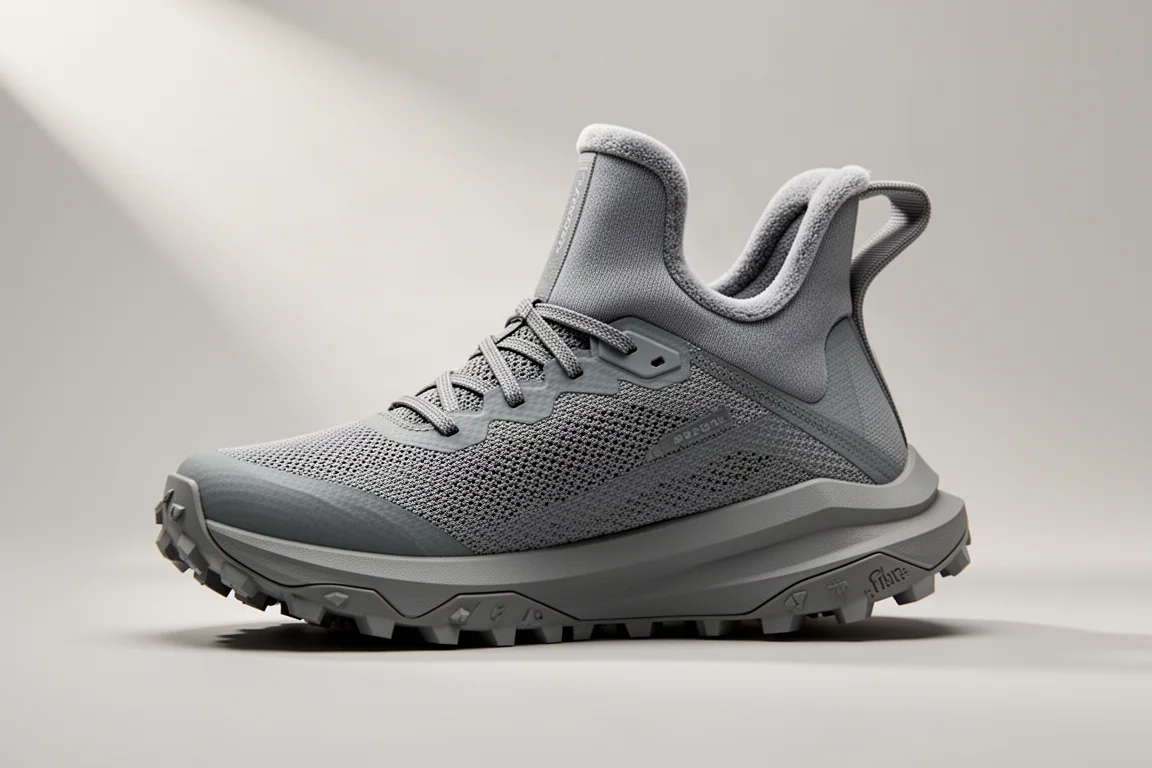
The Hoka Torrent 2 is the lighter, faster counterpart in Hoka’s trail line. Its lugs are deeper than a racer like the Tecton X but shallower than the most aggressive options, with enough bite to grab loose rock and shed mud on technical sections. It trades some protection for speed, which is exactly the point.
This is the shoe for runners who want to race or push the pace on mixed trail without carrying a chunky platform. It rides with a slightly more cleated feel on pavement, so it is best left for actual trail rather than long road transitions.
Best All-Around Technical Option: Saucony Peregrine 12
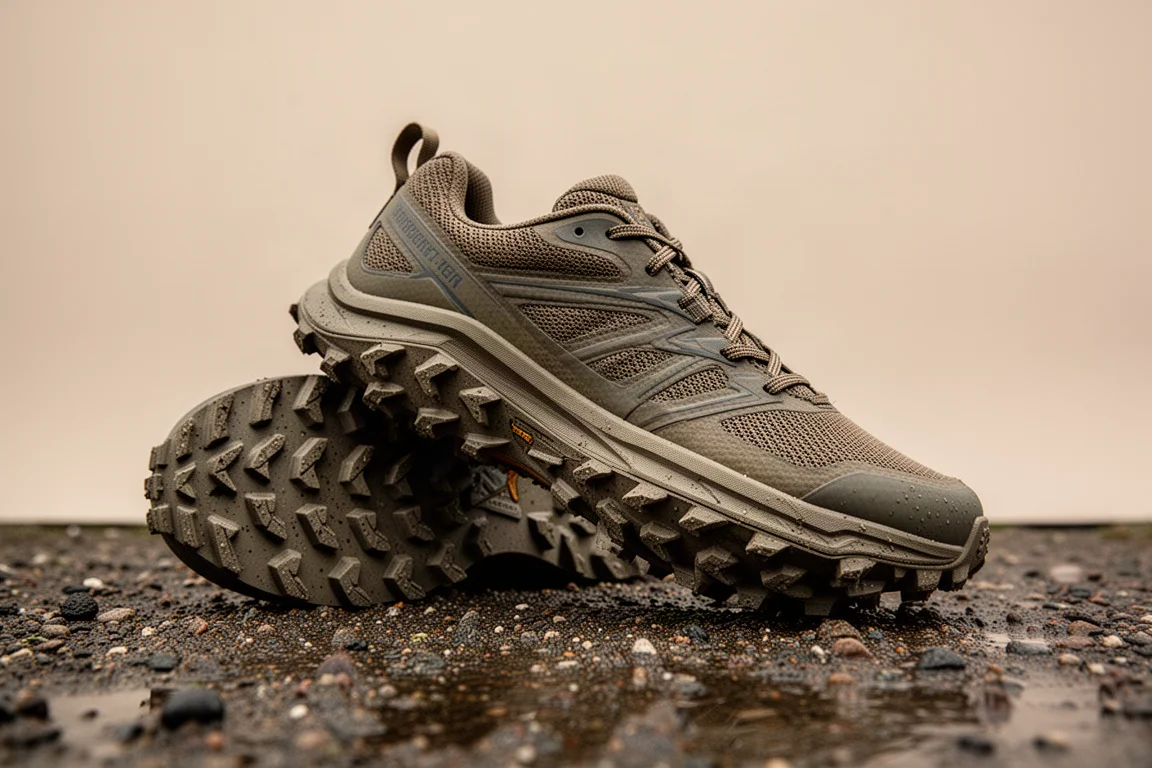
The Saucony Peregrine 12 pairs a secure upper with deeper lugs and a sticky outsole, making it a dependable choice when the ground is constantly shifting under you. Alongside the Torrent 2, it was the shoe testers reached for when terrain got rocky and wet, where deeper lugs genuinely pay off.
Runners who raced on technical sections with stream crossings found the extra grip made them less apprehensive on footing they would otherwise hesitate over. It is a confident pick for anyone who wants security without jumping to the most extreme lug designs.
Best Hybrid for Road-to-Trail: New Balance More Trail v2
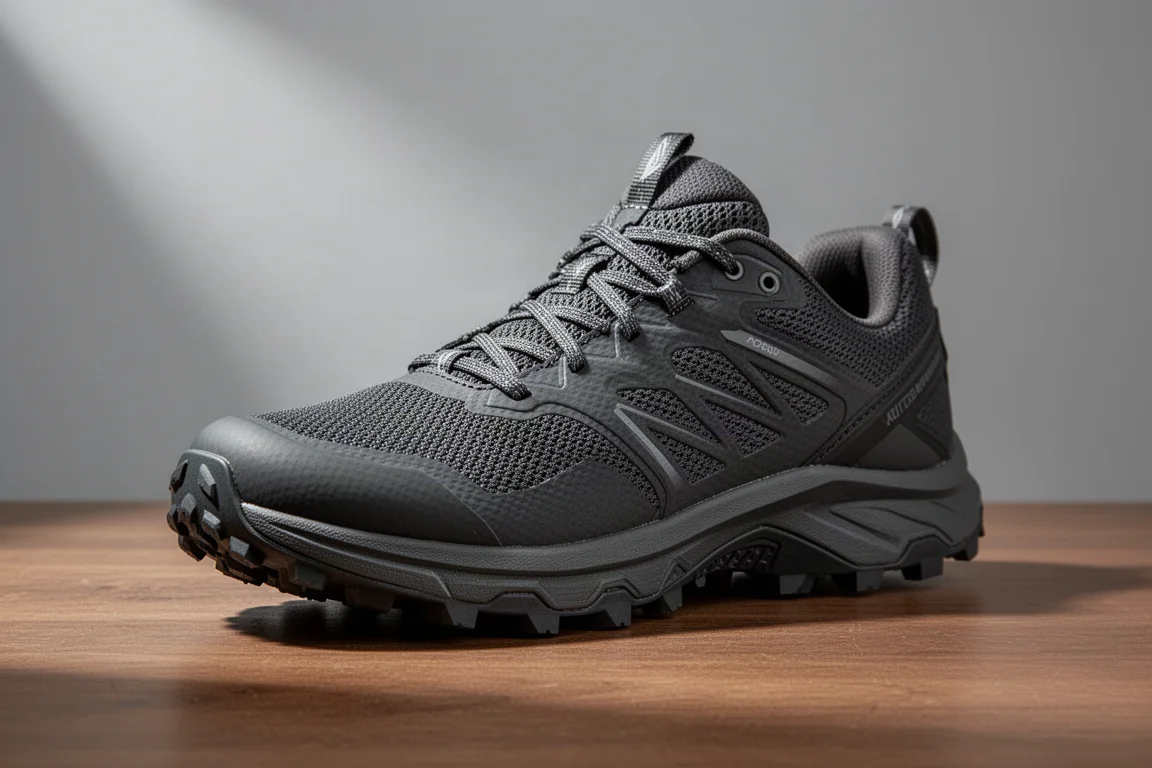
The New Balance More Trail v2 blurs the line between road and trail. Its lugs are not especially deep, but they sit on Vibram Megagrip rubber, so it grips dirt while remaining comfortable to run on pavement. Aggressive sidewalls come up high on the shoe, and a runner who normally needs some stability reported doing just fine in it thanks to that guidance.
At 11.6 oz in a men’s size 9, it is heavier than the Speedgoat 5, though the two are otherwise natural competitors as high-stack, non-plated rockered trail shoes. Choose it if most of your miles mix smooth trail with stretches of road.
Best Carbon-Plated Racer: Craft CTM Ultra Carbon 2
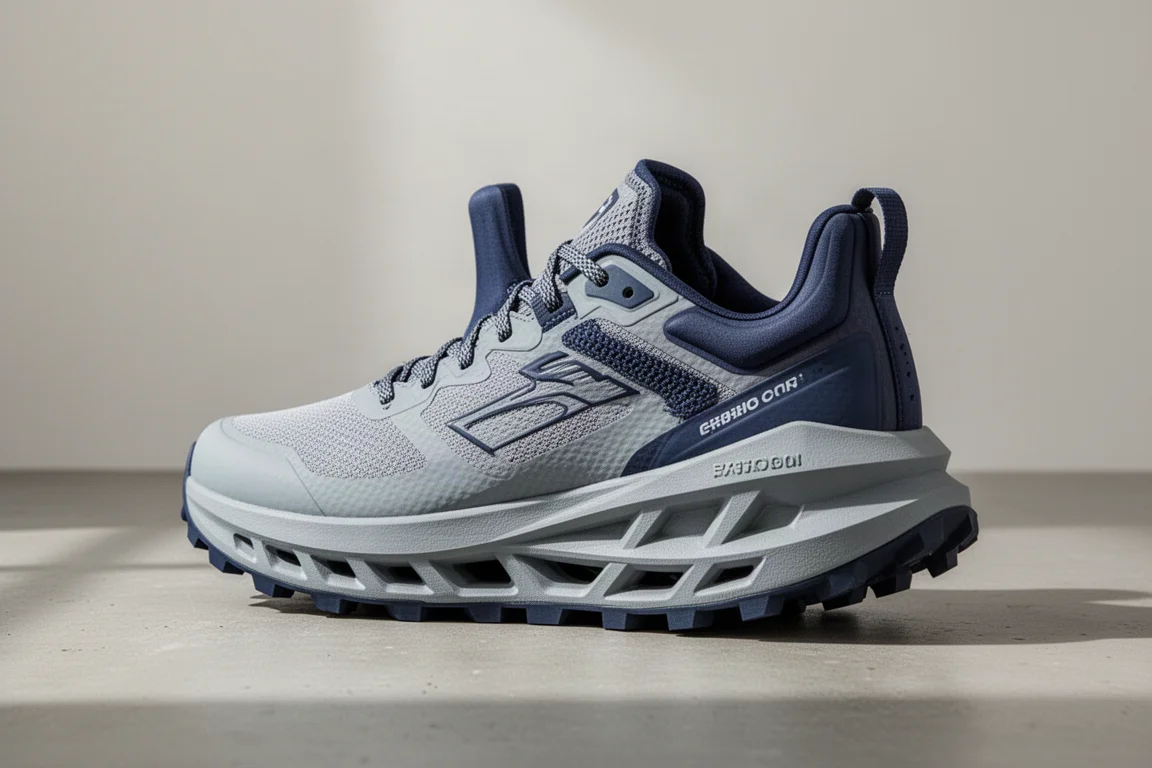
The Craft CTM Ultra Carbon 2 represents the growing hybrid race category: a higher-stack shoe with lugs deep enough to grip easy trail but shallow enough to run smoothly on road, plus a plate for added rigidity and snap. The upper is notably flexible and comfortable, though it is not the most protective or locked-down upper in this group.
Because of that, it suits shorter races and less technical courses, where testers found it excellent. The non-plated CTM Ultra shares the same platform for runners who prefer a softer, more flexible ride.
Best High-Stack Alternative: Brooks Caldera
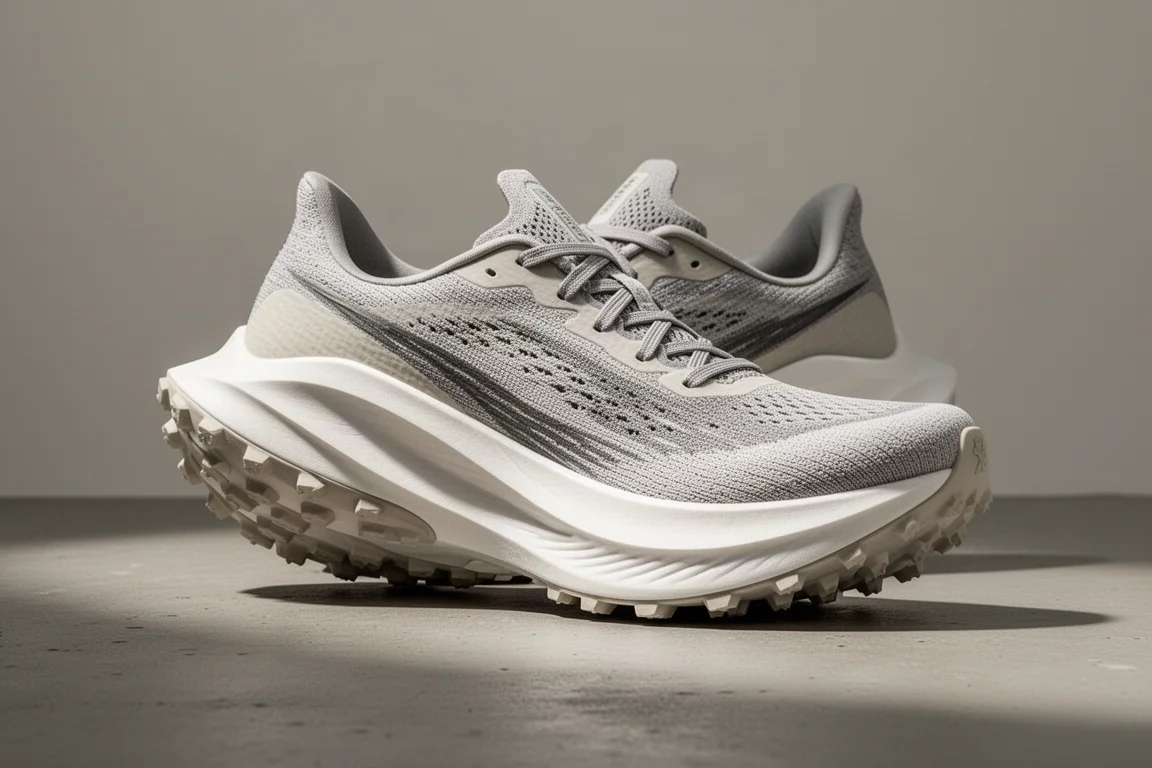
The Brooks Caldera is another high-stack, rockered, non-plated trail shoe with plenty of cushion underfoot, enough that it does not need a rock plate. It competes closely with the Speedgoat in the same lane: long distances, big protection, and a stable platform.
The main difference comes down to fit preference, with the Speedgoat 5’s upper working slightly better for some testers, while older versions of the Caldera held their own appeal. Either way, it is a proven choice for runners who want maximal cushioning that protects the foot for hours.
Best Rock-Plate Cruiser: Hoka Tecton X
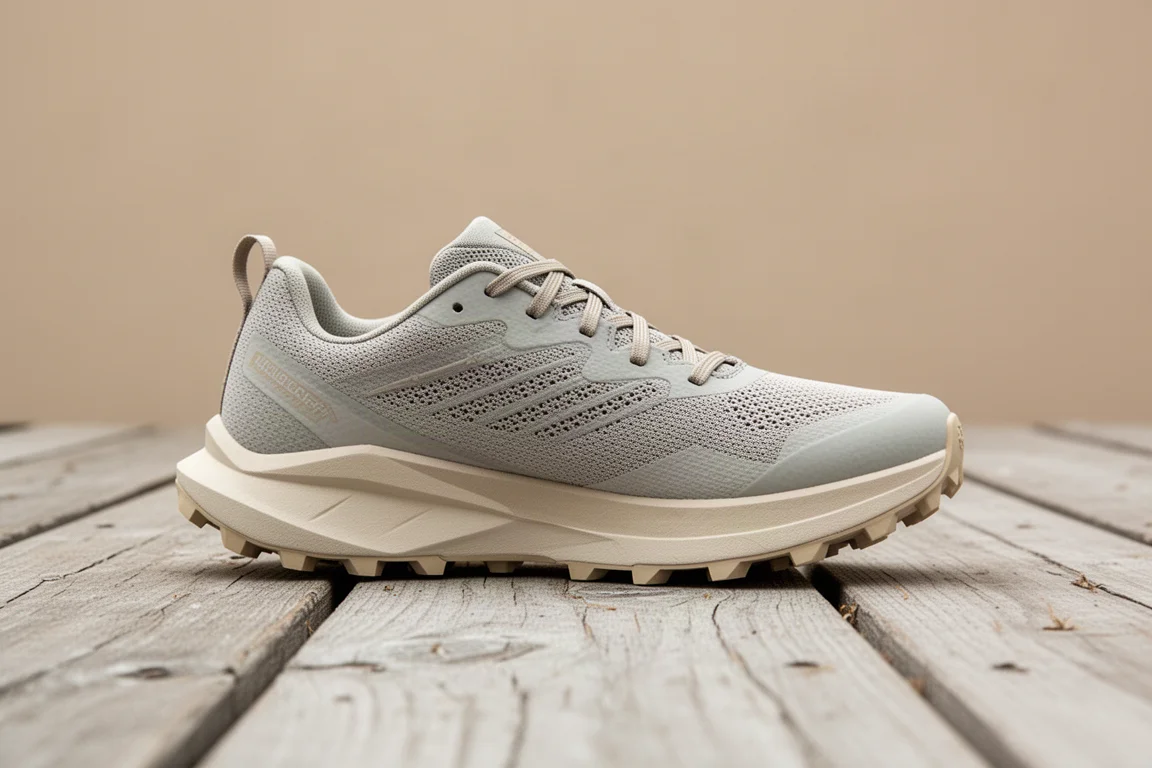
The Hoka Tecton X adds a plate to a trail shoe with balanced lugs: deep enough for real traction, not so aggressive that the shoe feels awkward outside technical terrain. The plate blocks impact underfoot, so you feel fewer rocks through the platform.
Notably, testers logged a surprising share of their miles in this shoe on the road and found it genuinely good there too. That makes it one of the most versatile plated trail options for runners whose routes blend surfaces.
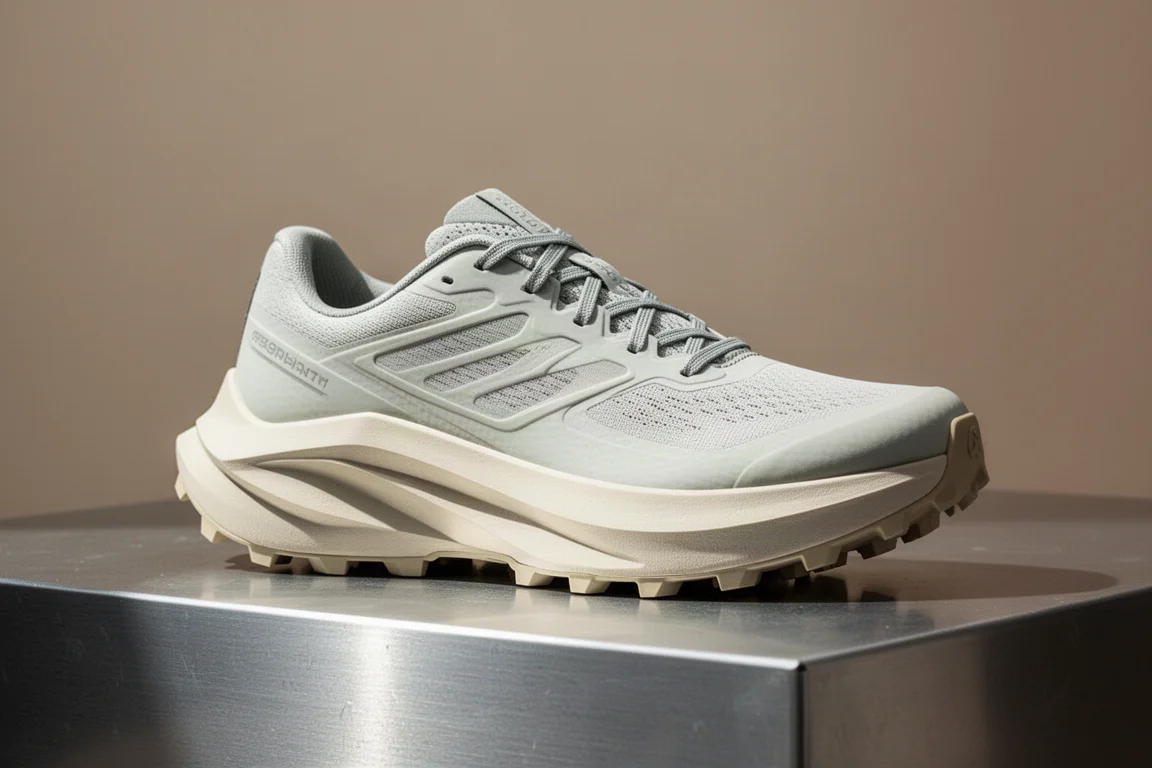
Best Zero-Drop Classic: Altra Lone Peak
The Altra Lone Peak is a long-standing favorite in the max-cushion trail camp and a common sight at ultras. Alongside the Speedgoat, Caldera, and More Trail v2, it belongs to the high-cushion family that protects the foot over the very long haul.
For runners who want a roomy, cushioned platform for 50-mile, 100K, or 100-mile efforts, it remains one of the most trusted names in the category.
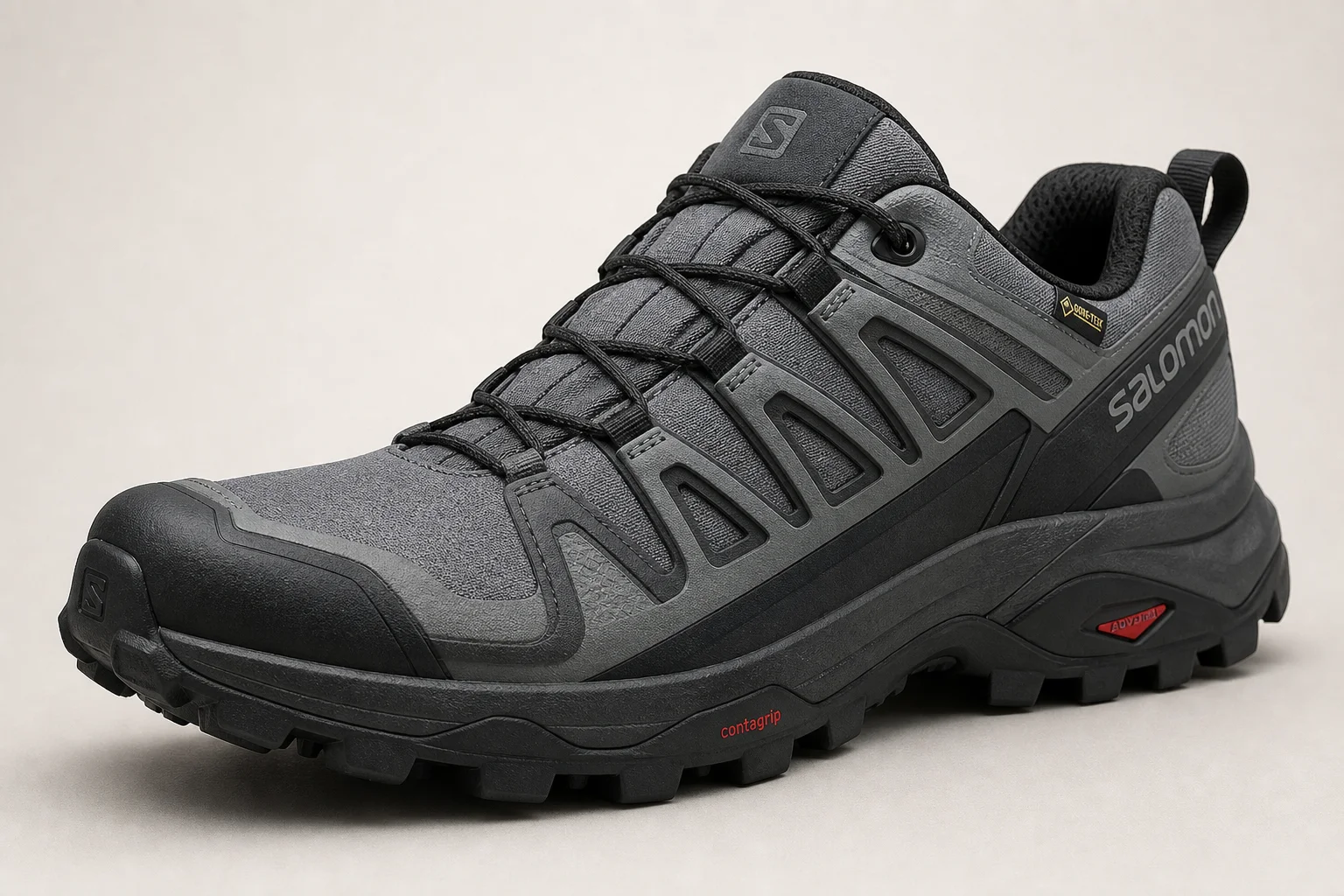
Best for Mud and Deep Lugs: Salomon Speedcross
The Salomon Speedcross carries very thick, very long lugs built for mud. On soft, sloppy, or steep terrain it is exactly the right tool. On road, it is genuinely uncomfortable, and true trail shoes like this will burn through their lugs quickly if used on pavement.
There is also a mud-specific consideration: some lugs shed sticky mud better than others, with triangular lug shapes tending to clear themselves more easily in heavy, clinging conditions. If your trails turn to slop after rain, this is the kind of shoe that earns its keep.
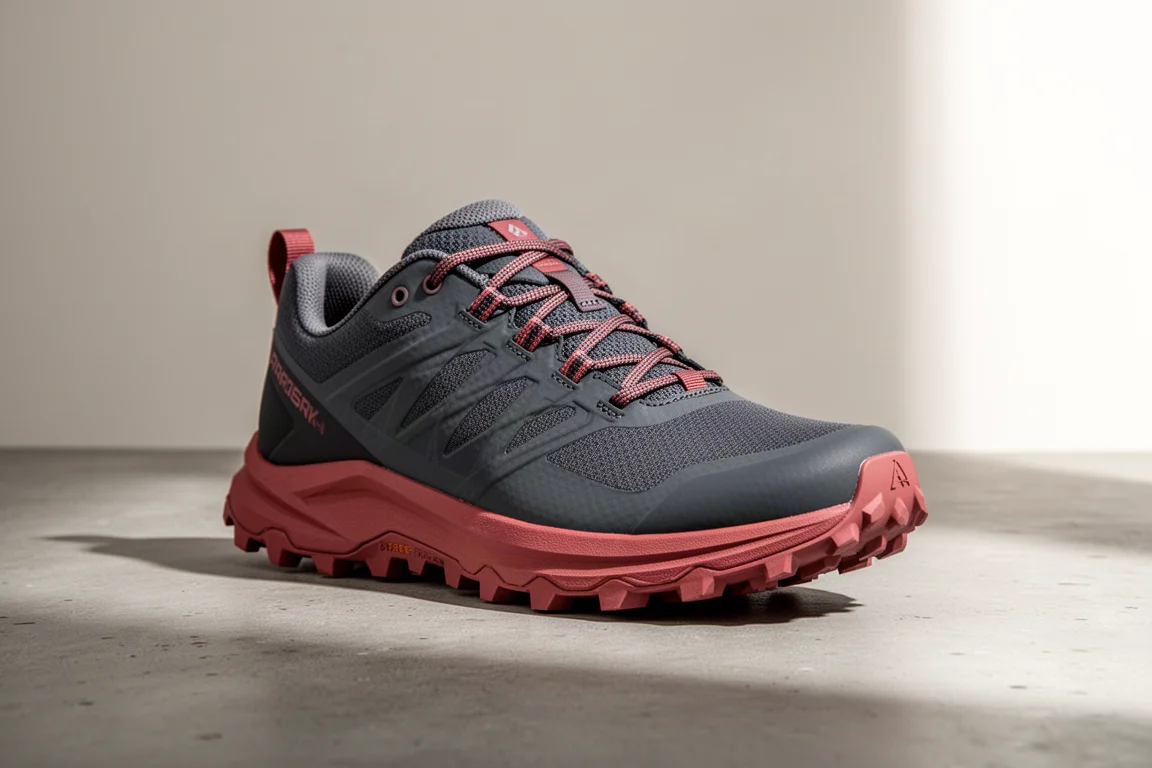
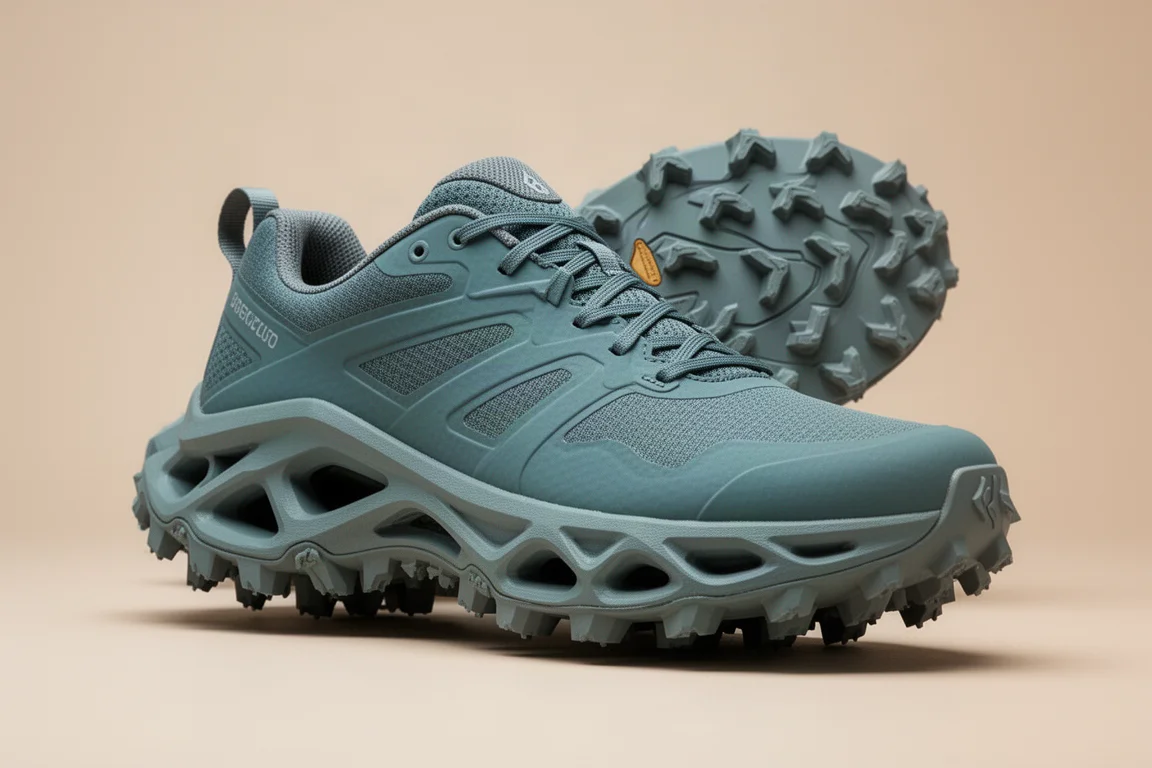
Best Technical Grip: On Cloudventure
The On Cloudventure, and its Peak variant, brings incredibly deep lugs to the technical-trail category. Like the Speedcross, it is not a road shoe at all. It is built for the worst terrain you can imagine: loose rock, steep descents, deep mud or snow, even trailless fell running across open country.
Shoes in this class tend to avoid maximal stack so your feet can adjust quickly to rapidly changing terrain. If the trails near you are genuinely demanding, this level of grip and protection is what makes running them feel confident instead of frightening.
Buying Advice
Match the shoe to the trail, not the marketing. For runnable, non-technical routes and road-to-trail mixing, hybrids like the More Trail v2 and plated options like the Tecton X are the most comfortable fits. For long ultras or heavy vert, prioritize high-stack protection such as the Speedgoat 5, Caldera, or Lone Peak. For genuinely technical, wet, or snowy ground, deep-lugged specialists like the Torrent 2, Peregrine 12, Speedcross, and Cloudventure deliver the security that keeps you upright.
On plates: they add stiffness and a snappier feel, and some runners enjoy that, but evidence of actual performance gains on trail is hard to measure. Treat them as an option, not a requirement. And if you need true structured stability, remember that dedicated stability trail shoes are scarce, so lean on wide platforms, sidewalls, and inherent rigidity, or use an insole or orthotic where the shoe allows.
Conclusion
There is no single best trail shoe, only the right shoe for the terrain and distance you actually run. Start by honestly assessing your trails: smooth and rolling, mixed with road, or steep and technical. That answer alone will narrow this list to two or three models, and from there fit and ride preference should make the decision for you.
Further reading
Related Reviews
Trail Running Shoes
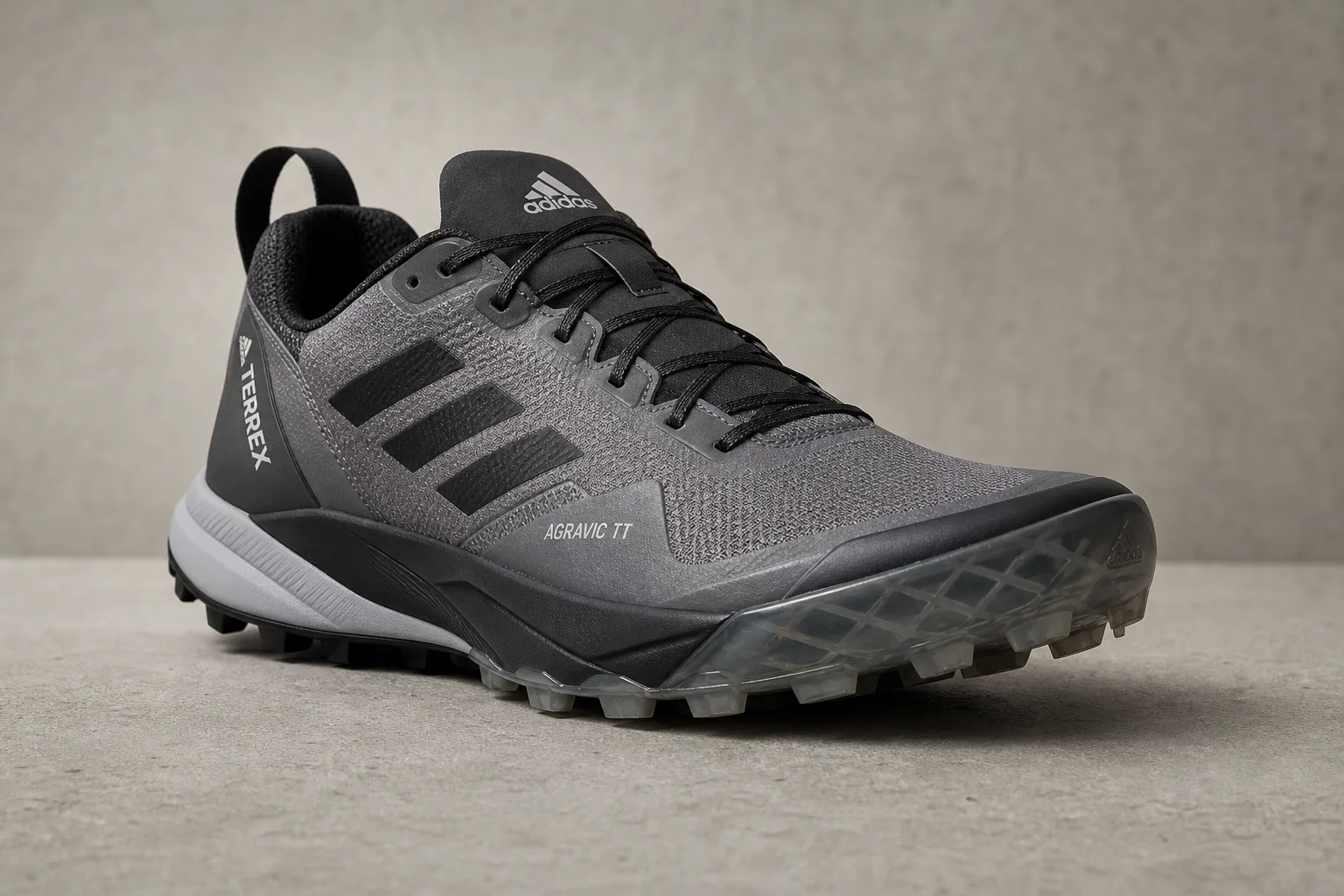
Adidas Terrex Agravic TT Review: A Technical Trail Shoe Built for Rocky Terrain
The Adidas Terrex Agravic TT combines a full-coverage rock plate with a firmer midsole to deliver protection and stability on technical, rocky trails. A capable choice for runners who prioritize underfoot defense over lightweight cushioning.
Trail Running Shoes
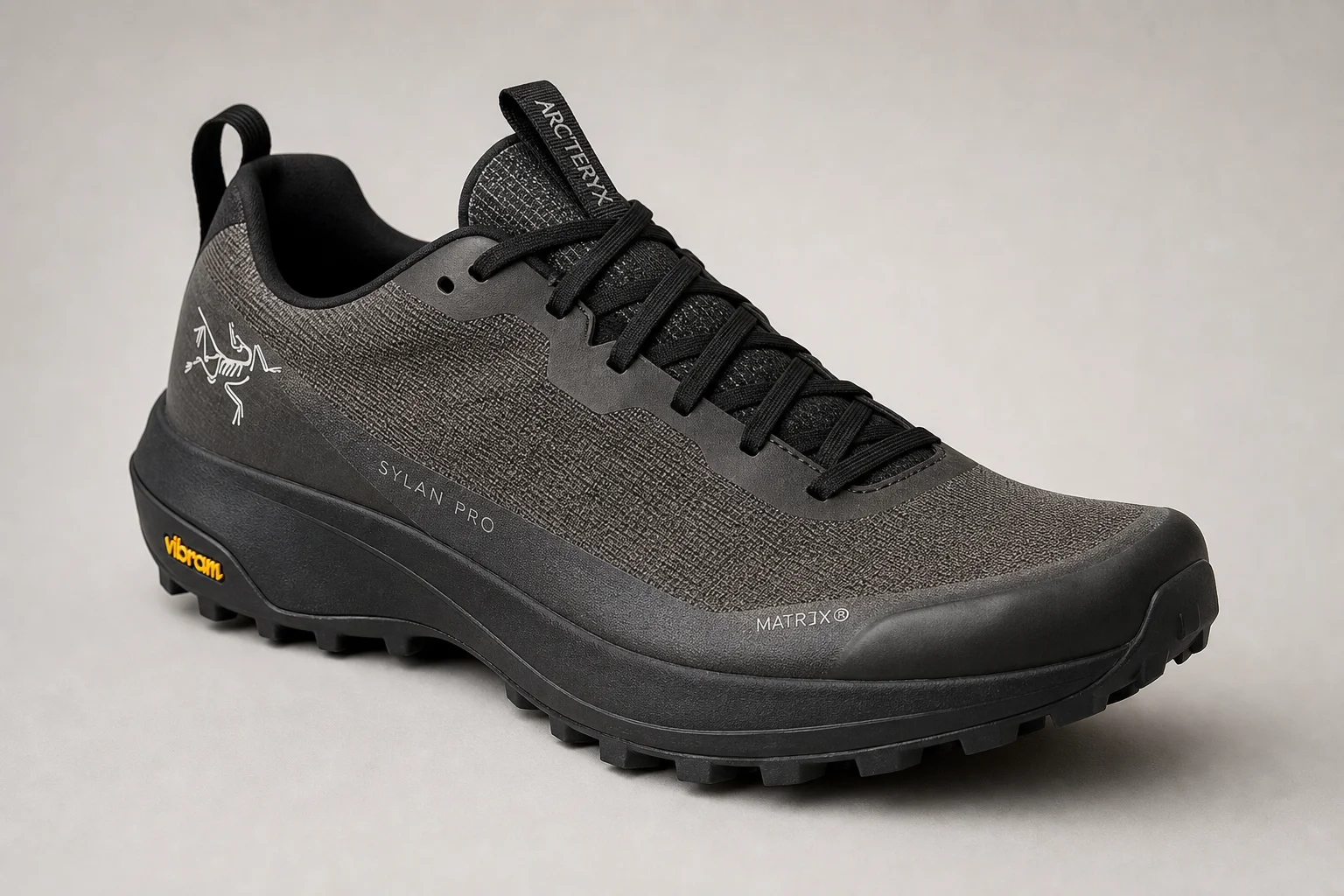
Arc'teryx Sylan Pro Review: A Rocker-Focused Mountain Running Shoe Tested on 20 Miles
The Arc'teryx Sylan Pro brings a pronounced rocker geometry and secure fit to mountain terrain. We tested it on a 20-mile Sawtooth loop to evaluate its climbing efficiency, protection, and handling of technical descents.
Trail Running Shoes
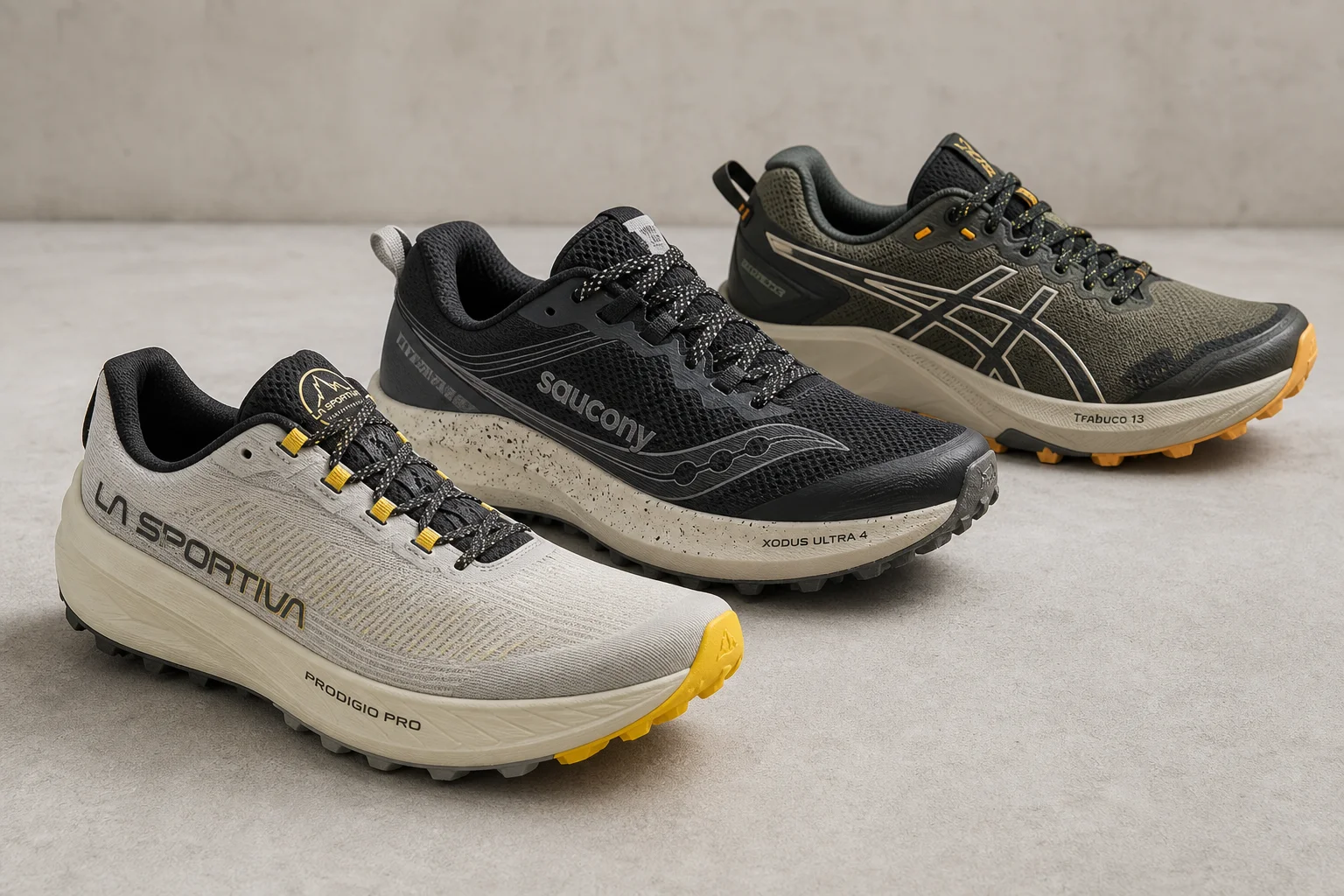
Best All-Mountain Trail Running Shoes: Three Versatile Options for Any Trail
A focused roundup of three all-mountain trail running shoes that handle technical terrain, long distances, and variable conditions with real strengths and practical trade-offs.