Trail Running
Best Trail Running Shoes: How to Choose the Right Pair for Your Trails
Twelve trail shoes worth a look, grouped by fit, grip, cushioning and weight, plus practical tips for choosing the right pair for the terrain you actually run.
Introduction
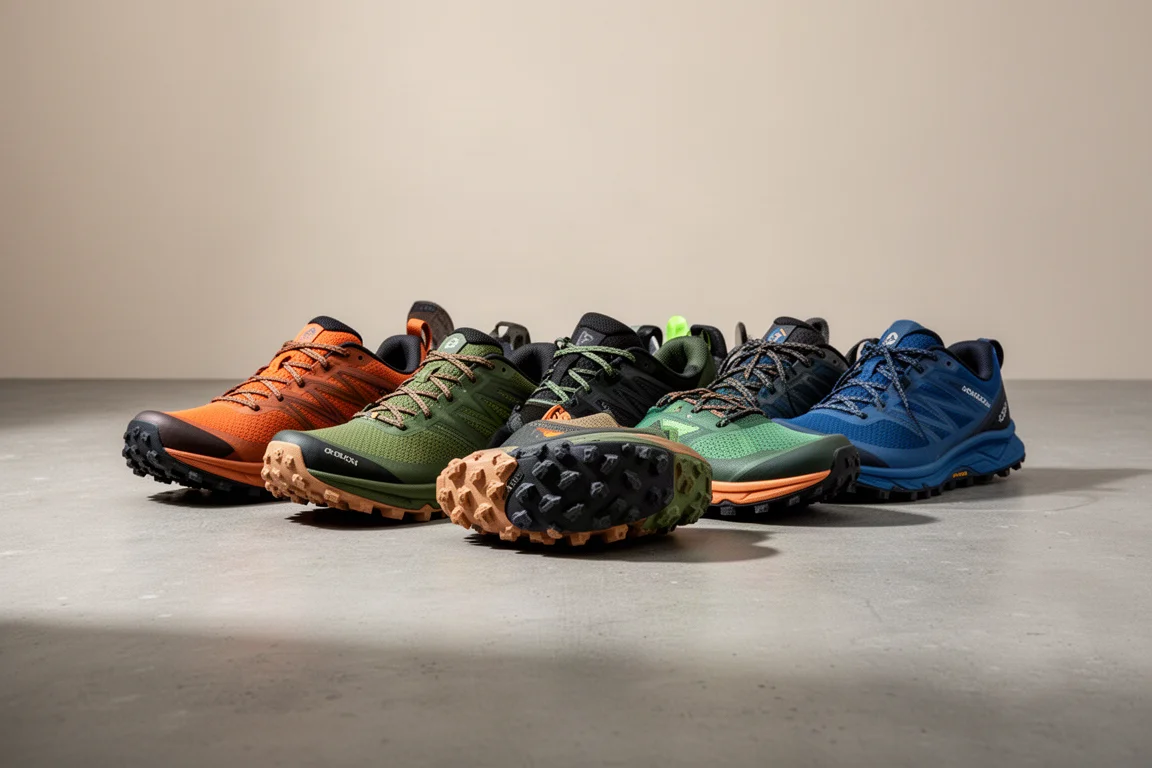
Choosing a trail running shoe is a very personal decision. The same shoe that feels perfect on one runner can feel wrong on another, and the terrain you run makes a bigger difference than any single spec. This guide breaks down what actually matters when you buy, then looks at twelve shoes that stand out for different reasons.
Before diving in, one honest note: buying running shoes online can feel like a lottery. Some retailer websites give detailed information on fit, length, width, heel offset, cushioning and lug depth, while others are extremely vague. If the sizing information is missing, contact the brand directly or ask on a running forum before you commit. And if you still have a specialist running store nearby, use it. Trying on as many brands and models as possible remains the single best way to get it right.
Key Factors to Consider First
The first thing to figure out is whether a shoe runs true to size. There is no industry standard. As a real example, one runner who normally wears a UK 9.5 in most running shoes takes a UK 9 in the Kailas Fuga EX 2, but needs a UK 10.5 in the Inov-8 Parkclaw to get exactly the same fit. That is a full size and a half of difference between brands, so always check whether a model is true to size, runs small, or runs large.
Next, think about toe box width. Every foot shape is different, and every brand cuts its uppers differently. If you need width and volume up front, Altra offers a distinctive foot-shaped design with generous forefoot space, though all Altra shoes are zero drop with no heel offset, which does not suit every runner. Topo Athletic uses a similar foot-shaped design with slightly less width and typically a three to five millimetre heel offset. Brooks models such as the Cascadia and several Inov-8 models also offer good width in the toe box.
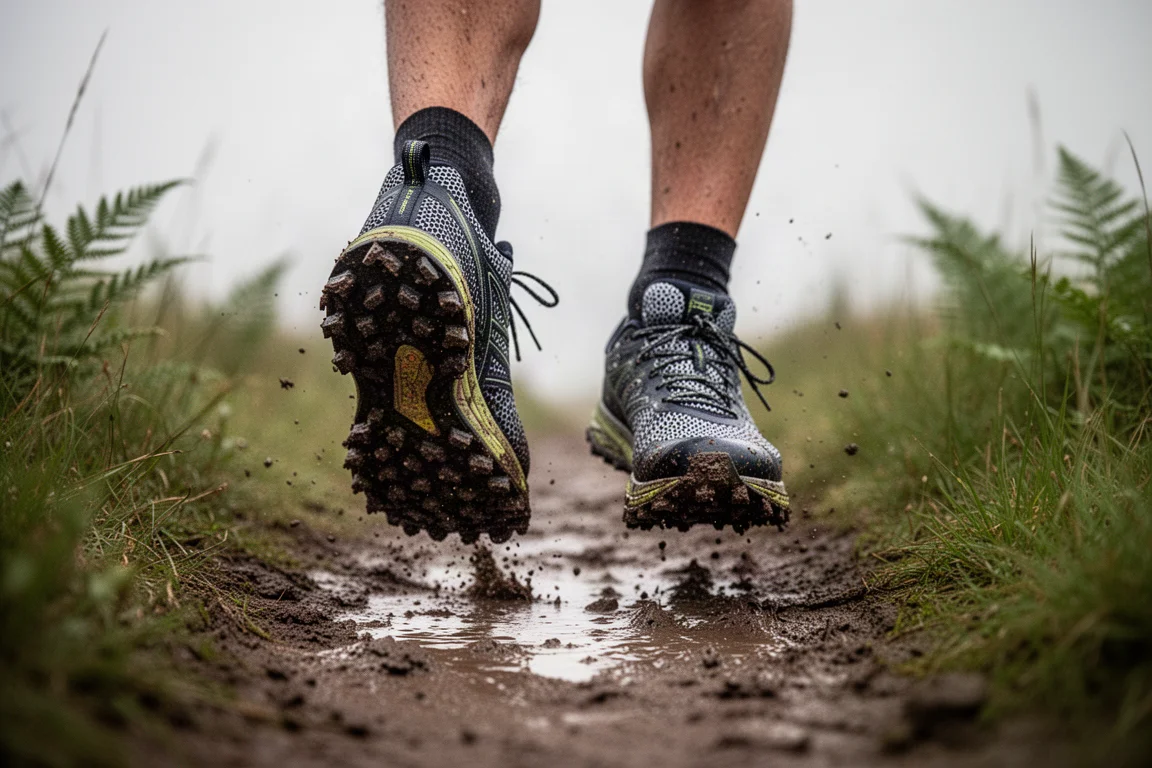
If you have a narrower foot and find too much lateral or medial slippage in roomier uppers, Salomon is known for a narrow fit in the toe box and midfoot. Saucony models such as the Peregrine 13 and several Kailas shoes also fit close to the foot. Beyond fit, you need to match lug depth, outsole rubber and cushioning to the trails you actually run, which is where the shoes below earn their place.
Best for Wet Rock and Mixed Terrain: Saucony Exodus Ultra
The Saucony Exodus Ultra is the shoe to check out if you run a big mix of terrains and underfoot conditions in a single outing. It handles long distances well, especially when you keep crossing between different trail types, and it stays comfortable and connected on genuinely technical trails.
Best All-Rounder: Hoka Speedgoat 5
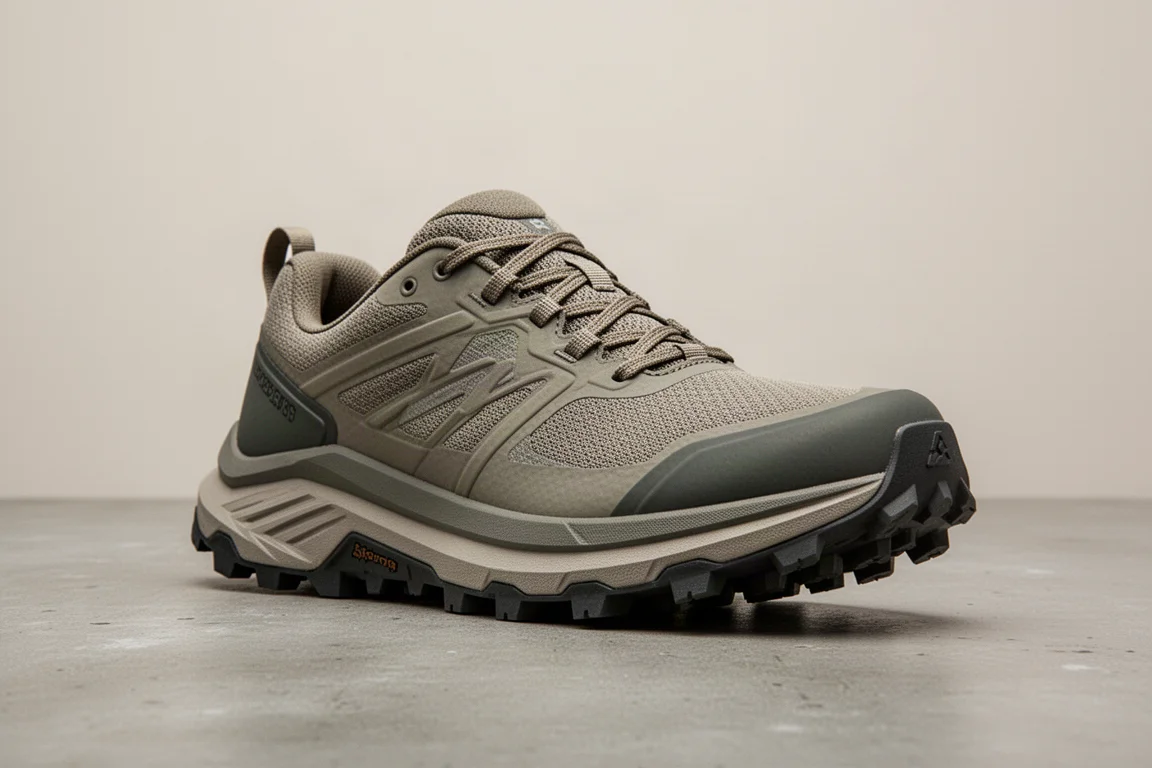
The Hoka Speedgoat 5 remains one of the most popular trail shoes around, and for good reason. It takes on a wide variety of terrain without complaint, combining a comfortable midsole with enough grip to feel dependable on mixed ground. If you want one shoe that does a bit of everything well, this is the obvious starting point.
Best Deeply Cushioned: Hoka Mafate Speed 4
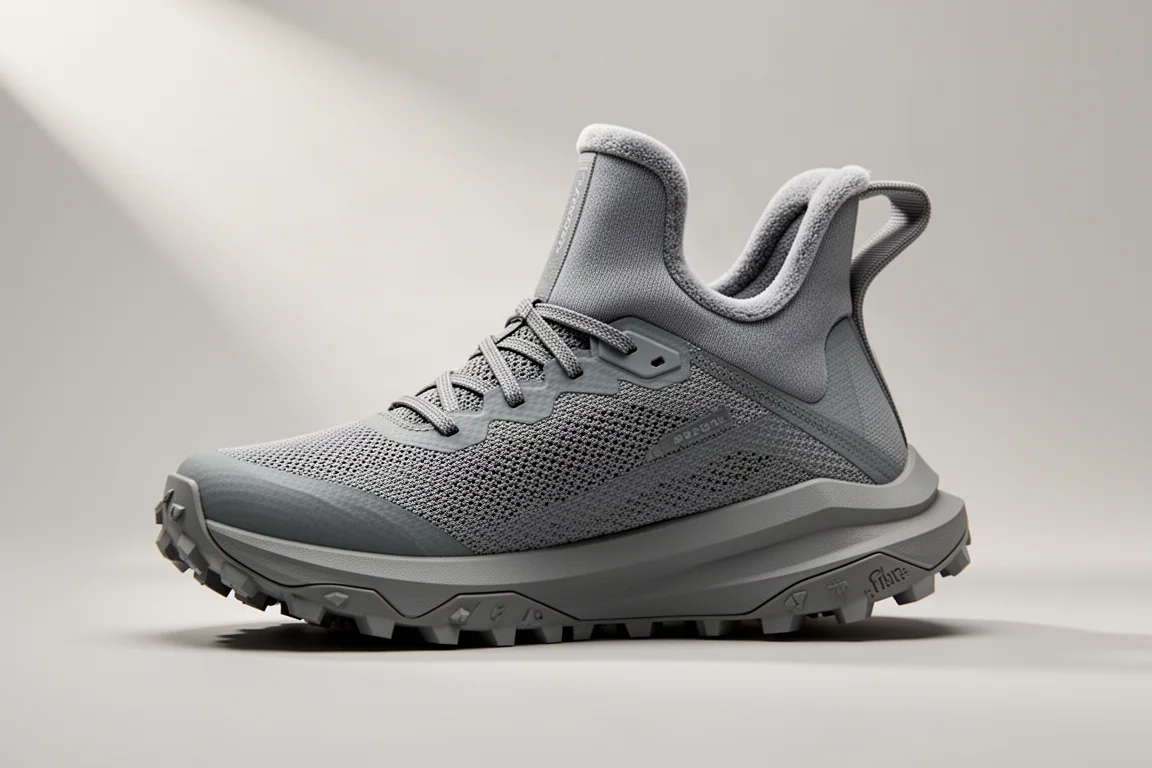
The Mafate Speed 4 earns its place with a dual-compound ProFly midsole that is very comfortable yet surprisingly stable. On a long-run test over a big mix of terrain it performed really well, and on technical sections it proved to be one of the most stable, deeply cushioned trail shoes around. The outsole also carries a Vibram rubber compound with a chunky lug pattern for grip and traction.
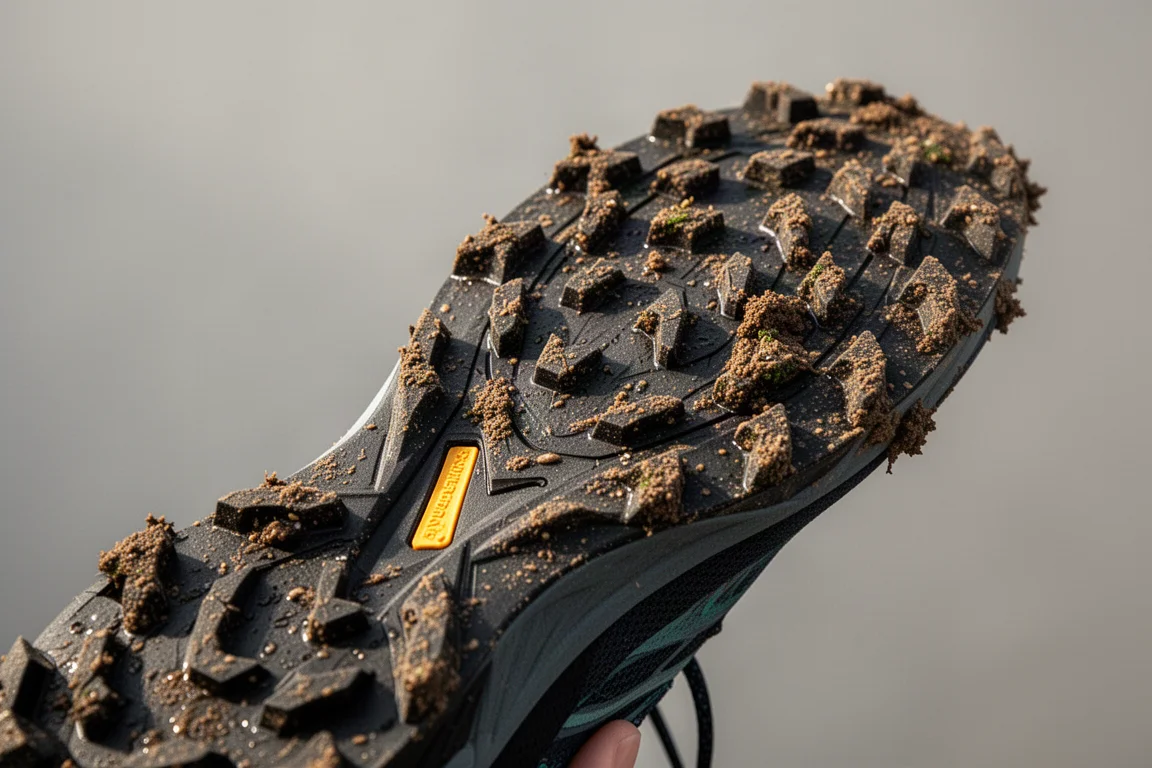
If you want maximum midsole depth without losing your feel for the trail, this is the shoe in this list that pulls off that balancing act best.
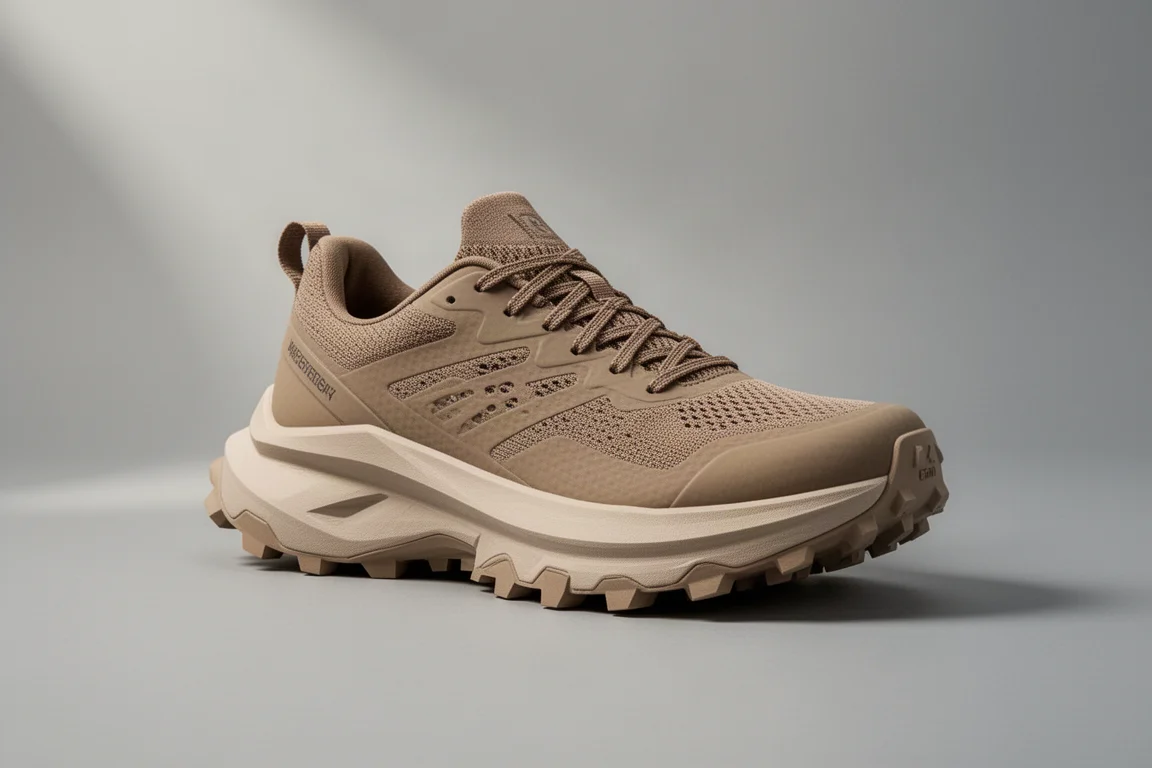
Best Early Promise: Nike Wildhorse 8
The Wildhorse 8 is the latest update in Nike’s trail line, and first impressions are genuinely strong. On an initial run through hilly woodland in challenging conditions it performed really well, and it felt like a shoe built to handle a big mix of terrain over long distances. Longer-term testing is still pending, but it is one to look out for.
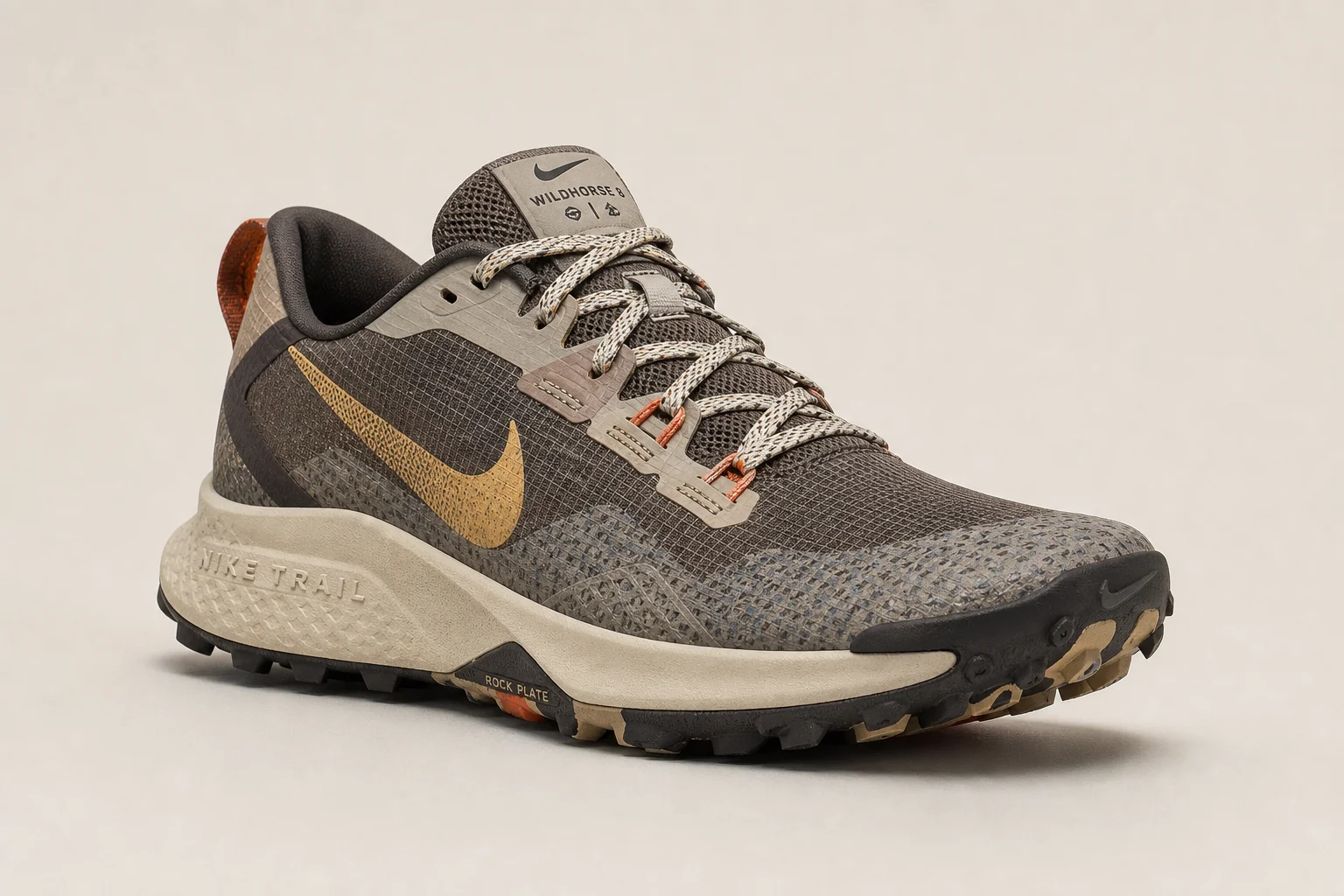
Best Fit for Narrow Feet: Salomon S/Lab Genesis
Salomon is known for a narrow fit through the toe box and midfoot, and the S/Lab Genesis continues that tradition with plenty of lockdown. It offers a very comfortable, plush ride without sacrificing ground feel, sitting slightly below the most deeply cushioned shoes in plushness but keeping a close connection to the trail. Runners with narrow feet will feel immediately at home.
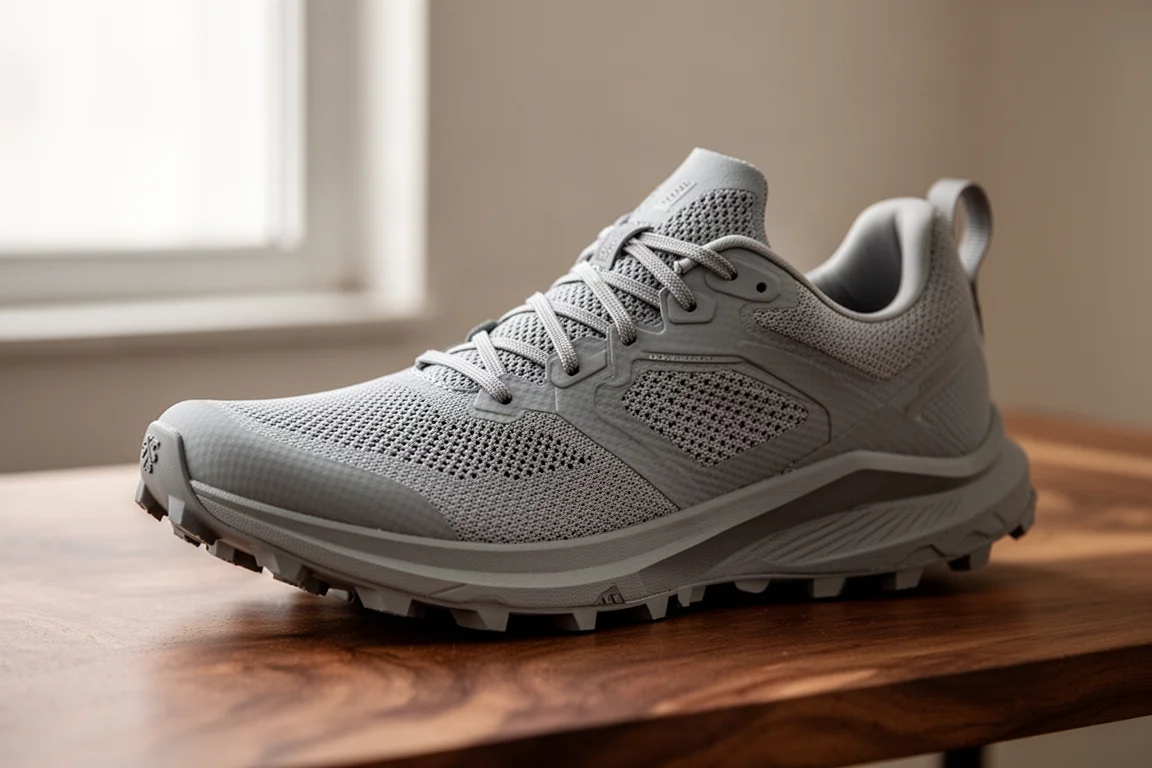
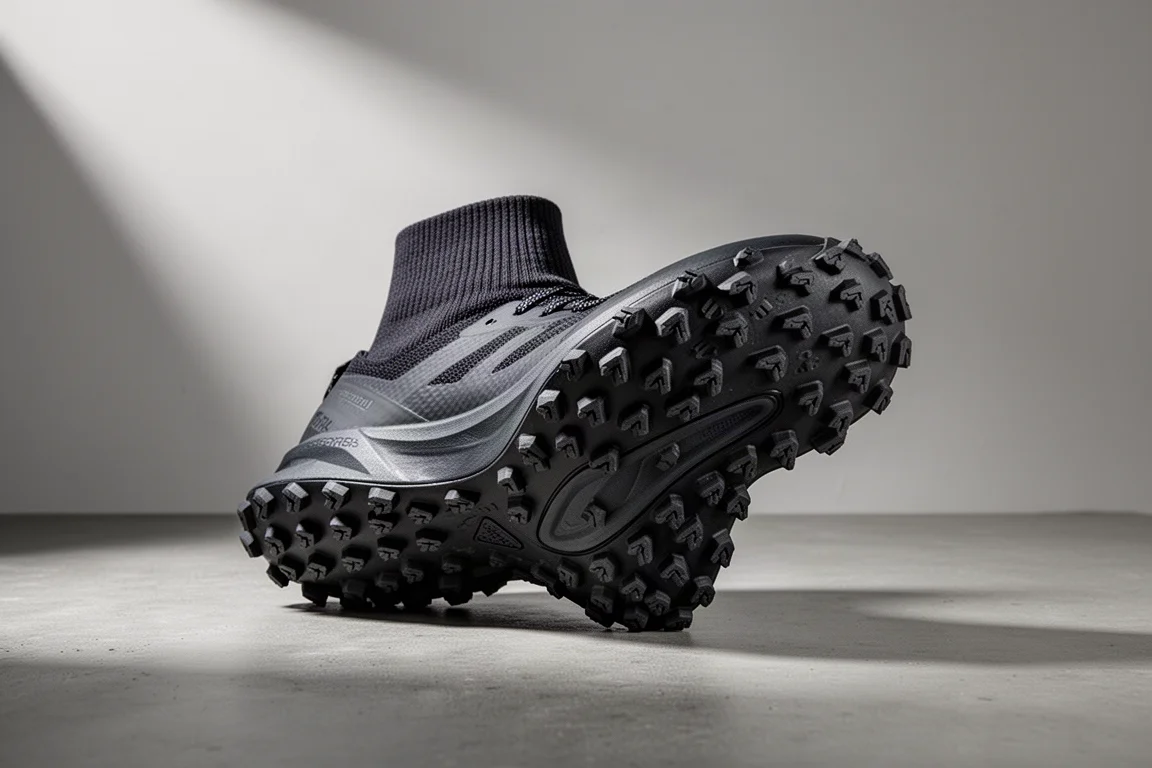
Best for Fast Technical Running: Saucony Peregrine 13
The Peregrine 13 gained cushioning over the previous version, yet it still feels nimble enough that all you want to do is attack technical trails and run fast. It is a fitted, glove-like shoe that suits narrower feet, and if you want even more ground connection, the Peregrine 12 with its thinner midsole offers that too.
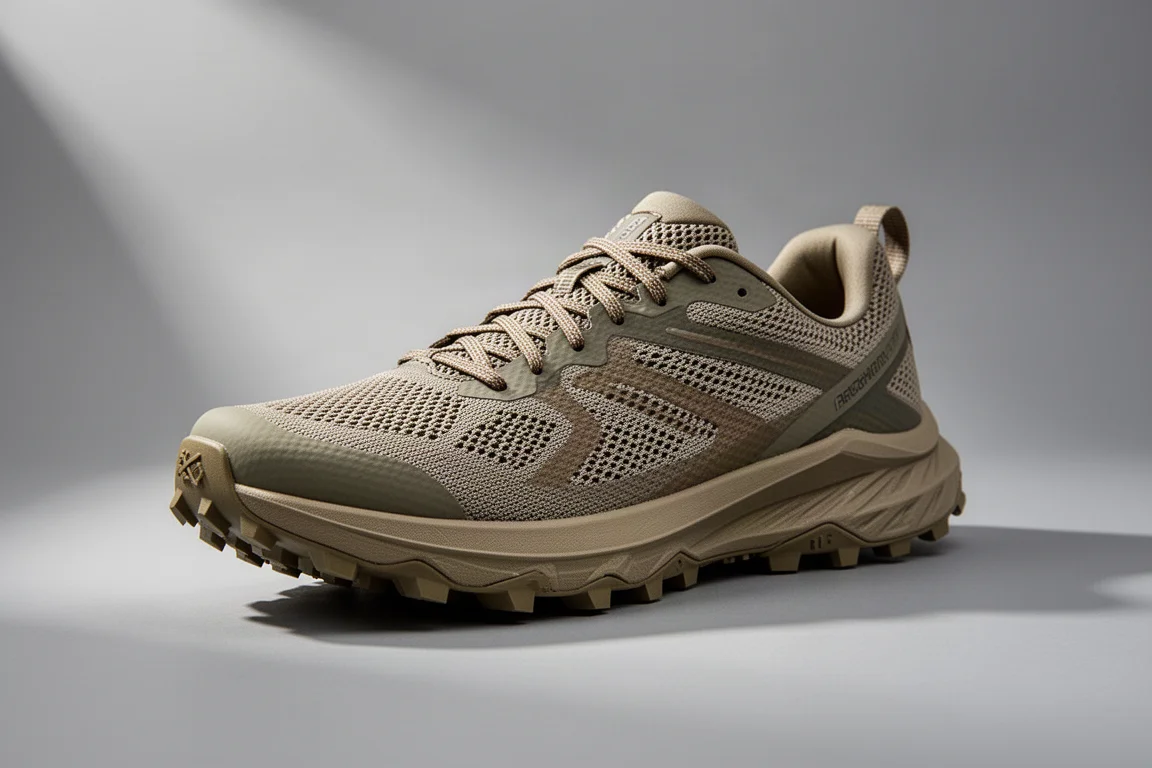
Best Wide Toe Box: Altra Lone Peak
The Lone Peak brings Altra’s signature foot-shaped design, with a midsole that has a bit more cushion than the most stripped-back options while still feeling very connected underfoot in technical terrain. Remember that all Altra shoes are zero drop, so check that a zero-drop platform suits your running before buying.
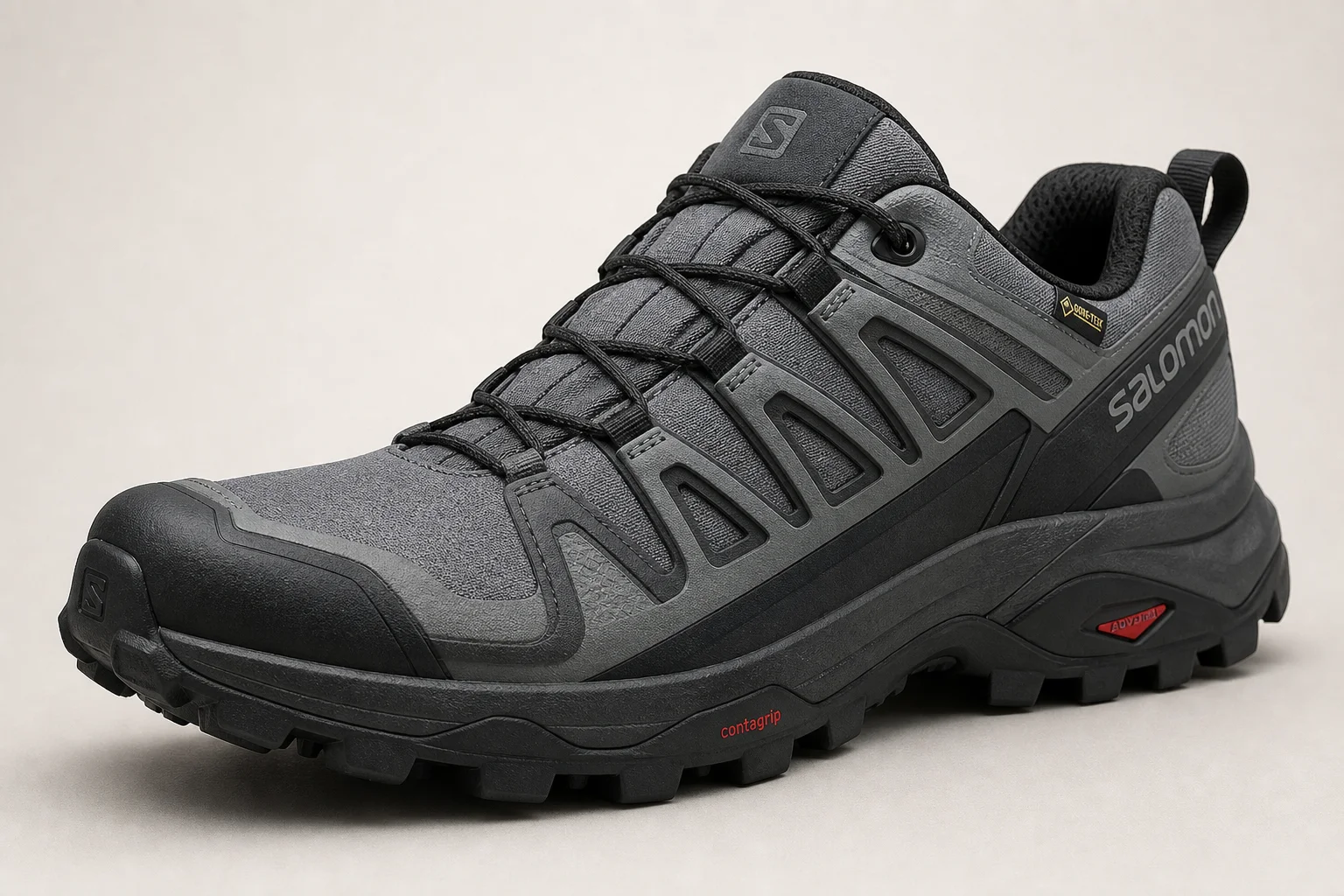
Best Wide Alternative: Brooks Cascadia
Brooks’ Cascadia is one of the models the brand offers with good width in the toe box, making it a solid pick for runners who want a more conventional trail shoe than Altra’s foot-shaped design but still need forefoot room. It is a sensible choice if you like the idea of width without going fully zero drop.
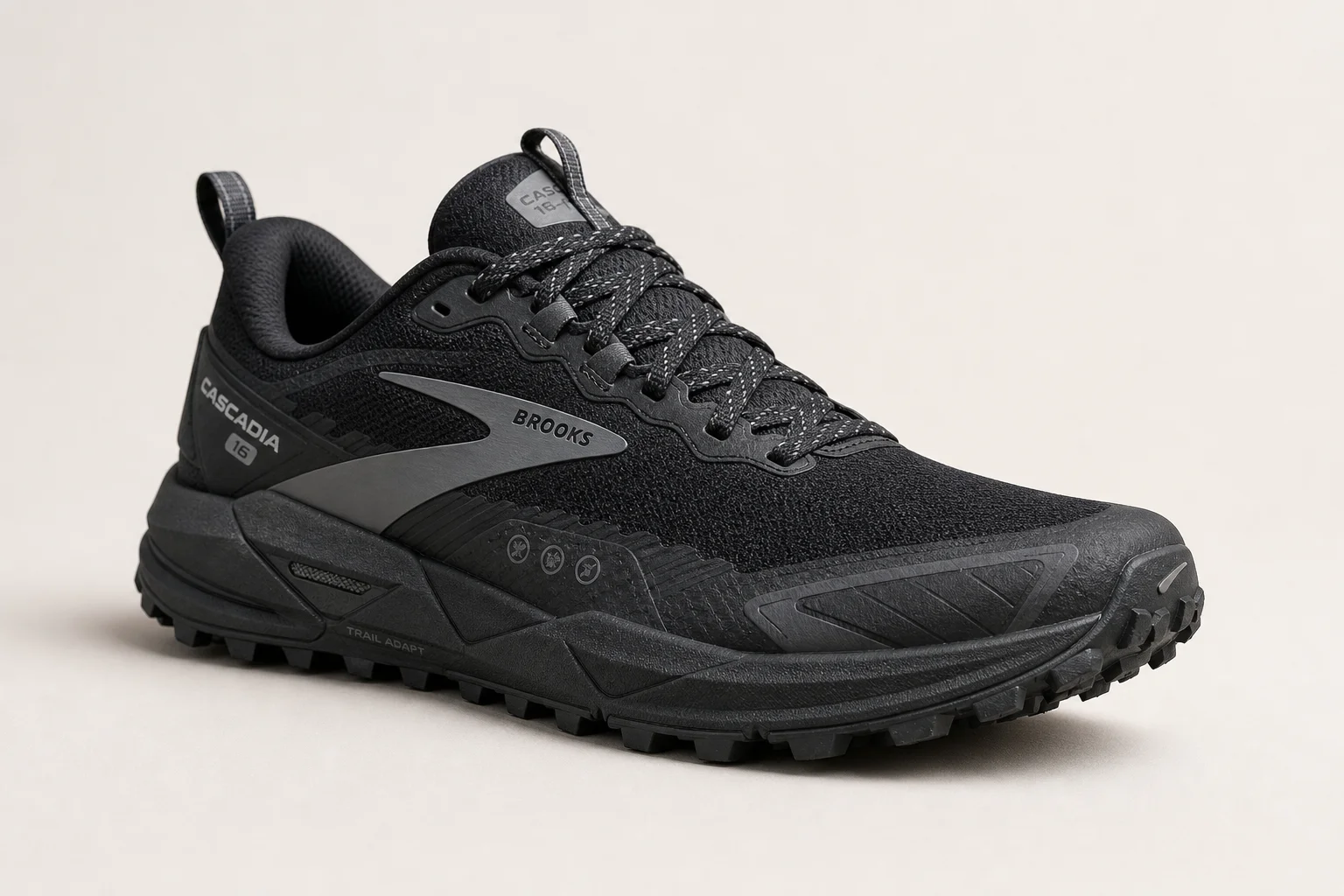
Best Minimal Feel: Inov-8 X-Talon Ultra 260 v2
For purists who want to strip it all back and feel every lump and bump through the midsole, the X-Talon Ultra 260 v2 delivers exactly that kind of running experience. Its chunky, well-spaced lugs dig into mud for great traction without clogging up and going slippy, which is why it is a favourite for wet, boggy conditions. Stripped-back versions of this shoe exist too if you want even more ground feel.
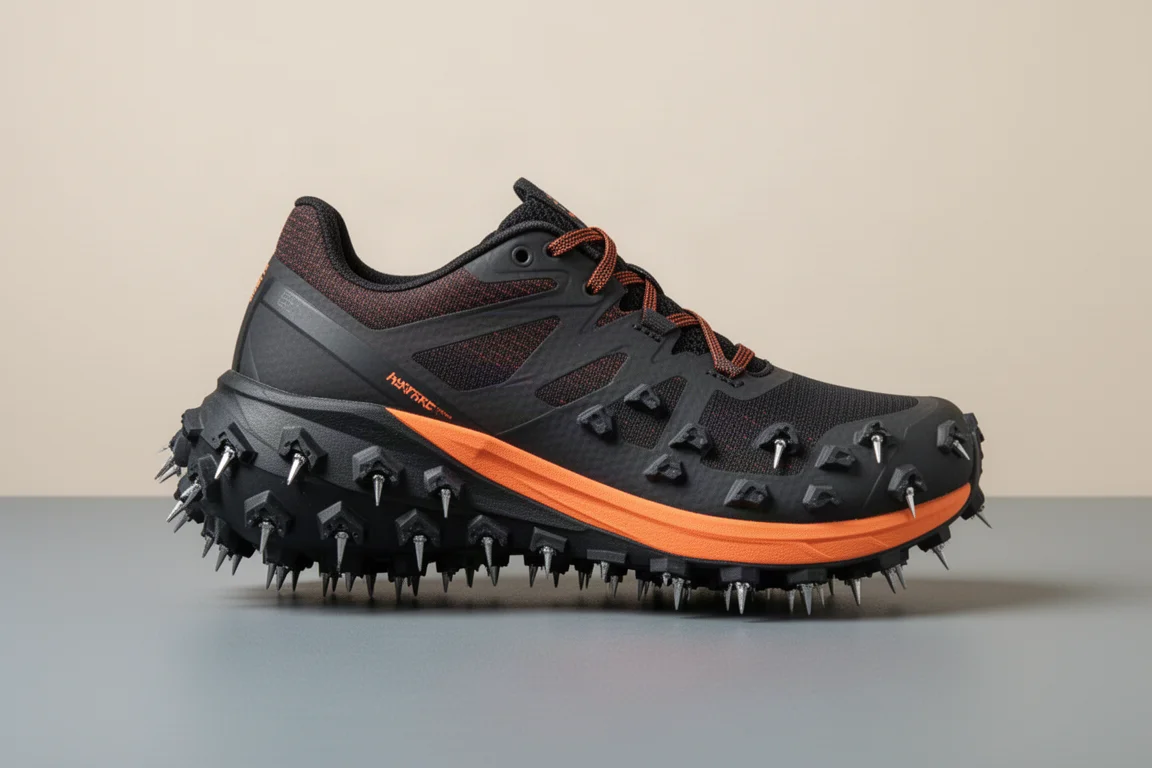
Best for Sizing Quirks: Kailas Fuga EX 2 and Inov-8 Parkclaw
The Kailas Fuga EX 2 is best suited to hard, compacted trails. Its lug pattern is nowhere near as aggressive as a mud shoe, so long sections of dry, firm trail do not feel like running in football boots, yet there is still enough lug for loose ground or a mid-run downpour. It would struggle in really muddy, boggy conditions. Note that it runs about half a size small for many wearers.
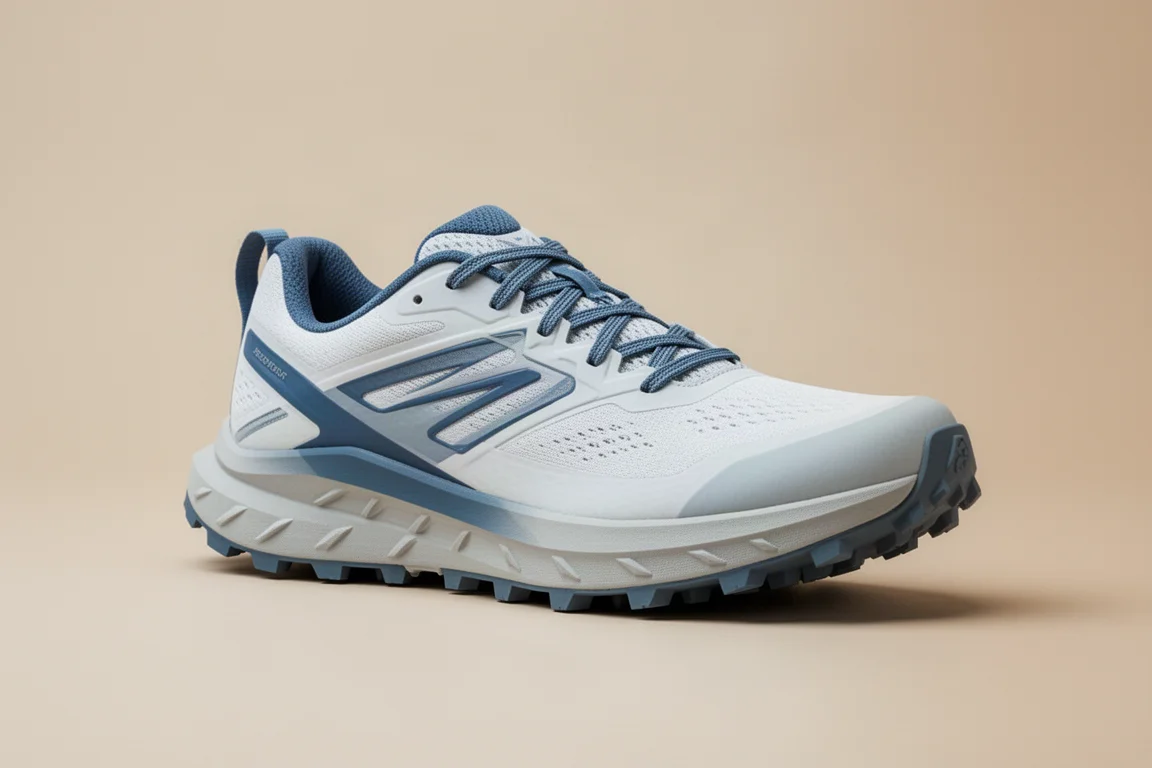
The Inov-8 Parkclaw sits at the other end of the fit scale. To get the same internal length as a UK 9 in the Kailas, one runner needs a UK 10.5 in the Parkclaw, so check your size carefully before ordering. Its forefoot offers good width, in line with several Inov-8 models.
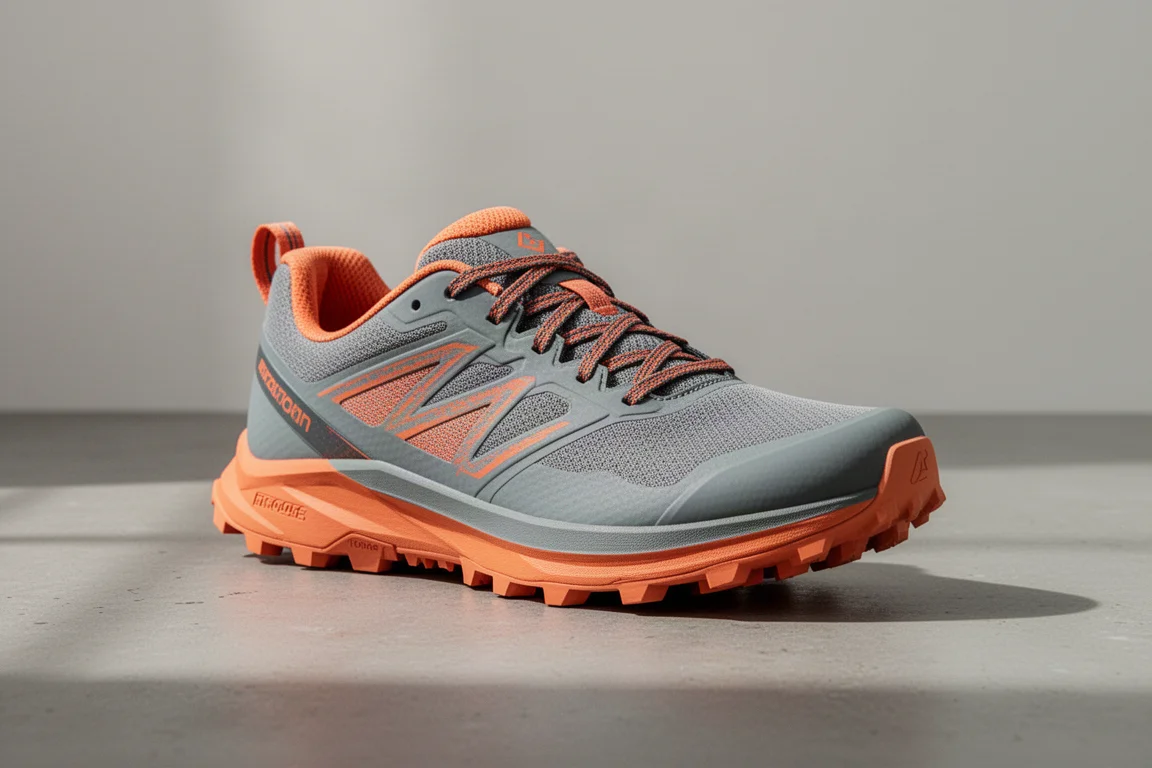
Heaviest on the List: Inov-8 Trailfly Ultra G 300 Max
The Trailfly Ultra G 300 Max is the heavyweight here, coming in almost 100 grams more than the Peregrine 13. That extra mass buys a max-cushion experience, and it is a reminder that weight should be judged against how you use the shoe rather than as a number on its own. If your priority is comfort over long distances and you do not mind the grams, it deserves a look.
Buying Advice
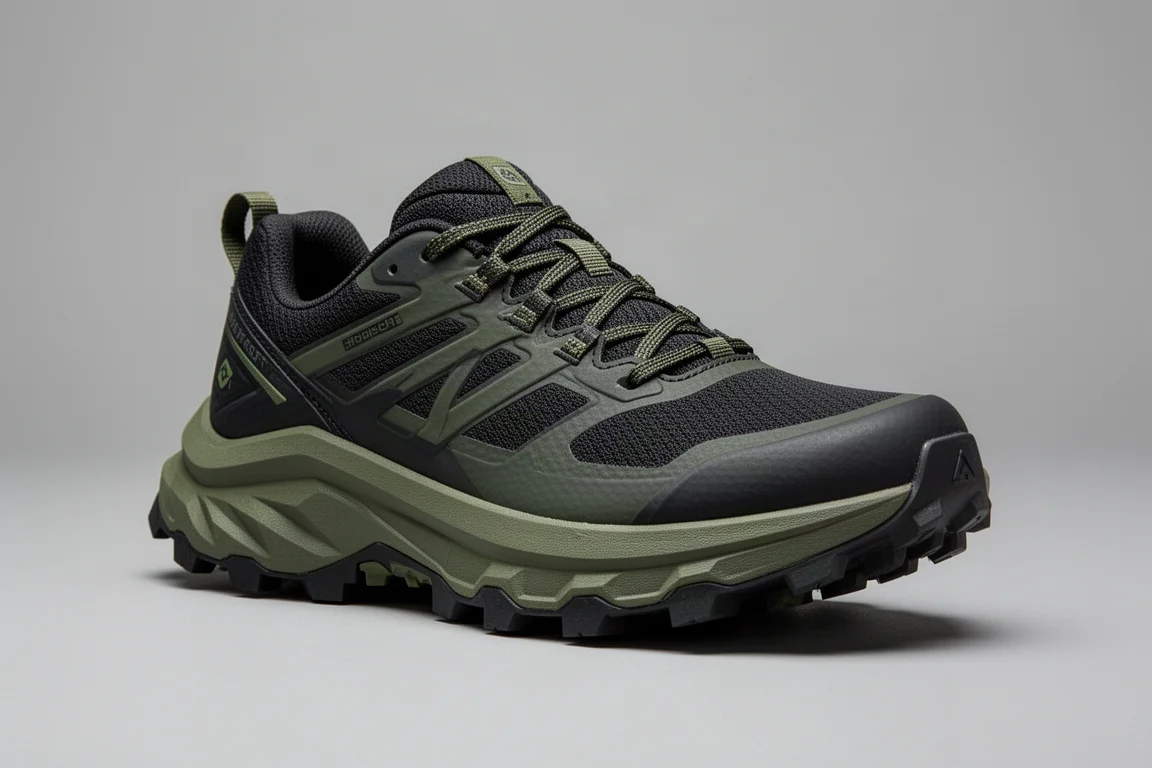
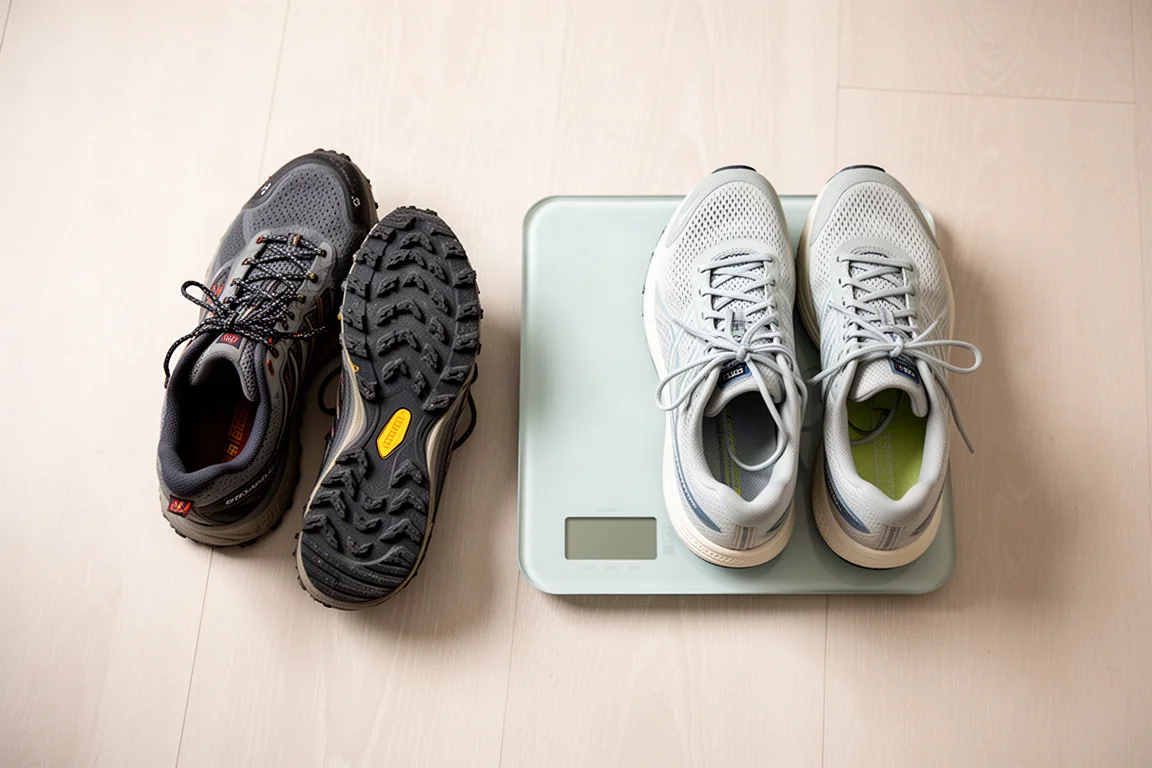
Weight matters to some runners more than others. If you prefer a natural, light feel, keep an eye on the scale; if you run long and slow, sacrificing 30 or 40 grams for comfort over distance is a perfectly good trade. A practical trick: weigh your current road shoes, and if they feel good, try to replicate that weight in your new trail shoe.
For lug depth, a rough guide is at least 5mm for wet, muddy conditions, 4 to 5mm for a do-everything shoe, and a milder pattern like the Fuga EX 2’s for dry, compacted trails. On outsole rubber, look for Vibram Megagrip if it is offered; it is a notably sticky compound on wet rock, and confidence underfoot is worth paying attention to. Finally, decide where you sit on cushioning: deeper midsoles trade some ground connection and stability for comfort, so match the shoe to whether you run flat, hard trails or genuinely technical ground.
Conclusion
There is no single best trail running shoe, only the best shoe for your feet, your terrain and your preferences. Get the sizing right, match the lug depth and outsole rubber to the conditions you face most often, choose a cushioning level that fits how technical your routes are, and pick a weight you can live with. Do that, and any of the twelve shoes above can be the right pair for you.
Further reading
Related Reviews
Trail Running
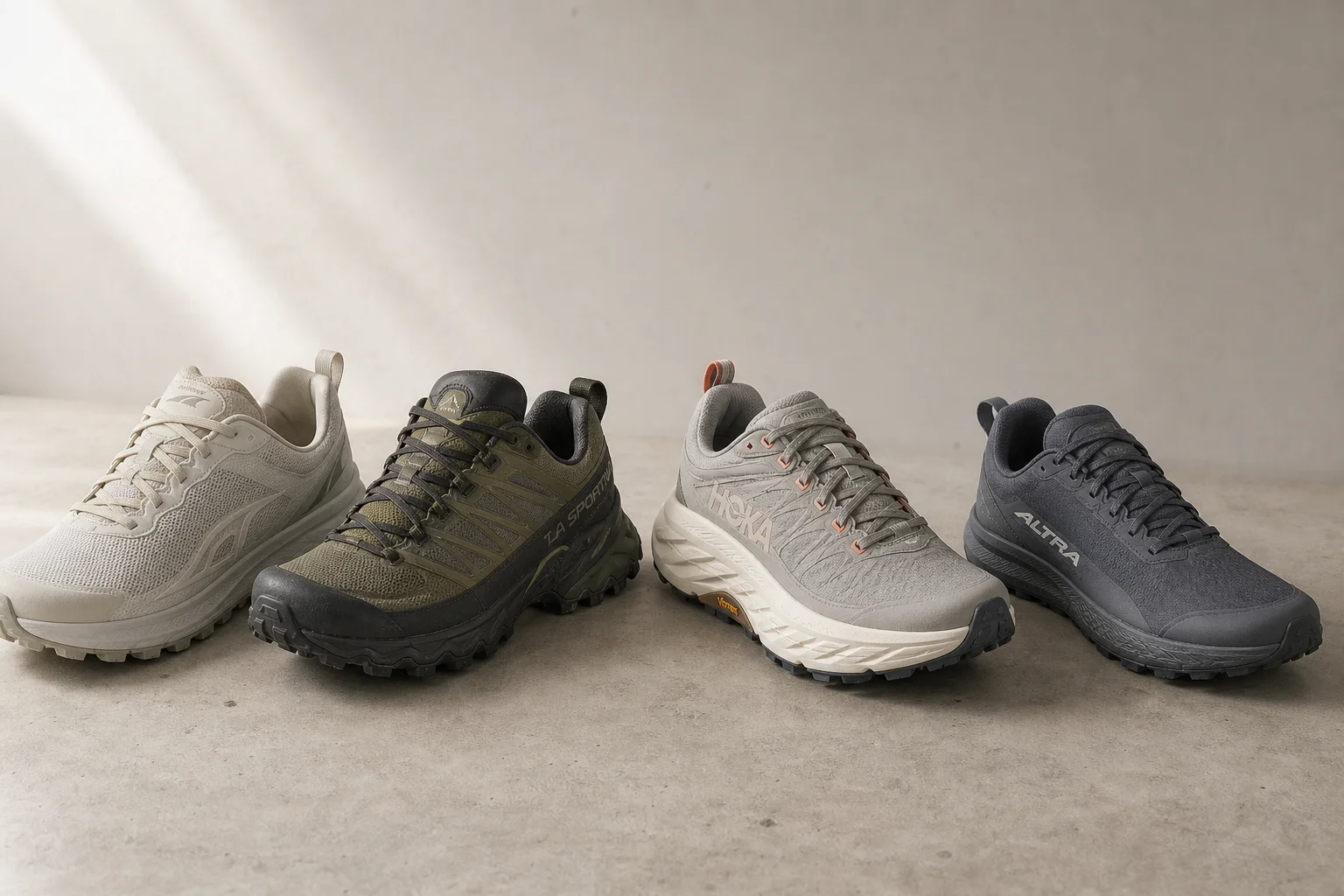
How to Choose Trail Running Shoes: A Guide to Shoe Type, Cushioning, and Drop
Learn the three most important factors when selecting trail running shoes: shoe type, cushioning level, and heel-to-toe drop.
Trail Running
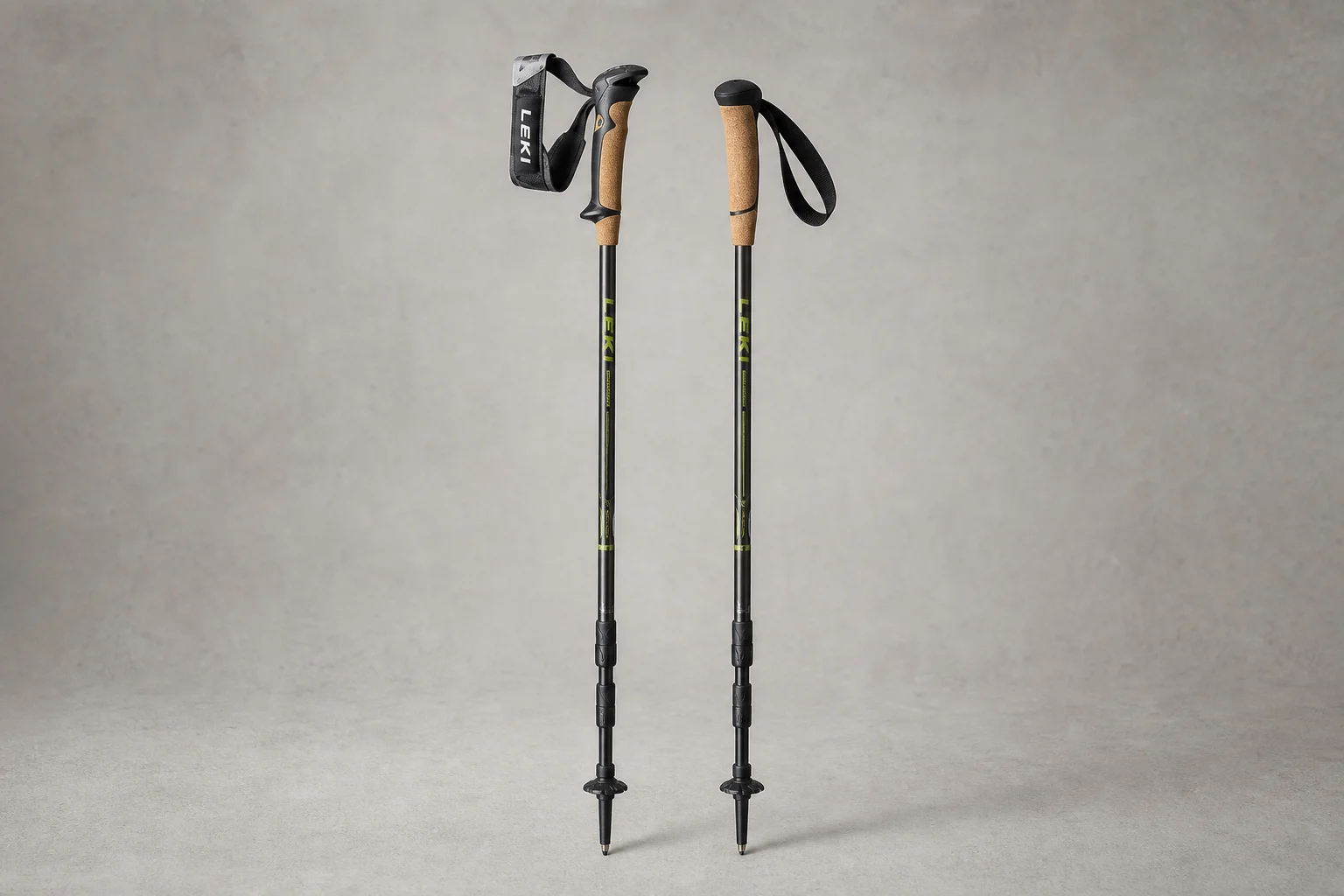
Trail Running Poles: A Complete Guide to Technique, Fit, and Use
Learn why trail running poles redistribute workload, how to choose the right length and strap system, and master three essential climbing techniques for longer races.
Trail Running
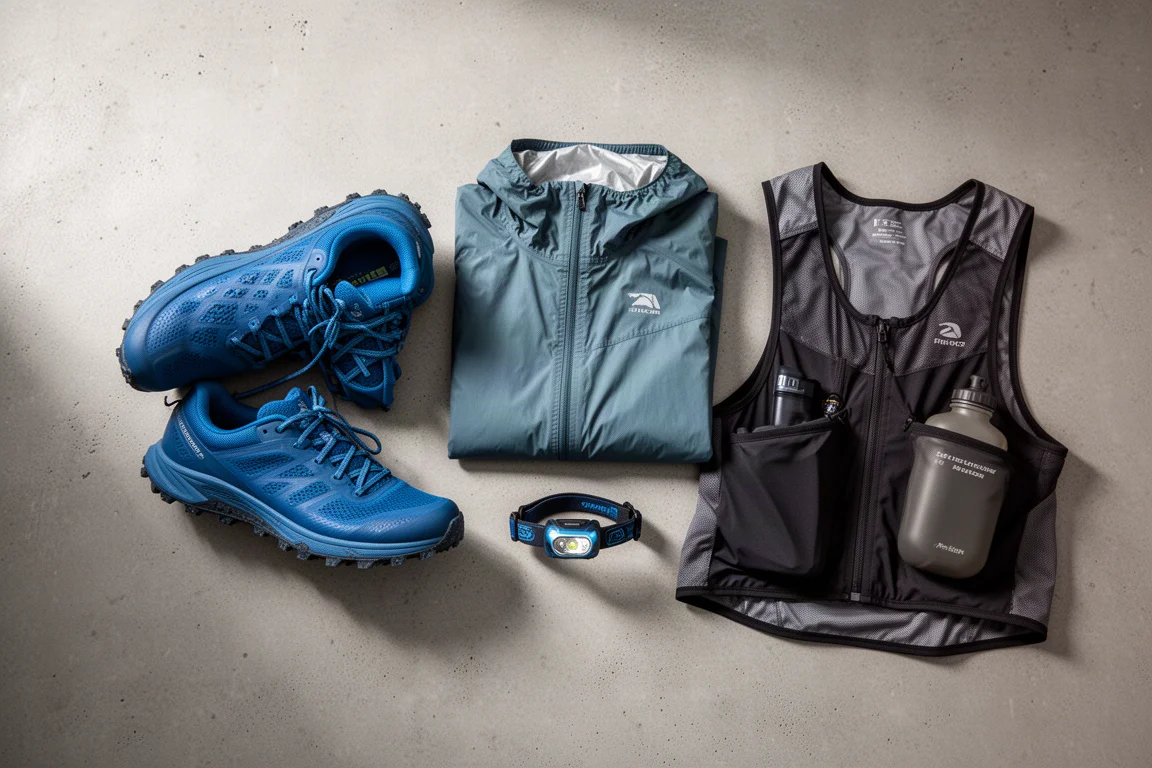
Arc of Attrition Kit List: The Gear Worth Packing for a Winter Ultra
A practical look at the shoes, waterproofs, lighting, race vest and poles lined up for a brutal 100-mile winter coastal ultra, and why each piece earned its place.