Trail Running Shoes
Best Trail Running Shoes 2026: Five Options for Different Trail Needs
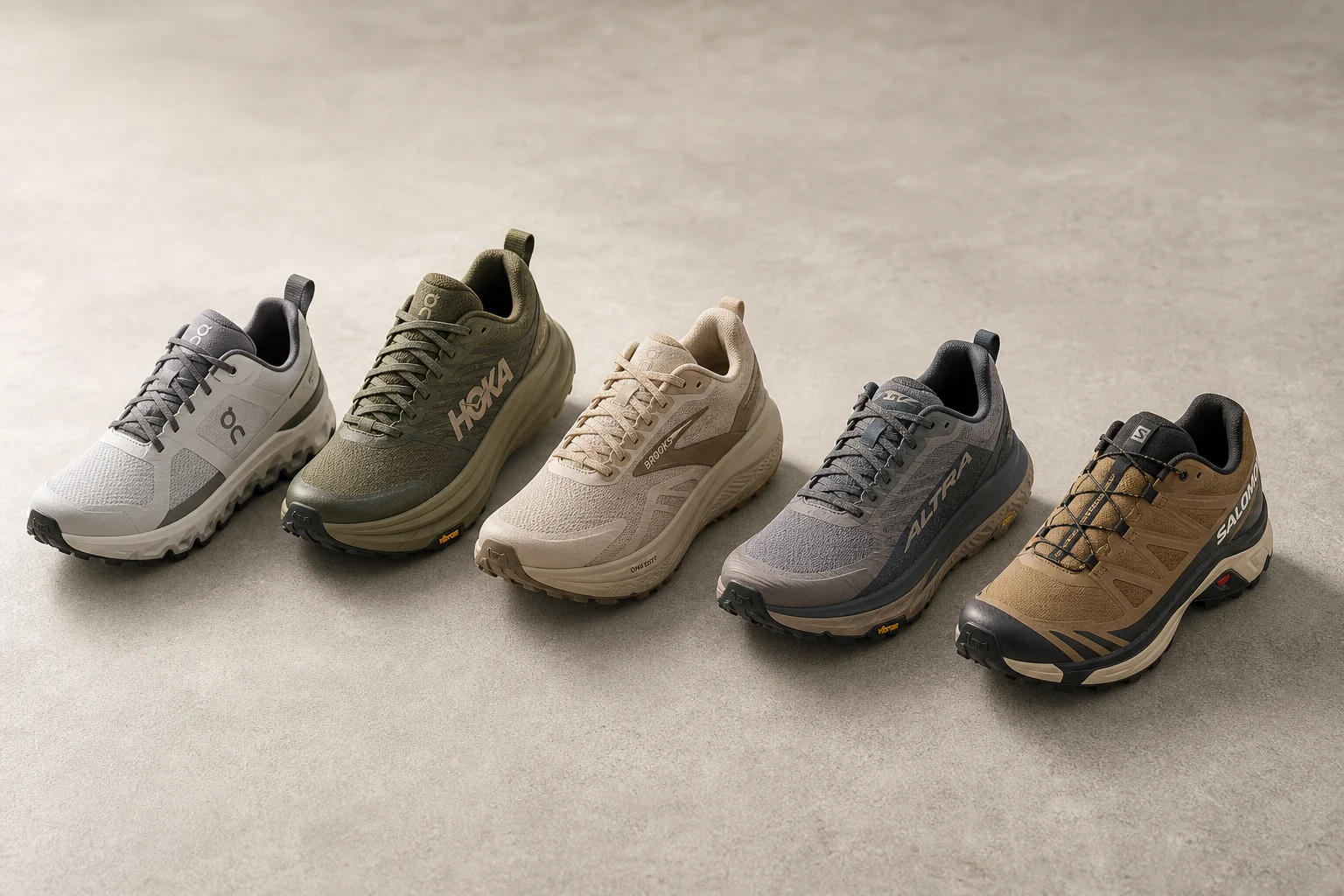
Five trail running shoes selected for specific strengths: road-to-trail versatility, stability, comfort, wide toe box accommodation, and all-around performance.
Introduction
Trail running demands more from footwear than road running. Uneven surfaces, cambered terrain, rocks, and roots require shoes that balance cushioning, stability, and protection. Choosing the right trail shoe depends on matching its strengths to your running style and the terrain you encounter most often.
What Makes a Good Trail Shoe
Before examining individual models, it helps to understand what separates effective trail shoes from poor choices. Many runners make the mistake of prioritizing comfort in the shop without considering how a shoe performs on technical terrain. A soft, forgiving feel on flat ground can become unstable and fatiguing when landing on slopes, roots, and off-camber surfaces for extended periods.
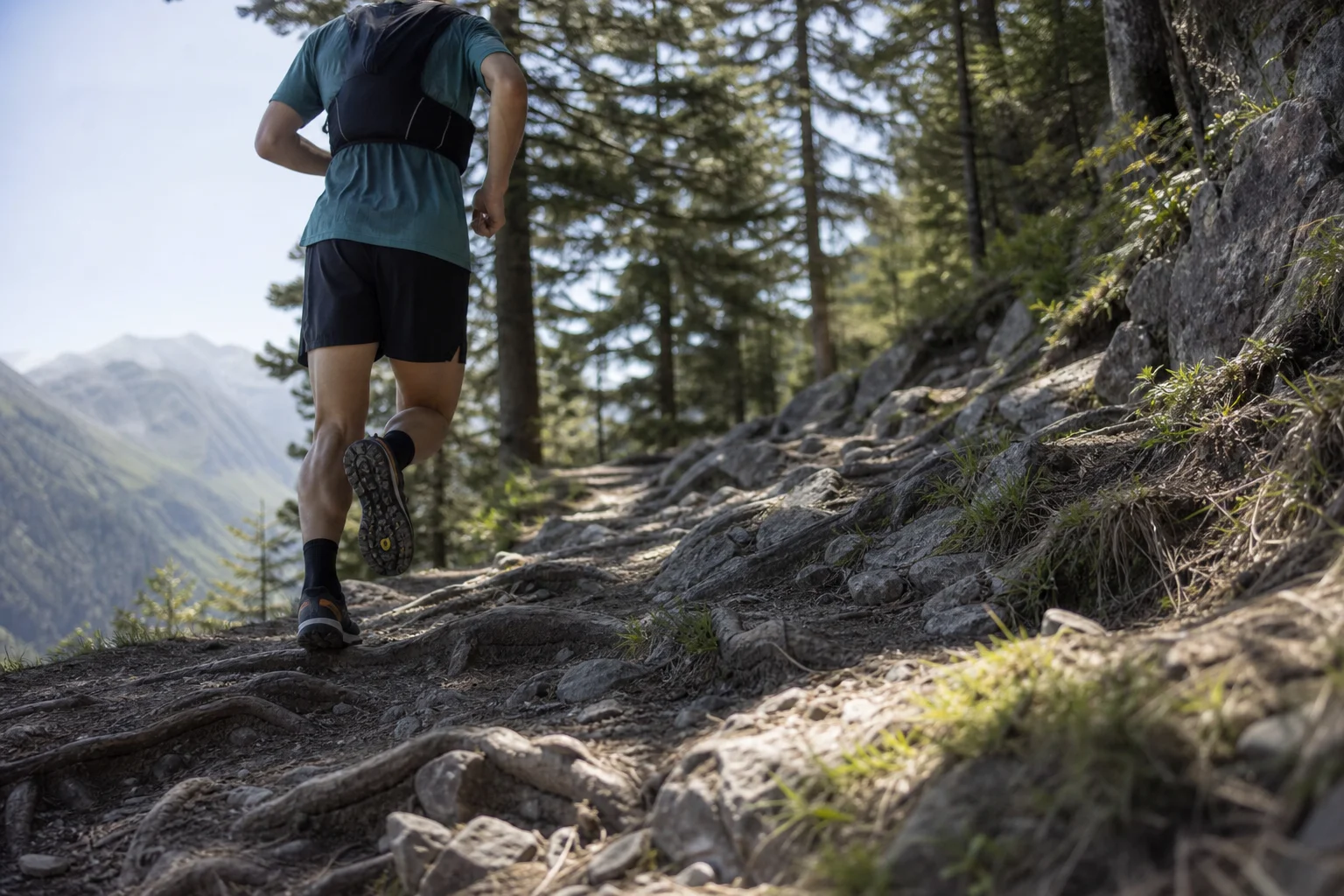
Four key factors determine whether a trail shoe will serve you well. First is stable cushioning, not just softness but cushioning that remains controlled when you land on uneven surfaces. Second is platform and sidewall stability, where a slightly broader base and structured midsole reduce ankle and midfoot fatigue. Third is traction matched to your typical terrain, since dry forest paths demand different grip than wet rocky mountain trails. Finally, fit matters beyond length, including forefoot room and midfoot and heel security, which become more noticeable the longer you spend on the trail.
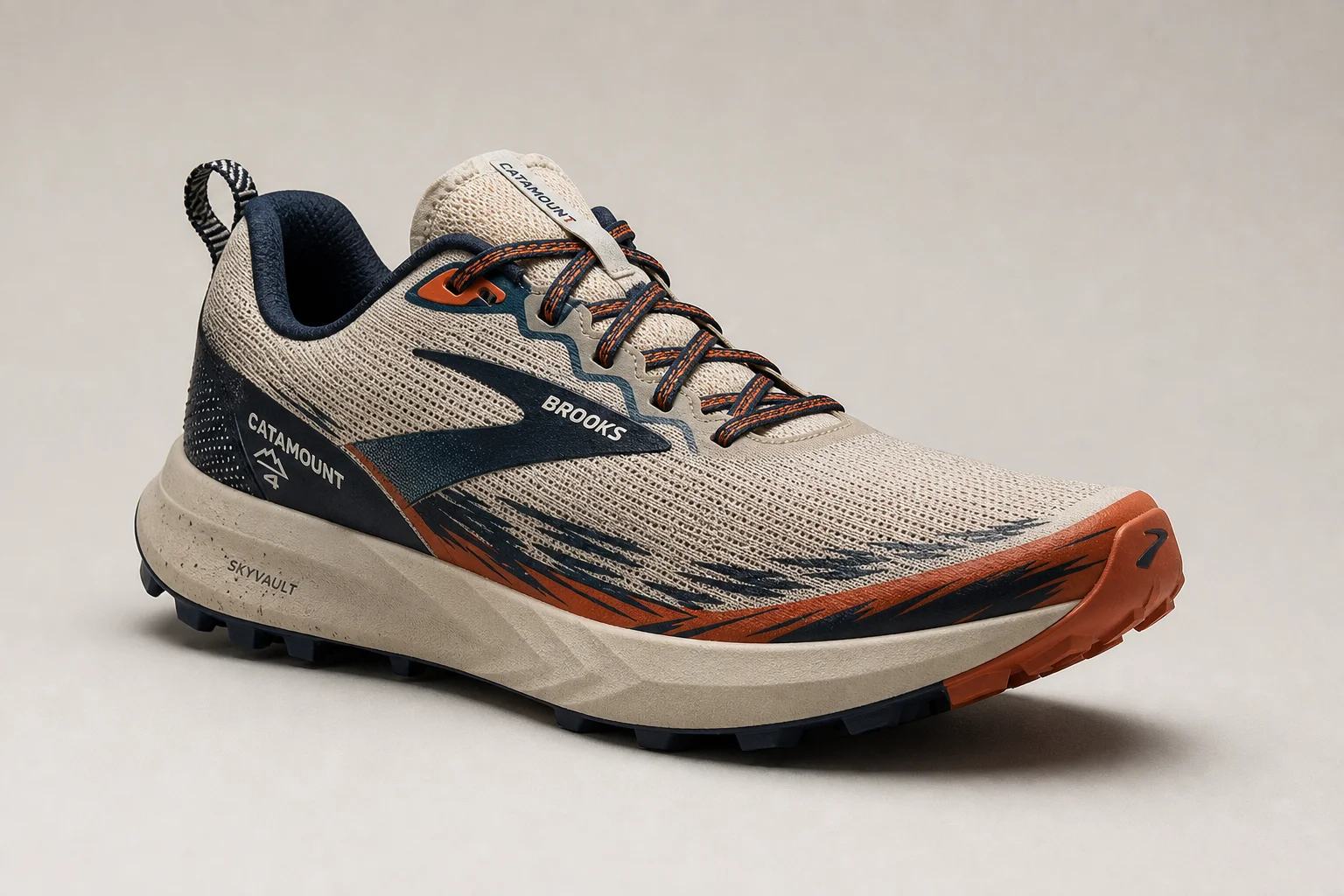
Best Road-to-Trail Shoe: Brooks Catamount 4
The Brooks Catamount 4 excels when your runs regularly transition from pavement to gravel and trail. The biggest advantage is how natural this transition feels. The shoe does not feel harsh or awkward on tarmac, nor does it feel unstable once you move onto dirt or compact trail.
The midsole feels relatively lively and efficient without being a soft cruiser, giving the impression of a lightweight performance shoe that happens to work on trail. This makes it a strong option for steady efforts, moderate-pace runs, or faster mixed-surface routes.
The outsole provides enough grip for dry trails, gravel, and light technical sections without using aggressive lugs that make road running uncomfortable. The downside becomes apparent when conditions deteriorate. In mud, wet rock, or steep technical terrain, the grip simply is not aggressive enough. This is genuinely a road-to-trail shoe, not a mountain shoe.
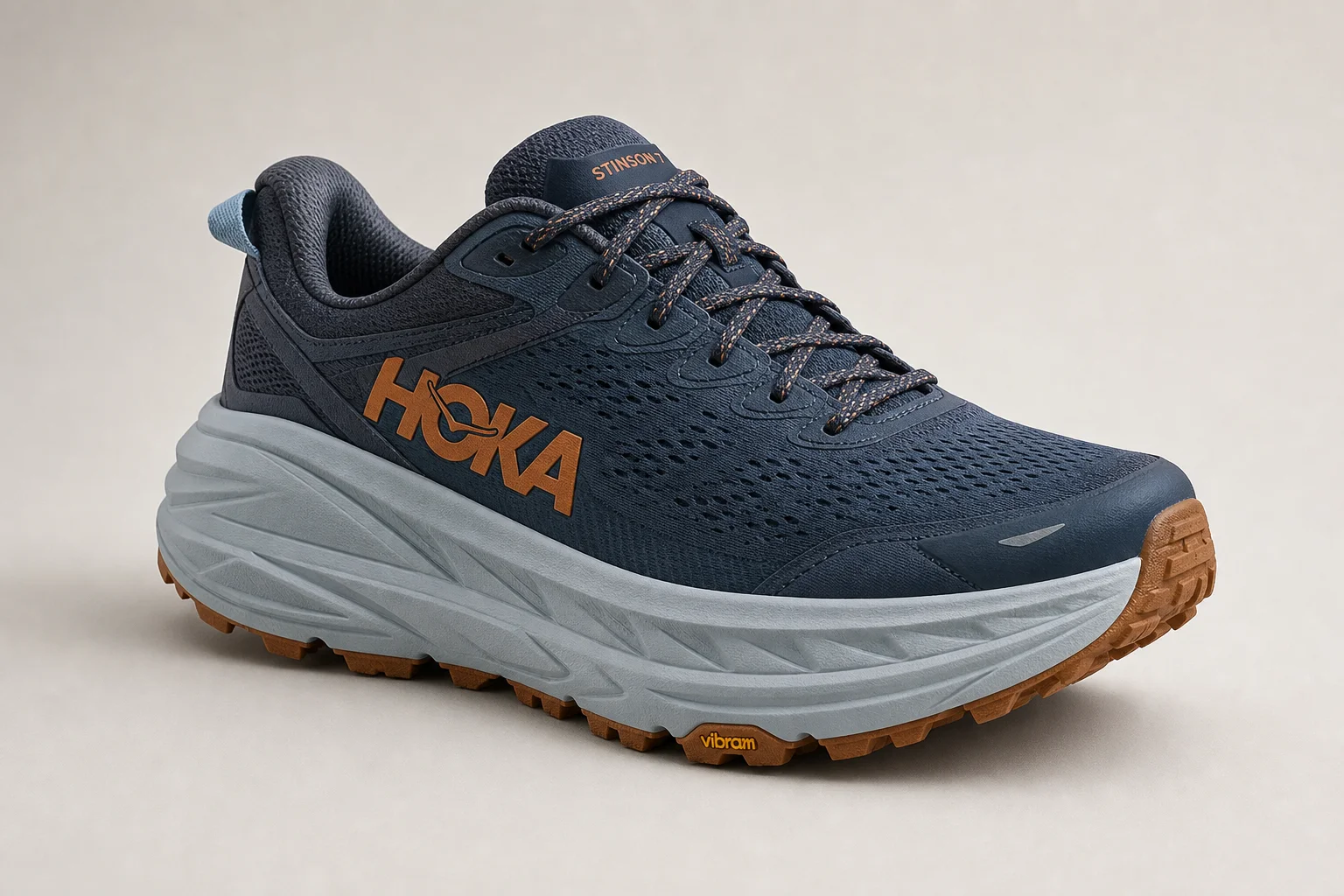
Best Stability Option: Hoka Stinson 7
For pure stability and confidence on rocky terrain, the Hoka Stinson 7 stands out. Its biggest strength is the size of its platform, which is very wide and stable underfoot. This immediately makes you feel planted on cambered trails and uneven roads, and the wide platform is especially helpful for runners who struggle with ankle stability.
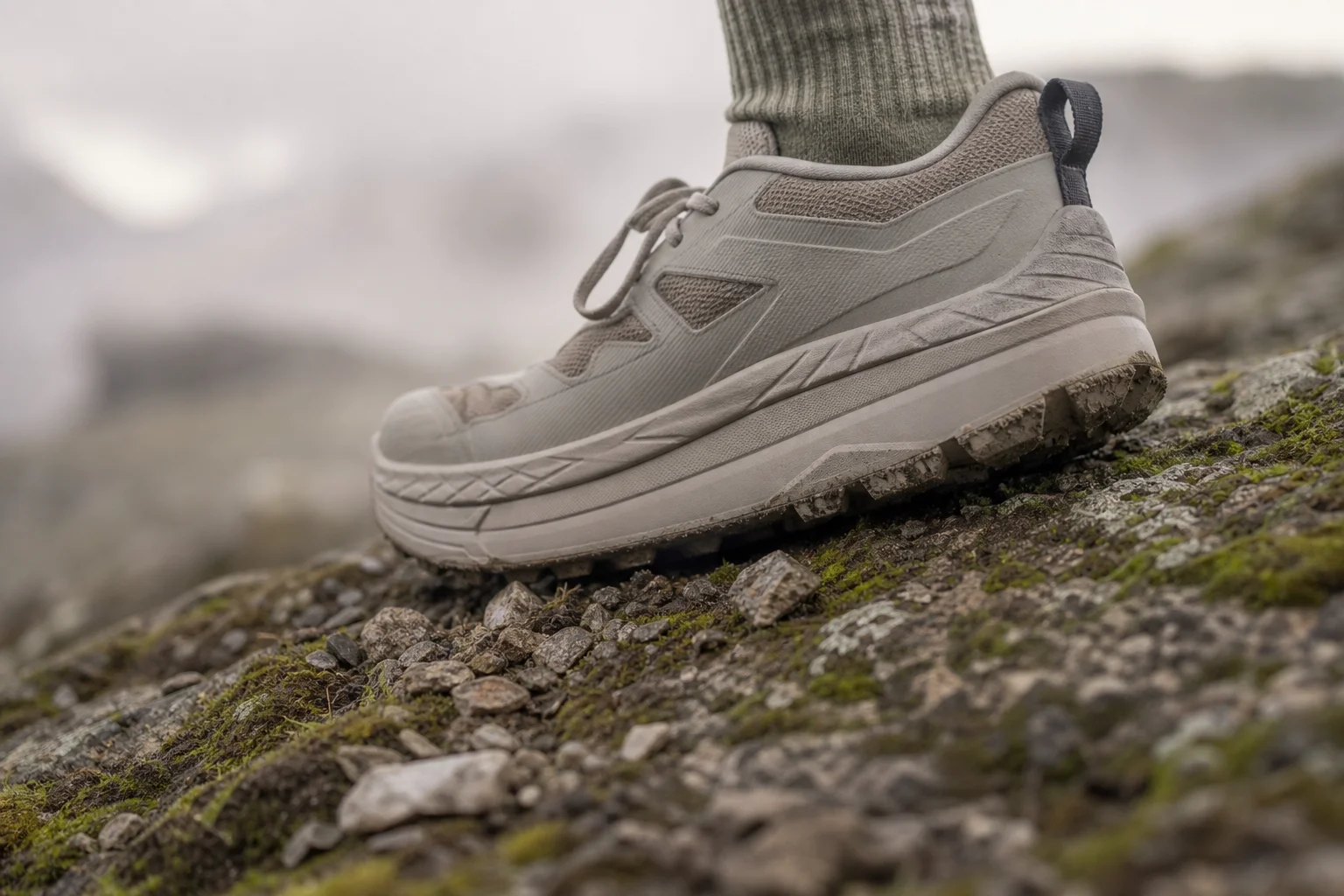
The second major benefit is the amount of protection underneath your foot. The cushioning is thick and very forgiving, which works well for longer trails, heavier runners, or anyone who gets beaten up by firmer trail shoes. The upper is clearly built for long-run trail comfort, offering support and padding without feeling overly tight around the forefoot.
Where the Stinson struggles is with agility. It is a big, heavy shoe, and once the trail becomes narrow, twisty, or very technical, it feels bulky and slow to change direction. This is a confidence and protection shoe, not a fast trail shoe.
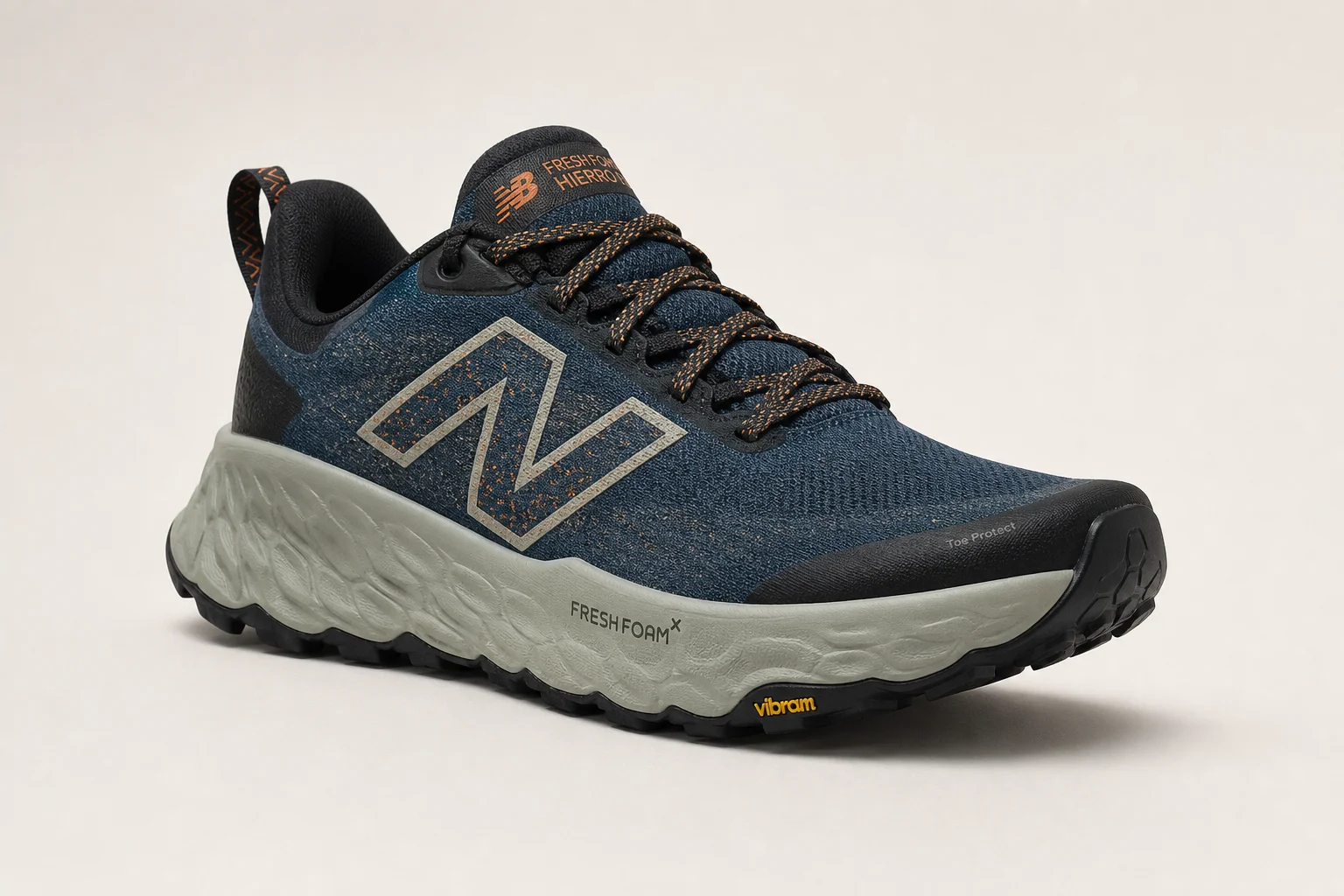
Most Comfortable: New Balance Fresh Foam X Hierro v9
If comfort is your priority, the New Balance Fresh Foam X Hierro v9 is hard to beat. The biggest reason is the underfoot feel. The cushioning is soft and very forgiving, making it a strong option for longer, easier trail runs and recovery-style sessions. It absorbs impact well, especially on harder-packed trails and longer descents.
Another major positive is how smooth the ride feels. There is no harsh transition through the midsole, and it is very easy to settle into a steady rhythm. The upper is also genuinely comfortable for long runs, accommodating foot swelling nicely and avoiding pressure points on top of the foot.

Where the Hierro starts to fall behind is control. Once the trail becomes rocky, narrow, or very technical, the shoe does not feel as precise or locked in as some other models. It is built to keep you comfortable, not to attack technical descents.
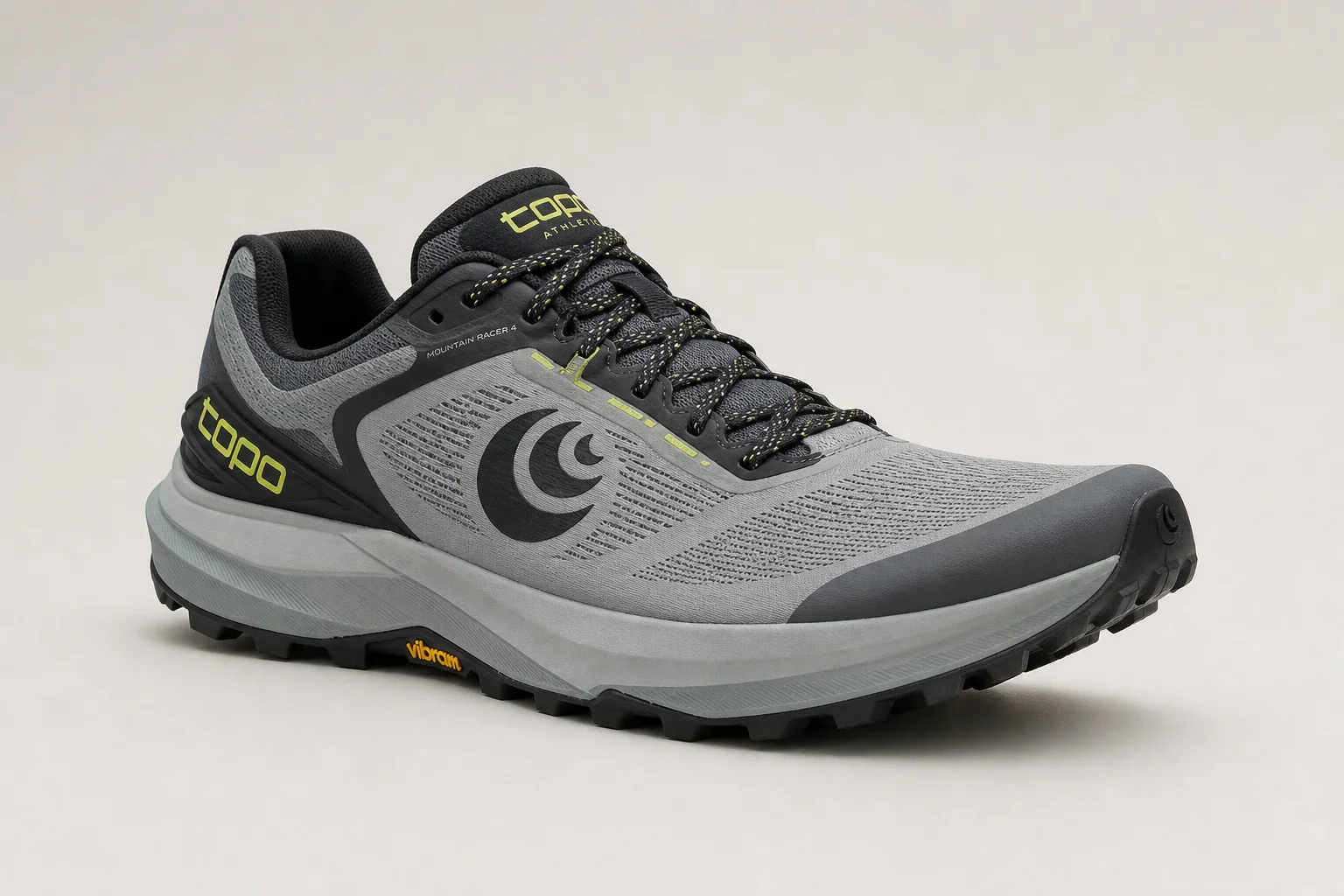
Best Wide Toe Box: Topo Athletic Mountain Racer 4
If you struggle with narrow trail shoes, the Topo Athletic Mountain Racer 4 has you covered. The main reason is its anatomical toe box, one of the best on the market. Your toes spread naturally rather than being squashed together, which makes a significant difference for comfort, especially on longer trail routes. This is especially helpful if you regularly experience forefoot discomfort, hot spots, or toe pressure during longer sessions.
What is really important is that the shoe does not feel sloppy just because the forefoot is wide. The midfoot and heel lockdown are very secure, so you still get good control even when the trail becomes more technical and uneven. The cushioning is also very well balanced, offering enough protection underfoot without making the platform feel unstable or overly soft.
The downside for some runners can be the lower drop. At 5 millimeters, it can place extra pressure on your Achilles or increase demand on your calf muscles. For some runners, this adjustment period may need to be gradually managed.
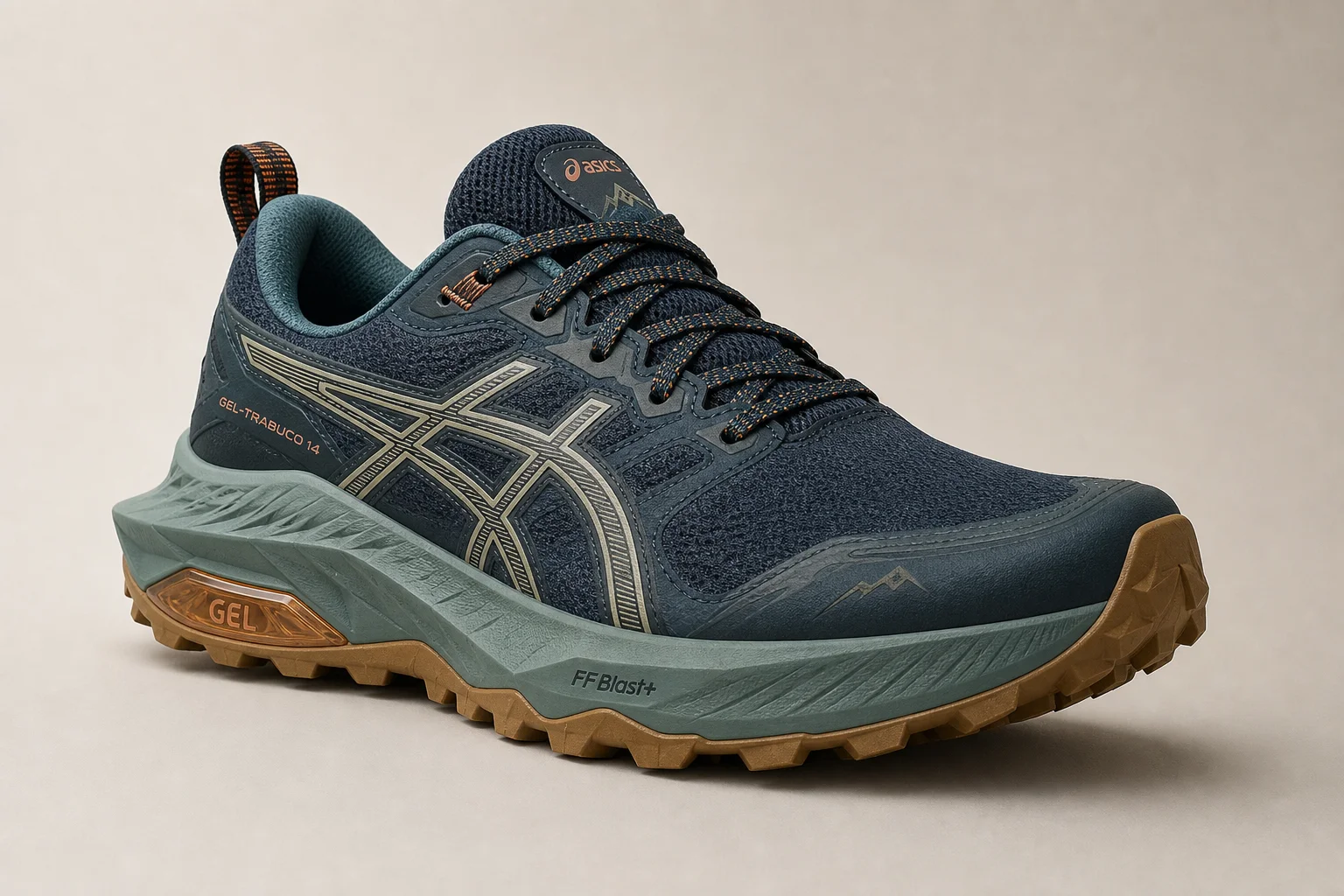
Best All-Around Trail Shoe: Asics Gel-Trabuco 14
If you had to recommend one trail shoe to the general public, the Asics Gel-Trabuco 14 would be it. Its biggest strength overall is its hybrid nature. It works well for easy trail runs, long steady runs, and mixed terrain without feeling out of place.
The cushioning is protective without being overly soft, so you do not sink into it and you definitely do not feel unstable when landing on uneven surfaces. One of the most impressive aspects is that you feel really secure despite the shoe being a neutral trail shoe overall. You get a good midsole, great sidewall support, a fun and bouncy cushioning in the FF Blast Max, a rock plate in the forefoot for protection, an excellent fit in the toe box with plenty of space, and exceptional lockdown in the midfoot and heel.
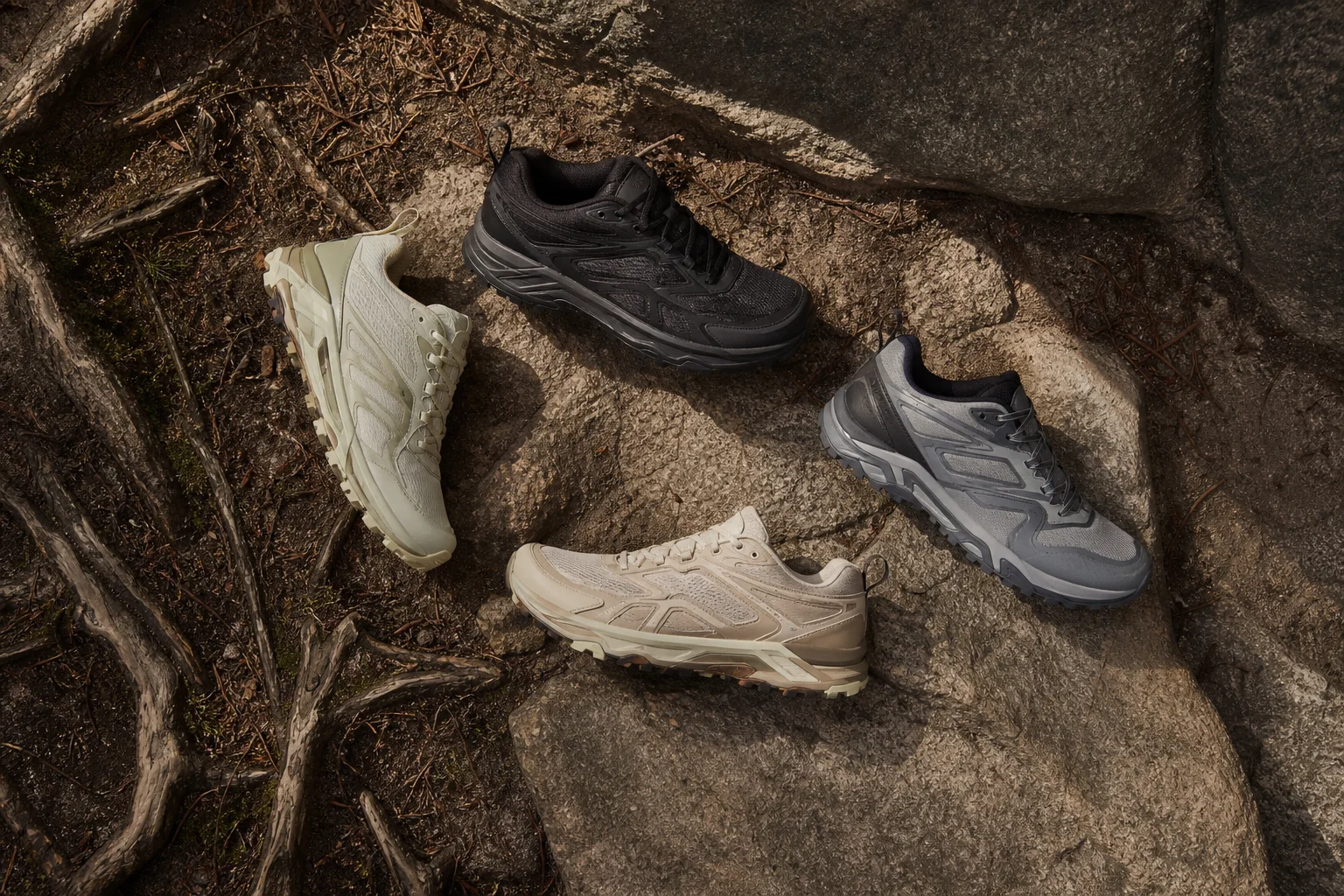
It is a bit more responsive, bouncy, and energetic than the Topo Mountain Racer 4, but it is also more of a hybrid that can be used as both a hiking and running shoe. One downside is that it is definitely not a racing shoe. It is very versatile for hiking, easy runs, longer runs, and some uptempo workouts thanks to the new midsole, but it is still a little too heavy for faster, shorter races.
Conclusion
Choosing the right trail shoe depends on your primary use case. The Brooks Catamount 4 suits runners who regularly mix road and trail. The Hoka Stinson 7 is ideal for those prioritizing stability and protection on rocky terrain. The New Balance Fresh Foam X Hierro v9 excels for comfort-focused longer runs. The Topo Athletic Mountain Racer 4 is the best choice if you need a wide toe box. And the Asics Gel-Trabuco 14 offers the most versatility for runners who want a single shoe that handles varied terrain and purposes well.
Further reading
Related Reviews
Trail Running Shoes
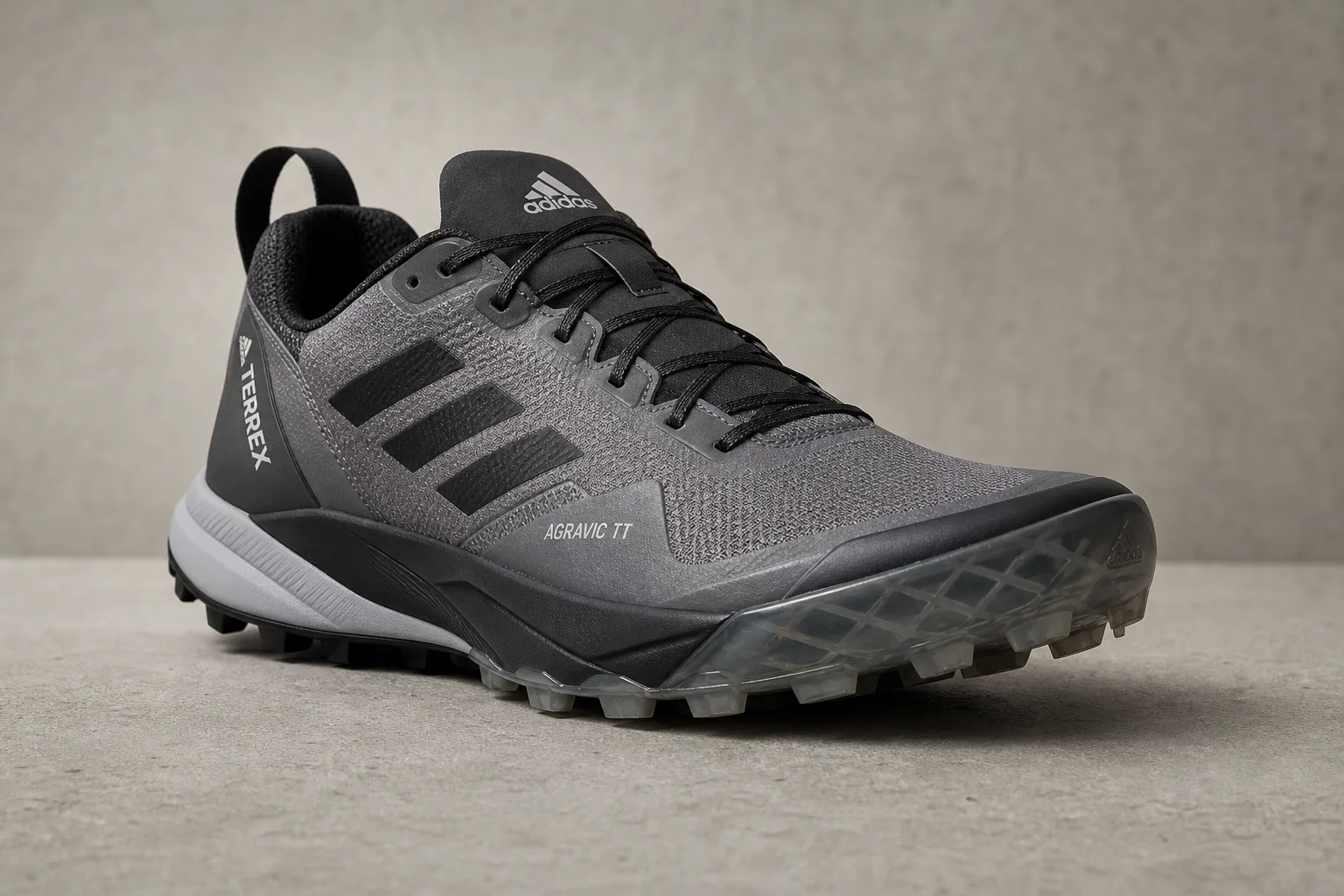
Adidas Terrex Agravic TT Review: A Technical Trail Shoe Built for Rocky Terrain
The Adidas Terrex Agravic TT combines a full-coverage rock plate with a firmer midsole to deliver protection and stability on technical, rocky trails. A capable choice for runners who prioritize underfoot defense over lightweight cushioning.
Trail Running Shoes
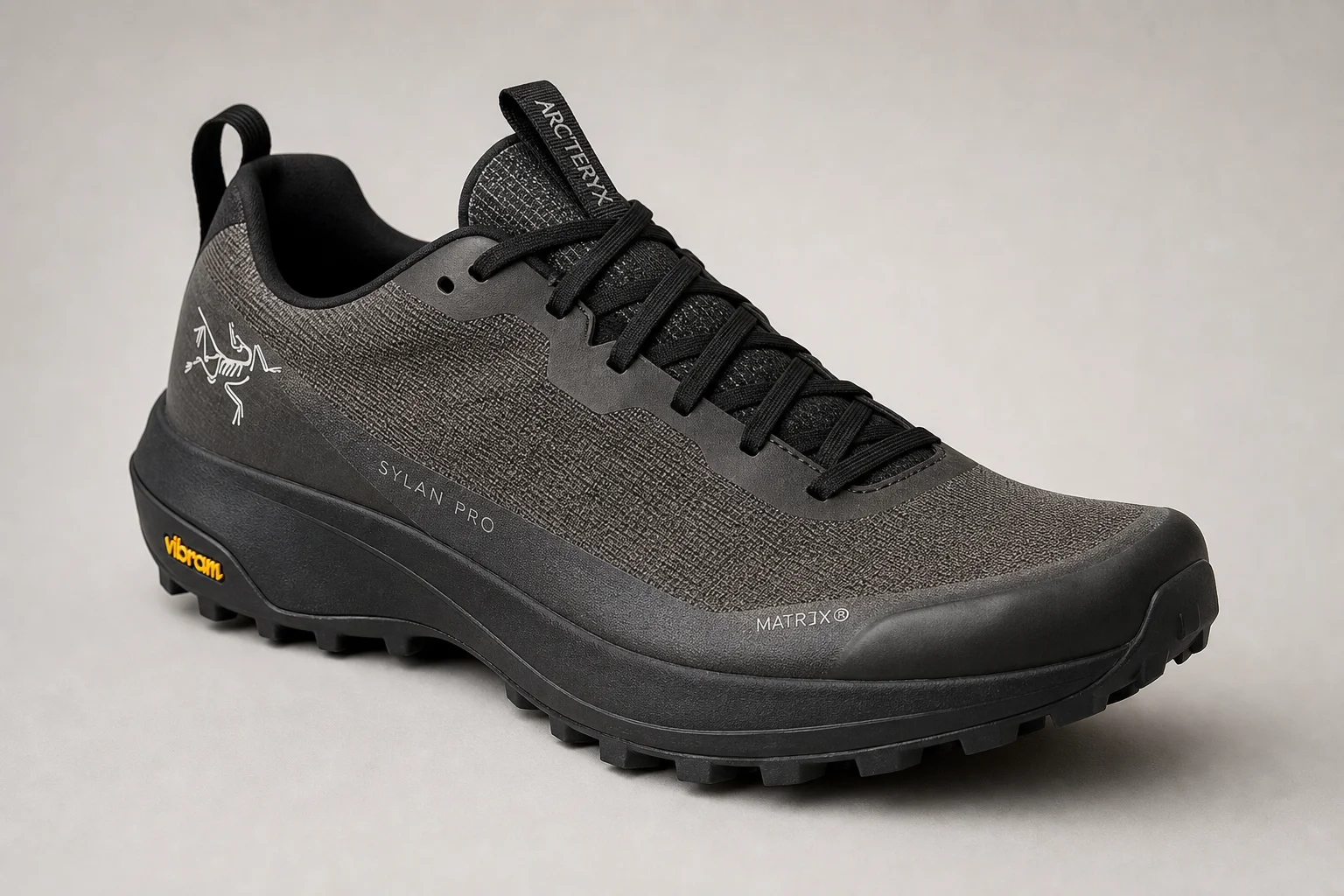
Arc'teryx Sylan Pro Review: A Rocker-Focused Mountain Running Shoe Tested on 20 Miles
The Arc'teryx Sylan Pro brings a pronounced rocker geometry and secure fit to mountain terrain. We tested it on a 20-mile Sawtooth loop to evaluate its climbing efficiency, protection, and handling of technical descents.
Trail Running Shoes
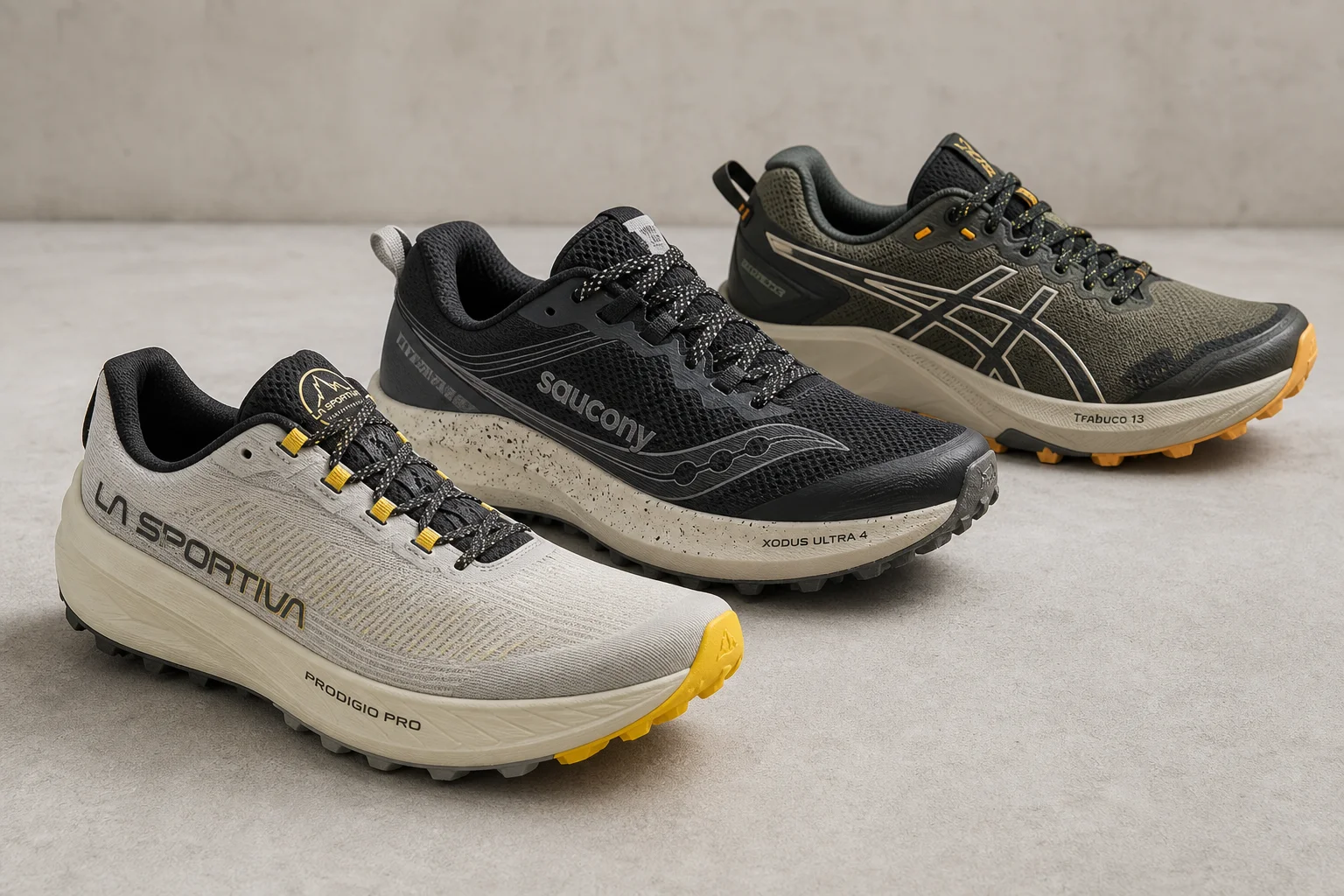
Best All-Mountain Trail Running Shoes: Three Versatile Options for Any Trail
A focused roundup of three all-mountain trail running shoes that handle technical terrain, long distances, and variable conditions with real strengths and practical trade-offs.