Trail Running Shoes
Xero Teraflex and Topo Athletic Terraventure 3: Two Trail Runners Compared
A practical comparison of a flexible zero drop trail shoe and a light, protective trail runner with a rock plate and Vibram sole.
Introduction
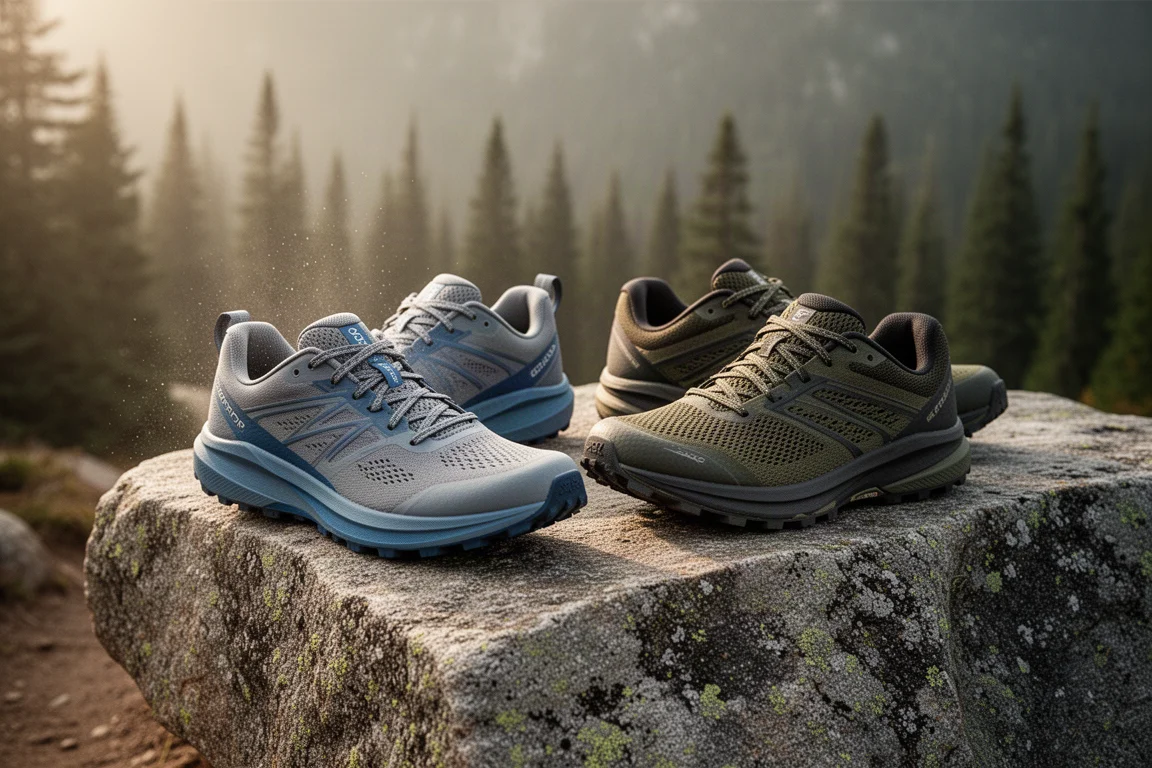
Trail runners are not a one size fits all purchase, and the two shoes here sit at opposite ends of the same decision. The Xero Teraflex is a zero drop, highly flexible shoe with a 12 millimeter stack height, built so the foot can read the ground underneath it. The Topo Athletic Terraventure 3 takes the other approach, pairing a 25 millimeter heel and 23 millimeter toe stack with a rock plate and a Vibram sole for protection on rough terrain.
Both are lightweight, both dry quickly, and both come in well under the price of many premium trail shoes. The difference is what you want the shoe to do for your feet.

Choosing between them comes down to ground feel versus underfoot protection, and neither answer is wrong.
What Separates These Two Trail Runners
Stack height and drop are the first numbers to check. A lower stack puts your foot closer to the ground, which can feel more stable and more connected, while a taller stack adds cushioning and absorbs more of the trail’s sharp edges.
Flexibility matters in the same way. A shoe that bends easily lets your foot move naturally, but it transmits more of what it rolls over. A shoe with a stiff rock plate blocks that feedback and protects the sole from roots and stones.
Weight, price, upper material, toe box width, and drying speed round out the picture. The Teraflex is listed at $110 and a men’s size 9 weighs 9.6 ounces. The Terraventure 3 is listed at $125, and a men’s size 9 weighs 10.2 ounces.
Xero Teraflex: A Zero Drop Shoe That Lets You Feel the Trail
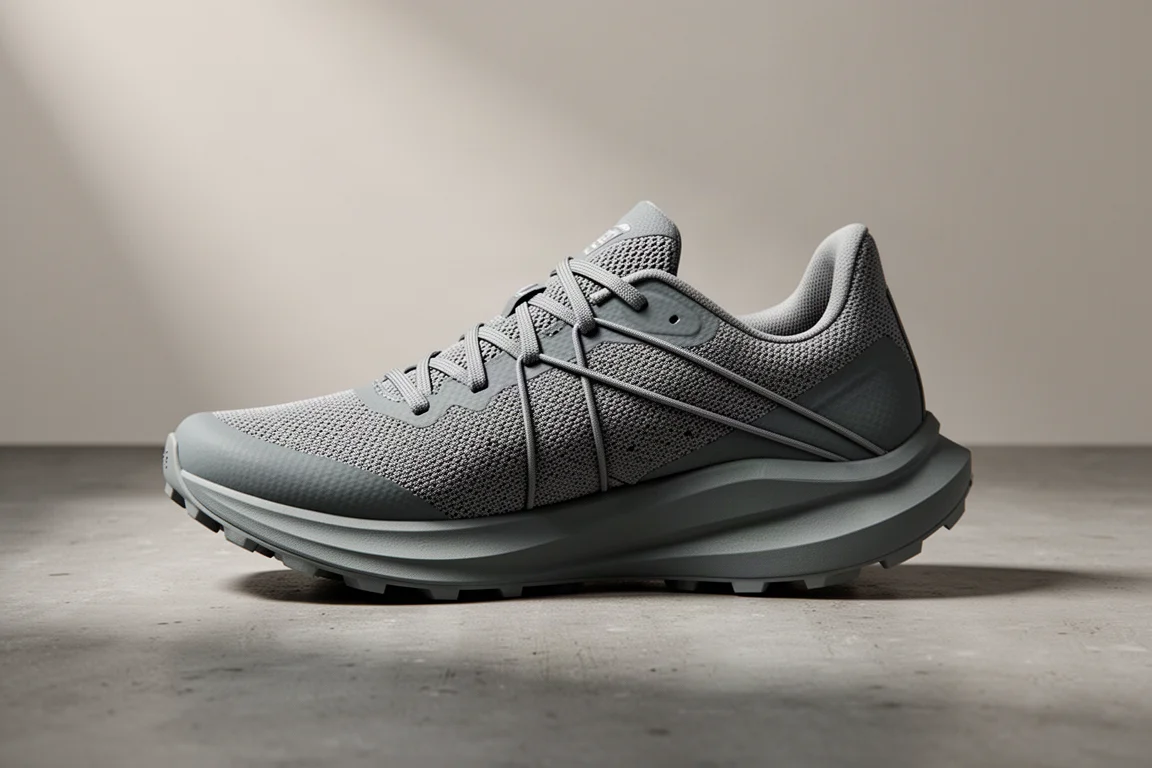
The Teraflex is a zero drop design, meaning the heel and forefoot sit at the same height. Its 12 millimeter stack height is roughly half of what many trail runners use, which keeps the platform low and the profile slim. A men’s size 9 weighs 9.6 ounces, so it stays light on long days.
The toe box is wider than on many trail runners, giving the toes room to spread. The interior is smooth, and the shoe is built so it can be worn without socks for anyone who prefers that. The upper uses small v-straps that are not stitched down, so you can cinch the fit through those straps instead of cranking the laces tight, which helps riders with narrower feet dial in a secure hold.
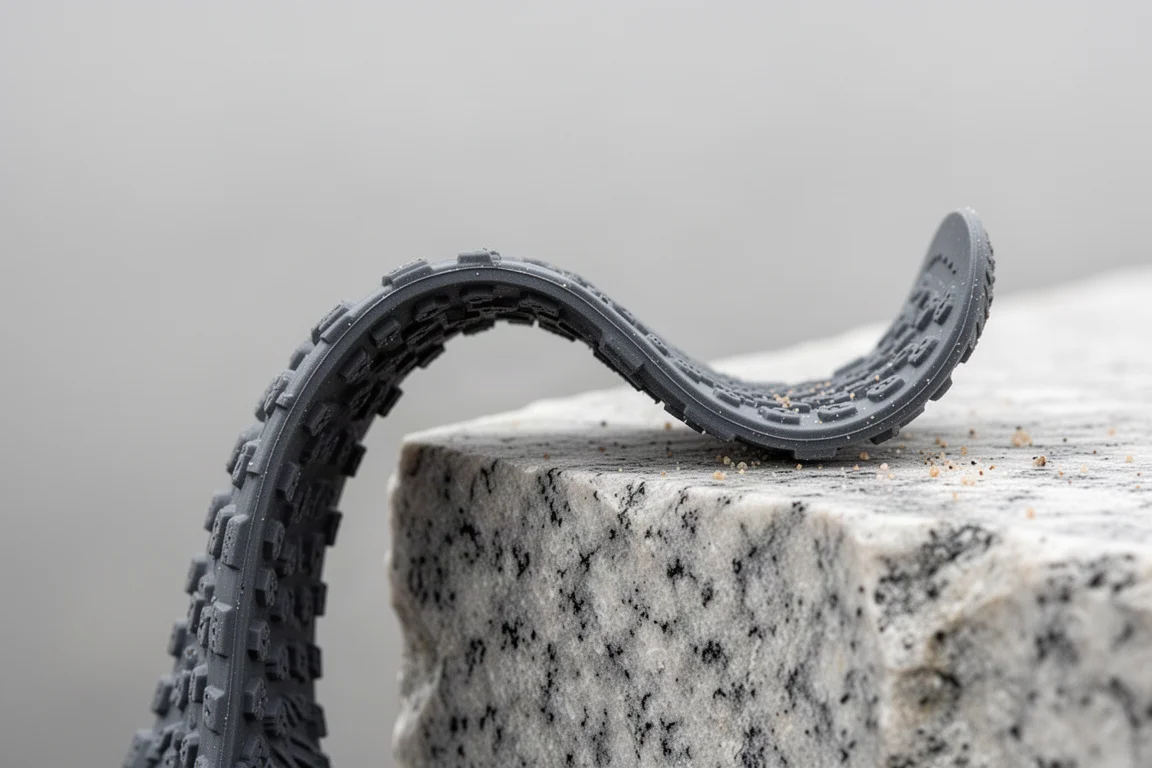
Because the sole is flexible and the stack is low, you feel the trail in detail. Zero drop and barefoot style shoes are usually best introduced gradually so the calves and feet can adapt, even for runners who already spend time in low drop footwear.
Xero Teraflex: Durability, Warranty, and Trade-Offs
Build quality is solid, and the shoe comes across as well made and durable. The sole carries a 5,000 mile warranty: if the outsole wears below one millimeter at the heel or the ball of the foot, the shoe is replaced at 60 percent off. That is unusually strong backing for a trail shoe, even if the upper is likely to wear out before the outsole reaches that point.
The trade-off is rigidity, or the lack of it. On a trail with mile after mile of exposed roots, a flexible low stack shoe can feel less comfortable than a cushioned, stiffer alternative, because the foot takes more of the impact directly. Runners who spend most of their time on rough, rooty terrain may find that protection matters more than ground feel.
Topo Athletic Terraventure 3: Rock Protection in a Light Package
The Terraventure 3 uses a 25 millimeter heel stack and a 23 millimeter toe stack, which puts it close to level without being a true zero drop shoe. Most of the upper is mesh, so the shoe breathes well and dries quickly after water crossings or rain.
Underneath, a rock plate and a Vibram sole add stiffness and protection against rocks and roots. Despite that, a men’s size 9 weighs 10.2 ounces, only 0.6 ounces more than the Teraflex, so it remains a light shoe for the amount of protection it offers. At $125 it sits in the same price range as comparable trail runners.
The ride is more cushioned and more comfortable than some of the lighter, more minimal trail shoes on the market, while still letting you read the trail surface underfoot.
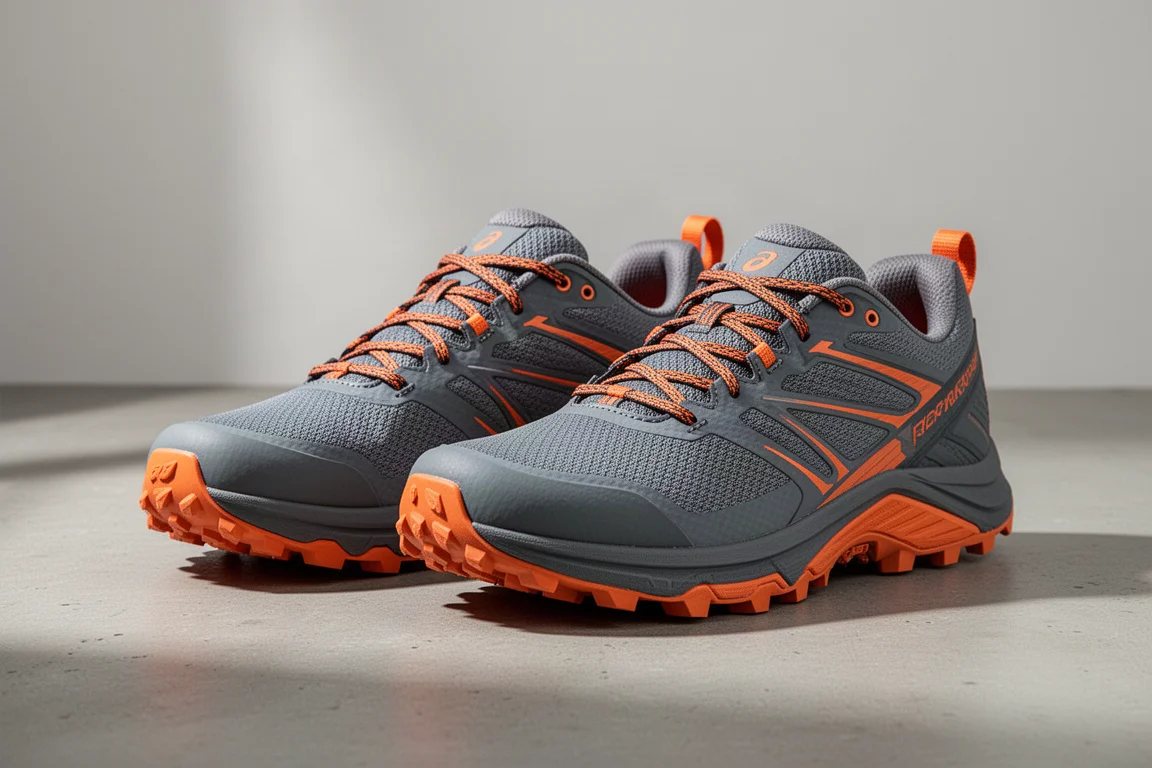
Topo Athletic Terraventure 3: Cushioning, Fit, and Color Options
Compared with the previous version of the same shoe, the Terraventure 3 feels slightly less cushioned, though it remains more cushioned and comfortable than a more minimal trail runner. The toe box has also narrowed a little from the earlier model, a change that reduces room for the toes to spread.
On the plus side, the color selection has improved noticeably over the earlier version, which was limited to fairly plain options. Runners who care about how a shoe looks now have more to choose from without giving up the protective build.
Overall Buying Advice
Match the shoe to the trail you actually run most often. If you want a low, flexible platform, a wide toe box, zero drop geometry, and the option to go sockless, the Xero Teraflex delivers that for $110, backed by a generous sole warranty.
If you would rather have a rock plate, a Vibram sole, and a little more cushioning underfoot while keeping the weight low, the Topo Athletic Terraventure 3 is the more protective pick at $125. Both dry quickly and both stay light, so the deciding factor is how much ground feel you want to trade for protection.
Runners moving into a zero drop or barefoot style shoe for the first time should plan a gradual transition, regardless of which model they choose.
Conclusion
The Xero Teraflex and the Topo Athletic Terraventure 3 are both well made, reasonably priced trail runners, and they simply answer different questions. One prioritizes flexibility, ground feel, and a wide toe box. The other prioritizes protection, cushioning, and a stiffer, more forgiving ride over rocks and roots. Feet vary enormously from runner to runner, so the right choice is the one that matches your terrain and your preference for how much of the trail you want to feel.
Further reading
Related Reviews
Trail Running Shoes
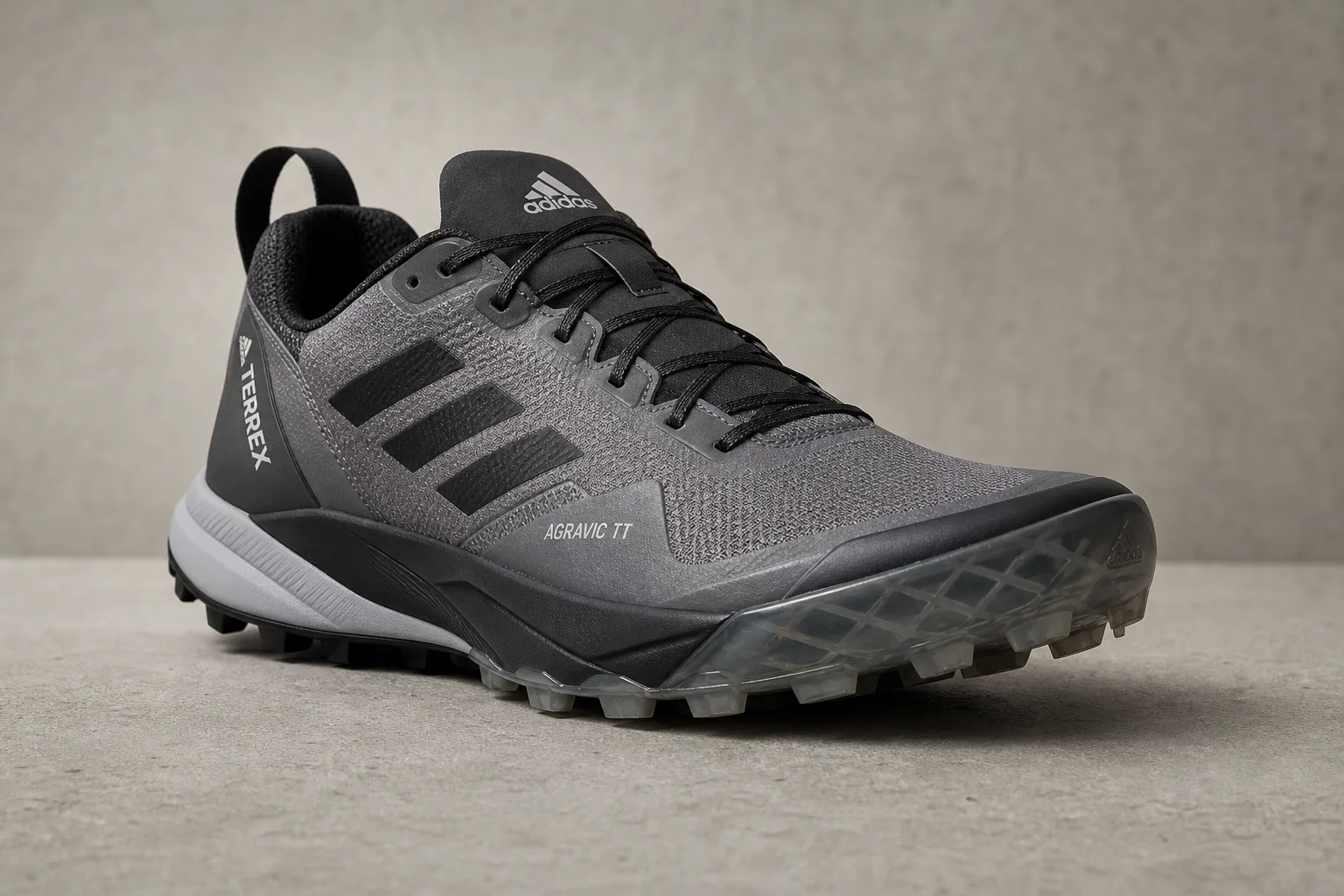
Adidas Terrex Agravic TT Review: A Technical Trail Shoe Built for Rocky Terrain
The Adidas Terrex Agravic TT combines a full-coverage rock plate with a firmer midsole to deliver protection and stability on technical, rocky trails. A capable choice for runners who prioritize underfoot defense over lightweight cushioning.
Trail Running Shoes
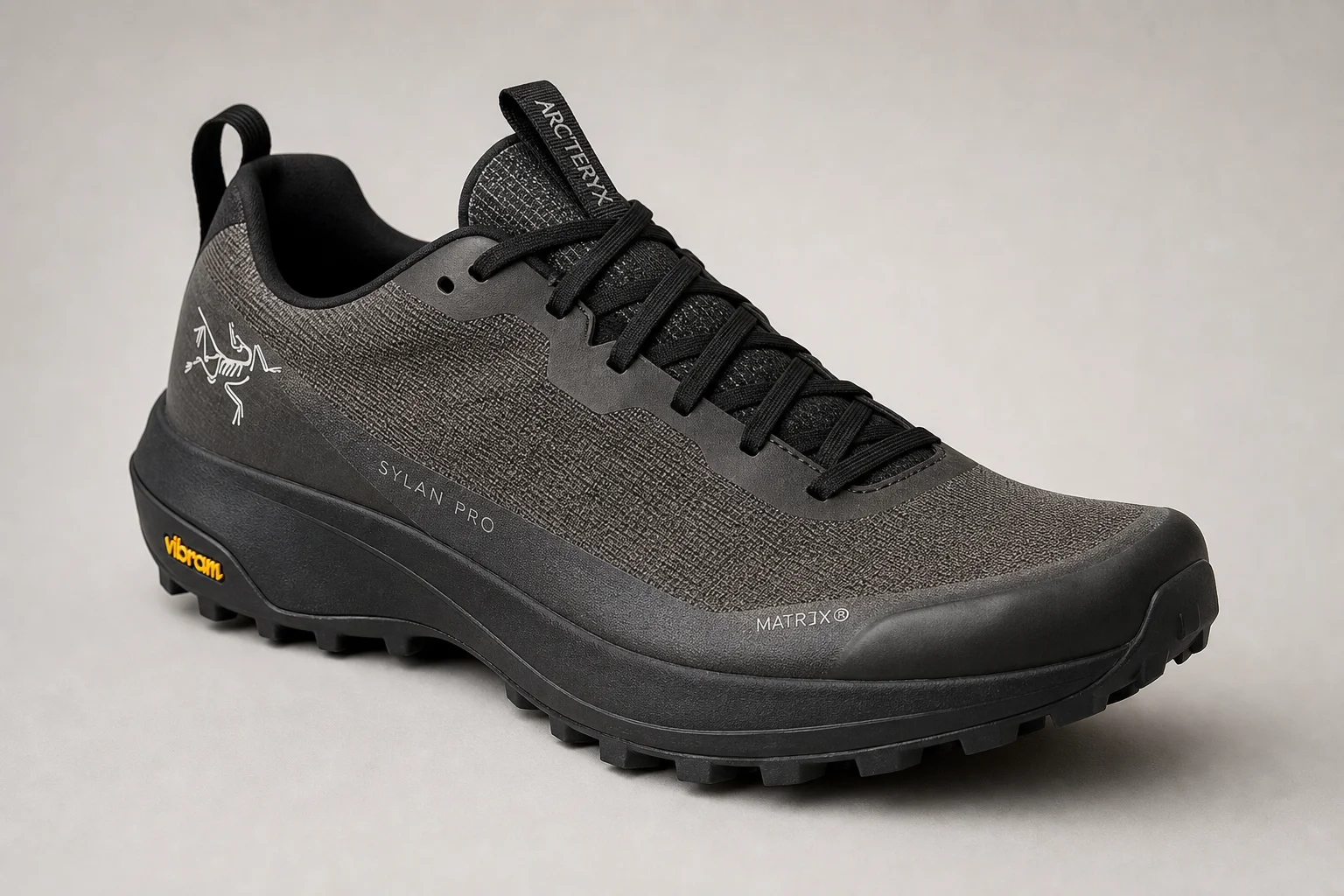
Arc'teryx Sylan Pro Review: A Rocker-Focused Mountain Running Shoe Tested on 20 Miles
The Arc'teryx Sylan Pro brings a pronounced rocker geometry and secure fit to mountain terrain. We tested it on a 20-mile Sawtooth loop to evaluate its climbing efficiency, protection, and handling of technical descents.
Trail Running Shoes
Best All-Mountain Trail Running Shoes: Three Versatile Options for Any Trail
A focused roundup of three all-mountain trail running shoes that handle technical terrain, long distances, and variable conditions with real strengths and practical trade-offs.