Trail Running Shoes
Best Trail Runners for Long-Distance Hiking: Four Pairs Compared
Four trail runners tested over long-distance miles, including two firm favorites with wide toe boxes and the trade-offs that separate them.
Introduction
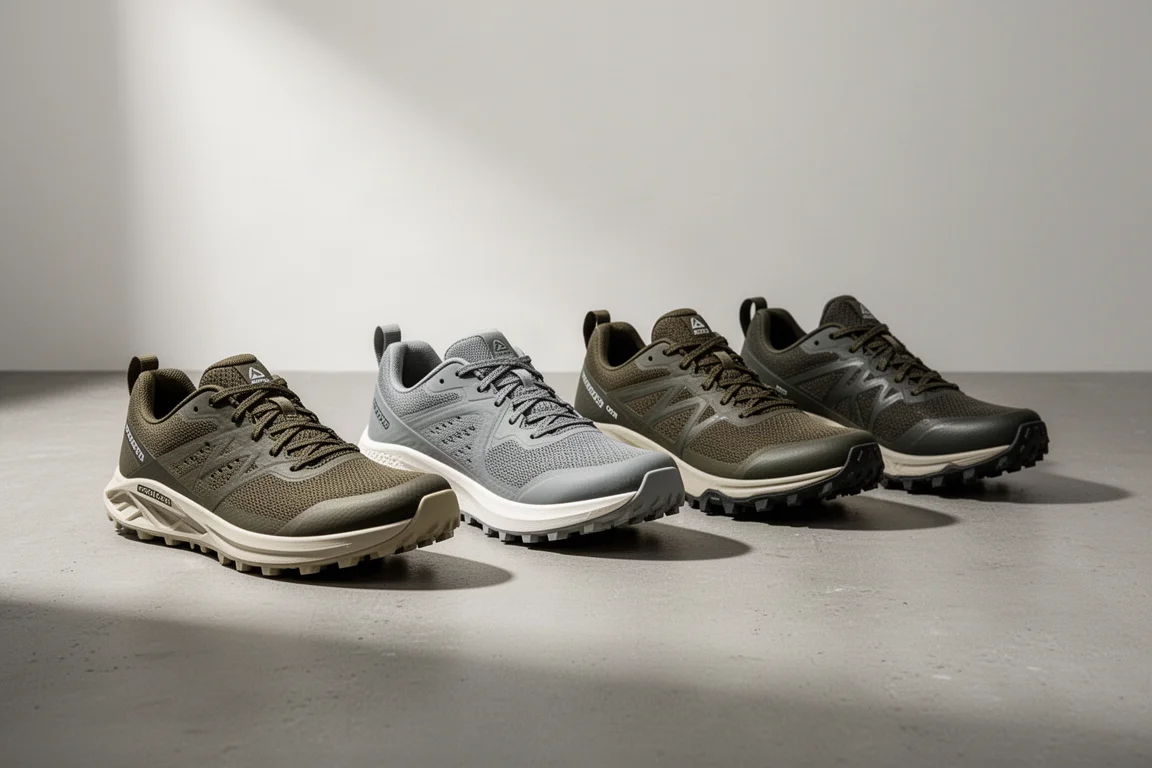
Finding a trail runner that works for long-distance hiking comes down to fit, cushioning, and how the shoe behaves after several hundred miles. Four models stand out from extended testing: two that remain firm favorites, and two that are genuinely well-made shoes with caveats worth knowing before you buy.
This guide covers what each pair does well, where each one falls short, and how to choose between them for a long trail.
What Matters Most in a Trail Runner
Three things matter most over long distances: how level the shoe sits from heel to toe, how much room the toes get, and how the sole handles the surfaces you actually walk on.
Zero drop means the heel and the toe sit at the same height from the ground. A small drop, such as 3 millimeters, tilts the foot slightly forward. Neither approach is universally better. What matters is whether your feet and arches tolerate it over many miles.
Toe box width is the second factor. A roomy toe box lets the toes splay naturally, which reduces the chance of blisters forming under the toenails and of recurring ingrown toenails. Hikers who have dealt with either problem tend to prioritize this above almost everything else.
Cushioning is the third. A moderately cushioned shoe balances ground feel with protection. More cushioning usually means more comfort on hard-packed road sections, while less cushioning means you feel rocks and roots more clearly, which some hikers genuinely prefer.
Drying speed matters on wet routes, and so does durability. Most trail runners lose meaningful support somewhere between 400 and 500 miles, and once the arch is no longer properly supported, plantar fasciitis can return.
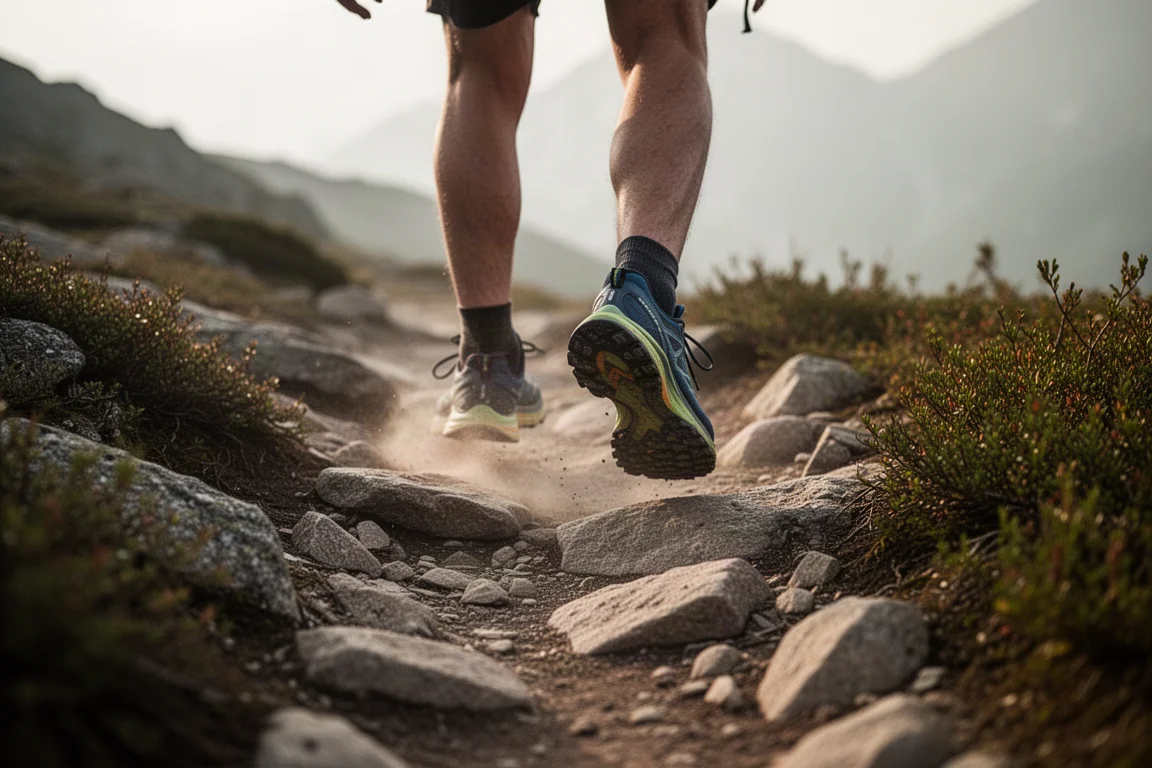
The four models below were all judged against those criteria, and each one lands differently depending on the terrain you walk most often.
Altra Lone Peak 4.5: The Long-Time Favorite
The Lone Peak 4.5 has been a consistent choice since 2017. It is a zero-drop shoe, so the heel and toe sit level, and it keeps the wide toe box that makes it comfortable for feet that need room to spread.
It is moderately cushioned with a 25 mm stack height and grippy tread that has not produced traction problems. It also dries out relatively quickly after a water crossing, especially when given time in the middle of the day.
Durability has been solid. Earlier versions occasionally showed a worn toe tab or a hole, and each redesign has addressed the previous complaint. Customer service has also been responsive when a pair failed earlier than it should have.
The main trade-off is ground feel. The Lone Peak 4.5 transmits a lot of what is underfoot, which is pleasant on technical trail but less comfortable on long road walks or consistently rocky terrain. Tender-footed hikers may prefer something with more cushioning.
Typical retail is around $125, and the 4.5 has been available at a meaningful discount.
Topo Athletic Terraventure 2: The Closest Rival
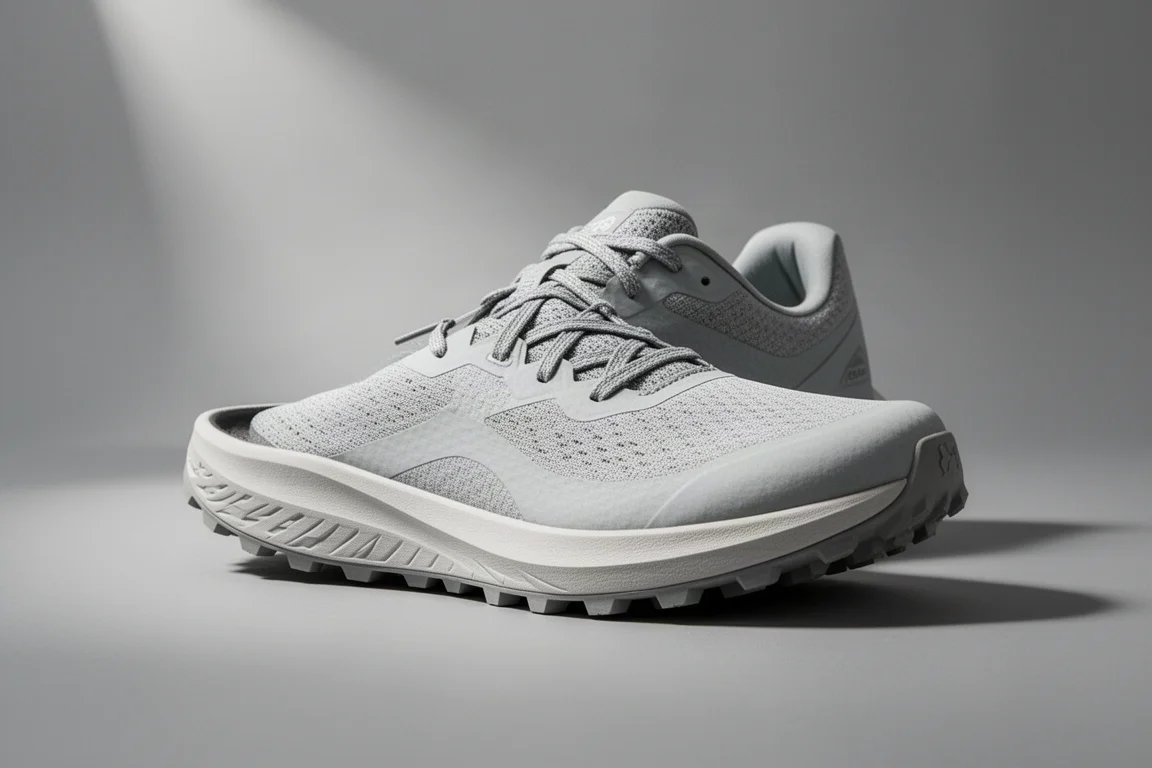
The Terraventure 2 came closest to matching the Lone Peak 4.5 in overall satisfaction. It held up well across roughly 100 miles of testing with little visible wear.
It is not a zero-drop shoe. There is a 3 mm drop, with the heel at 25 mm and the toe at 22 mm, and that shallow offset did not cause any plantar fascia trouble. It is also moderately cushioned, with a plusher ankle area that makes it feel a little more comfortable than the Lone Peak 4.5 on easier ground.
The sole is sturdier, so rocks are less noticeable underfoot. That is exactly why road walks feel far more comfortable in this shoe than in the Lone Peak 4.5 or the Inov-8 models. The toe box is wide enough for the toes to spread, and it did not trigger ingrown toenail problems.
The trade-off is water. The extra cushioning holds moisture longer than the Lone Peak 4.5, so stream crossings take more time to dry out. The shoe is breathable, which helps considerably.
The most common complaint is cosmetic: the Terraventure 2 is not an especially attractive shoe, and the color options are limited.
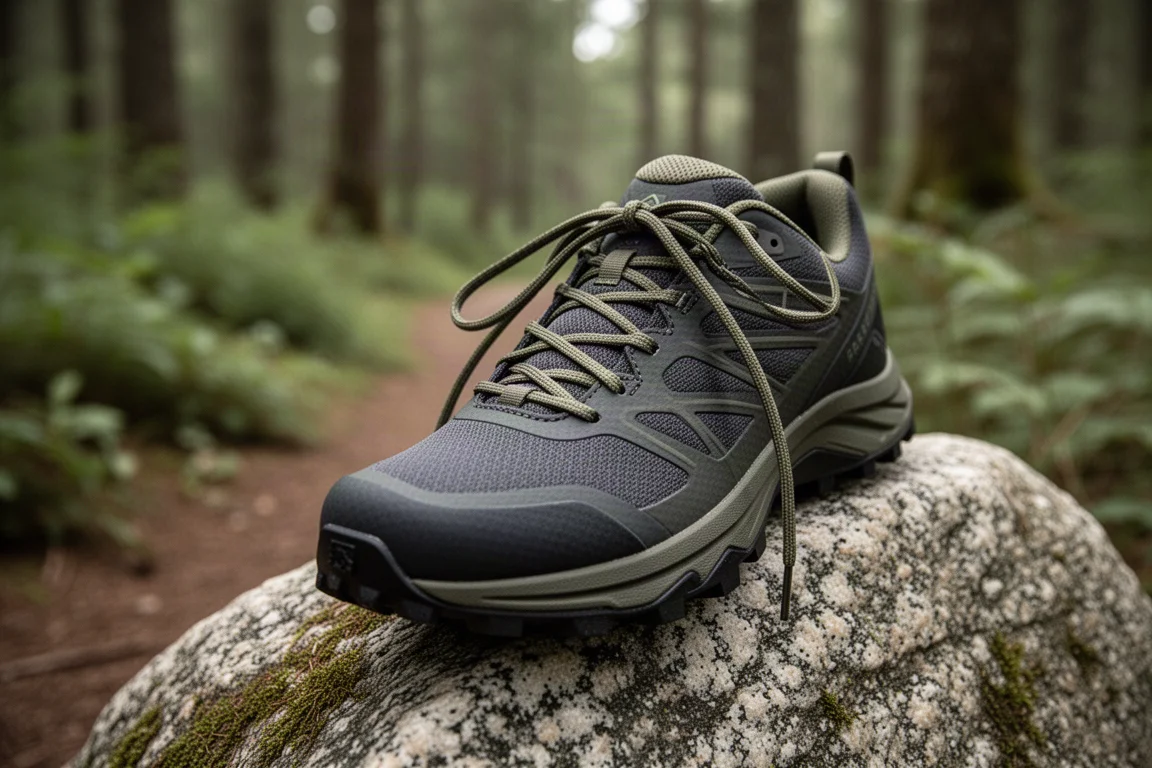
For hikers who split their miles between trail and hard-packed road, that combination of a sturdier sole, a wide toe box, and a comfortable ankle collar is the main argument for this shoe.
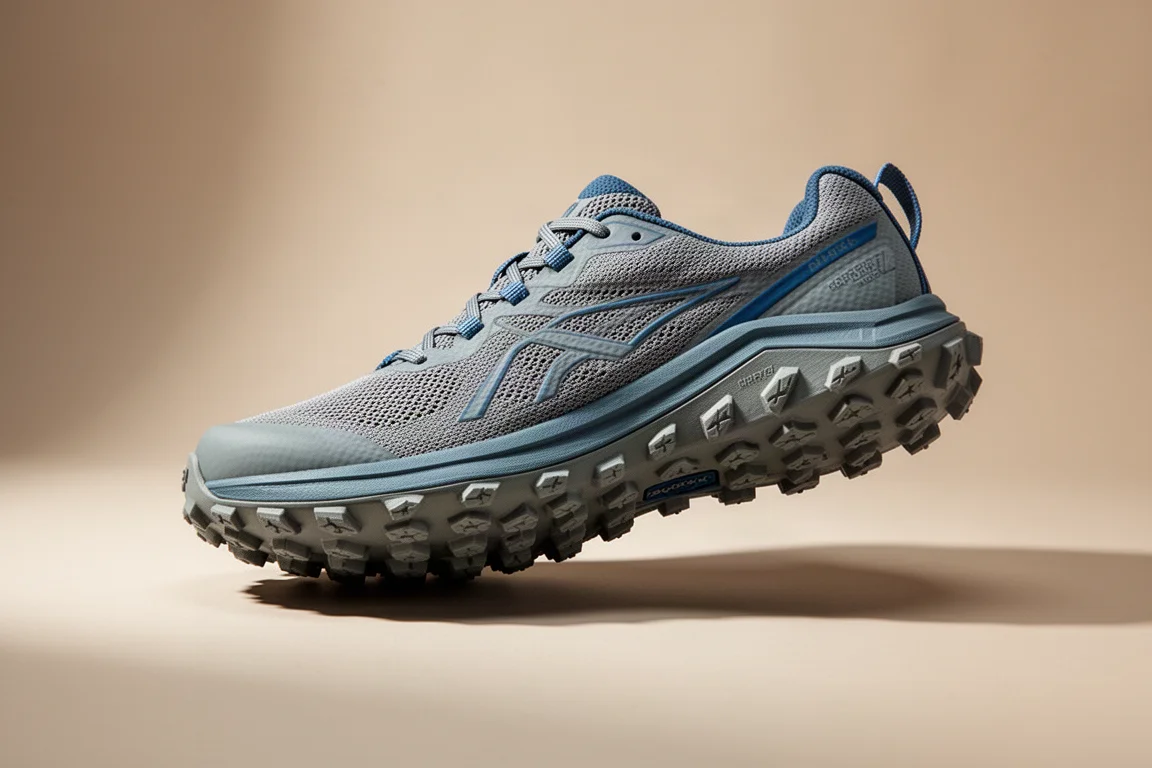
Inov-8 G260: Grippy but Fiddly
The G260 has genuinely grippy tread and a sharp look. The problem is the laces, which would not stay tied during use. Lock laces or a very reliable double knot solve it, but it is a persistent annoyance out on trail.
The toe box is also more restrictive than a wide-fitting shoe, which limits how much the toes can spread. It remains a quality shoe that will suit some runners, particularly those who prefer a closer fit and do not need extra toe room.
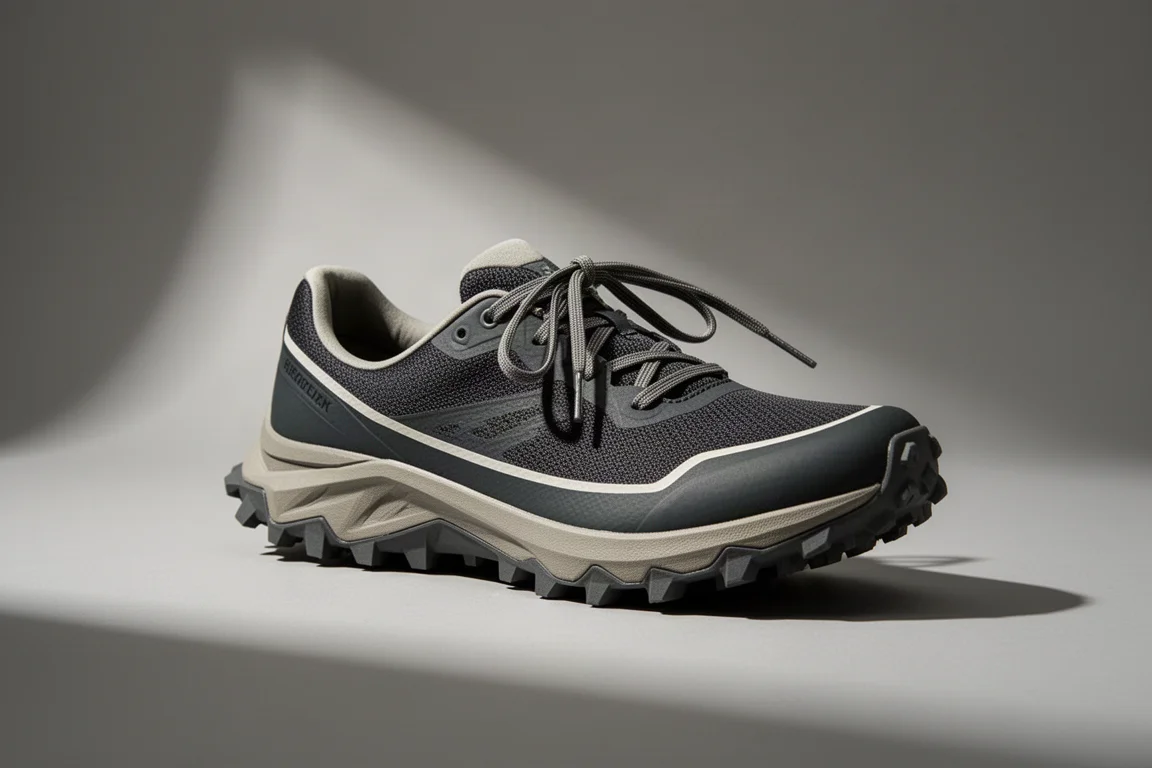
Inov-8 G270: Better Laces, Different Trade-Offs
The G270 fixes the lace problem, and the laces stayed tight throughout testing. The trade-off is that the upper wore through ankle socks, so hikers who prefer low-cut socks may want to look elsewhere.
Late in a long hike, the G270 also began causing discomfort in the left big toe, in a way that other trail runners did not. Like the G260, it is a well-made shoe that will work for some feet, but it did not suit this tester.
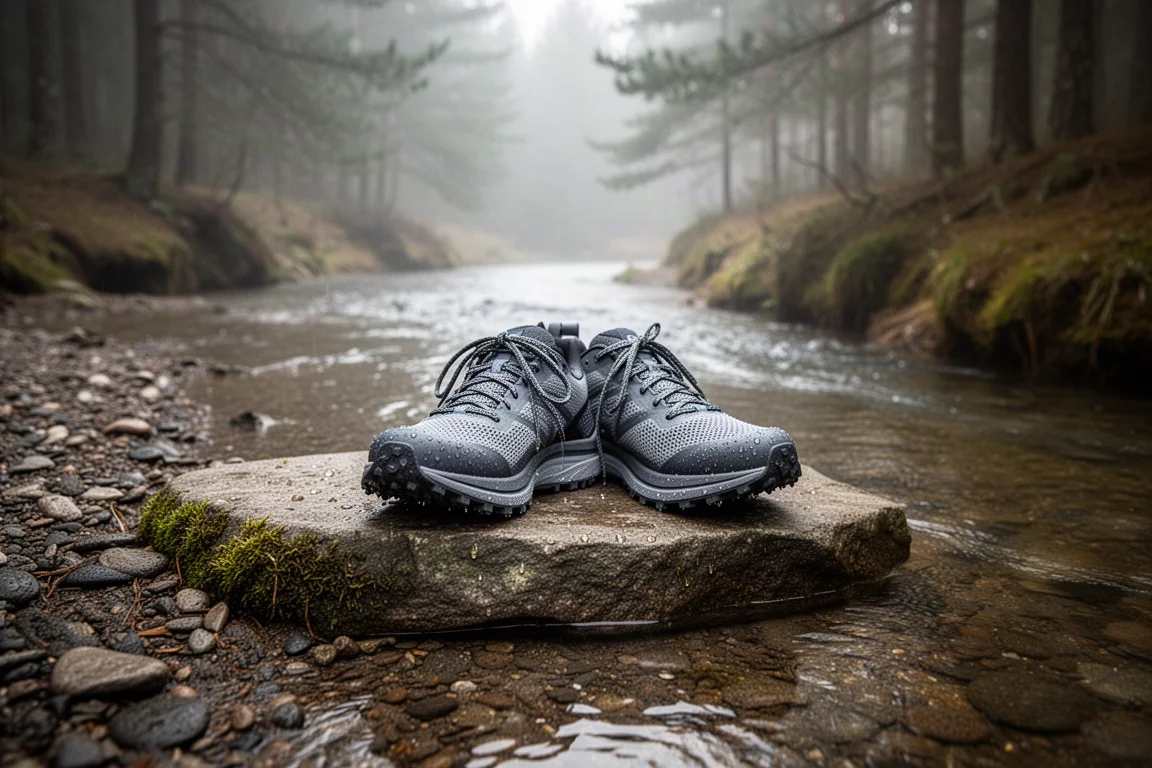
Fit is highly individual, and both Inov-8 models sit in a different category from the wide, level-fitting shoes above. If you already know that a closer-fitting shoe works for your feet, they are worth a look. If you have had toenail or blister problems in the past, a roomier option is the safer bet.
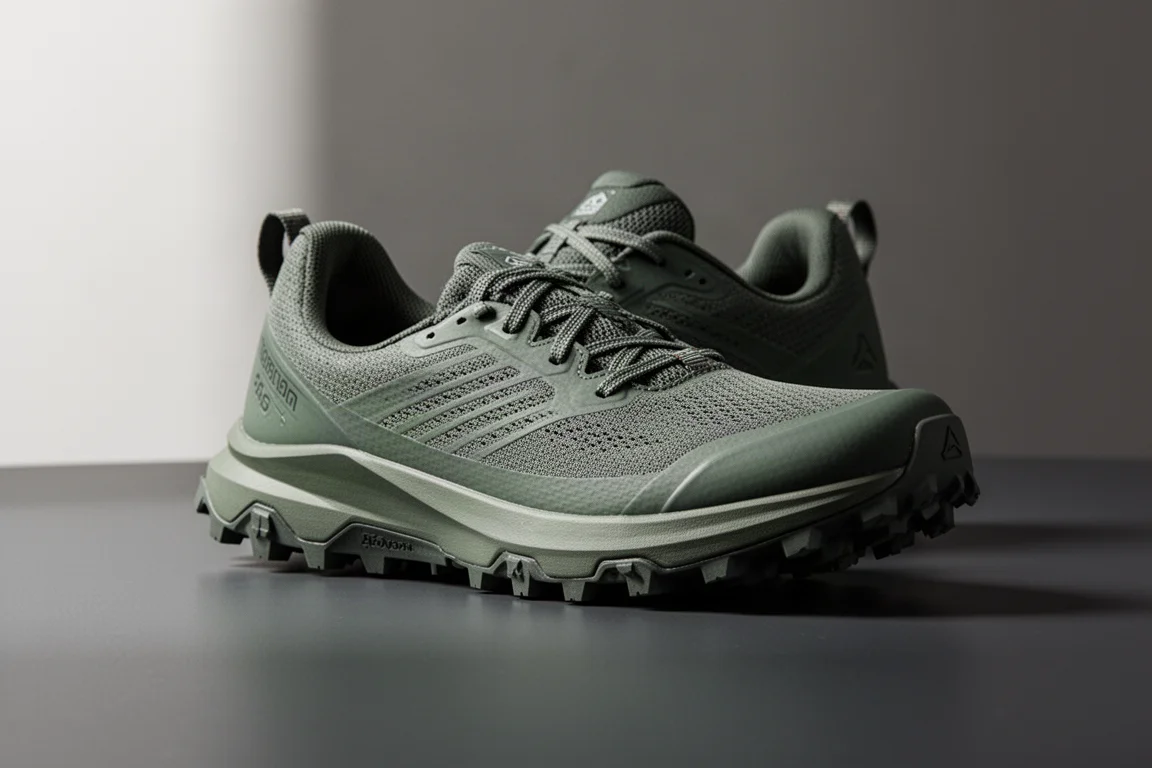
Choosing Between the Lone Peak 4.5 and the Terraventure 2
The decision comes down to which conditions you expect to meet most often. In swampy, frequently flooded terrain, the Lone Peak 4.5 has the edge: the thinner construction dries faster, and the stronger ground feel helps with careful foot placement. On routes with long road walks or hard-packed sections, the Terraventure 2 is clearly the more comfortable shoe.
The practical plan for a long thru-hike is to start in the Terraventure 2, wear it out completely, and use that mileage to judge whether it holds up as well as the Lone Peak 4.5 over 400 to 500 miles. Once that pair is finished, the next decision is between another Terraventure 2, a Lone Peak 5, or a zero-drop alternative in a similar style.
Durability, Mileage, and Replacement Timing
Trail runners are consumables on a long hike. The working range for these shoes is roughly 400 to 500 miles, after which the midsole support fades and the arch starts flexing more than it should. For anyone with a history of plantar fasciitis, that is the point to replace them, not the point at which the outsole looks worn through.
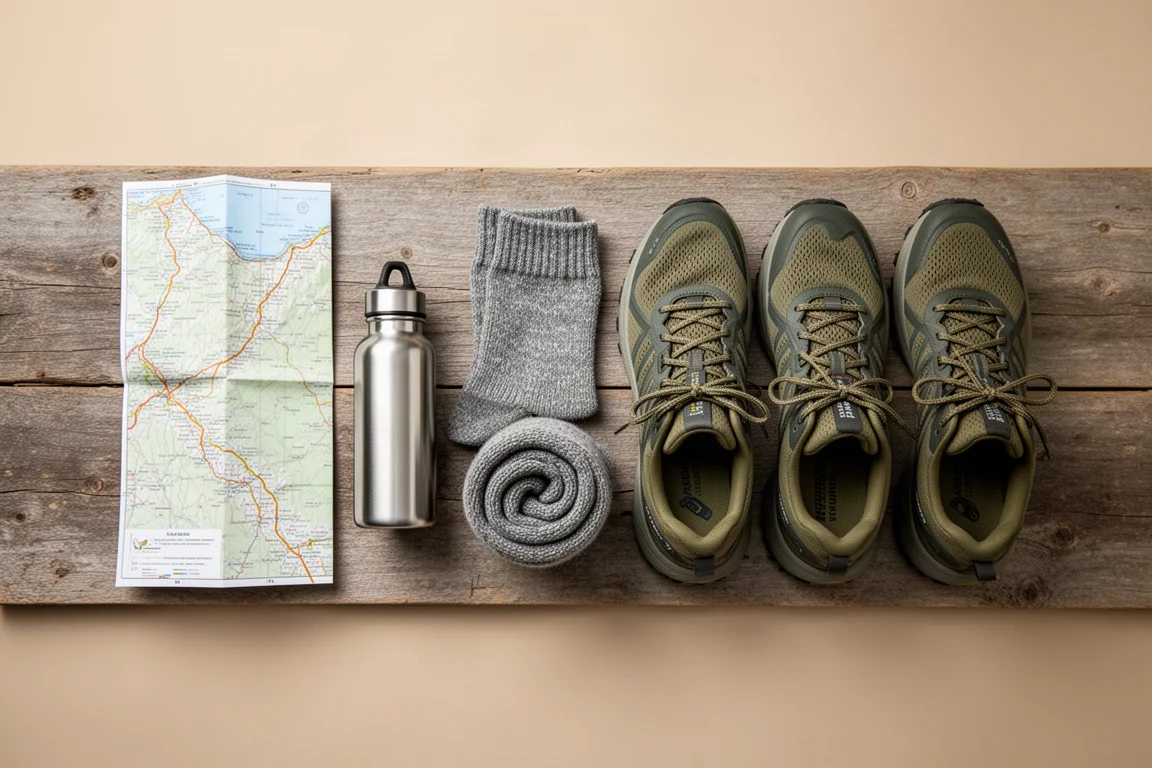
Where a pair fails earlier than it reasonably should, contacting the manufacturer is worth the effort. Several brands handle premature failures well, and a replacement pair keeps a long hike on schedule.
Conclusion
The Altra Lone Peak 4.5 and the Topo Athletic Terraventure 2 are both strong choices for long-distance hiking, and the right one depends on the terrain you expect. The Lone Peak 4.5 favors wet, technical ground with faster drying and more ground feel, while the Terraventure 2 favors road walks and rocky sections with a sturdier sole and a more comfortable ride. The Inov-8 G260 and G270 are capable shoes with specific fit and lace caveats, so consider them only if their shape already suits your feet.
Further reading
Related Reviews
Trail Running Shoes
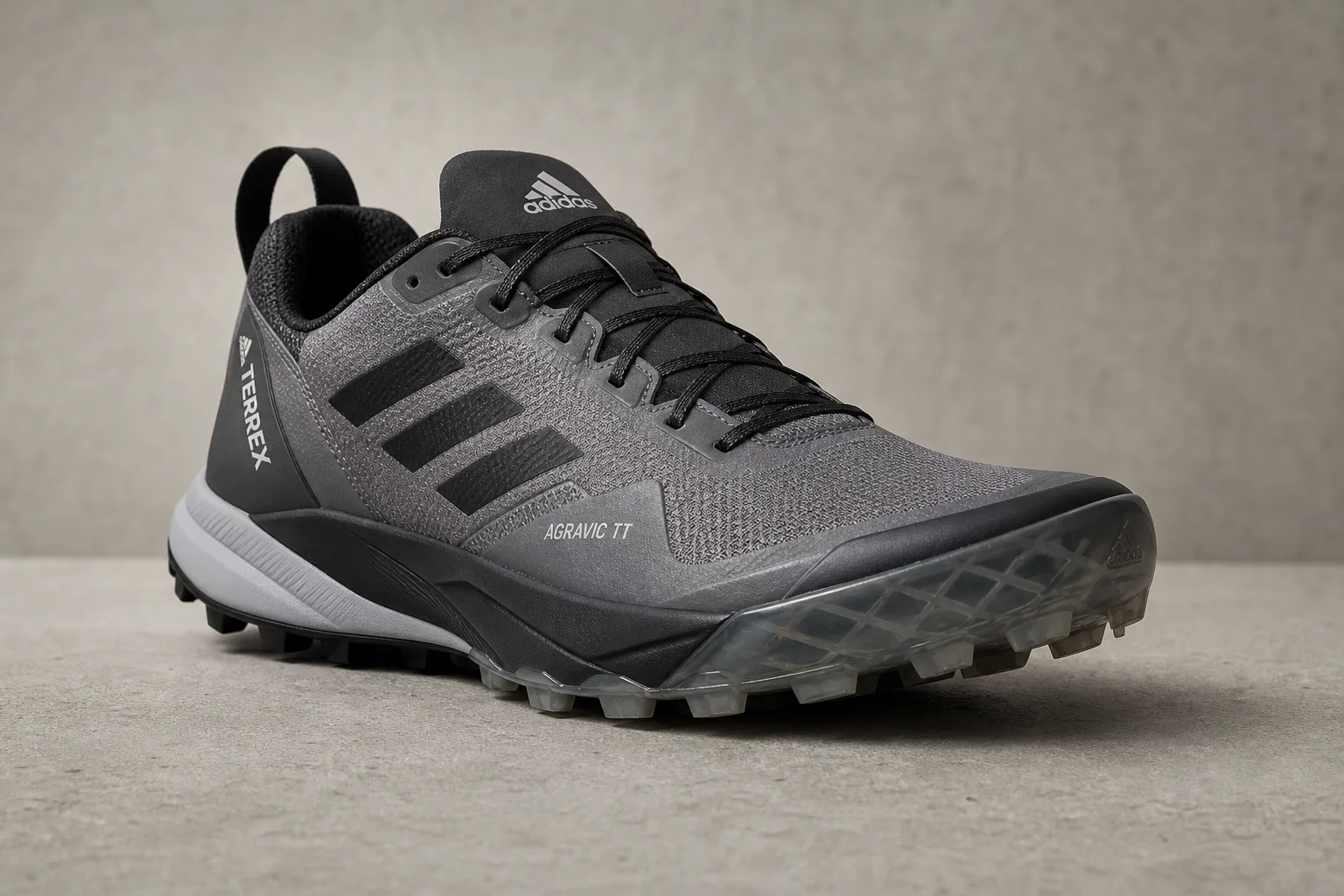
Adidas Terrex Agravic TT Review: A Technical Trail Shoe Built for Rocky Terrain
The Adidas Terrex Agravic TT combines a full-coverage rock plate with a firmer midsole to deliver protection and stability on technical, rocky trails. A capable choice for runners who prioritize underfoot defense over lightweight cushioning.
Trail Running Shoes
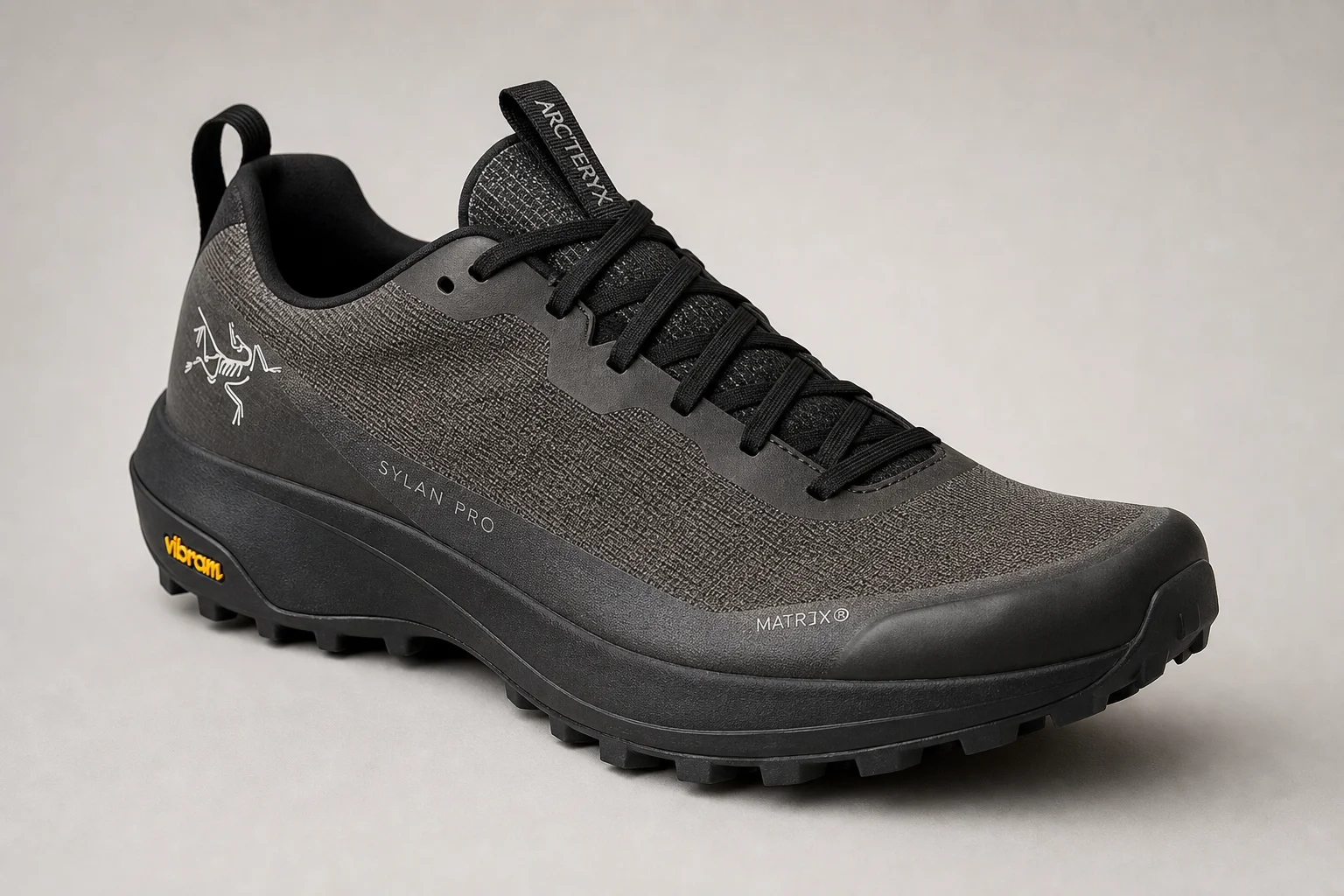
Arc'teryx Sylan Pro Review: A Rocker-Focused Mountain Running Shoe Tested on 20 Miles
The Arc'teryx Sylan Pro brings a pronounced rocker geometry and secure fit to mountain terrain. We tested it on a 20-mile Sawtooth loop to evaluate its climbing efficiency, protection, and handling of technical descents.
Trail Running Shoes
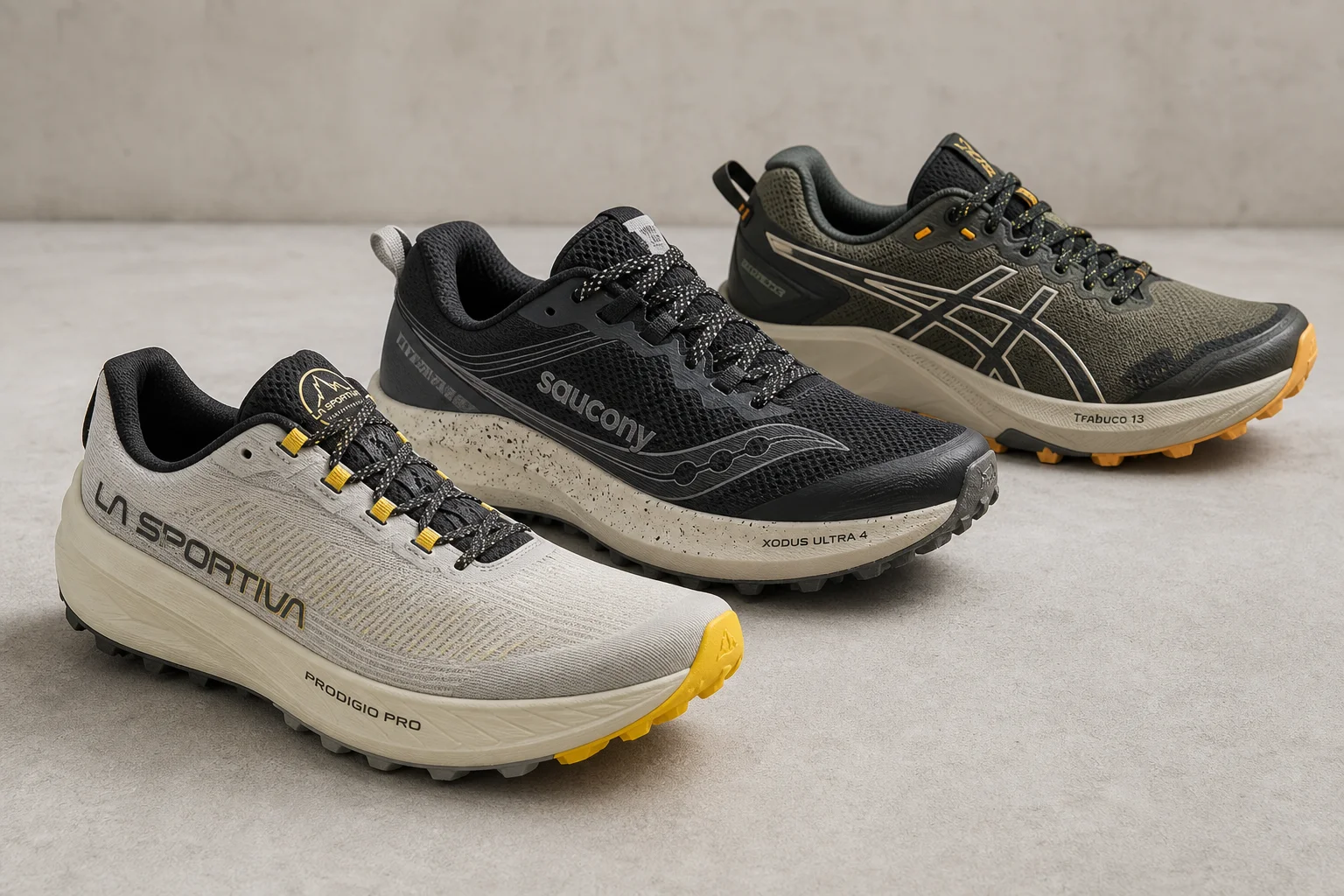
Best All-Mountain Trail Running Shoes: Three Versatile Options for Any Trail
A focused roundup of three all-mountain trail running shoes that handle technical terrain, long distances, and variable conditions with real strengths and practical trade-offs.