Trail Running Shoes
Saucony Endorphin Edge vs Hoka Speedgoat 5: Two Trail Shoes Built for Long Days
A carbon-plated trail racer and a cushioned ultra favorite compared after extended trail testing, with fit, grip, and durability details worth checking before you buy.
Introduction
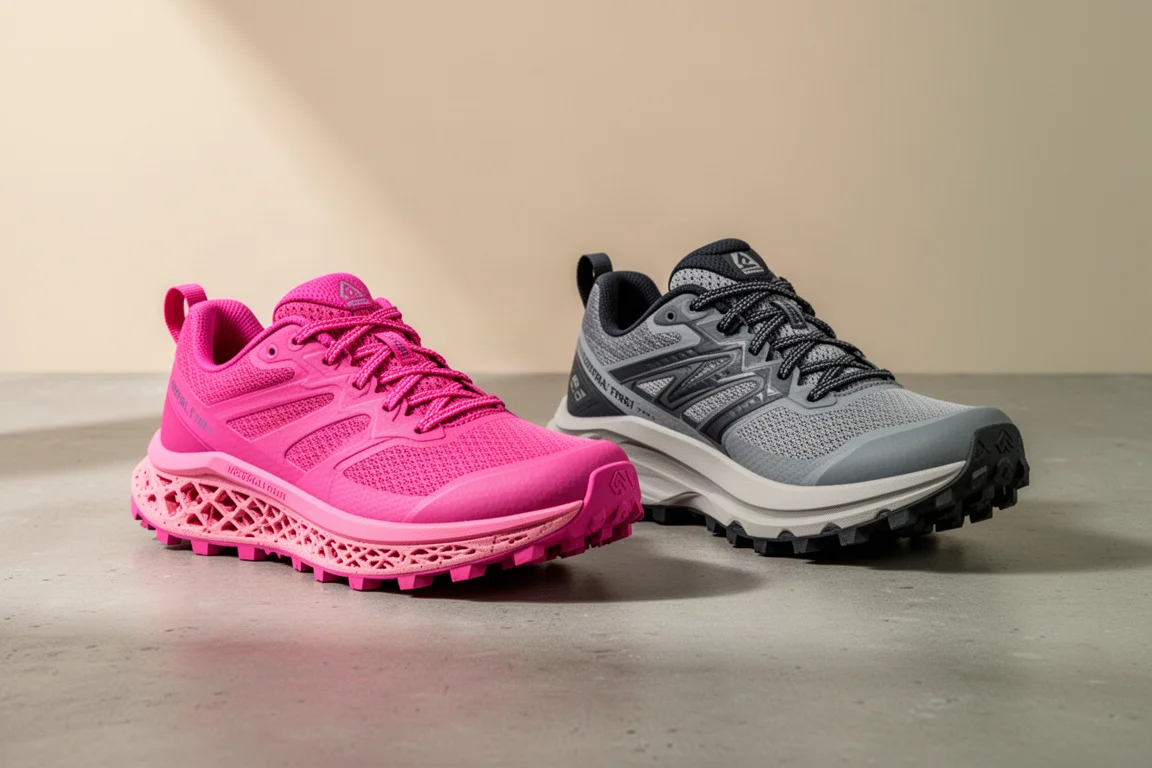
Two trail shoes stood out during recent testing: the Saucony Endorphin Edge and the Hoka Speedgoat 5. Both are built with long trail days in mind, but they take noticeably different approaches to cushioning, weight, and speed. After 25 miles of testing on the Endorphin Edge, including around 2,500 feet of vertical gain and loss, plus time in the Speedgoat 5, here is how they compare.
Saucony Endorphin Edge: A Serious Trail Contender
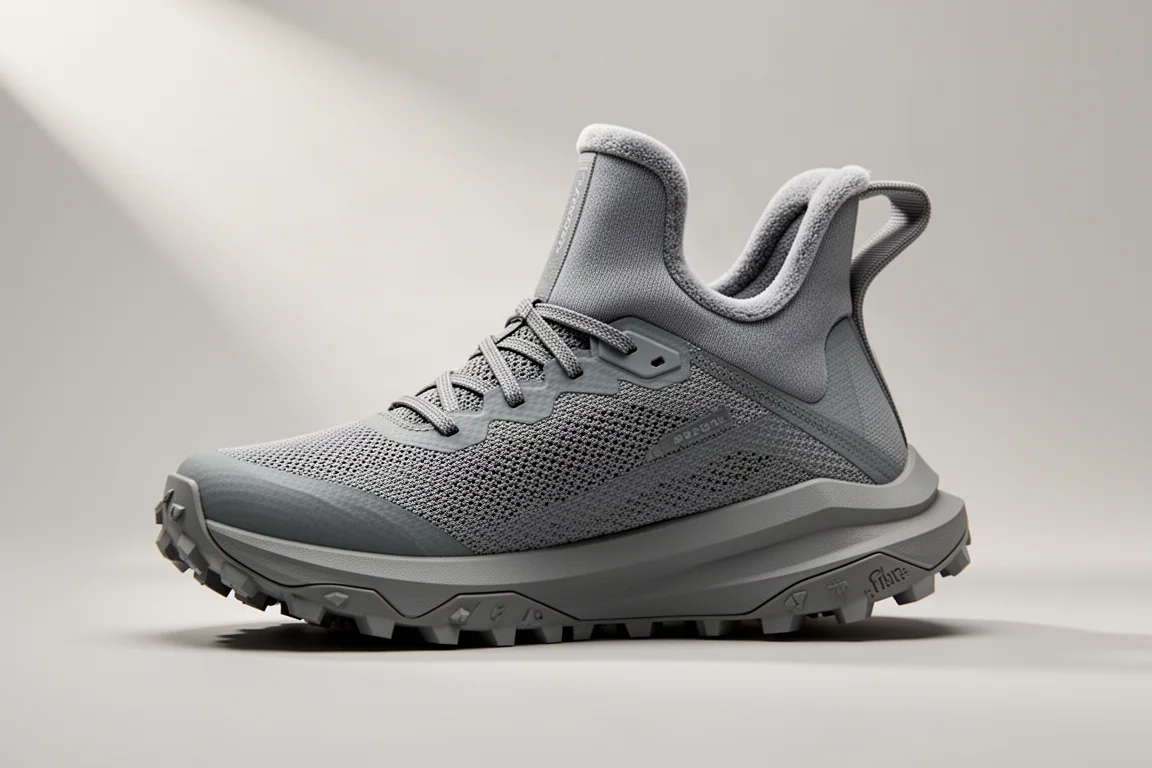
The Endorphin Edge is a neutral trail shoe with a fairly high stack height, so if you are prone to rolling ankles, that is worth knowing up front. In a men’s size 9, it weighs 8.3 ounces, a genuinely light figure for a trail shoe with this much cushioning. The upper uses durable nylon mesh with a modest toe cap, an overlay through the toe box to keep grit out, a semi-gusseted tongue that helps lockdown, a heel pull tab, and a gaiter attachment at the bottom of the eyestay. It is made in Vietnam. The overall score lands at 7.8 out of 10, with the only real upper criticism being a slightly thin heel collar that could use a touch more padding to lock the heel in.
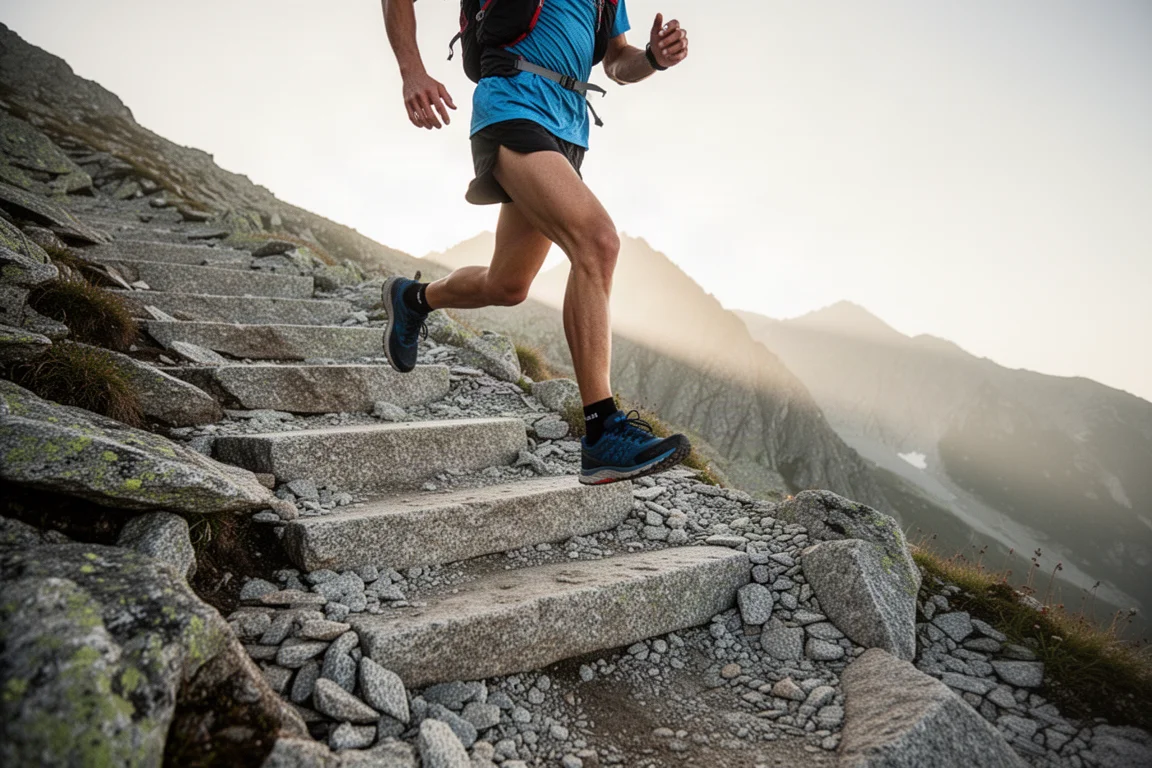
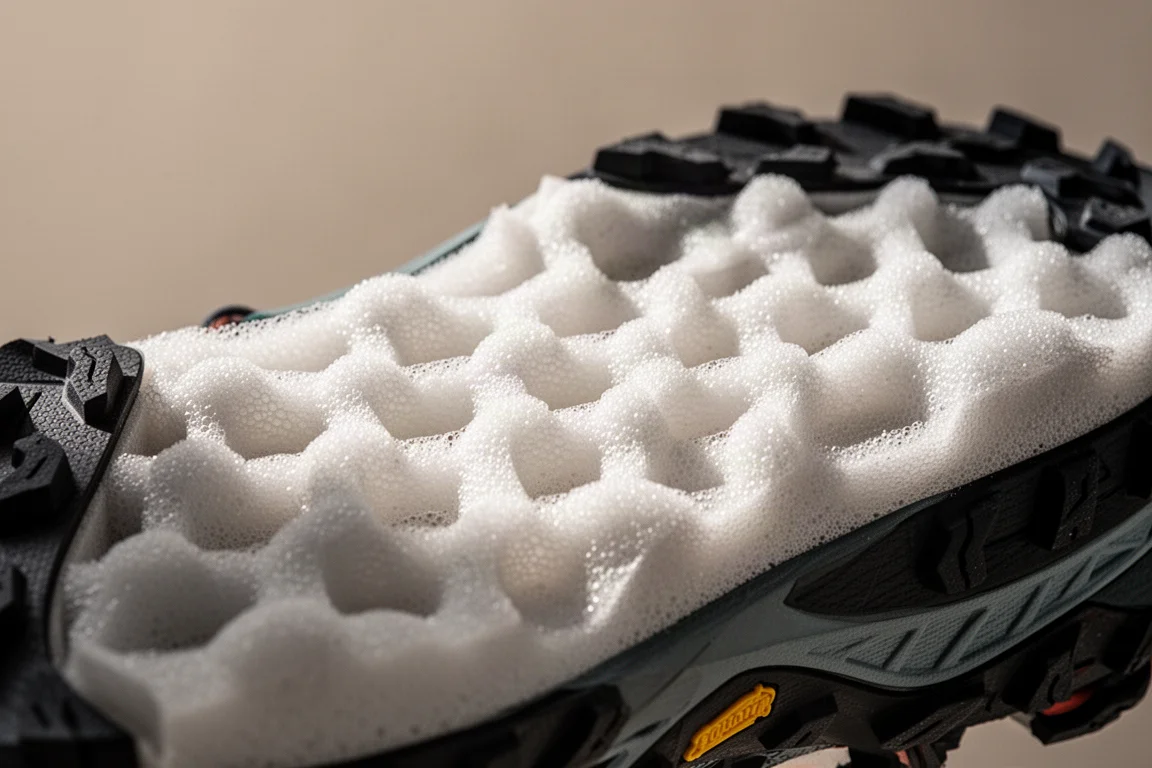
The midsole is the headline. Saucony’s Power Run PB is a polymer-based Pebax foam made of compressed beads that form a visible lattice structure, and the energy return is excellent. Add in the Carbatex carbon fiber plate, built like a fork with an anisotropic design that resists bending when you step on a rock but flexes more in the opposite direction, plus a complementary nylon plate that adds protection, durability, and better weight dispersion at landing, and this is a very complete package. Fit runs true to size, though some testers noted slightly too much room in the toe box and considered going a half size down for big mountain days. Comfort scores 8 out of 10, mostly thanks to the midsole.
Outsole and Grip
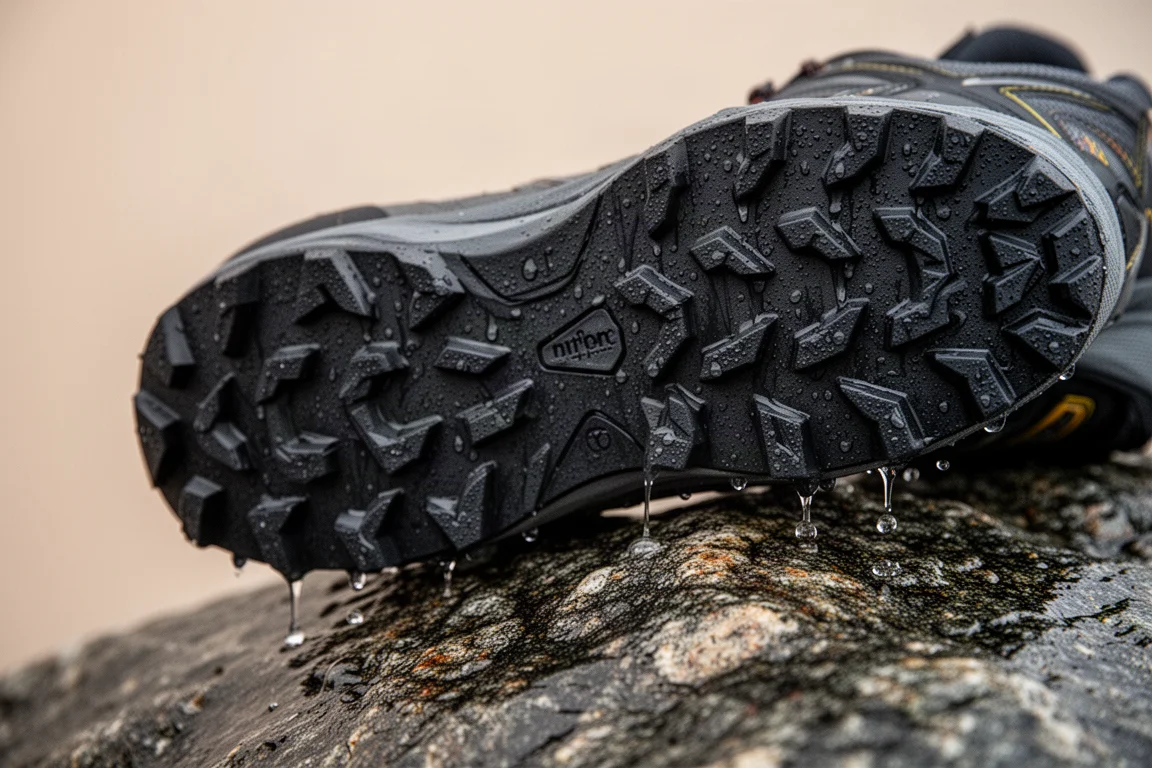
The outsole uses Power Trac rubber with 4mm lugs, described as just the right amount of aggression. It grips confidently in serious conditions, enough that it is ready for Colorado 14ers even after the test miles. Durability is estimated at 400 to 500 miles; the Pebax midsole will break down eventually, but you get outstanding bounce and energy return in exchange. Just note that the grip is arguably too aggressive to call this a commuter-friendly shoe.
Hoka Speedgoat 5
The Speedgoat 5 comes in heavier at 9.7 ounces in the same size, and it absorbs noticeably more water than the Endorphin Edge, gaining well over an ounce when wet. It scores 7.5 out of 10, a rating that nearly climbs higher given what the midsole delivers, but the price and weight hold it back. This is a shoe for forgiving rides when your legs start barking: once you push past the three-and-a-half to four-hour mark in a race, the soft cushioning underfoot becomes a genuine asset. For short, fast trail marathons or half marathons, a leaner shoe would make more sense. The serious stack height is also worth considering if you are prone to rolling ankles.
Which One Should You Buy?
If your focus is long trail racing, the Endorphin Edge is the standout. At 8.3 ounces with a carbon plate and Pebax midsole, it is pitched as a serious contender for 50K, 50-mile, and even 100-mile racing, and it doubles as a comfortable trainer for 20-mile training runs and big mountain days. Around $200 is a lot for a trail shoe, but the amount of technology underfoot justifies it for many runners.
The Speedgoat 5 suits runners who prioritize softness and forgiveness over outright speed, particularly for longer time-on-feet efforts. Alternatives worth considering include the Ultra Glide and the More Trail v2, which comes in heavier at 10.2 ounces but delivers similar soft cushioning.

Conclusion
The Endorphin Edge is one of the more exciting trail shoes to appear in recent seasons, pairing a lightweight build with a carbon plate and an energetic Pebax midsole, and it is a legitimate option for long-distance trail racing. The Speedgoat 5 remains the pick for maximum cushioning on long, slower days. Match the shoe to the terrain, distance, and pace you actually run, and either one can earn its place in your rotation.
Further reading
Related Reviews
Trail Running Shoes
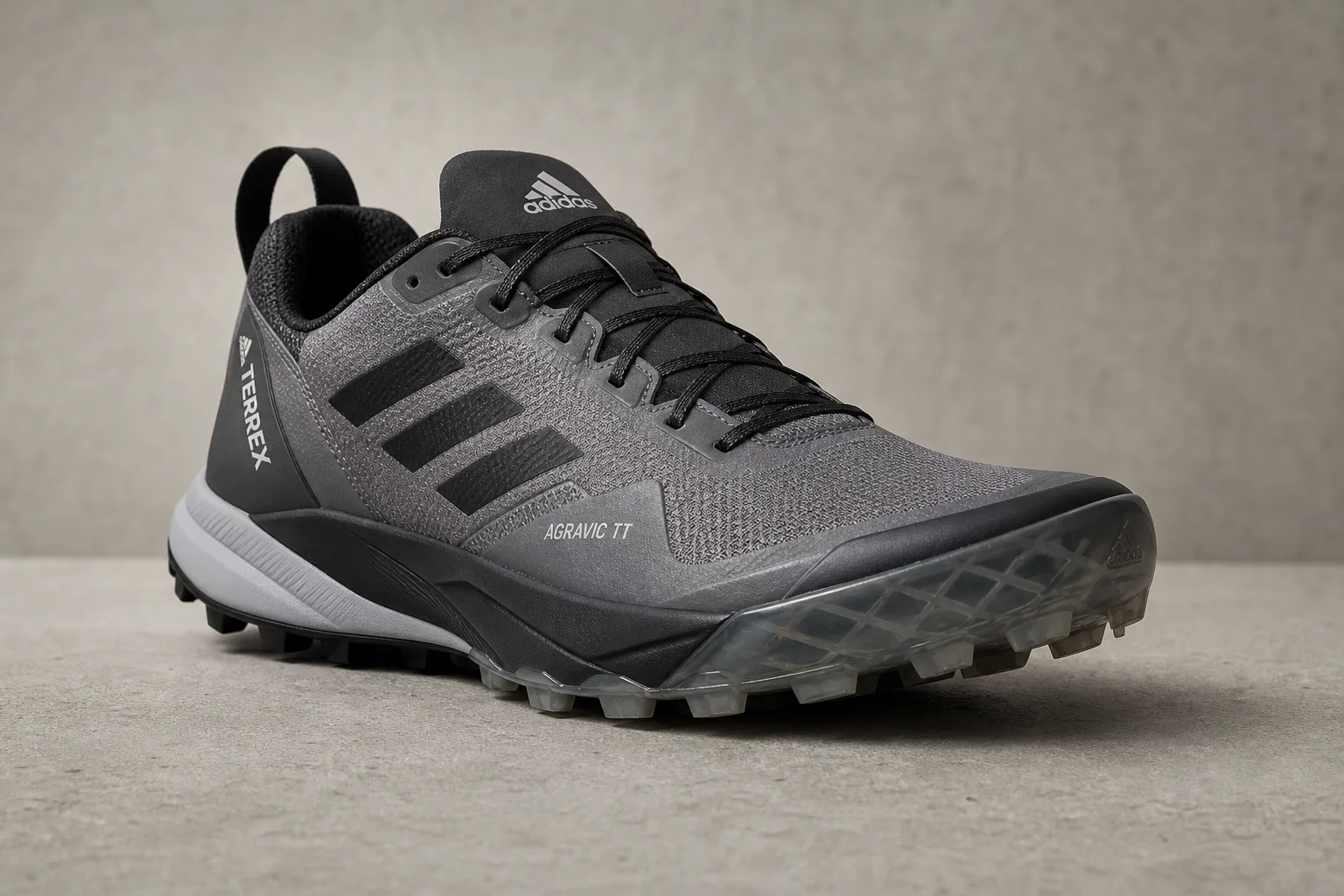
Adidas Terrex Agravic TT Review: A Technical Trail Shoe Built for Rocky Terrain
The Adidas Terrex Agravic TT combines a full-coverage rock plate with a firmer midsole to deliver protection and stability on technical, rocky trails. A capable choice for runners who prioritize underfoot defense over lightweight cushioning.
Trail Running Shoes
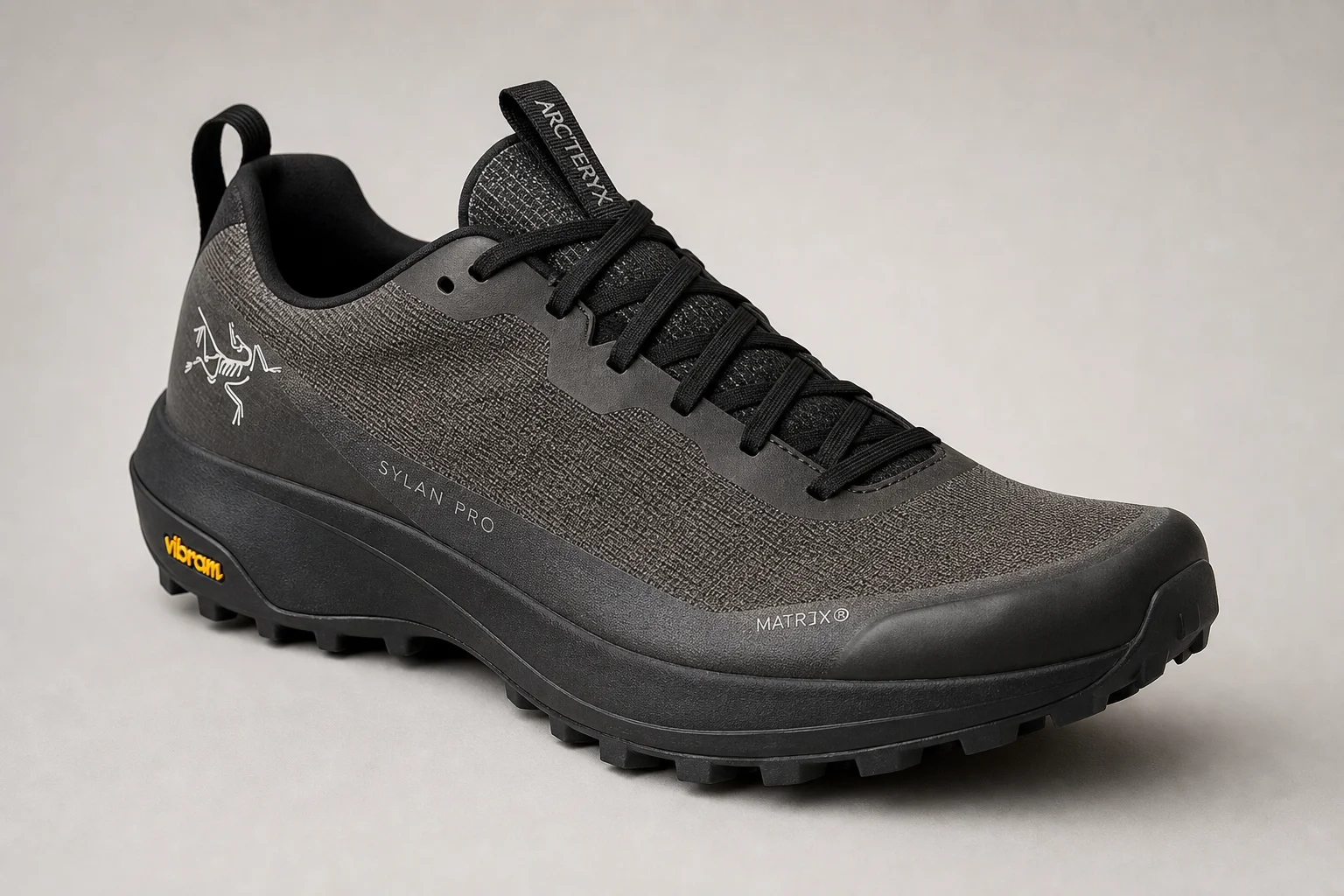
Arc'teryx Sylan Pro Review: A Rocker-Focused Mountain Running Shoe Tested on 20 Miles
The Arc'teryx Sylan Pro brings a pronounced rocker geometry and secure fit to mountain terrain. We tested it on a 20-mile Sawtooth loop to evaluate its climbing efficiency, protection, and handling of technical descents.
Trail Running Shoes
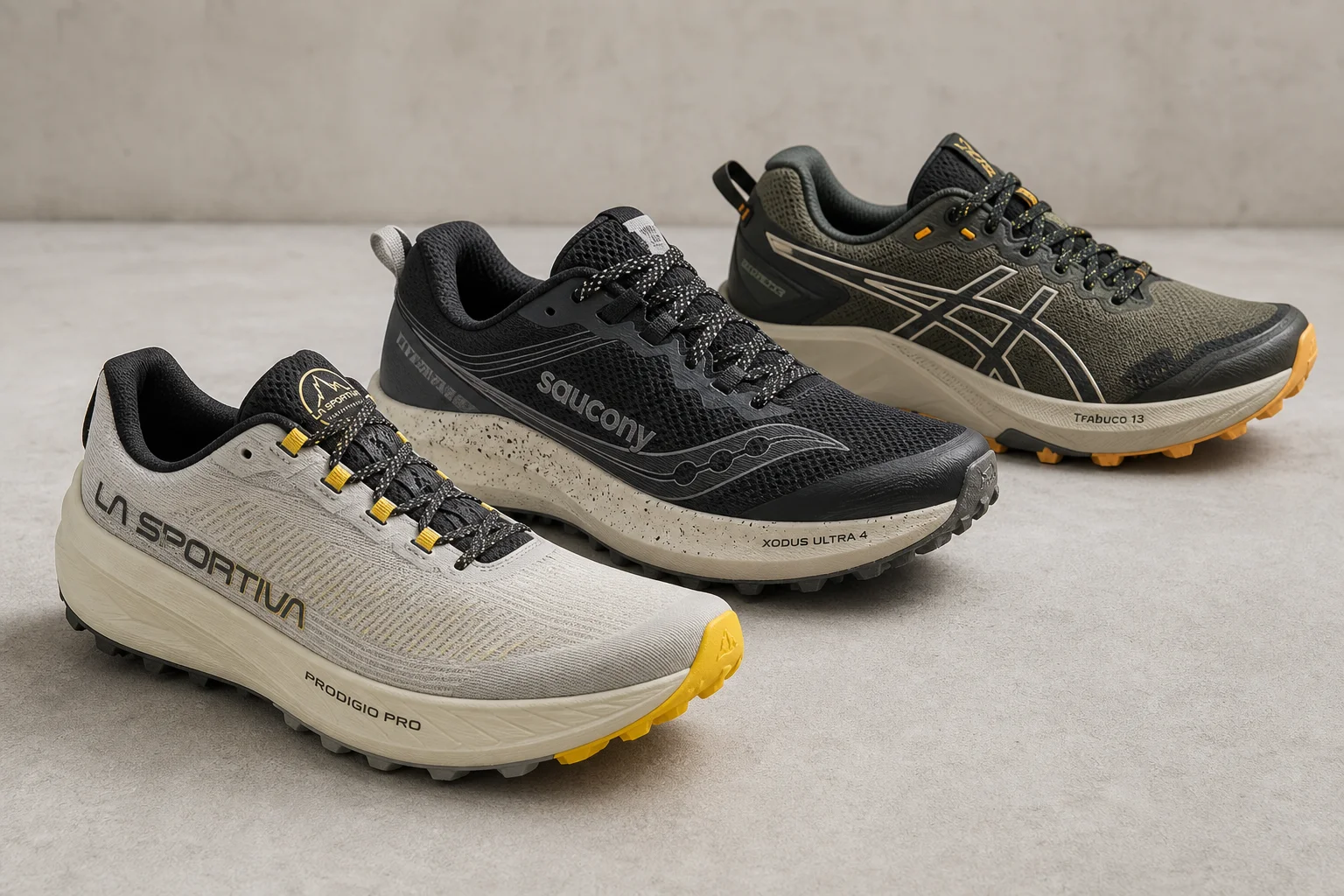
Best All-Mountain Trail Running Shoes: Three Versatile Options for Any Trail
A focused roundup of three all-mountain trail running shoes that handle technical terrain, long distances, and variable conditions with real strengths and practical trade-offs.