Trail Running Shoes
Best Trail Racing Shoes: Hoka Tecton X, Salomon Pulsar and Asics Fuji Lite 2 Compared
Hoka's first carbon-plated trail shoe headlines a trio of race-day-ready trail runners, each with a different take on speed, weight and grip.
Introduction
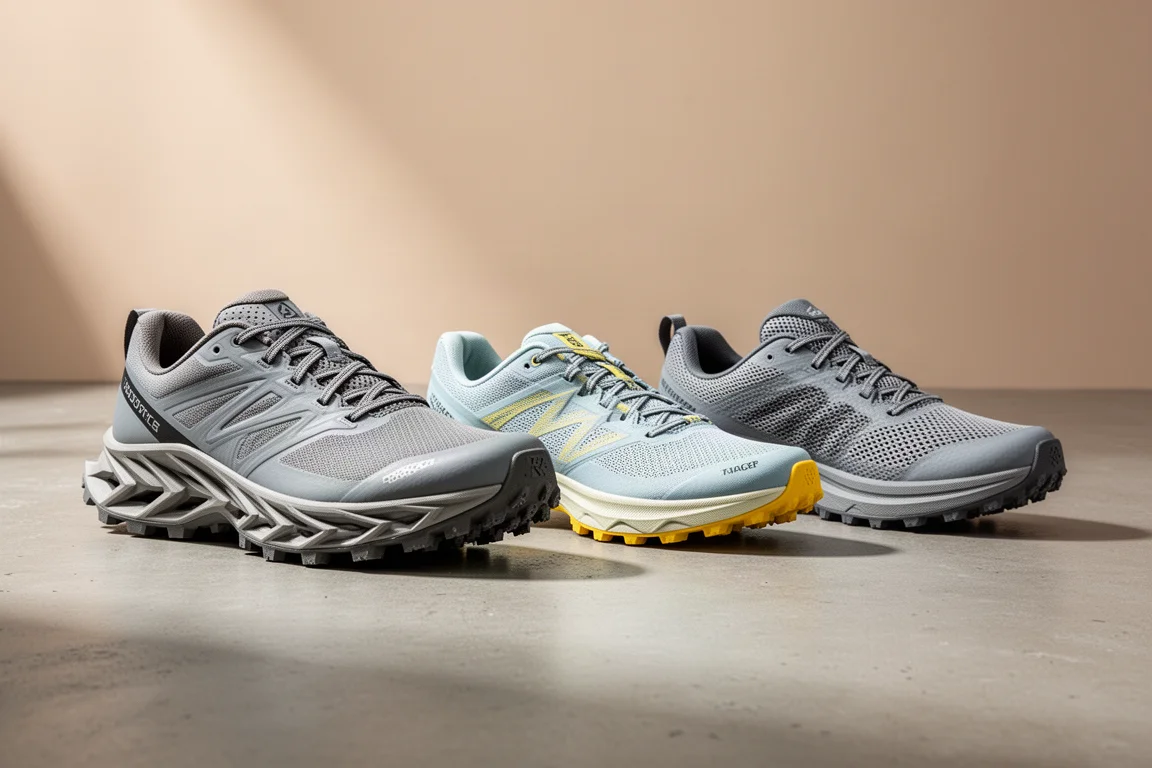
Trail racing shoes keep getting faster, and three names stand out right now for anyone lining up at a race this season: the Hoka Tecton X, the Salomon Pulsar and the Asics Fuji Lite 2. Each takes a different route to speed, and choosing between them comes down to race distance, terrain and how much structure you want underfoot. Here is how they compare.
Hoka Tecton X: Carbon Plates Meet the Trail
The Tecton X is Hoka’s first trail shoe with carbon fiber plates in the midsole, and it does something unusual: instead of one plate, it uses two parallel carbon plates running heel to toe. Hoka calls this a suspension system, and it adds a bit of propulsion while keeping the shoe stable as you pick your way over rocks and roots.
The midsole is a dual-density Pro Fly X setup with a soft top layer over a lighter, more responsive bottom layer. The word that fits the ride best is lively. The outsole is Vibram Mega Grip with Light Base construction, which reduces rubber weight by around 30 percent, a meaningful saving in a racing shoe.
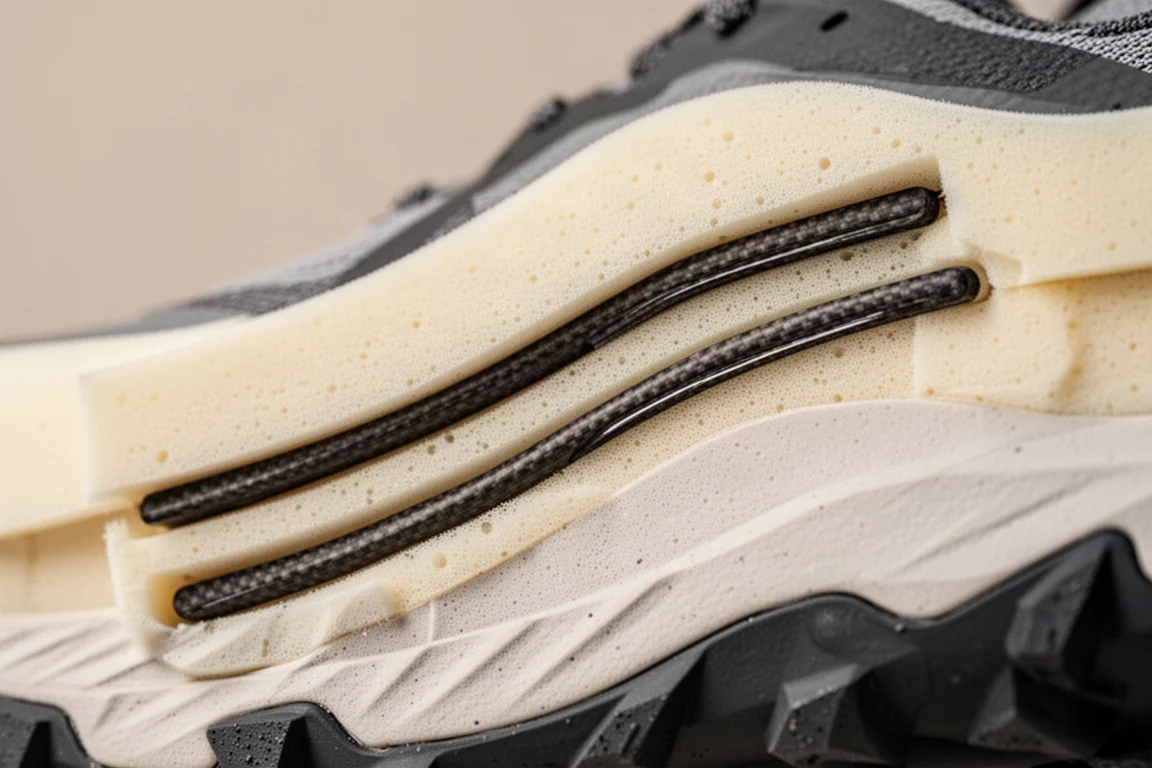
Specs check out at a 4 mm drop, roughly 33 mm in the heel and 29 mm in the forefoot, and about 8.2 oz in a men’s size 9. That is a solid weight for a carbon-plated trail racer, though not featherweight. The jacquard mesh upper is excellent, with a semi-gusseted tongue, a well-sorted collar, heel pocket and heel tab. Lockdown is about as good as it gets. Fit runs true to size with a snug racing profile; wide-footed runners may notice the pinky toe pressing the outer wall. Durability is predicted at around 350 miles.
Who the Tecton X Is Built For
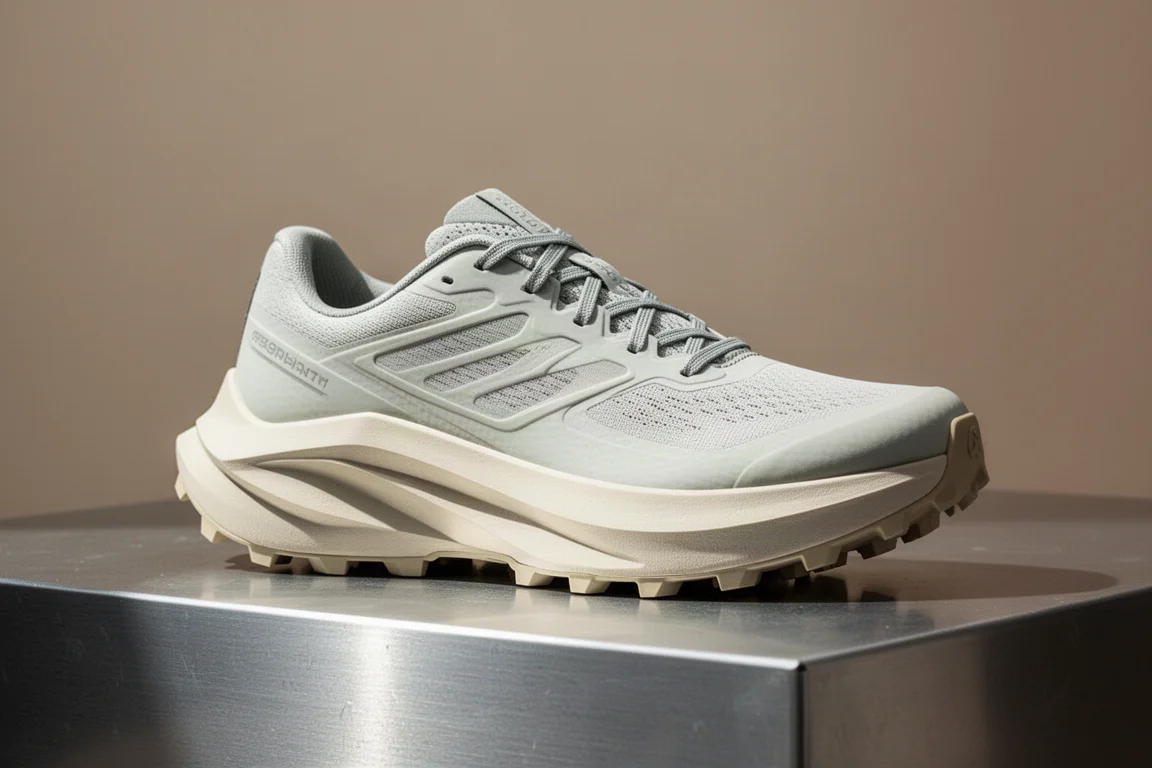
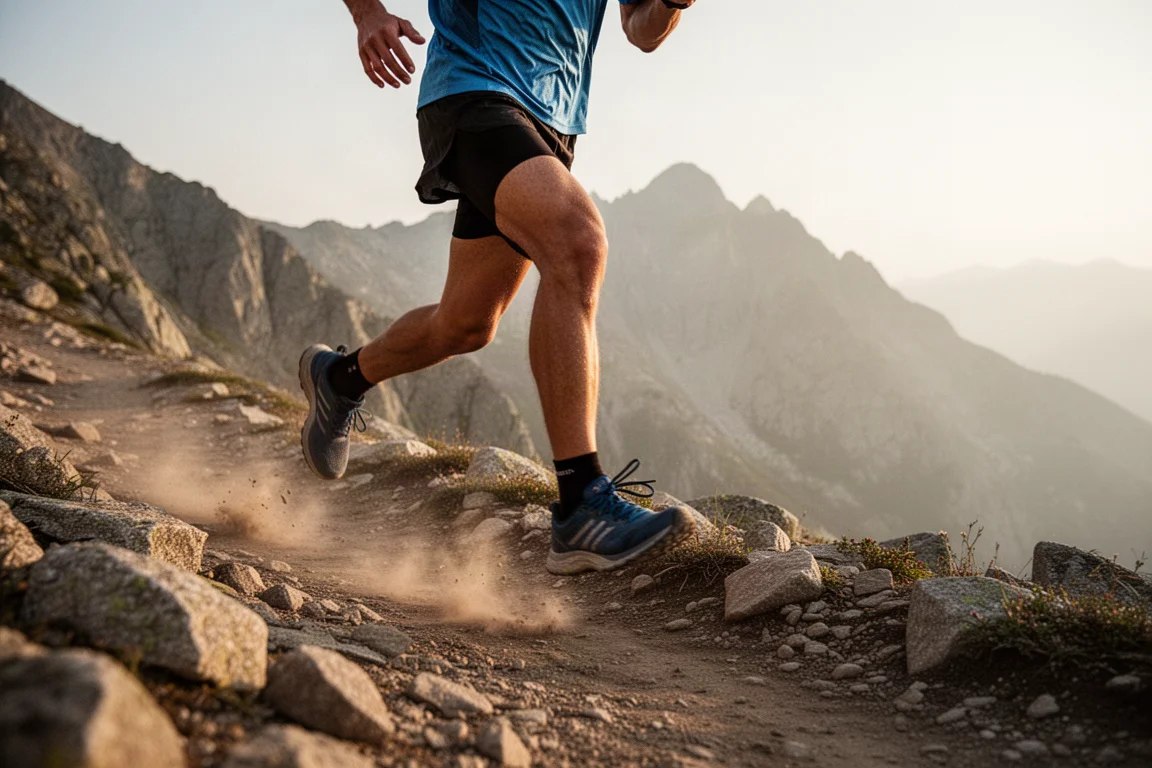
This is a race-day shoe for longer trail distances, best suited to 50K through 50-mile races. It is arguably not quite light enough for a trail marathon for some runners, and it remains to be seen how many athletes will take it to the 100-mile starting line given the leaner midsole.
The main drawback is price: at $200 it sits at the top of the range, though that is in line with what carbon-plated road racing shoes cost. Even so, it is easy to justify as a shoe you would happily buy again.
Salomon Pulsar: Featherweight Race Day Specialist
The Salomon Pulsar takes a completely different approach: strip everything out and go light. At roughly 5.8 to 5.9 oz, it is dramatically lighter than the Tecton X, and that raw speed earned it a standout review score.
The ride is bouncy and responsive rather than plush, which is exactly what you want when every ounce matters over a long mountain race. It has no carbon fiber plates, so it relies purely on low weight and a snappy feel. If your priority is the lightest possible race shoe for technical mountain courses, this is the pick.
Asics Fuji Lite 2: The Everyday Racer
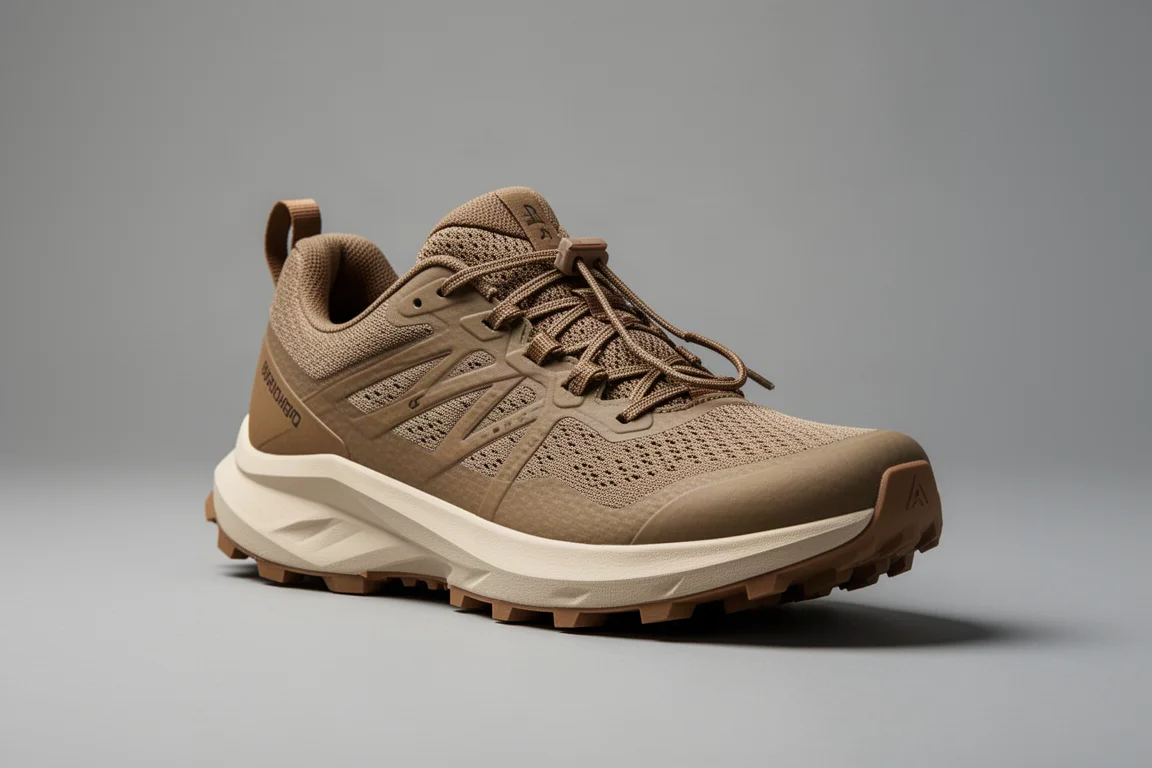
The Asics Fuji Lite 2 sits between the two. At around 8.8 oz it is heavier than the Pulsar but slightly heavier than the Tecton X in a comparable size, and its ride feels surprisingly similar to the Tecton X’s lively character. The difference is that it does it without carbon plates.
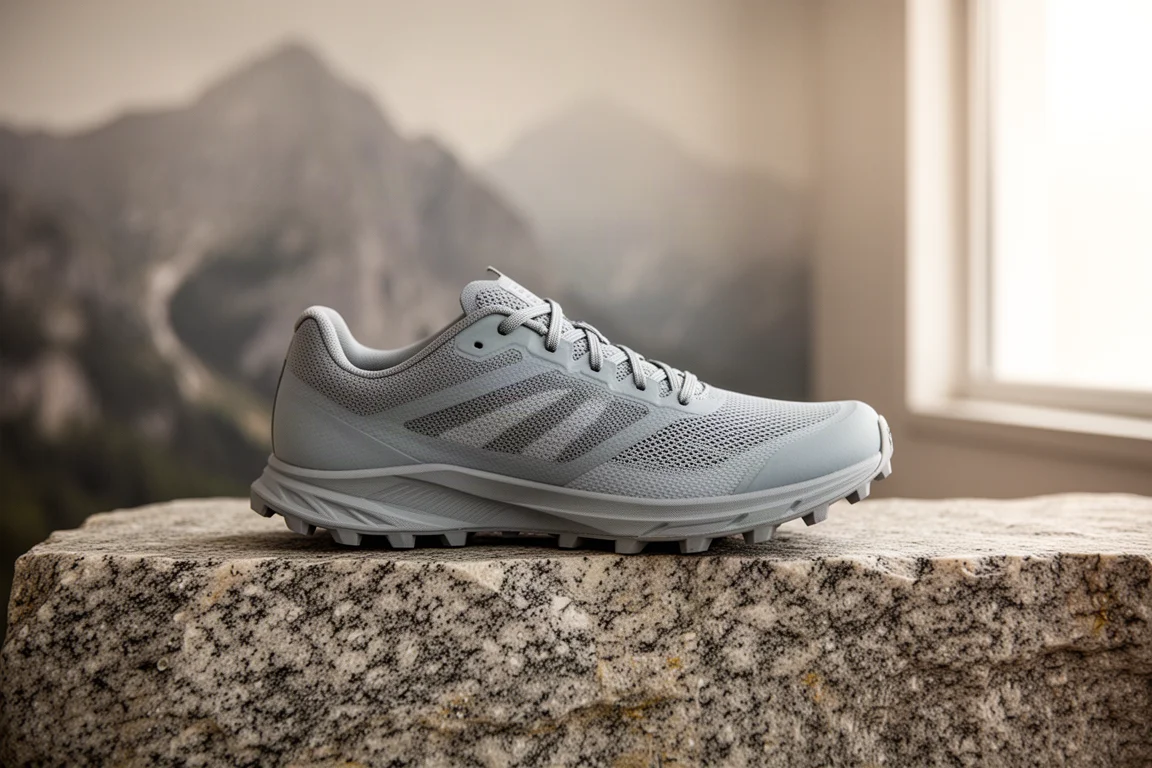
That makes the Fuji Lite 2 a strong choice if you want a fast trail shoe that can double as a daily trainer and still show up on race day. Expect to see it on plenty of starting lines this season.
Choosing the Right Shoe for Your Race Distance
Distance is the simplest way to narrow this down. For long ultras in the 50K to 50-mile range where propulsion and Vibram Mega Grip traction pay off, the Tecton X is the most complete package. For short, steep, technical mountain races where weight dominates everything, the Pulsar is hard to beat. For a versatile shoe that races and trains equally well, the Fuji Lite 2 offers the best balance.
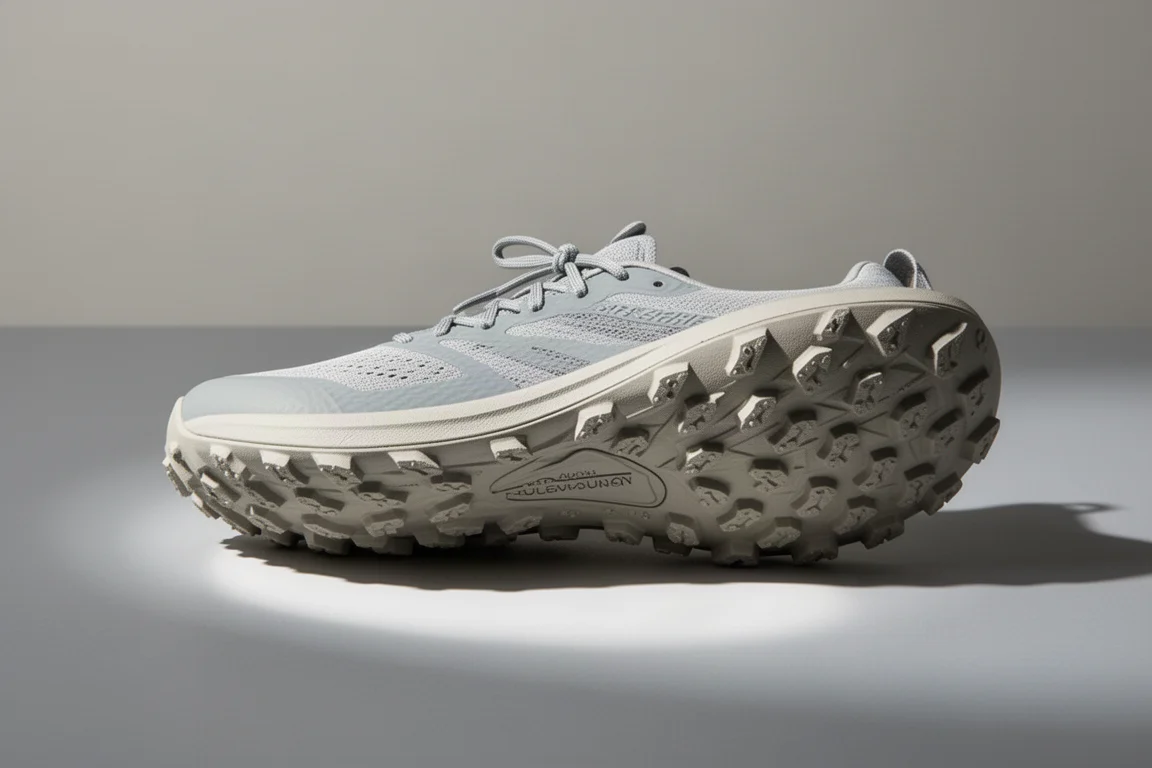
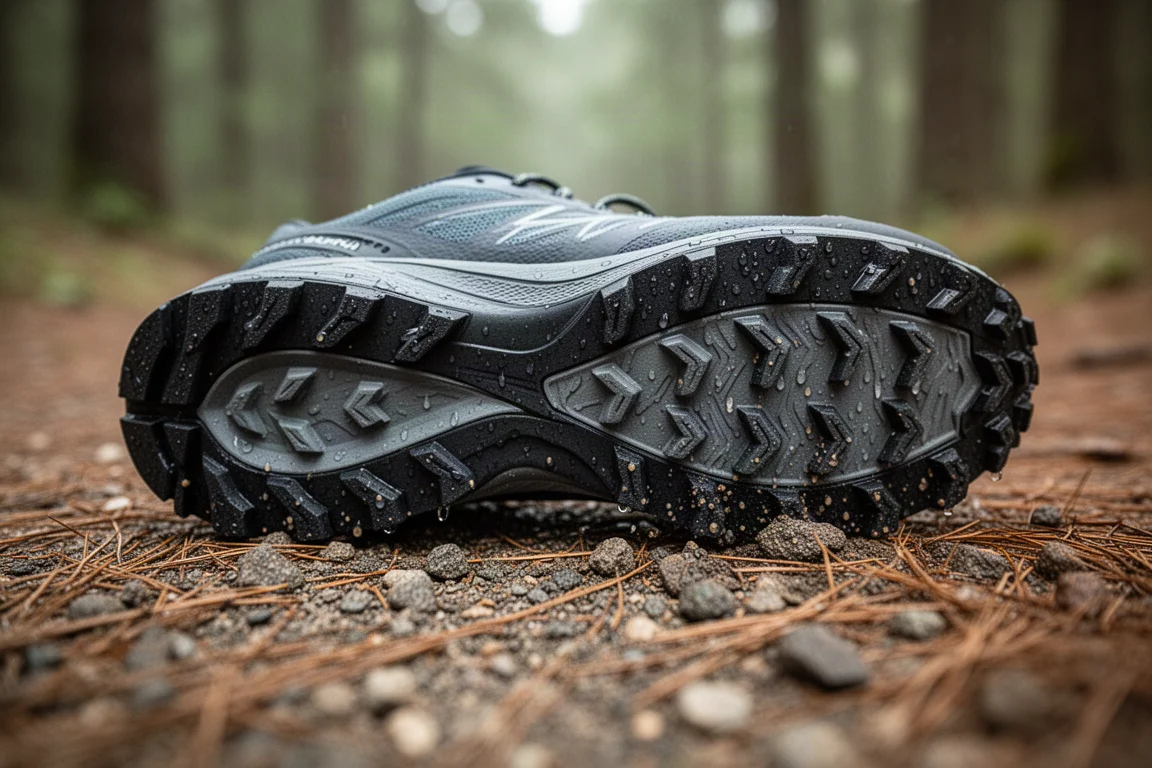
Grip differs too: the Tecton X’s Vibram Mega Grip outsole with the lighter Light Base construction is a genuine highlight, while the Fuji Lite 2 leans on a dependable everyday tread. All three uppers drain reasonably well, though the Tecton X’s toe cap overlay will not keep much mud or water out, which actually suits runners who prefer a shoe that dries and drains quickly once soaked.
Conclusion
The Hoka Tecton X is the most exciting of the three, bringing a genuinely new dual-carbon-plate design to trail racing with an 8-out-of-10-level overall score and a 7.8 final rating that points in exactly the right direction. The Salomon Pulsar remains the weight-saving specialist of the group, and the Asics Fuji Lite 2 is the value-minded all-rounder. Pick based on your race distance, and any of the three will serve you well on the starting line.
Further reading
Related Reviews
Trail Running Shoes
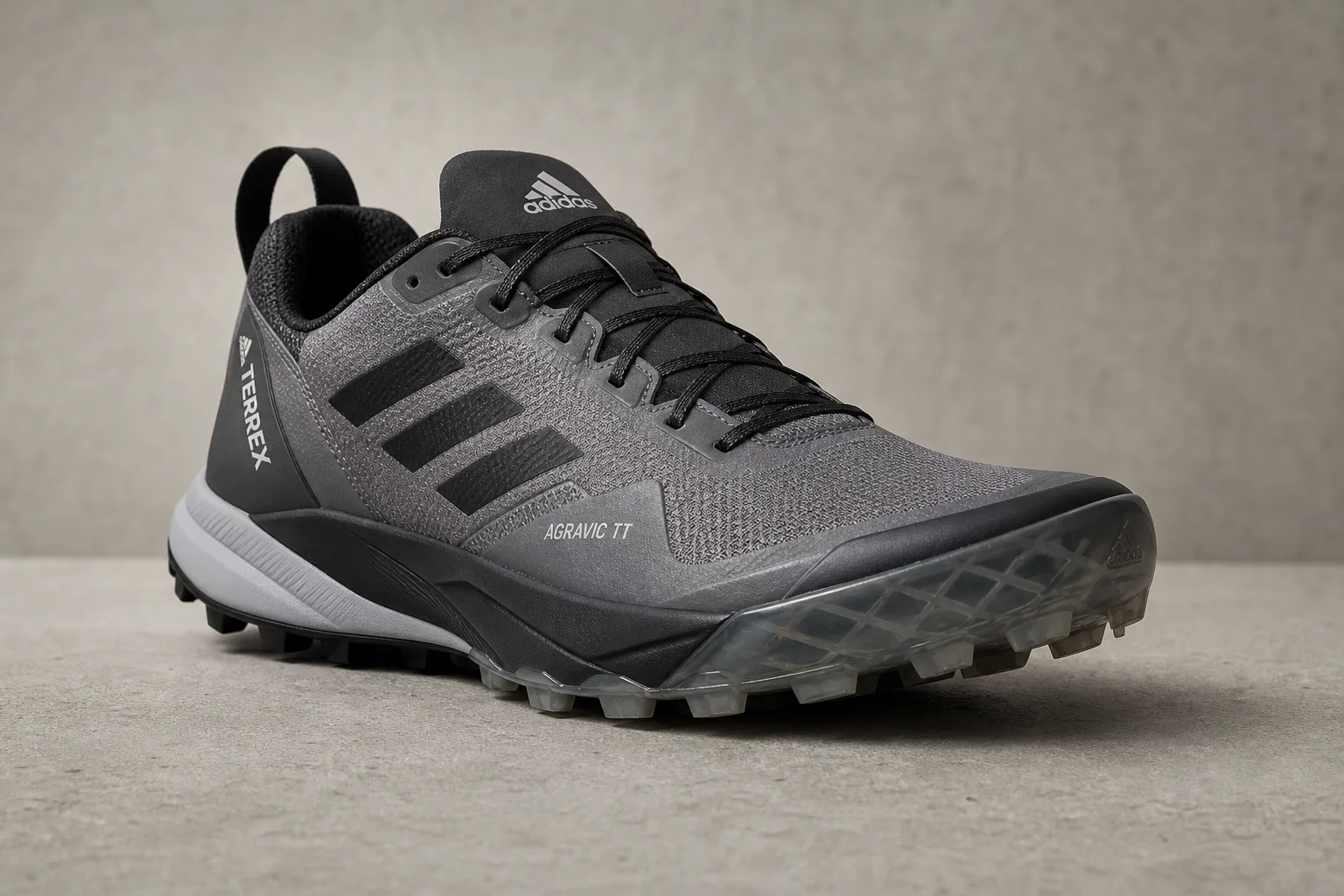
Adidas Terrex Agravic TT Review: A Technical Trail Shoe Built for Rocky Terrain
The Adidas Terrex Agravic TT combines a full-coverage rock plate with a firmer midsole to deliver protection and stability on technical, rocky trails. A capable choice for runners who prioritize underfoot defense over lightweight cushioning.
Trail Running Shoes
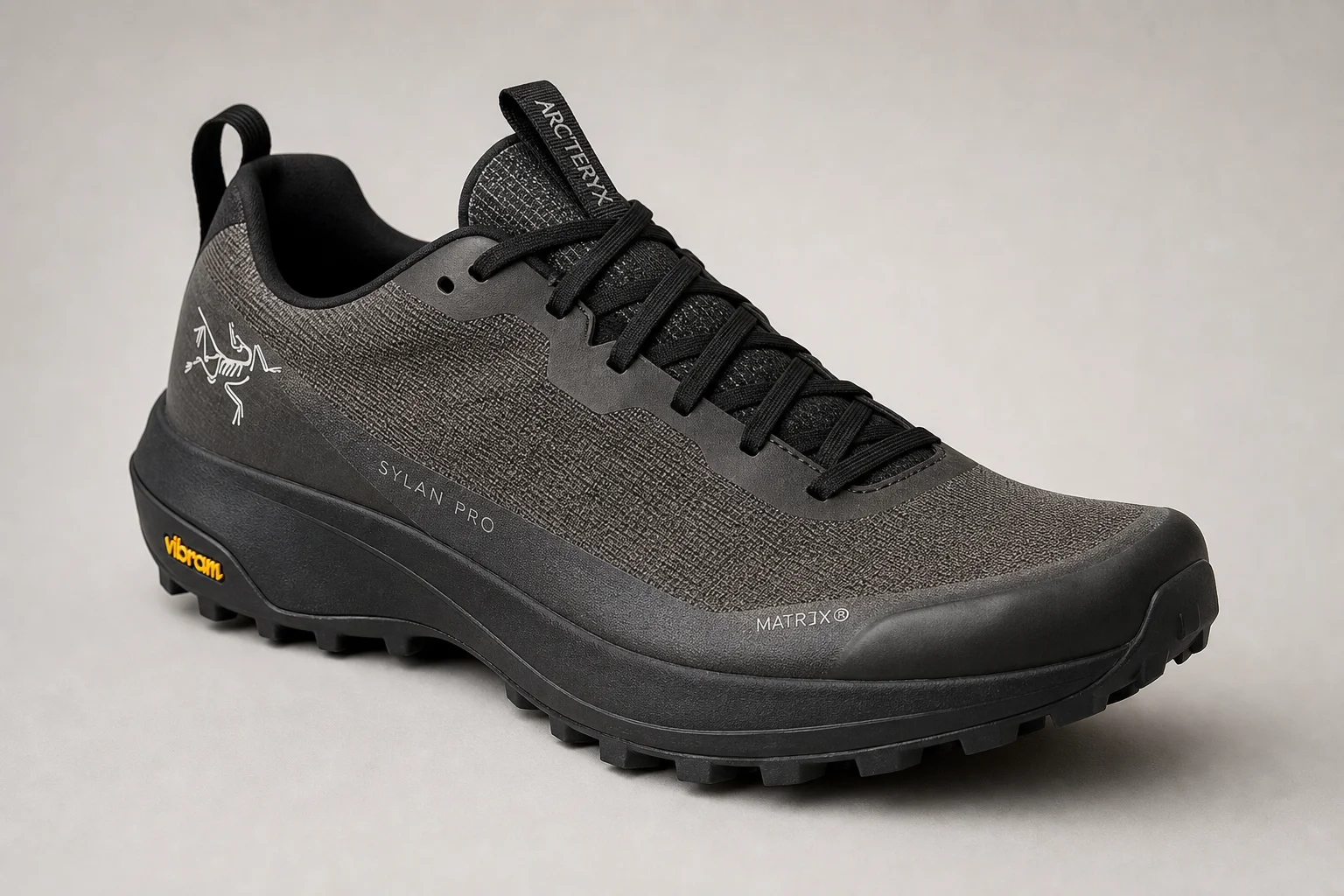
Arc'teryx Sylan Pro Review: A Rocker-Focused Mountain Running Shoe Tested on 20 Miles
The Arc'teryx Sylan Pro brings a pronounced rocker geometry and secure fit to mountain terrain. We tested it on a 20-mile Sawtooth loop to evaluate its climbing efficiency, protection, and handling of technical descents.
Trail Running Shoes
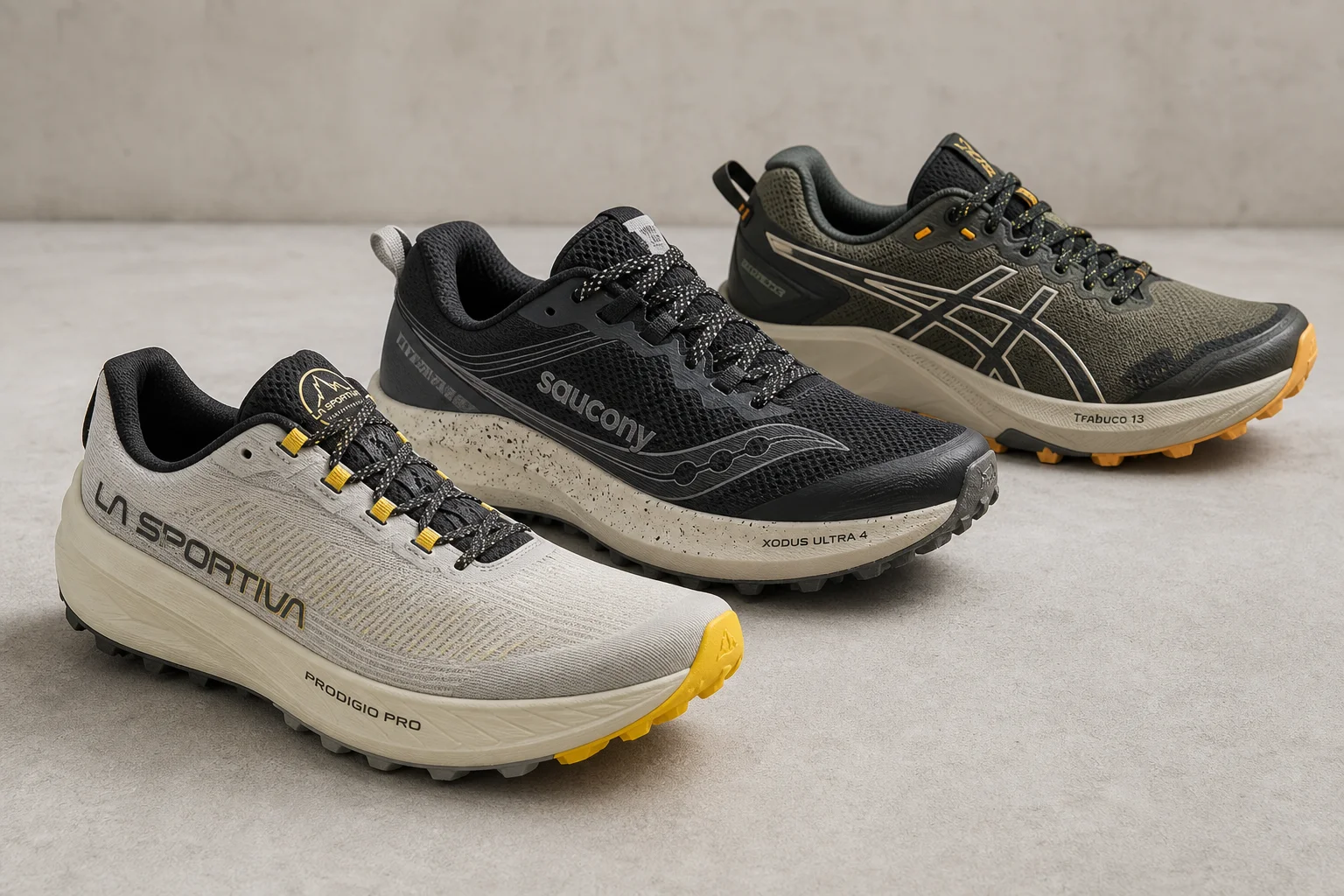
Best All-Mountain Trail Running Shoes: Three Versatile Options for Any Trail
A focused roundup of three all-mountain trail running shoes that handle technical terrain, long distances, and variable conditions with real strengths and practical trade-offs.