Trail Running Shoes
Best Trail Racing Shoes: How the Hoka Tecton X Stacks Up Against the Competition
We weigh the Hoka Tecton X against six popular trail running shoes, from the ultra-light Salomon Pulsar to the cushioned Salomon Ultra Glide, to see where each fits.
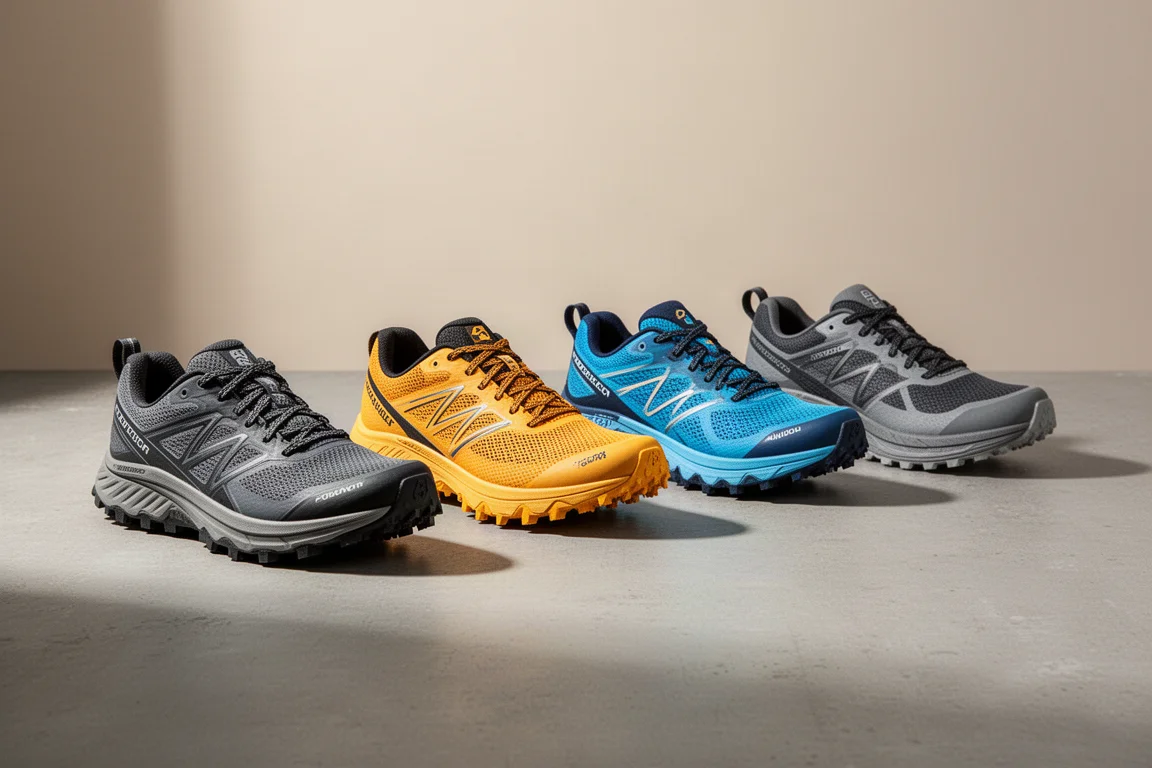
Introduction
The 2022 trail racing lineup started rolling out with one headline shoe: the Hoka Tecton X, the brand’s first carbon fiber plate trail running shoe. It arrives with two parallel plates sandwiched between the midsole foams and a Vibram outsole, and it lands at a surprisingly light 8.1 ounces in a true-to-size pair.
To see where it fits, it helps to line it up against the shoes many trail runners already race in. That includes the Salomon Pulsar at just 5.9 ounces, the Inov-8 X-Talon G210 at 6.6 ounces, the Salomon Ultra Glide at 9.2 ounces, The North Face Flight Vectiv at 9.1 ounces, and the Hoka EVO Speedgoat at 8.5 ounces.

All weights below are for the same size range and all shoes fit true to size in testing, so the comparison is straightforward.
Hoka Tecton X
The Tecton X is Hoka’s first carbon plate trail shoe, and the plate setup is genuinely different from most road racers: two plates running parallel side by side, layered between the midsole foams. Out on the trail, the one word that kept coming to mind was lively. The shoe felt quick and energetic underfoot, and the wider landing area meant the carbon plates never felt unstable on uneven ground.
The Vibram outsole deserves real praise. It is not the most aggressive lug design out there, but the light lug-based construction is very well designed and handled dry trail confidently. The upper is excellent as well, in the same league as Hoka’s best road uppers, and the 8.1 ounce weight makes it lighter than the EVO Speedgoat.
The open question is distance. At roughly two ounces heavier than the Salomon Pulsar, it raises the question of whether this shoe is aimed at 50K, 50 mile, or even 100 mile racing. There may not be enough midsole cushion and protection for a very aggressive 100 miler with serious vertical gain, so runners should think carefully about their target distance.
Salomon Pulsar
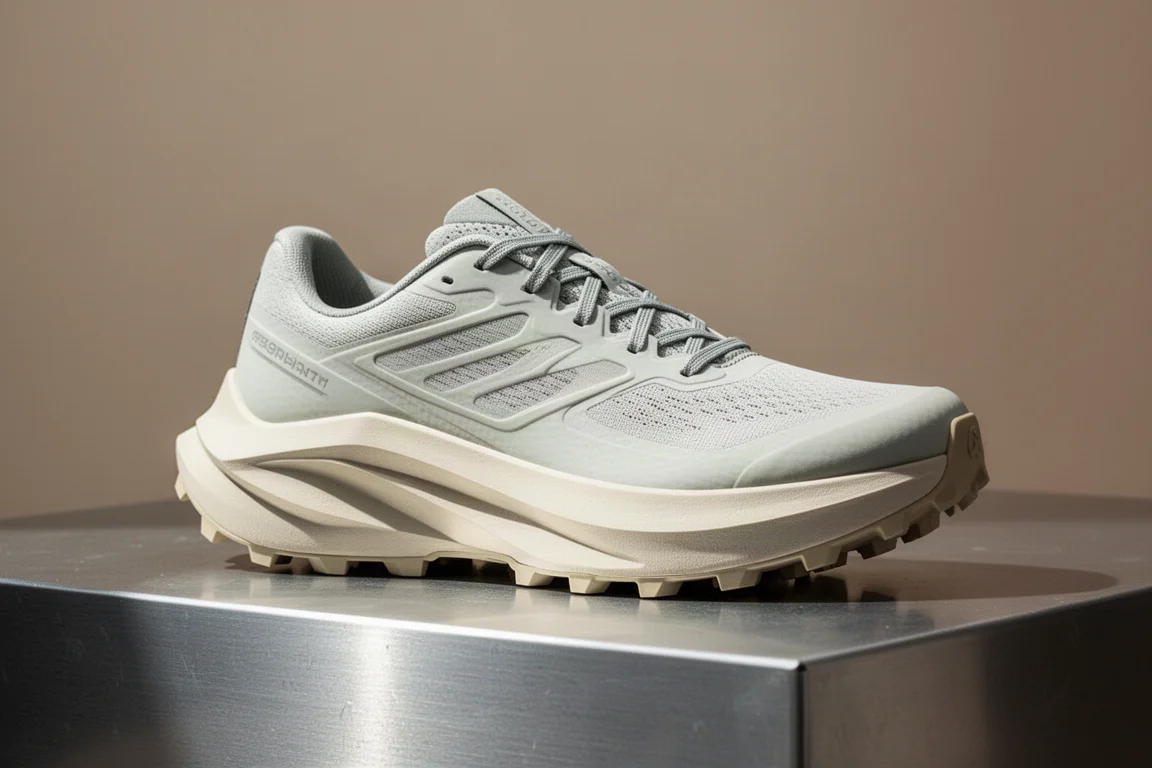
The Salomon Pulsar is the shoe that won at the Pikes Peak Marathon, and the reason it was chosen is obvious once it is on the scale: 5.9 ounces. That is more than two ounces lighter than the Tecton X, and it shows on climbs and fast descents.
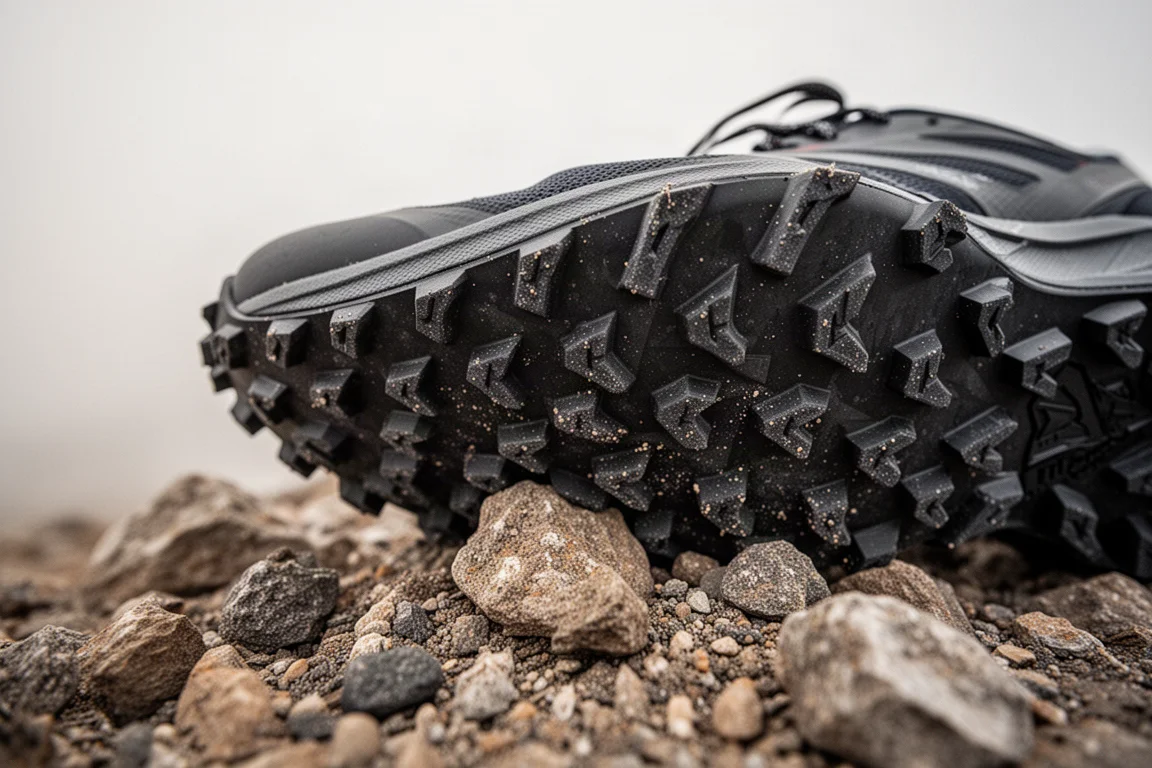
Beyond the weight, the energy return through the midsole is outstanding. If Salomon updates this shoe for 2022, it will be one of the most interesting releases of the year. For racing on technical mountain courses, this is a proven option.
Inov-8 X-Talon G210
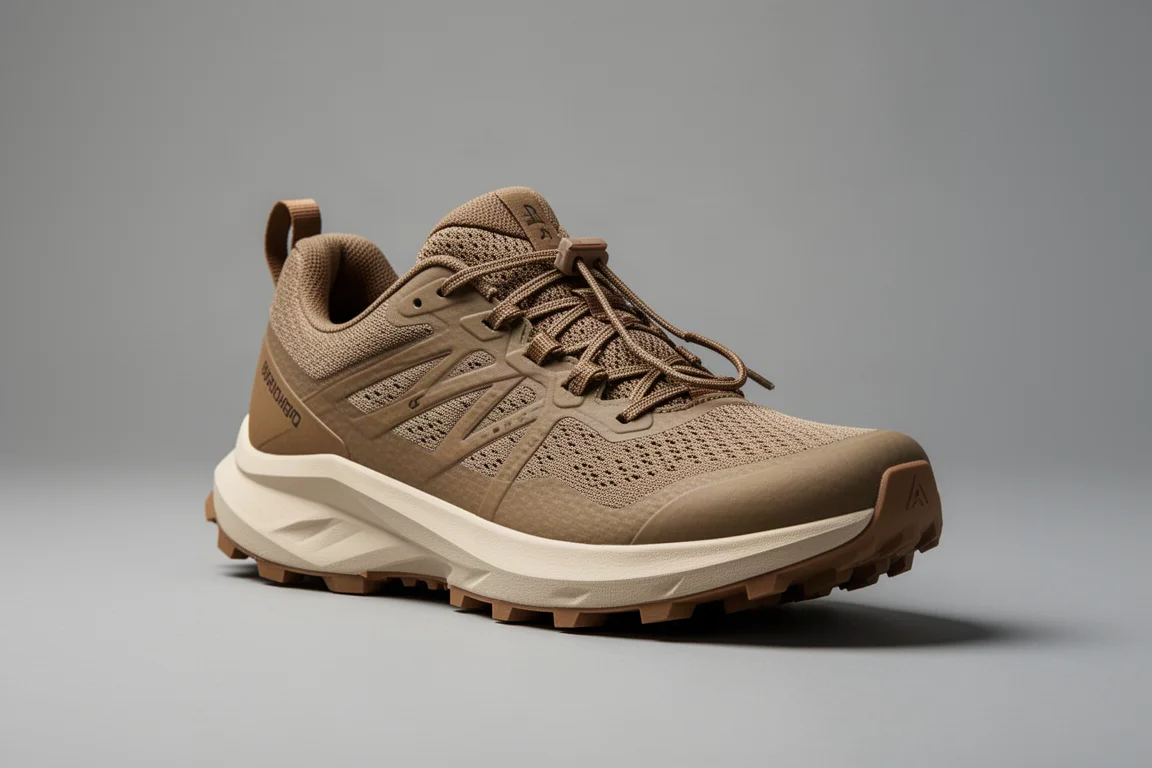
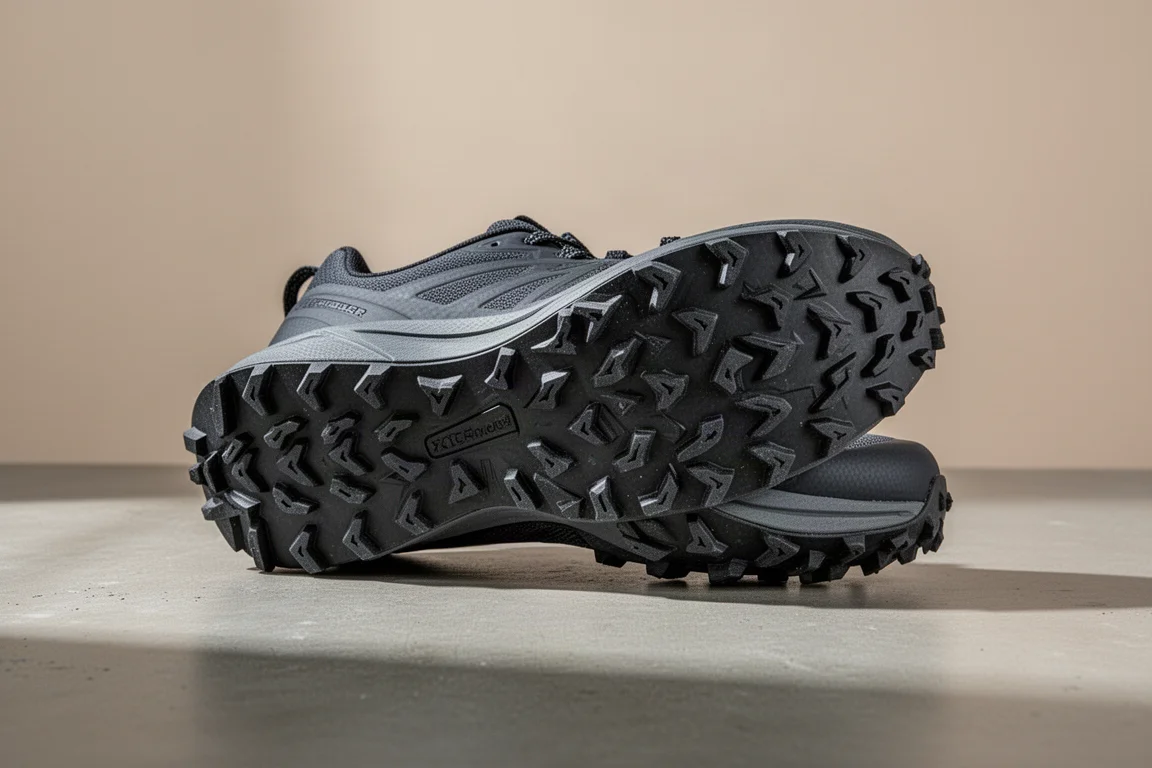
The Inov-8 X-Talon G210 is a 2020 shoe, but it still earns a place in any grip-first trail racing discussion. At 6.6 ounces, it sits between the Pulsar and the heavier cushioned options, and its biggest selling point is the outsole.
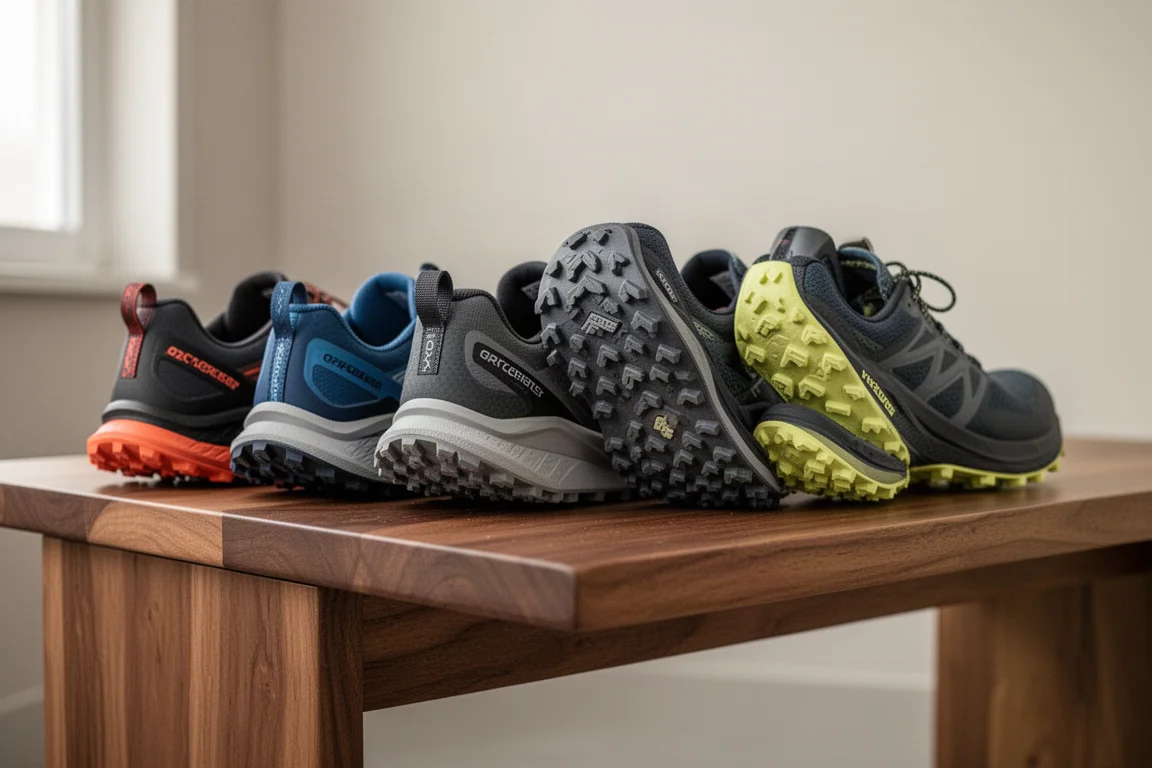
On a course like the Pikes Peak Marathon, where the trail gets loose and gritty toward the top with pebbles that make traction tricky, this shoe delivered grip in a big way. Runners who prioritize traction over cushion will find a lot to like here.
Salomon Ultra Glide and The North Face Flight Vectiv
These two shoes are effectively twins on the scale. The Salomon Ultra Glide, a very popular everyday trail trainer, comes in at 9.2 ounces, while The North Face Flight Vectiv hits 9.1 ounces, which is better than expected for a carbon plate shoe.
The Flight Vectiv is arguably the first carbon fiber plate trail racing shoe to hit the market in a long time, so it shares the Tecton X’s experimental spirit. The Ultra Glide, by contrast, leans toward comfort and versatility rather than pure racing weight. Runners deciding between them are really choosing between cushioned mileage and plated speed.
Hoka EVO Speedgoat
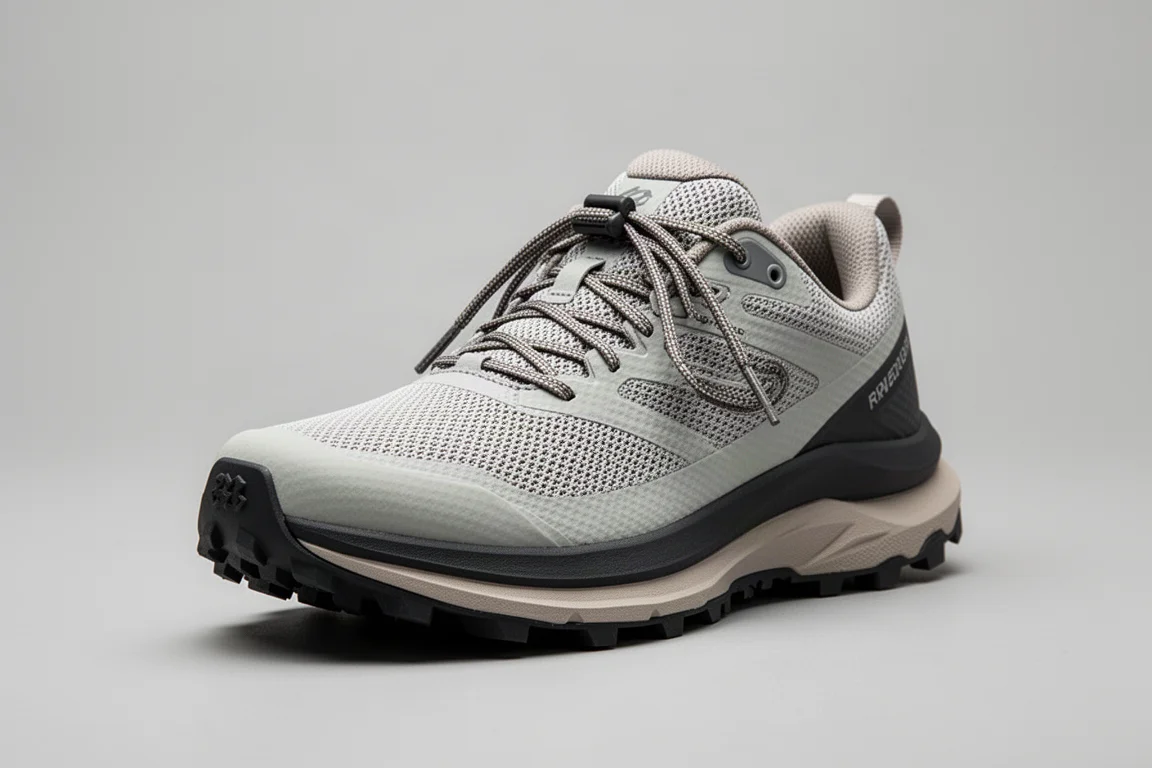
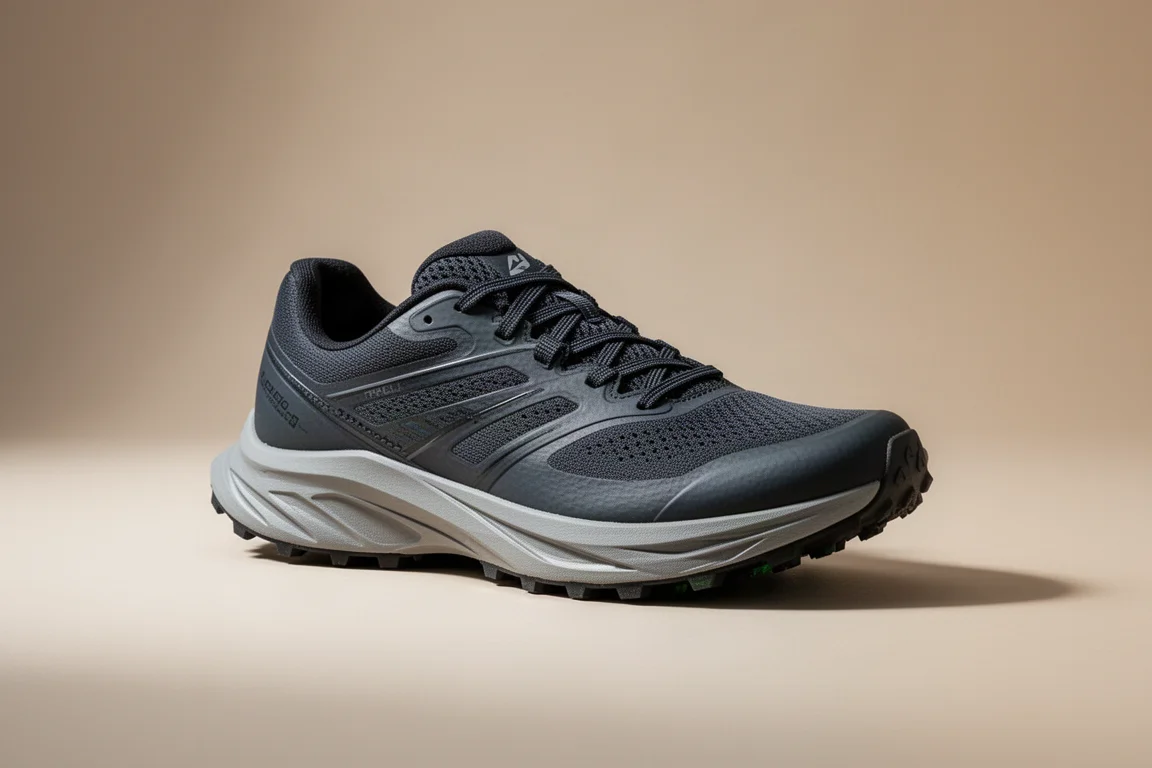
The EVO Speedgoat weighs 8.5 ounces, so the Tecton X comes in about 0.4 ounces lighter while carrying carbon plates. But the EVO Speedgoat has its own strengths: the upper, with Kevlar interwoven into the matrix construction, is among Hoka’s very best, right up there with the Mach 4.
The sad news is that the EVO Speedgoat appears to be on pause or possibly discontinued in favor of the Speedgoat 5, which is disappointing for anyone hoping for an EVO Speedgoat 2. For very long, aggressive mountain races like a 100 miler with big vertical gain, this would still be the preferred pick over the Tecton X, thanks to its extra cushion and midsole protection.

Buying Advice
If you want the fastest possible race shoe for a mountain course, the Salomon Pulsar is hard to beat at 5.9 ounces. If grip is your priority, the Inov-8 X-Talon G210 remains a standout. If you want to try carbon plate technology on the trail with more stability, the Hoka Tecton X felt lively and secure, but consider whether your race distance suits its cushioning. For long, demanding ultras, the Hoka EVO Speedgoat still makes the most sense, and if you grab it, do so before it potentially disappears from the lineup.
Conclusion
The Hoka Tecton X is an exciting and genuinely lively first carbon plate trail shoe with a well-designed Vibram outsole and a top-tier upper, but it faces stiff competition. The Pulsar wins on pure weight and energy return, the X-Talon G210 wins on grip, the Flight Vectiv offers an alternative plated option, and the EVO Speedgoat remains the safest bet for big mountain ultras. Matching the shoe to your race distance and terrain is what matters most.
Further reading
Related Reviews
Trail Running Shoes
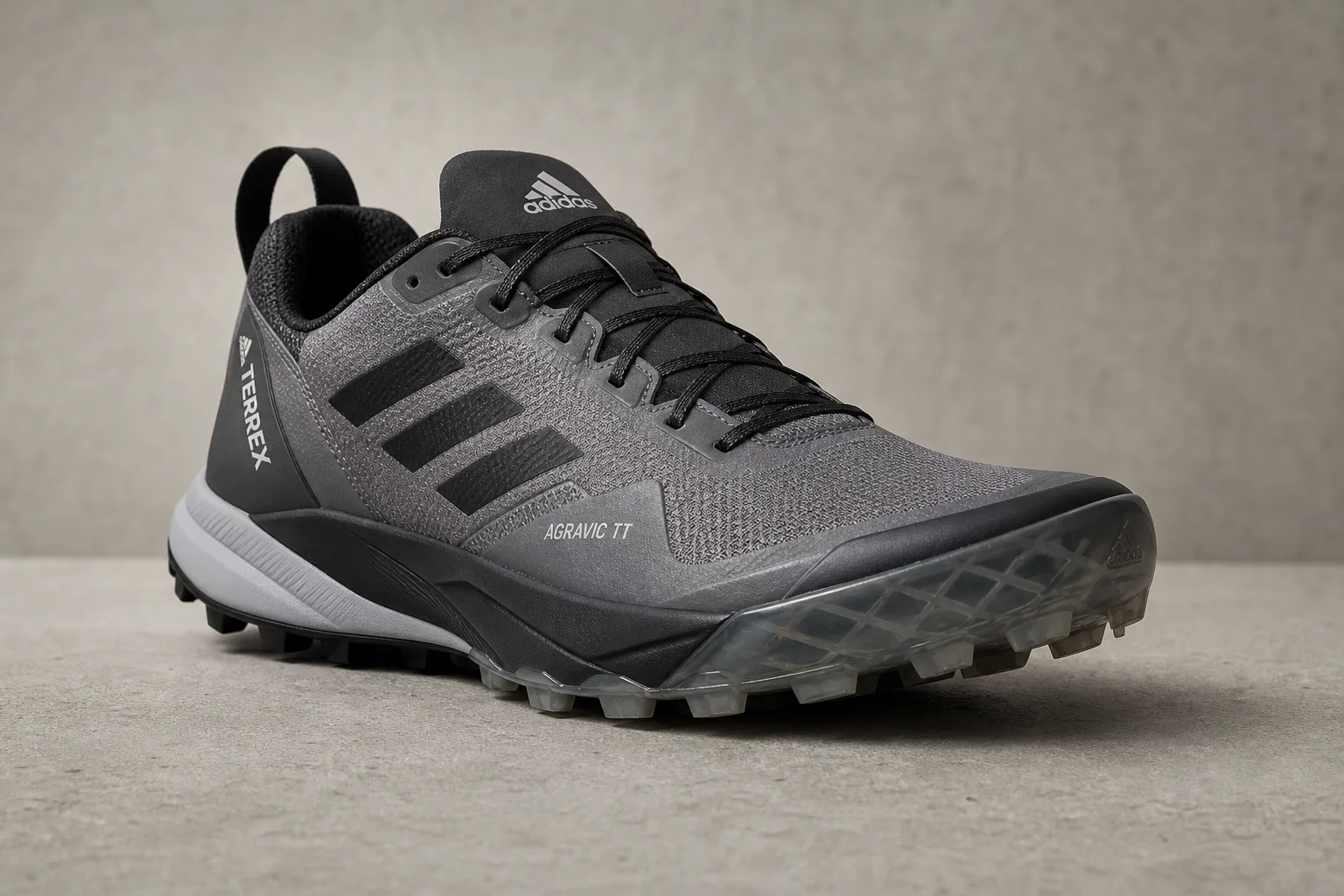
Adidas Terrex Agravic TT Review: A Technical Trail Shoe Built for Rocky Terrain
The Adidas Terrex Agravic TT combines a full-coverage rock plate with a firmer midsole to deliver protection and stability on technical, rocky trails. A capable choice for runners who prioritize underfoot defense over lightweight cushioning.
Trail Running Shoes
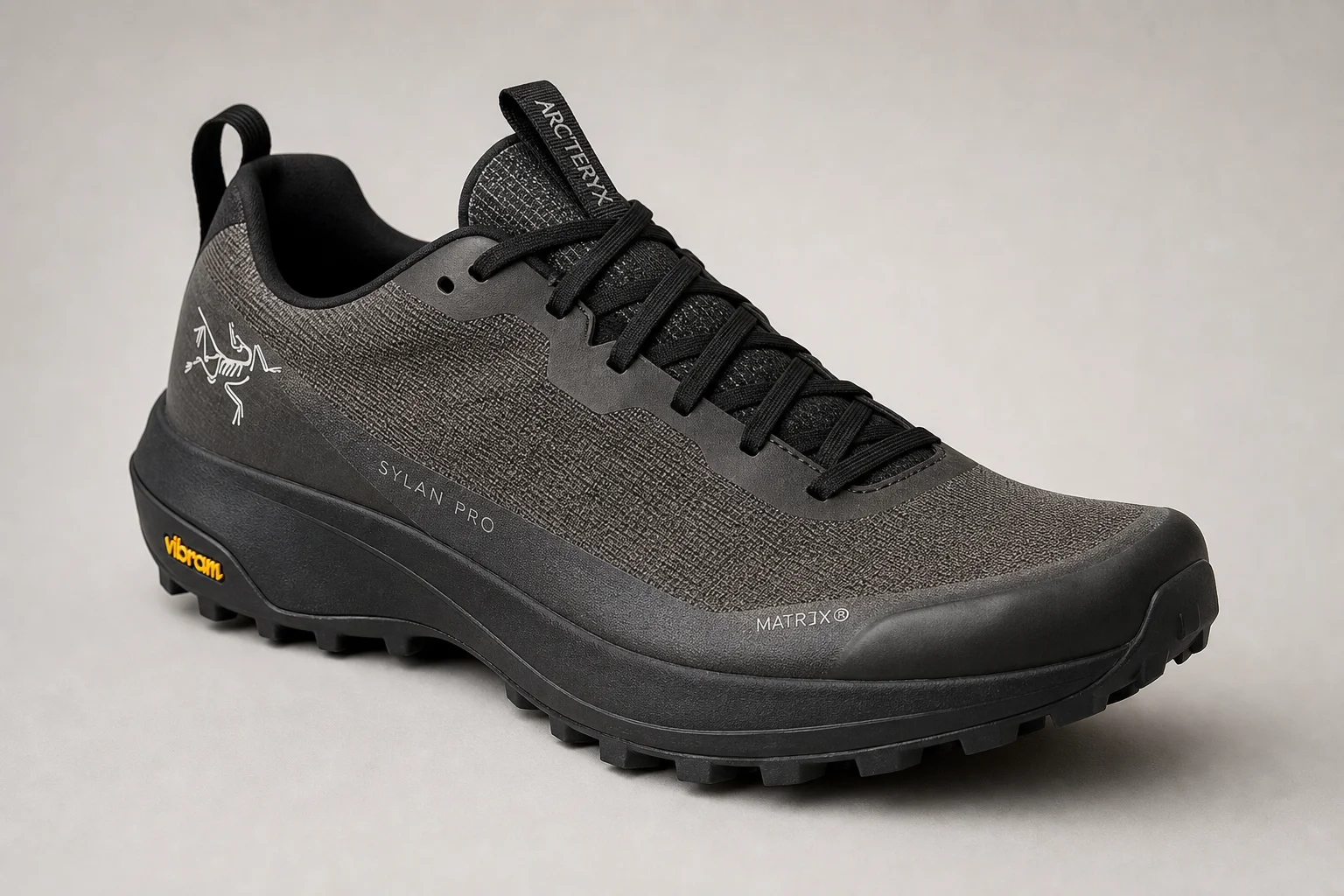
Arc'teryx Sylan Pro Review: A Rocker-Focused Mountain Running Shoe Tested on 20 Miles
The Arc'teryx Sylan Pro brings a pronounced rocker geometry and secure fit to mountain terrain. We tested it on a 20-mile Sawtooth loop to evaluate its climbing efficiency, protection, and handling of technical descents.
Trail Running Shoes
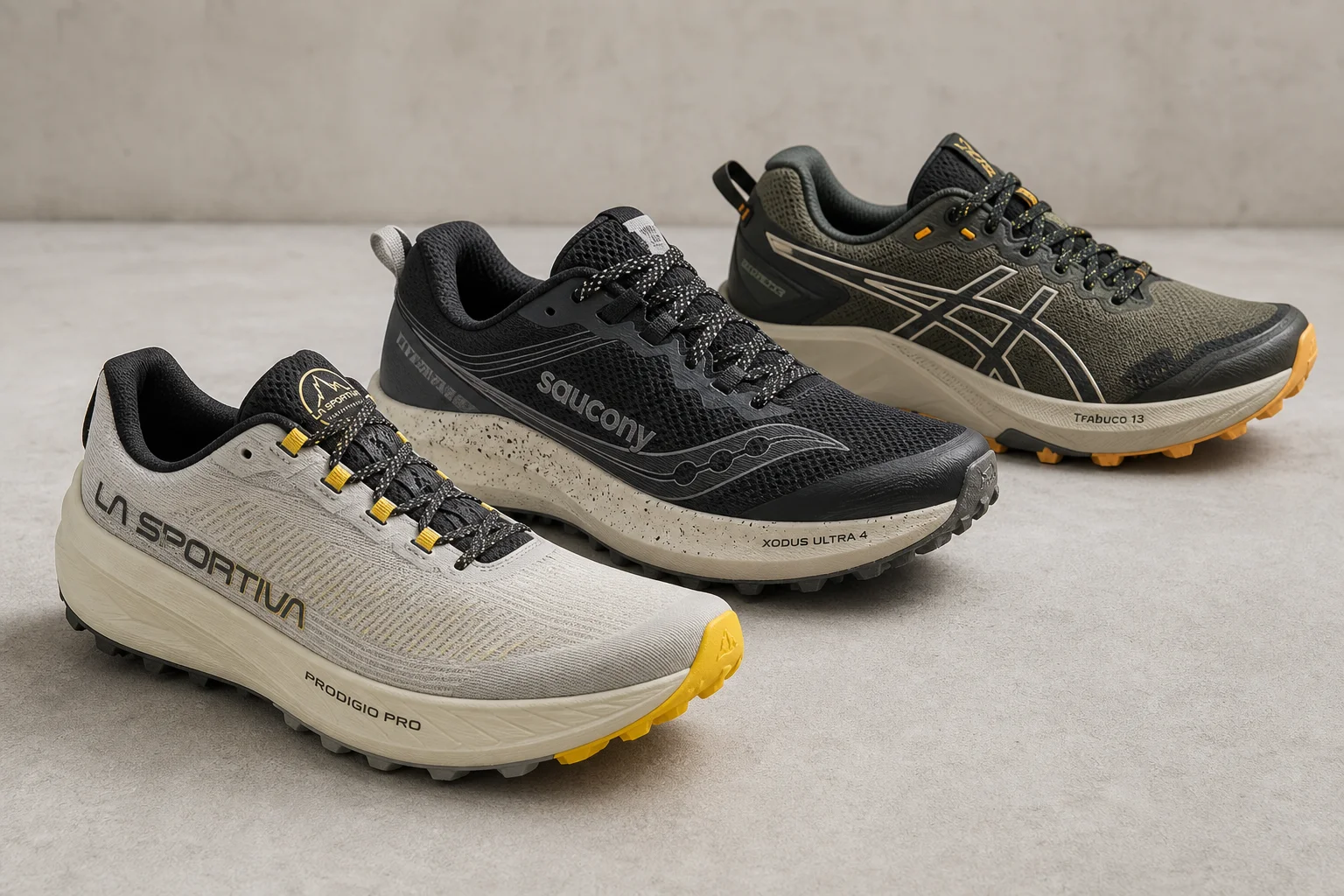
Best All-Mountain Trail Running Shoes: Three Versatile Options for Any Trail
A focused roundup of three all-mountain trail running shoes that handle technical terrain, long distances, and variable conditions with real strengths and practical trade-offs.