Trail Running
Best Trail Racing Shoes 2026: 16 Race Day Options Sorted by Terrain
From steep vertical kilometer courses to hundred-mile ultras, here is how today's trail racing shoes break down by terrain, duration, and fit.
Introduction
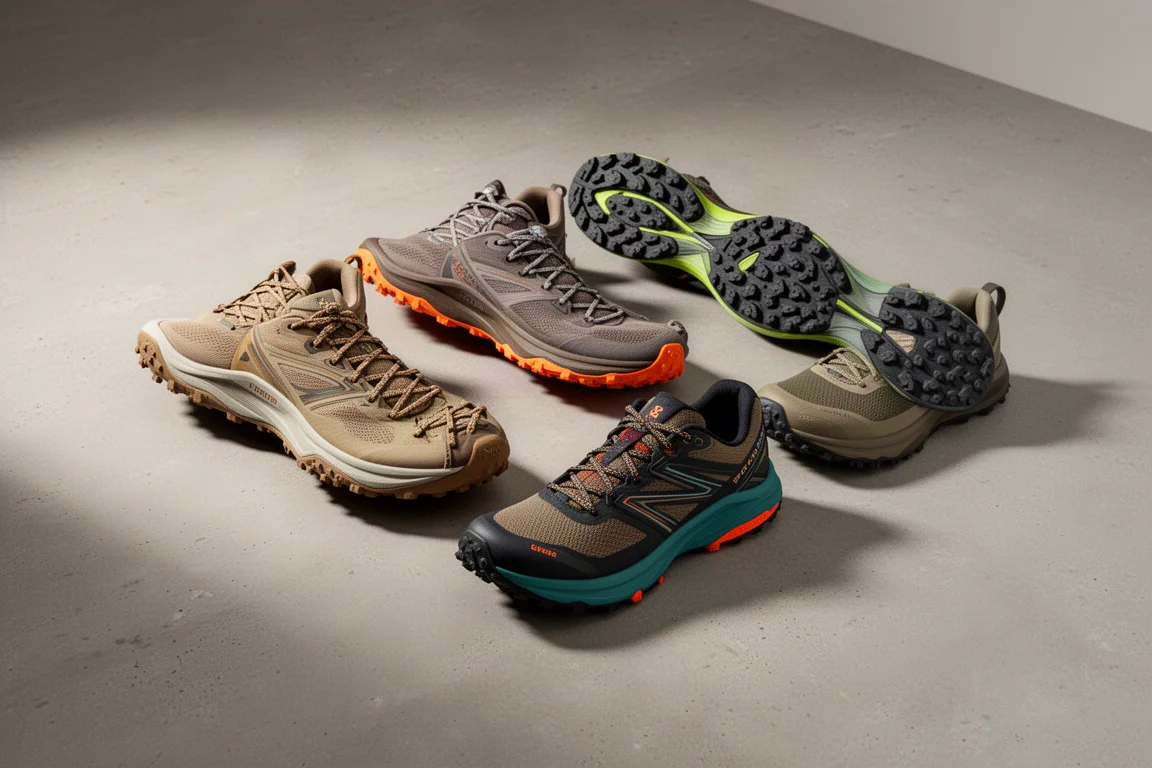
Trail racing shoes have exploded into one of the most crowded categories in running. The options covered here are focused specifically on race day: lightweight builds, performance-oriented foams, and grip tuned for pace rather than all-day comfort. The catch is that choosing one can feel harder than the race itself.
This guide is not about crowning a single winner. It is about mapping the landscape so you can match a shoe to your specific goal, because the best race day shoe depends heavily on what is under your feet and how long you will be out there.
Three Things to Consider Before Choosing a Race Shoe
Before jumping at any race day option, three factors should guide your decision: terrain, duration, and your personal preferences.
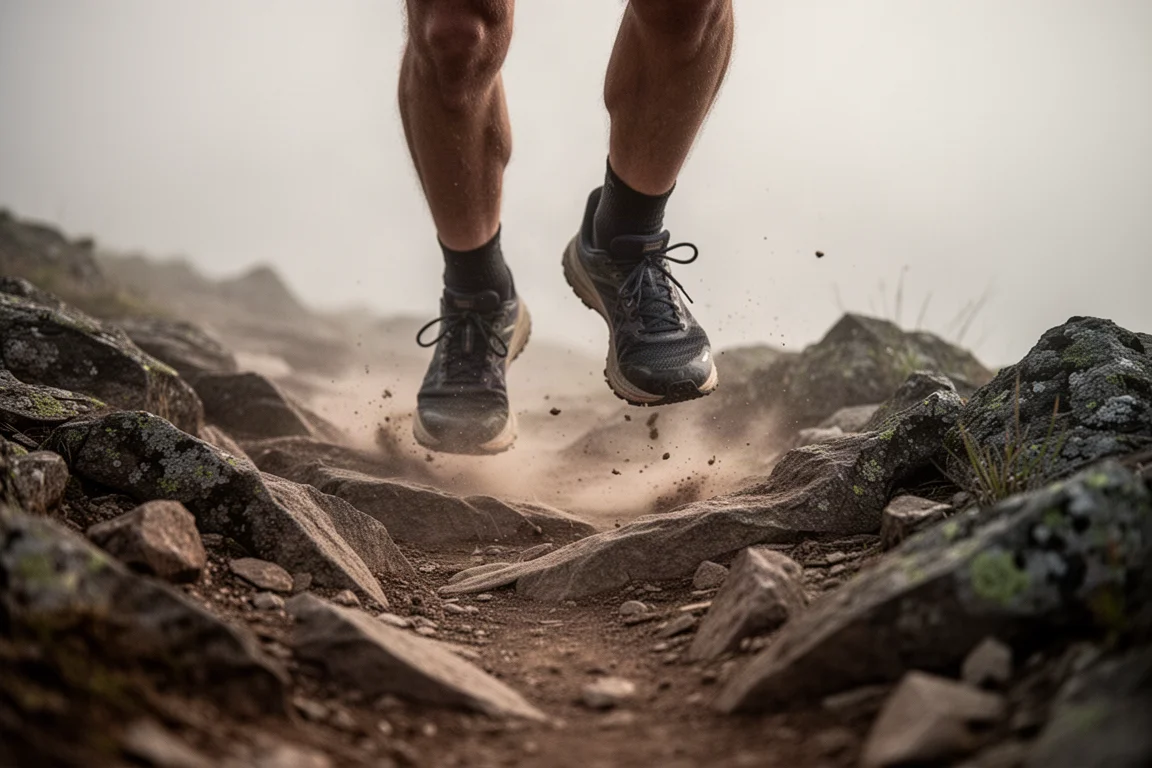
Terrain comes first. Technical ground demands precise foot placement and a secure fit. Smooth road-to-trail surfaces let you lean on cushioning and propulsion instead. Duration comes next: the longer you are on your feet, the more underfoot protection and efficiency matter. And finally, preferences. Choosing a trail racing shoe always involves some sacrifice, much like riding a track bike. You are trading comfort for lightness, responsiveness, and grip, so it pays to know which trade-offs you can live with.
Technical Terrain Racers: Precision First
Shoes built for technical terrain are designed for courses where you have to look at every step. Across this category, fit is the most important component. Expect slimmer, lower-volume uppers with strong midfoot and heel lockdown that keep you locked on top of the midsole. These shoes traditionally sit lower to the ground, and while some now use more modern energetic foams, most emphasize foot placement, stability, and maneuverability over plushness. Outsoles are typically gritty and grabby.
Scott SuperTrac RC3
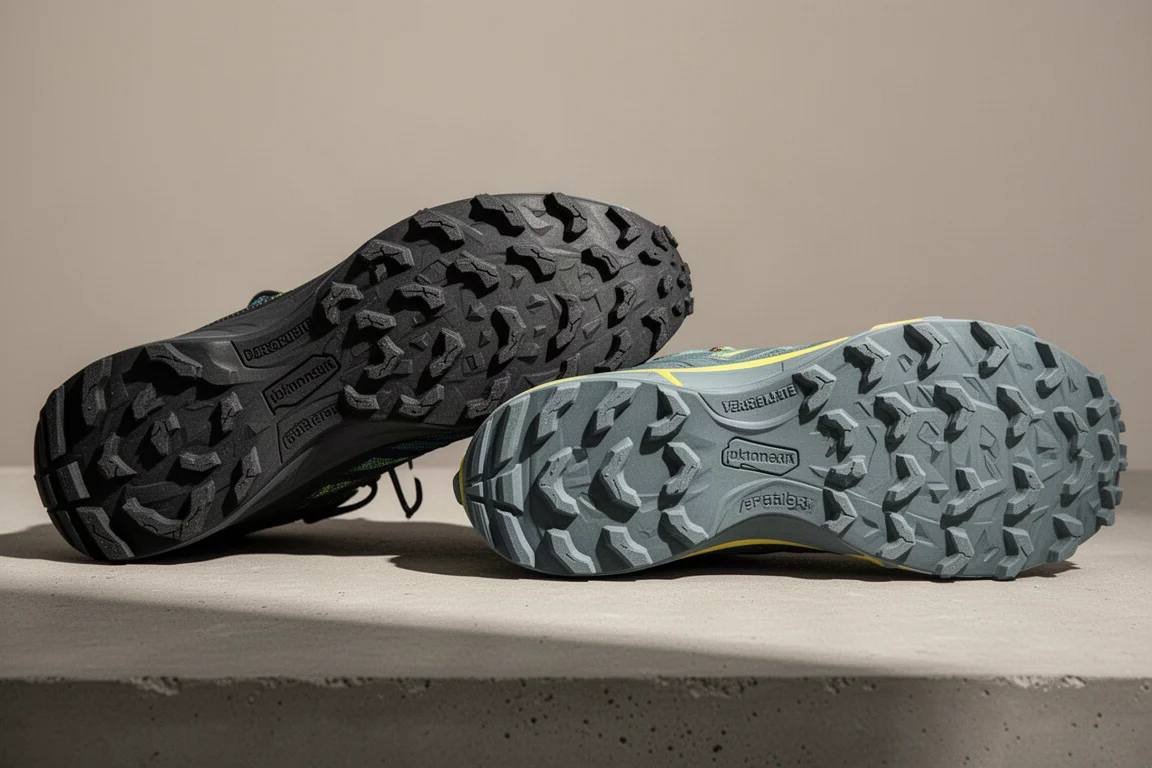
The Scott SuperTrac RC3 is a good example of the traditional technical terrain racer: lower to the ground, slim in fit, and focused on confident foot placement with a traction-first outsole. This is the kind of shoe that rewards deliberate footwork over rough ground.
Salomon MTL Skyfire 2
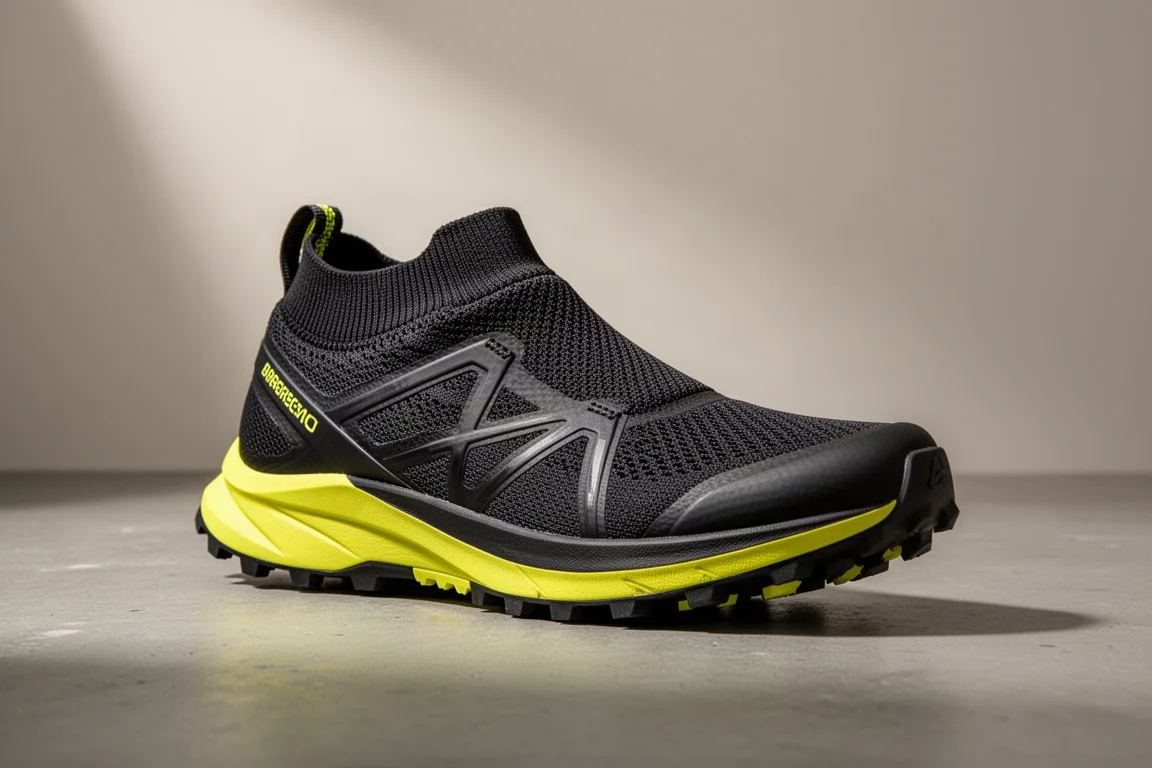
The Salomon MTL Skyfire 2 is built specifically for uphill racing, the kind of effort you would take into a vertical kilometer style event. You can still run downhill in it, but the design intent is clearly aimed at climbing fast.
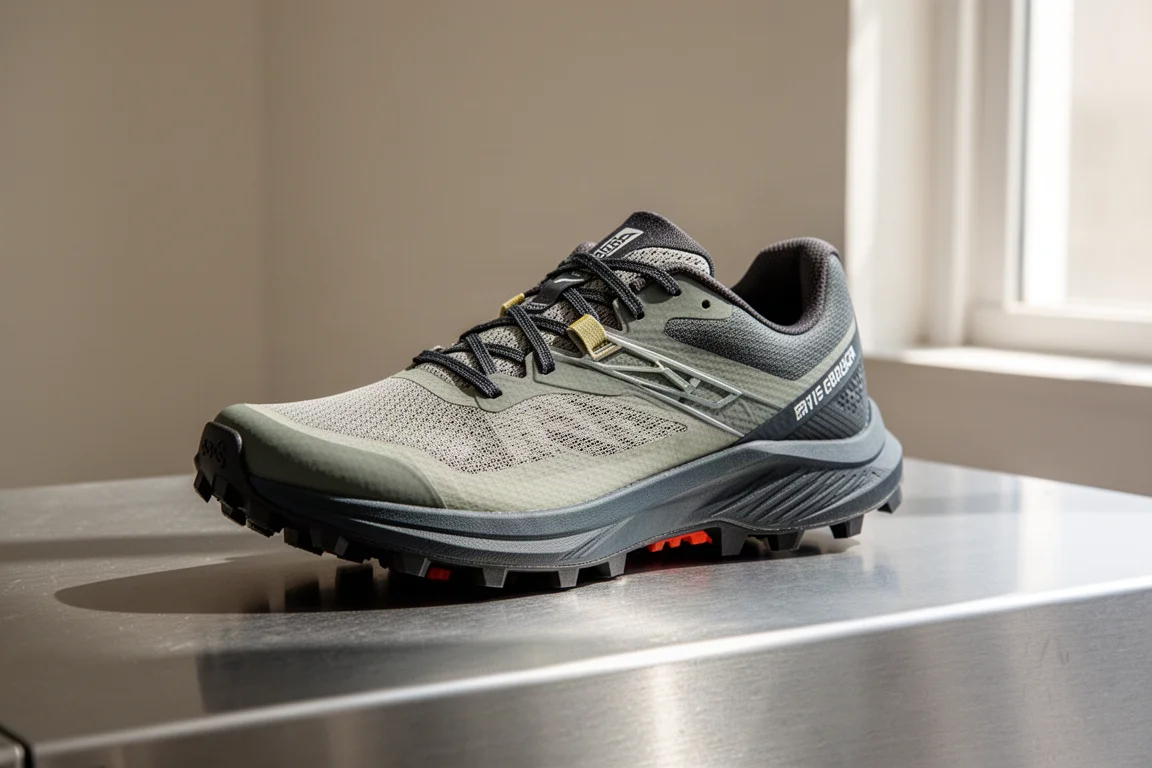
Brooks Catamount
The Brooks Catamount sits in the shorter-duration, technical terrain camp. It is not a shoe you want to live in for endless hours, but for fast racing on demanding ground over a handful of hours, it fits the brief.
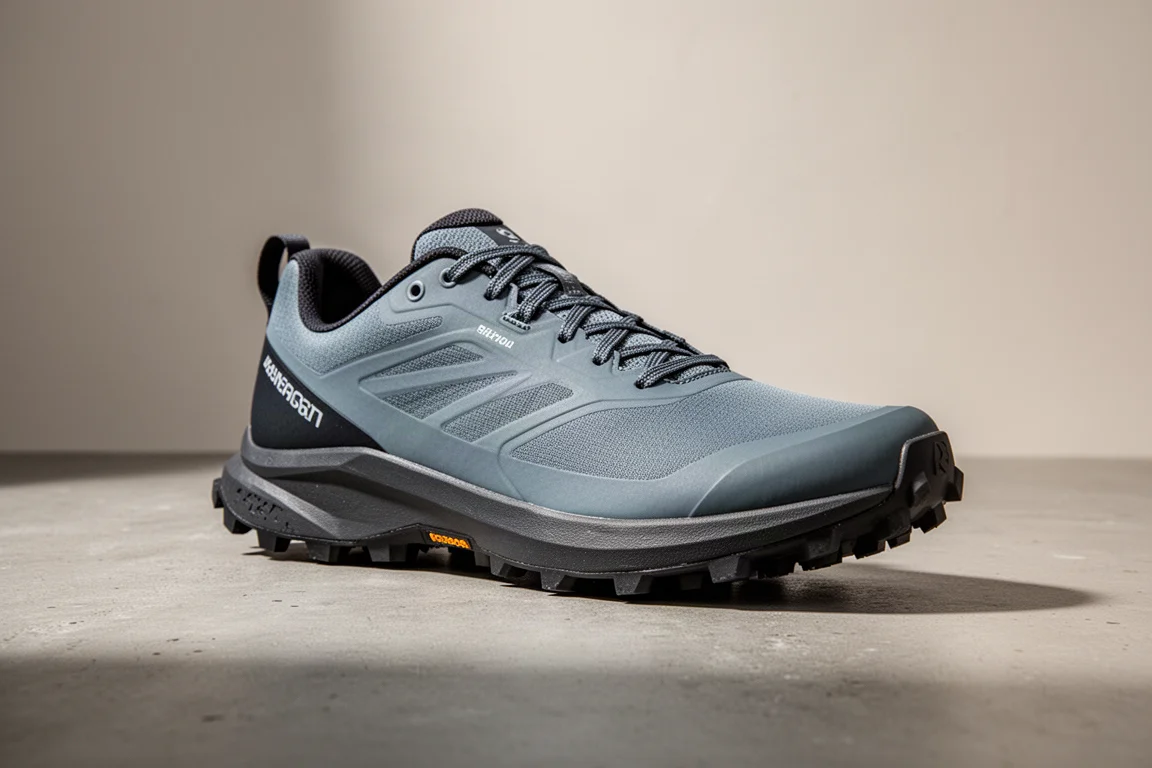
The North Face VECTIV Sky 2
The North Face VECTIV Sky 2 is a standout because it marries both worlds. It carries a carbon plate, which is rare in the technical terrain category, while keeping the fit and grounded feel the category demands. The stack is not especially high, but the foam makes a real difference, delivering an energetic ride without sacrificing security.
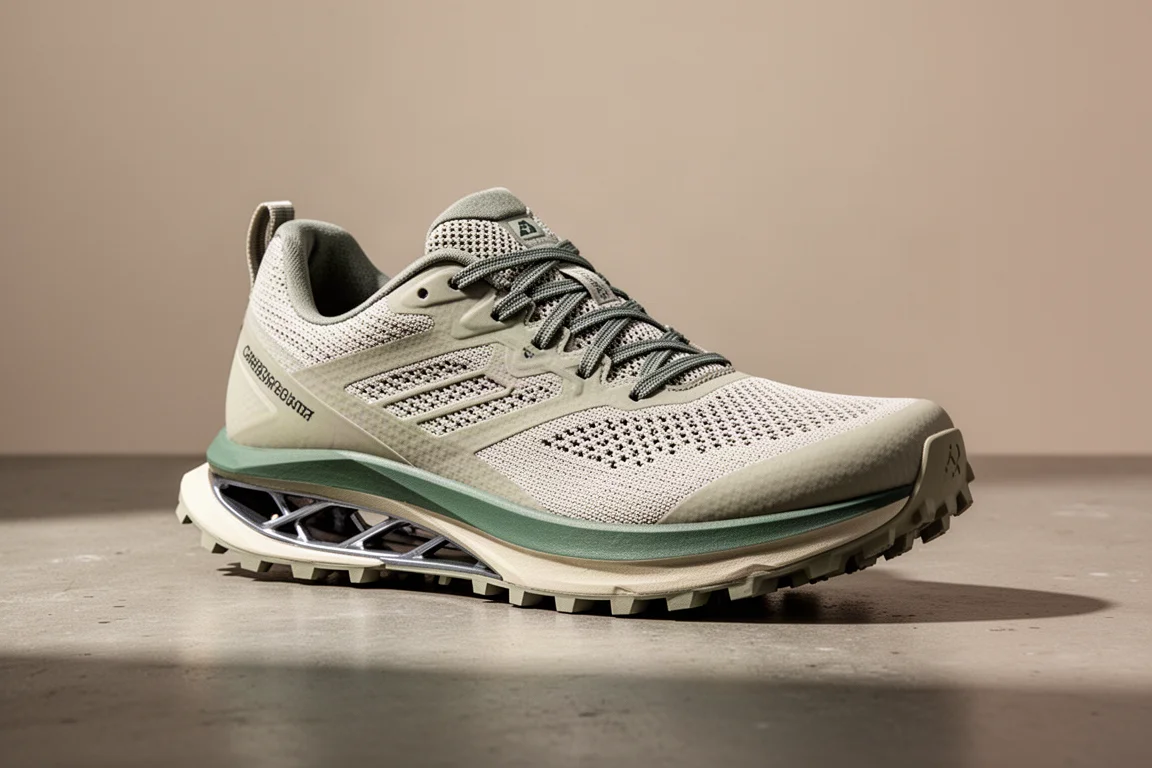
Salomon S/Lab Genesis 2
The Salomon S/Lab Genesis 2 follows a similar philosophy with a bit more stack and a bit more protection. The emphasis remains on fit, stability, and feeling connected to the ground beneath you.
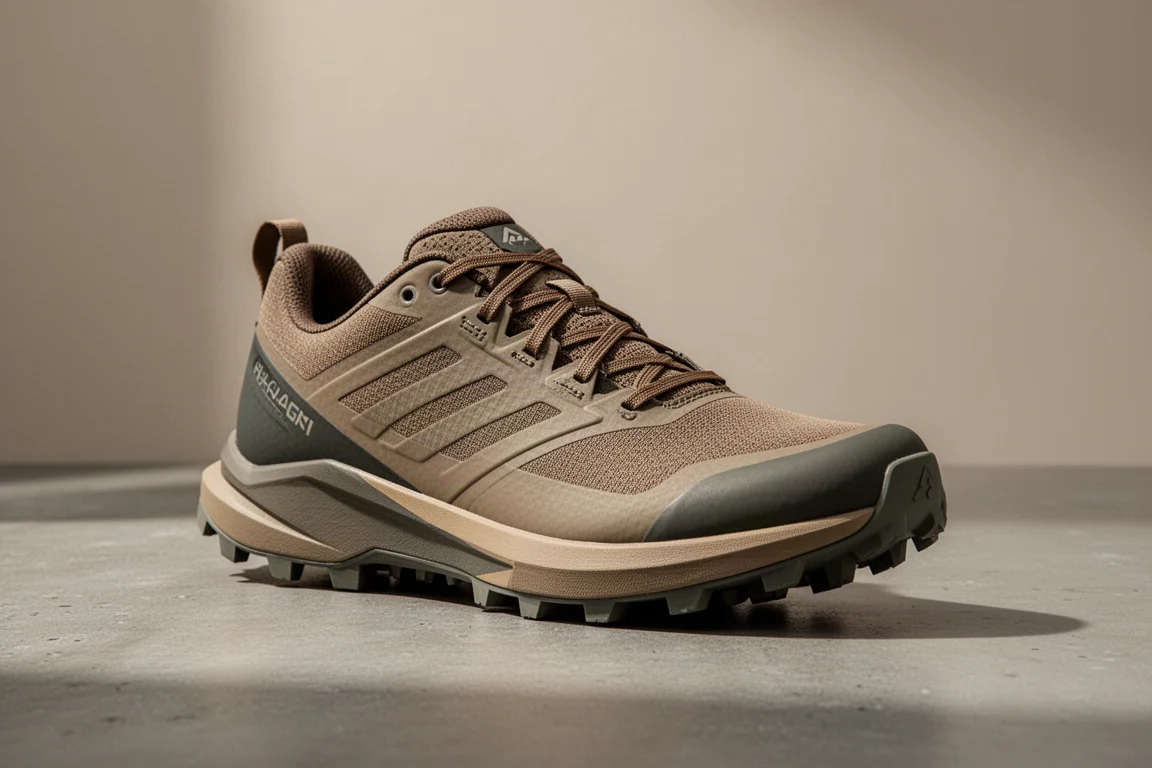
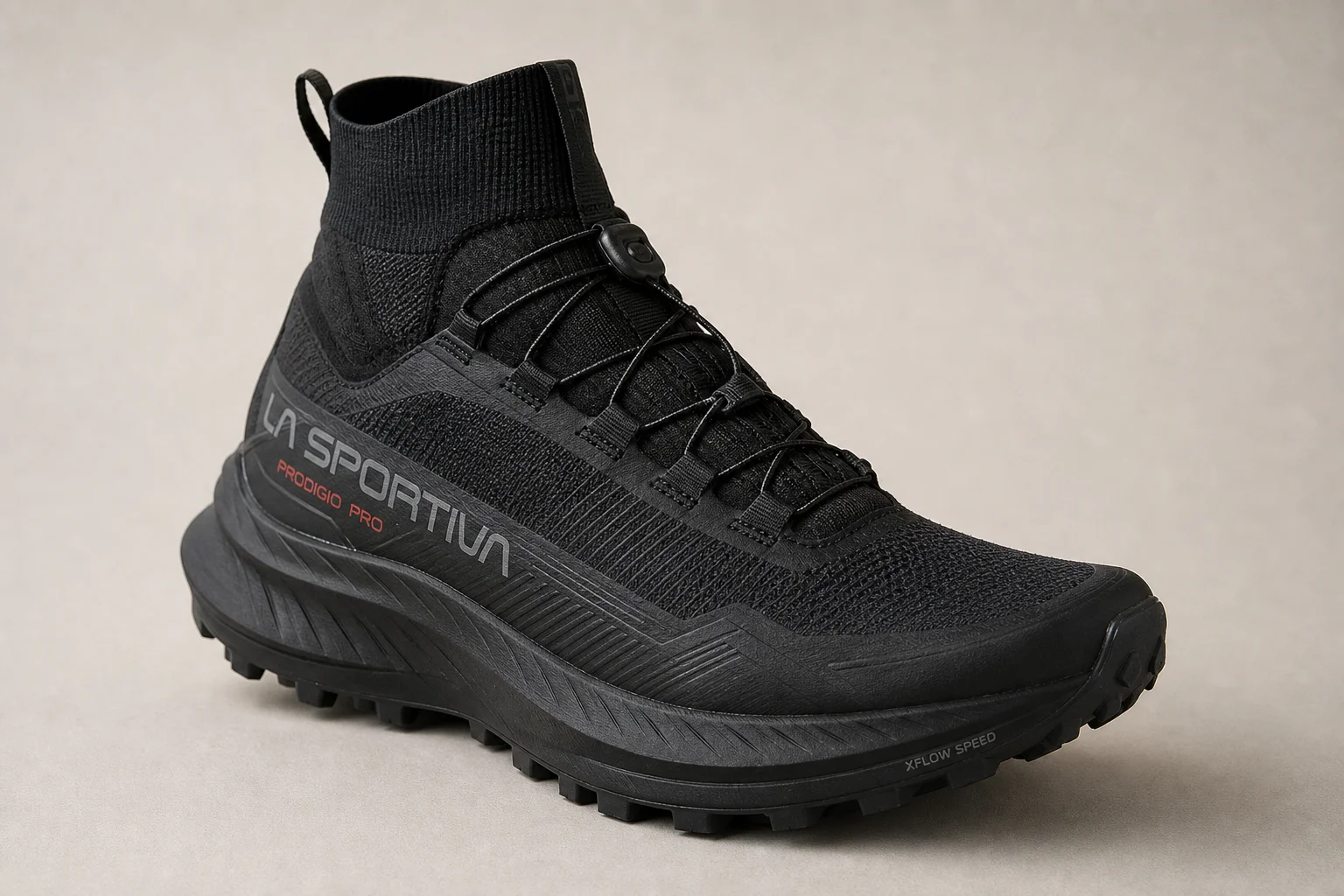
La Sportiva Prodigio Pro
The La Sportiva Prodigio Pro is arguably the clearest example of what modern trail racing has become. It is highly proficient on technical terrain, yet its foam, midsole design, and fit let it run fast on almost anything. That versatility across both rough and smooth ground is the hallmark of the best trail racing shoes available today.
A Note on the Hoka Tecton X4 and Mount to Coast M1
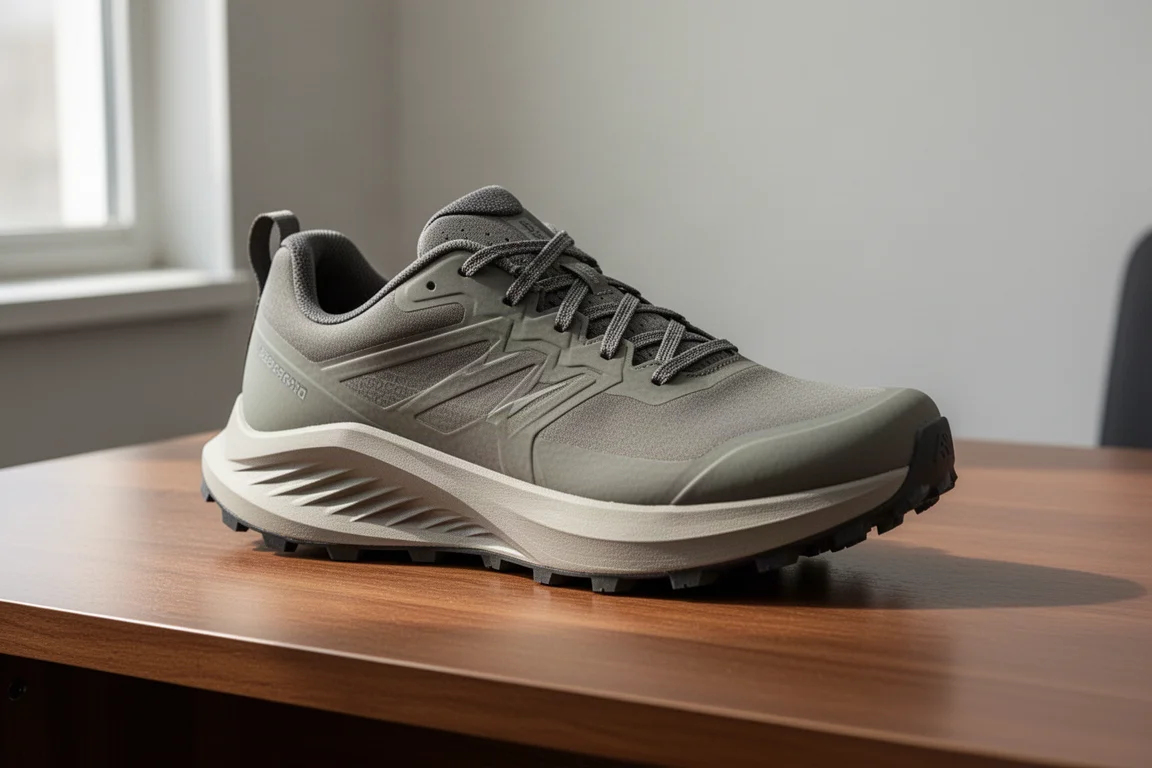
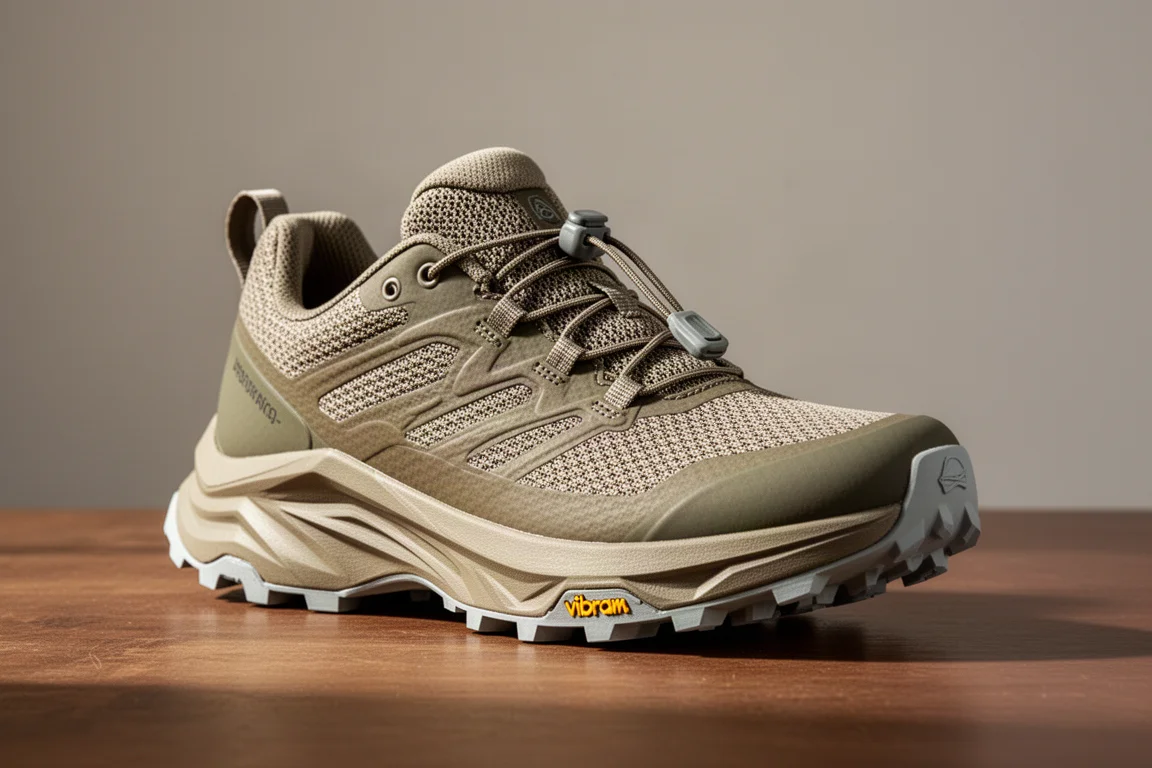
Two options deserve an honest caveat. The Hoka Tecton X4 and the Mount to Coast M1 are both marketed toward technical terrain, and both are excellent shoes in their own ways. In practice, though, they tend to shine brightest on moderate terrain rather than the most demanding ground. The lesson: marketing claims do not always line up with where a shoe performs best, so match the shoe to the course you are actually racing.
Non-Technical and Road-to-Trail Racers
On the opposite end of the spectrum sits the non-technical category, covering road-to-trail, gravel, and anything where you do not have to think much about what is underfoot. These shoes borrow heavily from road racing counterparts, which is fitting since plenty of runners race non-technical trail events in road marathon shoes anyway.
The design differences are telling: less emphasis on lockdown because precise footfall matters less, fairly high stacks around 38 mm or more to leverage foam technology, plates in almost every option, and noticeably less aggressive outsoles that can handle pavement, light trail, and beyond.

Hoka Rocket X Trail
The Hoka Rocket X Trail is a genuine crowd-pleaser in this category. It highlights some of the best modern foams, uses a unique plate system for propulsion, and feels good across a range of terrain while staying stable enough for moderately technical ground. Think of smooth, runnable race courses like Western States or Javelina when weighing this one.
Puma Deviate Nitro Elite Trail
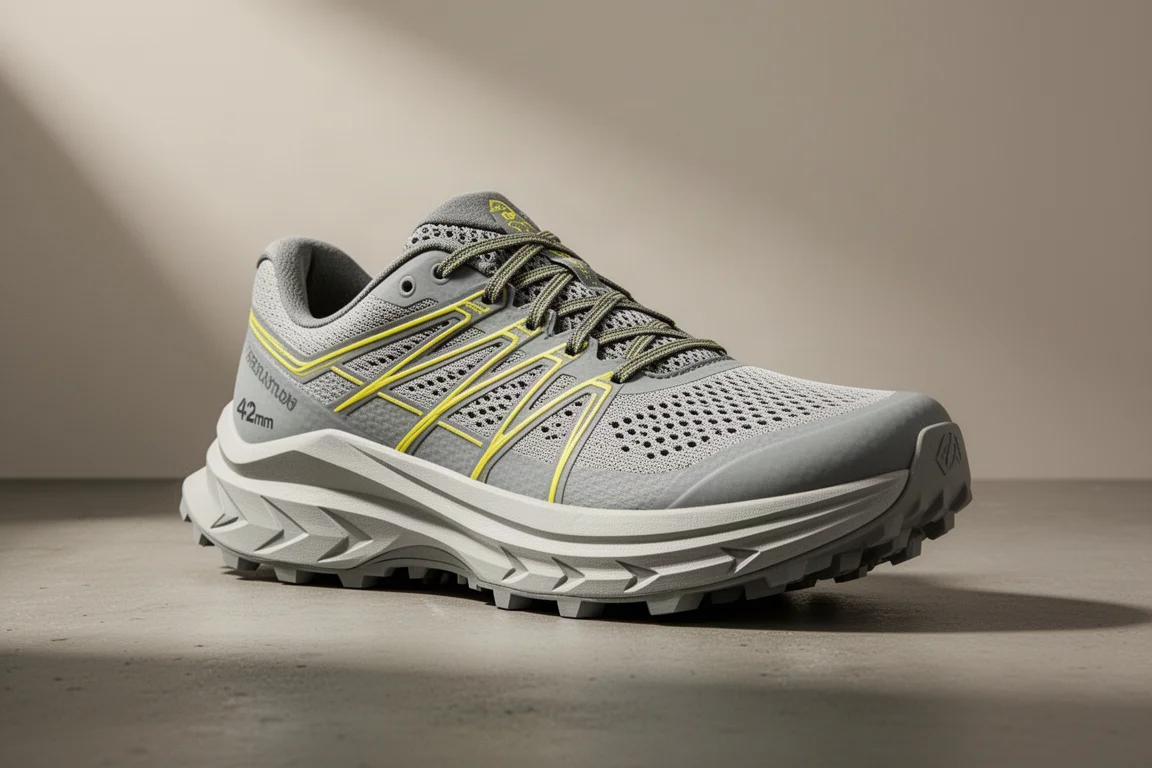
The Puma Deviate Nitro Elite Trail is based directly on the brand’s road marathon racer, with a little more lug and a slightly tuned midsole and plate. Beyond those tweaks, there is not much separating it from its road counterpart, and that is exactly the point of this category.
Nike Ultrafly
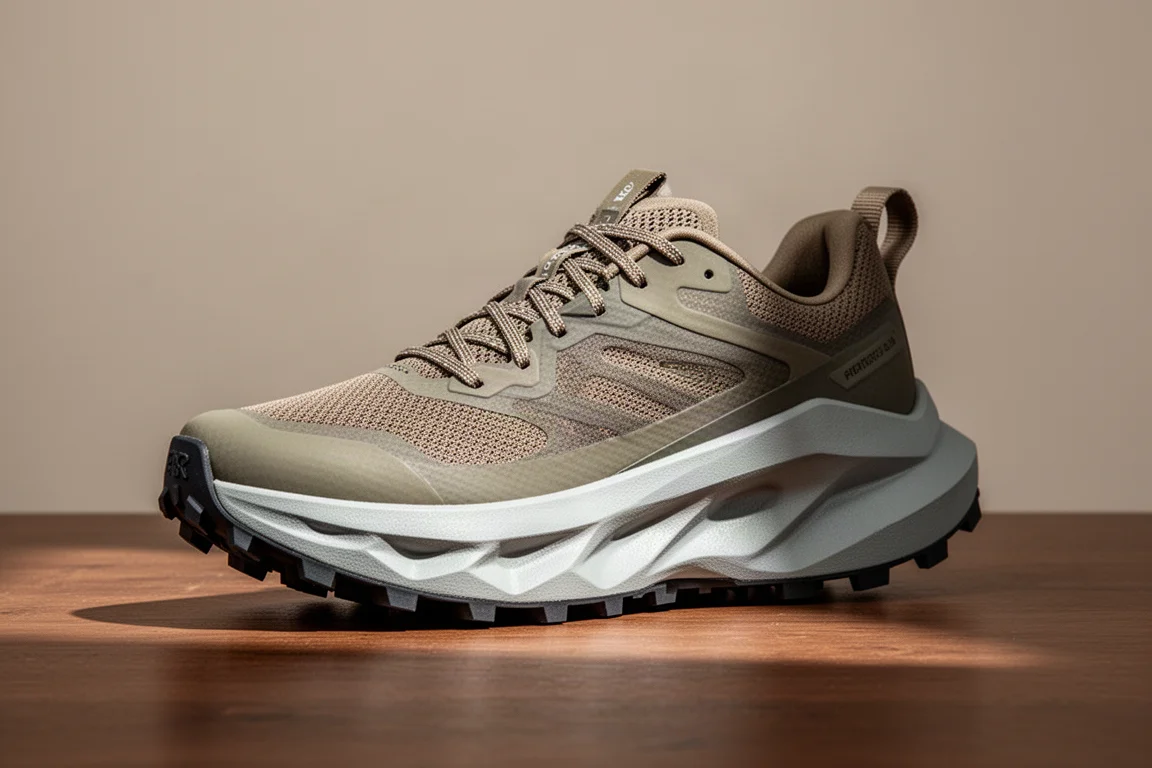
The Nike Ultrafly can handle more than just road-to-trail, but it works best here. Its foam and plate setup sits closer to a road racing shoe than most trail options, and on smooth trails it is exceptionally efficient.
Versatile and Ultra-Distance Racers
This is the largest category by far, with more options than the technical and non-technical groups combined, and for good reason: most trail races involve a variety of conditions and surfaces. These shoes need to be quick and efficient on smooth ground while still handling technical sections as needed.
Common design threads include secure heel and midfoot lockdown with extra forefoot volume for long days, high-energy super foams in the midsole, some form of plate for dynamic stability and propulsion, a rocker to keep momentum moving forward, and outsoles landing in the middle ground, typically between 3.5 mm and 5 mm lugs.

Norda 005
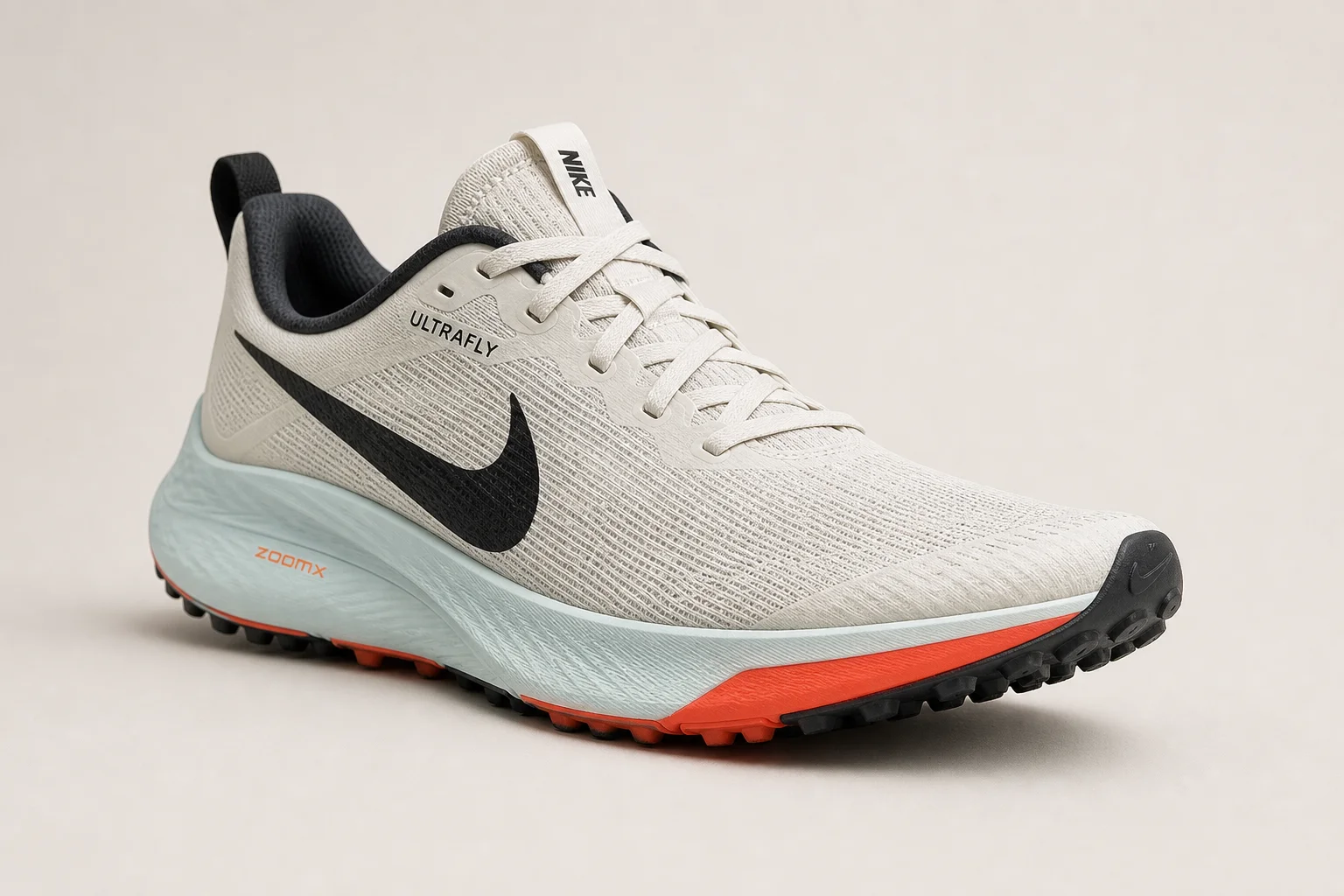
The Norda 005 takes a different path: no plate at all. Instead, it leans on excellent foam for energy return while staying lower to the ground so you feel in control rather than controlled. Add durable materials and a lightweight build, and it is a compelling package.
Arc’teryx Sylan 2
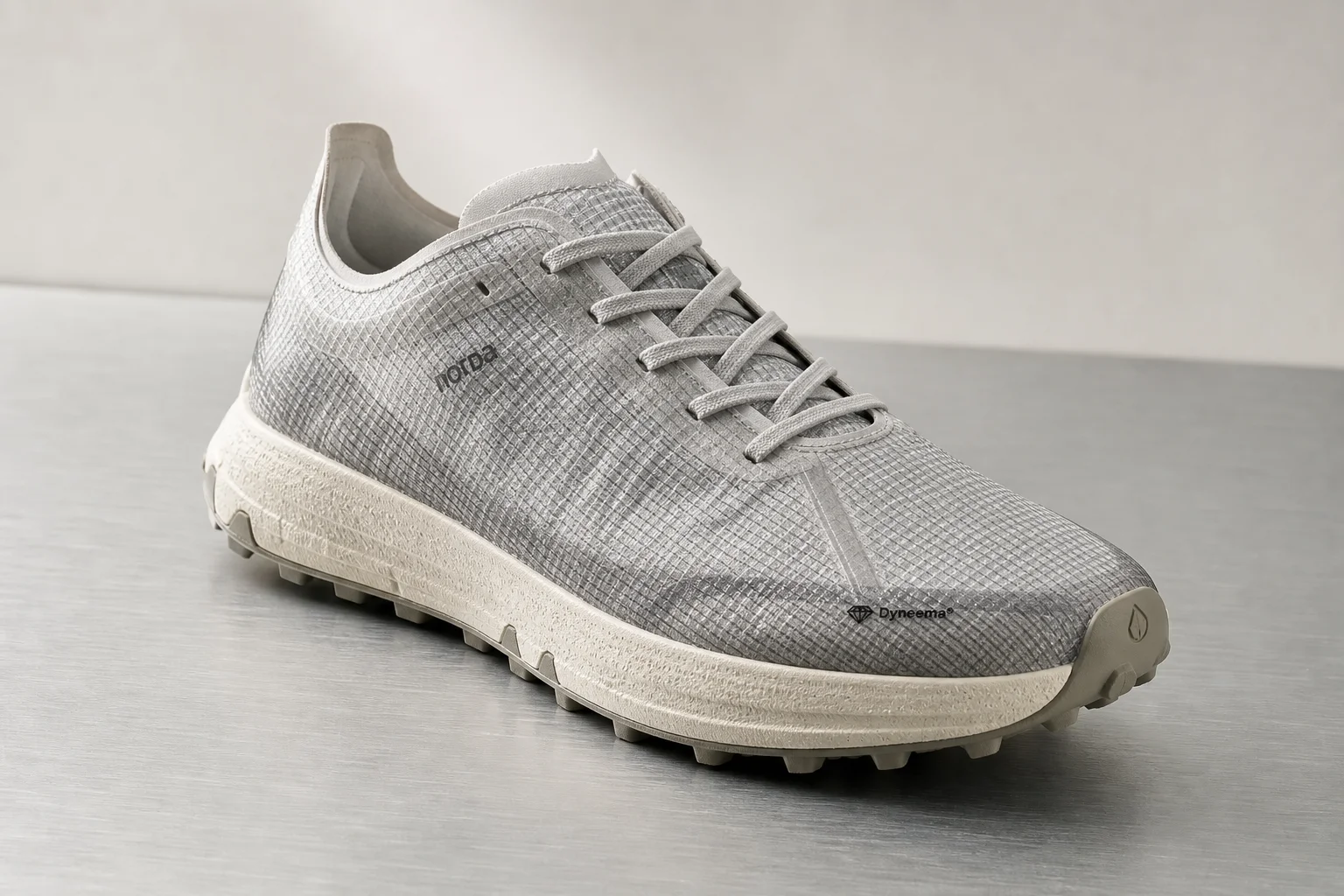
The Arc’teryx Sylan 2 shares a similar stack height but adds a plate over an ATPU midsole known for being energetic yet durable and comfortable. The plate offers some propulsion and rigidity, but mostly helps you keep your curve on the forefoot for efficient toe-off, all wrapped in a locked-in fit.
Mount to Coast M1 for Ultras
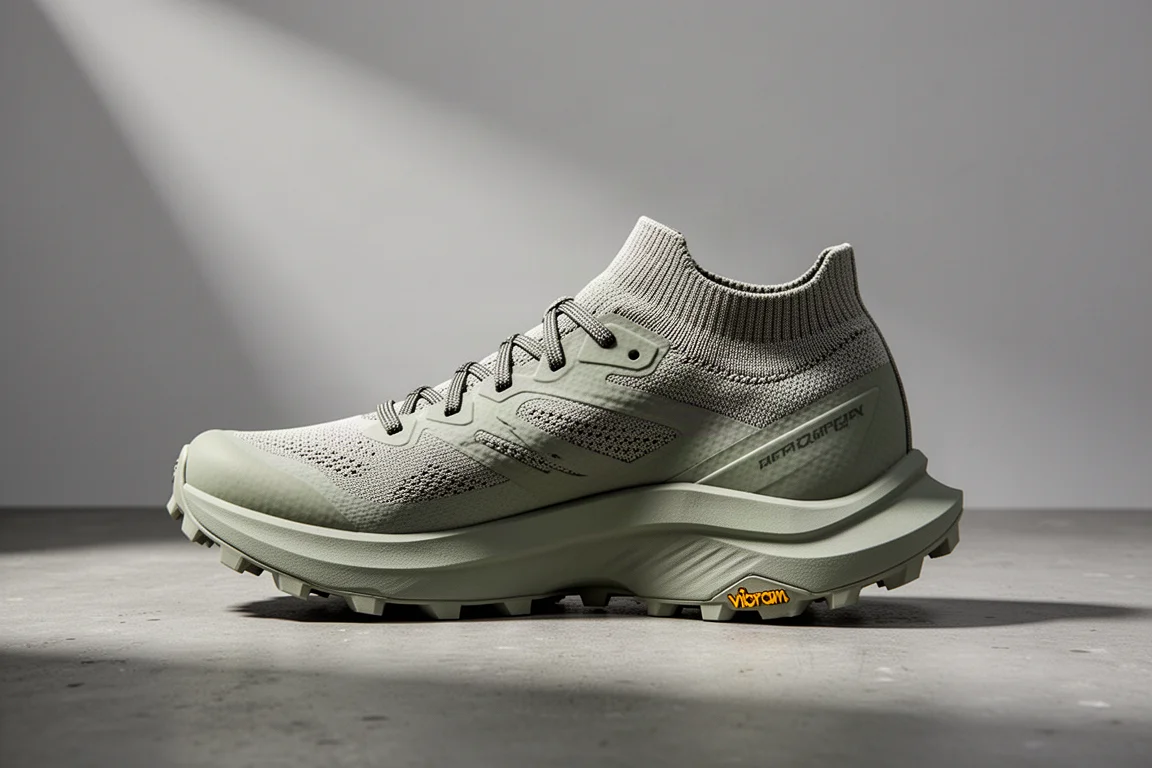
For ultra distances, the Mount to Coast M1 delivers a squishy, energetic midsole built for comfort and efficiency over long hours. Notably, it does all this without a plate.
View more details for Mount to Coast M1
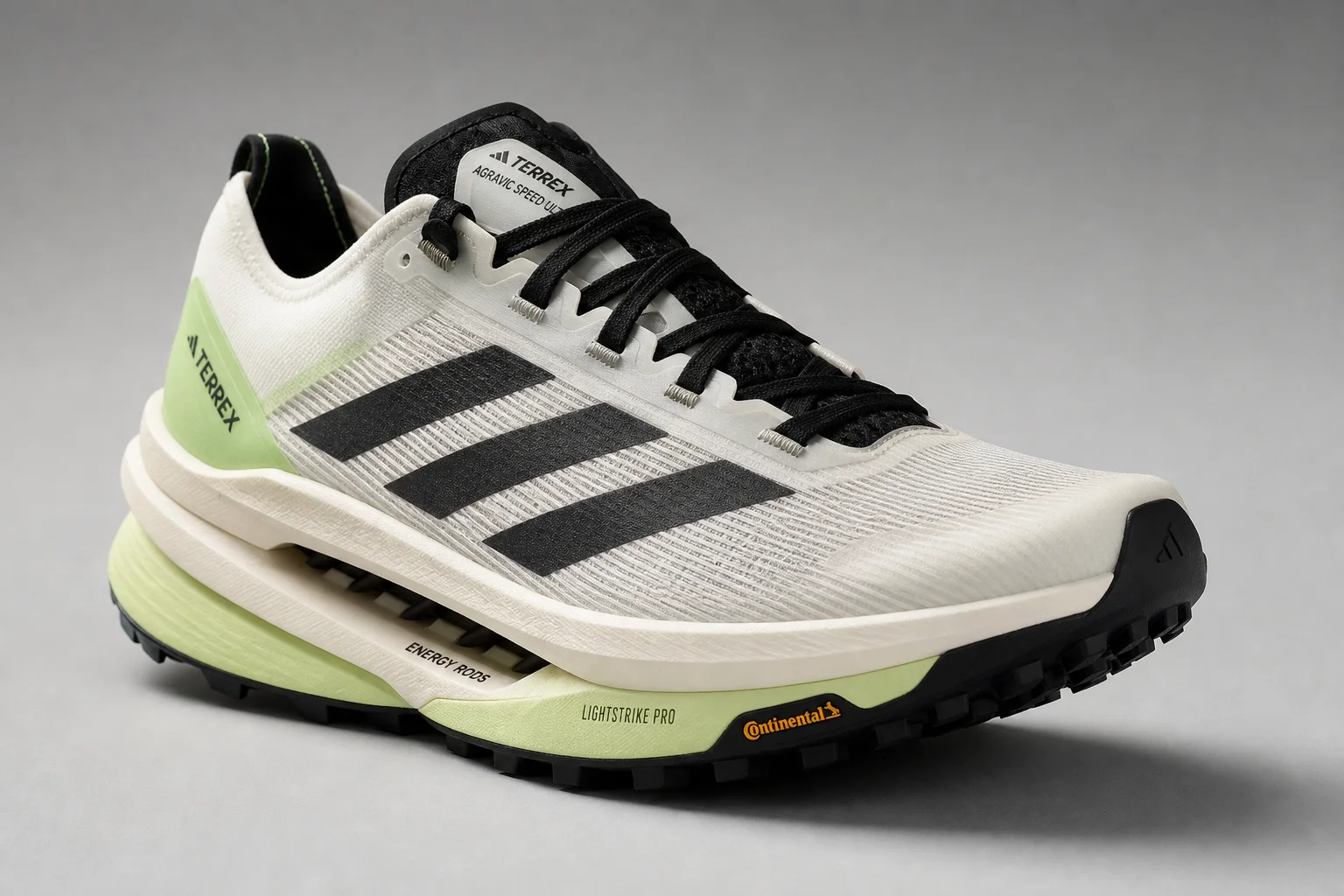
Adidas Terrex Agravic Speed Ultra
The Adidas Terrex Agravic Speed Ultra takes the opposite approach, pairing a very specific propulsion plate with plenty of foam underfoot. Like many ultra-oriented options, it uses a broader footprint for inherent stability across varied terrain over distance.
Asics Metafuji Trail 2
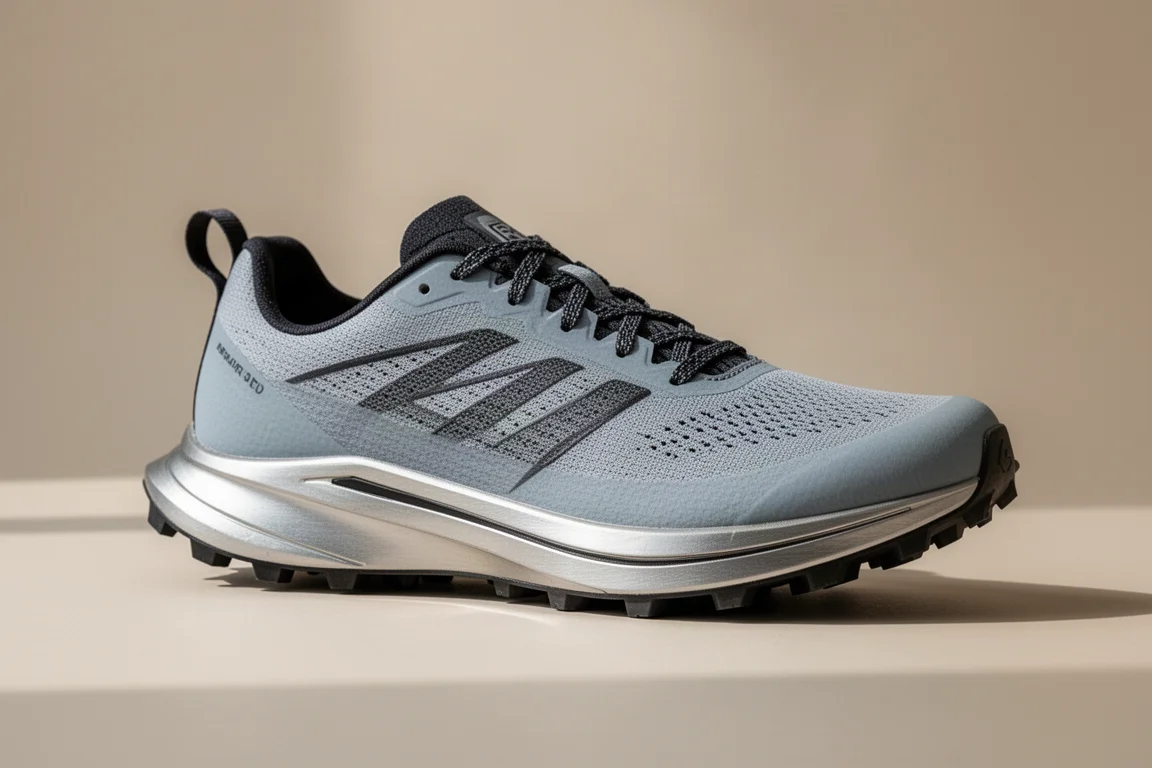
The Asics Metafuji Trail 2 breaks from the common design formula. It has a much narrower outsole and leverages its lightweight build, super foam, and a very rigid plate tuned specifically for propulsion. You feel that rigidity in every stride.
Speedland RX Leadville
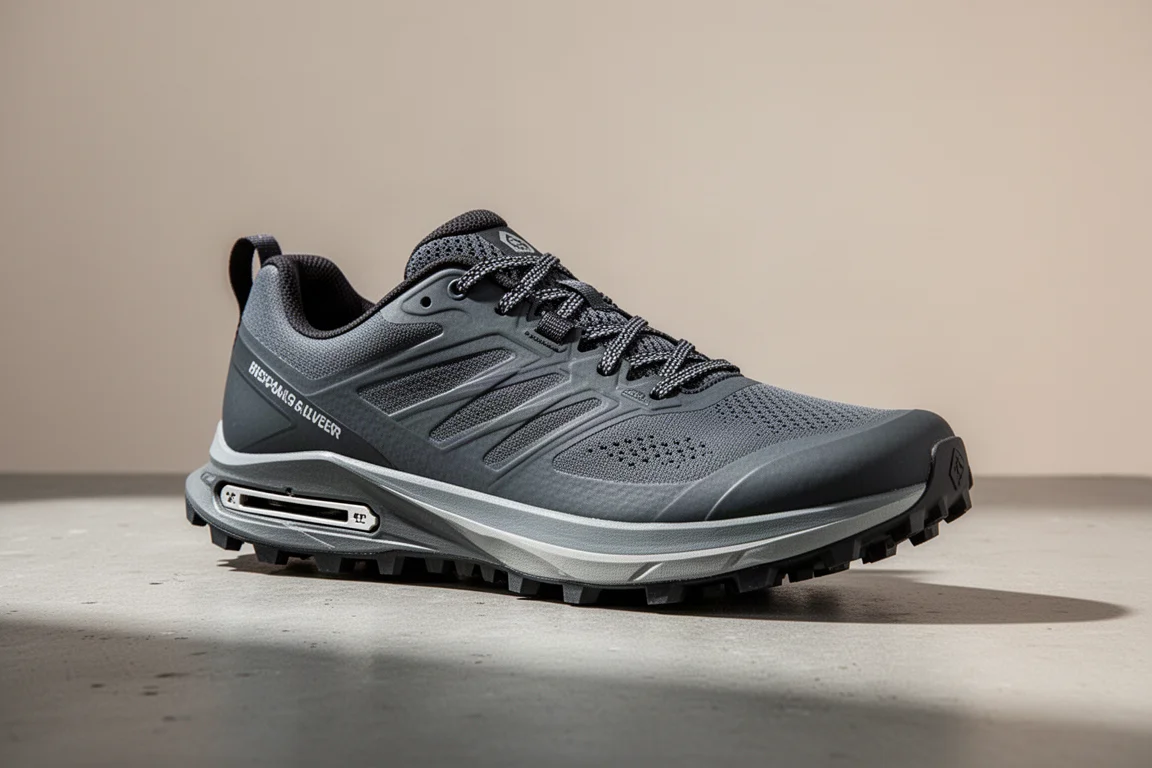
The Speedland RX Leadville is the tinkerer’s choice: the plate inside can be swapped depending on terrain or preference. Run it with a carbon plate for propulsion, switch to a blended plate for stability, or remove it entirely and enjoy the excellent foam on its own.
Buying Advice
If you remember only one framework, make it this: terrain first, duration second, preferences third. Pick the most technical terrain racer if your course demands precise footwork and you accept a firmer, more stripped-down ride. Pick a road-to-trail racer if your course is smooth and you want maximum efficiency. Pick a versatile racer if your race mixes surfaces and durations, which describes the majority of trail events.
Also, take marketing claims with a grain of salt. A couple of well-known technical terrain models actually perform best on moderate ground, so where a shoe is aimed is not always where it excels. Match the shoe to your race, not to the label on the box.
Conclusion
There has never been a wider or better selection of trail racing shoes, and there is no single best choice for everyone. Identify your race, think honestly about the terrain and how long you will be on your feet, factor in the sacrifices you are willing to make, and the right shoe for your goal is out there.
Further reading
Related Reviews
Trail Running
How to Choose Trail Running Shoes: A Guide to Shoe Type, Cushioning, and Drop
Learn the three most important factors when selecting trail running shoes: shoe type, cushioning level, and heel-to-toe drop.
Trail Running
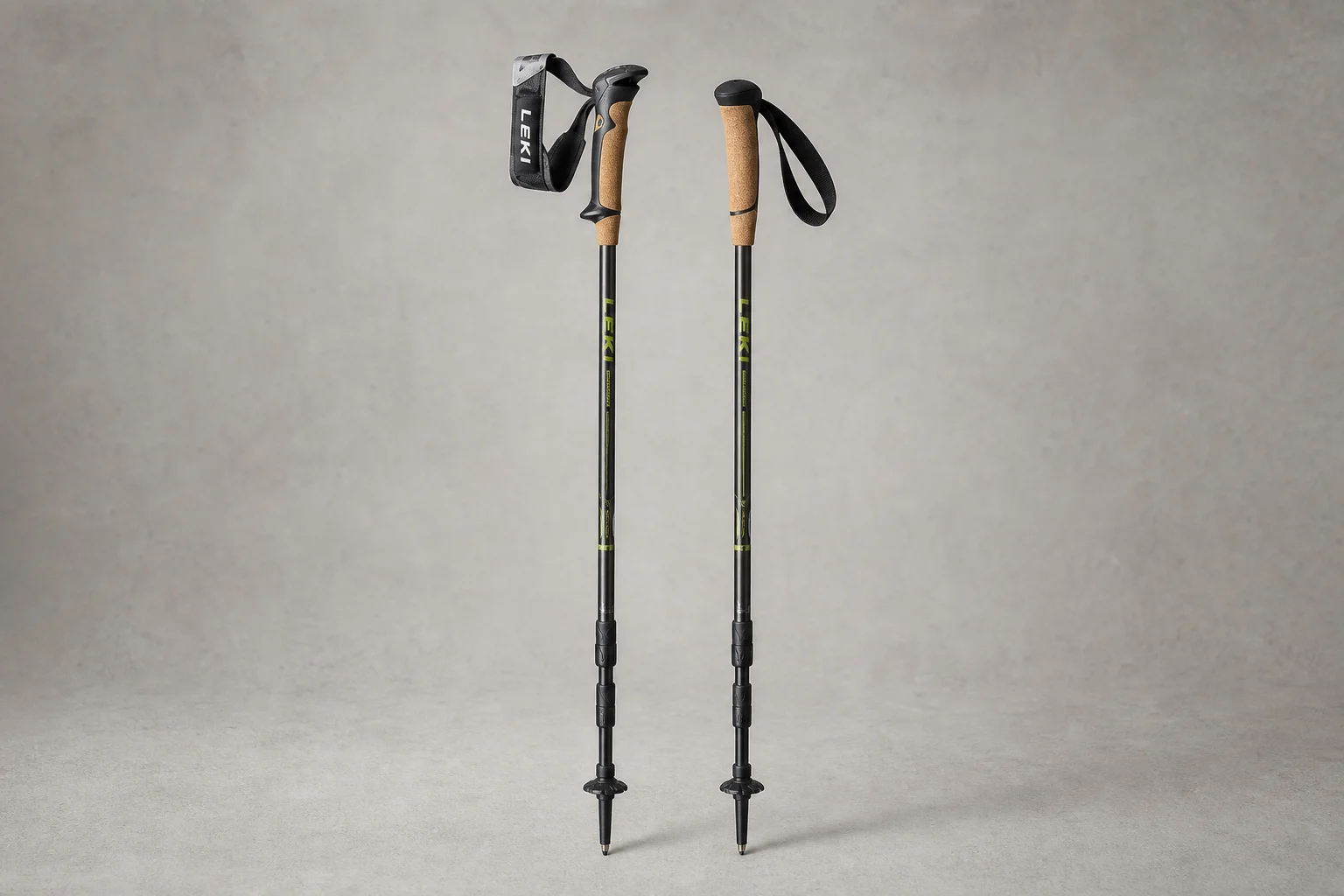
Trail Running Poles: A Complete Guide to Technique, Fit, and Use
Learn why trail running poles redistribute workload, how to choose the right length and strap system, and master three essential climbing techniques for longer races.
Trail Running
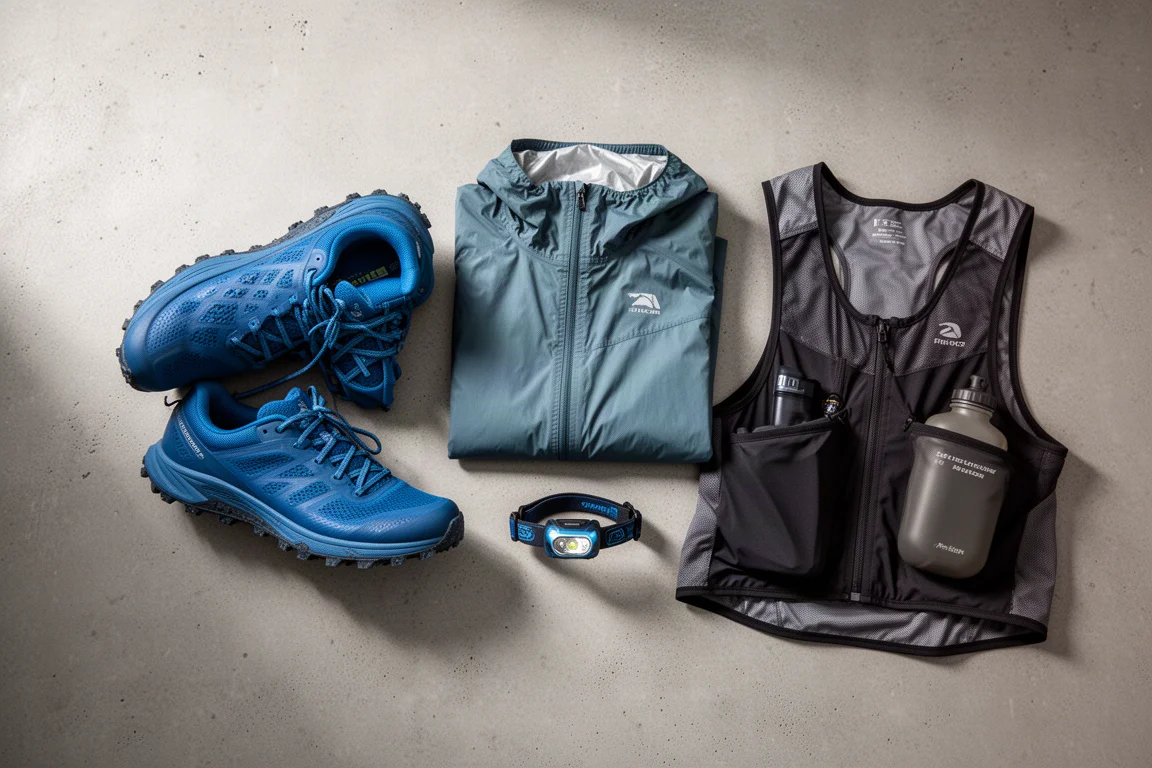
Arc of Attrition Kit List: The Gear Worth Packing for a Winter Ultra
A practical look at the shoes, waterproofs, lighting, race vest and poles lined up for a brutal 100-mile winter coastal ultra, and why each piece earned its place.