Home Appliances
Best Tower Fan: 13 Models Tested for Airflow, Noise, and Value
We put 13 tower fans from $29 to $483 through airflow, noise, power draw, CFM, and tip-over tests to find which ones are actually worth buying.
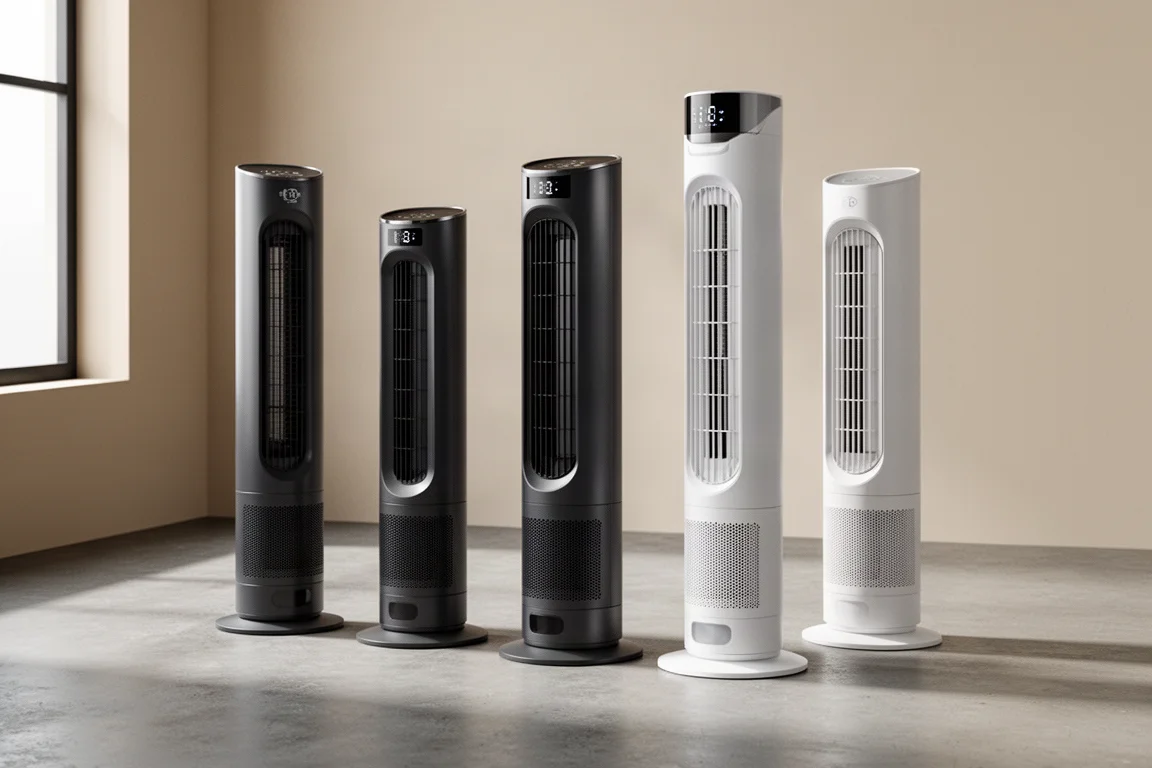
Introduction
A tower fan is one of the simplest ways to make a warm room livable, but the price range is enormous. The cheapest fan in this comparison costs $29, and the most expensive comes in at $483. Does the premium option deliver dramatically more cooling, or can a budget tower fan hold its own?
To answer that, thirteen tower fans were tested side by side across air speed, noise level, power consumption, airflow volume (CFM), and tip-over stability. The results contain a few surprises, including a strong showing from several affordable models and a humbling result for the priciest fan in the lineup.
How the Fans Were Evaluated
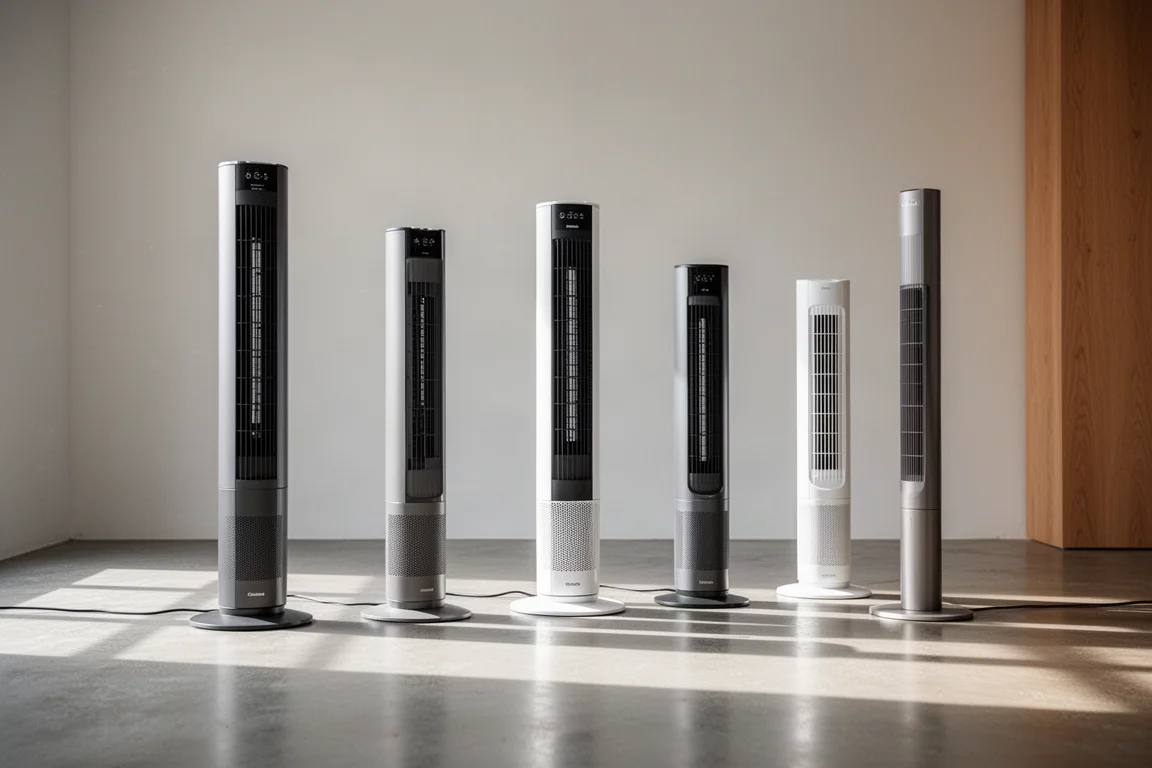
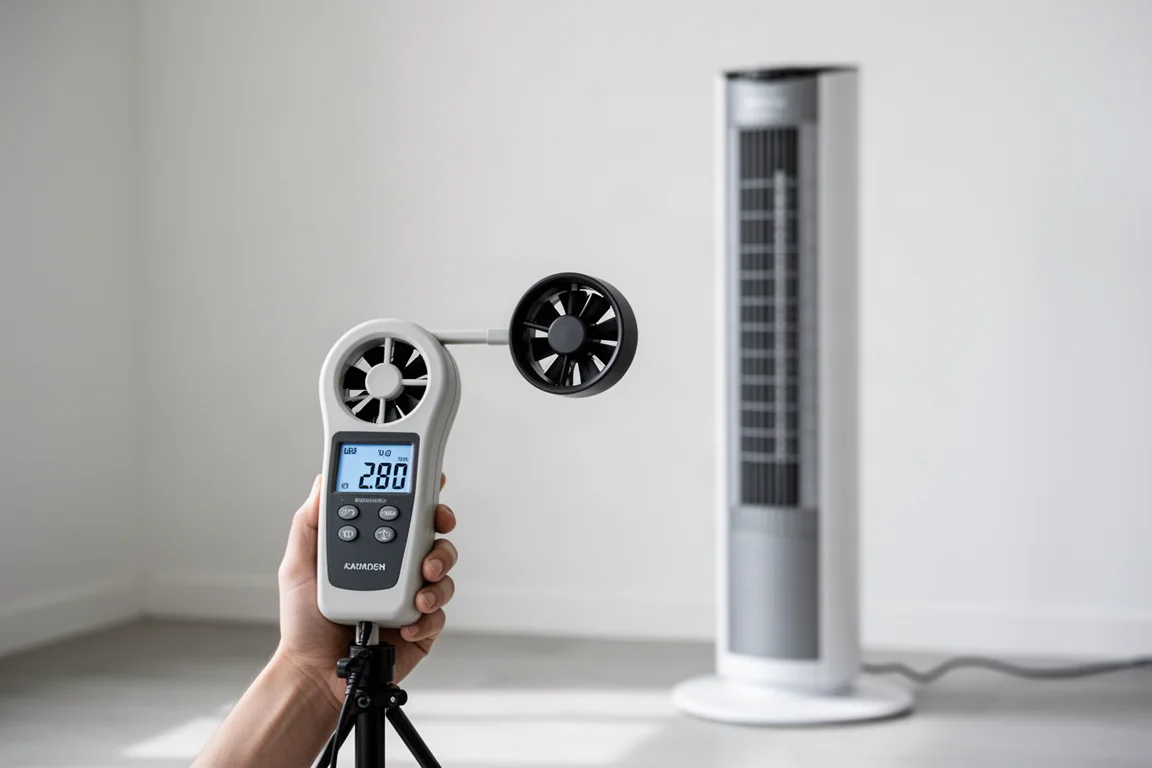
Each fan was measured on its highest fan speed setting for power draw and air speed at the outlet, then again from 10 ft away to see how well each one pushes air across a room. Noise was recorded from 36 in with a sound meter, and CFM was calculated using each fan’s outlet dimensions. Finally, every fan was tilted until it toppled to assess tip-over safety, and the fall was used as a rough check on build quality.
Weight is often a rough indicator of build quality, and it varied from 5.18 lb on the lightest fan to 11.15 lb on the heaviest.
The Best Overall Tower Fan: Levoit
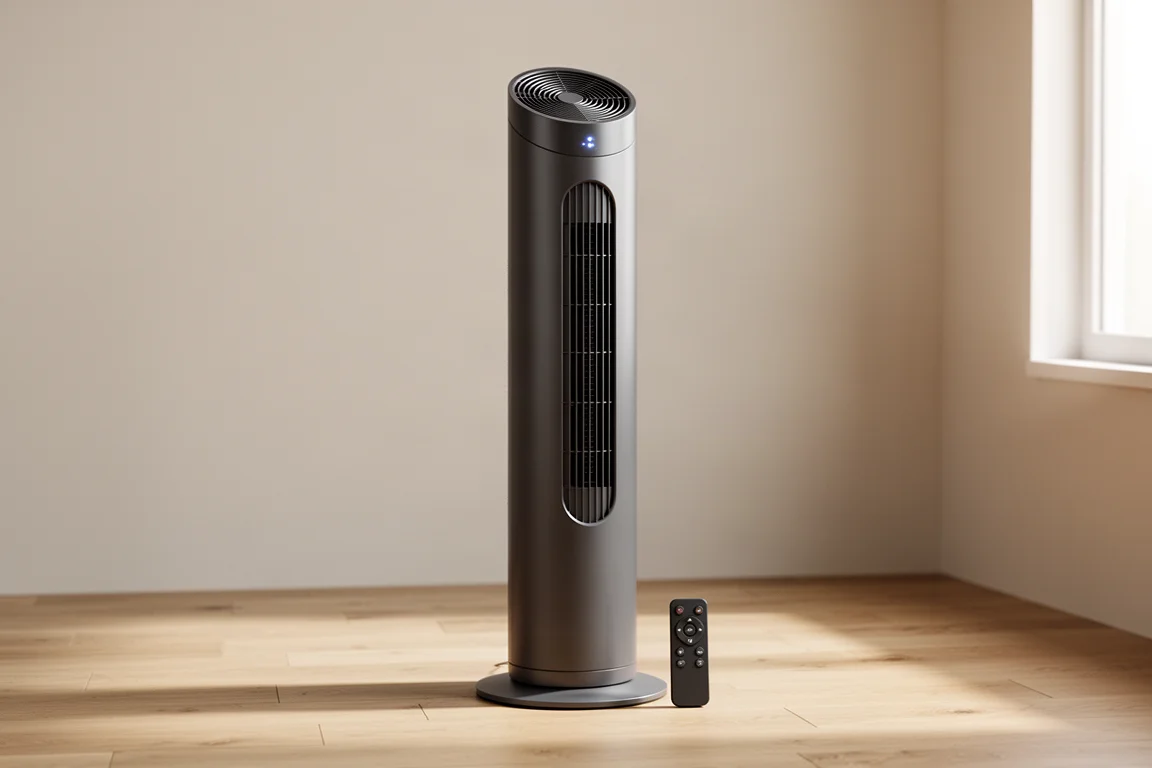
At $75, the Levoit tower fan turned in the strongest overall performance. It claims just 28 dB of noise, and measured 37.8 dB on low and 56 dB on high, which is solid given that it also posted the highest outlet air speed of the entire group at just over 17.1 mph on high. Airflow volume was excellent too, at around 855 CFM, tying for third overall.
It is also efficient, drawing only 17 W on low at 6.6 mph, and 34.6 W on high. The remote comes with its own storage pocket on the fan body, there is a 12-hour timer, and the company claims 25 ft/s wind speed and 1,062 CFM of airflow with 90-degree oscillation. It is a heavier unit at 8.68 lb, but it handled the tip-over drop without any visible damage and seemed well constructed. Combining an average finish of second place across the graded tests, the Levoit earns the top pick.
A Very Close Second: Dreo
The Dreo, at $80, is the air speed champion. It moved air at 17.15 mph at the outlet on high, edging out the Levoit, and it recorded the best 10 ft distance test at roughly 4.94 mph with a tissue test average near 5 mph. Airflow was the second best of the group at around 925 CFM.
The Dreo is also efficient, using just over 23 W on low for 8.3 mph, and only 37.8 W on high. Noise measured 37.8 dB on low, 42.2 dB on medium, and 54.5 dB on high, impressive numbers for the air it moves. The company claims 25 ft/s air velocity, a 28 dB quiet mode, a supercharged motor, an 8-hour timer, 90-degree oscillation, and four speeds. It survived the tip-over drop without damage, though its narrow 11.8-inch base tipped at 13.7 degrees. If tip-over angle were removed from the scoring, the Dreo would have taken first place overall.
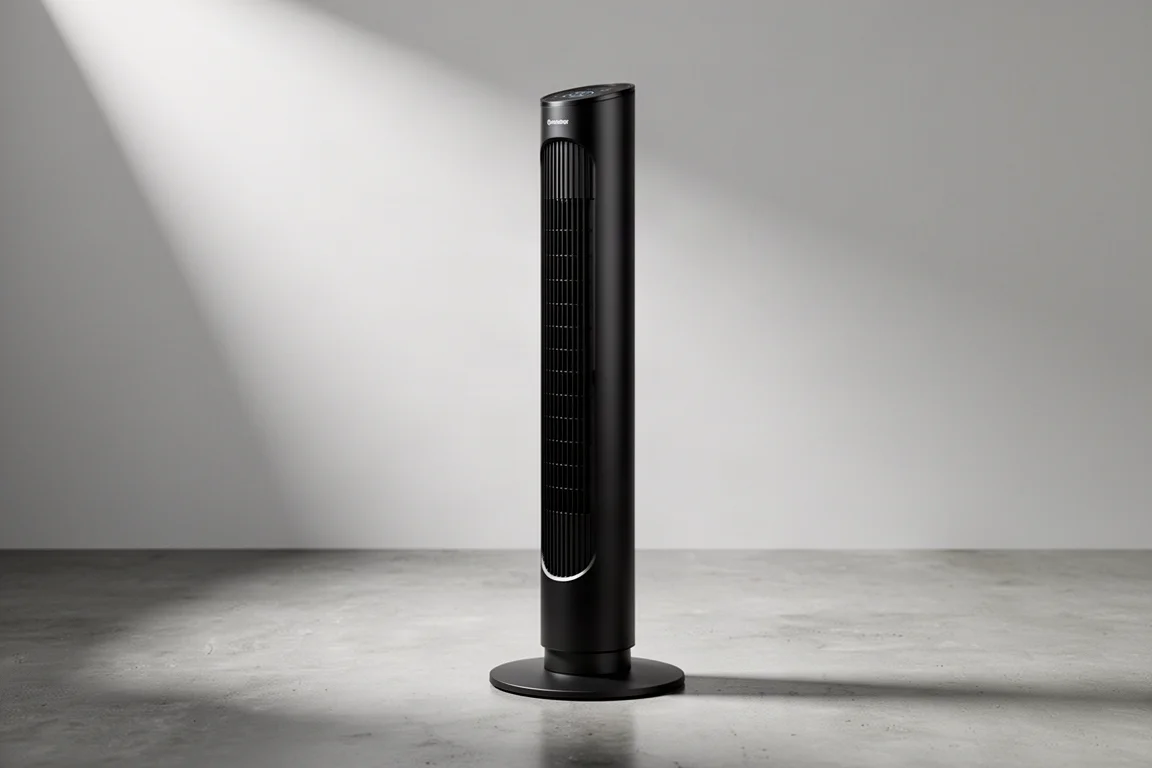
Most Powerful Air Mover: Vornado
The $100 Vornado stands apart with a very large outlet and a massive crossflow fan. It moved by far the most air of any fan tested, around 1,170 CFM, though at a lower air speed of close to 3 mph at 10 ft. The company says it is designed and supported in Andover, Kansas, and claims the powerful AC motor circulates more air effectively through the room. It oscillates 70 degrees and offers four modes: normal, natural, sleep, and auto, plus four speeds.
The trade-offs are real. At 11.15 lb it is the heaviest fan tested, and it is the most power hungry, drawing almost 43 W on low and just over 89 W on high, with noise reaching 62.1 dB on high, the loudest recorded. On the plus side, it was better than average on tip-over stability at 16.3 degrees and survived the drop test without damage.
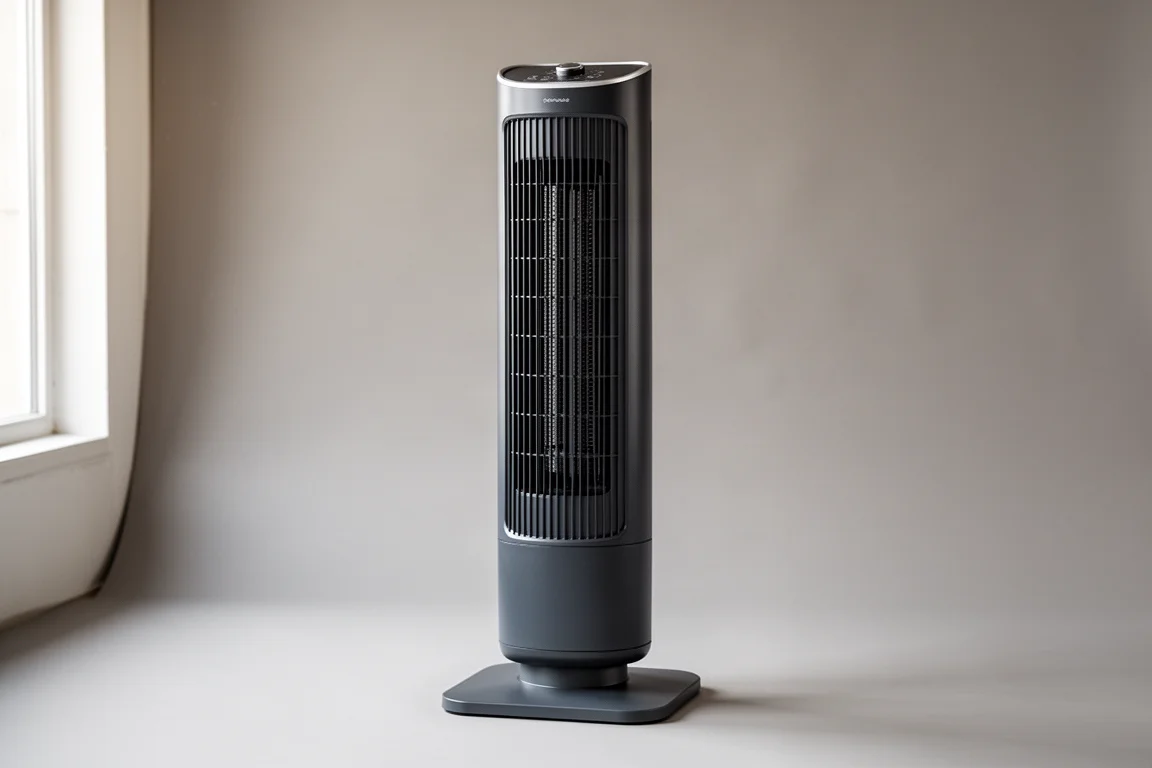
Best Value Pick: OmniBreeze
At $48, the OmniBreeze delivered one of the best price-to-performance results in the group. It has four fan modes (normal, natural, sleep, and auto), a remote with roughly 20 ft of range and an LED display, and it posted 15.7 mph of air speed on high, third best at the outlet, plus 750 CFM.
It drew close to 28 W on low for around 10 mph, and close to 56 W on high. Noise measured 43 dB on low and 58.3 dB on high. It also won the tip-over test outright, holding until 17.5 degrees thanks to an 11.5-inch base. At 7.1 lb it is on the lighter side, and while the build quality does not feel quite as refined as the Levoit, Dreo, or Vornado, it survived the drop test without noticeable damage. For sheer value, it is hard to beat.
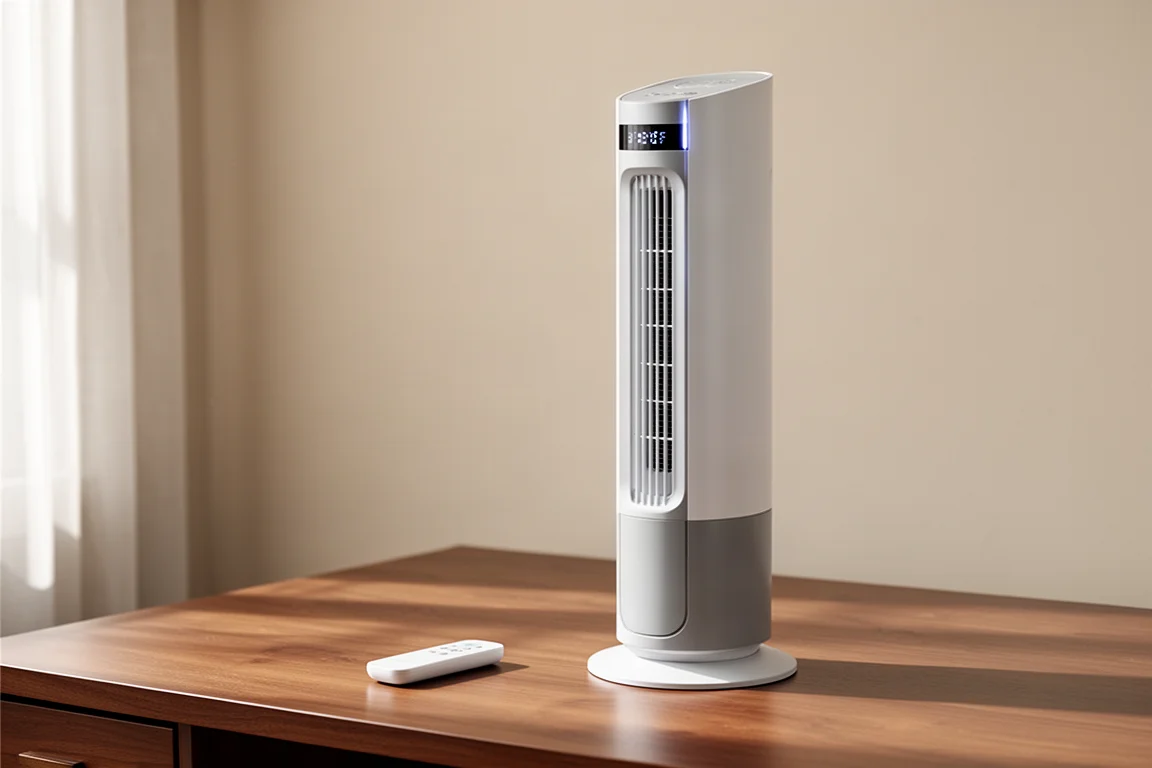
Strong Mid-Range Contenders: Pelonis and Levoit Competitors
Several other fans performed well in specific areas. The Pelonis, at $72, is a 42-inch fan with six speeds, four modes, a 24-hour timer, and a claimed high-quality AC motor. It was extremely efficient on low, drawing under 13 W, and it recorded the quietest low-speed noise of the group at 37.1 dB, with the middle speed at just 37.7 dB. Airflow was a strong 720 CFM, and it tipped at 15.5 degrees. The main concern is durability: after the tip-over drop, a couple of its snap-fit plastic pieces came out of position.
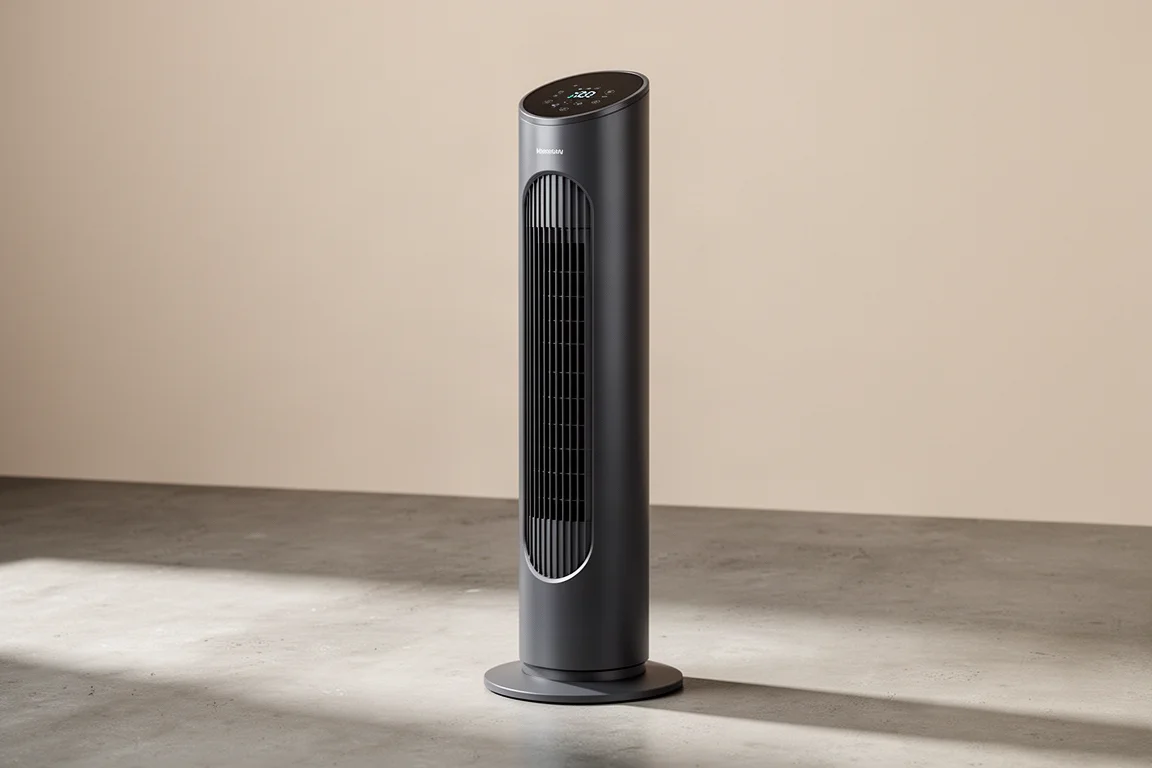
The Lasko, at $77, tied the Levoit on CFM at around 855, posted 14.5 mph on high, and was the quietest fan of the group on high speed at just 51.7 dB thanks to its steady output. It is a 42-inch fan with three speeds, a 7.5-hour timer, and a remote. The drawbacks: it drew the most power of any fan on low at 42.6 W, it is the second heaviest at 9.19 lb, and in the drop test the base came loose and the top plastic housing began to separate.
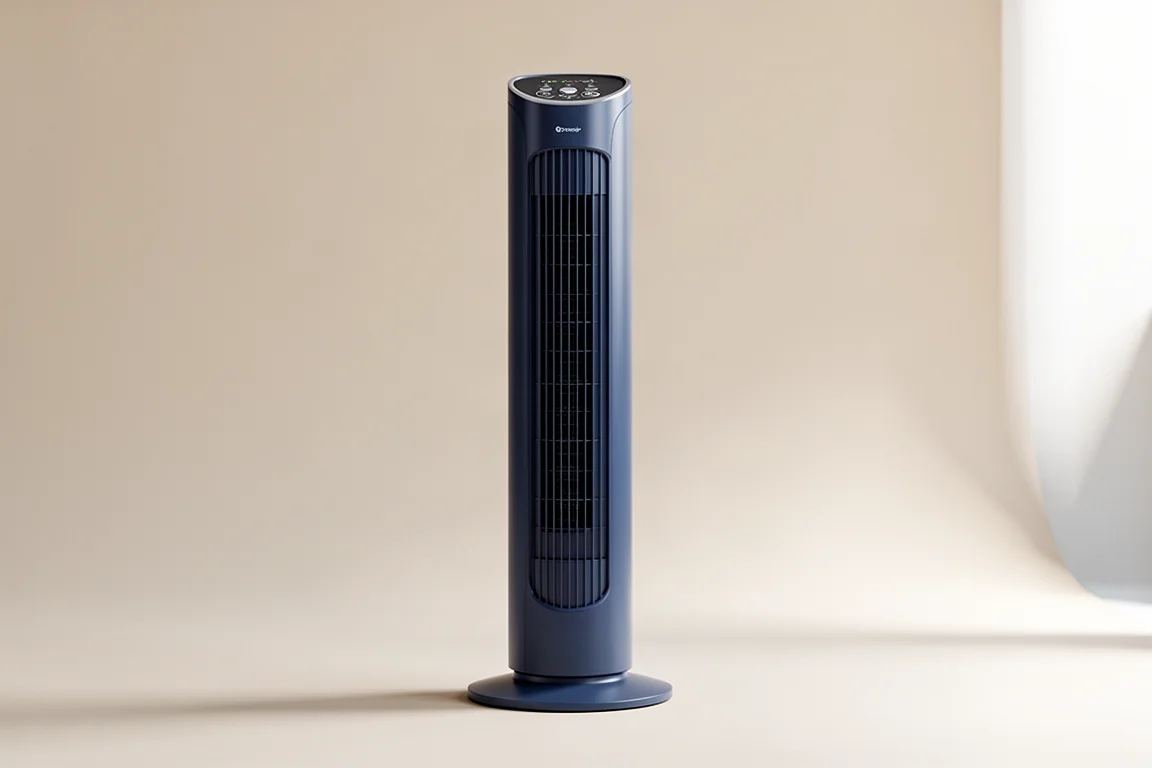
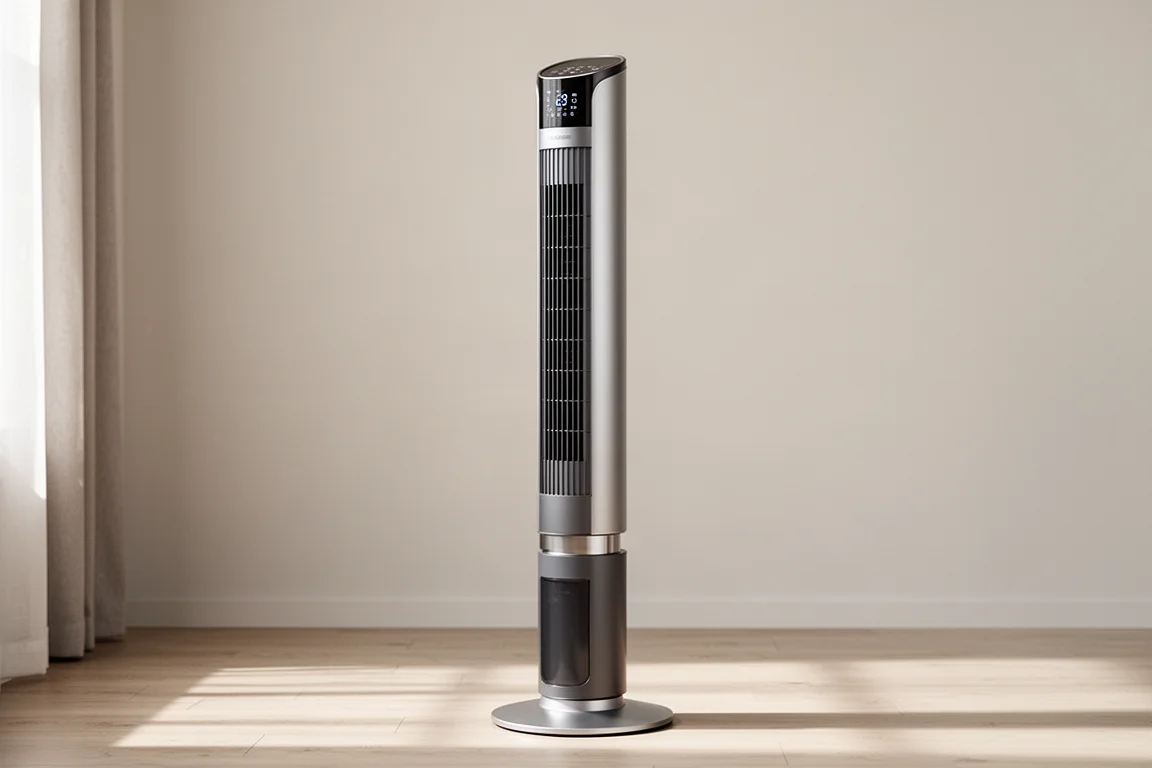
The Senville, at $55, is a 42-inch fan with customizable height that adjusts from 32 to 42 inches, an LED display, a remote, three modes, and a 7-hour timer. It was the second most efficient fan on high at 34 W, and the second quietest on high at 52.6 dB. Air speed was more modest at 13 mph on high and 608 CFM, and its top-heavy design tipped at just 13.7 degrees.
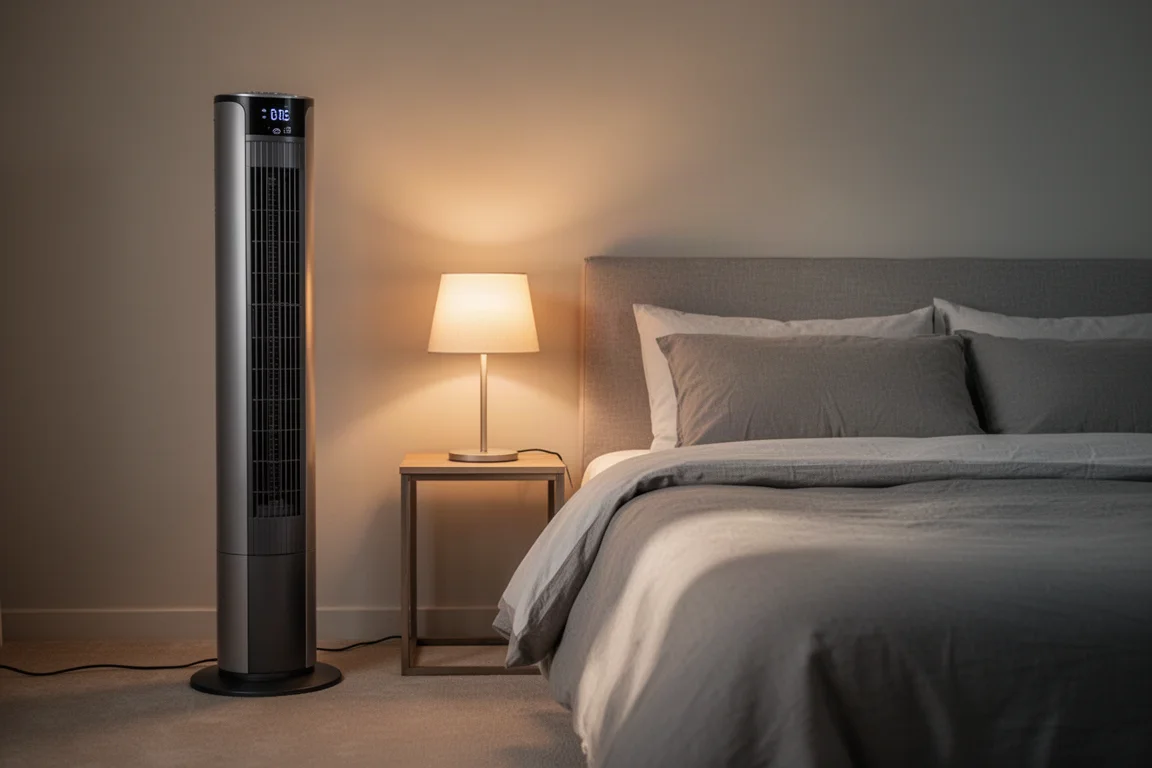
Quiet Operation: Pelonis and Senville
The Honeywell, at $56, claims quiet whole-room cooling with an automatic shutoff, five fan speeds, five lighting brightness selections, and a remote. It was genuinely frugal, drawing close to 20 W on low and only 29.2 W on high, the most efficient on high. But air speed suffered badly, at less than 4 mph on low and close to 9 mph on high. Its narrow 10.5-inch base was also the most tippy at 12.2 degrees, and the drop test broke the snap-fit clip holding the plastic leg together.
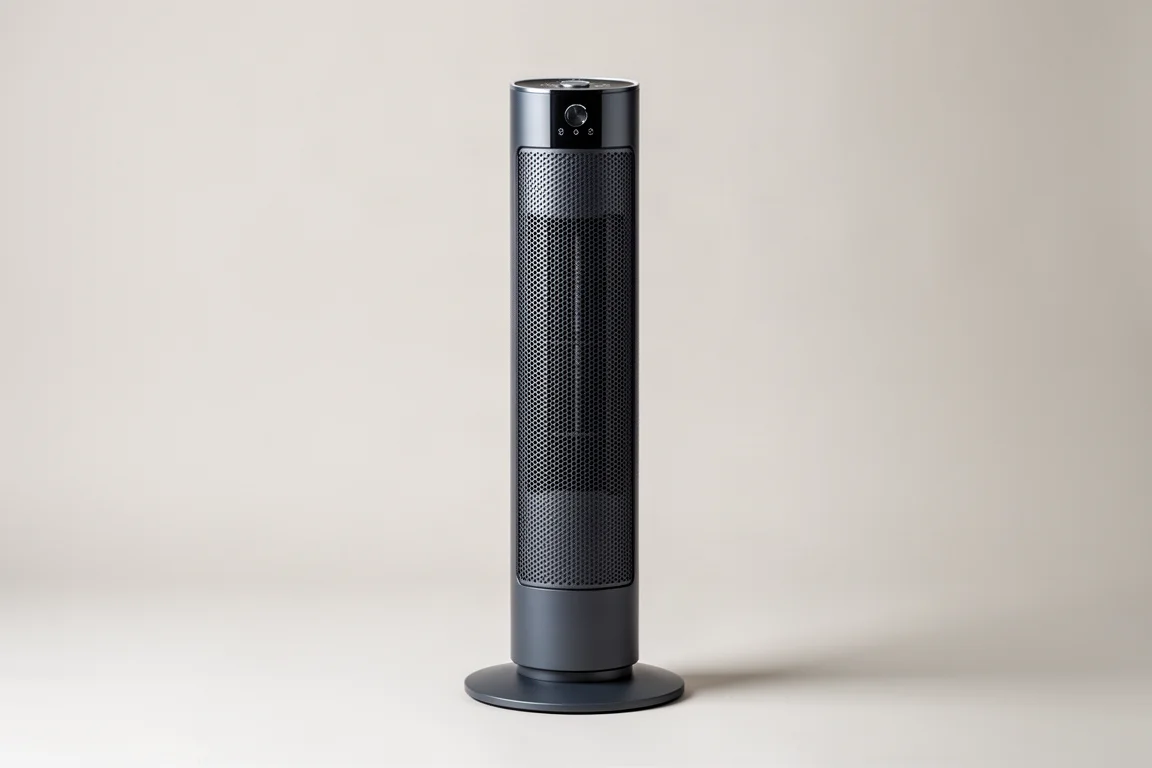
The Holmes, at $66, is a 42-inch digital tower fan with an accent light, a clear reading display with high and low brightness, five speeds, four modes, an 8-hour timer, claimed 1,070 CFM and 19.7 ft/s air speed, 90-degree oscillation, and remote storage in the back. It performed well, hitting close to 15 mph on high and ranking second at the outlet. It was quietest on low at 37.7 dB. The downsides are a narrow 10.2-inch base that tipped at only 12 degrees, and modest 525 CFM.
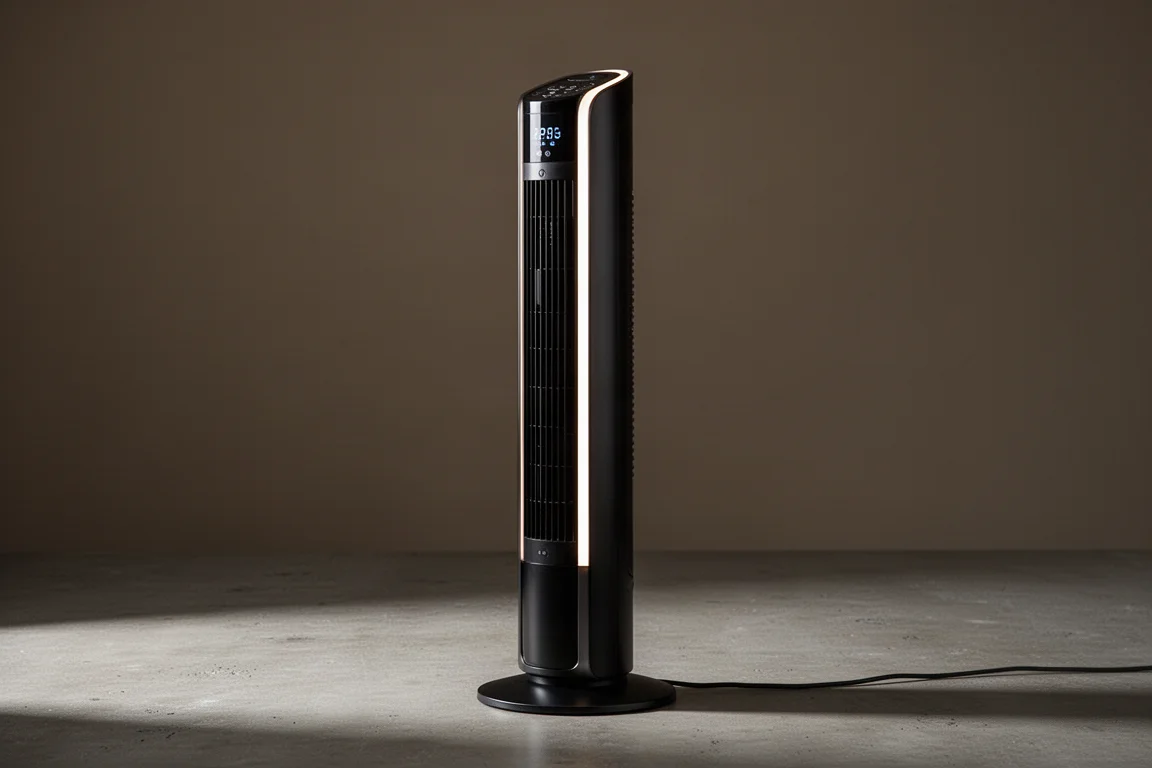
The Rest of the Field
The VAGKRI, at $60, is a 42-inch oscillating tower fan claiming 90 degrees of oscillation plus 135 degrees of vertical adjustment, four modes, four speeds, a remote, and a 15-hour timer, with a claimed air speed of 24 ft/s. Measured, it reached 12.6 mph on high and 637 CFM, with 37.8 dB noise on low. It held up well in the drop test.
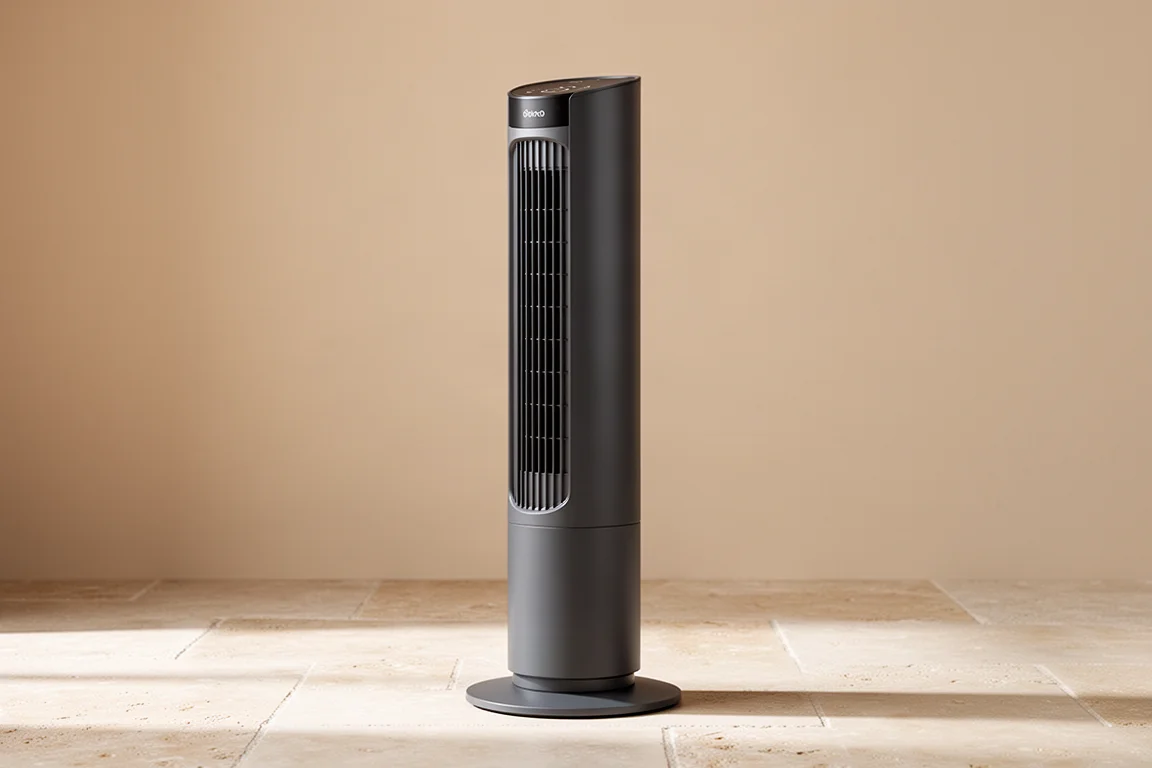
The Amazon Basics, at $53, is a 40-inch fan with 70-degree oscillation, four speeds, three modes (standard, breeze, and nature), a remote, and a timer up to 15 hours. It made 10.8 mph on low, the best low-speed air speed in the group, and 704 CFM on high. But it was the loudest fan on both low (50 dB) and high (59.6 dB), it is top heavy, and it tipped at only 13.9 degrees.
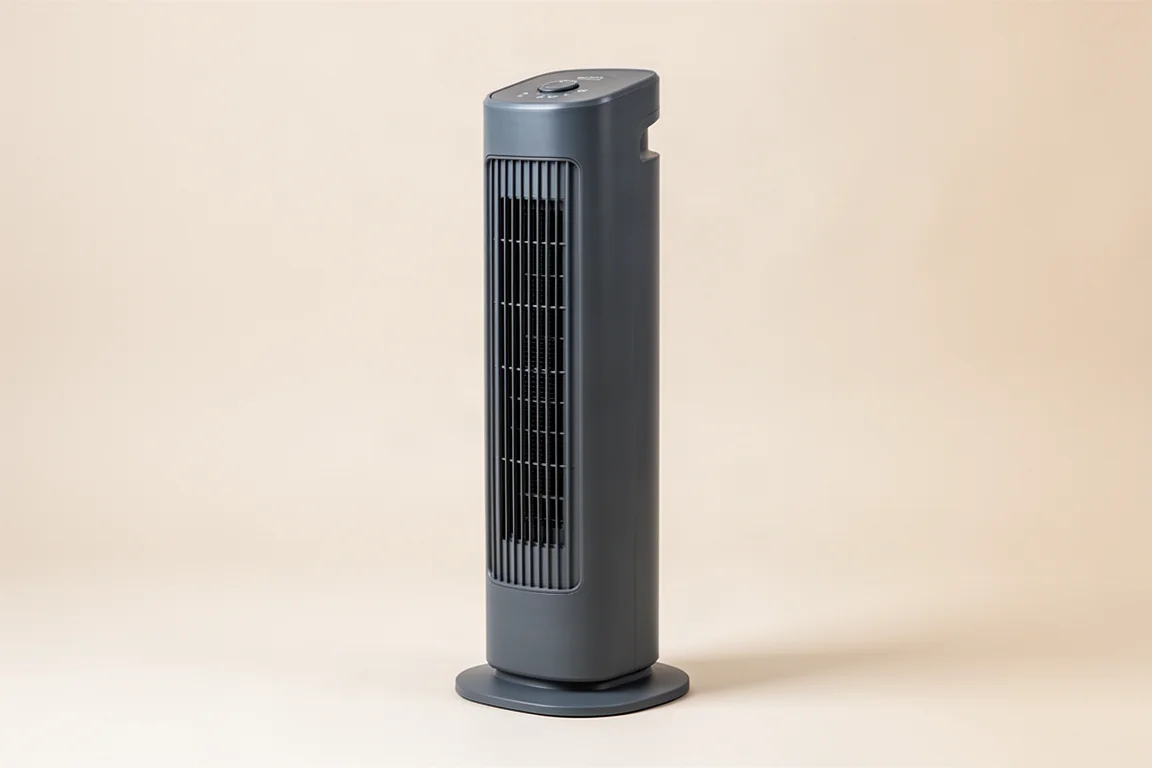
The Comfort Zone, at just $29, is a 32-inch fan with three speeds and claimed 90-degree oscillation. It drew 33 W on low and close to 41 W on high, moving air at 9.8 mph on high. It is the least powerful of the budget options at 167 CFM, and at 46.1 dB on low it is not especially quiet despite the whisper-quiet claim. It did tie for second in the tip-over test at 16.8 degrees and survived the drop test, which is respectable for the price.
The Premium Option: Dyson
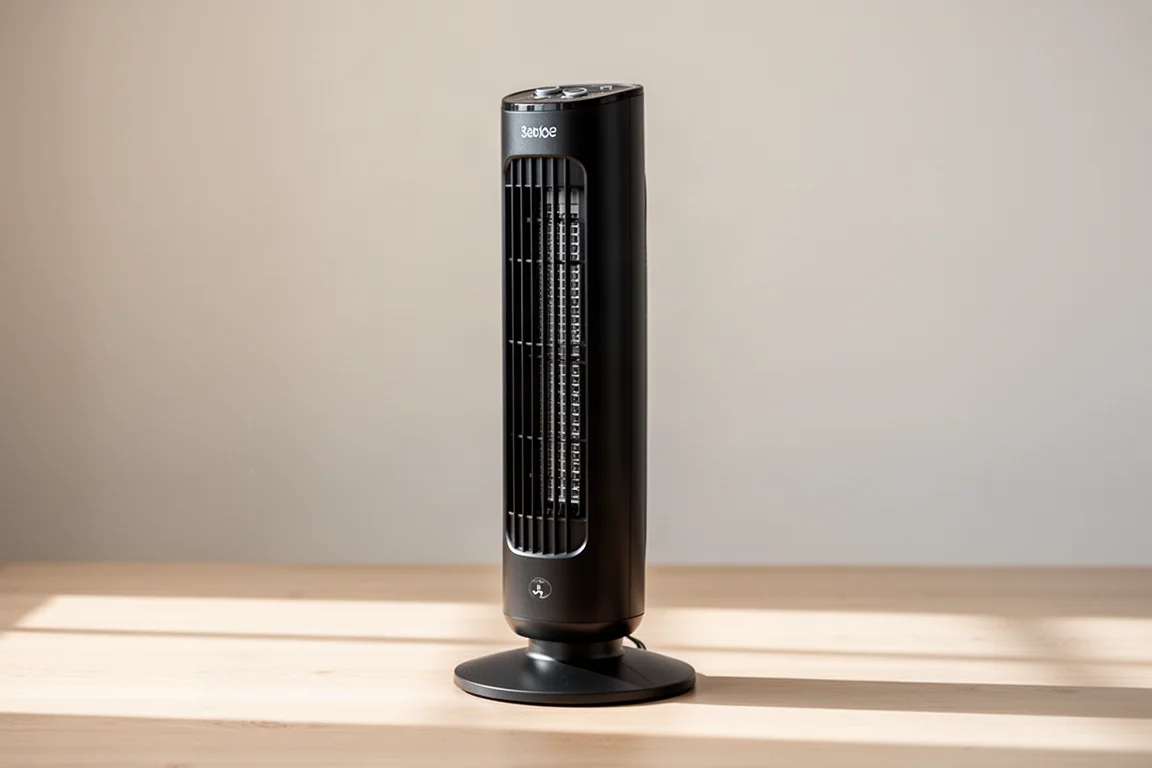
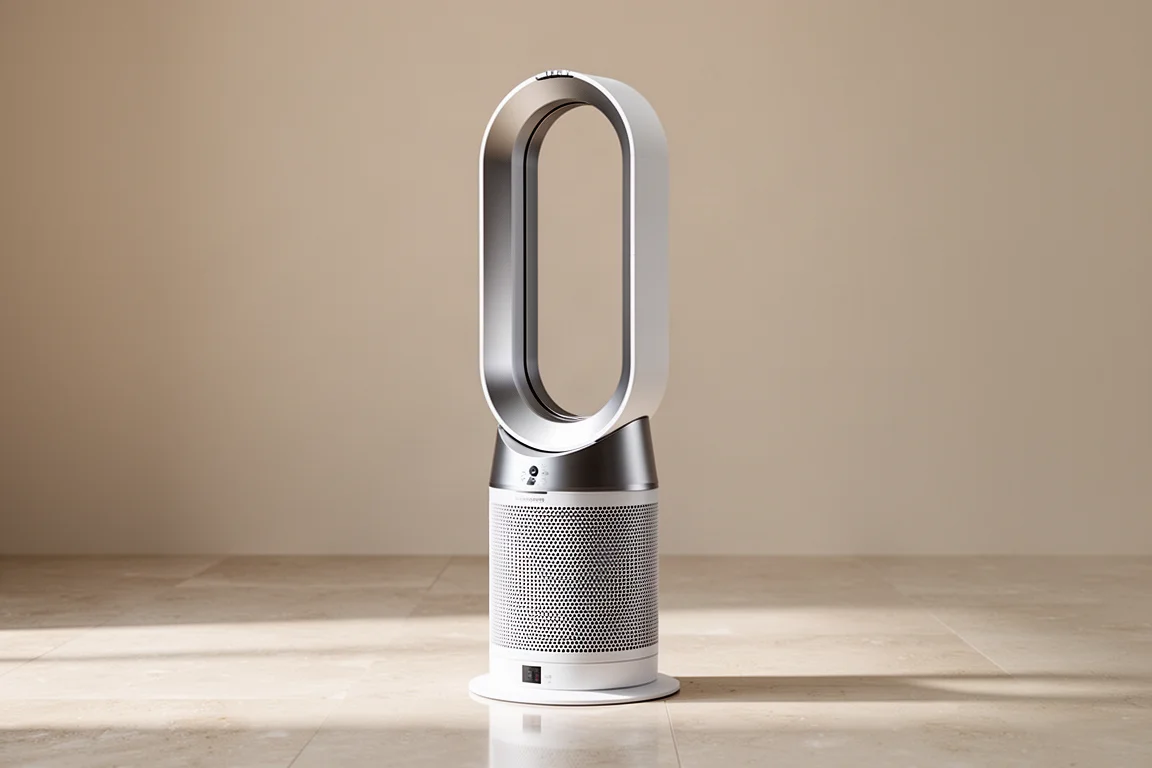
At $483, the Dyson purifying tower fan is a very different product. It includes a HEPA filter to purify the air, automatically detects and reports air quality levels, and provides real-time monitoring of PM2.5, PM10, VOC, and NO2. The company claims 77 gallons of air per second, and it oscillates anywhere from 45 to 350 degrees. It is made in Malaysia, weighs just over 10 lb, and survived the drop test without damage.
As a purifier-first device, its cooling numbers are modest. Air speed at the outlet on high was 7.6 mph, the 10 ft test averaged around 1.45 mph, and CFM was the lowest of the group at around 105. On the other hand, it was by far the most energy efficient at only 4 W on low, and it tied for the quietest low-speed operation at 37.1 dB. Buy it for air quality, not raw airflow.
Buying Advice: Which Tower Fan Should You Get?
When the raw results were converted into rankings and averaged across the graded tests, the Levoit came out on top with the best average finish, scoring well in every category. The Dreo followed closely in third place on average and would have won outright if tip-over angle were excluded. The Vornado is the pick if moving the largest volume of air matters most, with the caveat that it draws the most electricity. And if value is the priority, the OmniBreeze delivers strong performance for around $48.
Noise is worth thinking about before you choose. Some people want a quiet fan for conversation and sleep, in which case the Pelonis and Dyson were the quietest on low. Others prefer louder white noise to mask background sounds, and the Lasko’s relatively quiet high speed is interesting in that context for a different reason.
Conclusion
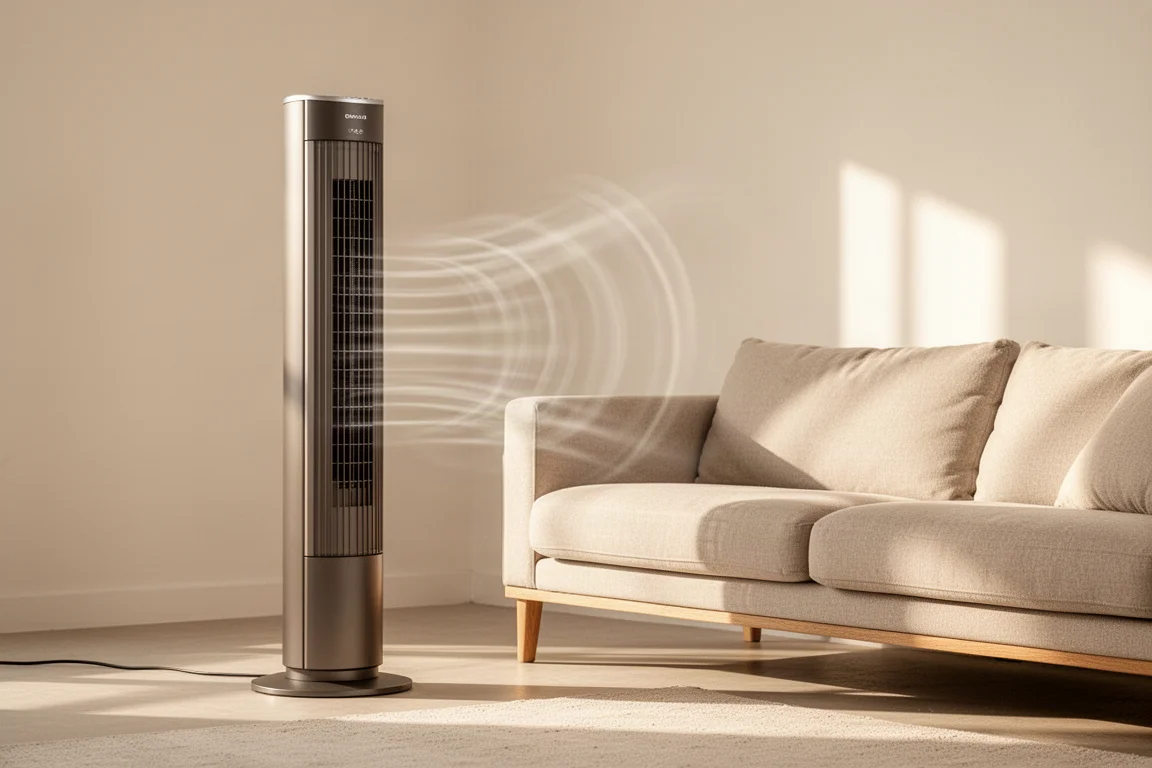
The gap between a $30 fan and a $400 fan is real but not always in the direction you might expect. The Levoit and Dreo, both around $75 to $80, beat nearly everything on airflow and efficiency, while the $48 OmniBreeze proves affordable fans can still compete. The Dyson occupies its own niche as an air purifier with a fan attached. Match the fan to what you actually need: maximum airflow, quiet operation, energy efficiency, or air purification, and there is a strong option at every price point here.
Further reading
Related Reviews

Home Appliances
Best Upright Vacuums 2026: Top Picks for Every Budget
We tested 23 plus upright vacuums to find the best performers across cleaning, sealing, usability, and value. These are the models worth considering.

Home Appliances
Best Vacuums 2024: Top Picks for Every Floor Type and Budget
A data-driven roundup of the best upright, cordless, and robot vacuums of 2024, with performance scores and buying advice for every budget.

Home Appliances
Best Vacuums 2026: Budget to Premium Roundup
Eight vacuums tested across carpet, hard floors, hair wrap, crevice cleaning, and air filtration. Find out which budget model beats the premium flagships.