Utility Knives
Tool Brand Utility Knives: Four Knives That Break the Mold
When tool companies step outside their lane and design real knives, the results range from genuinely clever to purely branded. Four picks, with honest trade-offs.
Introduction
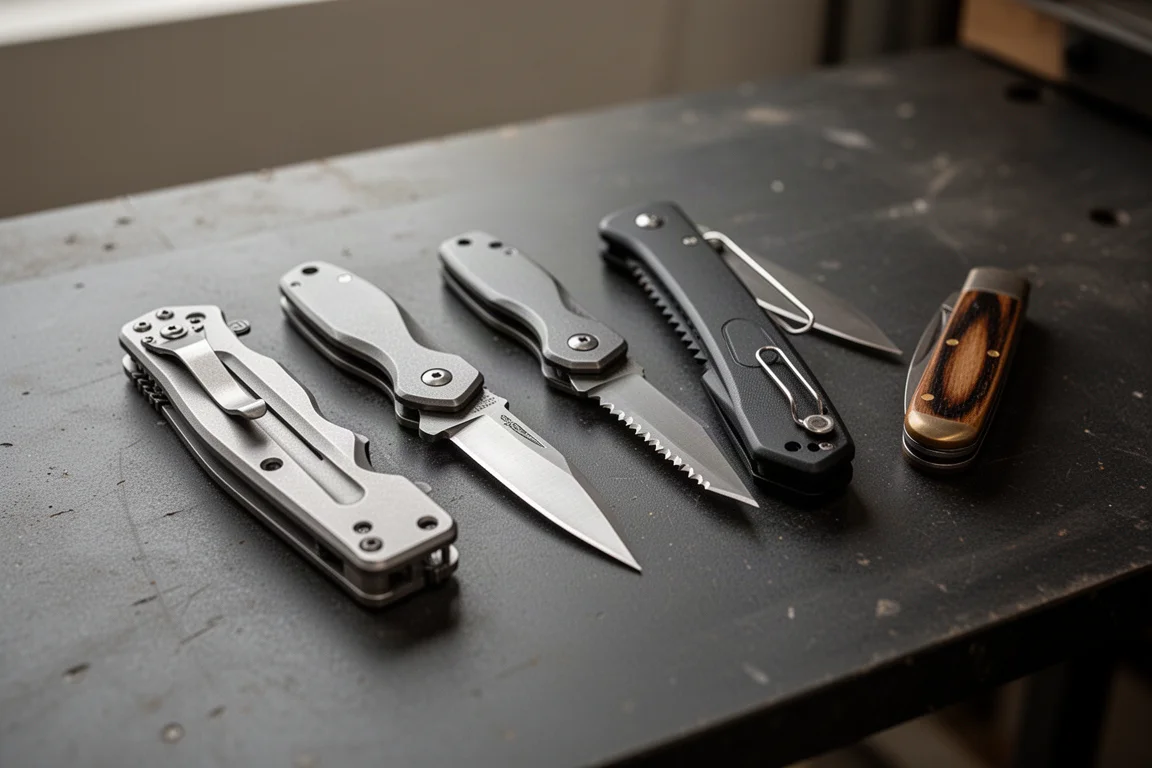
There is something genuinely intriguing when a tool company steps outside its usual lane and starts designing knives. The standard utility knife market is crowded with near-identical designs that any brand can slap a logo on. But when a power tool maker actually engineers its own folder, the results tend to be different: unusual blade shapes, push-button actions, and design choices you will not find anywhere else.
This roundup covers four very different examples of the trend, from a high-tech take on the utility knife to a traditional pocket knife that mostly just wears a tool brand name.
Why Tool Brand Knives Are Interesting
Most utility knives on the market look the same. A bronze-finished big-box version might weigh a ton, but there is nothing exciting about it, and you can get an equivalent from practically any tool company. The interesting cases go in opposite directions: a lighting company pushing high-tech aluminum and ceramic blades into the utility space, and tool brands trying their hand at traditional knife design.
The differences between these knives come down to pocket clip design, blade shape, extra features, handle material, and lock type. Liner locks are popular, push-button actions are common among tool company knives, and handle quality varies from cheap-feeling plastic to machined aluminum.
Olight OKnife: High-Tech Take on the Utility Knife
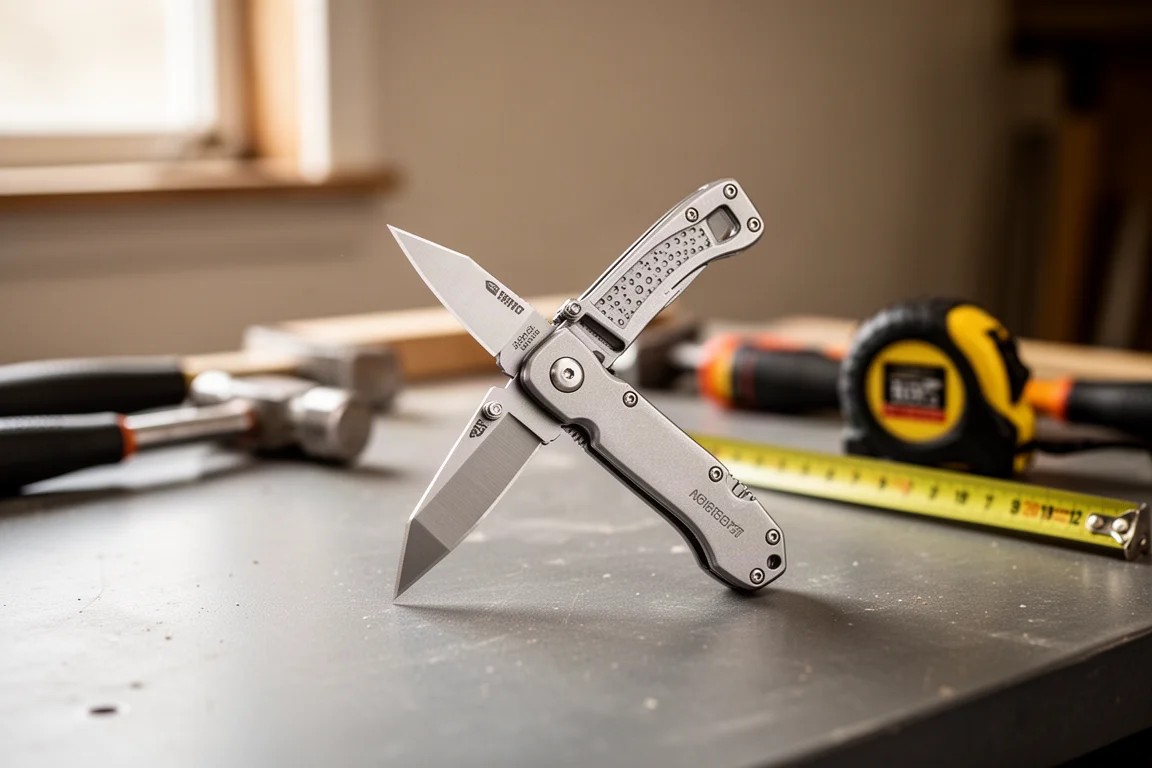
Olight, a company better known for lighting, built a utility knife division around a genuinely unique flipper design. It uses high-tech aluminum in the construction and ceramic blades, which sets it apart from the sea of conventional utility knives.
That engineering comes at a price. This is the kind of knife you pay more for precisely because it is not the usual big-box design, and it is the most expensive of the knives covered here by a wide margin. It costs roughly five times more than all the other knives in this roundup combined, which is wild given the category it sits in.
DeWalt Utility Knife: Aggressive Design, Divisive Details
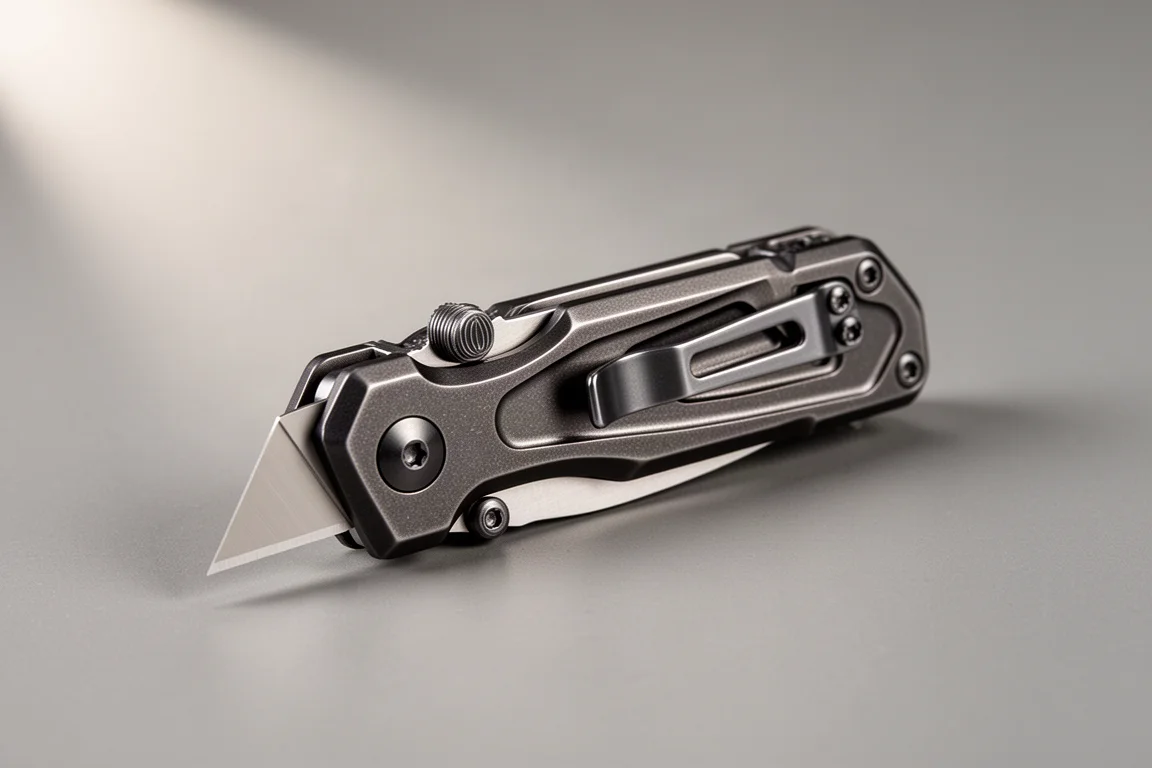
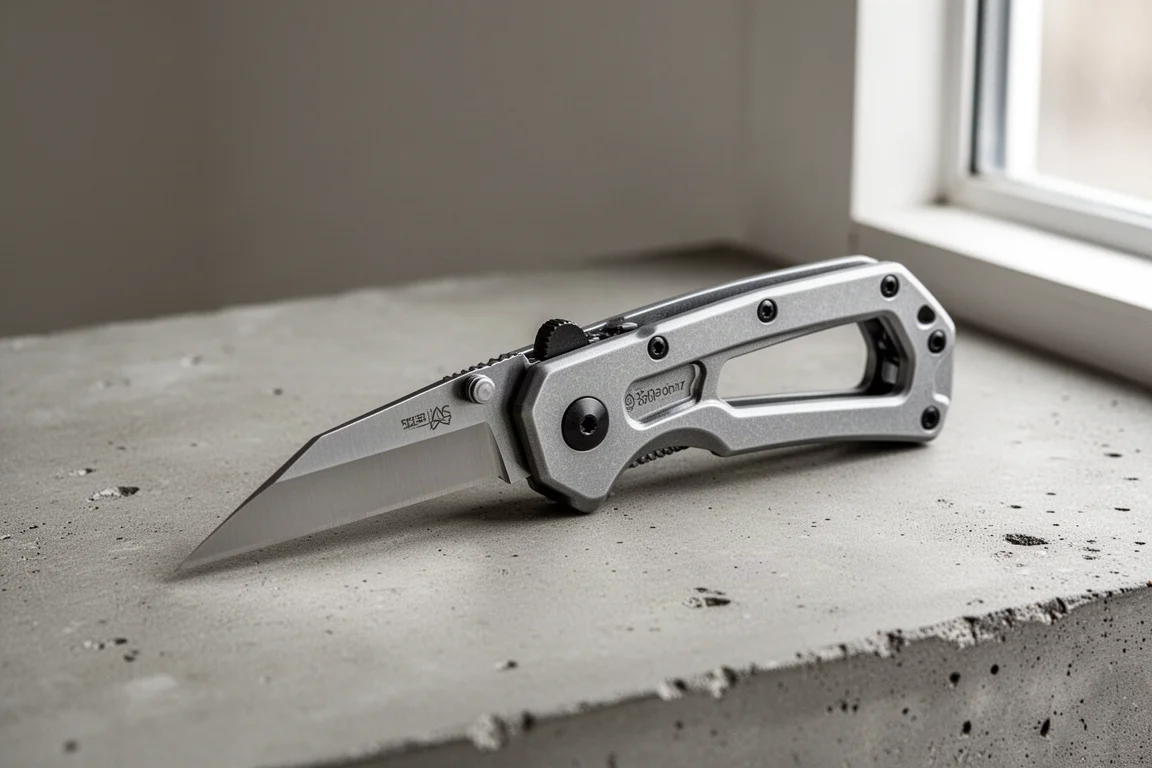
DeWalt has been pushing hard into the knife space with a whole range of different styles, and this one stands out. It pairs a spear point style blade with an aluminum handle, and the branding is stamped right into the frame.
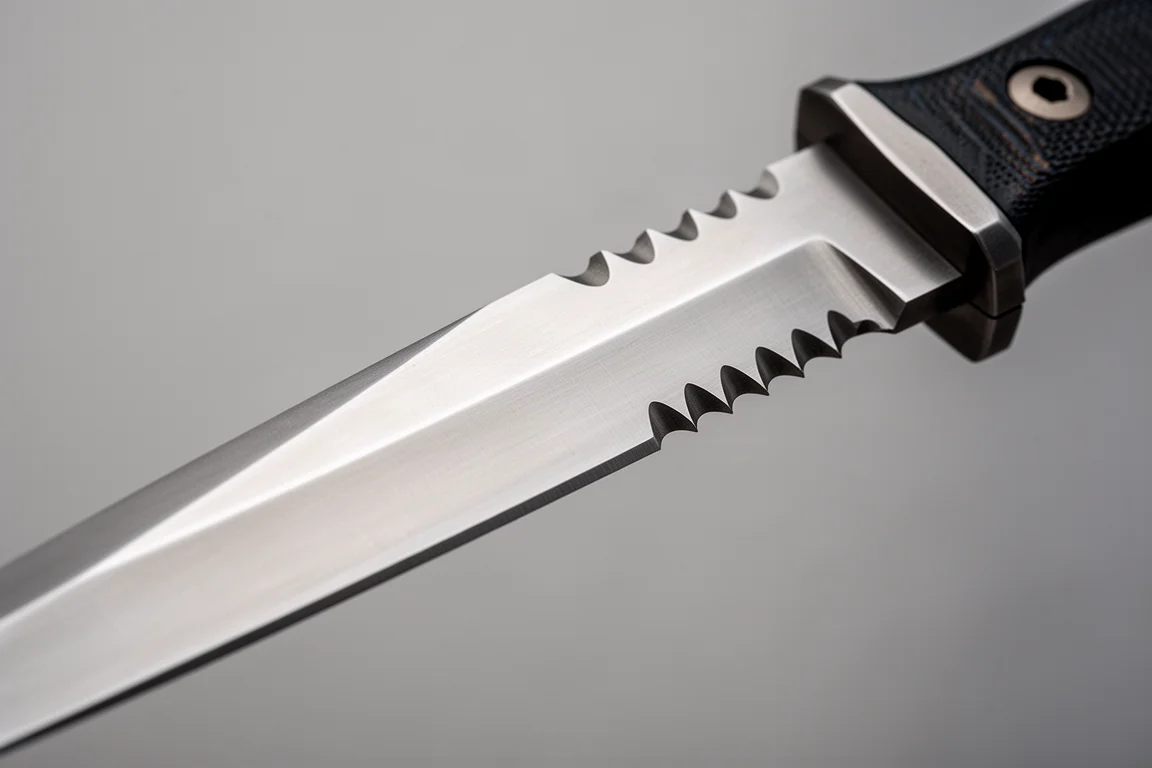
The trade-offs are real. The lockup is weak, the handles feel a little cheap, and it is genuinely hard to flip open. And yet there is just something about this knife that makes it easy to like. It has character that the generic versions lack, and that counts for more than the spec sheet suggests.
Milwaukee Utility Knife: Familiar Blade, Confusing Lock
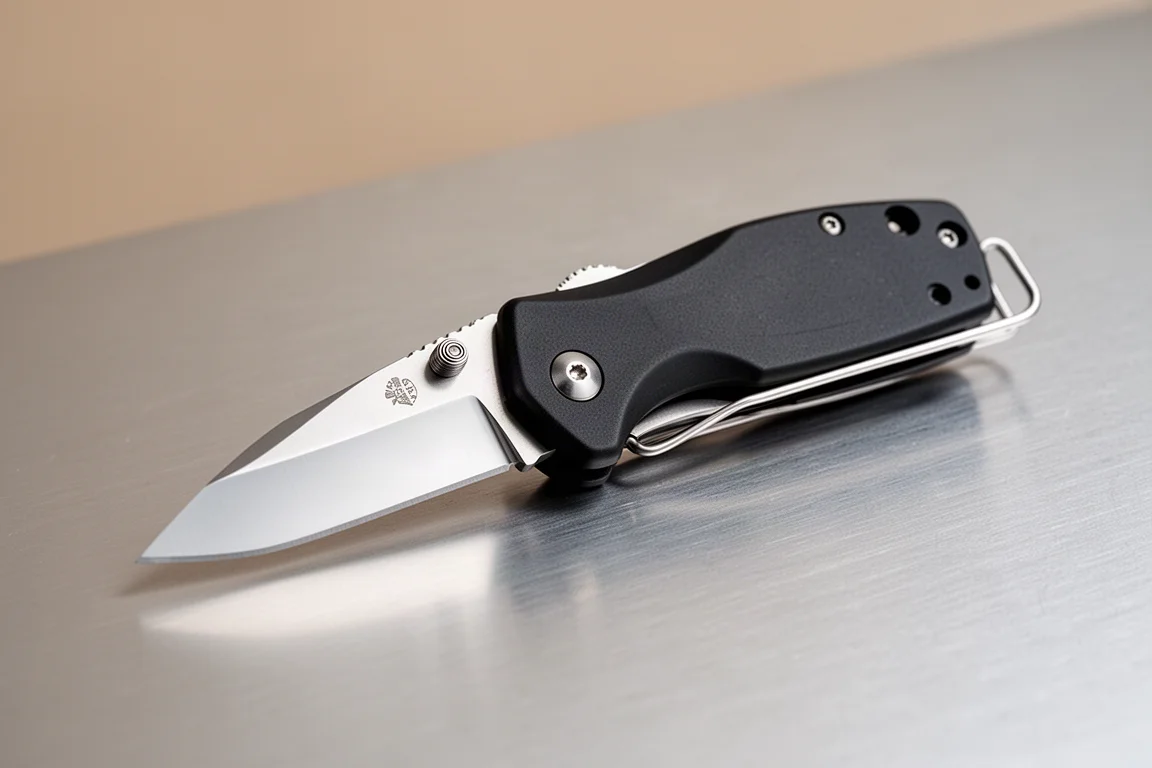
Milwaukee has been really successful designing its own knives, and this one is a good example of why. It uses a familiar drop point-ish blade with a satin finish, a plastic handle, and a small wire pocket clip.
The action is the defining feature. You push the button to open it, but then the knife switches to a liner lock on the inside, so the button does nothing to close it. That dual mechanism can create a little bit of closure confusion if you are not used to it.
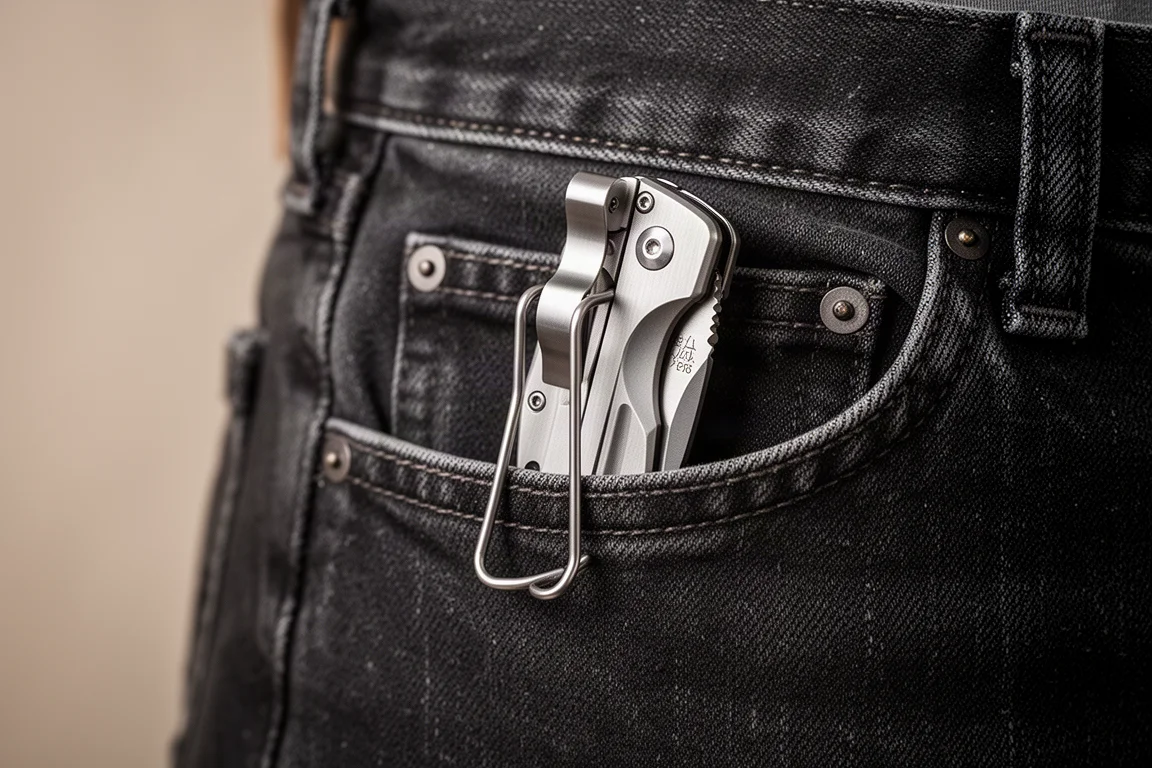
The serration here is mild compared to some competitors, which makes it a more general-purpose choice. If you can live with the two-stage lock design, it is one of the more thoughtfully executed tool brand knives available.
Snap-On Pocket Knife: Branding Over Substance
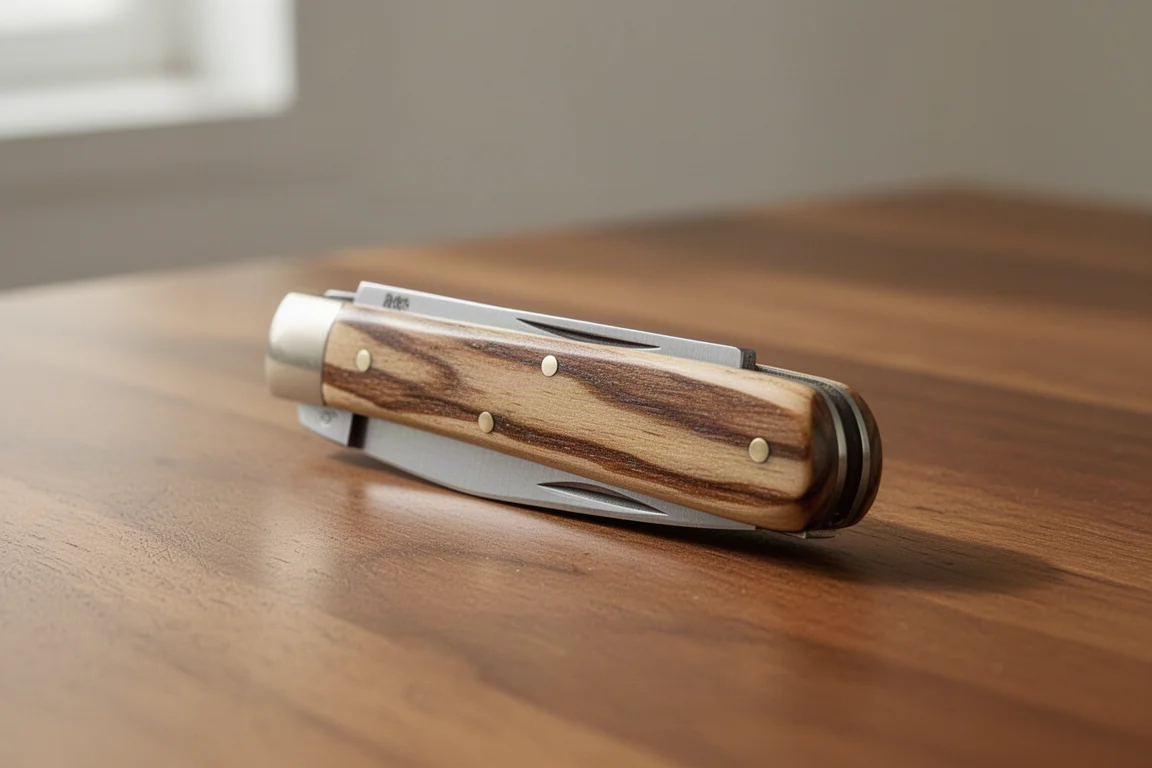
Then there are the knives that look like traditional pocket knives with tool company branding, and this Snap-On example is exactly that. In reality, the branding has little to do with the knife itself. It is a name painted onto a design that plenty of makers like CRKT and Kershaw produce with tool company branding.
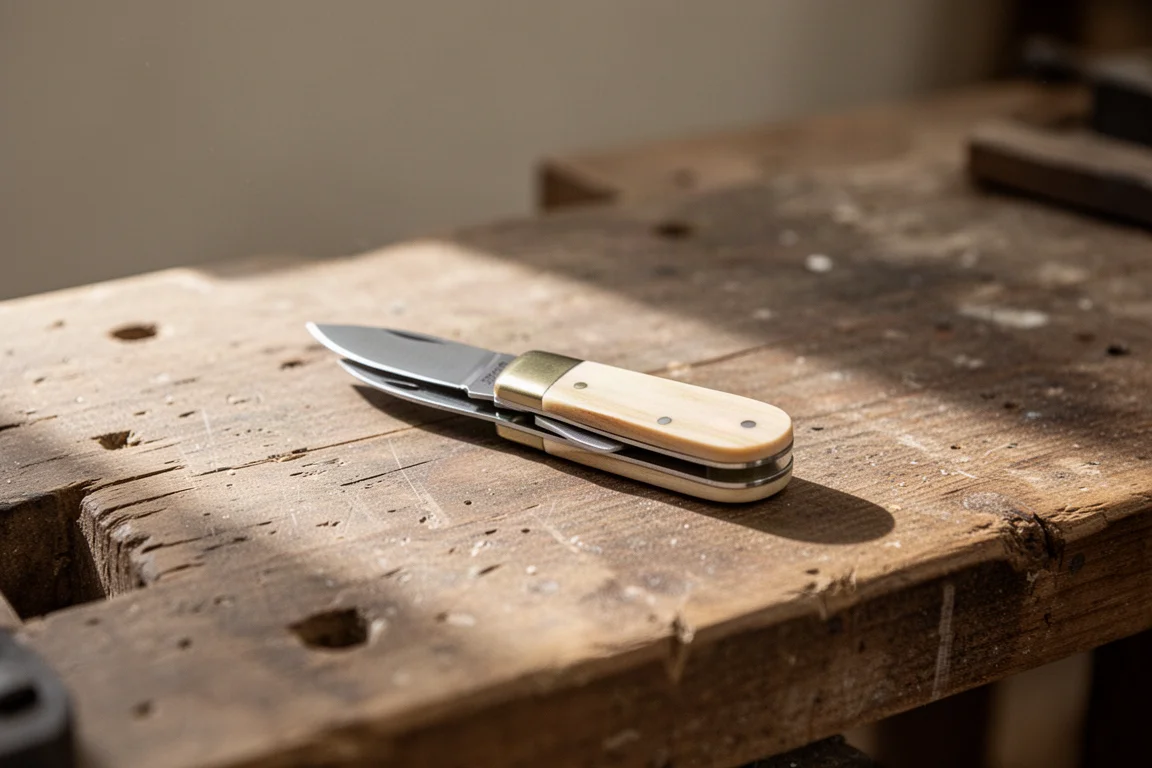
As far as quality goes, compared to an actual knife manufacturer’s product, it is not close. The steel is questionable, the lockup is mild enough that trusting your life to it would be a stretch, and the handles are plastic rather than G10 at a minimum. People still feel an affinity for these knives and buy them anyway, often to keep in various places, and there is nothing wrong with that as long as you know what you are paying for.
Buying Advice
If you want the most interesting engineering and do not mind paying a premium, the Olight OKnife is the standout. If you like a knife with attitude and can accept a soft lockup, the DeWalt is easy to warm to. The Milwaukee suits anyone who wants a proven, successful design with a conventional blade, provided the button-plus-liner-lock action does not bother you. The Snap-On pocket knife makes sense only as a fun branded piece, not as a serious cutting tool.
Conclusion
Tool brand knives occupy a strange, appealing middle ground. Some, like the Olight and the Milwaukee, are genuine design efforts that bring something new to the utility knife space. Others, like the branded Snap-On folder, trade almost entirely on the logo. Knowing which is which is the difference between buying a clever knife and buying a name.
Further reading
Related Reviews
Utility Knives
Stinger Magnetic Slider and Godzilla Blade: Two Trendy Utility Knives Under Scrutiny
Two Stinger utility knives that look great in social media ads, but how do they hold up in everyday use? A closer look at carry, locking, and blade changes.
Utility Knives
Best Folding Utility Knives: Fiskars Pro Folding vs Lenox
Two folding utility knives with very different designs: a clever Fiskars with a folding blade guard and onboard blade storage, and a Lenox that feels great in hand but has quirks worth knowing about.

Backpacking Gear
Building a 10 lb Base Weight: An Ultralight Backpacking Gear List
A practical walkthrough of the ultralight pieces behind a 10 lb base weight, from a 765 g pack and a roomy one-person tent to a full camp chair and a dependable water filter.