Garage Tools
Best Tire Pressure Gauges: Digital, Dial, and Specialty Options Compared
From vintage slide-rule gauges to modern digital readouts and off-road deflators, seven tire pressure tools tested side by side for accuracy, durability, and everyday usability.
Introduction
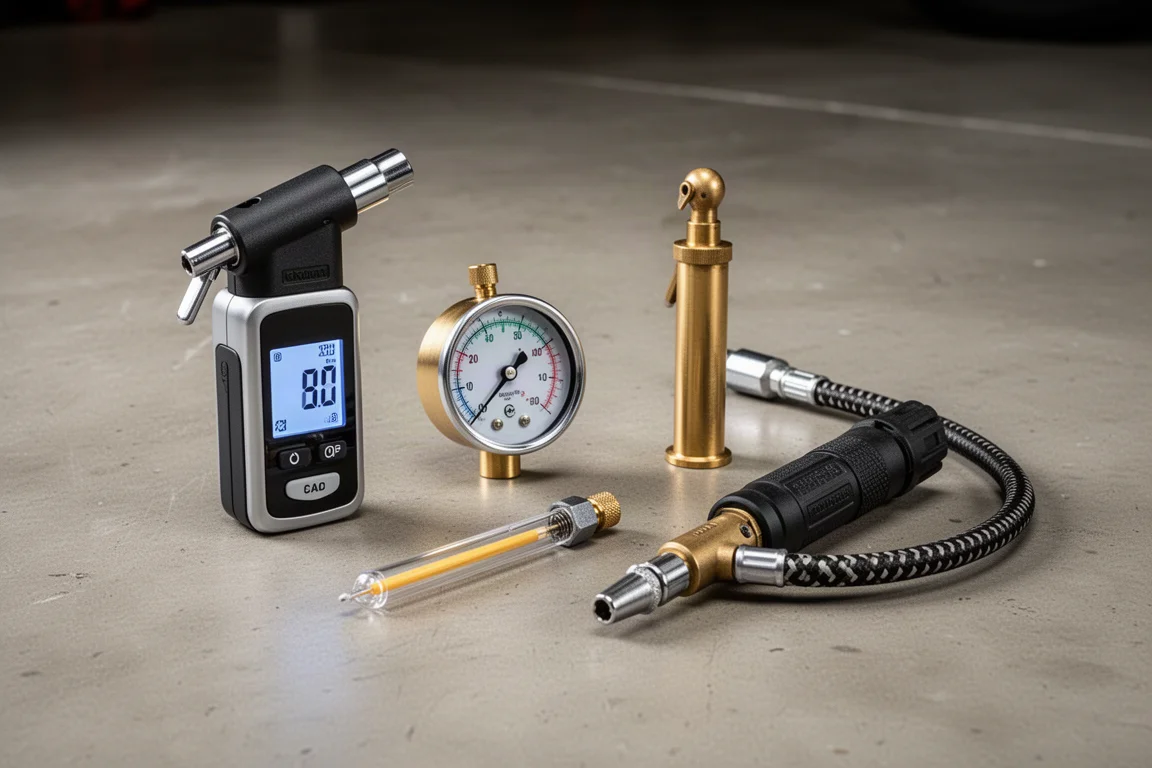
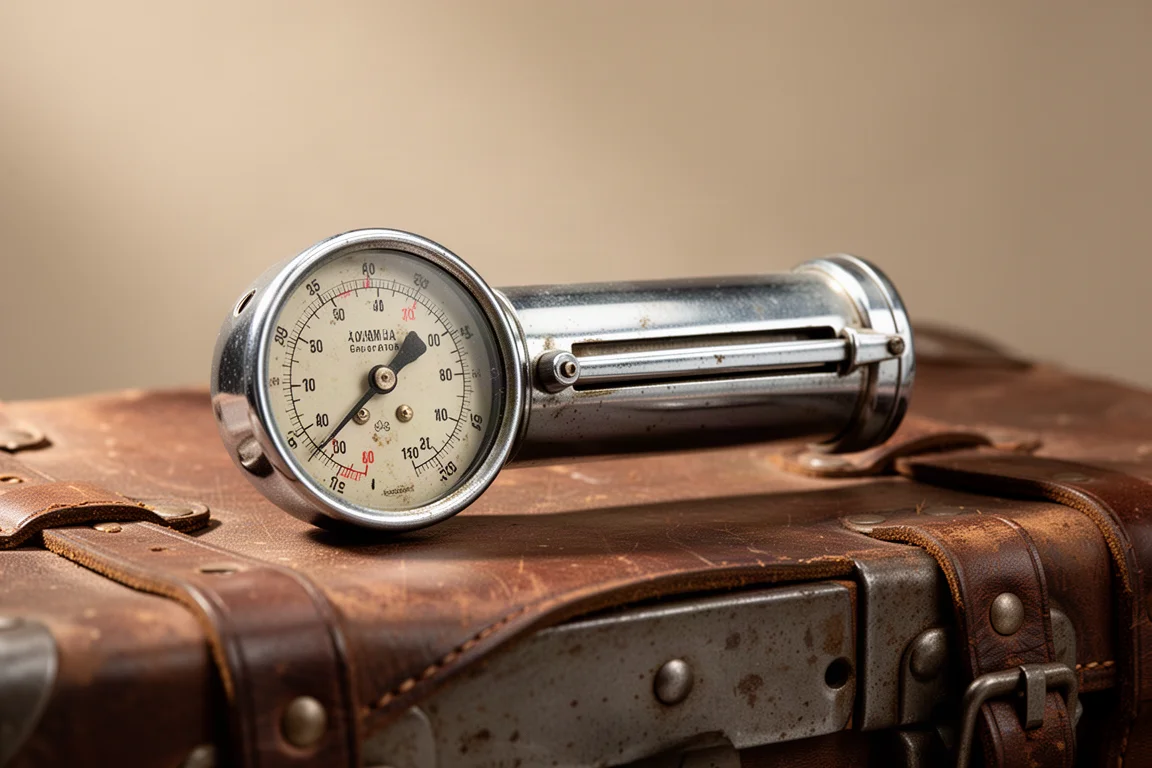
Tire pressure gauges have come a long way from the early slide-rule designs. Old gauges used a small cylinder that slid outward inside the body as pressure pushed against it, and the reading was taken where the slide stopped. They still work, but reading them precisely can be a challenge. Modern digital gauges make checking pressures far easier, and this comparison covers seven options ranging from vintage-style to purpose-built off-road tools.
To compare them, each gauge was tested against the same reference tire, so the differences in readings, sealing behavior, and ease of use become clear quickly.
JACO Digital Tire Pressure Gauge
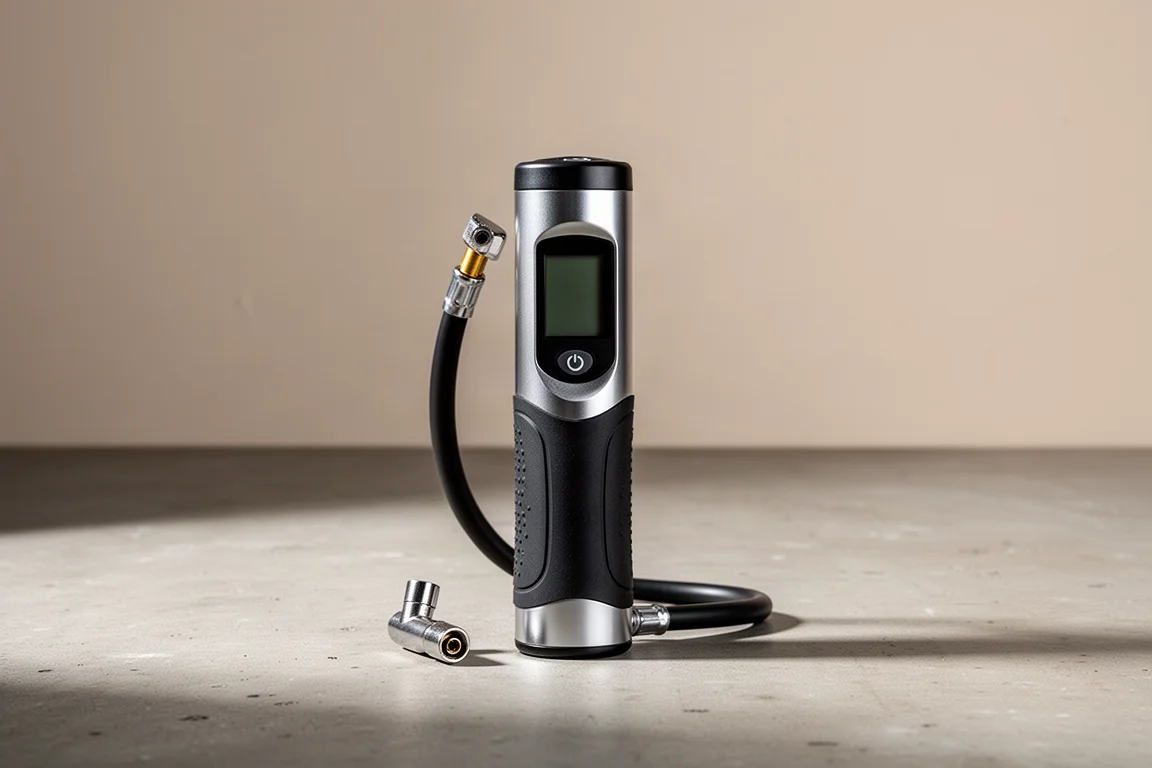
The JACO digital gauge stands out as the reference tool for accuracy and durability. It is battery powered, which means there are still reasons to keep a traditional dial gauge around, but this is the one to reach for when you really want to know the exact pressure. The rotating 360-degree chuck makes it much easier to read at any angle on the valve.
In testing, it read 31.9 psi on the reference tire and served as the baseline for every other gauge. One caveat worth knowing: it survived a low battery scare. Because the backlight can switch on every time the gauge gets bumped in a console or glovebox, the battery drains faster than expected. A battery indicator helps, and swapping in fresh batteries before a big trip is a sensible habit.
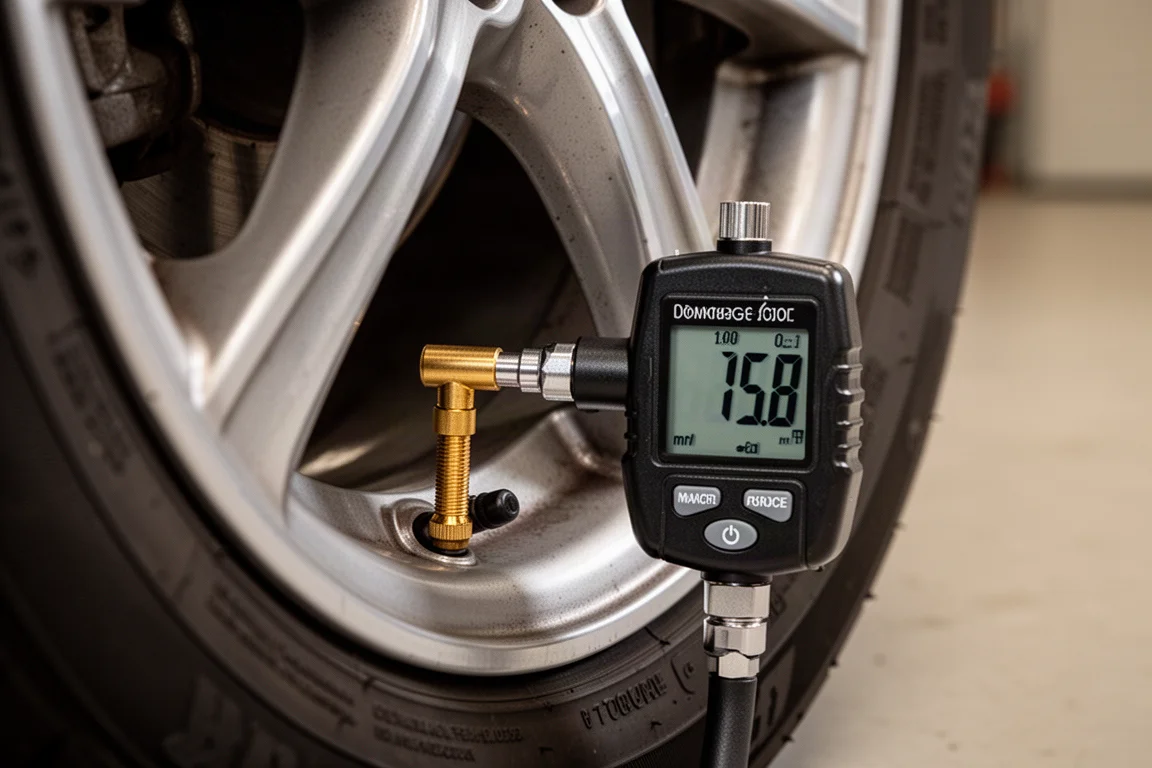
Overall, this is the gauge to trust for a definitive reading, and keeping it in a padded container protects it over the long term.
ARB Tire Deflator
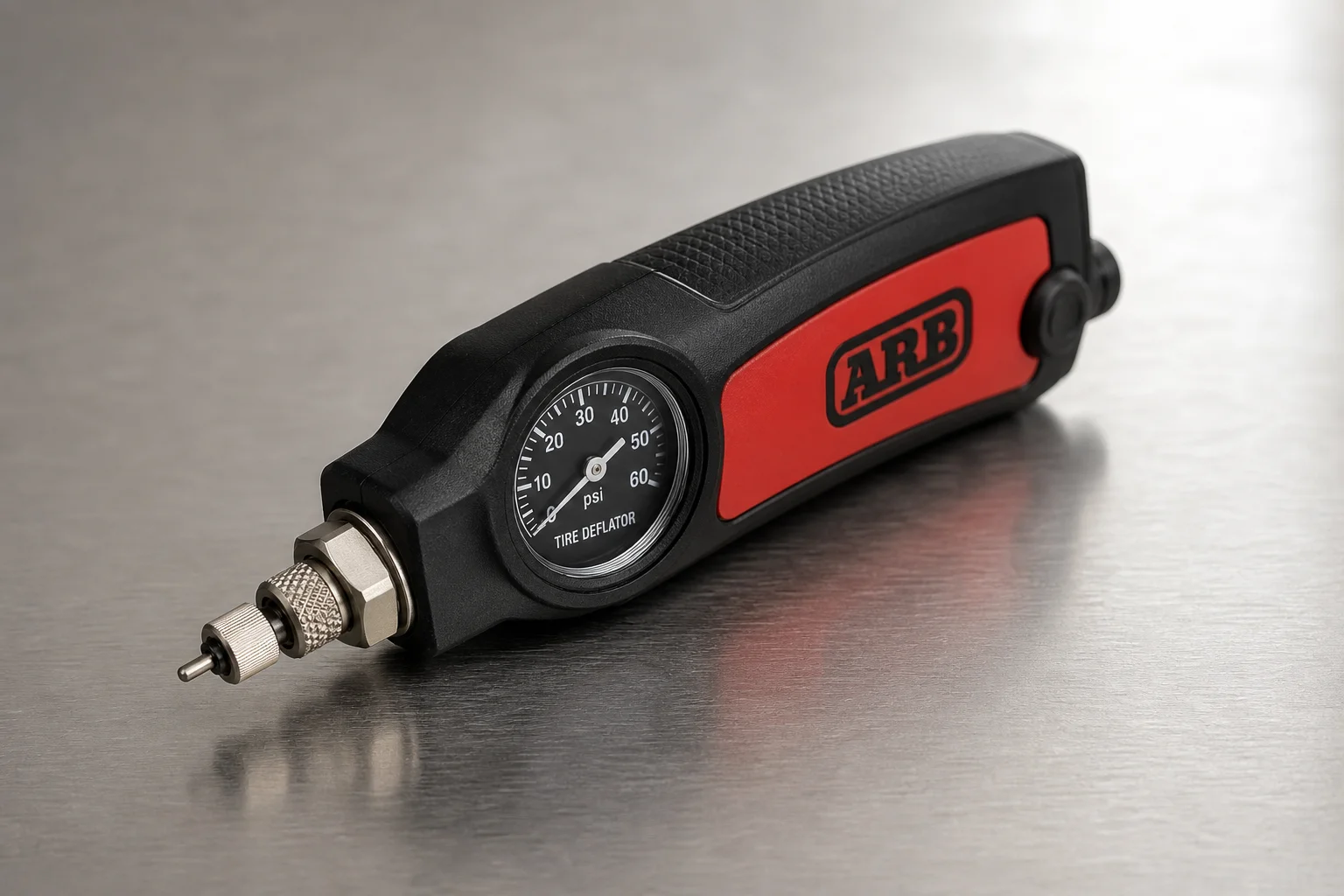
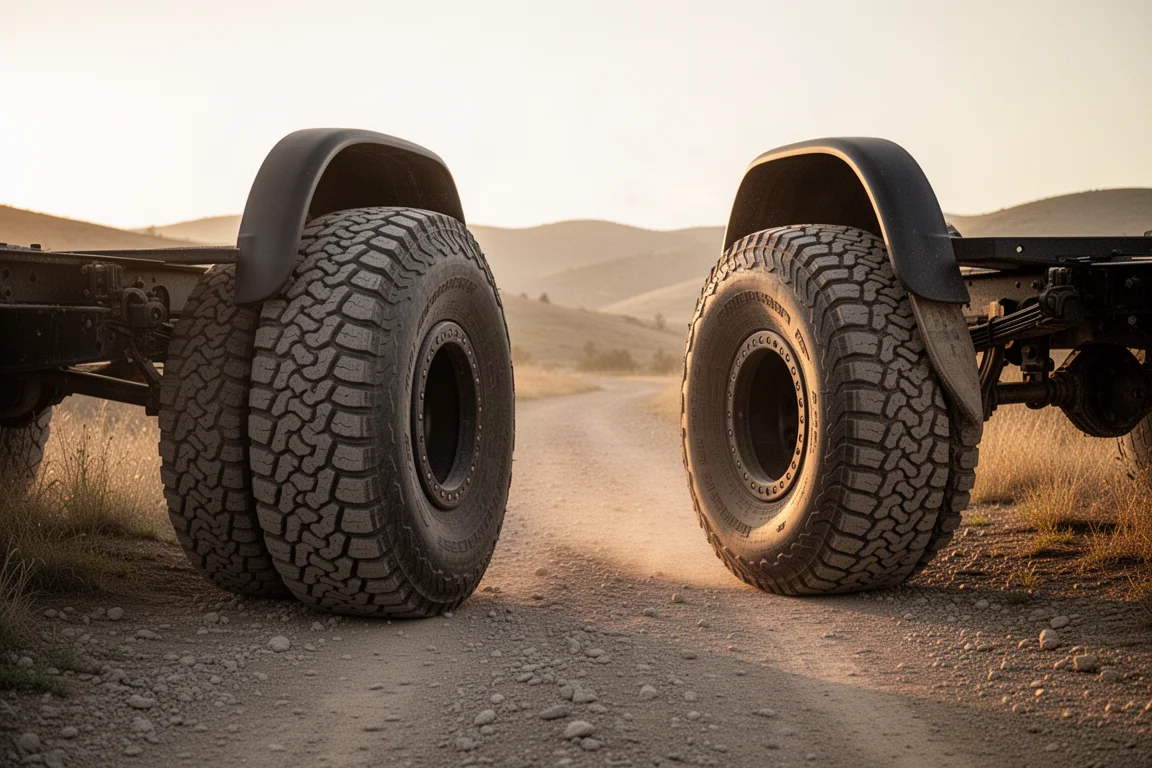
The ARB deflator is not really designed to check tire pressure on cars. Instead, it is a more complex system built for one job: deflating larger truck tires quickly for off-roading. It works by unscrewing the valve core, which allows air out far faster than a simple deflator button can manage.
In use, it dropped the reference tire from 26 to 24 psi in short steps, showing how precisely you can take air out. If you want to shed 10 or 20 pounds from a large truck tire before hitting a trail, a faster tool like this is the right choice.
Husky Digital Tire Pressure Gauge
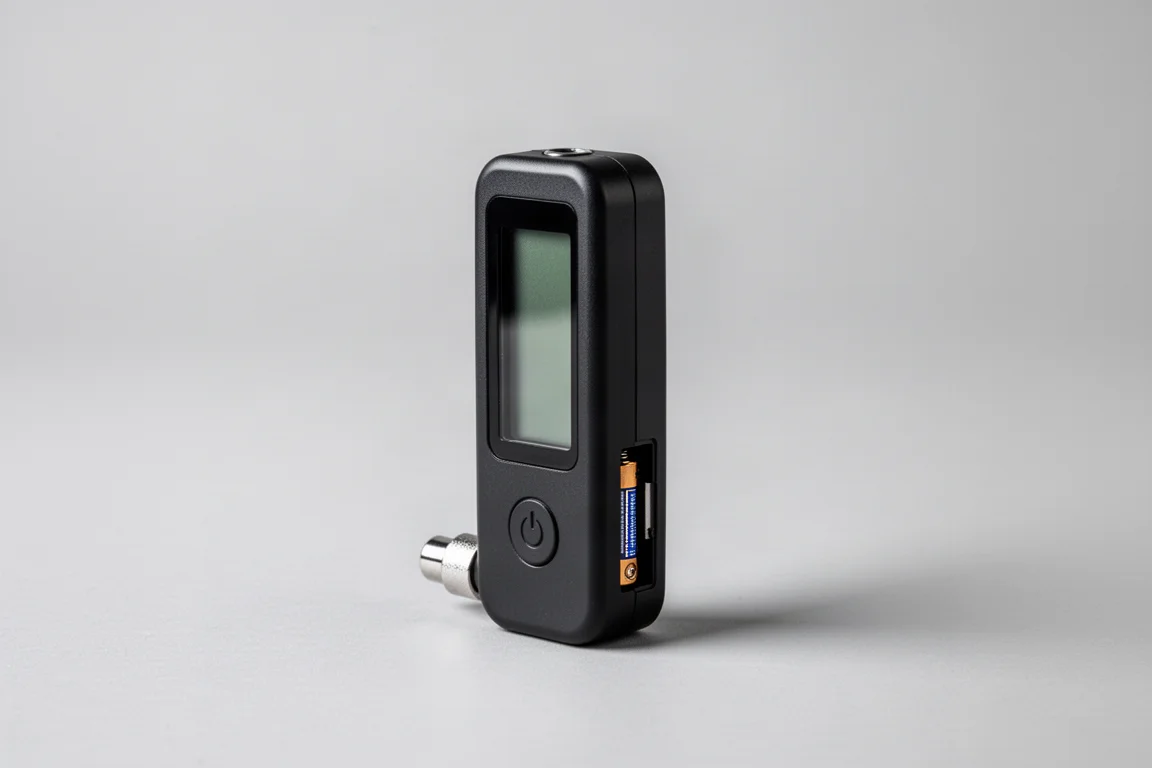
The Husky digital gauge is designed to be light and compact, though it is only marginally useful in practice. It has been carried in a truck for quite a while and runs on a small battery. On the reference tire it read 32 psi, close to the 31.9 baseline, but it is a little harder to fit onto the valve.
The bigger issue is the battery situation. During testing it gave a low battery warning and then appeared to die, only to come back briefly. That fragility is the classic problem with battery-powered gauges, and it is the reason many drivers keep a dial gauge as a backup.
Monkey Grip Tire Pressure Gauge
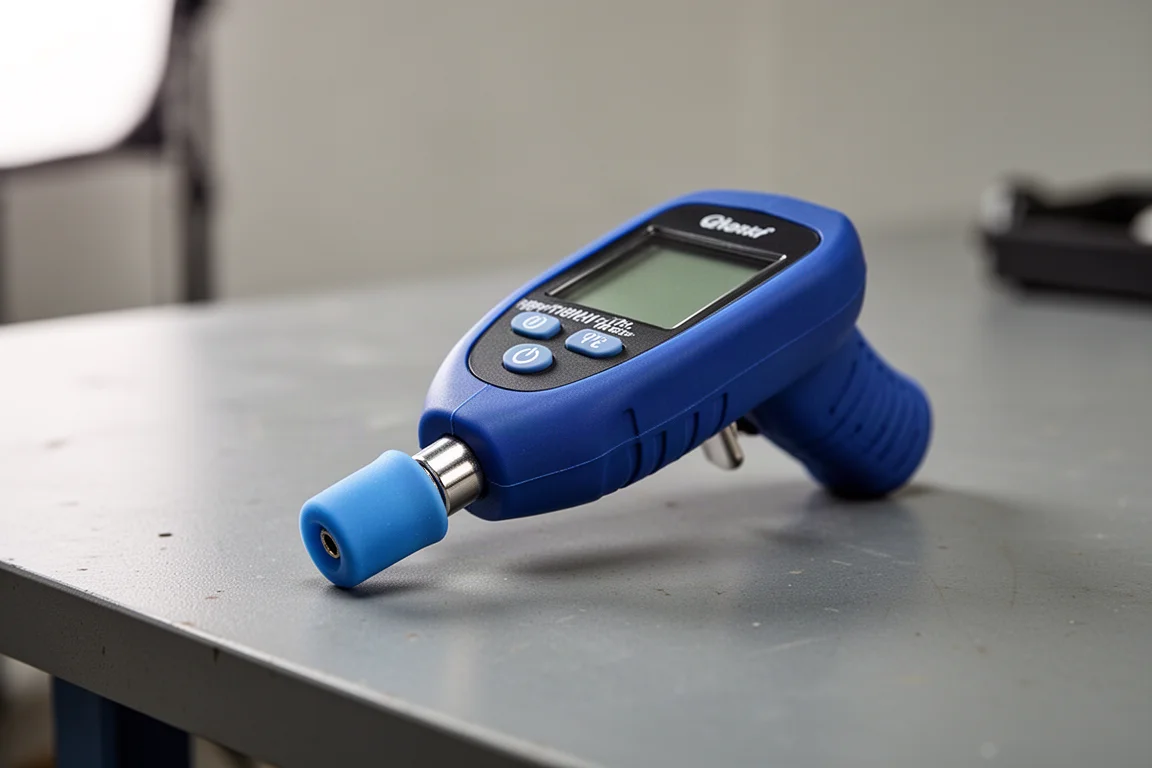
The Monkey Grip gauge from the big-box store takes a different approach at the front end. Rather than a fitting that encompasses the outside of the Schrader valve, it uses a softer rubber tip that inserts into the center of the valve. When you get a good seal, it works great and the reading is quiet and clean. The challenge is that a good seal is sometimes harder to get.
Once sealed properly, it read 30.4 to 30.5 psi on the reference tire, noticeably below the JACO baseline but consistent between attempts. If you can consistently achieve a seal, it is a serviceable budget option.
Victor Brass Tire Gauge
The Victor brass gauges are among the nicer inexpensive dial options, costing around 15 dollars. They have an internal pressure system that holds the reading: you press a lever to capture the pressure, remove the gauge, read the dial, and hit a button to release it. That hold-and-read design makes them convenient.
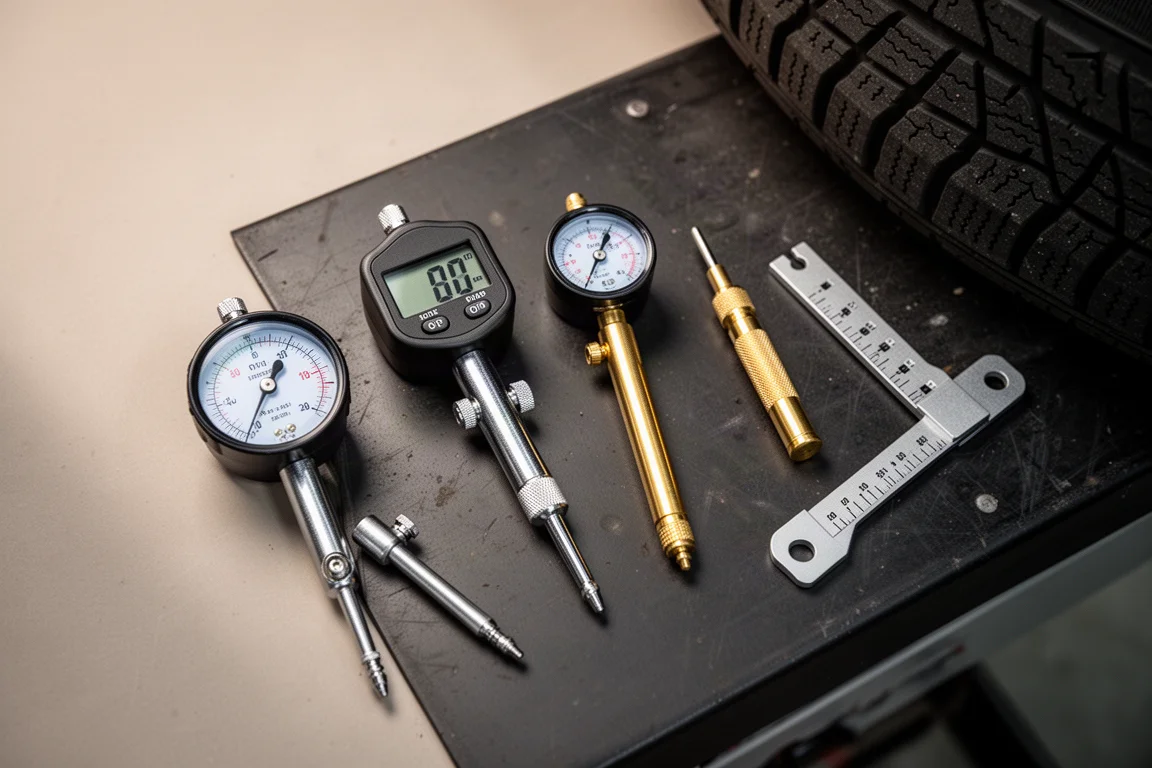
Over time, though, the seal degrades. The test unit had clearly lost pressure retention, likely from corrosion or solder wear at the fitting. These gauges are useful but have limits, and their accuracy can drift with age and use.
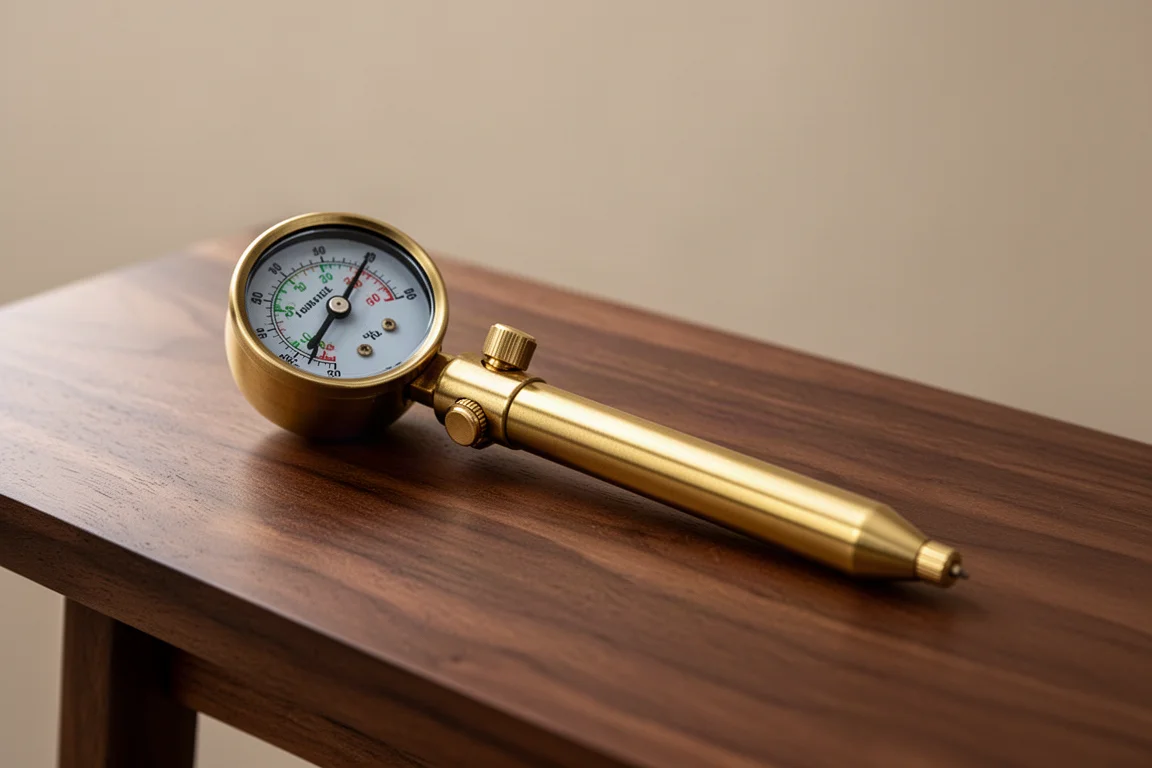
Slime Tire Pressure Gauge
Slime is best known for a tire sealant, an air-sensitive fibrous material that squishes into a puncture and plugs it much like clotting blood. The company also makes very inexpensive gauges. These have no valve or holding system at all, so you have to read the dial while it is still on the tire, and the needle drops immediately once air escapes.
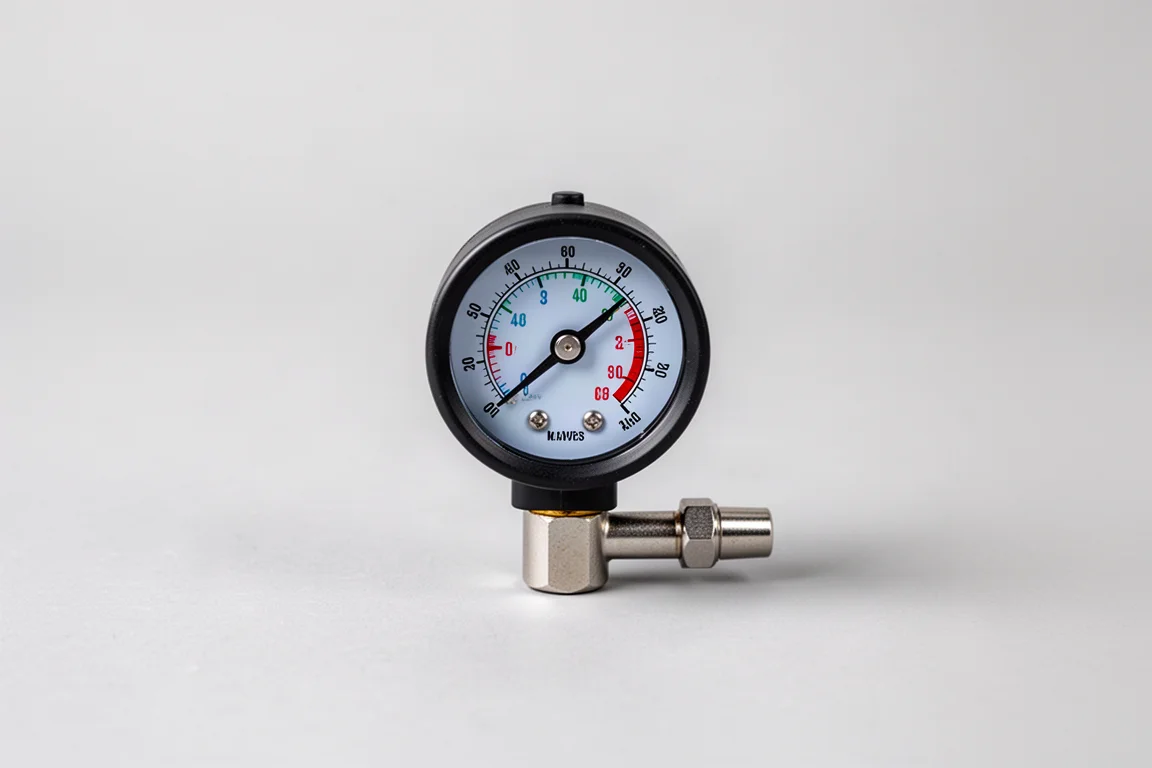
Schrader Tire Gauge
The Schrader tire gauge is an old-school, USA-made design from Brooklyn that still works today. Inside, a small cylinder slides out as pressure pushes against it, and you read the pressure at the line where the slide stops. On the reference tire, the reading sat somewhere under 30 psi, more than 25 but less than 30, with the 30 line just visible. The problem is precision: it is tough to read exactly where the value falls between lines.
Buying Advice: Which Gauge Should You Get?
For most drivers, a quality digital gauge is the clear recommendation. It makes going around and double-checking all your tire pressures so much easier, and it removes the guesswork of squinting at dial markings. A solid digital option under 30 dollars, calibrated and highly accurate, running on two included double-A batteries with a battery indicator, is hard to beat.
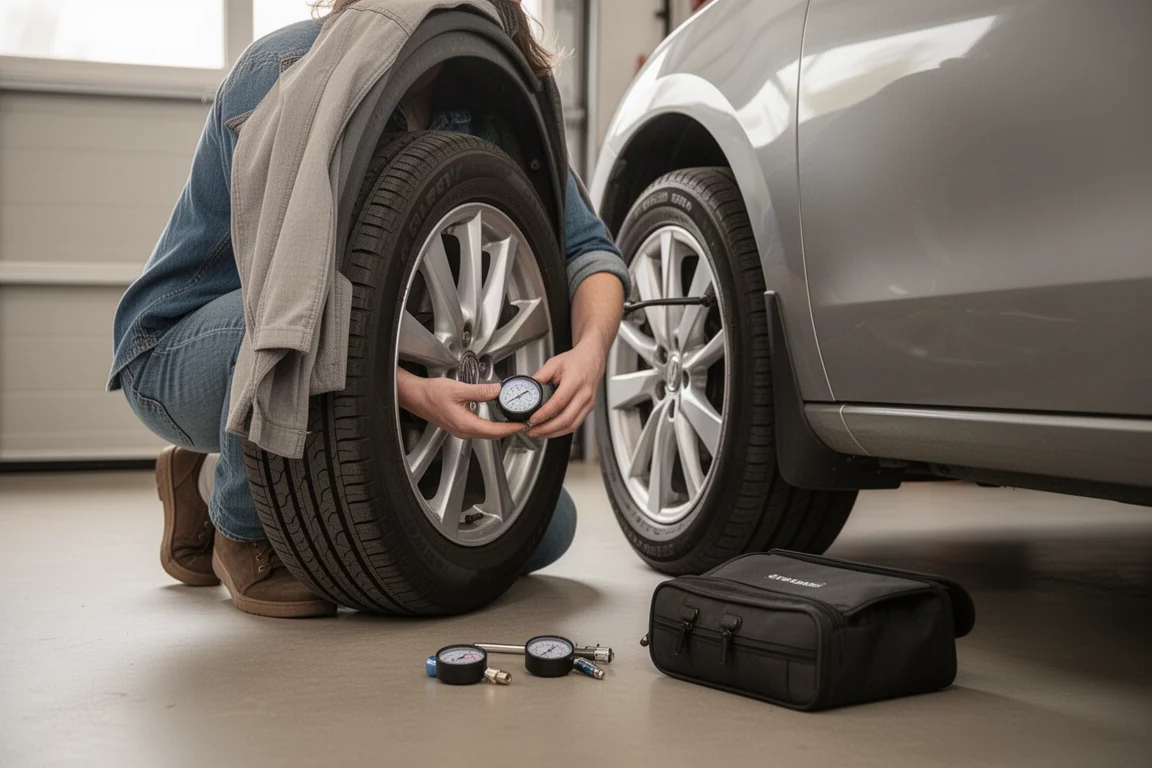
Two practical tips emerged from long-term use. First, watch how the backlight triggers: some gauges light up every time they get bumped in storage, draining batteries quickly, while better trigger designs are more shrouded and stay off in a console. Second, keep the gauge in a padded container to protect it, and consider leaving the screen cover film on. Many digital gauges also add extras like a built-in tire tread depth gauge, which is a nice bonus for routine vehicle checks.
Conclusion
Digital gauges like the JACO make checking tire pressure quick and precise, dial gauges offer battery-free simplicity with some trade-offs in readability and aging seals, and specialty tools like the ARB deflator earn their place in off-road kits. Match the tool to the job, and checking your tires stops being a chore.
Further reading
Related Reviews
Garage Tools
Badland 3-Ton Off-Road Jack Review: A Shop Jack That Handles Dirt Roads
Harbor Freight's SEMA-buzz Badland 3-ton off-road jack promises rugged build quality and easy mobility. We compare it with the 3-ton Long Reach Daytona to see who it really suits.
Garage Tools
Best 3-Ton Floor Jacks Compared: Four Options for Every Type of Wrencher
A hands-on comparison of the Hyper Tough, Badland, Daytona low-profile long-reach, and Carlisle 3.5-ton floor jacks, with real measurements and buying advice for each type of user.
Garage Tools
Best 3-Ton Floor Jacks: 8 Models Put Through the Same Tests
Eight 3-ton floor jacks from $93 to $1,000, compared on lift height, pump speed, capacity, rolling resistance, and build quality.