Garage Tools
Best Tire Pressure Gauge: 23 Gauges Put to the Accuracy Test
We compare analog dial, digital, and pencil-style tire pressure gauges for accuracy at low, medium, and high pressures, plus heat, cold, and sealing performance.
Introduction
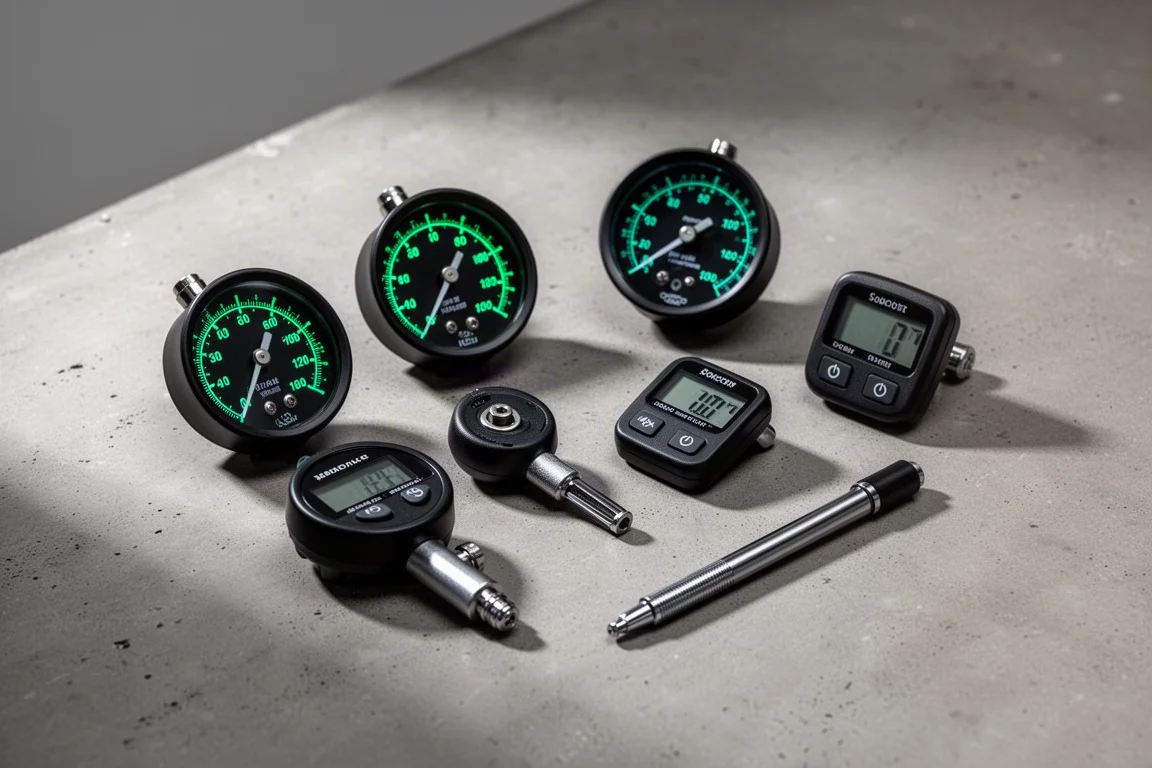
A tire pressure gauge looks like the simplest tool in your garage, but accuracy varies far more than most buyers expect. To find out which gauges are actually worth carrying, two units of every brand were purchased for each style, analog dial, digital, and pencil, and each pair was tested against calibrated reference gauges. Two gauges per brand helps filter out the one-off unit, and every reading was checked at low, medium, and high pressure.
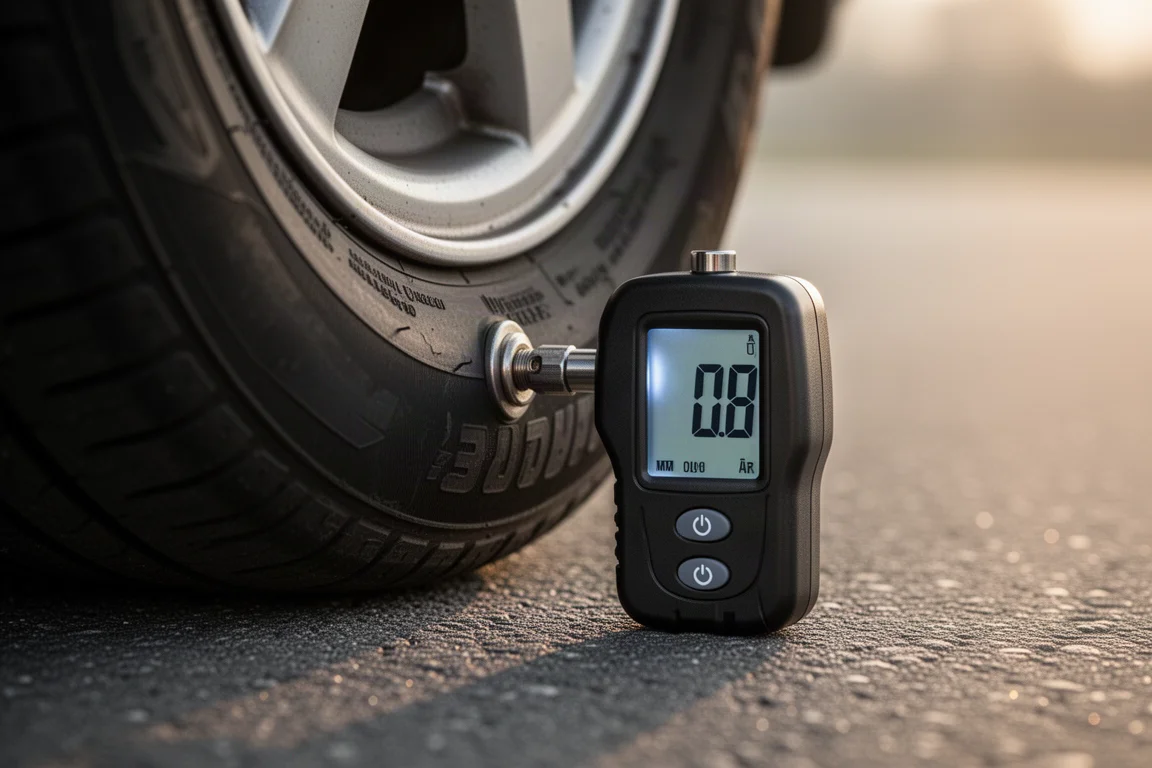
This guide highlights the standouts from that comparison and explains where each type of gauge makes sense.
How the Testing Worked
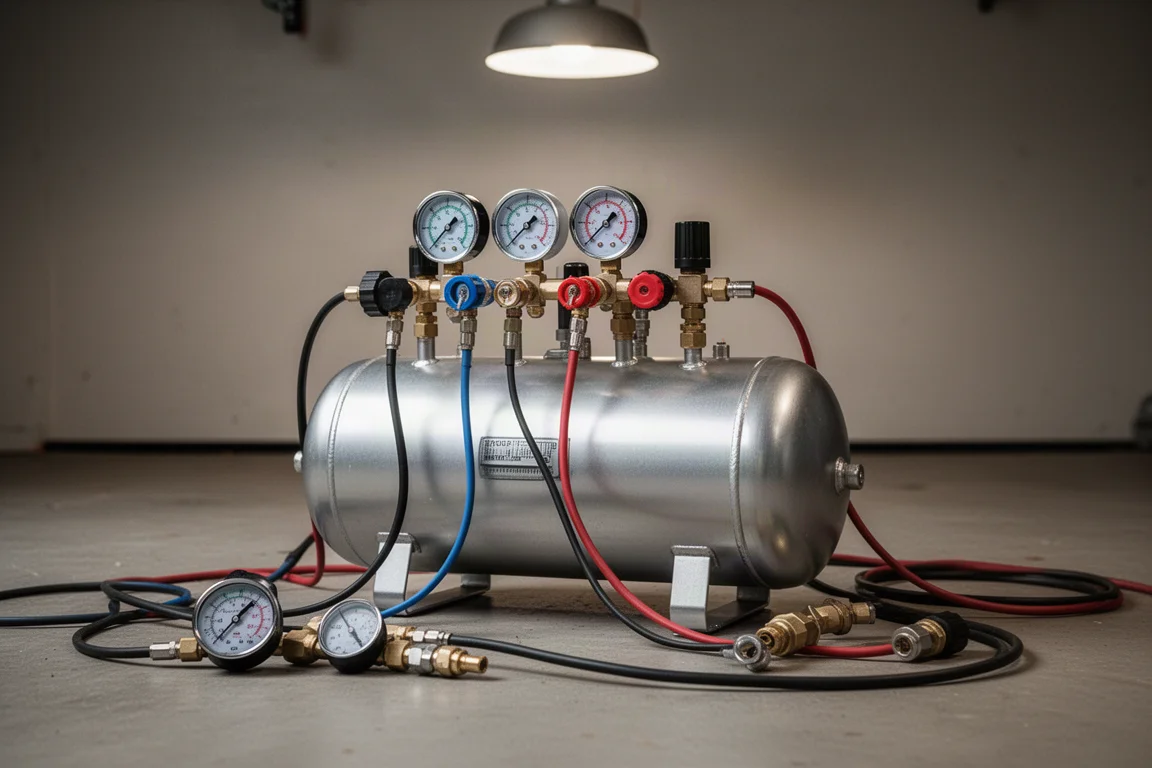
Three calibrated and certified digital reference gauges, all within 1/10 of 1 PSI of each other, were mounted on a test tank manifold. Each candidate gauge was measured against pressure targets of 16 PSI, 40 PSI, and 60 PSI, with two gauges per brand contributing ten total pressure readings to an accumulated error score.
Beyond raw accuracy, the gauges were also left inside a hot vehicle at roughly 125 degrees, frozen for 12 hours at around -4 degrees F, tested for valve-sealing quality, and checked for pressure bleed-off while connected. Some gauges did not survive those extremes, which turned out to be one of the most revealing parts of the comparison.
Analog Dial Gauges: A Mixed Picture
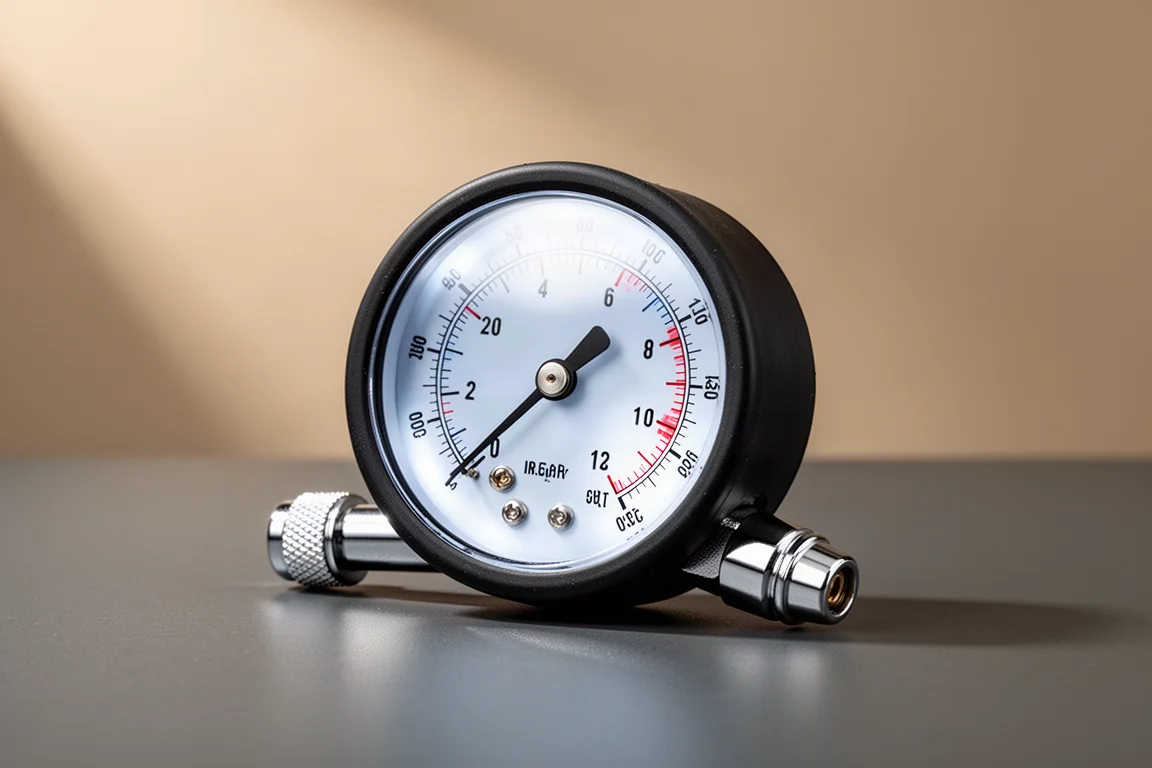
Analog dial gauges delivered the widest spread of results. Several budget dial gauges, including models from Slime, Vandor, and Campbell Hausfeld, measured well off target at low pressure and, in the Vandor’s case, never recovered across the 40 and 60 PSI tests. The Slime gauge’s liquid-filled dial, claimed to improve accuracy, actually interfered with performance after freezing, with both units reading several PSI high at the 40 PSI target.
Two dial gauges stood out from the pack. The Longacre, made in the USA with a glow-in-the-dark face and a 0 to 60 PSI range, read 15.4 and 16 PSI at the low target, and after the cold test both units landed close to perfect. The Rhino USA dial gauge, ANSI certified with an easy-to-read glow dial, also performed respectably, though one of its two units drifted under heat.
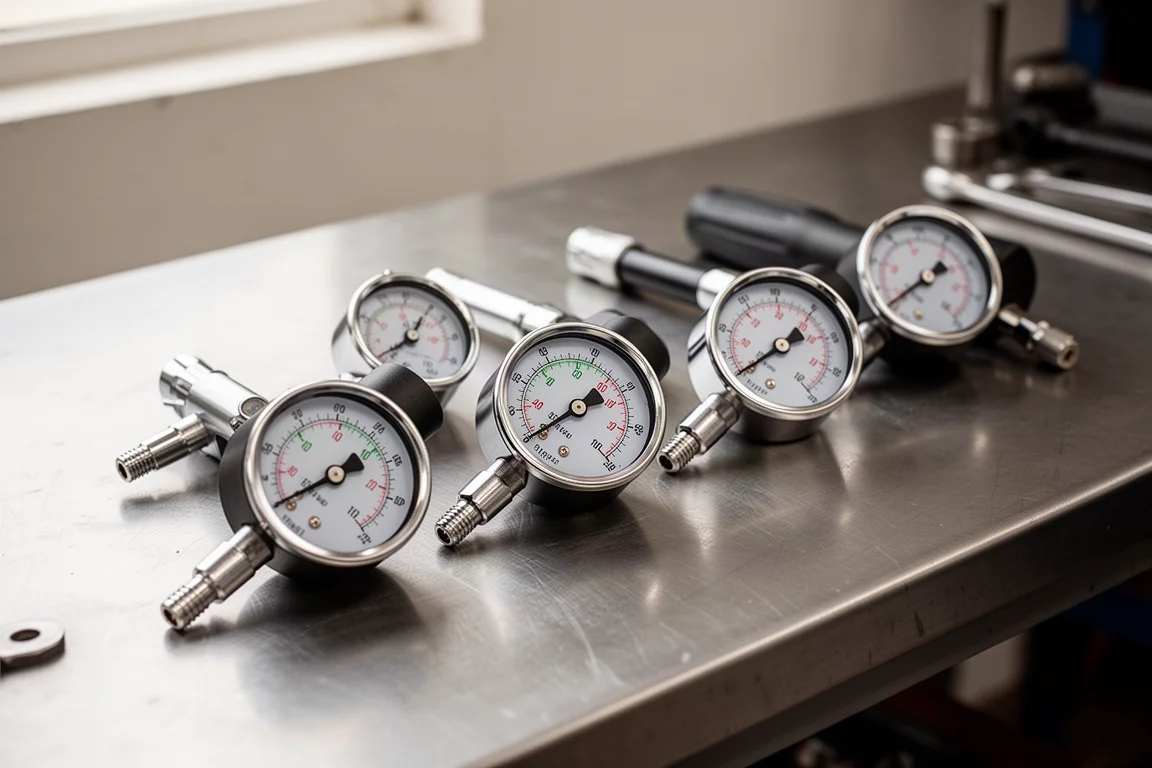
Dial gauges have real advantages: no batteries, instant readability, and mechanical simplicity. But this test showed they are more sensitive to temperature than digital gauges, and the cheapest examples can miss by several PSI.
Digital Gauges: The Accuracy Winners
Digital gauges dominated the accuracy rankings, taking the top four spots in the combined error tally.
Jaco Digital Tire Pressure Gauge
The Jaco digital gauge, priced at $29 with a 0 to 200 PSI range, claimed professional accuracy within 1/2 of 1 percent and a 360-degree swivel chuck. It delivered, finishing on top with a total error of just 0.9 PSI across all ten measurements. Both units read 15.8 PSI at the low target, stayed within a fraction of a PSI at 40 and 60 PSI, and were essentially unaffected by heat, cold, or extended pressure holding. AAA batteries power the unit, and its consistent readings at every stage made it the most reliable gauge in the test.
Merlin Digital Tire Inflator Gauge
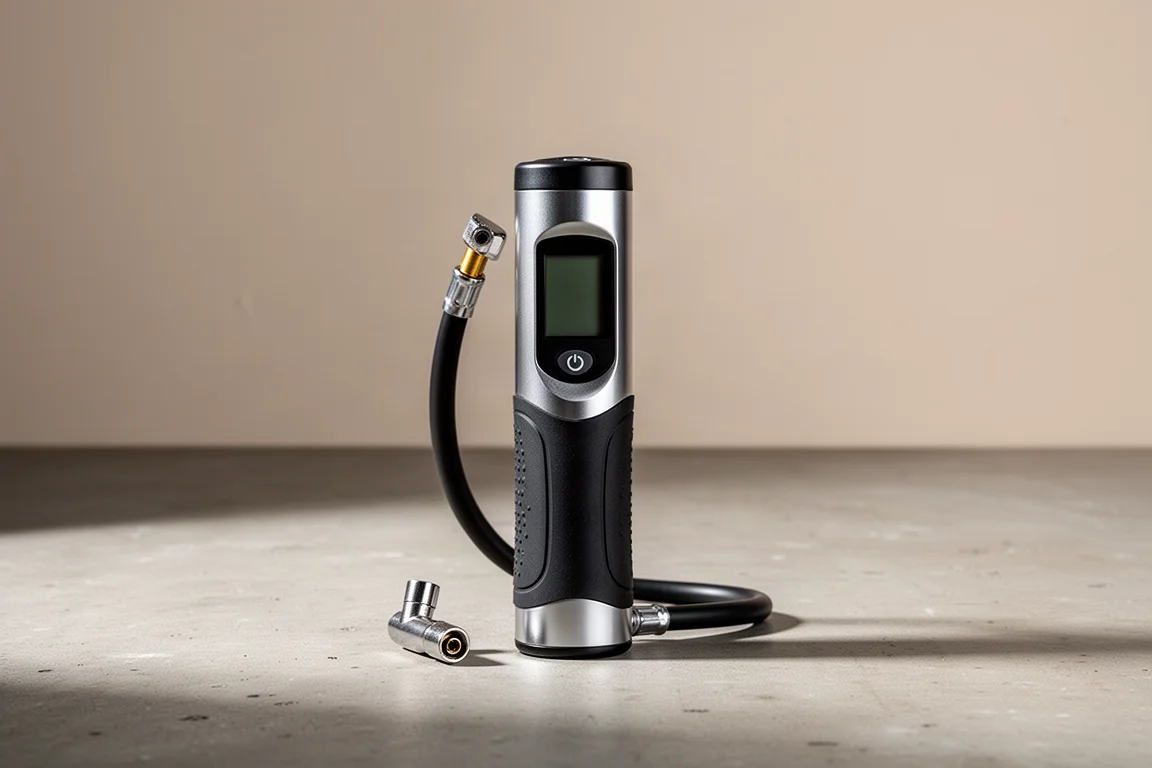
At $30 and sold at Harbor Freight, the Merlin is the odd one out: it is designed to attach to an air hose rather than read a tire directly, with a range of 5 to 150 PSI and two AAA batteries. It finished second overall with a total error of 2.5 PSI, reading 16.1 and 16 PSI at the low target and staying within about 0.4 PSI at 60 PSI. Heat and cold barely moved its readings. If you want a gauge built into your inflation setup, it is an impressive performer.
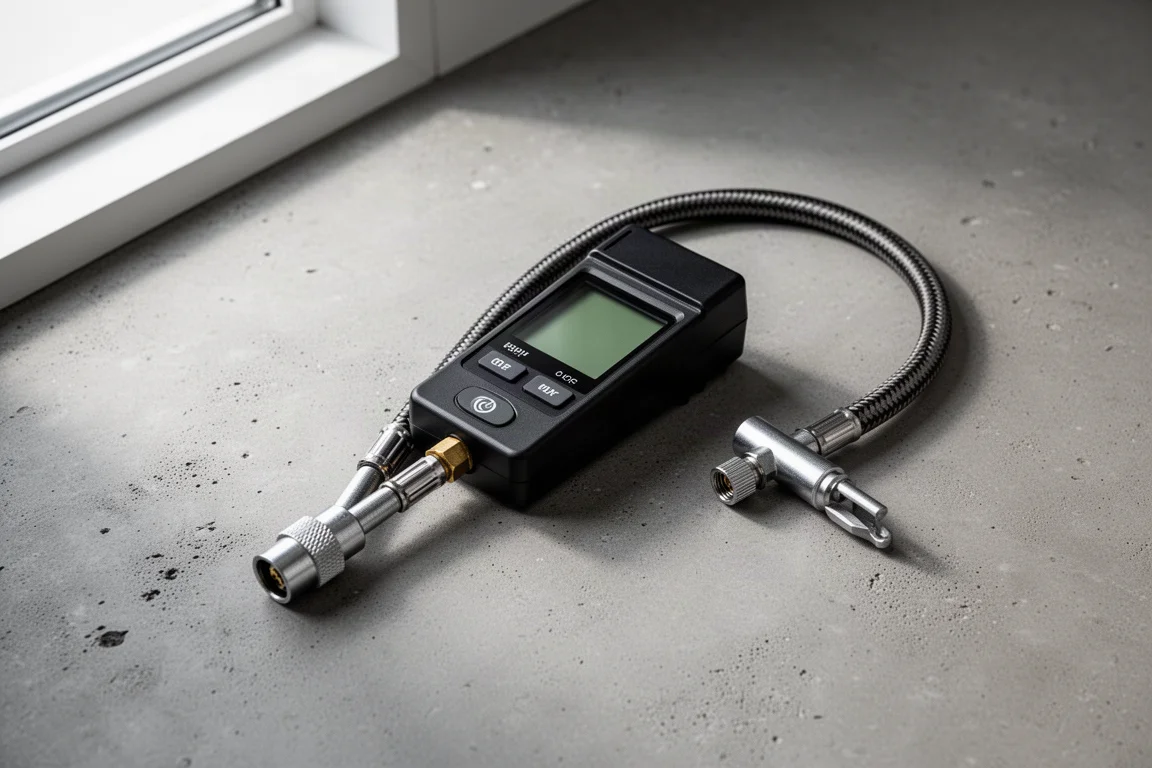
SKS Germany Digital Tire Pressure Gauge
The SKS Germany digital gauge costs $29, runs on a CR2032 battery, and offers both bar and PSI formats, a nice touch for metric-minded riders and drivers. It weighs just 52 g and finished third with a total error of 2.6 PSI. Readings at the low target came in at 15.8 and 16.2 PSI, and both heat and cold shifted results only slightly. It is a compact, well-rounded pick.
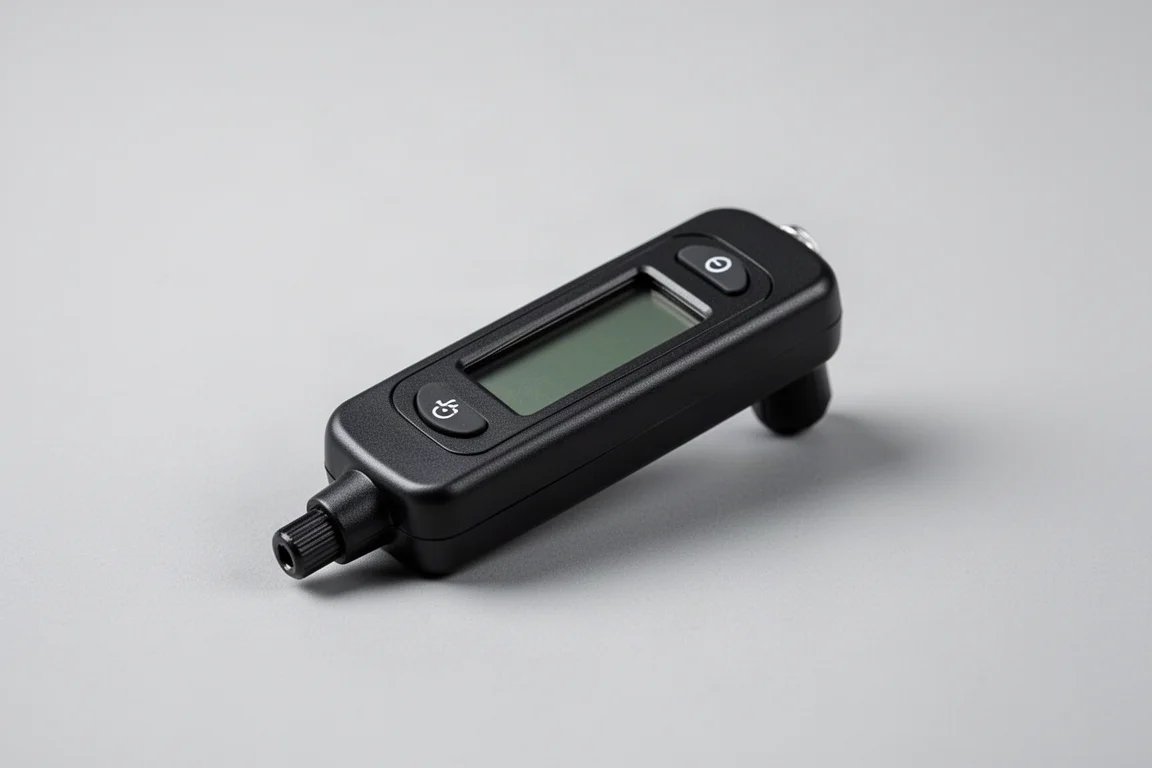
Eton Wolf Digital Tire Pressure Gauge
At only $10, the Eton Wolf is the value story of the test. With a range of 3 to 200 PSI, AAA batteries, a claimed accuracy of 1/2 of 1 percent, and a built-in work light, both units hit the 16 PSI target dead on. It stayed remarkable through 40 and 60 PSI, missing the combined targets by just 0.1 PSI at the low-pressure stage, and remained close to perfect after the heat and cold exposure. For a small, user-friendly gauge to keep in the car, it is hard to beat at this price.
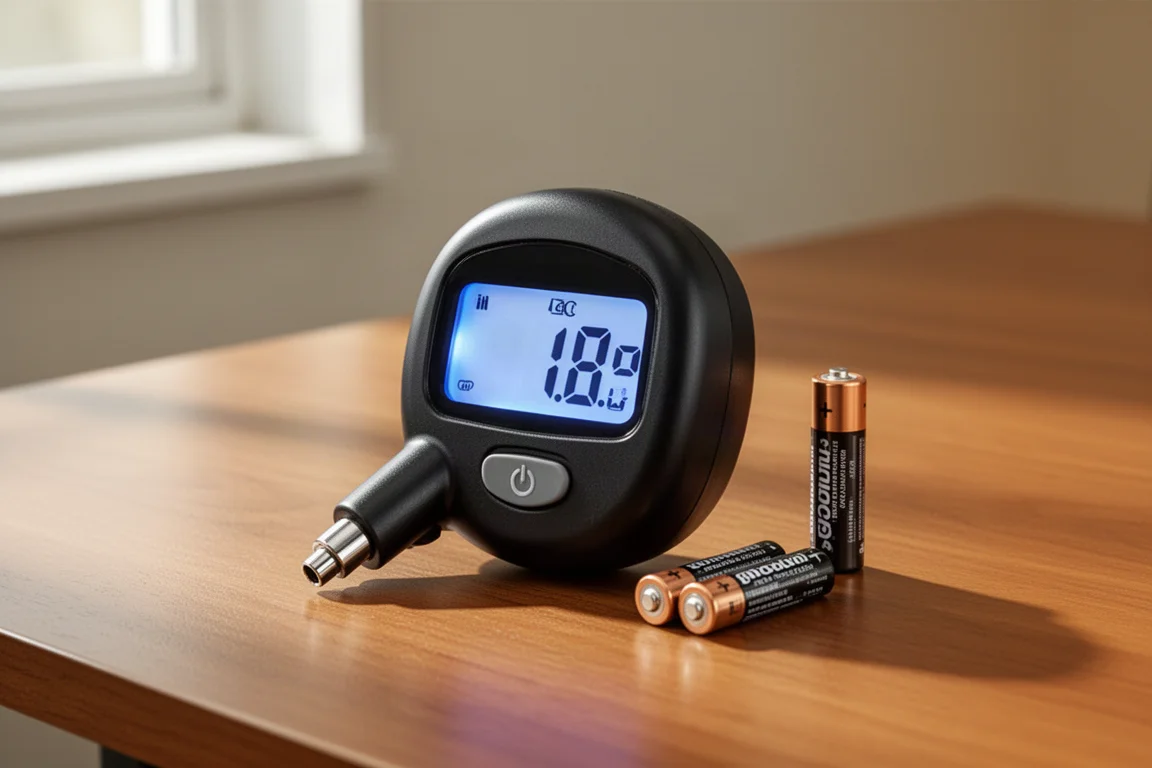
One caution from the digital group: not every budget digital gauge earned its keep. The $11 Rhino USA digital unit struggled badly, with one sample reading as low as 7.1 PSI at the 16 PSI target and failing to function properly after freezing. The digital format is not automatically accurate; the specific model matters.
Sealing and Leak Performance
A gauge that does not seal well on the valve stem can deliver inaccurate measurements and cause substantial air loss, so sealing quality was rated for every unit. Most gauges earned the best possible rating, sealing easily with minimal force. A few required extra force to seal and received a lower rating.
Pressure retention told its own story. The Slime, Vandor, Campbell Hausfeld, Rhino USA dial, and Milton dial gauges all held pressure without leaking over a five-minute test, while one Accu-Gage and both Jaco Elite Pro dial units bled pressure off while connected. If you regularly check tires on a vehicle you cannot afford to deflate, this is worth noting.
Pencil-Style Gauges: Cheap and Useful, Within Limits
Pencil gauges are the cheapest way to check a tire, and the results matched the price tags. The $1.39 Pittsburgh gauge, sold at Harbor Freight, was way off target at 21.5 PSI at the low test and did not survive the hot-car exposure, needing tape repairs afterward. The AstroAI and Unco pencil gauges landed around 17 to 18.5 PSI at the low target and fared better after temperature exposure but never achieved tight precision.
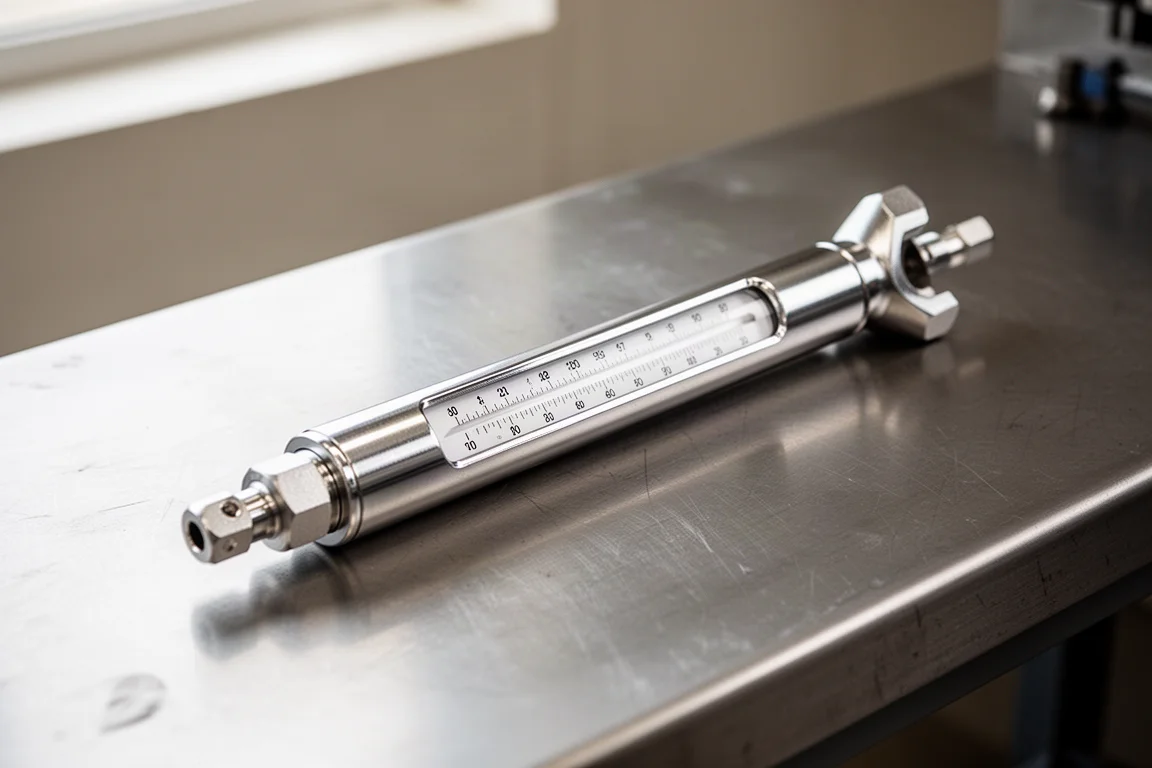
The two USA-made Milton pencil gauges performed best in the category. The $11 version includes a built-in deflator valve and a tread depth gauge in 1/16-inch increments and read close to target at every stage, though cold exposure caused the measurement stick to retract once removed from the valve. The $17 Milton service gauge, with a dual head design and a 10 to 160 PSI range, was right at 16 PSI at the low target and around 40.5 PSI at both temperature extremes.
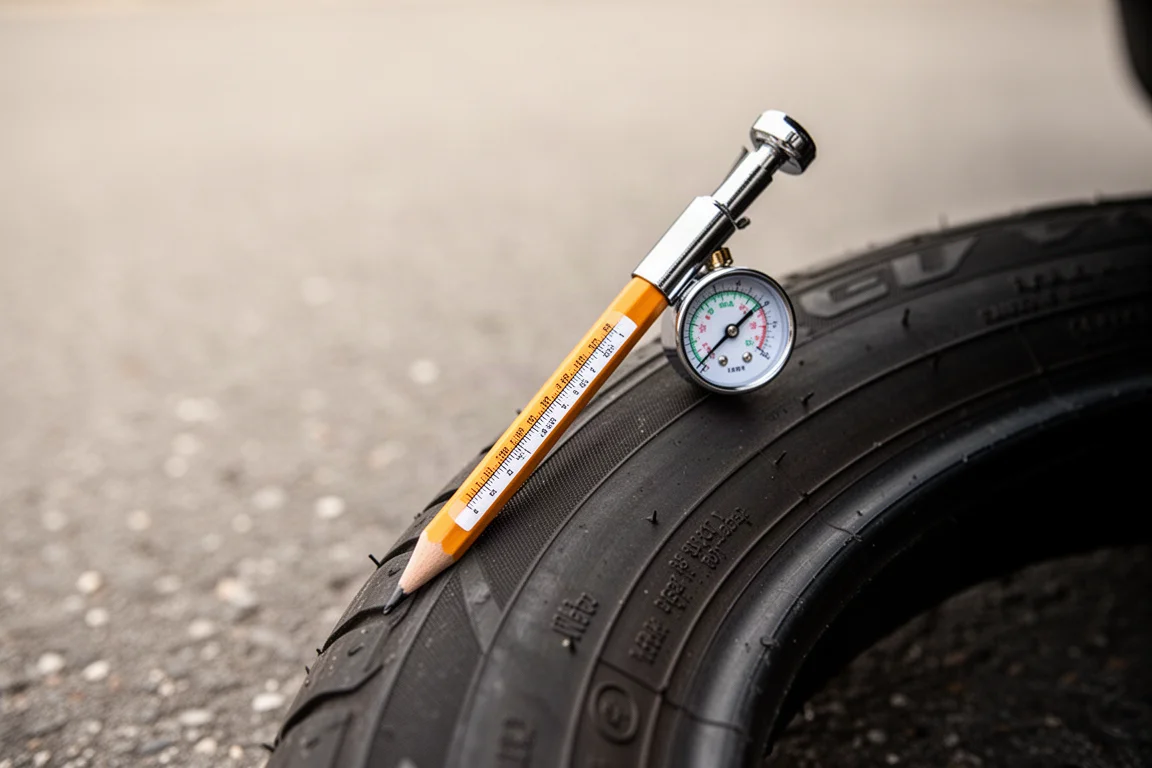
The honest takeaway: pencil gauges are fine as a backup, but precise readings are genuinely difficult to take with this format.
Which Gauge Should You Buy?
The overall standings were clear. The Jaco digital gauge topped the combined accuracy table at 0.9 PSI total error, the Merlin followed at 2.5 PSI, and the SKS Germany at 2.6 PSI. Most of the digital gauges outperformed the dial gauges at every pressure level, and they were also more stable across heat and cold.
If budget matters, the Eton Wolf at $10 is the standout value, combining dead-on low-pressure accuracy with an easy-to-read display and a built-in work light. For shop or garage use where you are already running an air hose, the Merlin’s inflator gauge design is a strong fit. For enthusiasts who want the most precise readings available, the Jaco digital is the safest pick, and the Longacre dial gauge is the best analog choice for a pit-style setup.
And for professional or frequent use where a dual head chuck helps reach inner dual wheels, the USA-made Milton service gauge stayed within half a PSI at nearly every target across all conditions.
Conclusion
After more than two dozen gauges and three pressure targets plus heat, cold, and sealing tests, the pattern is consistent: well-made digital gauges are the most accurate, cheap pencil gauges are best treated as backups, and dial gauges are only as good as the specific model. Pick the Jaco digital for top accuracy, the Eton Wolf for the best value in a glovebox-friendly size, and the Merlin if your gauge needs to live on an air hose. Whichever you choose, buying two of anything is a useful sanity check, since even in this comparison, the same brand occasionally shipped one excellent unit and one that drifted.
Further reading
Related Reviews
Garage Tools
Badland 3-Ton Off-Road Jack Review: A Shop Jack That Handles Dirt Roads
Harbor Freight's SEMA-buzz Badland 3-ton off-road jack promises rugged build quality and easy mobility. We compare it with the 3-ton Long Reach Daytona to see who it really suits.
Garage Tools
Best 3-Ton Floor Jacks Compared: Four Options for Every Type of Wrencher
A hands-on comparison of the Hyper Tough, Badland, Daytona low-profile long-reach, and Carlisle 3.5-ton floor jacks, with real measurements and buying advice for each type of user.
Garage Tools
Best 3-Ton Floor Jacks: 8 Models Put Through the Same Tests
Eight 3-ton floor jacks from $93 to $1,000, compared on lift height, pump speed, capacity, rolling resistance, and build quality.