Tools & Workshop
Thread Repair Kits Tested: Do Thread Inserts Actually Restore Full Strength?
Helicoil, V-Coil, Permacoil, Time-Sert, and JB Weld thread repairs put under extreme load to see which restore the most strength.
Introduction
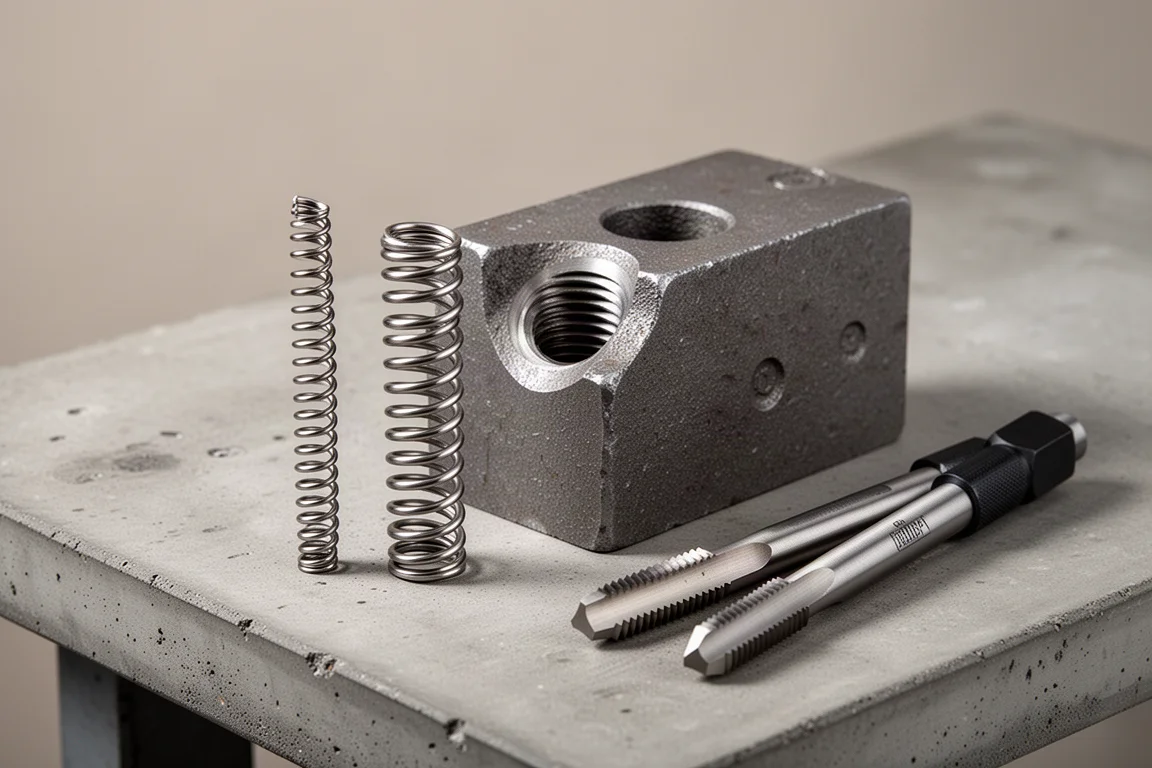
Stripped threads are one of those failures that used to mean scrapping an expensive part. Thread inserts promise to fix that, claiming strength equal to or better than the original threads. To find out whether that is marketing or reality, five popular repair approaches were pushed to destruction: Helicoil, V-Coil, Permacoil, Time-Sert, and a do-it-yourself JB Weld fix.
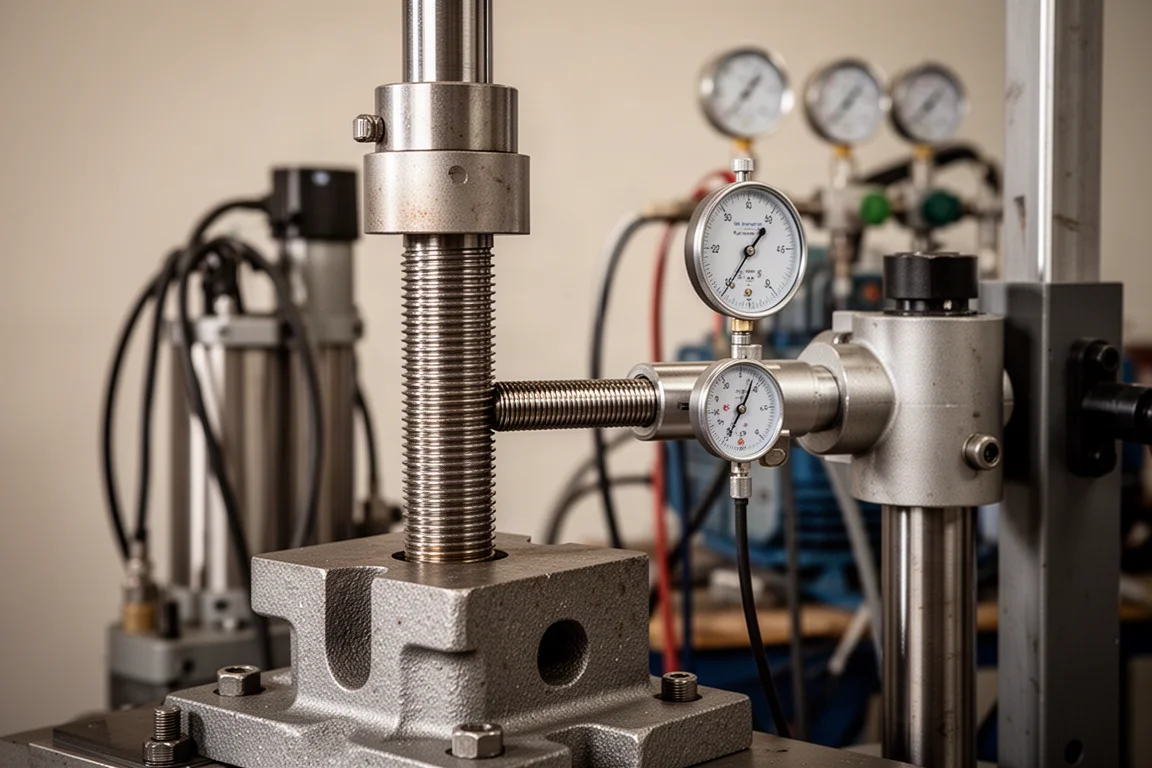
All inserts were installed into cast iron test blocks using M11 ARP L19 head studs, a fastener rated at 260,000 psi of tensile strength and closing in on twice the strength of a grade 8 bolt. Each repair was pulled under a hydraulic rig while a dial indicator measured stretch and movement, so the comparison comes down to numbers rather than opinion.
How We Tested
Every coil-style insert followed the same basic process: drill out the damaged threads, tap new threads, apply high-strength Loctite, install the insert just below the surface, snap off the installation tail, and let the adhesive cure overnight. Loctite is not always required, but it is permitted by all of these brands, so the same approach was used across the board for a fair comparison.
Testing started by measuring the stud’s stretch at its torqued state of 3,600 psi, then ramped force upward toward the hydraulic pump’s limit of about 6,500 psi, or roughly 18,000 pounds, and beyond. For reference, an L19 stud in undamaged cast iron reached about 9,500 psi without failing. On cast iron, tapping oil is not required and often just creates dusty chips, so it was skipped.
The Baseline: Helicoil Thread Repair Kit
Helicoil is the name most people associate with spiral wire stainless thread repair, and the kit bought for this test cost $45. It includes an installer tool, a plastic hex-style alignment guide, and a tap, but no drill bit; the packaging calls for a 29/64-inch bit for this application. Notably, the pieces in this kit appear to be made in China, which is not automatically a dealbreaker, though the best taps have historically tended to come from elsewhere.
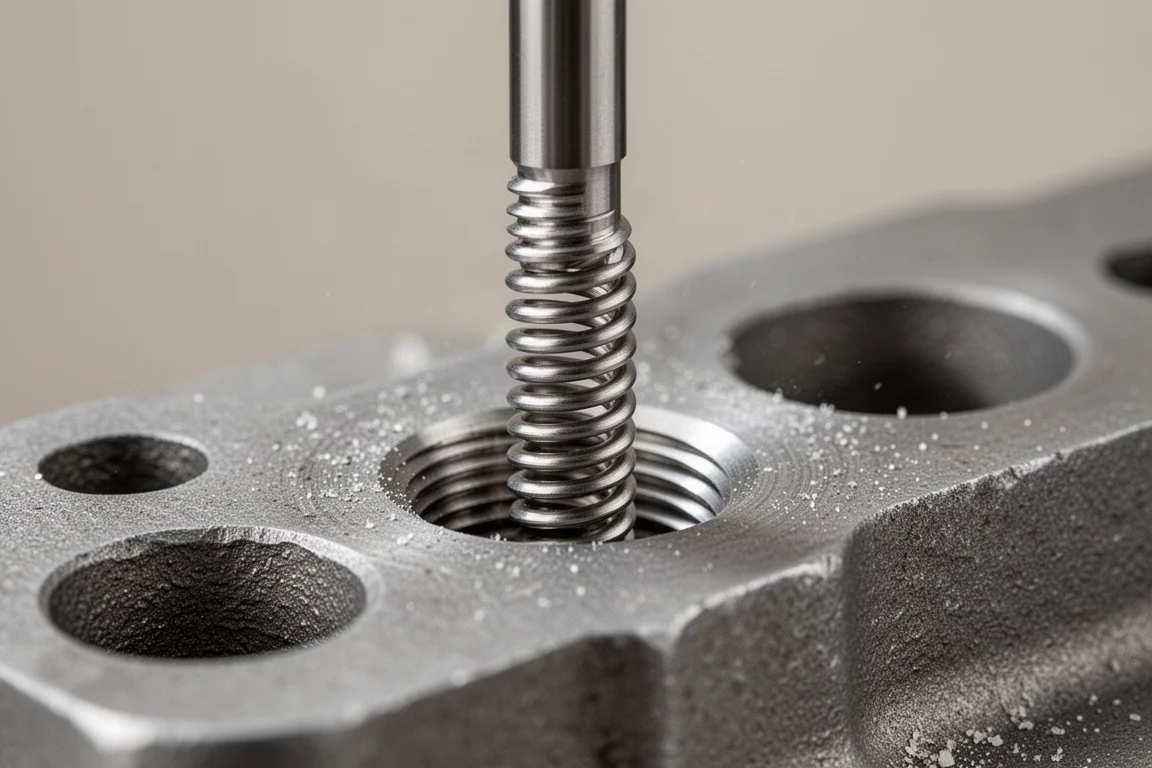
Installation is simple: drill, tap at least 5/8 inch of fully formed thread, apply Loctite into the hole, thread the insert in about one thread below the surface, break off the tail, and wipe away excess Loctite. The plastic hex guide works, though the installer tool alone arguably does the job better.
In testing, the Helicoil repair saw about 43 thousandths of stretch at 6,500 psi and returned to just 2 thousandths of permanent movement. It finally let go violently at about 8,400 psi, in a volcano-like eruption of cast iron. Adjusting for the stud’s modulus curve, that works out to roughly 8,438 psi of peak strength versus the 9,500 psi of the intact thread. That still beats a grade 8 bolt, which is a genuinely impressive result for a $45 kit.
Best Value Full Kit: V-Coil Thread Insert Kit
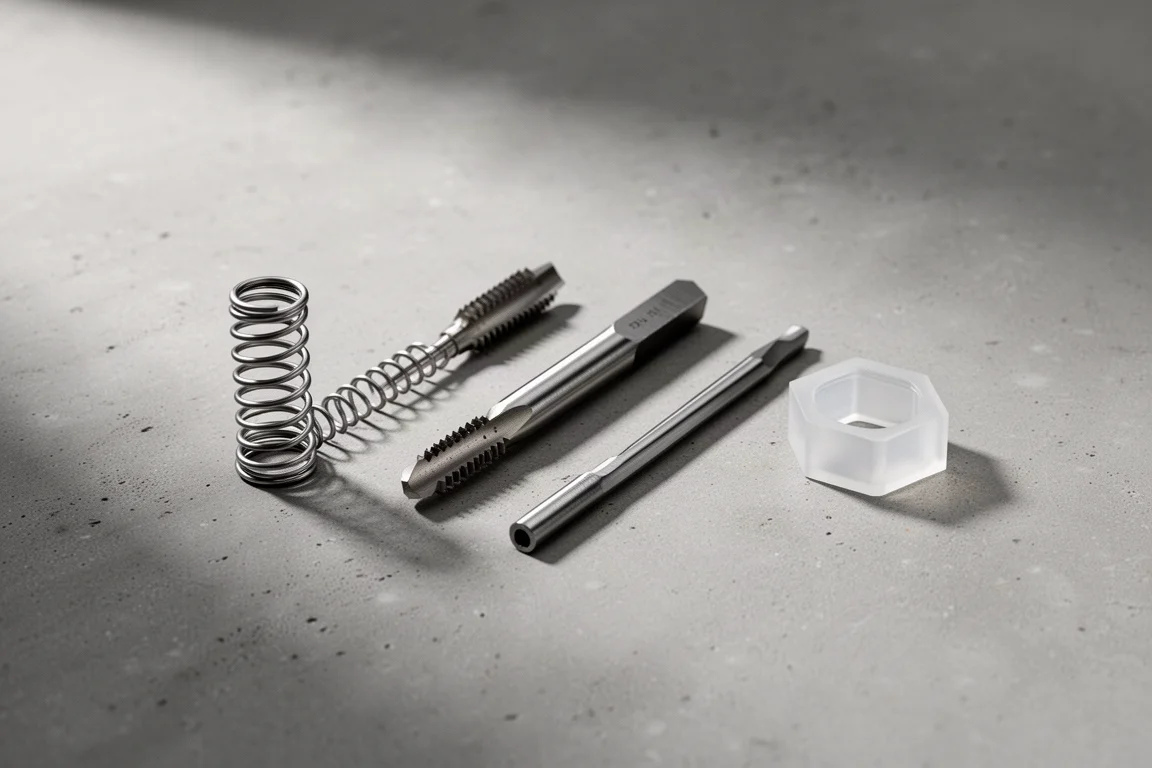
The V-Coil kit cost $38 shipped and is made in Europe, which made it worth a shot at that price. Unlike the Helicoil, it includes its own drill bit, a unique 11.4 mm size, plus a made-in-Germany high-speed steel tap, an installer, and punch tools. A German-made HSS tap alone can cost close to what this whole set does shipped, which makes the value hard to argue with. It is worth noting that the ideal drill size for the Helicoil kit would have been 11.3 mm, an uncommon size that would add around $20 if bought separately.
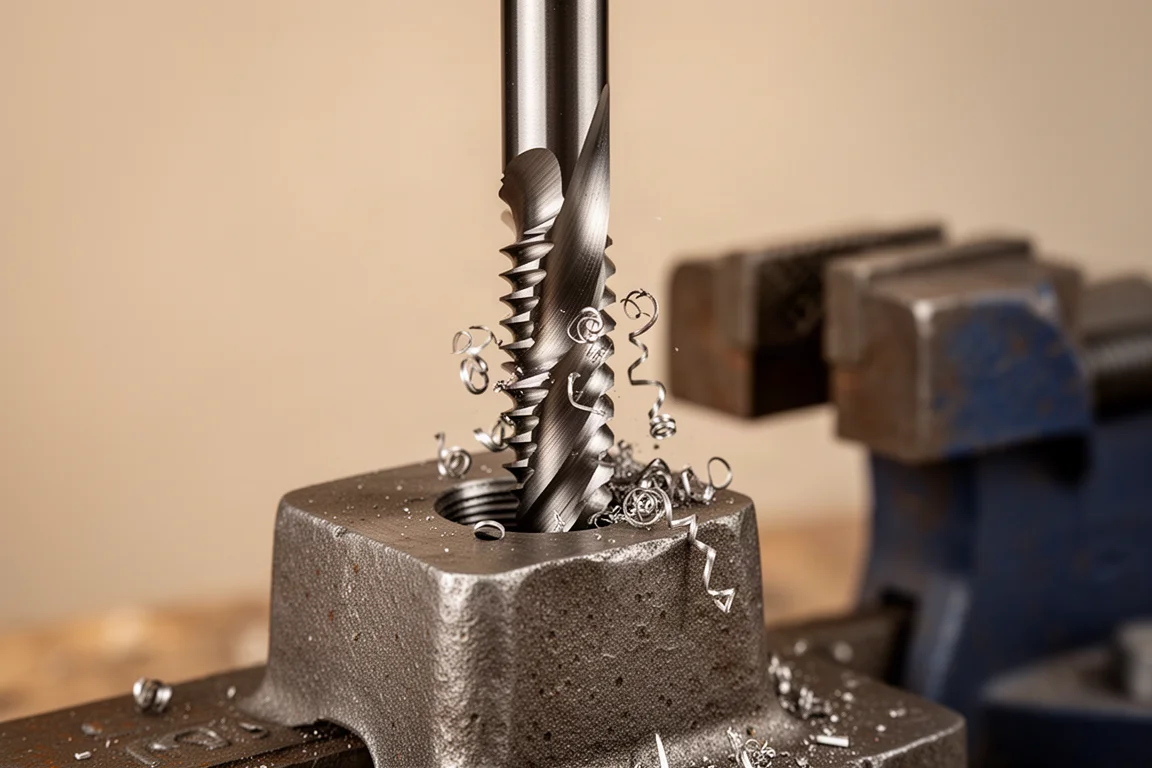
The process is the same as before: drill, tap, install with Loctite, and use the included punch to snap off the tang. This tap felt a little smoother in the hard cast iron, though that is subjective. Clean off excess Loctite and blow out the hole; a magnet will not work on 304 stainless.
The V-Coil tracked slightly better than the Helicoil, seeing 39 thousandths of stretch versus 43, and returned to roughly 6 thousandths of permanent movement. It never failed at all, maxing out the air-over-hydraulic pump at 9,330 psi, about 25,800 pounds. That is essentially the same as the stud in untouched cast iron. For inserts advertised as strong as or stronger than the original threads, this one actually backed it up.
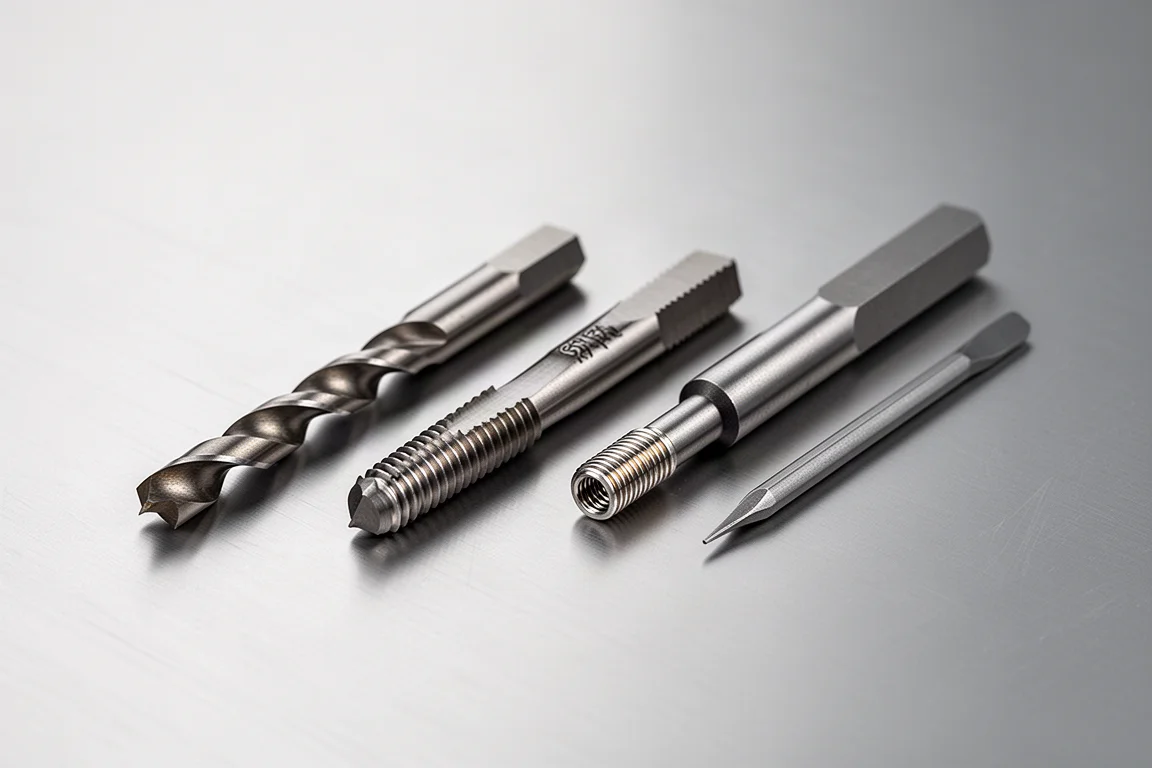
The Budget Play: Permacoil Thread Inserts
Permacoil bills itself as “the other name in thread repair,” and this test used a $10 pack of ten M11 inserts in 304 stainless, leaning on drill bits and taps already on hand from the other kits. That is the interesting question here: if you buy a Helicoil kit, can cheaper refill inserts do the same job?
The answer, surprisingly, seems to be yes. Micro needle-nose pliers turned out to be the favorite installation tool in the shop for these, and any generic tool works to knock off the tail.
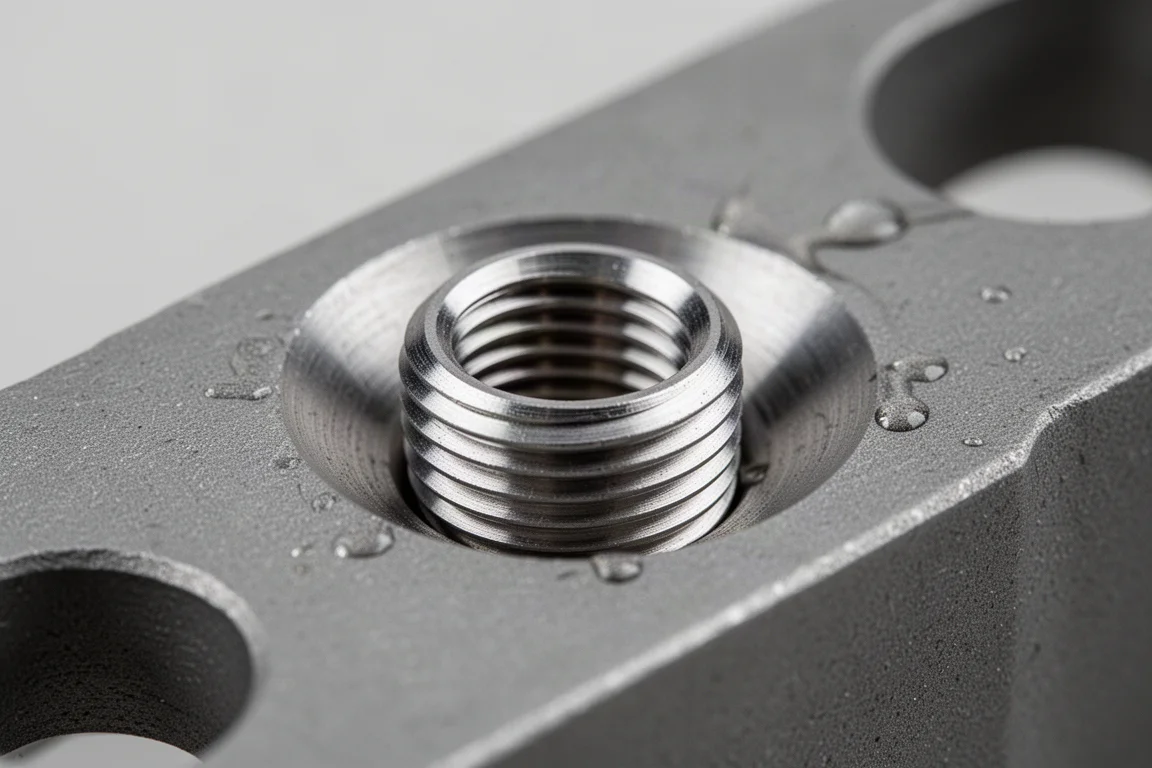
In the first stage of testing the Permacoil performed very similarly to the Helicoil and V-Coil, and like the V-Coil it maxed out the hydraulics, seeing the highest psi of the coil inserts at the pump’s limit with the least stretch getting there. Permanent movement came back at only 4 to 5 thousandths, about the thickness of a human hair. One of the cheapest options tested posted the best numbers of the coil group, which says a lot about how strong even basic 304 stainless inserts are when installed correctly.
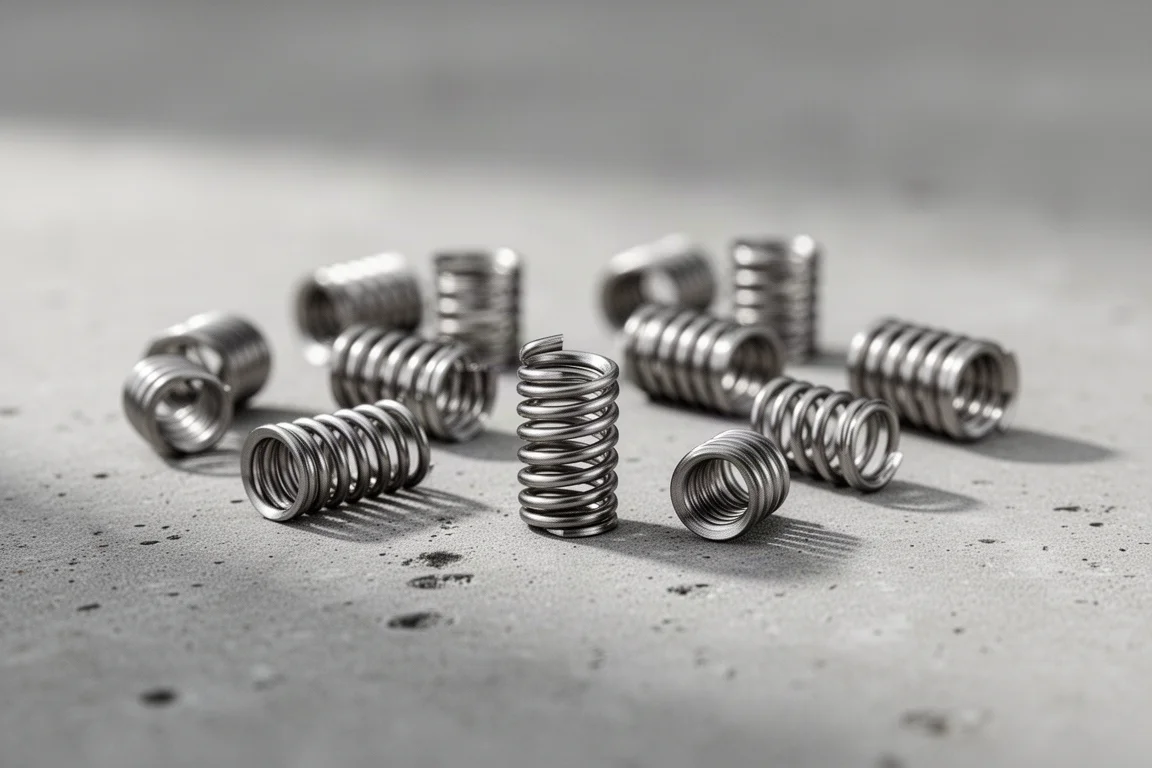
The Premium Option: Time-Sert Thread Repair Kit
Time-Sert is the insert system people recommend when they want the job done “the right way,” at around three times the price of the others. The premium is at least explainable: the kit includes a range of bespoke tools, each designed for one specific step. These use solid inserts with synchronized external and internal threads, and the bottom few threads are underformed and get swaged into the hole by the installation tool, cinching the insert tightly against the threaded hole.
The process is more involved: drill, then use a counterbore cutter with a stopper so you can feel when it is deep enough, tap the hole, thread in the loose insert, then use the unique eccentric-cut install tool, oiled first, to finish the insert’s internal threads. You can feel it snug up as it works at the bottom. The counterbore lets the insert’s top lip sit flush or just under flush with the material.
In the moderate-load stage, the Time-Sert showed minor stretch similar to the others, tracking the L19 stud’s curve between 3,600 and 6,500 psi. But at the high end it failed earlier than expected at about 7,330 psi, with the insert appearing to sever roughly in half and becoming very difficult to unscrew. On the plus side, it was the only failure that did not destroy a lot of surrounding cast iron, and it still edges out a grade 8 bolt. Spending more and getting more elaborate tooling clearly did not buy more strength here.
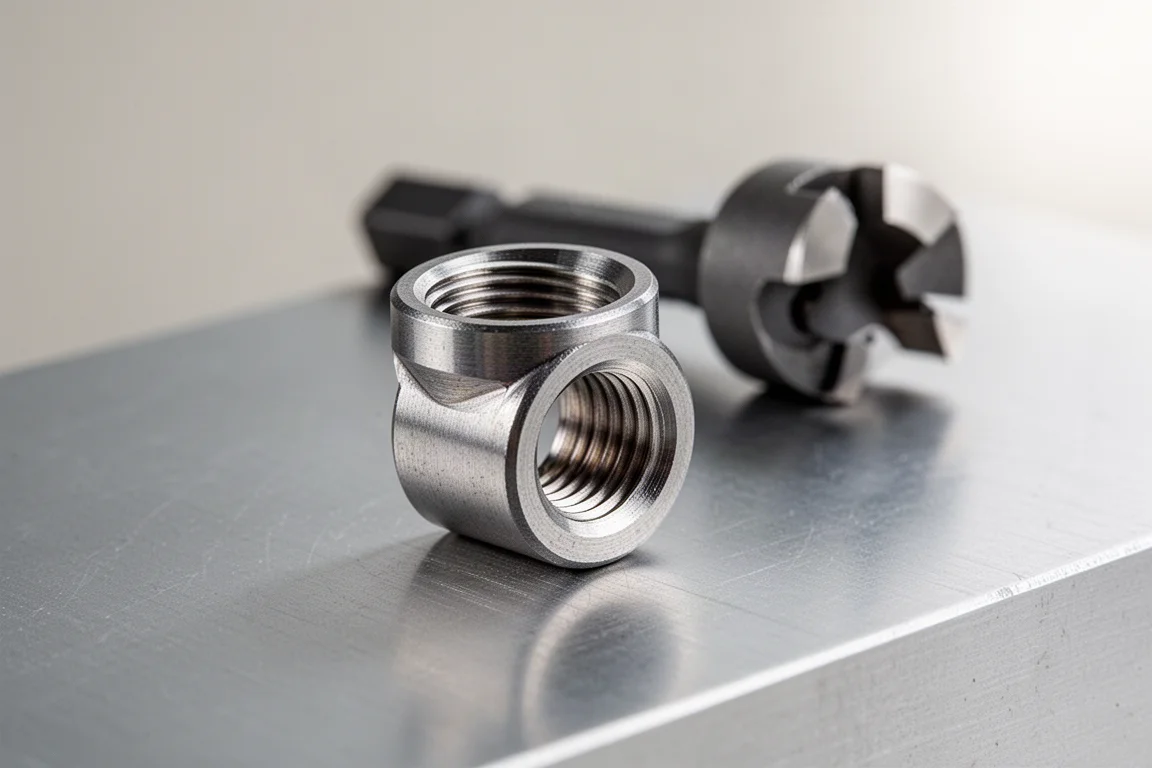
The Locking-Type Insert Comparison
A locking-type insert was also tested, though no metric M11 version could be found, so it ran in a 7/16-20 thread compared against grade 8 results, a close match in minor thread diameter. This type needs a large hole: a 17/32-inch drill bit, over half an inch, plus a 5/8-11 tap and a large tap and die set. It uses standard tap thread pitches, so you may already own the tap, but the hole size limits where you can use it.
Installation is possible with a cut-off bolt of the same thread pitch, but be warned: setting the lock tabs down with just a hammer or punch can ruin the insert, so a proper $20 install tool was bought, bringing the total to about $35.
The result was the lowest of the group, giving up at around 6,400 psi, which corresponds to roughly 140,000 psi of tensile strength, near grade 8 bolt levels. That sounds like a knock, but it is not: common grade 5 hardware, which most vehicles use, would strip out well before the insert itself ever failed. Even the lowest-ranking insert here exceeds most bolts you are likely to thread into it.
The Emergency Fix: JB Weld
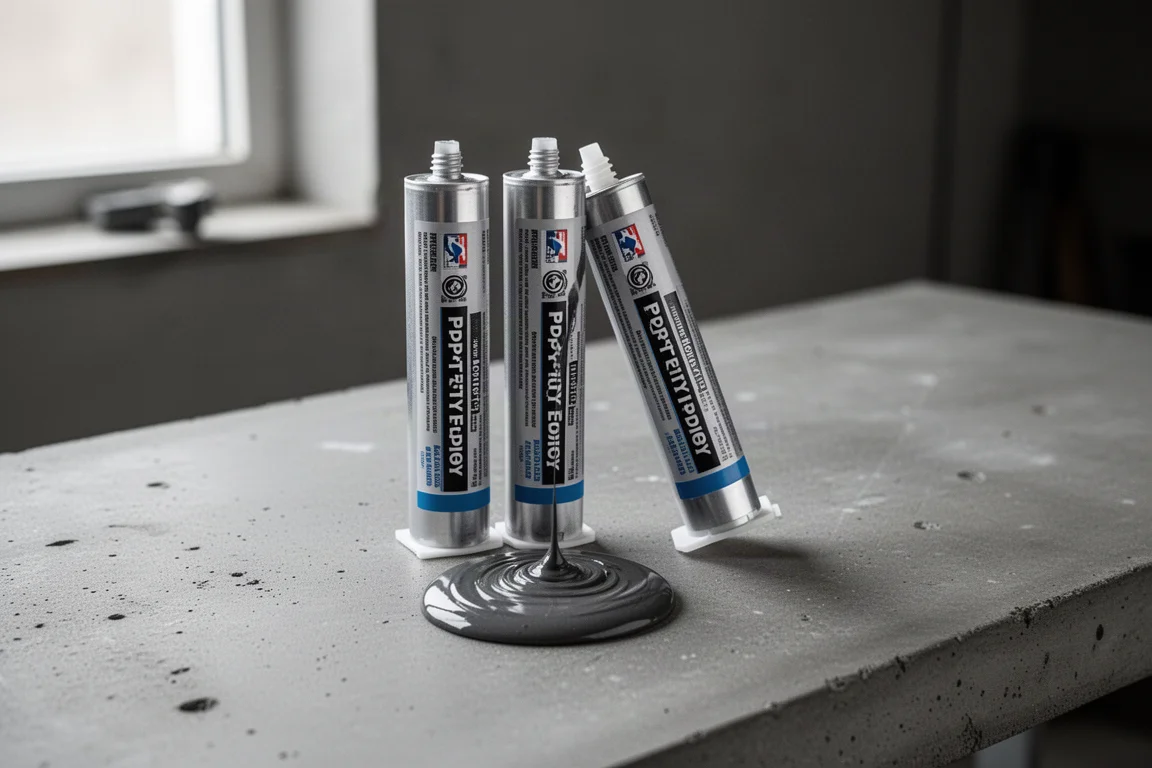
Finally, the backyard mechanic classic: drill out the threads until they are essentially gone, leaving the slightest spiral for the epoxy to grip, slather in JB Weld, and wait 24 hours. Not the quick-set version, the regular stuff. Then tap new threads into the hardened epoxy, which feels gummy and unnatural, and the result looks less than stellar even if it feels surprisingly solid.
Tightening a bolt into it is a cross-your-fingers moment, but it held far better than expected, failing near 4,300 psi, measured at 4,282 psi. That equates to about 94,000 psi of comparable bolt tensile strength, enough to max out an unmarked grade 2 bolt and to torque a grade 5 bolt quite snugly without worry. That is not a recommendation for anything safety-critical, but for a non-critical part like a mount or the last hole in a six-bolt assembly, it is genuinely passable.
Buying Advice
The biggest lesson from this test is that spending more does not clearly buy more strength. The full-size Helicoil kit, the European V-Coil set, and the dirt-cheap Permacoil refills all performed right alongside the strongest ARP hardware available, and the expensive Time-Sert system actually failed earlier, though still above grade 8 bolt levels. If you already own a Helicoil or V-Coil kit, cheap refill inserts appear to be a perfectly sound way to keep it stocked.
For most people, a complete kit with the right drill bit, tap, and installer is the easiest path, and the V-Coil set stood out for including everything at a friendly price. Locking-type inserts work but need big holes and a proper install tool. And JB Weld, while not a serious repair, held up far better than most would guess for non-critical fixes.
Conclusion
Thread insert repairs proved themselves emphatically: even the weakest insert in this comparison outperformed the grade 5 hardware most vehicles use, and the best coil inserts matched top-tier ARP L19 stud loads in cast iron. Name brand status and premium pricing did not correlate with better results, which makes the affordable full kits and refill packs the smart buys for most workshops.
Further reading
Related Reviews
Tools & Workshop
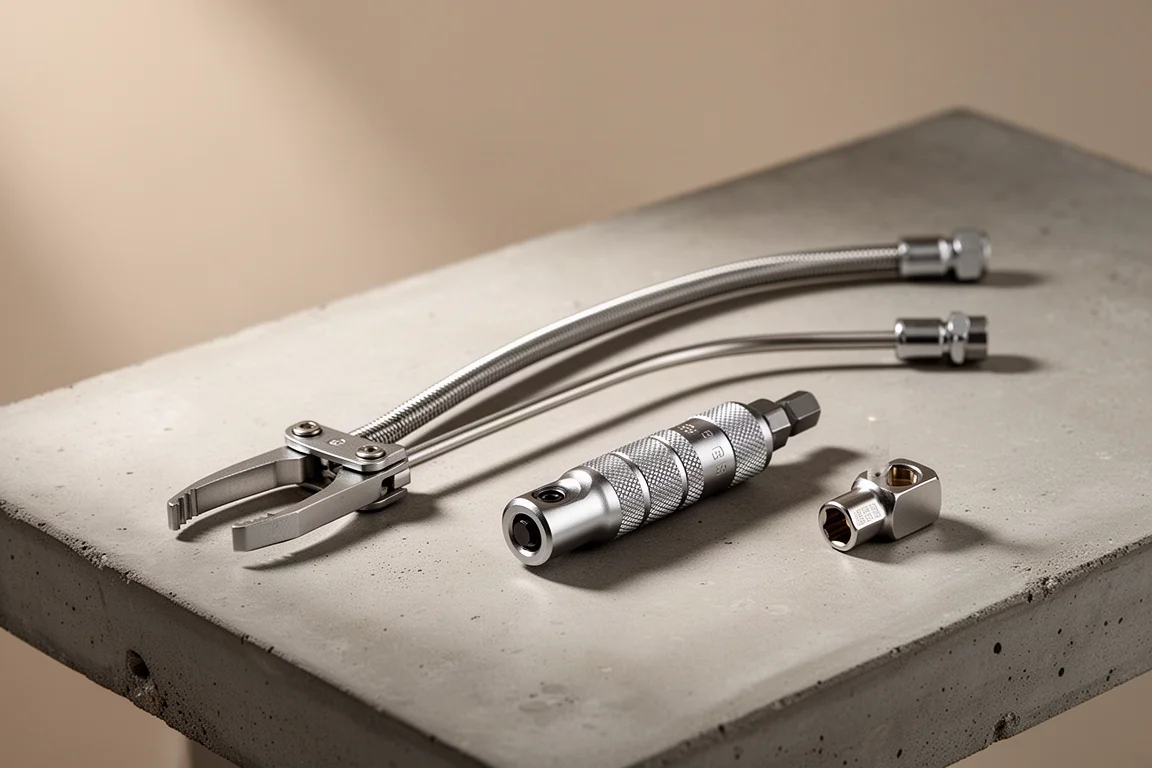
Three Tools That Saved a Tight Dishwasher Installation
A long-reach hose clamp tool, a locking ratcheting bit driver, and a flip socket that earned their spot during a cramped appliance install.
Tools & Workshop
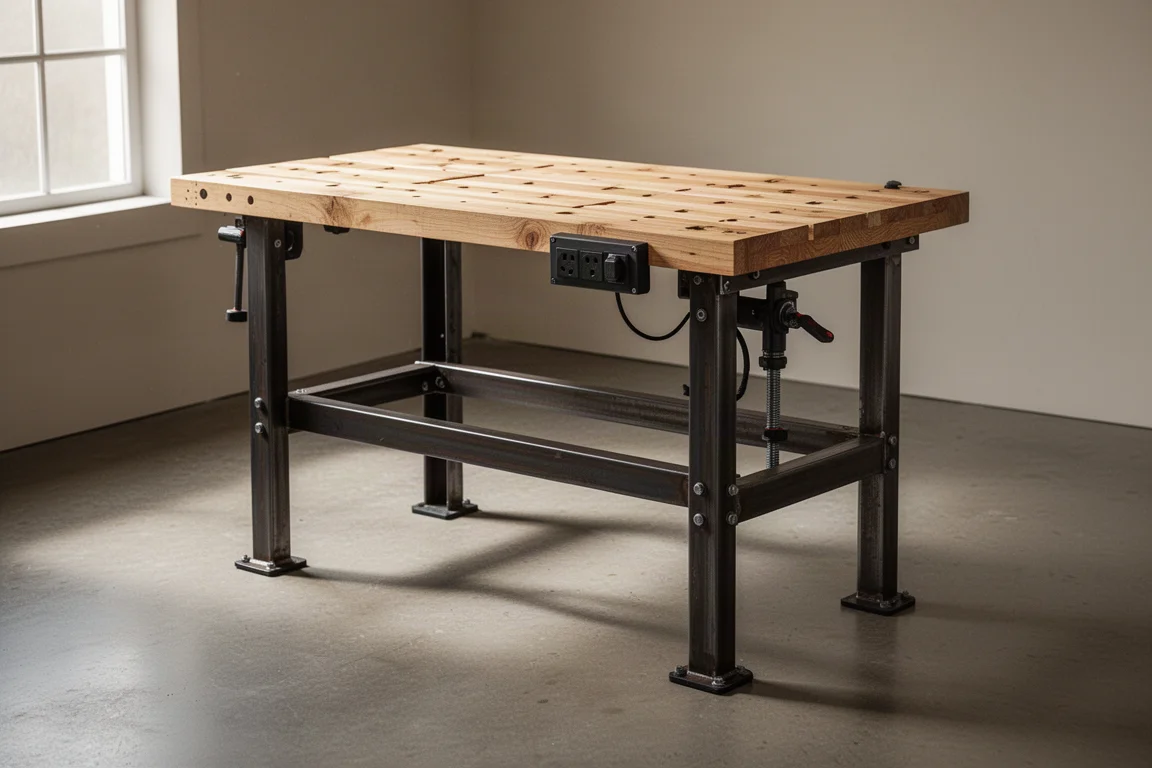
Banggood WB0102 Pro Workbench Review: A Stable, Height-Adjustable Bench for Small Workshops
A heavy, well-priced workbench with a pine top, built-in power strip, height adjustment, and a straightforward assembly that takes under 30 minutes.
Tools & Workshop
Best 50 ft Extension Cords: 15 Cords Put Through Real-World Testing
Fifteen 50 ft extension cords compared on blade strength, abrasion resistance, voltage drop, plug retention, and cold weather flexibility.