Backpacking Tents
Best Tents for High Wind 2026: Six Backpacking Shelters Put to the Test
Six backpacking and expedition tents, from a $42 budget shelter to a $1,500 ultralight, were pushed to full throttle in a controlled wind test. Here is what held and what failed.
Introduction
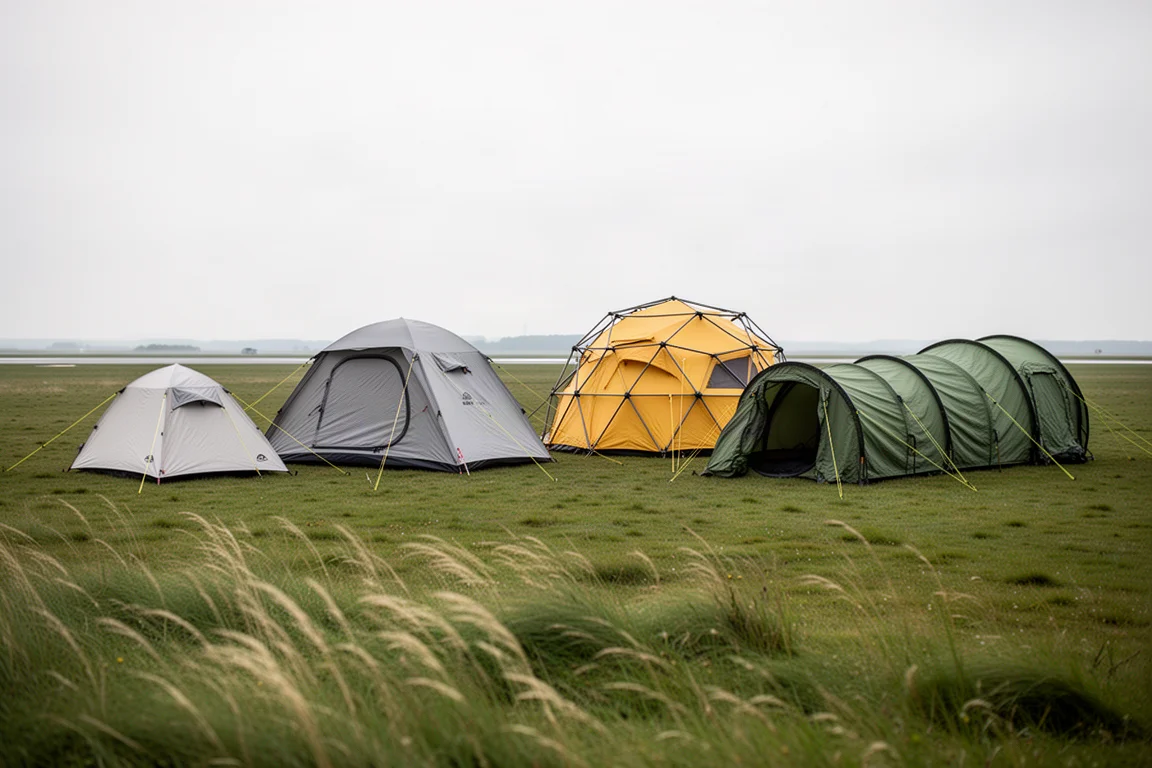
Wind is the variable most backpackers underestimate, and it is the one that ends trips. To find out how much wind a tent can genuinely take, six shelters were pitched on open ground and exposed to a controlled slipstream generated by a light aircraft, ramped in steps from roughly 30 mph to full throttle at around 75 mph. The lineup ranged from a $42 one-person tent to a $1,500 ultralight shelter rated for expedition conditions.
Only two of the six came through intact, and both were the most expensive tents in the group. The rest failed in ways that are worth understanding before you spend money on a shelter you plan to trust.
How We Assessed Wind Performance
Every tent was pitched and guyed out fully, then exposed to three power steps: approximately 30 mph, approximately 50 mph, and full throttle, which produced around 75 mph in open air. Where a shelter accepted an additional trekking pole for stability, that support was deployed. A tent counted as a survivor only if it was still standing and still weatherproof afterwards.
One measurement caveat matters here. Wind meter readings taken behind a pitched tent often came in lower than the same power setting produced with nothing in the airflow. When the Durston X-Dome failed, the reading jumped from about 40 mph to about 60 mph within moments. The tents themselves were disturbing the airflow, which means the figures below are conservative and several shelters were loaded harder than the meter suggests.
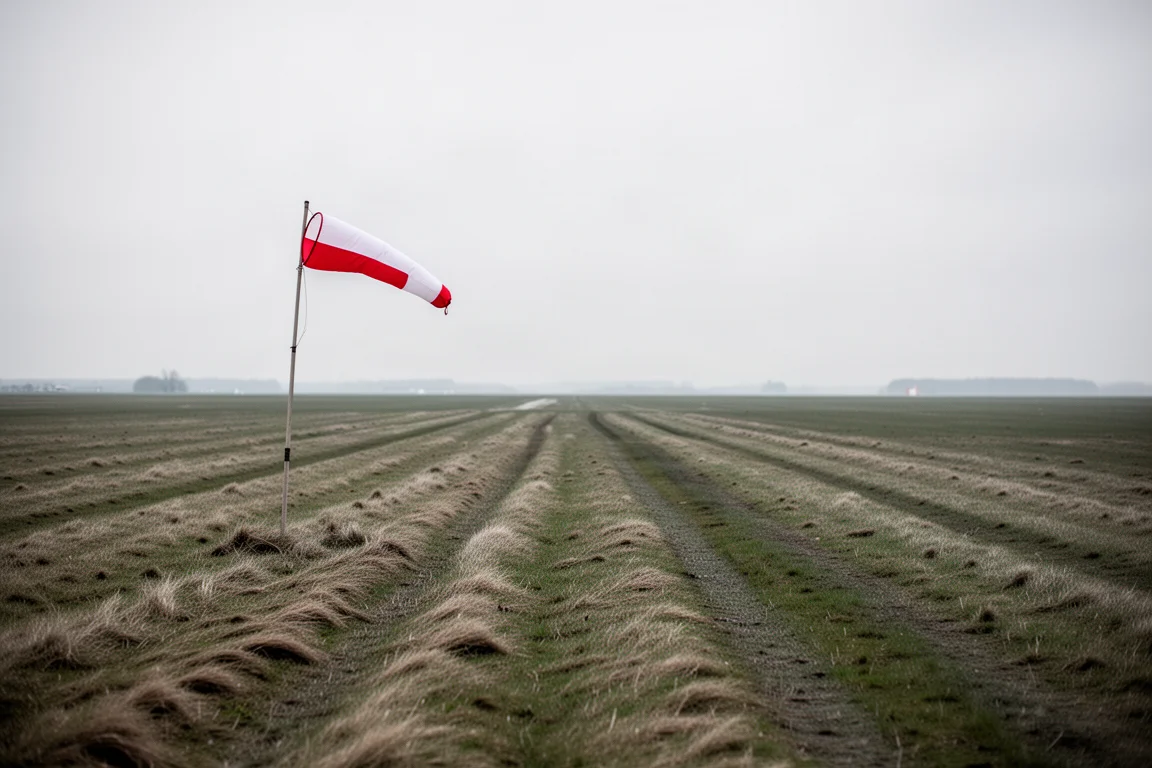
The practical consequence is simple. Any tent that stayed up at a reading near 60 mph was almost certainly facing more than 60 mph, and the failures happened at genuinely punishing speeds.
Nightcat One-Person Backpacking Tent: The Budget Benchmark
At $42 on Amazon, the Nightcat was never expected to survive, and it did not. The rain fly began lifting at around 24 mph. With every guy line deployed, the shelter was effectively finished somewhere between 40 and 50 mph. At full throttle it was gone from the test position entirely, leaving a snapped fiberglass pole behind.
For fair-weather camping in sheltered terrain, the price is the entire appeal. For anything exposed, it is not a serious option.
Durston X-Dome Two-Person Tent: Lightweight Three-Season Strength
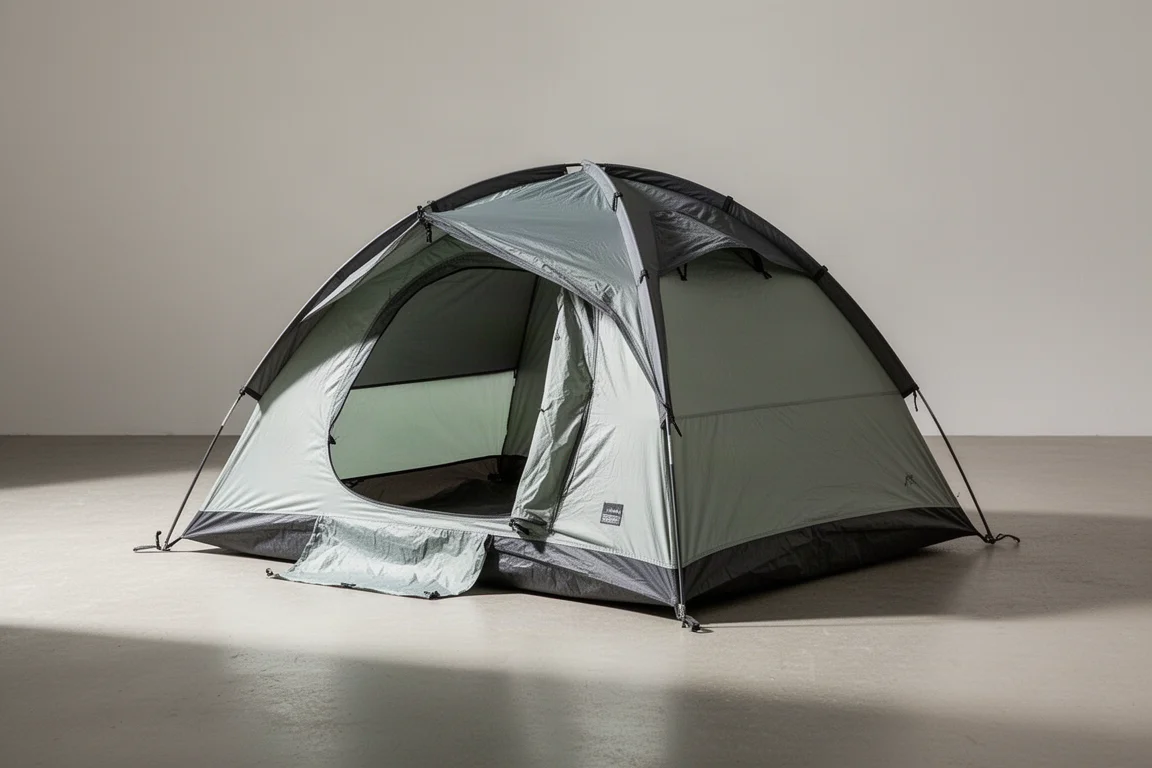
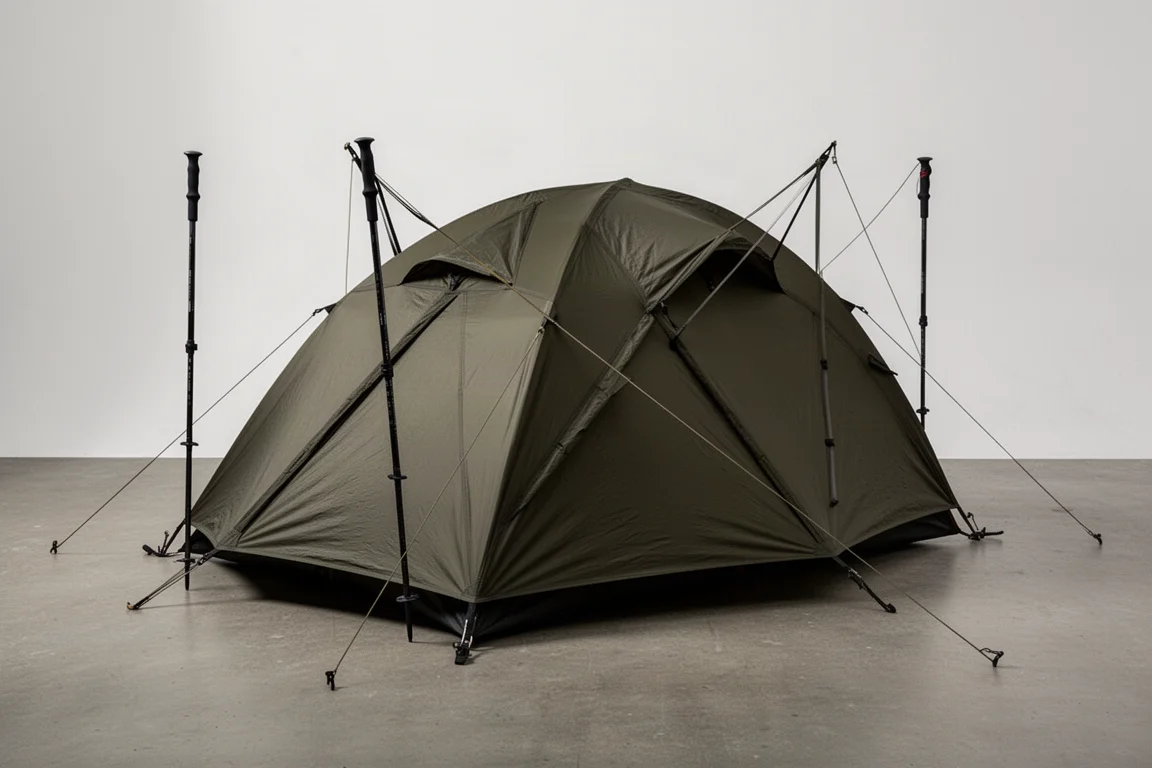
The X-Dome is a three-season two-person tent built around carbon fiber poles, and it can be reinforced by deploying a trekking pole against the structure. That combination of low weight and a stiffer frame is exactly what you want when the forecast turns.
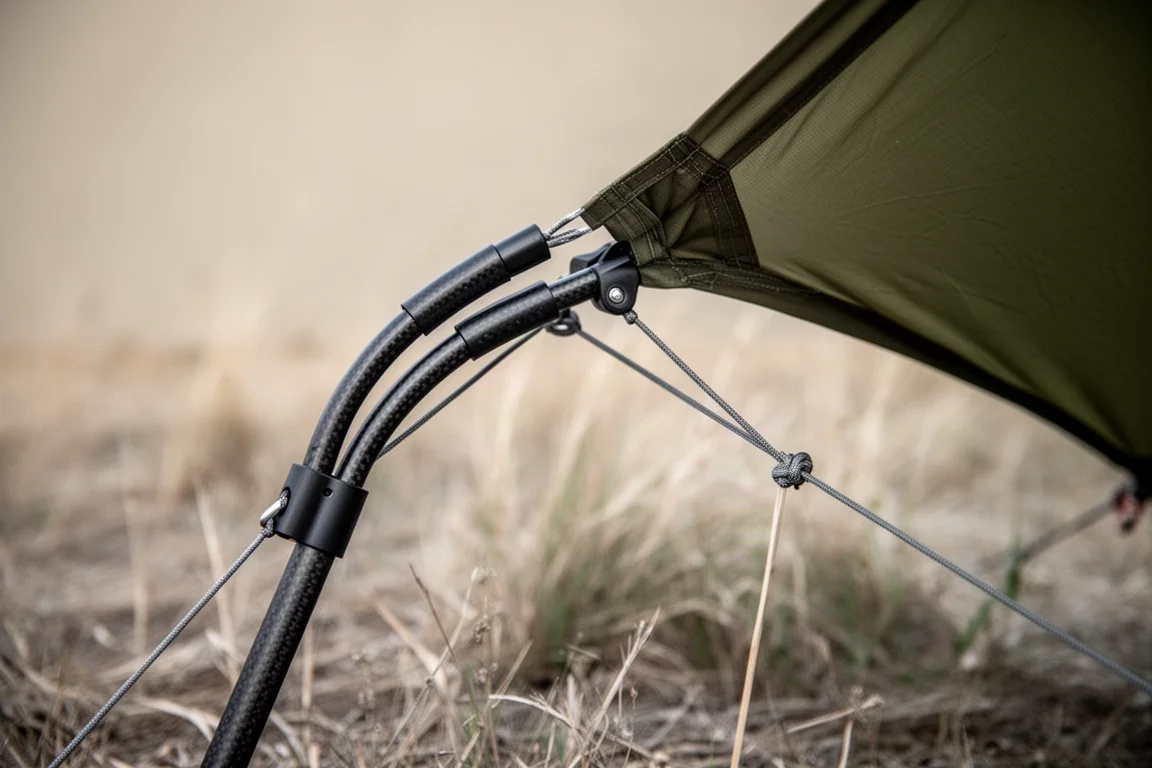
With full guy lines and the trekking pole in place, it held together to roughly 60 mph before an inner aluminum sleeve snapped and the shelter collapsed. Some of the guy line attachment choices may have worked against it. Even so, 60 mph from a three-season tent is a strong result, and this was one of the closest calls in the test.
Zpacks Plex Solo: Ultralight Dyneema Performance
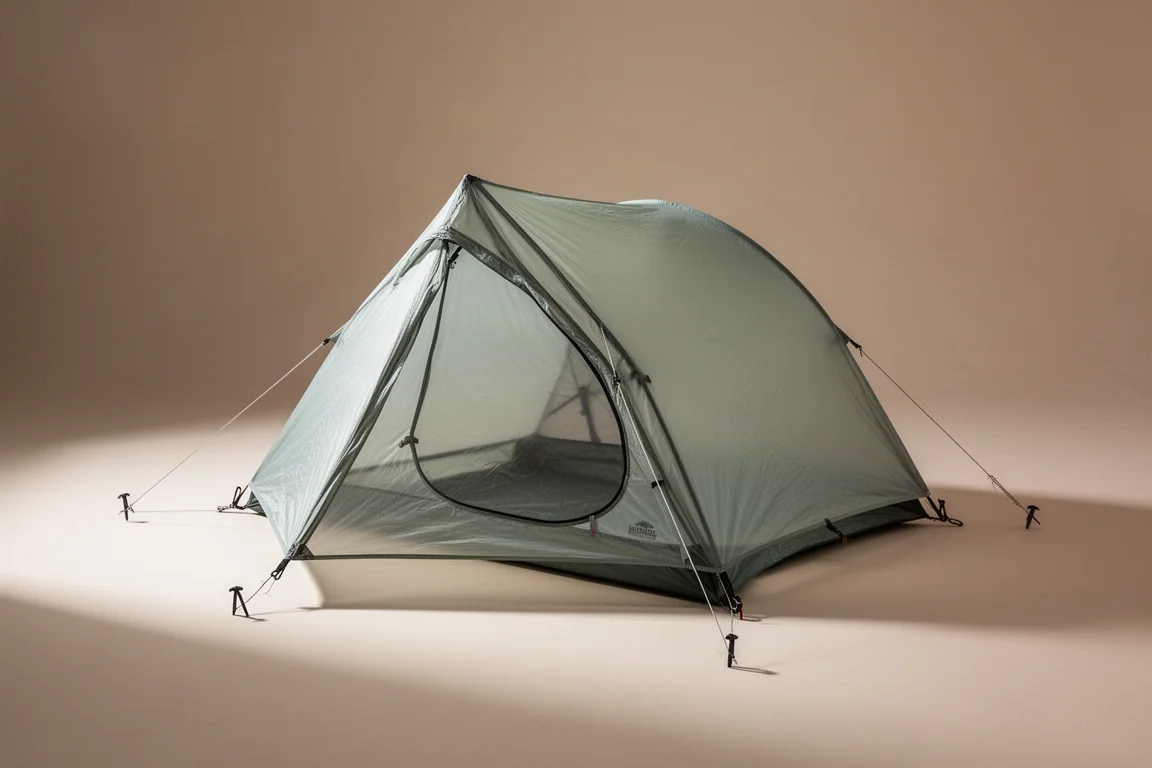
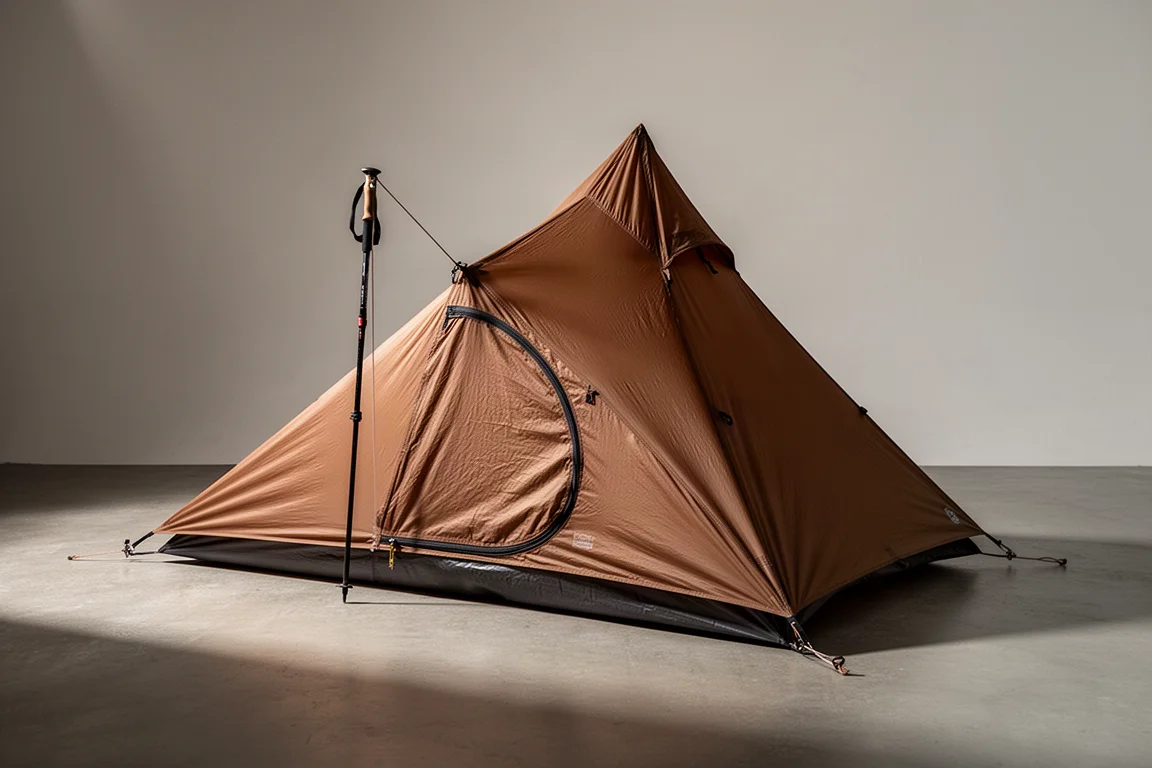
At $600 and 11.7 oz, the Plex Solo is the lightest tent in this test and one of the lightest you can buy. It uses Dyneema composite fabric, which has a higher strength-to-weight ratio than steel, and a simple pyramid shape that sheds wind rather than fighting it.
The design held until close to 60 mph, when the trekking pole forming the peak ripped through the top of the shelter. For a tent this light, that is a remarkable showing, and it explains why so many long-distance backpackers default to it.
Samaya Radical 1: Expedition Capability at 1 lb 7 oz
The Radical 1 is the most expensive tent here at $1,500, and one of the only ultralight shelters rated for expedition conditions. It weighs 1 lb 7 oz, using Dyneema composite fabric and carbon fiber poles to get there.
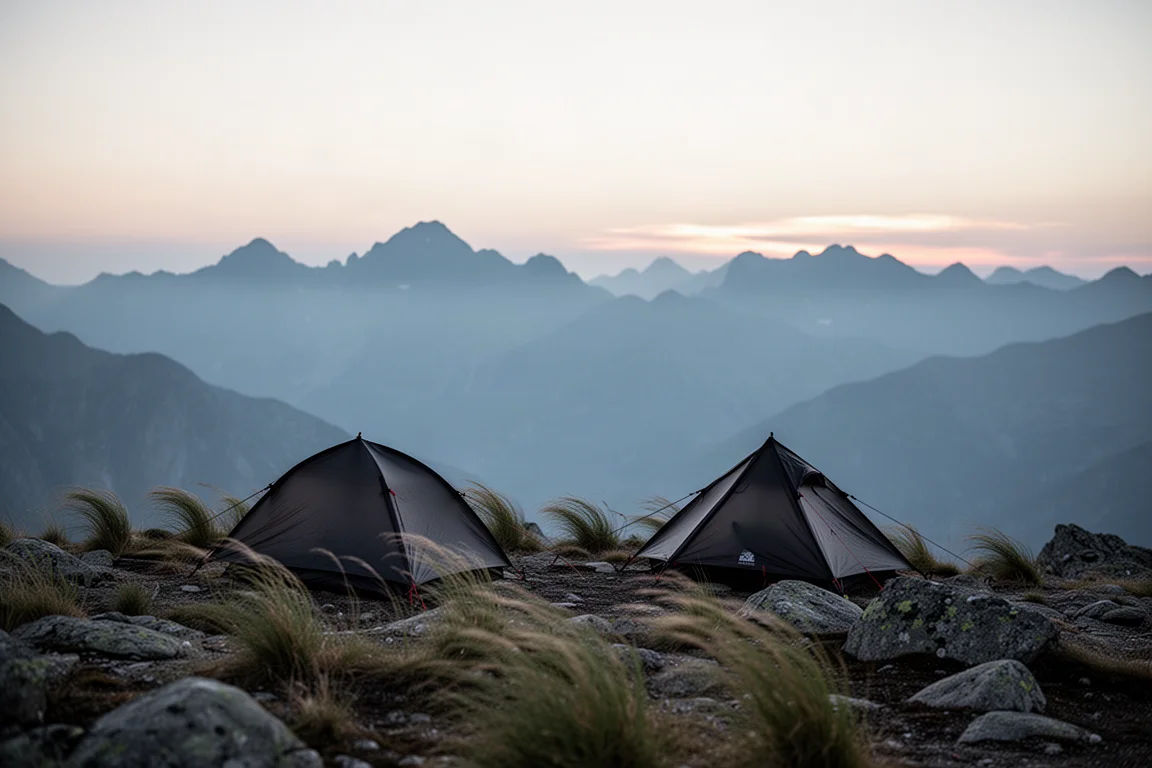
With guy lines deployed it came through full throttle without collapsing. It then repeated the result with no guy lines at all, which no other tent in the group managed. If you want the lightest possible shelter that can still be trusted in serious wind, this is the benchmark the others were measured against.
The North Face VE 25: A Heavyweight Expedition Classic
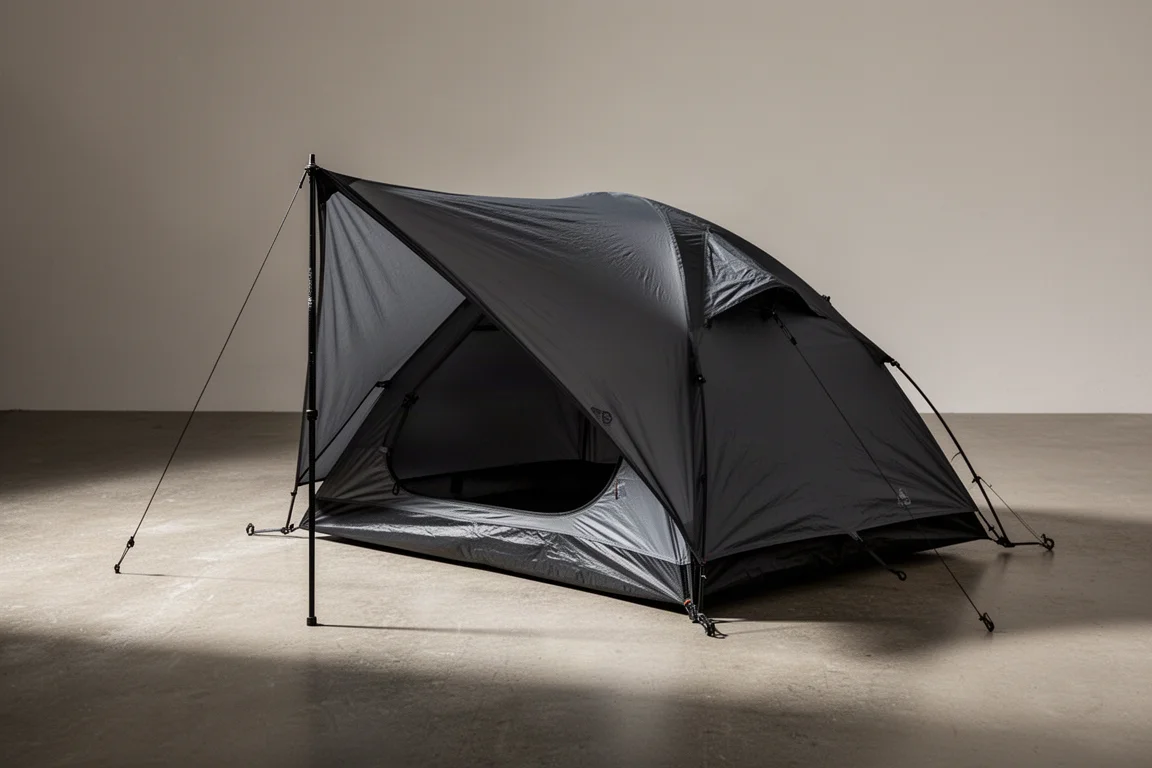
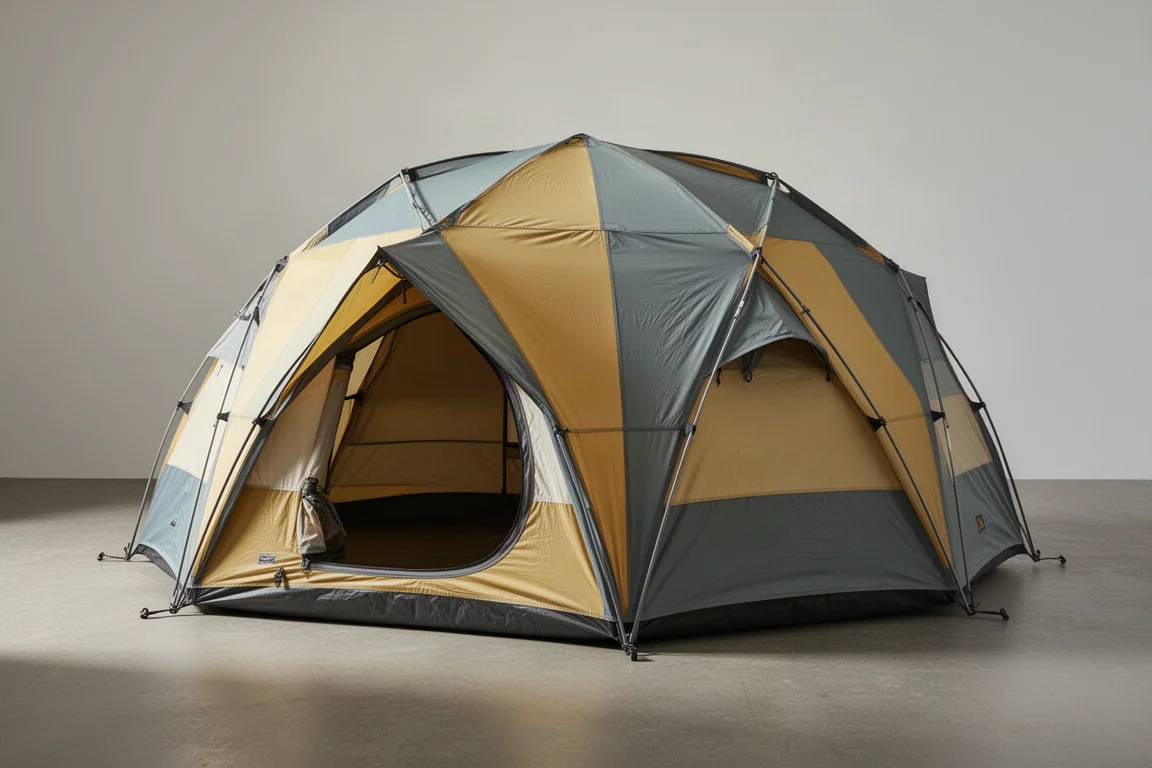
The VE 25 is the classic expedition dome, the kind of shelter associated with high camps on big mountains. It weighs 10 lbs as a three-person backpacking tent, and that bulk buys a lot of interior space and a deep vestibule.
It handled the 30 and 50 mph steps without drama, then failed at full throttle. That is a meaningful result. A 50 mph limit is a great deal of wind, but it sits well below the 80 to 90 mph figures that circulate around expedition tents, which says something about how rarely those numbers match real trail conditions.
Hilleberg Nallo Two-Person Tent: Tunnel Design Under Load
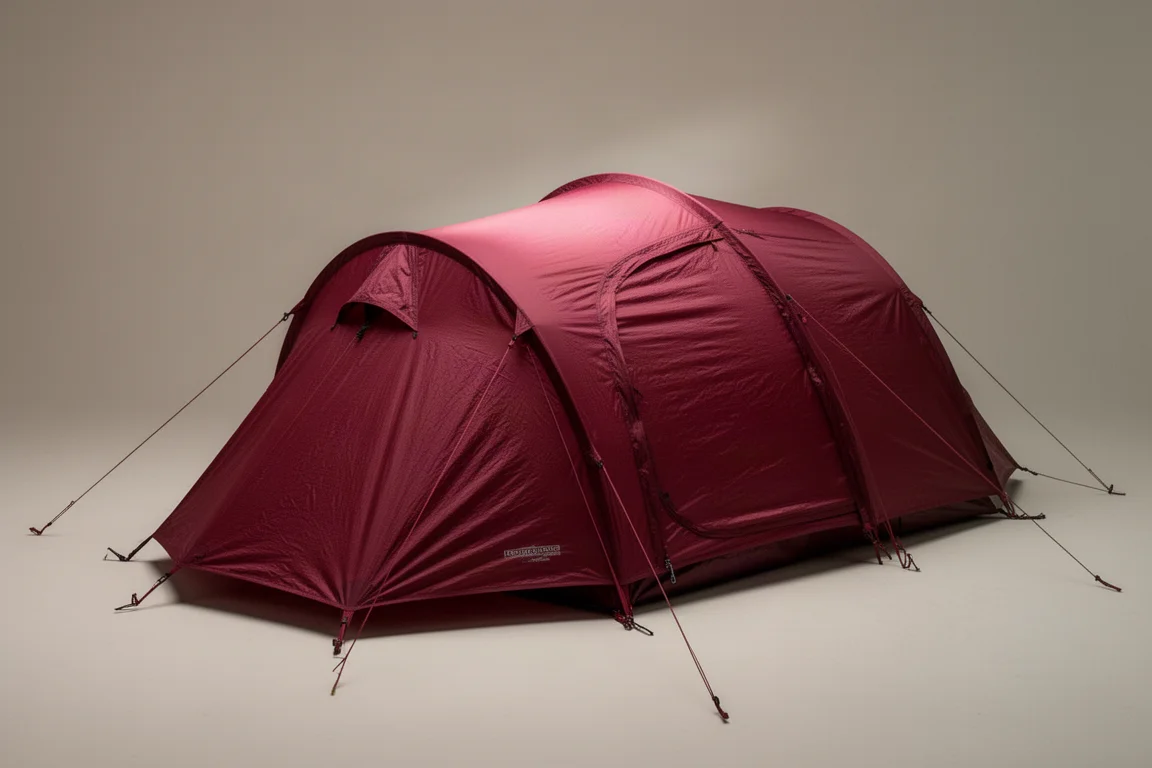
Priced at about $1,000, the Nallo is a tunnel tent, a shape that has historically performed best in high wind. The main concern before the test was the small wind dam at the front, which looks like it would catch air. At 32 mph and again at 50 mph it rippled and roared but held its shape.
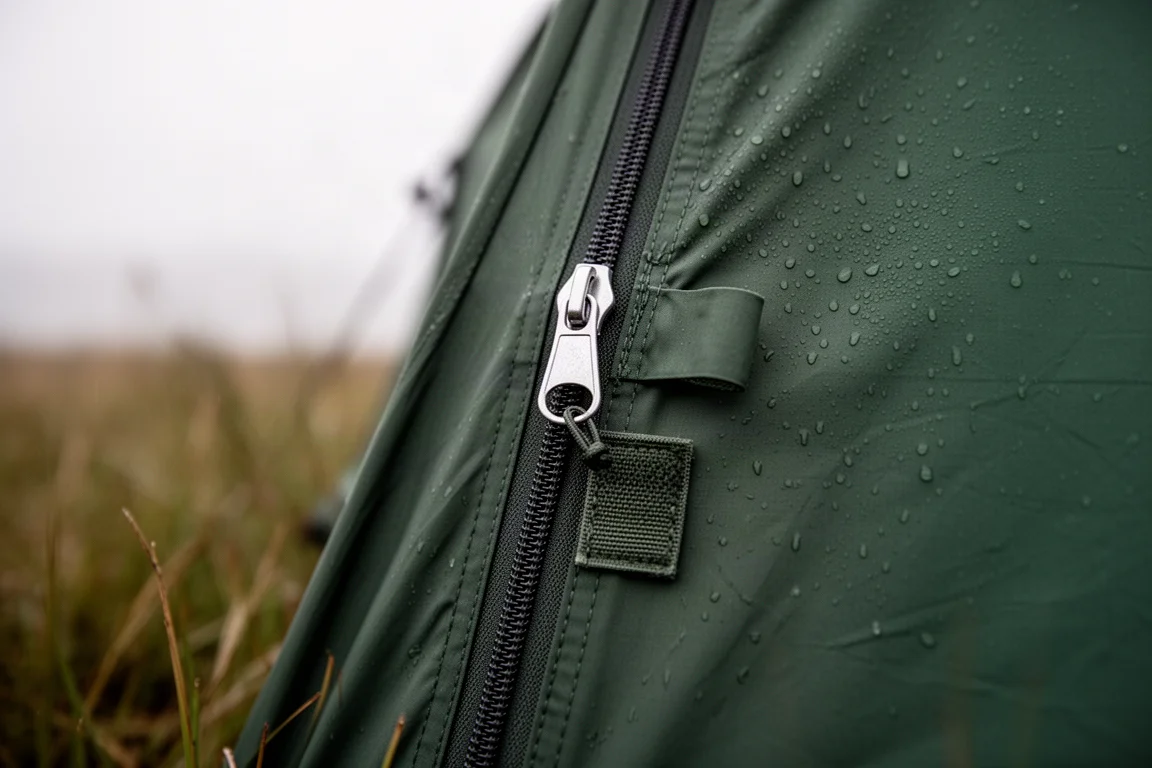
At full throttle it stayed standing, which makes it a survivor, but both doors’ zippers opened under load. The ventilation zipper at the top came undone first. The smaller front door has a hook designed to loop through the zipper and hold it closed, while the upper zipper has no equivalent. A small retention detail there would make this shelter very hard to beat.
Buying Advice
Two tents out of six survived, and both were the most expensive in the test. That is a blunt result, but it is not an argument for spending $1,500 on a shelter you will use twice a year. It is an argument for matching the tent to the exposure you actually expect.
A few practical points carried over from the test:
- Deploy your guy lines. Several tents were only given a fair chance because every anchor point was used.
- Trekking pole support is real. Shelters that accepted an extra pole gained measurable stability in fast-moving air.
- Wind is usually less than you think. A tent that failed at 50 mph will still handle most sheltered three-season campsites.
- Details decide outcomes. Zipper retention hooks and reinforced pole sleeves matter more than headline numbers on a spec sheet.
Conclusion
If you camp in exposed terrain and want the best odds, the Samaya Radical 1 and the Hilleberg Nallo two-person tent were the only shelters that survived full throttle, and the Samaya managed it even without guy lines. On a tighter budget, the Durston X-Dome and the Zpacks Plex Solo both performed far above their weight class, holding to roughly 60 mph before failing. The Nightcat is a $42 tent, and in extreme wind it behaved exactly like one.
Further reading
Related Reviews
Backpacking Tents
3F UL Lanchan Pro 1 Review: A 1 lb 8 oz Single-Wall Trekking Pole Tent
A practical look at the 3F UL Lanchan Pro 1, a single-wall trekking pole shelter with a 1 lb 8 oz weight, 20D silnylon fabrics, and a roomy 90 x 31 x 49 inch interior.
Backpacking Tents
3F UL Taiji 2-Person Tent: A Convertible Backpacking Shelter Worth a Closer Look
A practical look at the 3F UL Taiji two-person tent, covering its materials, true two-person interior, fly-first pitching, and the seasonal inner swap that lets one shelter cover more of the year.
Backpacking Tents
3FUL Lanshan Twoerson Pro Review: A Light Trekking Pole Shelter That Struggled in Rain
A two-person trekking pole shelter with a 2026 redesign, pitched with sticks and put through a night of steady rain. Here is what worked, what did not, and what to check before buying.