Backpacking Tents
Best Tents for Extreme Wind: Six Backpacking Tents Pushed to Their Limits
Six backpacking and expedition tents faced controlled prop-wash winds up to about 75 mph. Two survived, and the results say a lot about design, hardware, and setup.
Introduction
Expedition tents carry big claims about the conditions they can handle. To see how those claims hold up in practice, six tents were pitched in the prop wash of a single-engine aircraft at an airfield outside Colorado Springs and run through a controlled ramp of roughly 30 mph, 50 mph, and full throttle, which measured about 75 mph.
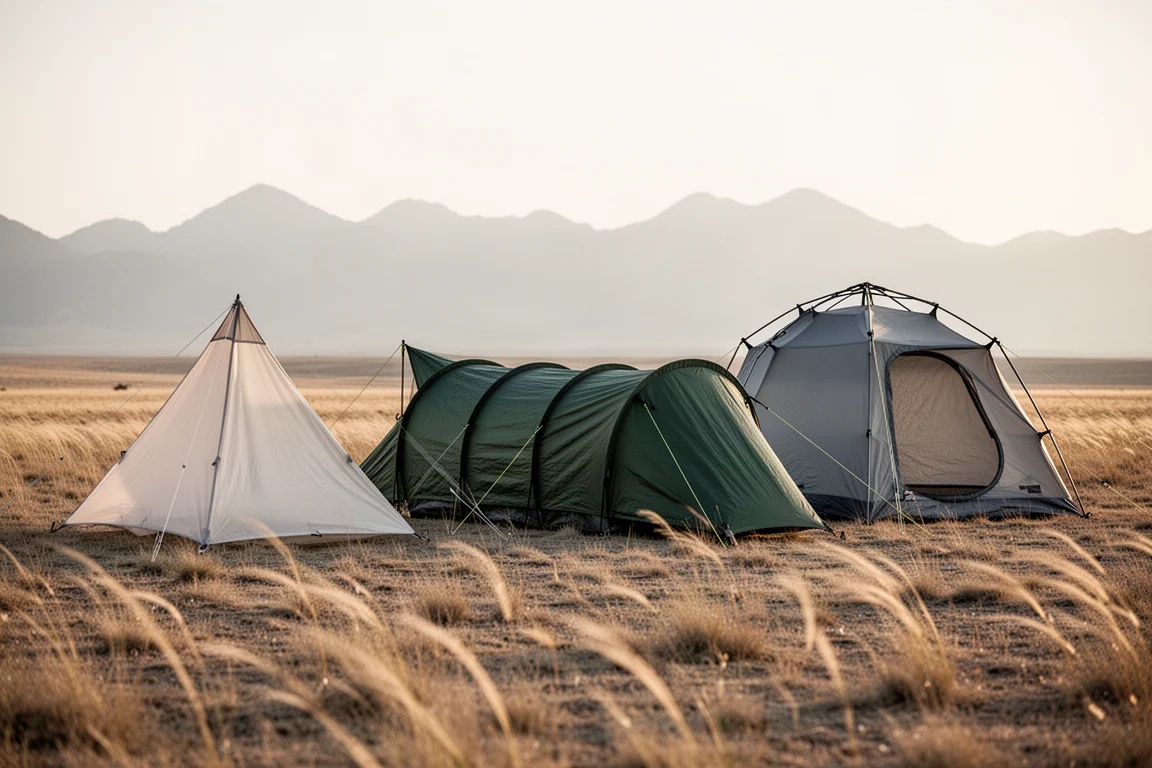
The lineup covered the full price range: a $42 one-person shelter from Amazon, two lightweight three-season backpacking tents, and three shelters built for expedition use, including a $1,500 ultralight model and a heavyweight dome that is a familiar sight on Everest-style expeditions.
Only two of the six came through the test intact. The results say as much about pole hardware, shape, and setup as they do about price.
How the Wind Test Worked
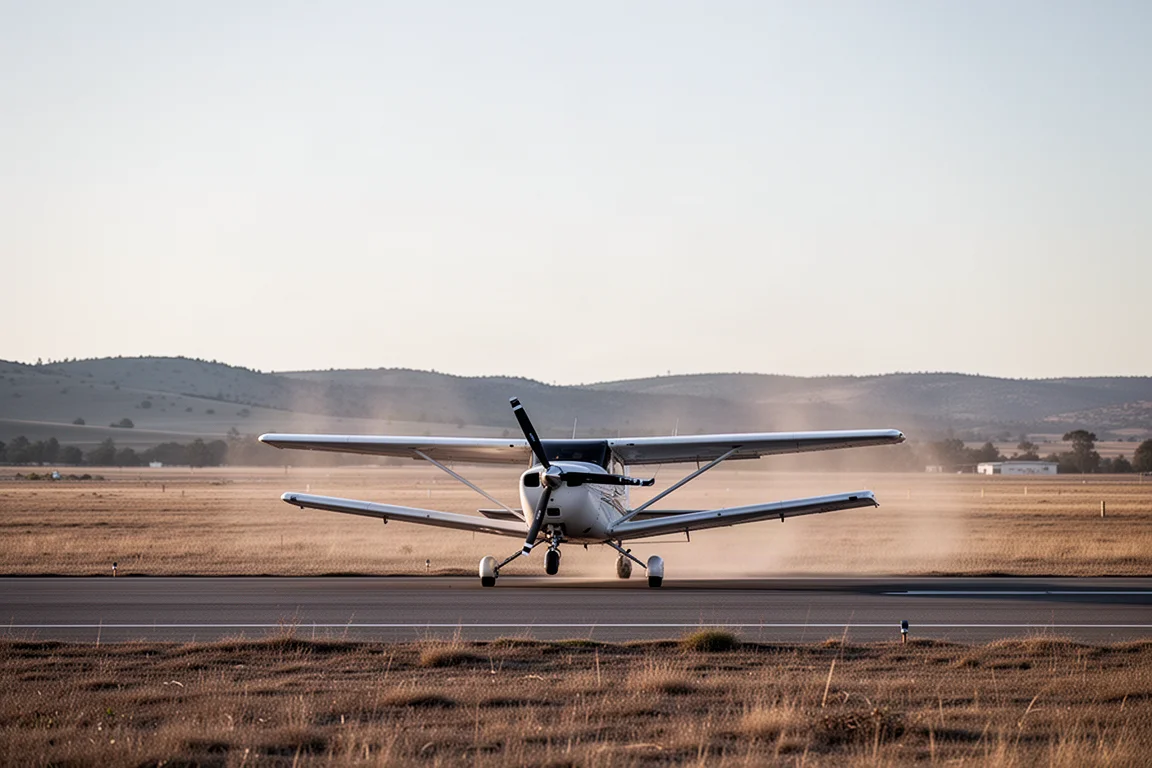
The wind source was a single-engine aircraft with a 541 cubic inch six-cylinder engine producing just over 260 horsepower and 583 foot-pounds of torque, capable of generating steady, controllable airflow in the 70 to 100 mph range. Using prop wash keeps the airflow far more consistent than strapping tents to a moving vehicle, where turbulence rolls up over the nose and distorts the reading.
Each tent was ramped through three target speeds: about 30 mph, 50 mph, and full throttle. Wind meter readings ran lower than the real airflow whenever a tent sat in the stream, because the shelter itself disturbs the air reaching the sensor. In at least two cases the meter jumped sharply upward right after a tent collapsed, so the true failure speeds were higher than the numbers displayed at the moment of failure.
Every tent was pitched the same way, with guy lines fully deployed unless noted otherwise, so the comparison reflects the design of each shelter rather than differences in how it was set up.
Best Budget Option: Nightcat One-Person Backpacking Tent
The Nightcat one-person backpacking tent was the cheapest shelter in the test at $42 from Amazon, and it behaved accordingly. Its rain fly began lifting at around 24 mph. By 40 to 50 mph the tent was already failing, and at full throttle it was gone entirely, with the fiberglass pole snapped.
Everything was deployed correctly, including full guy lines, and the failure still happened. That makes the Nightcat a fair-weather shelter at best, but it also sets a useful baseline for how much wind protection $42 actually buys.
Durston X-Dome Two-Person Tent: Carbon Poles and Trekking Pole Support
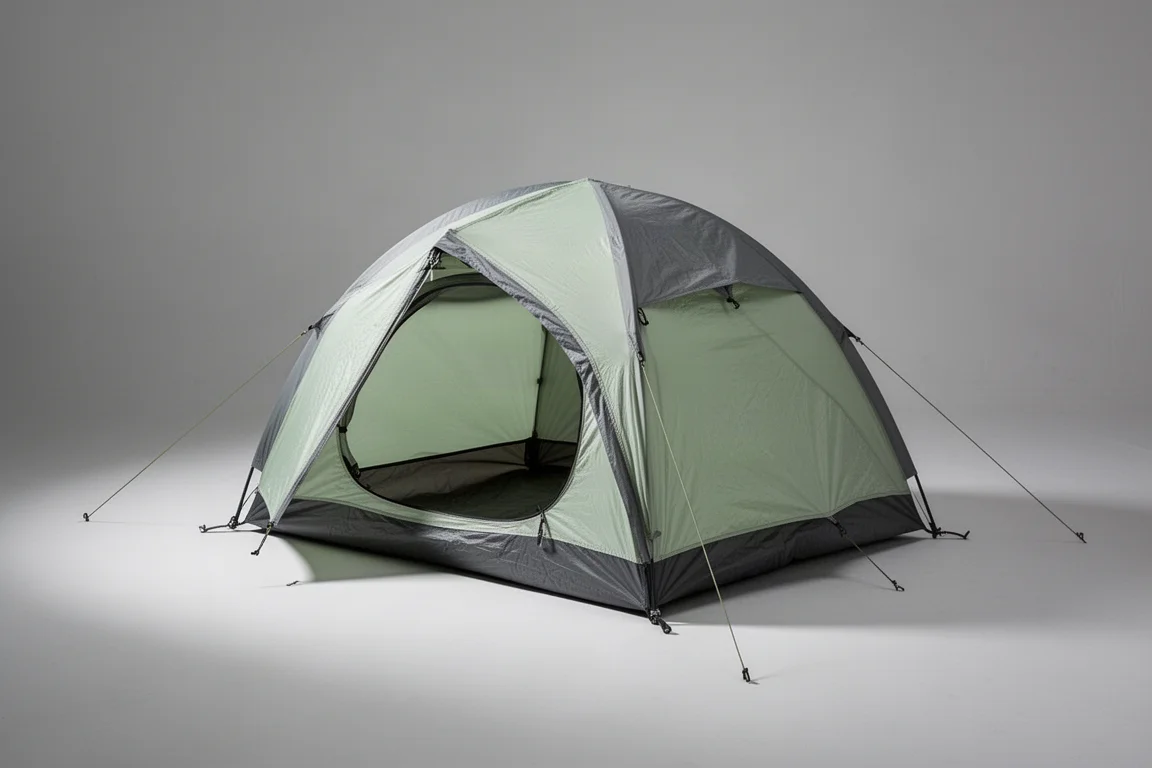
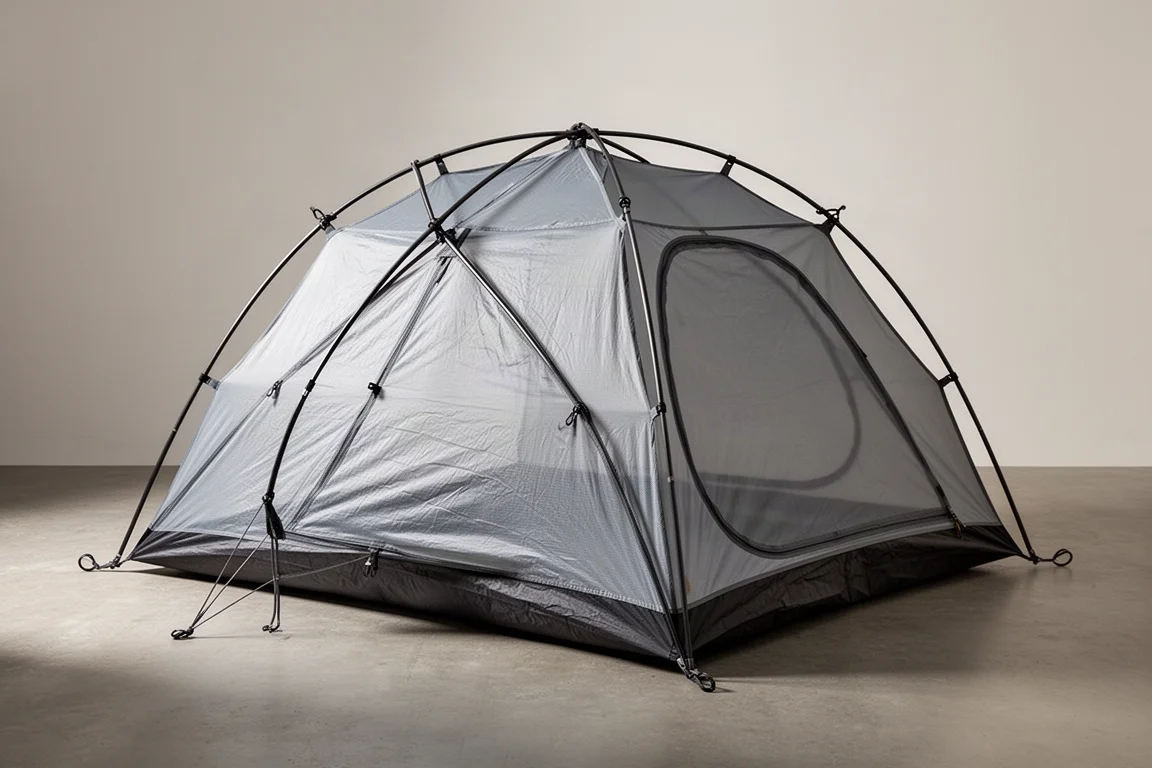
The X-Dome two-person tent was selected for its carbon fiber poles and for a design feature that lets a trekking pole be deployed underneath the structure for extra stability in high wind. Both were used here, along with fully staked guy lines.
At 30 mph the poles were visibly flexing and the tent was already working hard. It held on until close to 60 mph, when one of the inner aluminium sleeves snapped and the structure failed. The way the guy lines were attached may have contributed to that outcome, but a three-season tent reaching 60 mph is a genuinely strong result.
Zpacks Plex Solo Light: The Lightest Tent in the Test
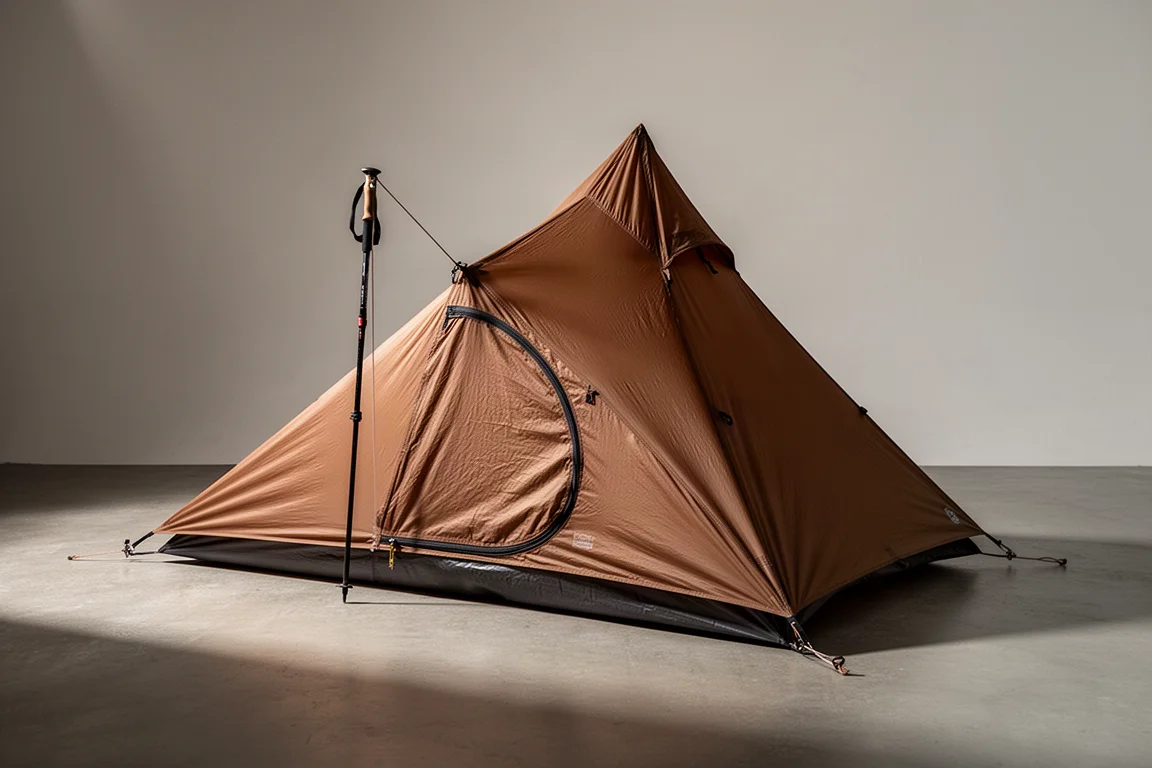
At $600, the Plex Solo Light is the lightest tent on the market today at just 11.7 oz. It uses Dyneema composite fabric, which has a higher strength-to-weight ratio than steel, and a simple pyramid shape that sheds wind rather than fighting it.
That design carried it further than expected. The shelter held together until the wind meter read close to 60 mph, at which point the trekking pole ripped through the top of the tent. The pyramid shape is what bought that margin: with very little flat area for wind to push against, the fabric stays loaded in tension instead of catching air.
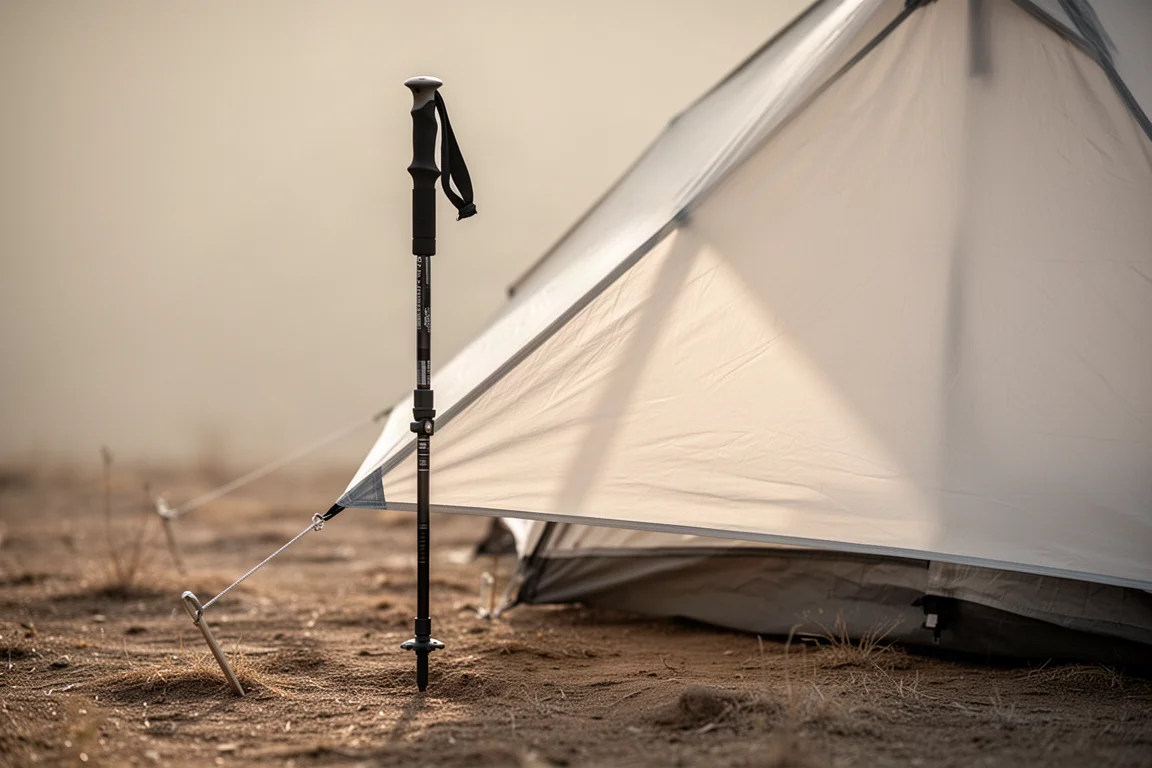
For a shelter this light, reaching 60 mph is a remarkable ceiling, and it explains why this design remains a default choice for backpackers who count every gram.
Samaya Radical 1: Ultralight Expedition Shelter
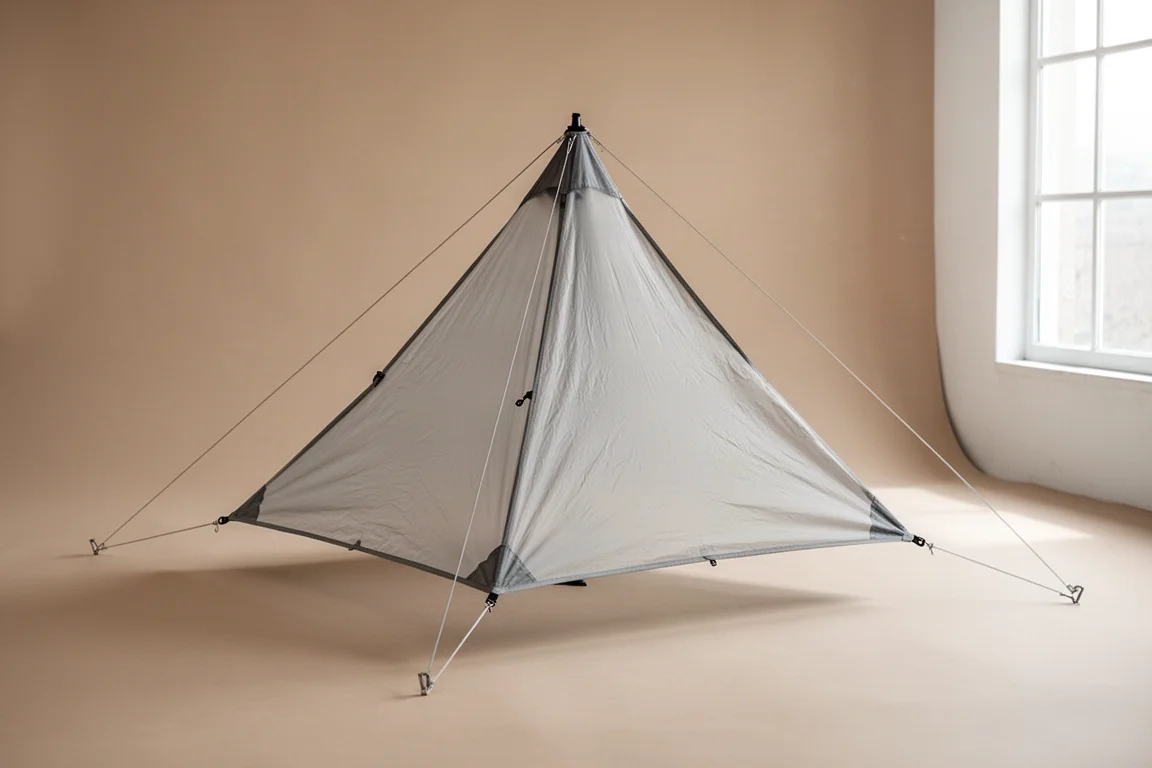
The Samaya Radical 1 is the most expensive tent in this lineup at $1,500, and one of the only ultralight tents rated for expedition conditions. It weighs 1 lb 7 oz thanks to Dyneema composite fabric and carbon fiber poles, which makes it dramatically lighter than the other expedition shelters here.
It was the standout of the test. With guy lines deployed, it survived the full throttle run at roughly 75 mph. It was then tested a second time with no guy lines at all, and it still held. For a shelter that packs down to almost nothing, that is an exceptional result and the clearest justification in this test for a premium price.
The North Face VE 25: Expedition Pedigree, Disappointing Result
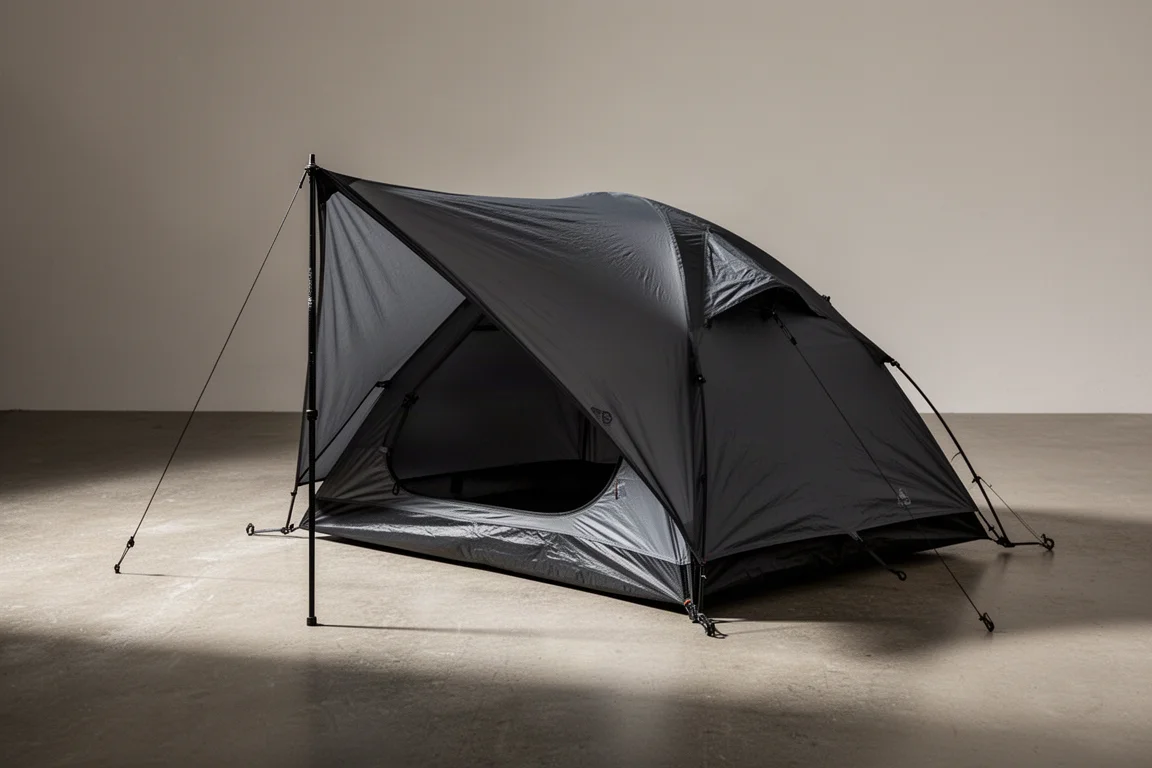
The VE 25 is the tent most people picture when they think of high-altitude expeditions: a heavy dome meant to handle anything thrown at it. At 10 lbs for a three-person backpacking tent, it is built for base camps and cold-weather camping rather than fast and light travel.
It moved through 30 mph and 40 mph without obvious distress and was still standing at 50 mph. At full throttle it came apart. That was the biggest disappointment of the test, and it is a useful reality check: 50 mph is a serious wind, and it sits well short of the 80 to 90 mph gusts that campers often claim to have ridden out.
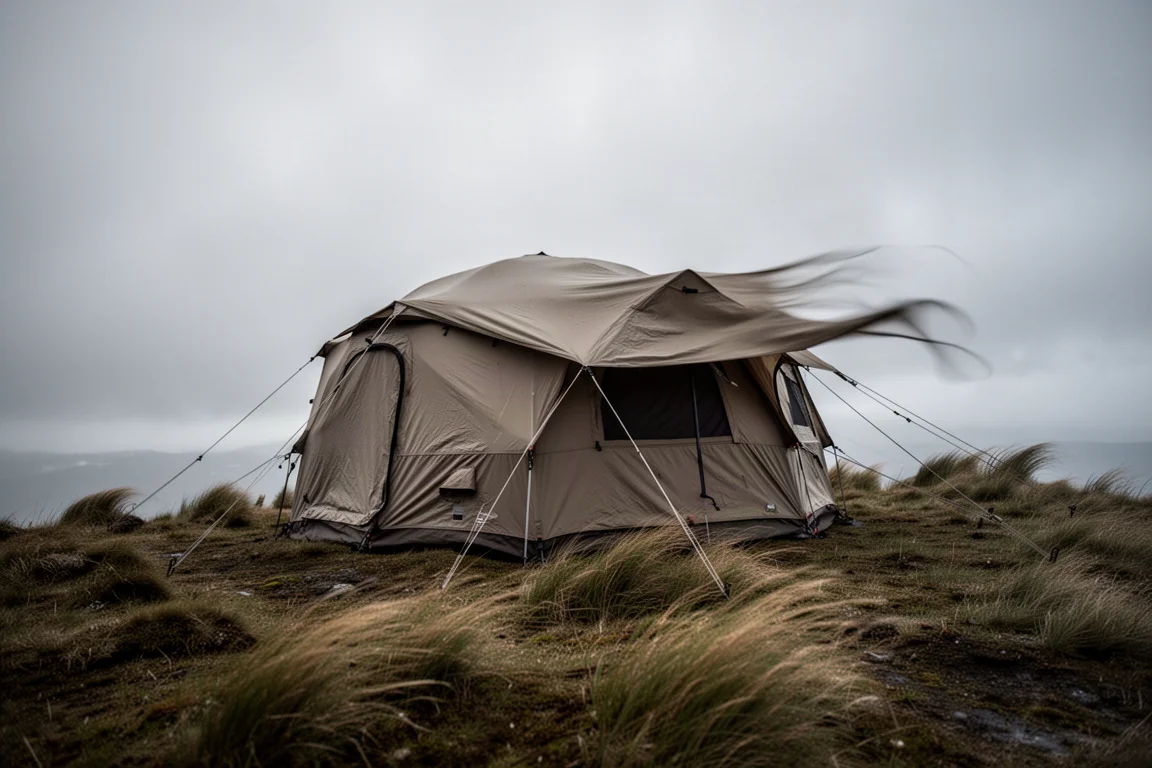
The result is one data point rather than a verdict on the tent as a whole, but it does show that a heavy expedition build is not automatically a windproof one.
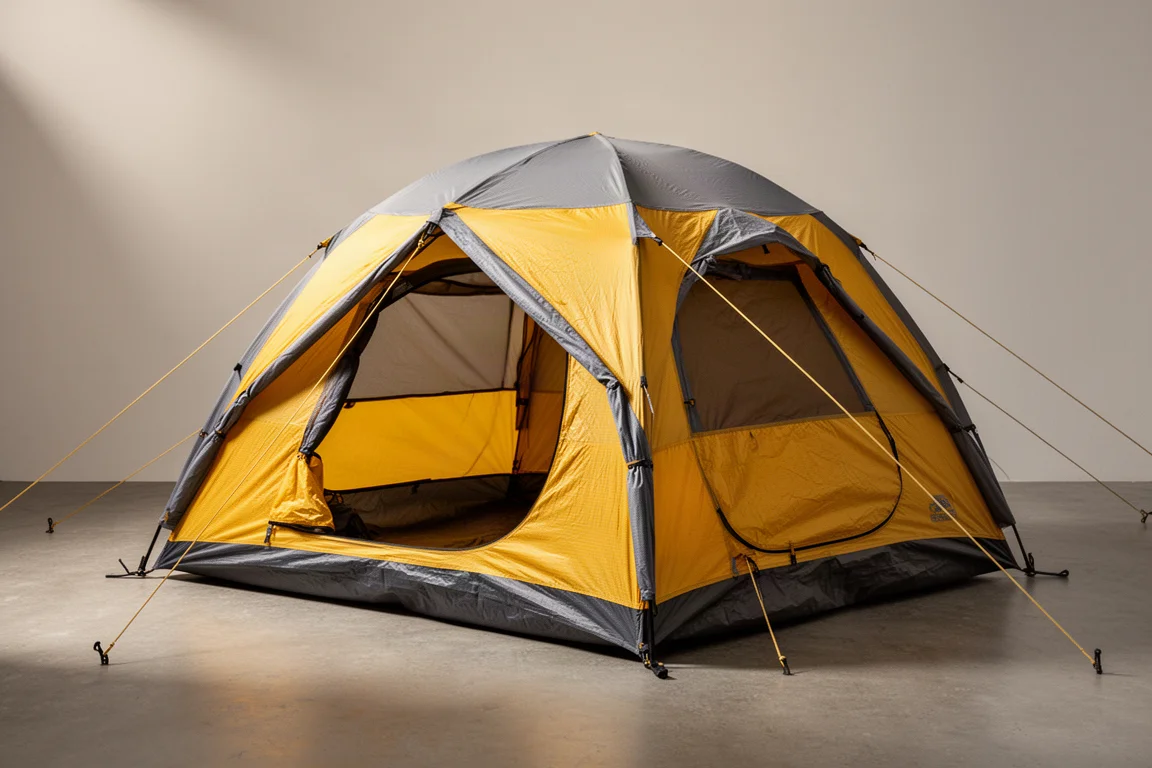
Hilleberg Nallo Two-Person Tent: Tunnel Design Under Load
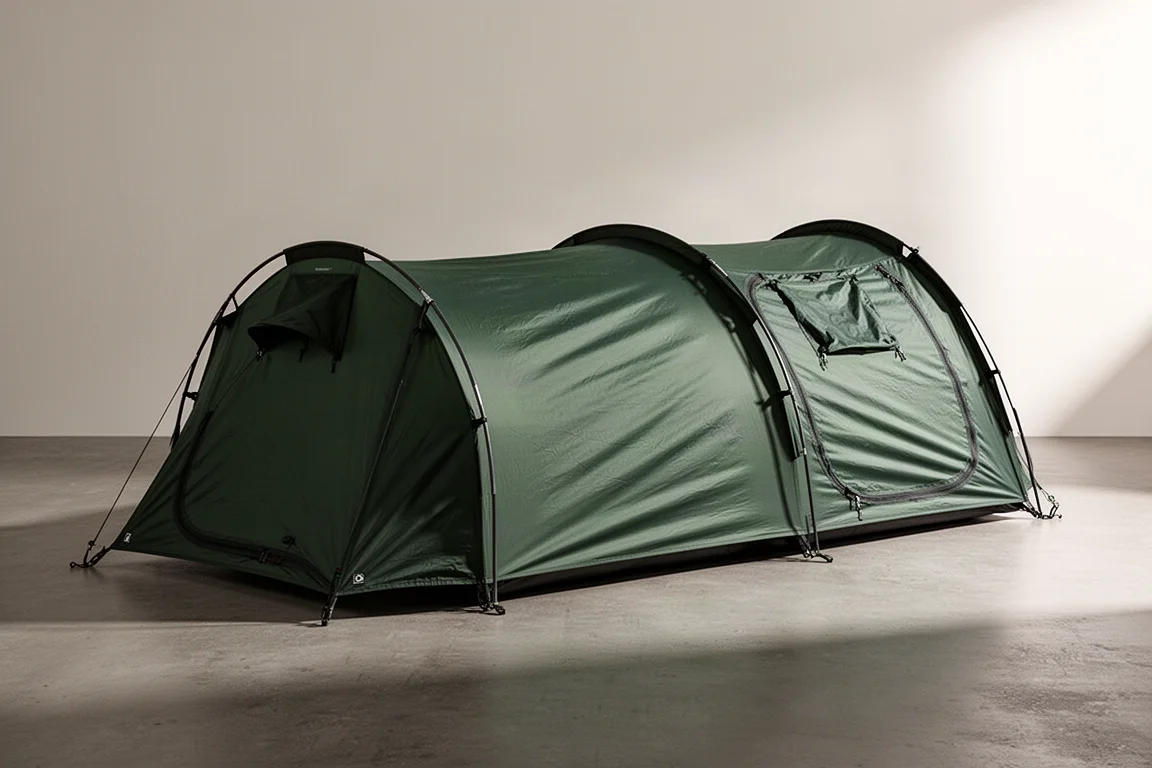
The Hilleberg Nallo costs about $1,000 and uses a tunnel design, a shape that has historically performed best in high wind. The main concern going in was a small wind dam at the front, which looked likely to catch a lot of air.
It held 32 mph and 50 mph comfortably and survived full throttle. The one failure was in the doors: the ventilation zipper came undone from the top, and both doors opened. The smaller front door has a hook designed to loop through the slider and keep it closed, but the upper zipper has no equivalent, and it was the first to give way. Everything else about the tent came through the run intact.
What the Results Suggest
Two of the six tents survived, and they were the two most expensive: the Samaya Radical 1 at $1,500 and the Hilleberg Nallo at about $1,000. Both the Plex Solo Light and the Durston X-Dome came close, holding to roughly 60 mph, which is a strong showing for lighter three-season designs.
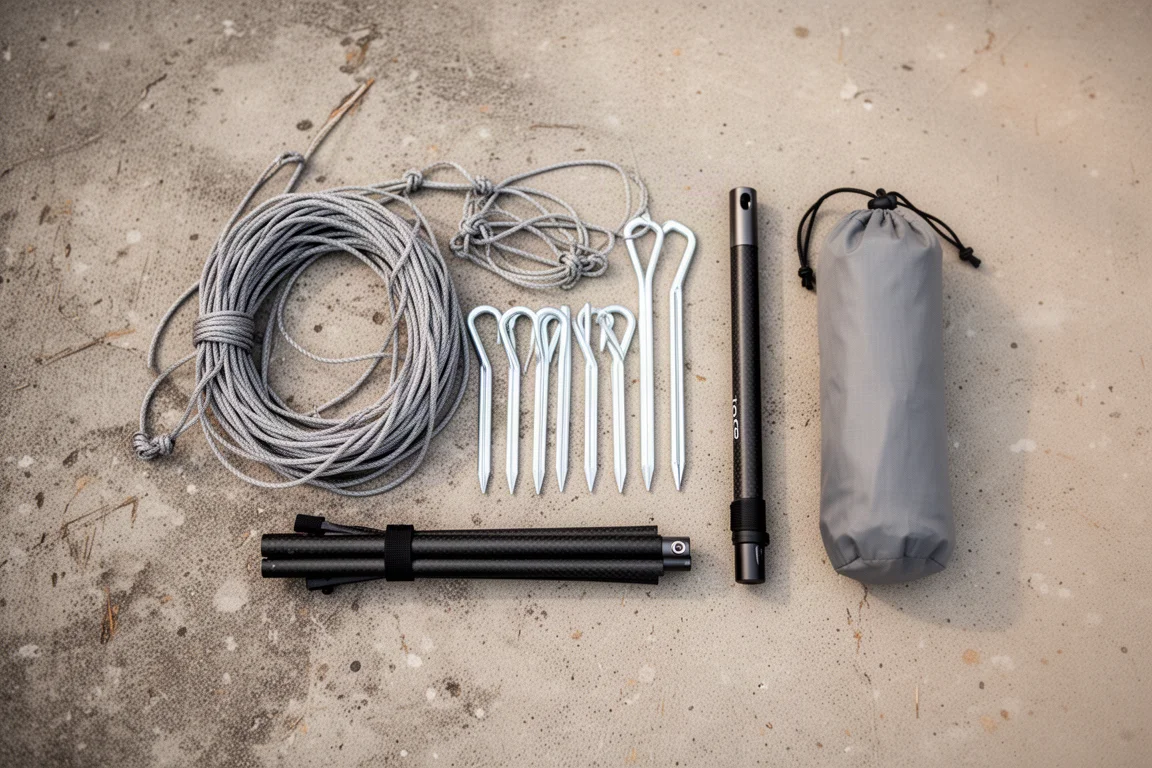
A few practical points come out of the test:
- Deploy your guy lines. The Samaya survived without them, but it is the exception rather than the rule, and guy lines are the cheapest stability you can add to any shelter.
- Trekking pole support helps. Both the X-Dome and the Plex Solo rely on a pole for structure, and both stayed standing far longer than the budget tent.
- Shape matters as much as weight. Tunnel and pyramid designs shed wind well, while large flat panels and deep vestibules catch it.
- Hardware is usually the failure point. A broken fiberglass pole, a snapped aluminium sleeve, and a zipper that worked itself open ended several of these runs.
- Heavy does not automatically mean windproof. The 10 lb expedition dome failed before several lighter tents did.
Conclusion
If wind performance is the priority, the Samaya Radical 1 and the Hilleberg Nallo are the two shelters in this lineup that came through a controlled 75 mph run. The Hilleberg is the more conventional choice, with a tunnel shape that has a long record in exposed terrain, provided you keep an eye on the door zippers. The Samaya is the lighter and more expensive option, and it is the only tent here that also survived with no guy lines at all.
For most three-season backpacking, the Zpacks Plex Solo Light and the Durston X-Dome offer a strong balance of low weight and real wind resistance near 60 mph. The Nightcat remains a fair-weather shelter, and the VE 25 is a reminder that expedition heritage alone is not a guarantee once the wind really builds.
Further reading
Related Reviews
Backpacking Tents
3F UL Lanchan Pro 1 Review: A 1 lb 8 oz Single-Wall Trekking Pole Tent
A practical look at the 3F UL Lanchan Pro 1, a single-wall trekking pole shelter with a 1 lb 8 oz weight, 20D silnylon fabrics, and a roomy 90 x 31 x 49 inch interior.
Backpacking Tents
3F UL Taiji 2-Person Tent: A Convertible Backpacking Shelter Worth a Closer Look
A practical look at the 3F UL Taiji two-person tent, covering its materials, true two-person interior, fly-first pitching, and the seasonal inner swap that lets one shelter cover more of the year.
Backpacking Tents
3FUL Lanshan Twoerson Pro Review: A Light Trekking Pole Shelter That Struggled in Rain
A two-person trekking pole shelter with a 2026 redesign, pitched with sticks and put through a night of steady rain. Here is what worked, what did not, and what to check before buying.