Kitchen
Best Swedish Dishcloths: Two Winners From Our Kitchen Testing
We put four Swedish dishcloth brands through everyday kitchen tasks. Two clear winners emerged, and one clever idea fell short in practice.
Introduction
Swedish dishcloths have been a fixture in European kitchens since the 1940s, but only recently have they started appearing everywhere in the U.S. Marketed as a biodegradable, eco-friendly alternative to single-use paper towels and plastic-based sponges, they promise to replace several single-purpose kitchen tools with one cheap, washable cloth.
That sounded appealing enough that we tested them properly. We listed every task we normally handle with a sponge, a dish towel, or a paper towel, researched what is available in the U.S., and narrowed the field to four distinct brands. Then we put each one through the full list of real kitchen jobs.
What Swedish Dishcloths Actually Are
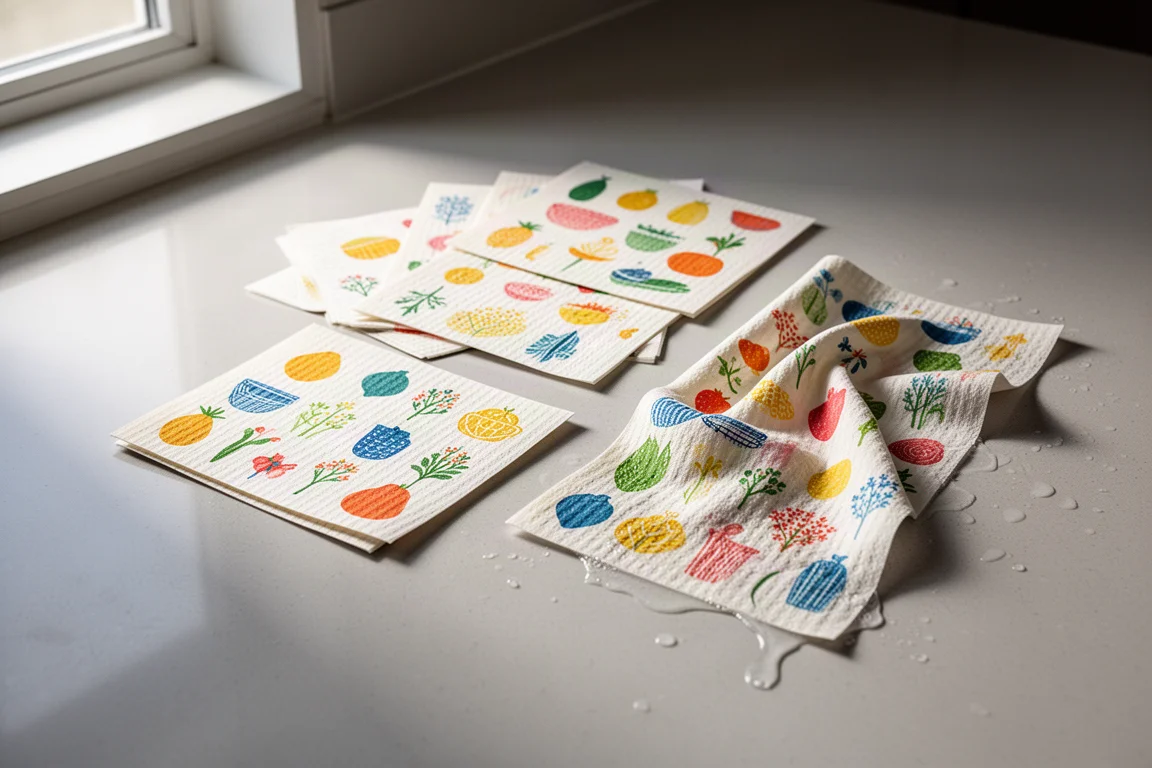
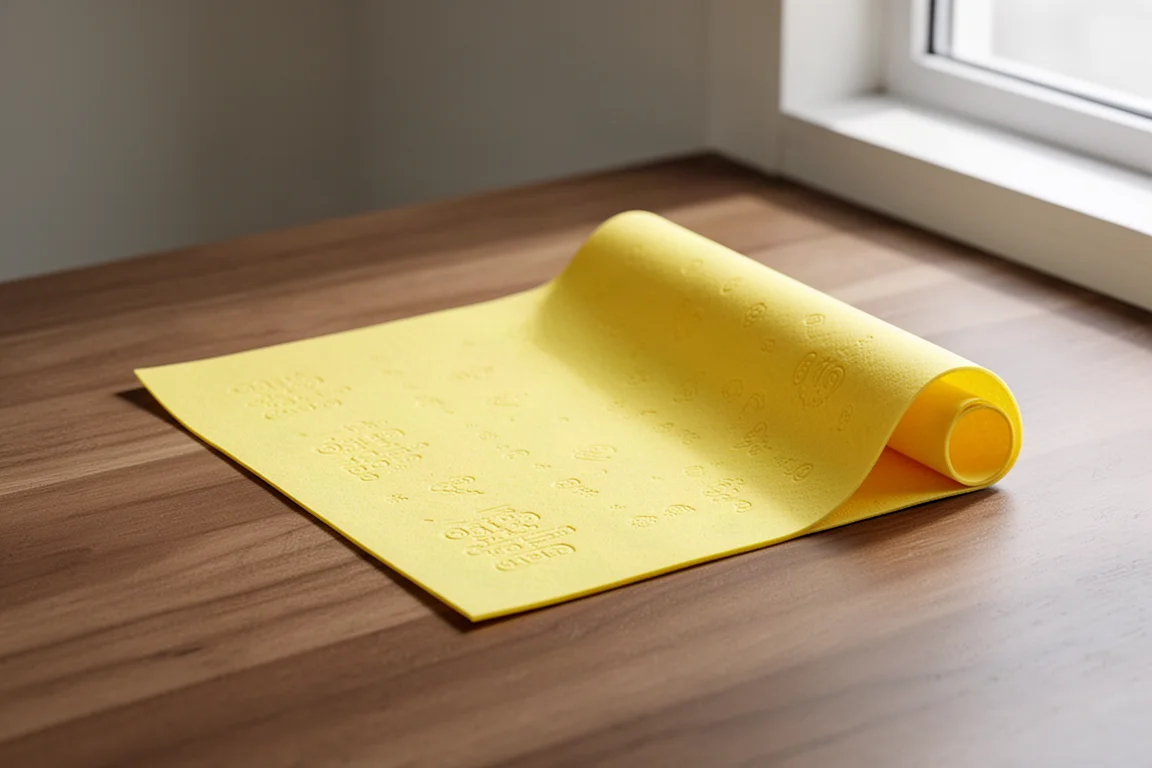
Out of the package, a Swedish dishcloth is a bit of a surprise. It is thin, flat, and feels almost crispy, like an oversized cocktail napkin. The printed patterns on many of them are genuinely attractive, which is more than can be said for most sponges.
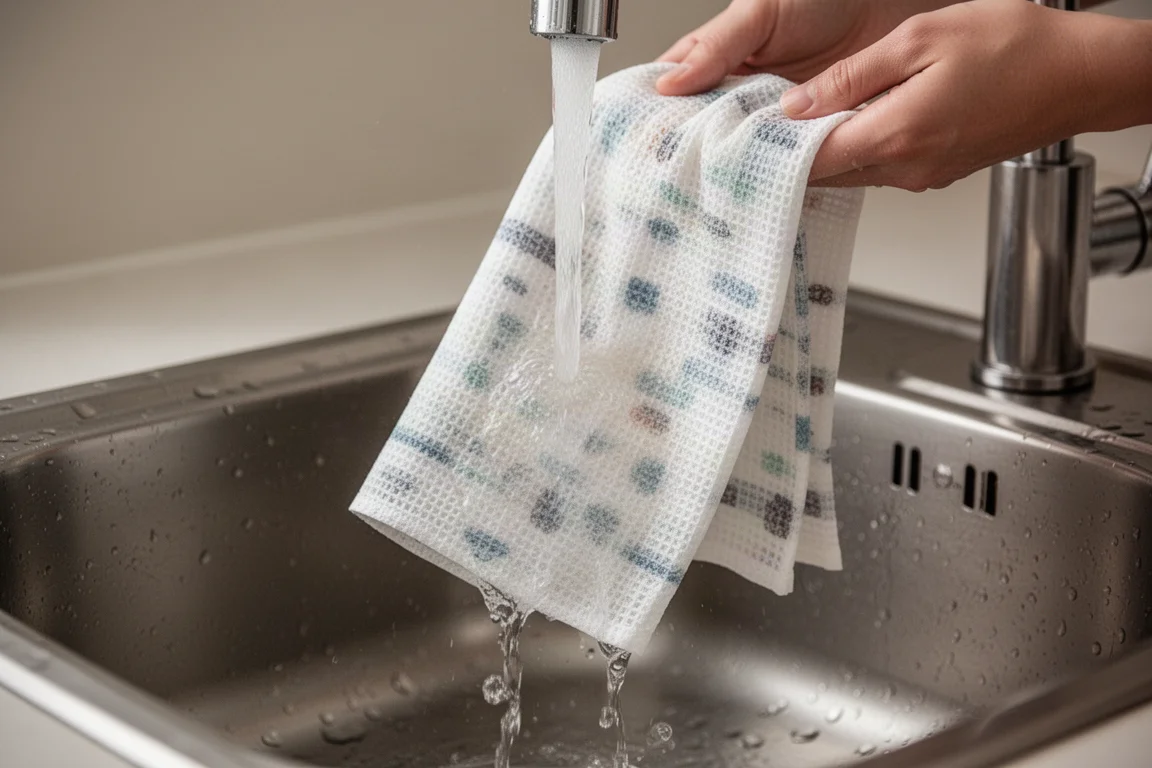
Wet it, though, and it transforms completely. The cloth softens, swells, and becomes floppy and absorbent, closer in feel to a washcloth. The concept itself dates back to 1949, when Swedish engineer Curt Lindquist invented the material, and it has been common in Europe for decades.
How We Tested
Because these cloths are asked to do many jobs, we built a checklist of everything we typically do in the kitchen with a sponge, a dish towel, and a paper towel. Each brand went through the entire list.
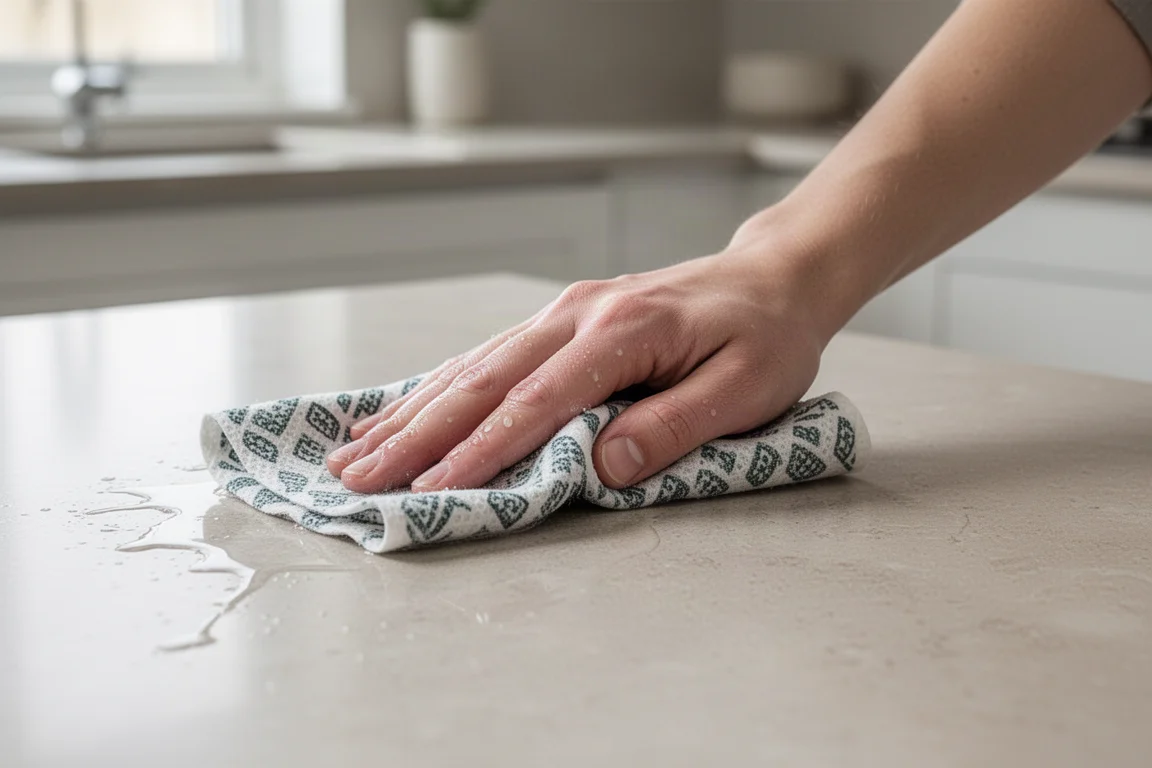
The results split cleanly. Drying glassware is the weak spot: the cloths are too stiff to conform inside a glass, so the interior was challenging to dry and the results were not great. Everything else leaned the other way. We loved them for wiping down countertops and appliances, and for washing dishes. Several were genuinely useful kitchen additions, though not all of them earned a spot.
The Winners: Skoy Cloth and SWEDEdishcloths
Two brands stood out clearly: Skoy Cloth and SWEDEdishcloths. Both nailed the fundamentals. They were just the right size, big enough to feel substantial in the hand while retaining enough finesse to get into small corners. Both are biodegradable and can go in the washing machine or the dishwasher, which makes long-term use simple.
On cost, Skoy Cloth runs about $8 for a pack of four, while SWEDEdishcloths retails at $10 for five towels. Both work out to roughly $2 per sheet, which is a fair price for a cloth that gets reused many times over.
The Runner-Up: Papaya
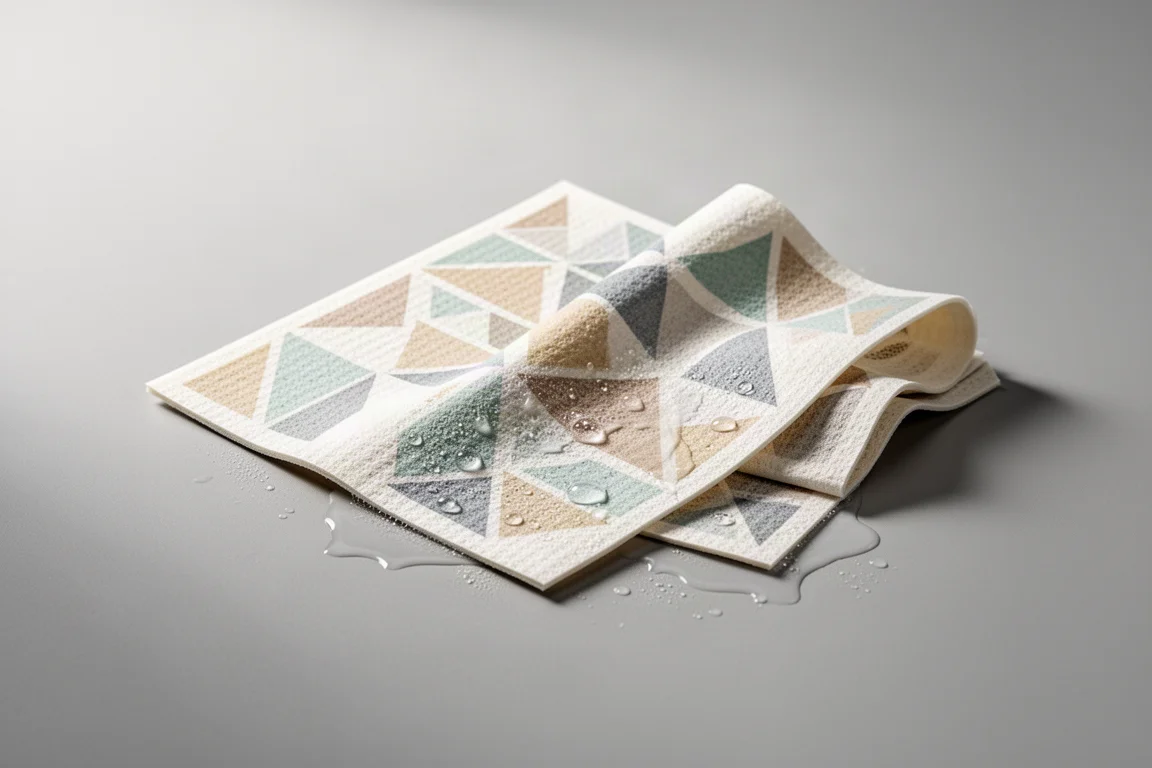
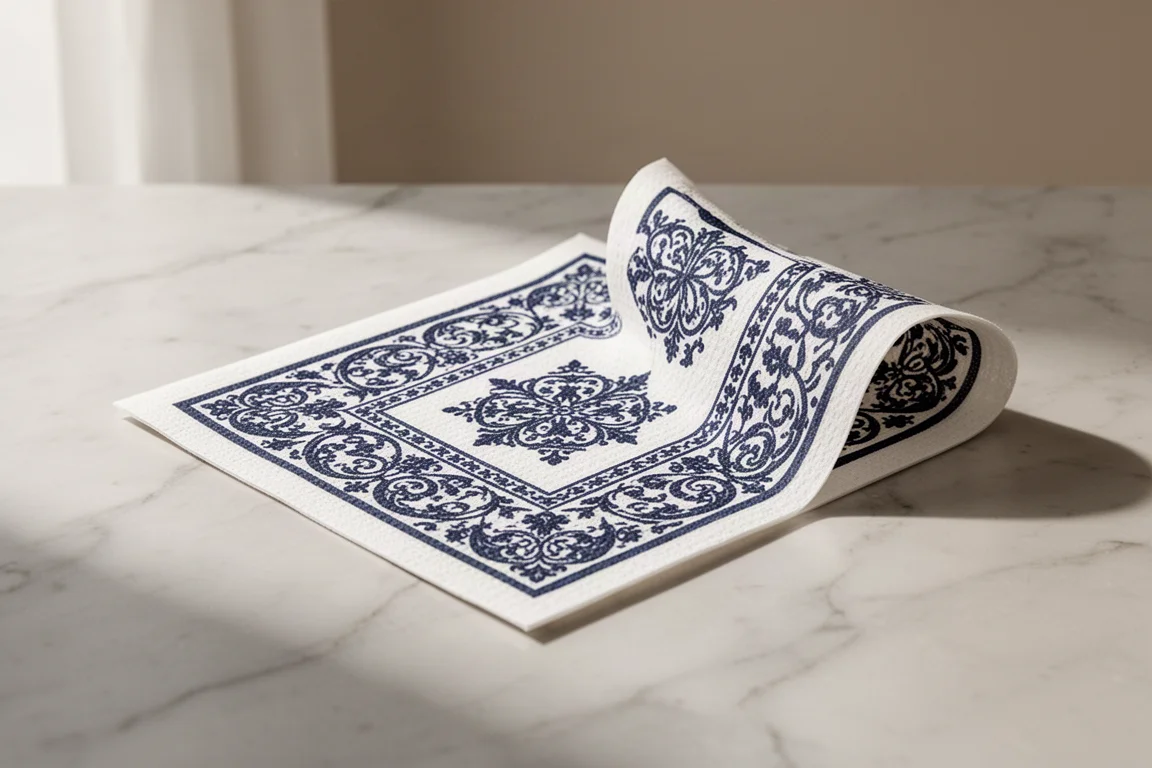
Papaya’s cloths are undeniably pretty, with some of the most attractive patterns in the test. In use, though, they felt a little insubstantial. We wanted more cushion when spreading the cloth out and wiping down surfaces, and Papaya’s version did not quite provide it. If looks matter most to you, they are worth a glance, but the winners perform better where it counts.
The Disappointment: Wowables
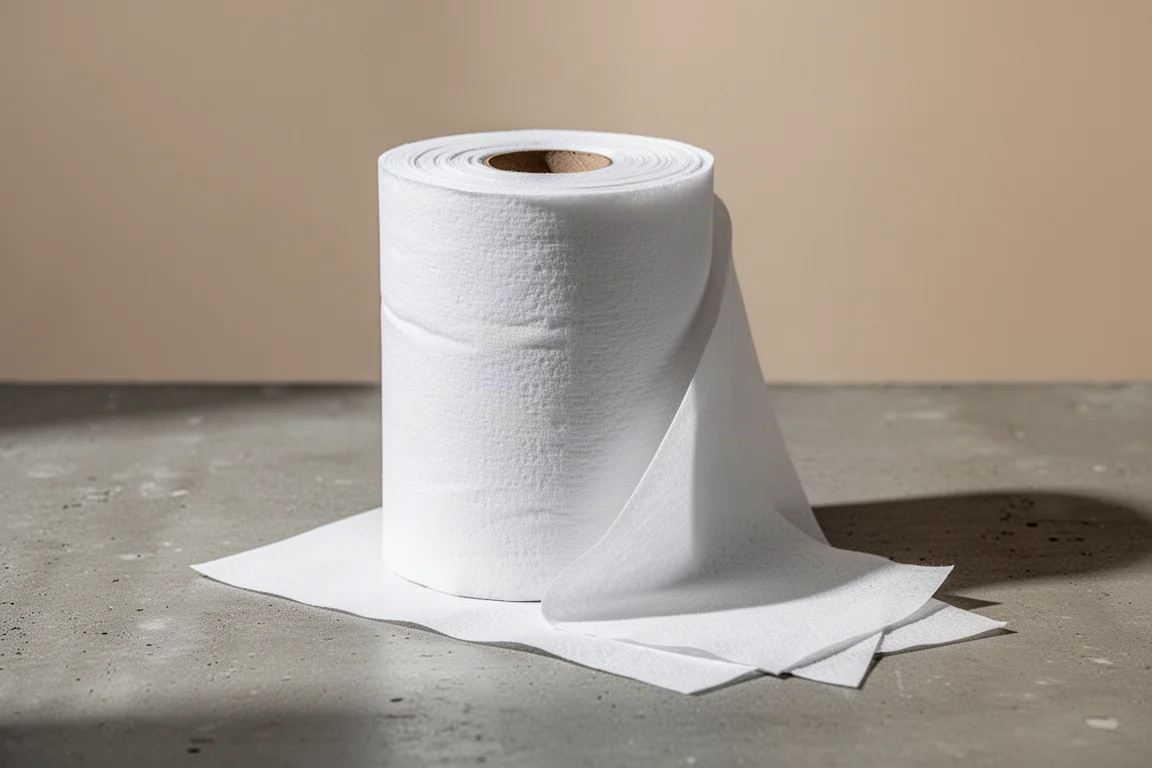
Wowables deserves credit for a smart idea: a compact roll format, familiar from paper towels, that makes the swap feel effortless. Unfortunately, that is where the praise ends. The cloths were really thin, ripped often when peeled off the roll, and were too thin to clean effectively.
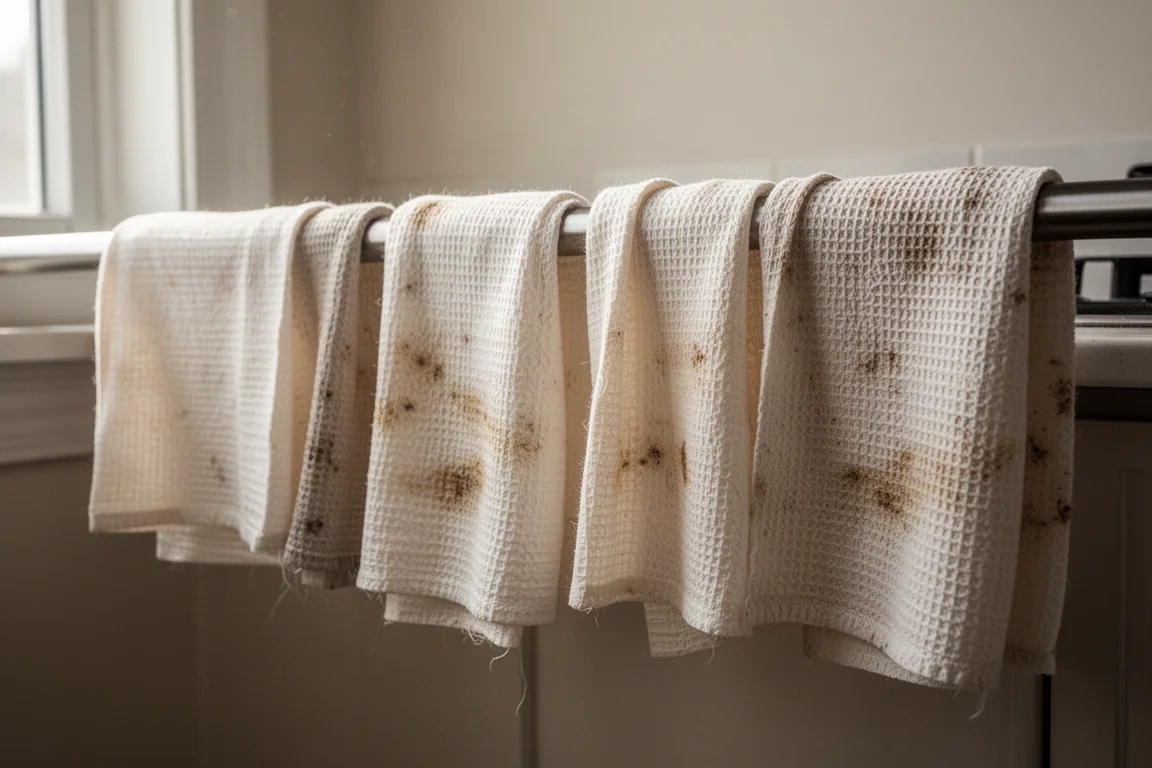
The reuse model also creates a practical problem. The roll contains 30 cloths, and after use you are supposed to air-dry them all around the house. Even a stack of six used cloths drying on surfaces felt like clutter, and in a small kitchen it would be worse. Good idea, weak execution. At roughly 65 cents per sheet they are cheaper, but they are not good, so the saving is not worth it.
Care and Drying: The One Trade-Off
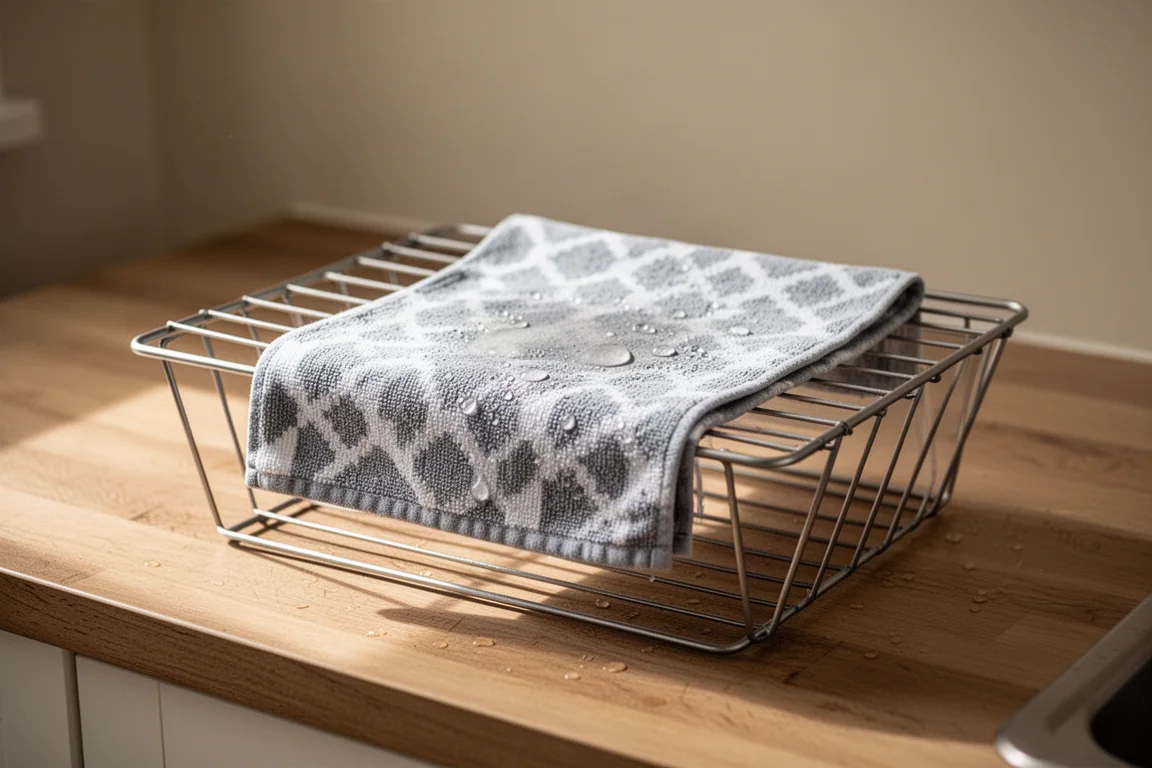
Every Swedish dishcloth we tested needs to air-dry between uses. With the winners this was not a big deal, since you typically own only a handful of cloths rather than a full roll. Drape one over the sink edge or a rack, let it dry, and it firms back up until the next use.
Buying Advice
Skip drying glassware with these; a dish towel still does that job better. For wiping counters, cleaning appliances, and washing dishes, the winners are excellent. Put your money into Skoy Cloth or SWEDEdishcloths rather than the cheaper thin options: a modest investment up front buys noticeably better performance.
Conclusion
Swedish dishcloths are a small, inexpensive upgrade with a genuinely useful sweet spot: daily wipe-downs and dishwashing, with the bonus of being biodegradable and machine washable. Skoy Cloth and SWEDEdishcloths are the two we would actually keep by the sink. Papaya is pretty but underpadded, and Wowables’ roll idea is undermined by thin, rip-prone cloths. Choose one of the winners and you are unlikely to miss your paper towels.
Further reading
Related Reviews
Kitchen
Best Nonstick Frying Pans Compared: 11 Skillets From $16 to $185, Tested
Eleven nonstick frying pans go head to head in pancakes, eggs, heat distribution, thermal efficiency, and scratch resistance to find out whether a cheap pan can really compete with a premium one.
Kitchen
Vivor Stainless Steel Kitchen Sink Review: A Solid Drop-In Upgrade With One Weak Spot
An all-stainless single-basin drop-in sink with easy-clean rounded corners and a drain-sloped base, at a roughly $200 price point.
Kitchen
Best Bamboo Steamers: Two Tested Picks for Dumplings, Bao, and More
After hands-on steaming tests with dumplings and bao, two bamboo steamers stood out for build quality and staying in alignment.