Kitchen Pantry
Best Supermarket Olive Oil: 10 Bottles Ranked by Taste
We compare ten widely available extra virgin olive oils on flavor, freshness, and everyday value, with tips on what to look for on the label.
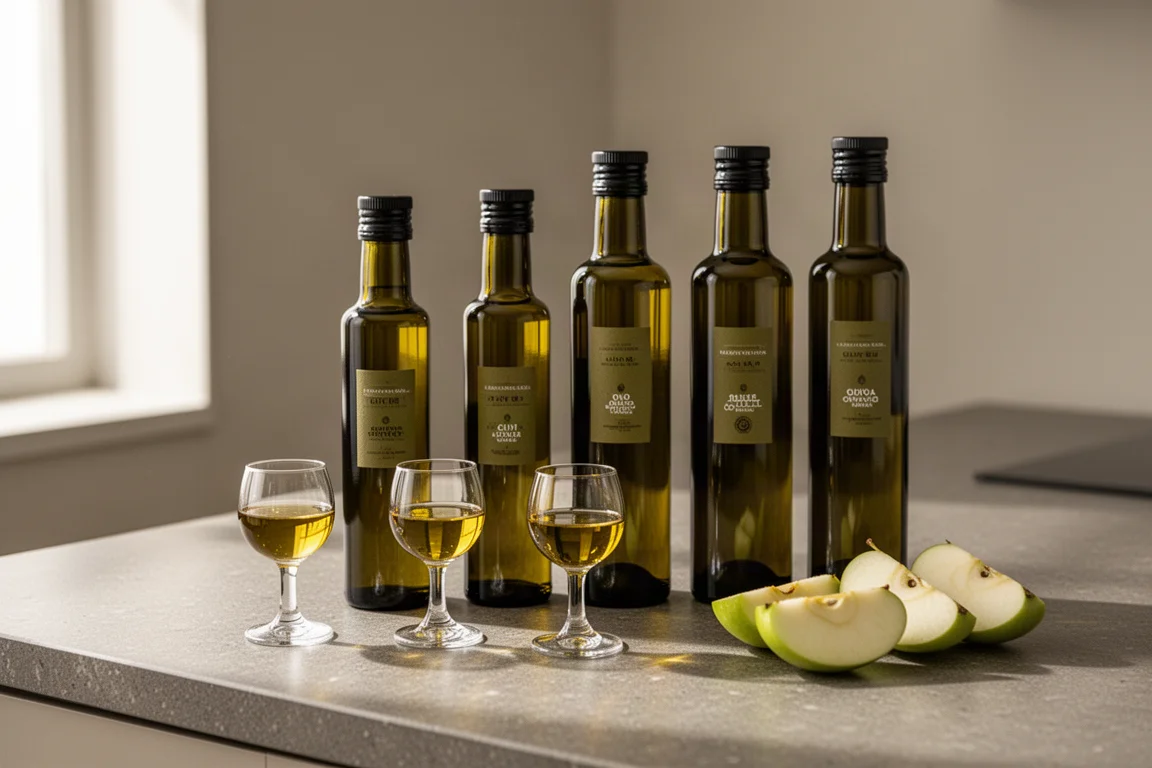
Introduction
Supermarket shelves offer a dizzying number of extra virgin olive oils, all promising freshness and flavor at very different price points. To sort the genuinely good bottles from the merely average ones, ten widely available supermarket brands were tasted side by side, blind, in randomized order. The goal was simple: find out which oils are worth putting in your kitchen and which ones fall flat.
Before diving into the results, one tasting detail worth knowing: a small amount of throat burn is actually a good sign. That peppery kick comes from polyphenols, naturally occurring compounds in fresh olive oil that also carry anti-inflammatory properties. A taster with a slightly harsh bottle should not be scared off by a little bite, as long as it is not unpleasant.
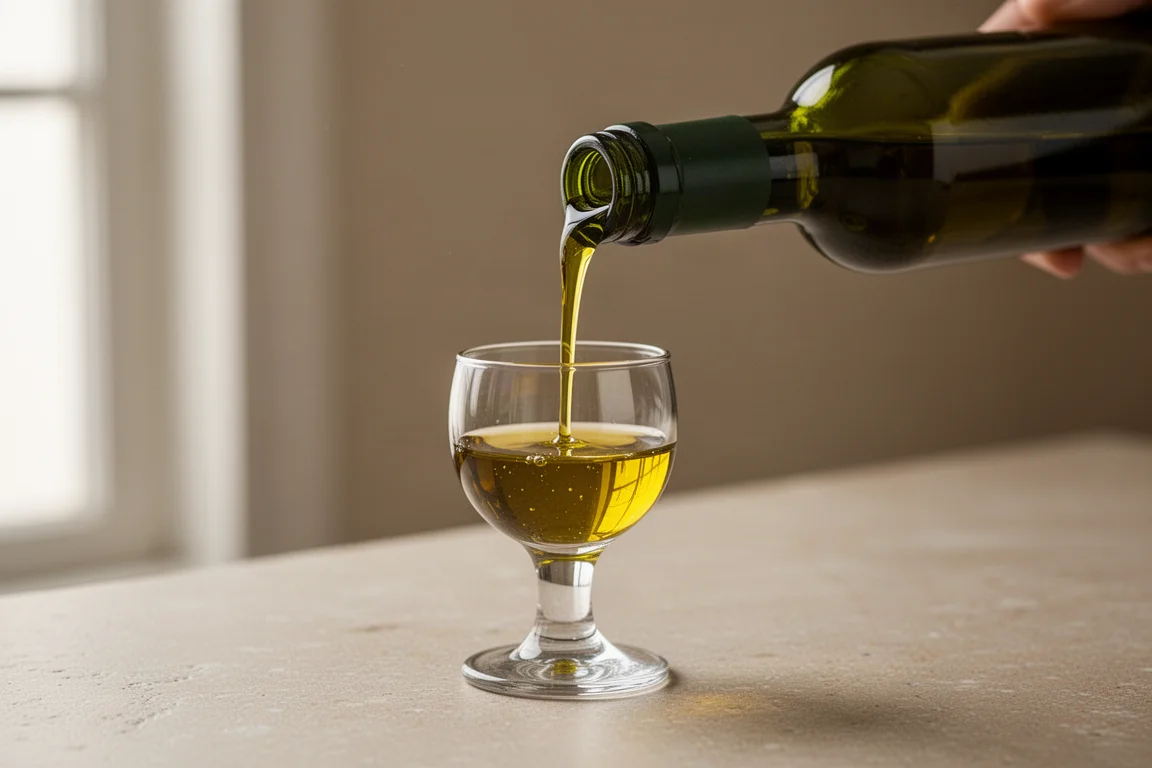
How We Evaluated the Oils
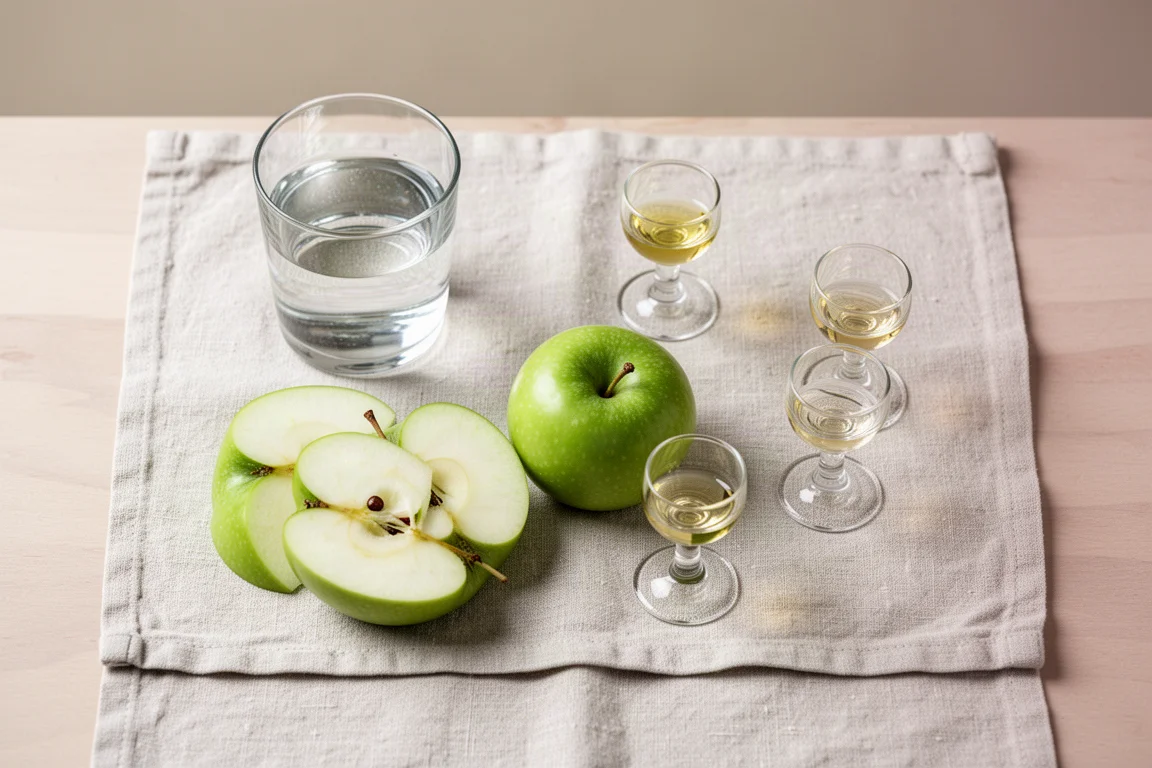
Each oil was tasted blind in a small stemmed glass with plenty of head space. The glass was warmed in the hand to release aroma, then sampled with a small sip of air drawn in alongside it. Green apple and water were used between samples to clear lingering aftertaste and prevent carryover from one oil to the next.
Freshness proved to be the single most important factor. Harvest dates, which show when the olives were picked and pressed, matter far more than best-by dates, which are unregulated and can be applied up to a year after the oil was held in storage tanks. Oils that showed a crayon-like, waxy, or musty character were typically older stock past its prime.
Carapelli Original Extra Virgin Olive Oil
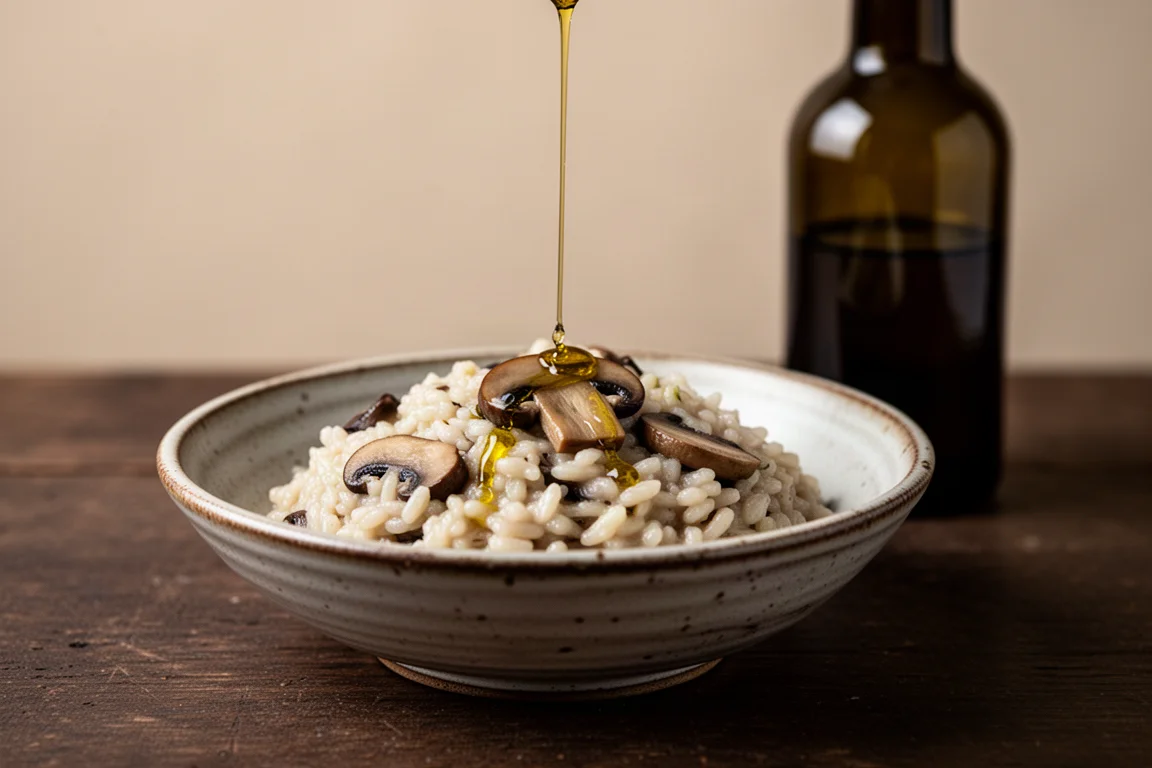
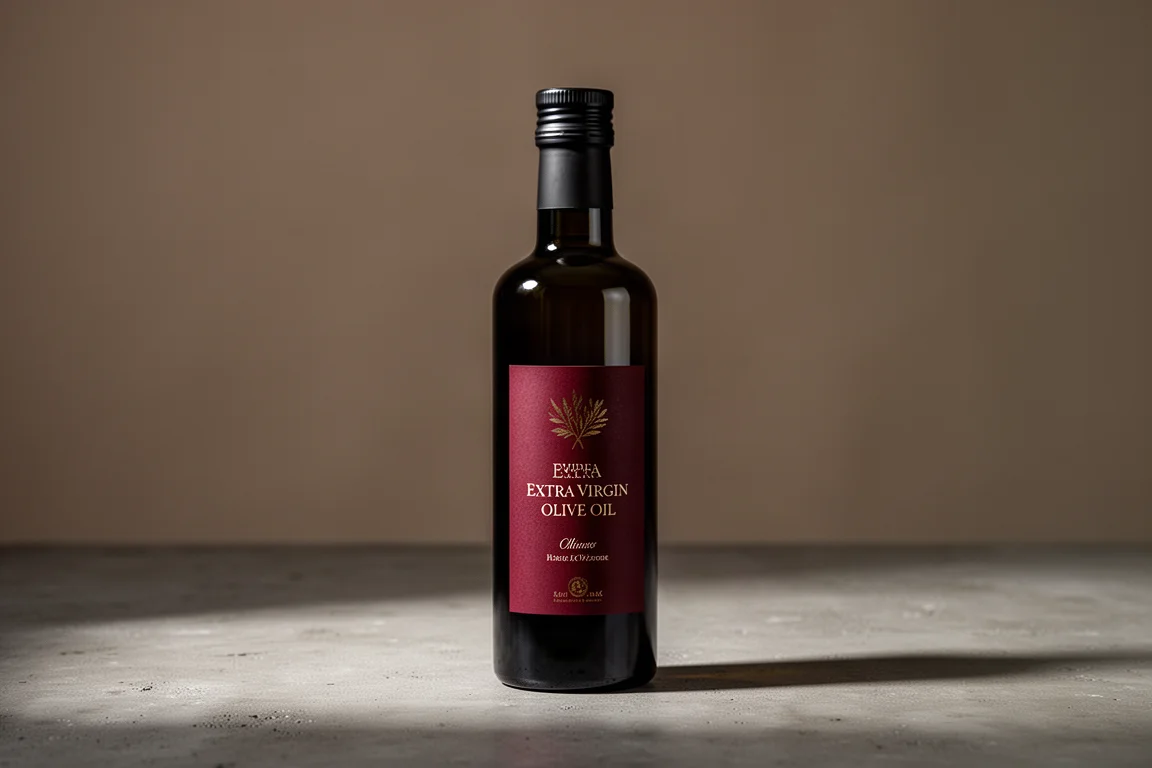
The top pick of the tasting. It offers front-of-palate peppery flavor rather than harsh back-of-throat burn, with a clear green olive character and a pleasant grassy, lemony finish. The flavor is lovely but short, finishing cleanly without lingering oiliness. Carapelli also gets credit for transparency: a recent rebranding in dark glass includes a harvest date, and the freshness shows. Pair it with hearty dishes like mushroom risotto or beef.
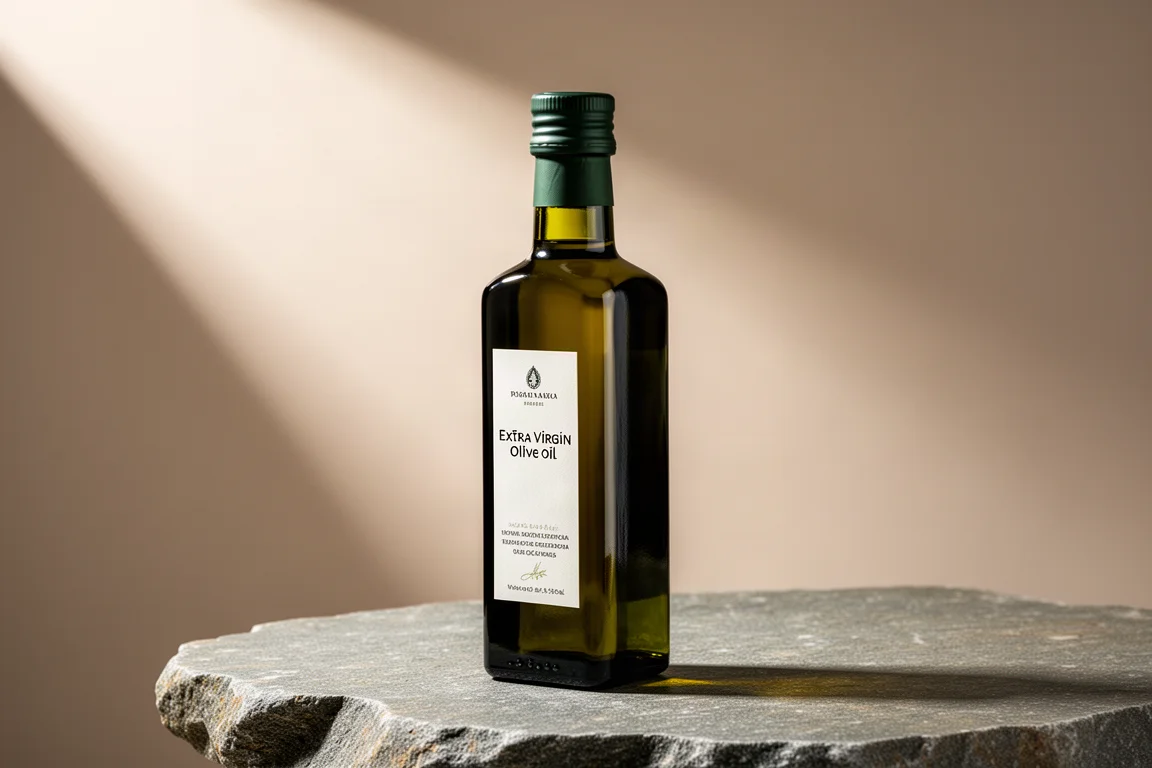
Bertolli Rich Taste Extra Virgin Olive Oil
One of the biggest surprises of the tasting, and a strong second. Bertolli has visibly worked to improve its oil in recent years, and it shows: a strong green olive flavor, a peppery aroma, and a burn that finally arrives late but is not unpleasant. Crucially, the bottle carries both a best-by date and a harvest date from the current year. For an everyday supermarket oil, this is a genuinely lively choice.
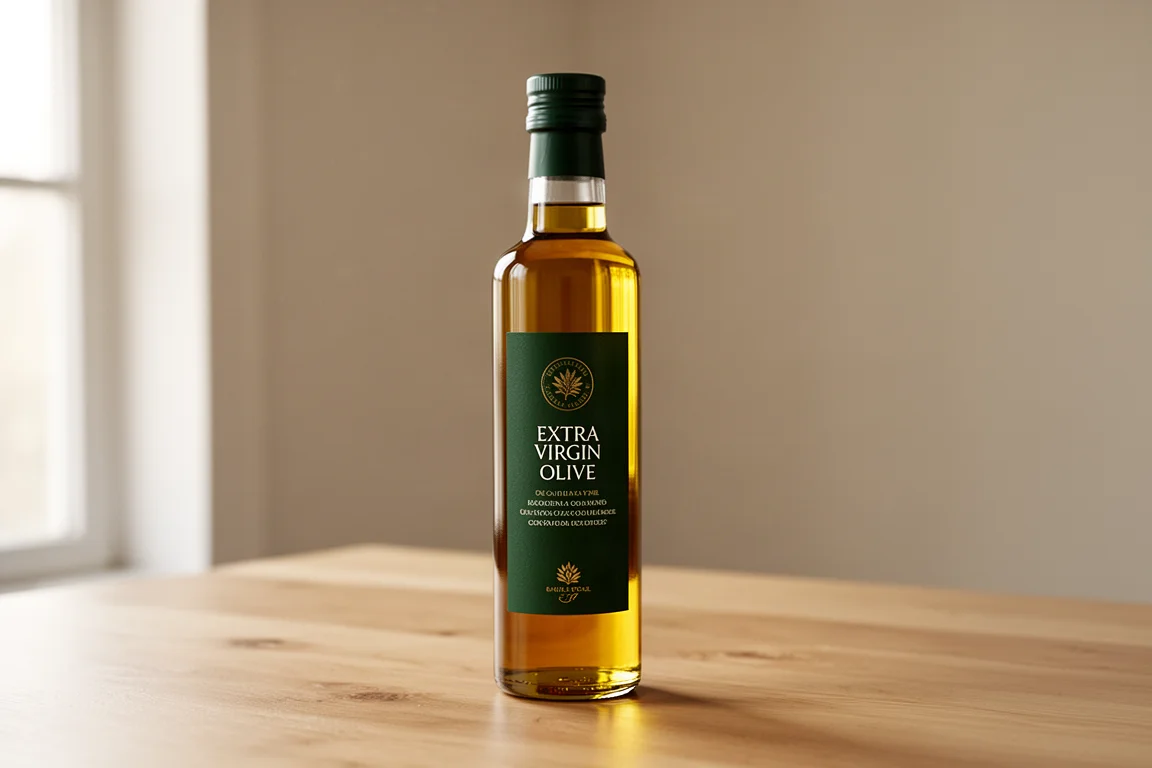
Lucini Premium Select Extra Virgin Olive Oil
The most assertive oil in the lineup. It opens with an intense peppery punch that builds, then dissipates into a wonderful finish with grassy and lemon notes and just a faint, pleasant bitterness. Its robust character and 2023 harvest date mean it has mellowed nicely, and it stands up far better to food than many milder oils. Just note that in the wider panel of tasters, some found it simply too much, so it suits cooks who genuinely enjoy bold flavor.
Filippo Berio Extra Virgin Olive Oil
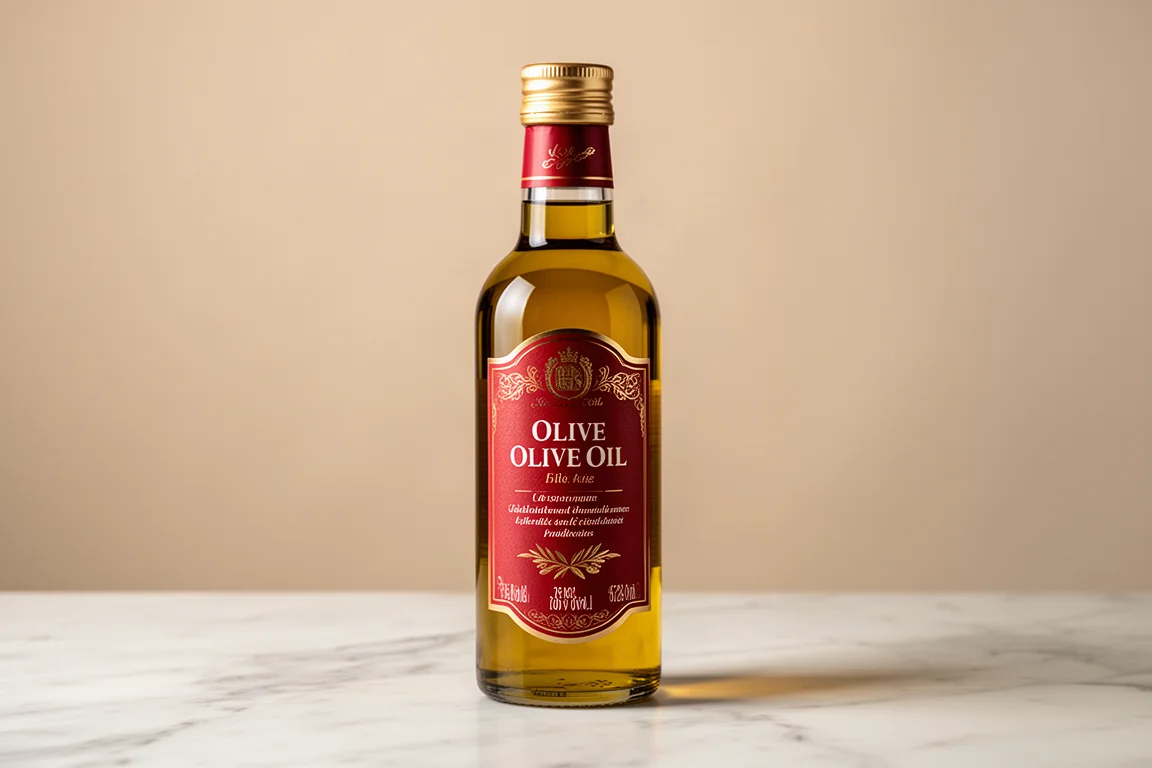
A pleasant, easygoing everyday oil with a nice fresh scent and a mild, buttery, slightly almond-y flavor. It never reaches wow territory, but nothing about it is off-putting, and it earns a solid recommendation. One caveat: the bottle only carries a best-by date, not a harvest date, so freshness is harder to verify. It is inexpensive and widely available, making it a dependable cooking oil.
Pompeian Smooth Extra Virgin Olive Oil
A genuinely pleasant surprise. This long-running supermarket staple in a plastic bottle performed far better than expected, with a mild, smooth, faintly grassy character and a fresher, brighter taste than the bottle suggests. Its label lists a dozen countries of origin, an extreme example of the blending approach that keeps flavor consistent and prices low. It is not a connoisseur’s oil, but for mainstream everyday use it holds up well.
California Olive Ranch Extra Virgin Olive Oil
A long-time favorite brand that fell short this time, and the reason is instructive: the bottle on shelves was from a 2022 harvest. By roughly a year after harvest, fresh olive oil loses its vibrancy, and this bottle tasted flat compared to what it should be. The lesson matters more than the score here. Check harvest dates before buying, because even a good producer’s oil can disappoint if it has sat too long.

Star Extra Virgin Olive Oil
A pleasant underdog. Star delivered a light, peppery flavor at the front of the palate rather than a burn, with a clear green olive taste, though it fades quickly. It is a run-of-the-mill, decent oil, well suited to cooking and everyday use, and a reminder that preconceptions about familiar supermarket brands do not always match what is in the bottle.
Botticelli Extra Virgin Olive Oil
Perfectly inoffensive but unremarkable. Botticelli tasted mild and neutral, with a decent scent and no off flavors, but the follow-up flavor was thin. The label lists roughly five countries of origin, meaning it is a multi-country blend rather than single-source Italian oil. That blending keeps the product consistent year to year, but in this case it produced an oil that is fine for almost anything and memorable for nothing.
Colavita Premium Selection Extra Virgin Olive Oil
A disappointment. Tasted blind, it went flat almost immediately: an initially promising buttery note vanished into plain, flavorless oil. Its flavor profile paled next to better bottles in the lineup, and its best-by date suggested the sampled bottle was already well past its prime. A familiar, heavily advertised brand name did not translate into a better oil.
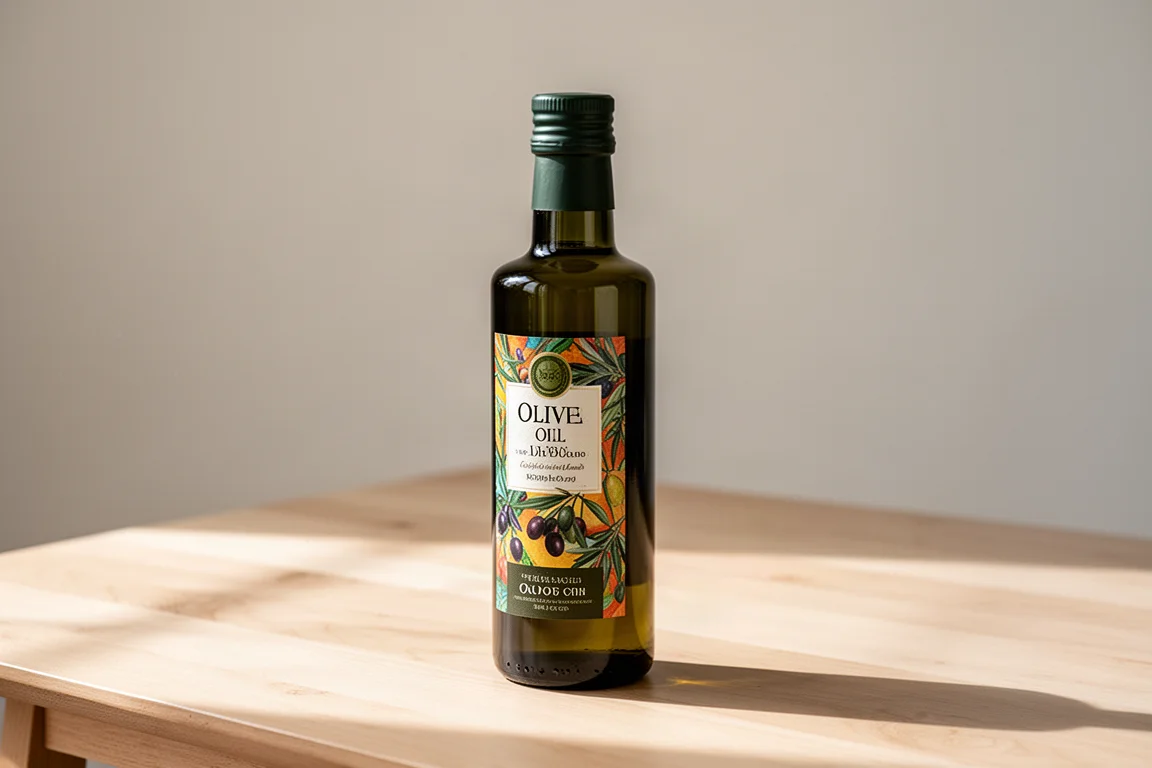
Terra Delyssa Organic Extra Virgin Olive Oil
Beautiful bottle, disappointing oil. This organic, single-country offering from Tunisia, one of the world’s largest olive oil producers, tasted flat and slightly plastic-y, without the lively brightness expected even from a mild, buttery style. It simply lacked the character of the oils above it, despite attractive packaging and organic credentials.
Buying Advice
Three practical takeaways emerged from this tasting. First, always look for a harvest date rather than relying on a best-by date, which can be printed up to a year after bottling. Oils harvested within the previous year will taste noticeably fresher. Second, do not assume well-known brand names guarantee quality; the rankings here varied wildly among household names. Third, match the oil to your cooking. Mild, buttery oils work everywhere, while robust, peppery oils shine against strong flavors like fish, mushrooms, and beef. And if an oil smells waxy, crayon-like, or musty, it is rancid and should be replaced.
Conclusion
Carapelli Original takes the top spot for its fresh, lively, peppery character and transparent labeling, with Bertolli Rich Taste close behind as an excellent everyday value. Lucini Premium Select rewards cooks who want bold intensity for robust dishes, while Filippo Berio and Pompeian Smooth are dependable mild options for general use. At the other end, Colavita and Terra Delyssa fell short despite strong brand recognition. The real lesson: check the harvest date first, then let the flavor decide.
Further reading
Related Reviews
Kitchen Pantry
Best Canned Diced Tomatoes: Two Standout Picks Worth Knowing
A side-by-side look at two canned diced tomatoes that earned top marks in taste testing, plus what to check on the label before you buy.
Kitchen Pantry
Best Chicken Broth: Four Options Tasted and Ranked
We compare Swanson, Better Than Bouillon, Knorr, and Kettle & Fire chicken broth on flavor, format, and ingredient list to find which one deserves a place in your kitchen.
Kitchen Pantry
Best Pantry Chili Products: Two Jars Worth Keeping Stocked
Diced green chilies and chili powder both earn a permanent pantry spot when they bring real heat and real flavor.