Kitchen Pantry
Best Canned Diced Tomatoes: Two Standout Picks Worth Knowing
A side-by-side look at two canned diced tomatoes that earned top marks in taste testing, plus what to check on the label before you buy.
Introduction
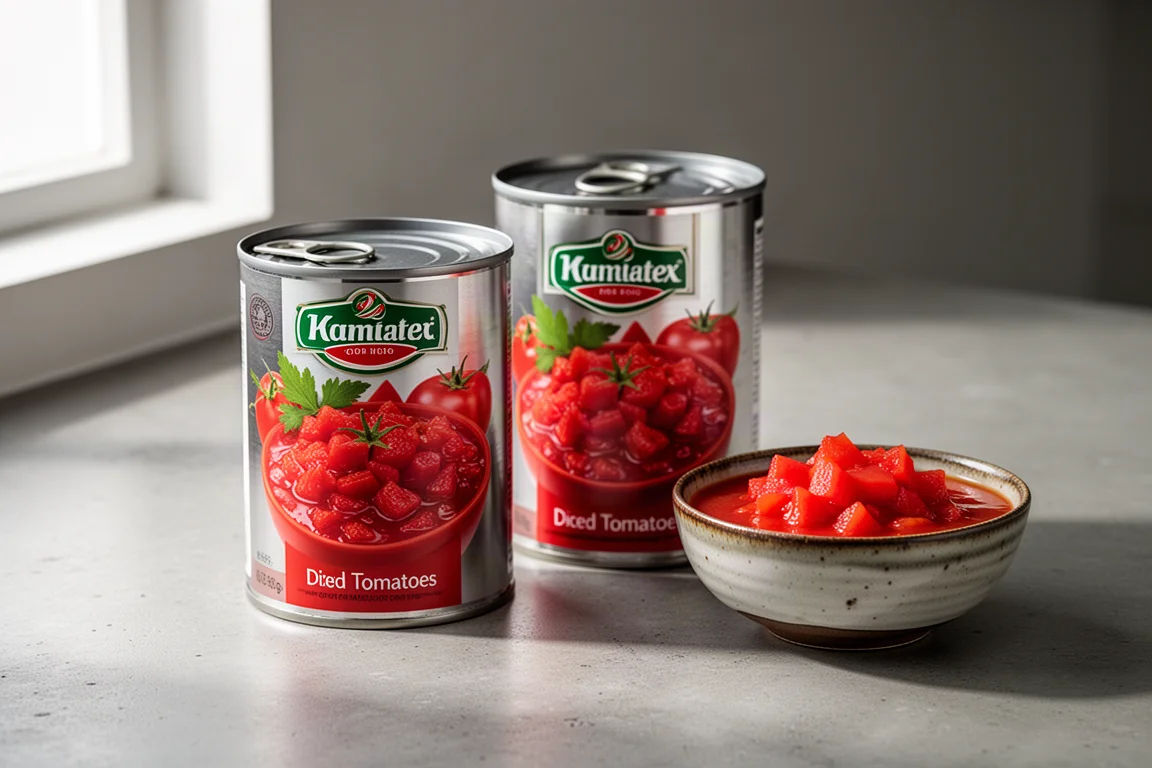
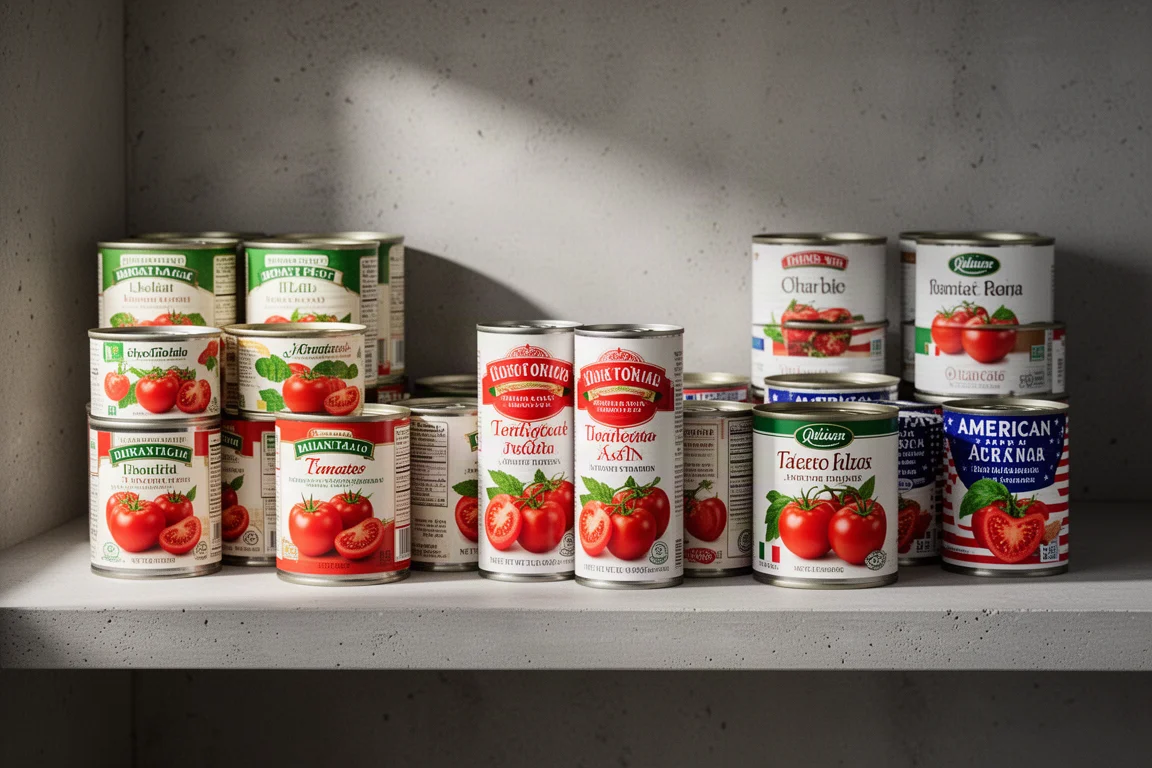
Canned diced tomatoes look interchangeable on the shelf, but they cook very differently. Some are soft, some are firm, some taste bright and seasoned, and some taste plain and bitter. In a side-by-side tasting of American and Italian brands, two cans clearly rose to the top: San Marican diced tomatoes and Cento petite diced tomatoes.
What to Look For on the Label
Before comparing brands, it helps to know what drives the differences in the can. Three ingredients explain most of it. Salt brands taste more seasoned and less bitter, since salt tamps down the natural bitterness of tomatoes. Calcium chloride is a firming agent; cans that include it hold firm, tidy pieces, while cans without it turn very soft. Finally, citric acid adds brightness and tartness, so cans that leave it out taste flatter and less vivid.
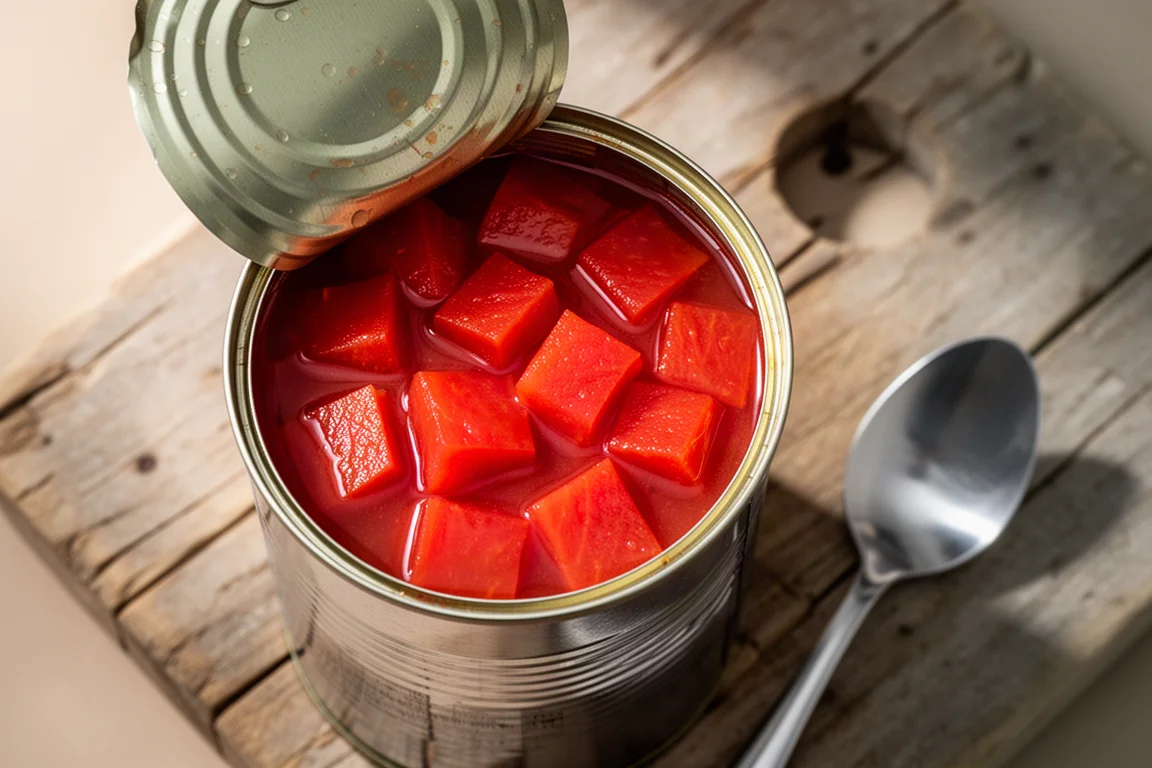
The practical takeaway is simple: read the label. Some cans list just tomatoes, while many list tomatoes, salt, citric acid, and calcium chloride. Those differences mean the same recipe can produce noticeably different sauces depending on which can you grab.
Winner: San Marican Diced Tomatoes
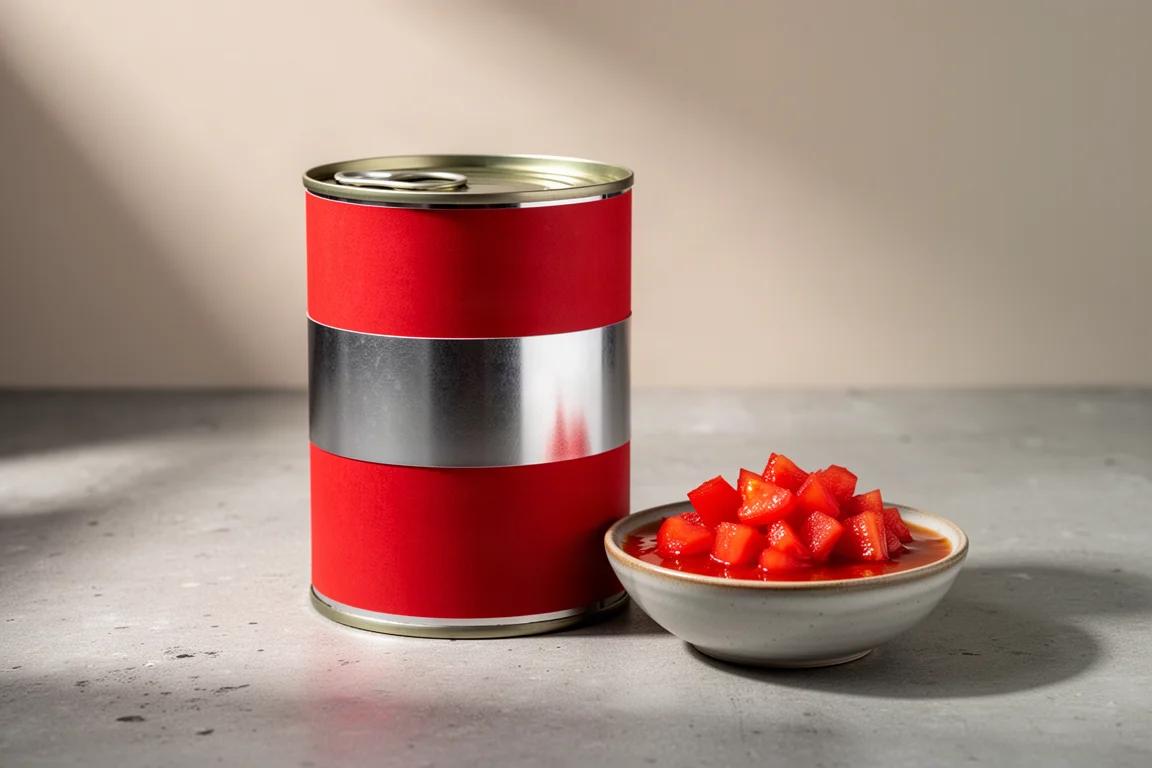
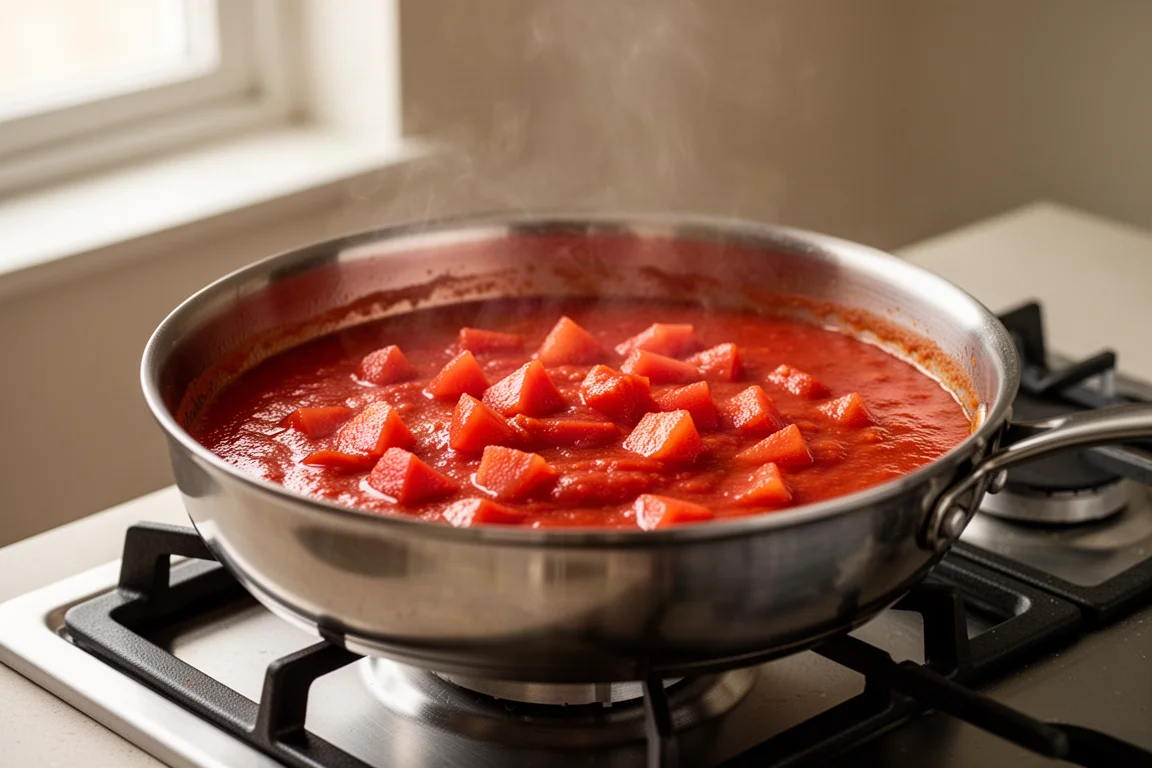
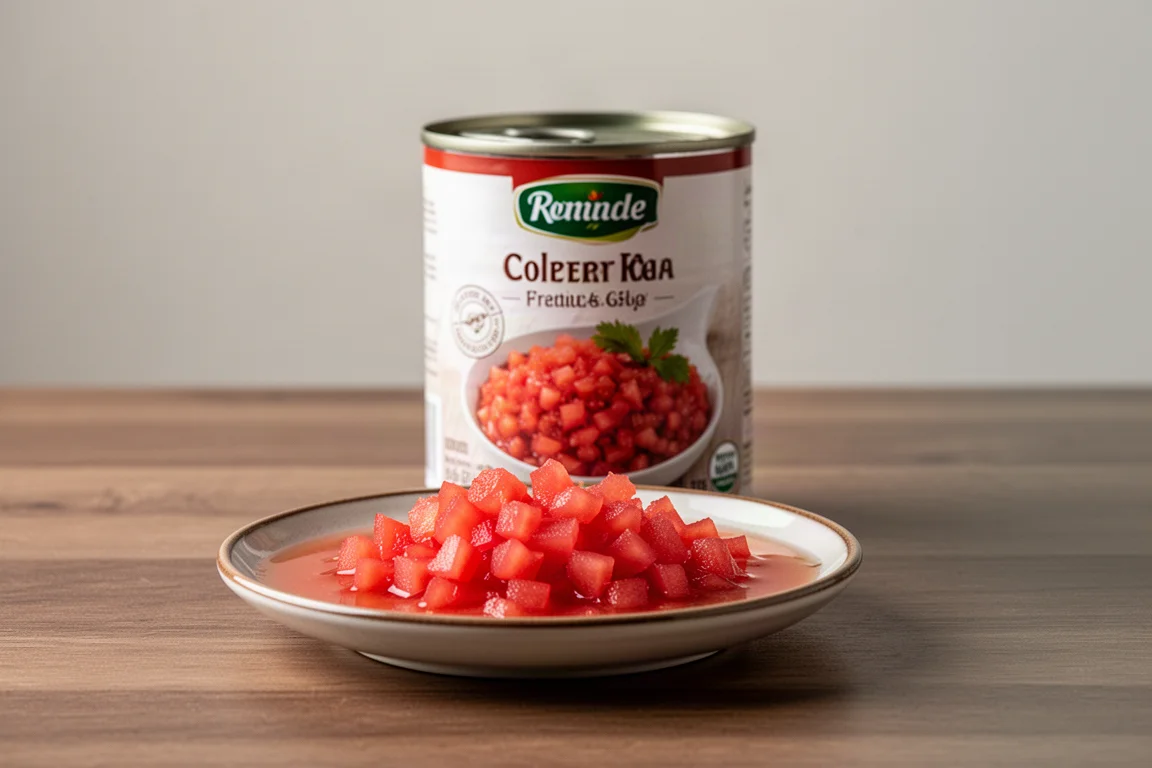
San Marican diced tomatoes took the top spot in the tasting, and it was not close. The pieces were nice and small, firm without being crunchy, and bright with a pleasant level of salt. The liquid it sits in reads as fresh juice rather than a thick puree, which matters more than it sounds. When you reach for diced tomatoes, that liquid is what you are often after.
It also helped that the flavor felt almost sauce-ready straight from the can, while the chunks still held their shape in a recipe. One detail worth knowing despite the name: these are not from Naples. They are made with tomatoes grown in New Jersey, Pennsylvania, and Ohio. Confusing naming aside, the tasting panel agreed on the result: a lovely tomato overall.
Runner-Up: Cento Petite Diced Tomatoes
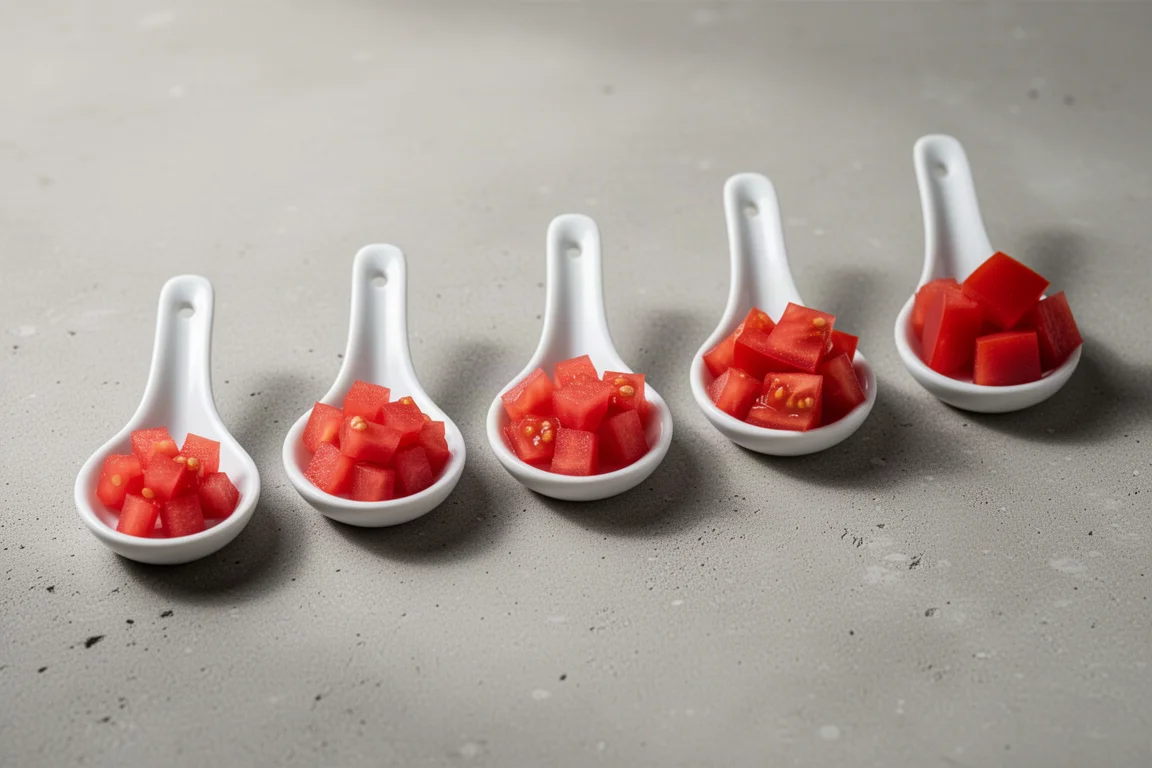
Cento petite diced tomatoes came in as a strong second. This is one of the petite dice options, meaning the smallest pieces of the group. If you want really teeny pieces in a dish, the word “petite” on the label is the cue to look for.
It was a very good choice in its own right, just not quite as good as the winner. If a recipe benefits from smaller tomato pieces that distribute evenly, such as soups or finer sauces, this pick makes a lot of sense.
What to Avoid
The bottom-ranked American cans shared a common flaw: the pieces were just too big. In a soup, chunks that large barely fit on a spoon. Some cans also sat in a thick puree rather than a liquid, tasting almost sauce-like but not in a good way, with little texture left to the tomato. One unsalted option tasted almost like a puree; not bad on its own, but not something you could plug into a recipe that calls for diced tomatoes without disappointing yourself.
Italian vs American Brands: A Philosophical Difference
The tasting revealed a clear split between Italian and American producers. Italian brands largely use just tomatoes, on the philosophy that cooks will season and adjust themselves. American brands deliver a tomato already seasoned with salt and acid, ready to go straight into a recipe.
American tasters preferred the American brands, likely because that flavor is what they are used to. Italian cooks, accustomed to plain canned tomatoes, might well have ranked the same cans very differently. Neither approach is wrong; it is a matter of matching the can to how you cook.
Conclusion
For most home cooks making standard American recipes, San Marican diced tomatoes are the pick to reach for, with small, firm, bright pieces and juice rather than puree in the can. If you specifically want the smallest dice available, Cento petite diced tomatoes are an excellent runner-up. Above all, check the label: the presence of salt, citric acid, and calcium chloride tells you most of what you need to know about how that can will behave in your cooking.
Further reading
Related Reviews
Kitchen Pantry
Best Chicken Broth: Four Options Tasted and Ranked
We compare Swanson, Better Than Bouillon, Knorr, and Kettle & Fire chicken broth on flavor, format, and ingredient list to find which one deserves a place in your kitchen.
Kitchen Pantry
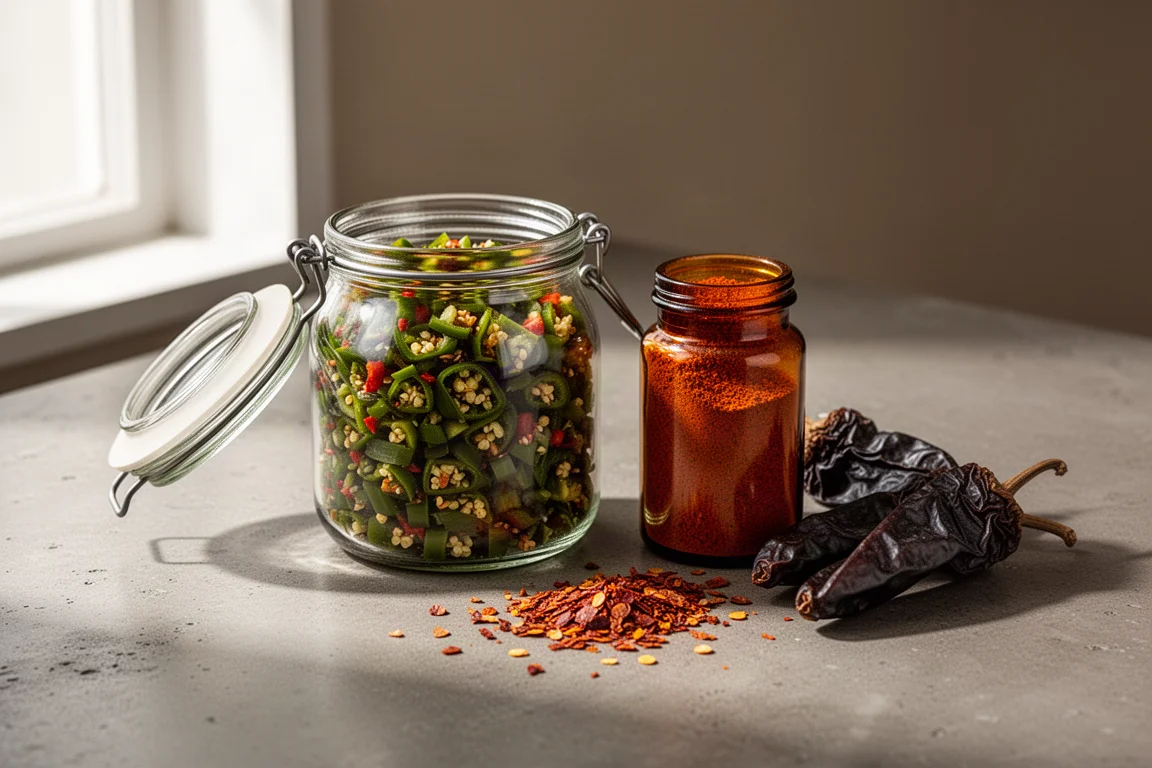
Best Pantry Chili Products: Two Jars Worth Keeping Stocked
Diced green chilies and chili powder both earn a permanent pantry spot when they bring real heat and real flavor.
Kitchen Pantry
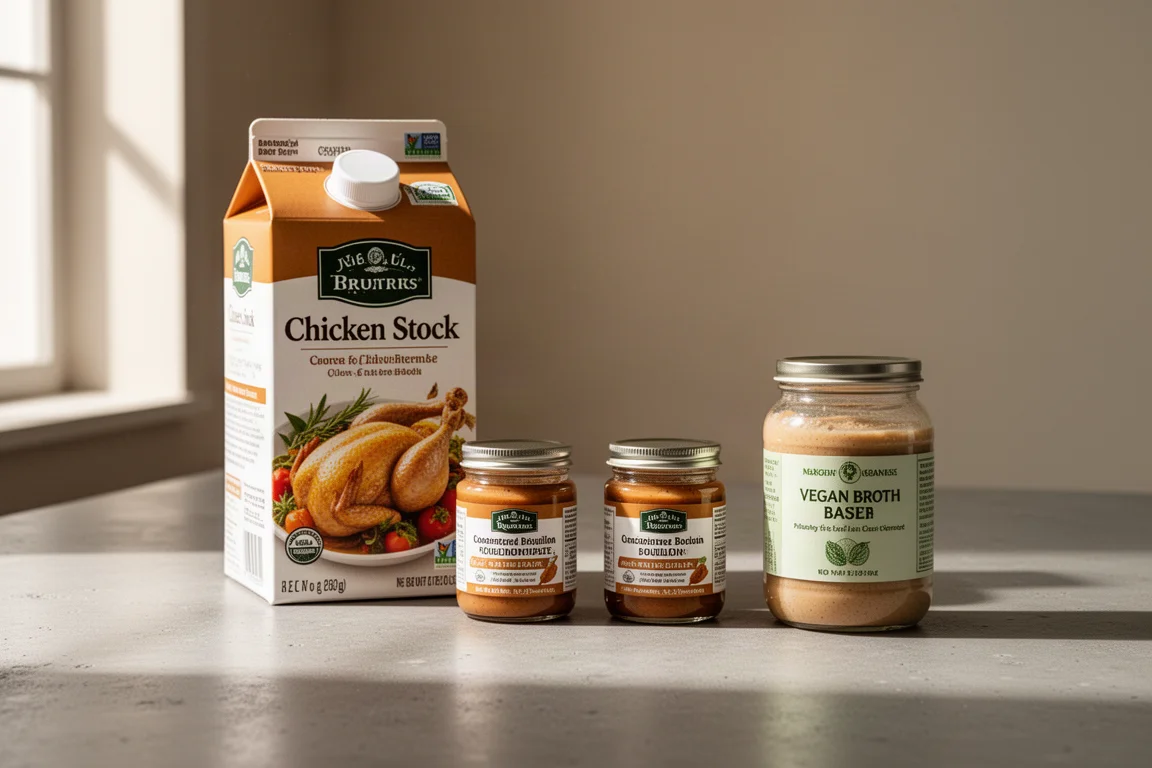
The 4 Store-Bought Broths and Stocks Actually Worth Buying
Most supermarket broths taste flat or off. These four picks, from chicken stock to vegan chicken-flavored broth, are the exceptions worth keeping in your kitchen.