Running Shoes
Best Super Trainers: 9 Speed-Friendly Training Shoes Worth a Look
Nine running shoes that bring race-day features like plates, bouncy foams, and tall stacks into a trainer you can wear every day.
Introduction
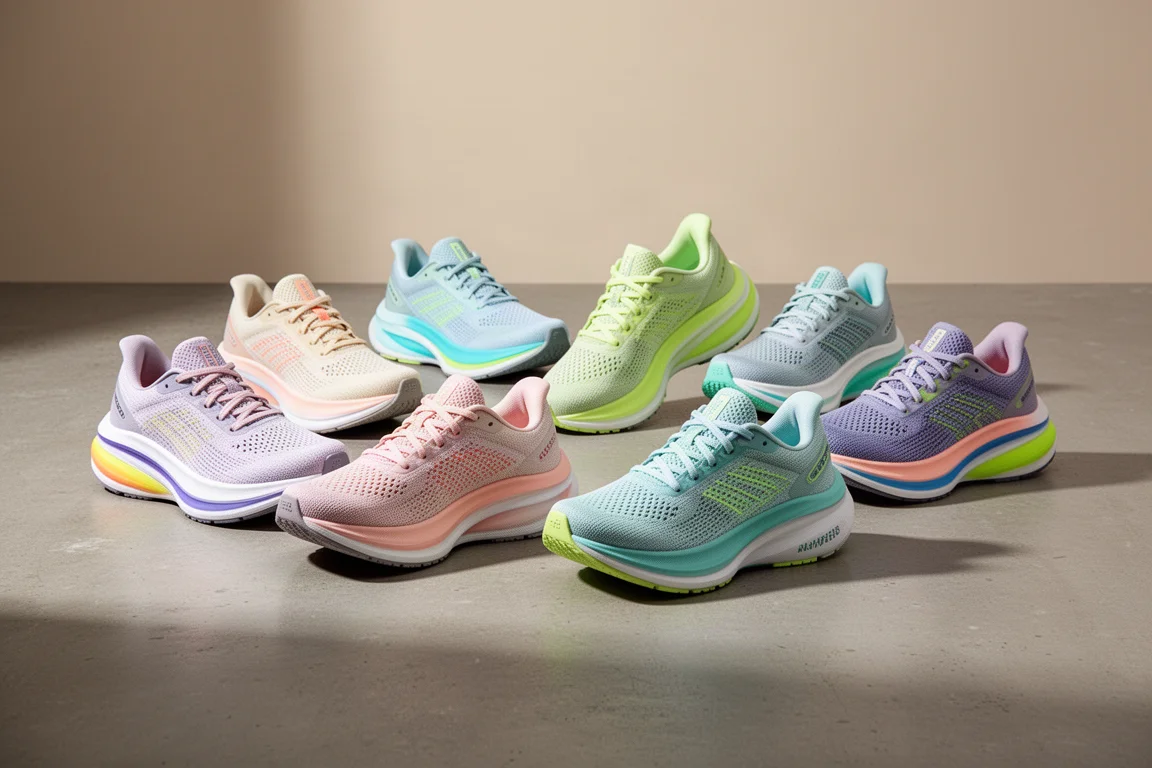
The super trainer is one of the most useful categories running brands have put together in years. These are training shoes that borrow the best parts of race-day designs: tall stacks, bouncy foams, and plates, but wrapped in the comfort and durability of a daily trainer. The result is a shoe that makes easy days feel fun and lets you pick up the pace without saving your race-day pair.
Old-school tempo shoes used to be stripped-down, firm, and uncomfortable. The new generation flips that formula. Here are nine of the most interesting options in the category right now.
Why the Super Trainer Category Exists
The idea of a training partner for a race-day shoe has been around for a while. The modern race super shoe changed everything, and brands quickly learned it made sense to build a companion trainer: same geometry, same foam family, slightly more built-up, and more durable. Some early attempts missed the mark by feeling firm or dull, but the category has since matured into something genuinely useful.

A good super trainer should be comfortable enough for daily miles, lively enough for speed work, and durable enough not to fall apart the way some race shoes do.
Saucony Endorphin Speed 3
The Endorphin Speed 3 is one of the shoes that helped define this whole category. It carries the same PWRRUN PB foam as Saucony’s race-day Pro, but swaps the carbon plate for a TPU plate and adds a slightly more built-up upper for daily comfort. The geometry rolls you forward the way a race shoe does, and the ride stays bouncy and fun.
The stack comes in at 36 millimeters in the heel with 28 in the forefoot, and it retails for $170. Plenty of runners end up loving it so much they wear it for everything, not just speed days.
Saucony Kinvara Pro
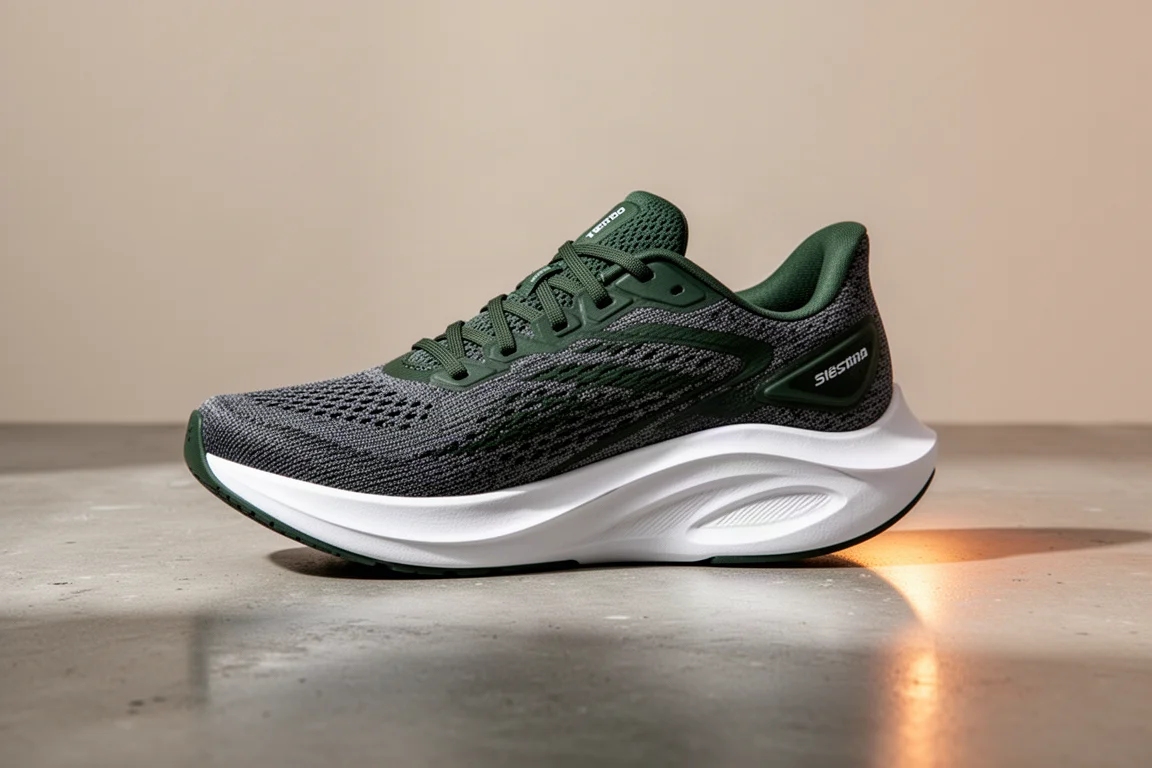
The Kinvara Pro throws everything at the wall: two layers of foam, a carbon plate, and foams stacked on foams. You get PWRRUN, PWRRUN PB, and a PWRRUN+ sockliner all in one shoe, with a 42-millimeter heel stack, which is taller than most race-day shoes. It retails for $180.
The honest take: it is a strange shoe. It is not as soft and bouncy as you would expect from that stack, the plate feels fairly rigid, and it does not pop off the toes the way you might hope. If you love the Kinvara name, note that it shares little with the original. For most buyers, the Endorphin Speed is the livelier and lighter pick.
Adidas Adizero Boston 12
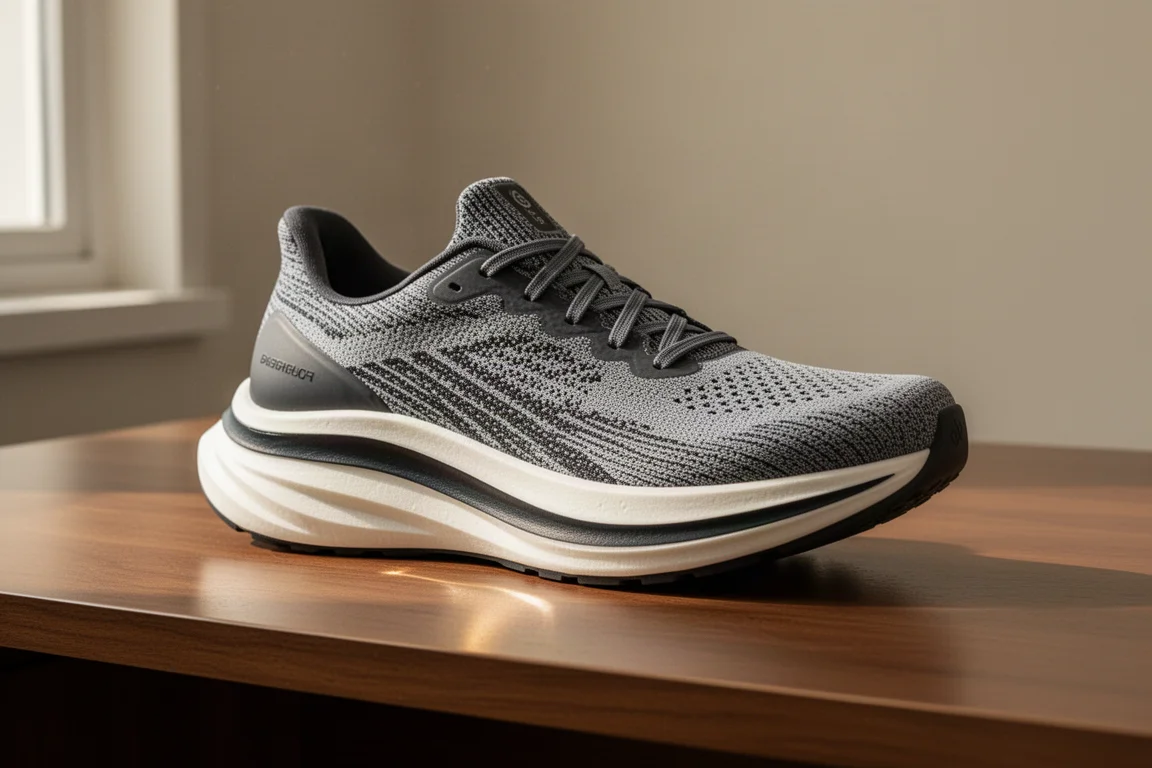
The Boston 12 is one of the favorite trainers of the year. Adidas softened up some of the Lightstrike Pro and Lightstrike 2.0, making the dual-density midsole far more fun than the versions that came before. Between the two foams sit energy rods, a fiberglass version of the carbon rods used in the race-day Pro.
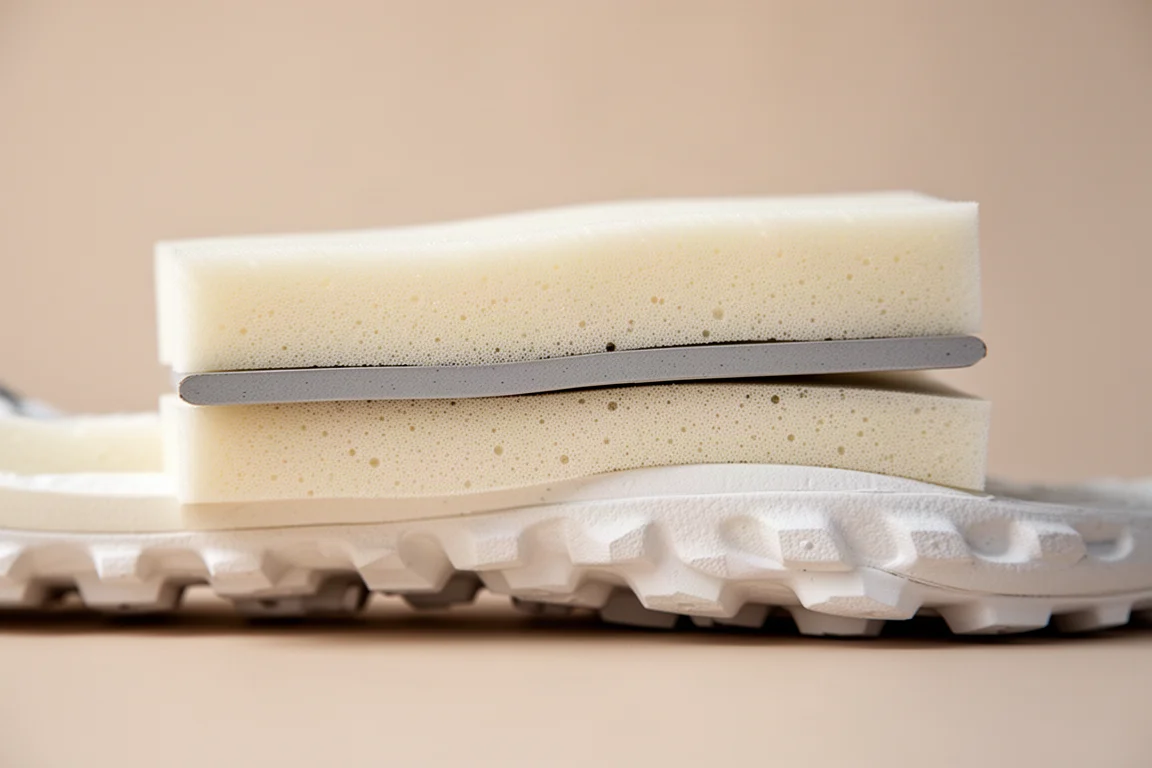
That makes it a great companion shoe: one shoe for daily miles, tempo, and speed work, with the Adizero Pro waiting for race day. It is available now at $160.
New Balance SuperComp Trainer v2
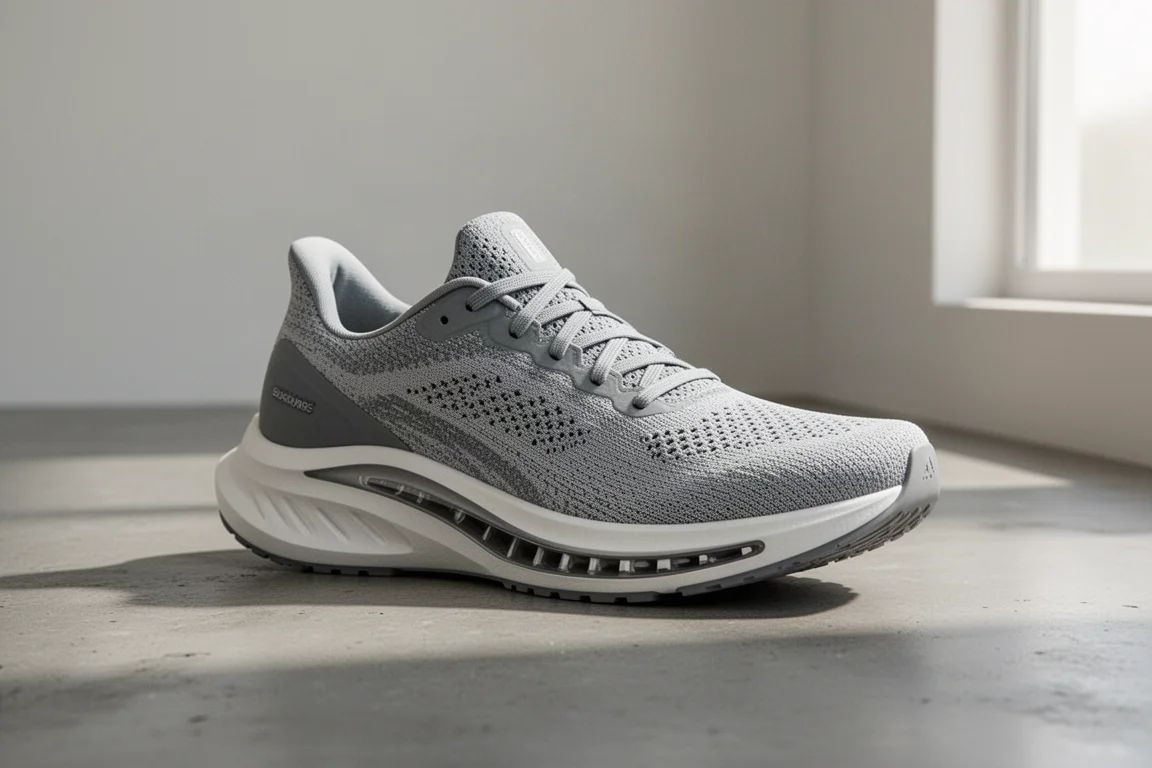
The SuperComp Trainer v2 sits just under a 40-millimeter stack with a new FuelCell formulation that is lighter and less dense than before, plus a carbon fiber plate sandwiched in the midsole. The Energy Arc design widens for stability, then rolls you through a really nice toe-off.
The upper is structured enough for daily training while the midsole carries the performance features. It dropped an ounce from the previous version, and that change matters: v1 was hard to pick up the pace in, but v2 finally works as a proper training partner you can push. Where it excels is longer runs where you want a little extra pop. If you liked the bouncy, squishy wildness of v1, that one is still worth a look.
Asics Magic Speed 3
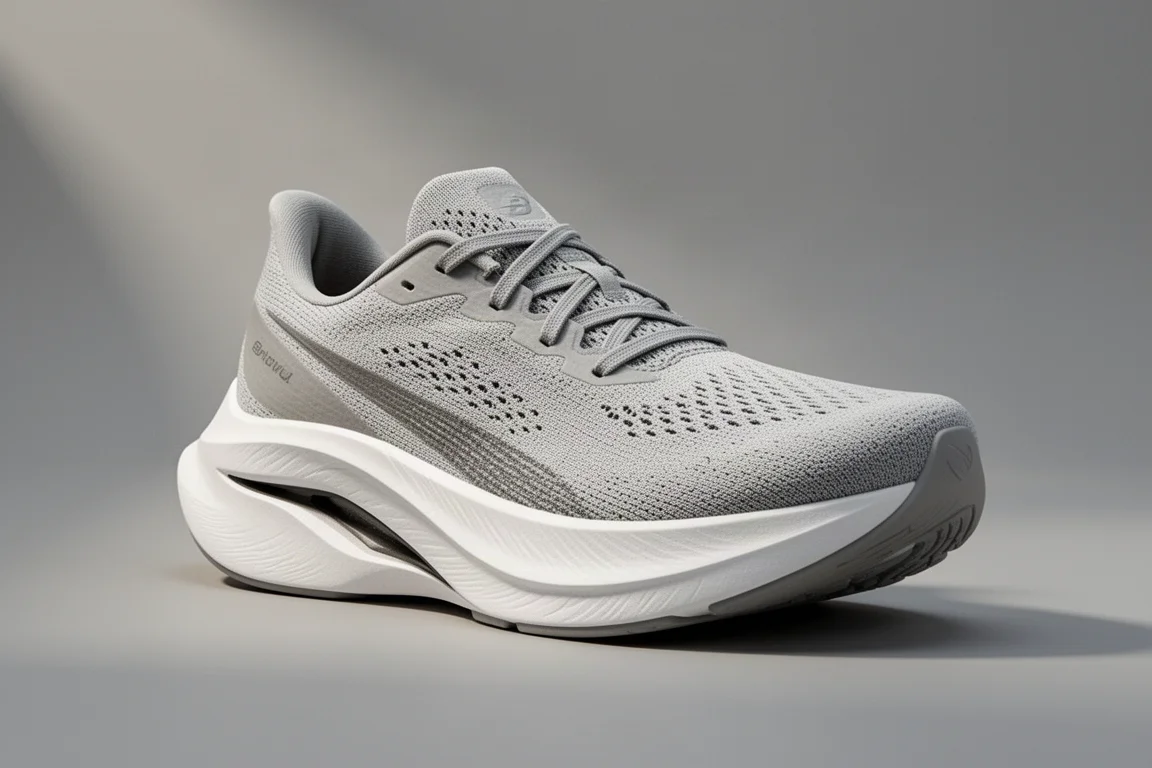
The first two Magic Speed versions did not impress, but the third gets it right. Asics put FF Blast Plus on both layers of the midsole and, crucially, replaced the TPU three-quarter plate with a full-length carbon plate. The upper is borrowed from the Meta Speed Sky and Edge, so you get a race-day feel on both the top and the bottom.

The heel stack is 36 millimeters, and the shoe is light, fun, and genuinely hard to hold back in. That makes it one of the speedier options in this roundup: better for dedicated speed work than all-day mileage. Light, efficient runners could realistically use it as a daily trainer. It retails for $160.
Asics Super Blast
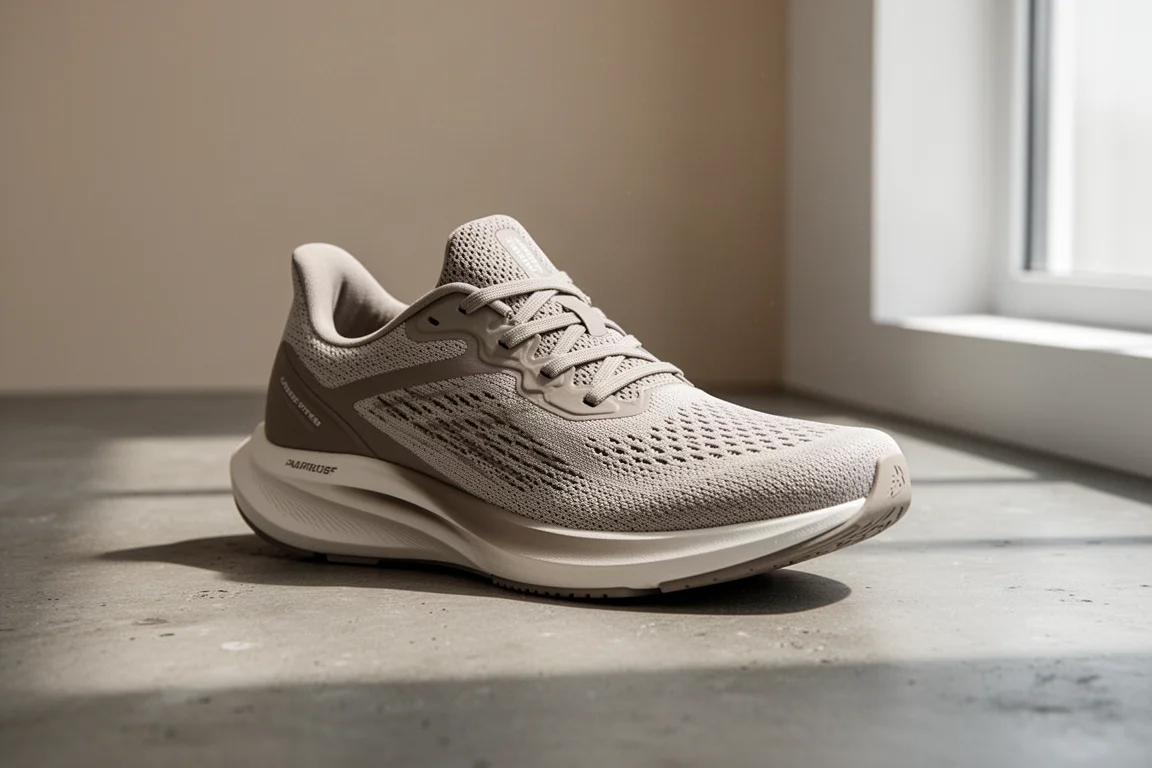
No plate, still a super trainer. The Super Blast uses the FF Turbo foam from Asics’ race-day Meta Speed shoes, loaded into a shoe with over 40 millimeters of stack that remains remarkably light. Without a plate you do not get that propulsive snap, but the foam delivers plenty of bounce, and the wide stance keeps it stable.
This is the shoe for long, easy runs where you want to pick up the pace without being locked into a plated shoe, and where your legs still feel good afterward. It is available now at $200.
Adidas Adizero Prime X Strung
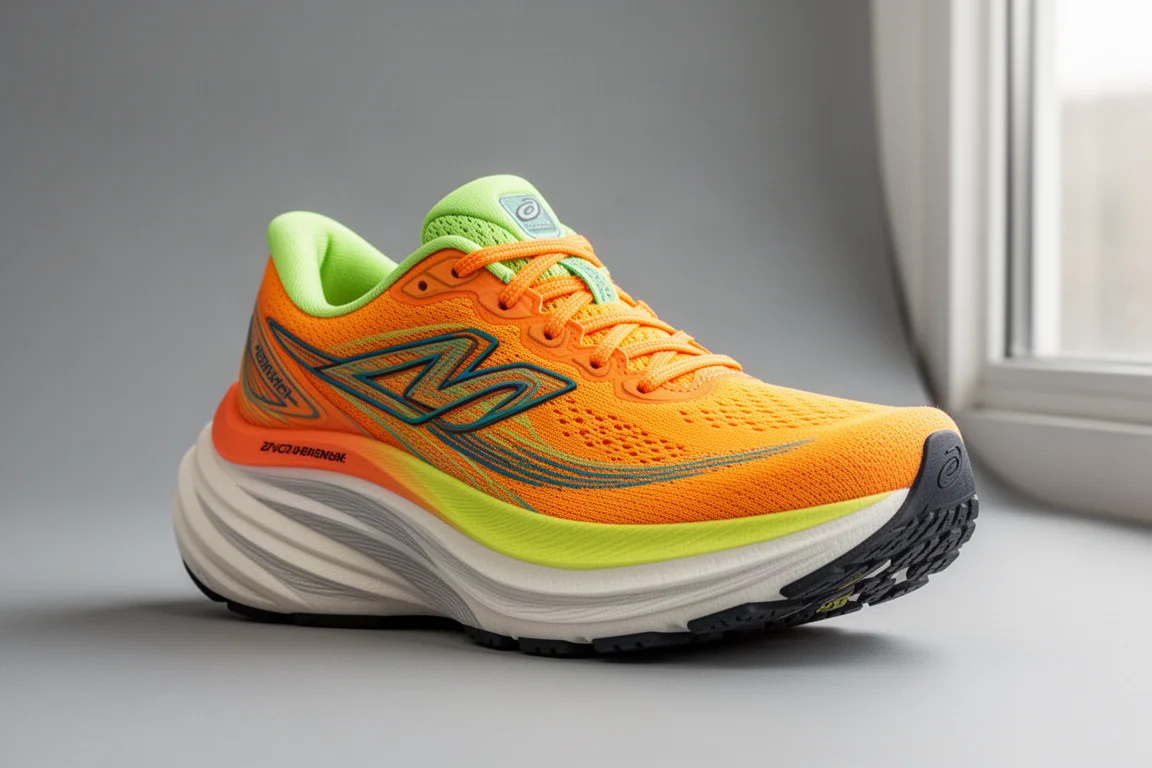
The Prime X Strung occupies a weird spot: technically a race shoe, but many people use it recreationally as a daily trainer. The stack sits close to 50 millimeters with carbon fiber energy rods, and the ride is extremely fun and bouncy, full of Lightstrike and energy return.
It is not the lightest or the most stable, so it is not really a fast-day shoe. Better uses: motivation runs when you need a reason to get out the door, tired-leg days, or even the occasional recovery run. It has delivered solid race results for some, but there are lighter options if racing is the goal.
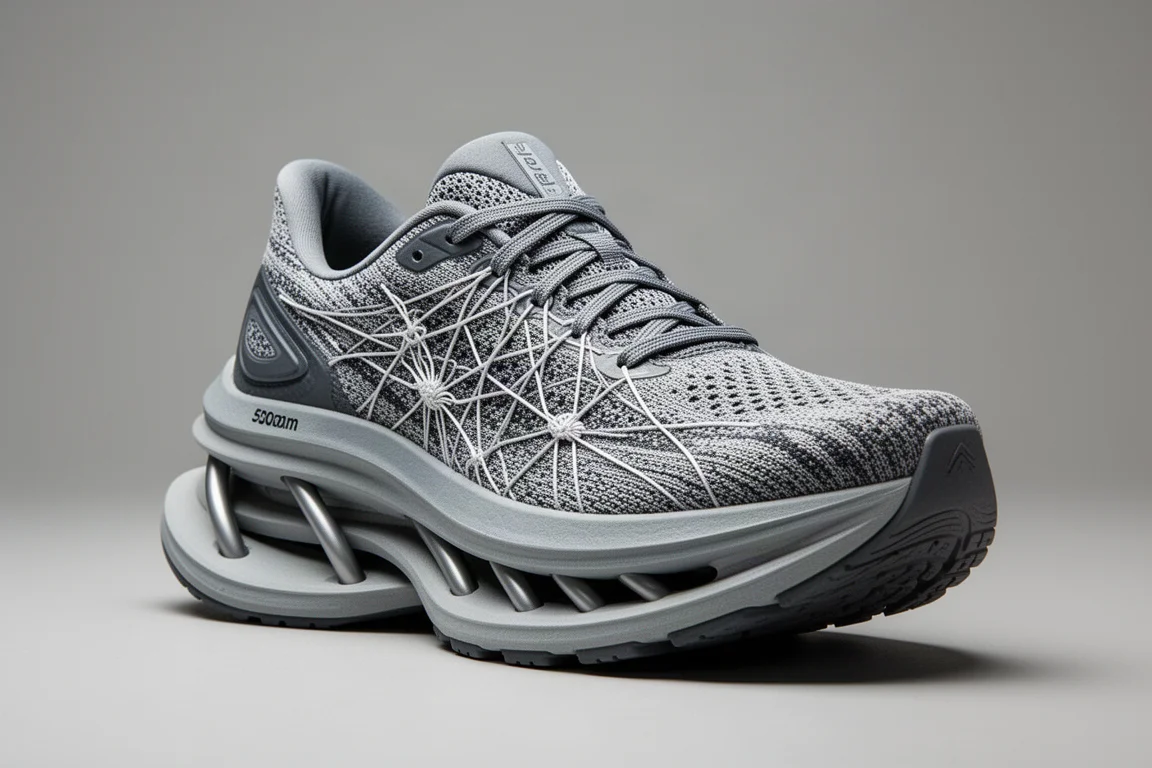
Puma Deviate Nitro 2
The Deviate Nitro 2 wraps a carbon-infused plate and bouncy Nitro foam in a proper daily-trainer upper. It fits like a glove, runs really well, and a lot of people use it strictly as a daily trainer. It is on the heavier side, but Puma’s durable outsole rubber means you will get plenty of miles out of it.
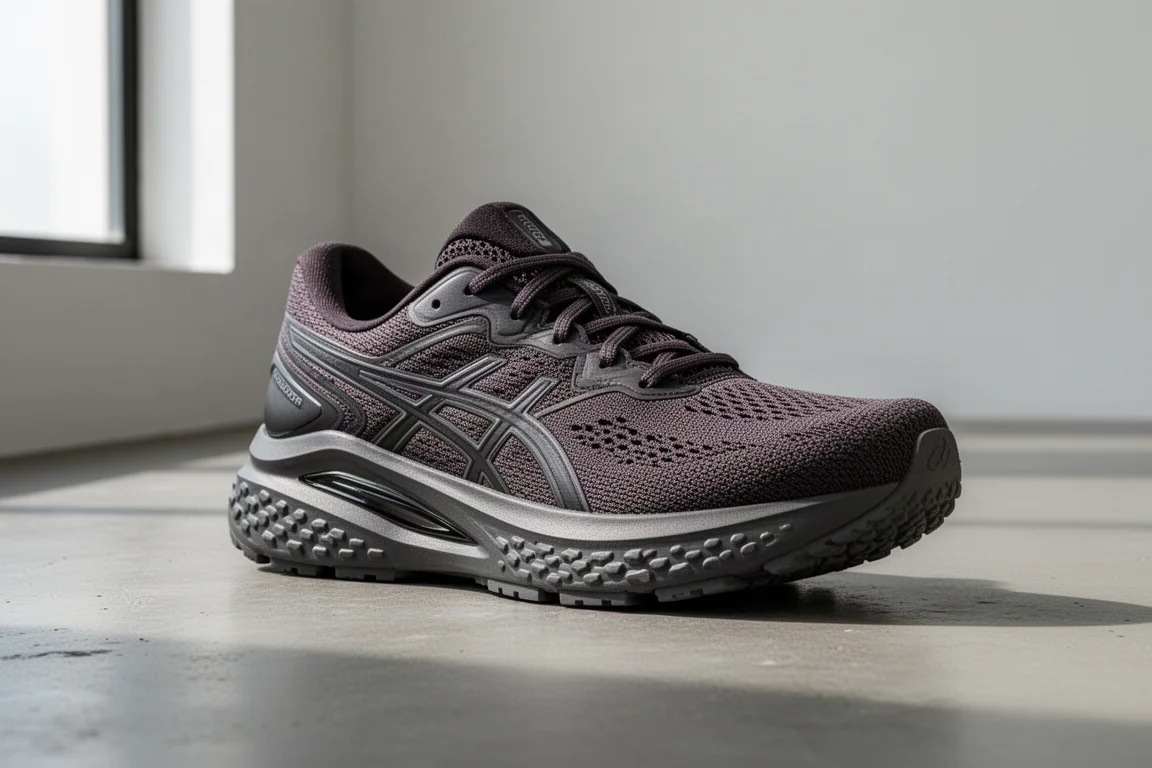
Hoka Mach X
Hoka’s answer to this category is still generating plenty of excitement. The recipe sounds right: peba-based foam plus a plate, in a trainer form factor. Hoka’s last peba shoe, the Rocket X2, was widely loved, so expectations for the Mach X in this super-trainer slot are high. We will update this space with full impressions as soon as testing wraps.
So Which Super Trainer Should You Pick?
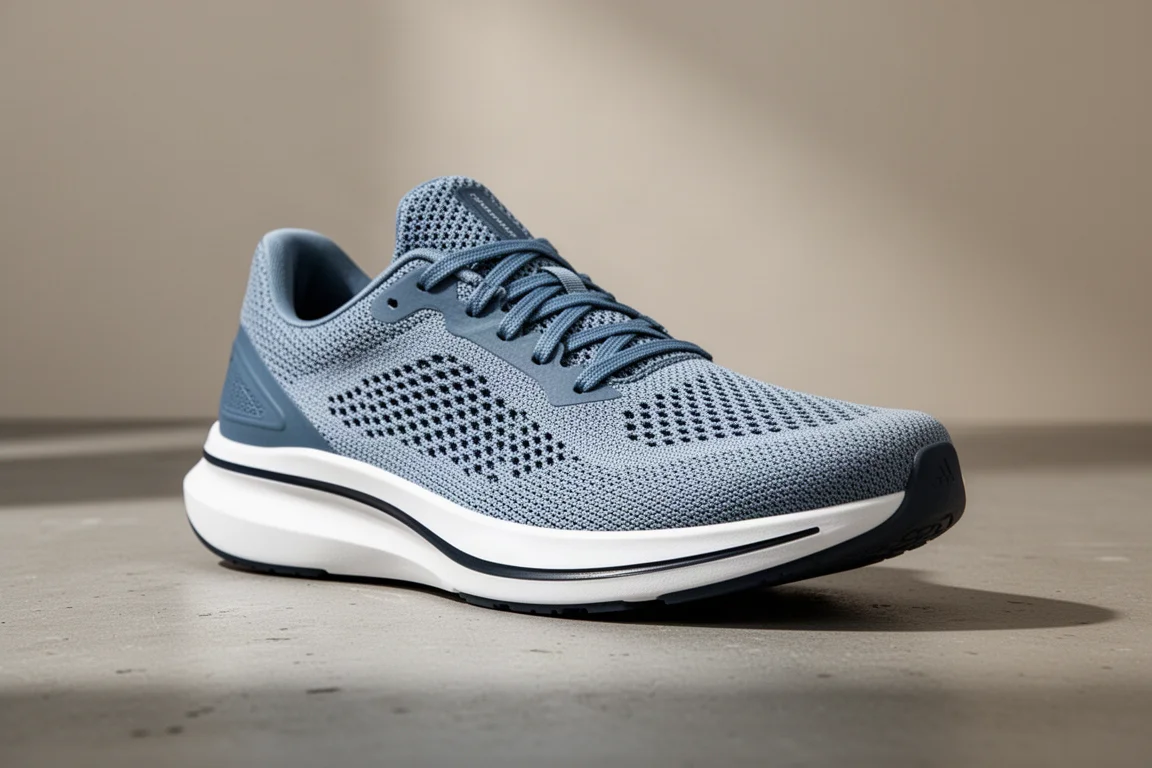
If forced to choose one, the SuperComp Trainer v2 and the Super Blast sit at the very top, and the Adizero Boston 12 is right there too, especially at $160. The Endorphin Speed 3 remains the classic all-rounder, the Magic Speed 3 is the pick if you want something speed-first, and the Deviate Nitro 2 is the durable do-it-all option.
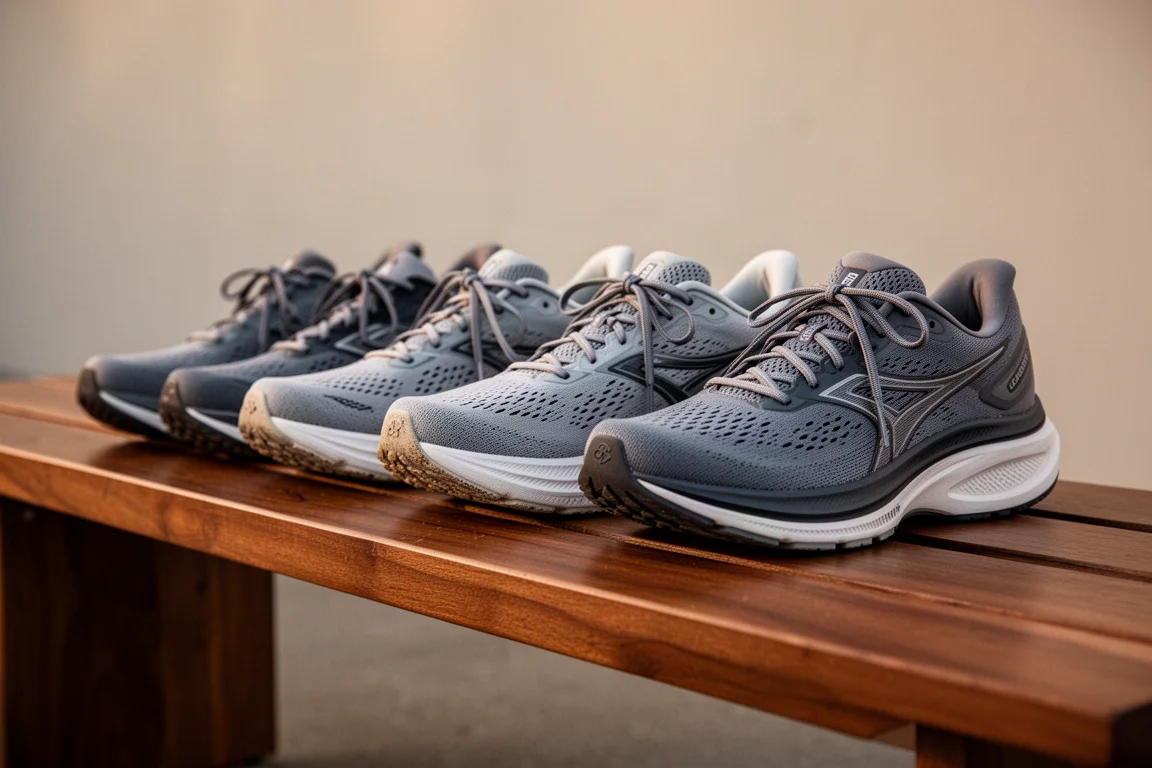
Match the shoe to how you actually train: plate-first options like the Magic Speed 3 and SuperComp Trainer v2 reward faster days, foam-first options like the Super Blast protect your legs on long runs, and the Boston 12 or Deviate Nitro 2 handle nearly everything in between.
Conclusion
Super trainers have quietly become the most versatile shoes in a runner’s rotation. They bring the fun of race-day geometry and foams into a package you can wear most days of the week. Pick based on whether you want speed, cushion, or all-around durability, and any of the nine above will make your training days noticeably more enjoyable.
Further reading
Related Reviews

Running Shoes
Best Road-to-Trail Running Shoes: Three Versatile Options for Mixed Terrain
A practical guide to three road-to-trail running shoes that handle both pavement and mild trails, with clear strengths and trade-offs for different runner types.

Running Shoes
Best Running Shoes for Achilles Tendonitis: Three Options Explained
Three running shoes with different heel drops and support features designed to help reduce Achilles tendon pain during walking and running.

Running Shoes
Best Running Shoes for Women: Five Top Choices Ranked
A ranked guide to five women's running shoes, from versatile daily trainers to high-performance racing options, with real strengths and trade-offs for each.