Running Shoes
Super Trainers Explained: The Best Plated and Super-Foam Training Shoes Right Now
Super trainers bring super shoe tech to everyday running. We break down what they are, what they cost, and eight models worth a look.
Introduction
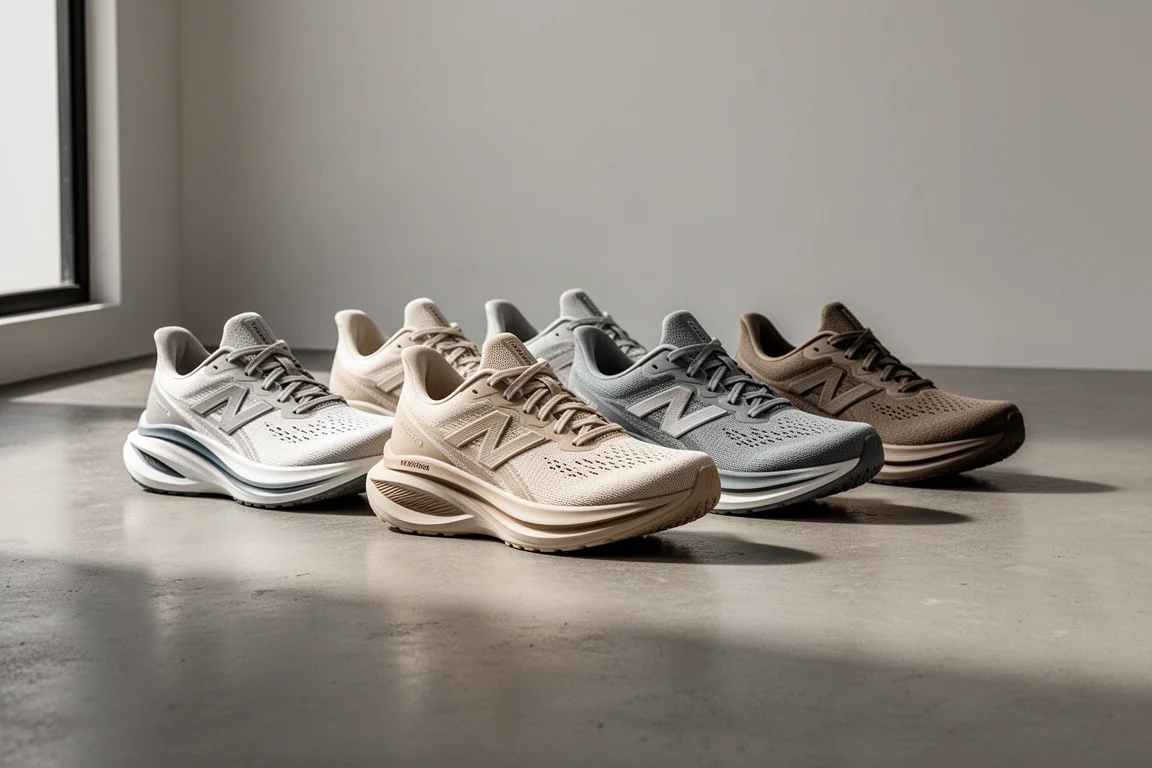
Super trainers are one of the biggest stories in running shoes right now. The idea is simple: take the technology that made carbon-plated super shoes famous, such as super foams, plates, rods, and rocker geometry, and put it into a training shoe you can actually use every day. The result is a category that is versatile, fast when you need it to be, and increasingly hard to define.
This guide explains what super trainers are, why brands make them, how they compare to both traditional trainers and full carbon race shoes, and which specific models stand out.
What Is a Super Trainer?
A super trainer is a versatile running shoe with elements of super shoe technology built in. The first wave of these shoes, such as the Saucony Endorphin Speed 3, were designed as training partners to full carbon race shoes. They borrowed the lightest, bounciest foams brands had, added plates or rods, and wrapped it all in a more practical, comfortable package.
The category has since broadened. Some models now lean towards all-round easy running rather than fast sessions, and the definition has become looser. The Asics Superblast, for example, has no plate at all but uses Asics’ best foam, yet many runners still consider it a super trainer. Even a shoe like the Nike Invincible, built around top-end foam for maximum cushioning, arguably sits somewhere in this space.
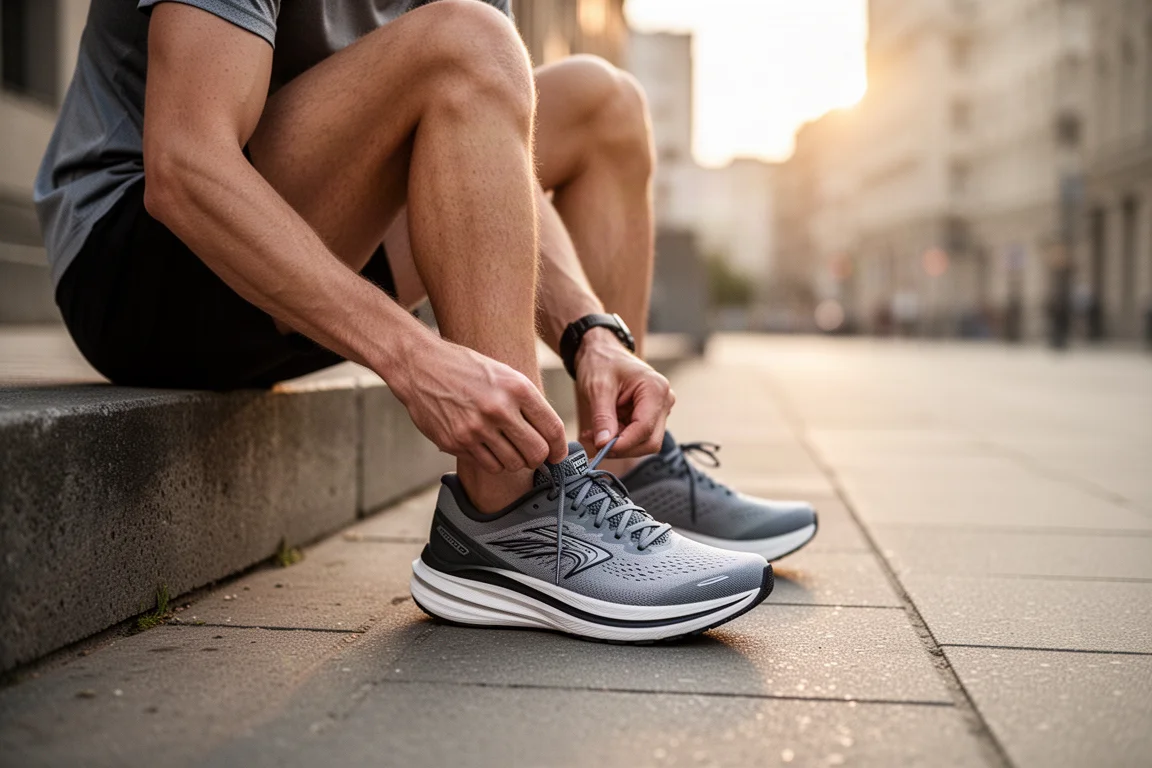
The overarching concept is that brands took technology from expensive, once-niche race shoes and applied it to trainers, creating a new middle tier of the market where some of the best shoes available now live.
Why Runners Use Them
Super trainers exist to improve efficiency and running economy. The goal is to get through training and racing with legs that feel less beaten up, so you can recover faster and get more out of your next session.
Early plated race shoes were often not particularly durable, so these shoes filled a gap: something that could handle daily mileage while still feeling fast. Today they are used across a whole range of runs, from slow and easy to short and fast, and many runners could even race a marathon in some of them.
They are also more approachable than carbon race shoes. They tend to be more stable, more durable, better suited to slower paces, and often cheaper. For many people, that accessibility is exactly the point.
How They Differ From Super Shoes
Compared to full carbon race shoes, super trainers are usually a little heavier, with uppers that are less racy and a more cushioned, more protective ride designed for daily miles rather than single hard efforts. Where a top race shoe often performs best only when you are running at your very best, a good super trainer can be run at easy paces and still tick up to fast.
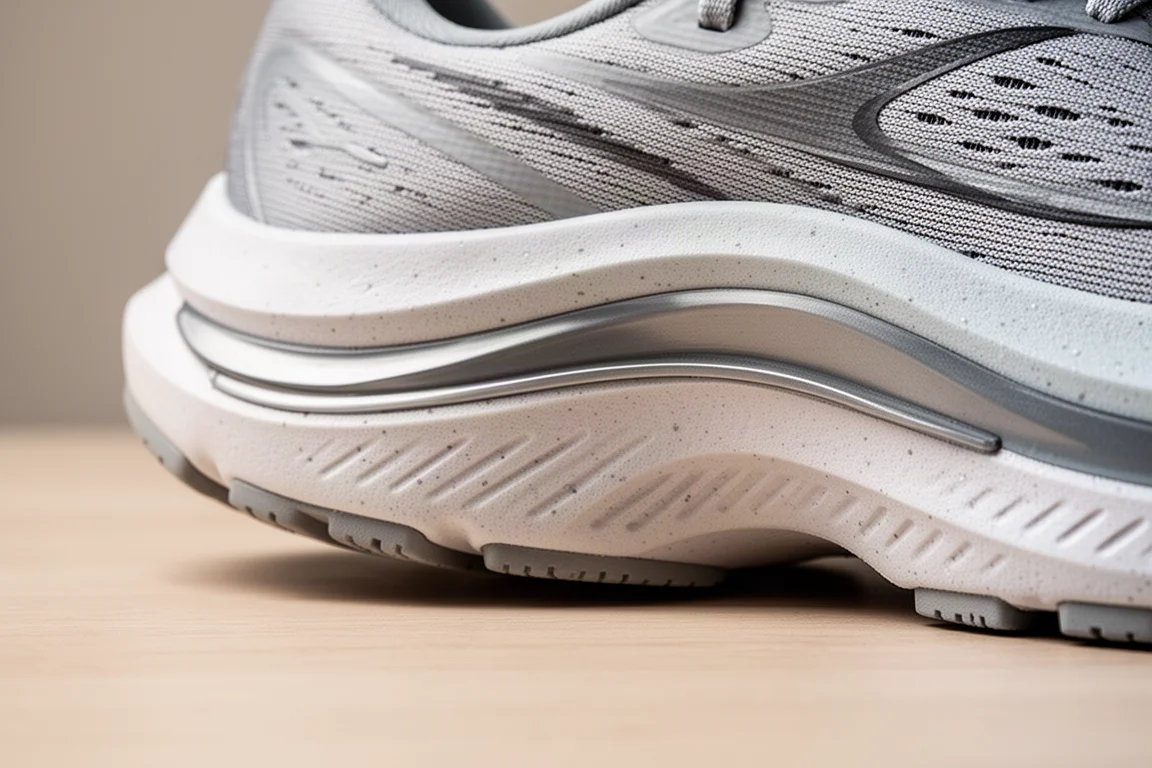
Geometry matters here too. The New Balance SC Trainer v2 shares its FuelCell midsole foam, carbon plate, and rocker design with the SC Elite v3 race shoe, yet the trainer is noticeably heavier and tuned to feel slower and more comfortable in transition, geared towards sitting back and running at an easier effort. Brands do not always get this balance right, and some plated trainers end up feeling too racy in the upper and fit to be comfortable daily shoes.
The Price Problem
Pricing is the sticking point for most shoppers. You can often tell a super trainer instantly from its price tag, with many models now approaching the price of carbon race shoes. Shoes with a high stack and some kind of foam or plate are being priced aggressively, and the value is harder to quantify than with race shoes, where a faster time justifies the spend.

It is worth being realistic: not every plated trainer outperforms a great traditional trainer. Something like the Hoka Mach 5 remains a fantastic, versatile shoe that many runners would still choose over pricier plated options. Some super trainers democratize super shoe tech so thoroughly that they end up not much different from a well-cushioned regular trainer at roughly twice the price. Others, though, genuinely earn their place.
The Picks: Super Trainers Worth Considering
Saucony Endorphin Speed 3
The Endorphin Speed 3 remains the benchmark of the category. It is lightweight but balanced in comfort and cushioning, has real pop, and can be run easy or fast. It has held its own for years while many brands tried to build their own version, and it is still the shoe that best combines speed with versatility. It has also proven itself as a do-everything option, working across all kinds of runs and terrain.
Asics Superblast
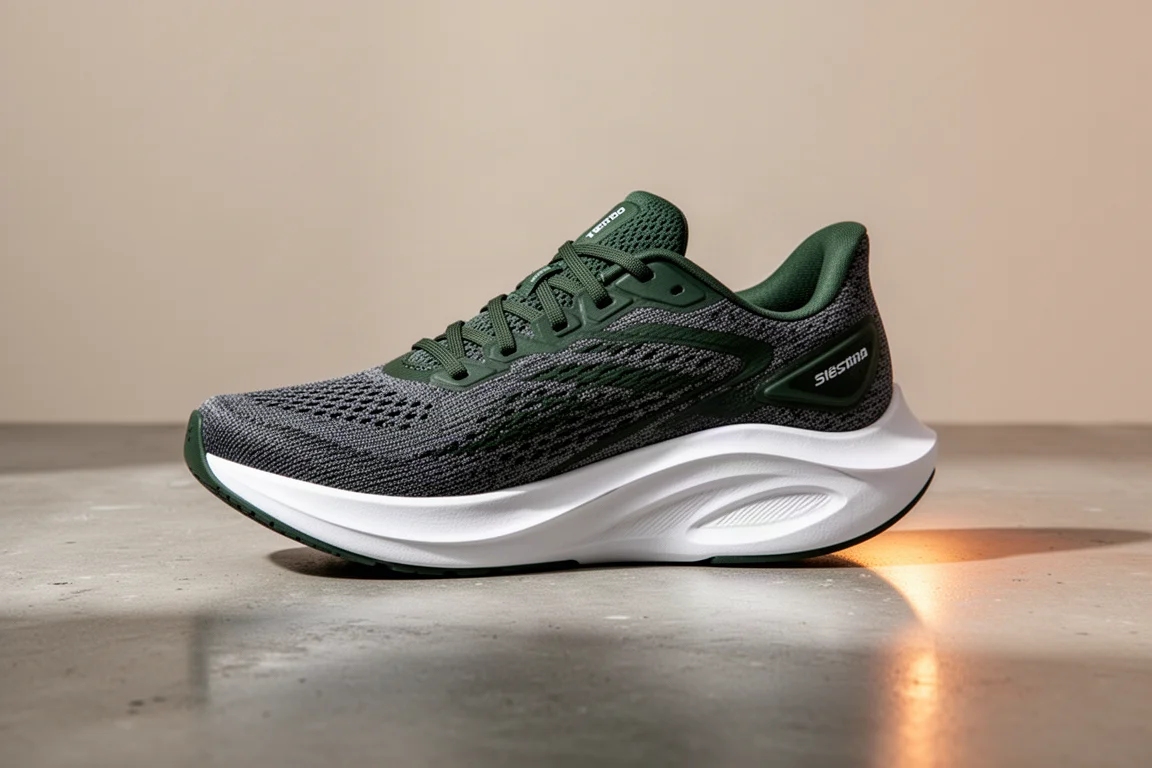
The Superblast is a novel and genuinely fun experience. With no plate but Asics’ best dual-density foam, it feels almost plated thanks to a bouncier top layer over a firmer bottom layer. It is expensive and arguably priced beyond its category, but it works for so many different kinds of runs that it earns its place. If a super trainer has to make a daily run feel semi-magical, this one does.
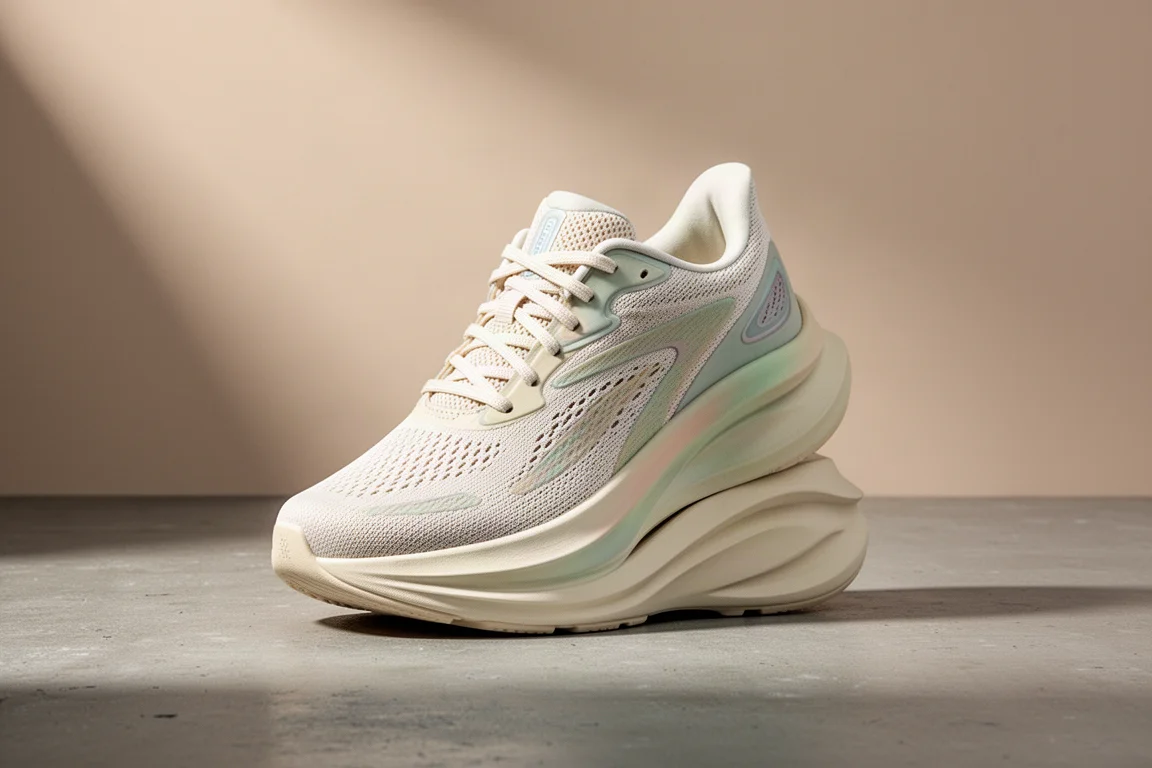
Hoka Mach X
The Mach X is a racy, enjoyable shoe that suits the faster end of training better than easy running. It is a shoe many runners are happy to clip along in, and it works well as part of a rotation. Its placement in the lineup next to the more versatile Mach 5 creates unfair comparisons, but judged on its own terms it is a pleasant, quick shoe.
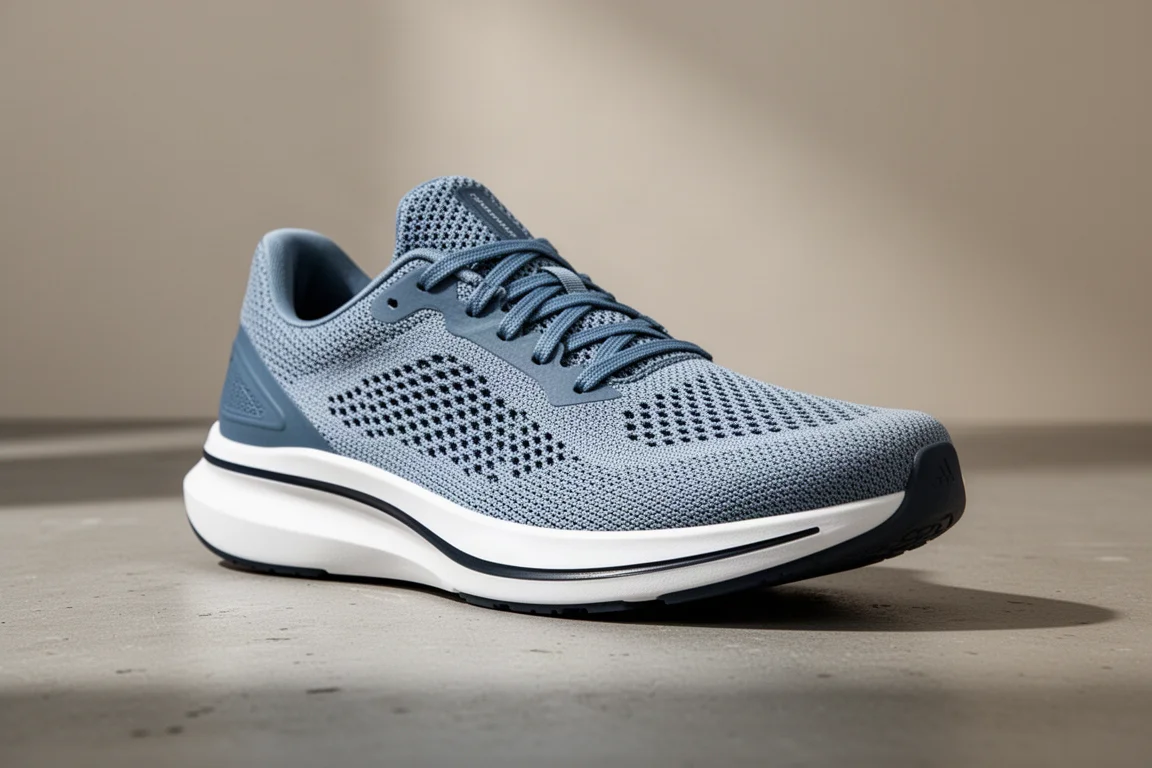
Hoka Mach 5
The Mach 5 is the proof that you do not always need a plate. It is a fantastic, versatile shoe that can do a lot of different jobs, and many runners would still pick it over numerous plated super trainers. If you want a superb all-rounder without paying for extra tech you may not notice, this is the one.
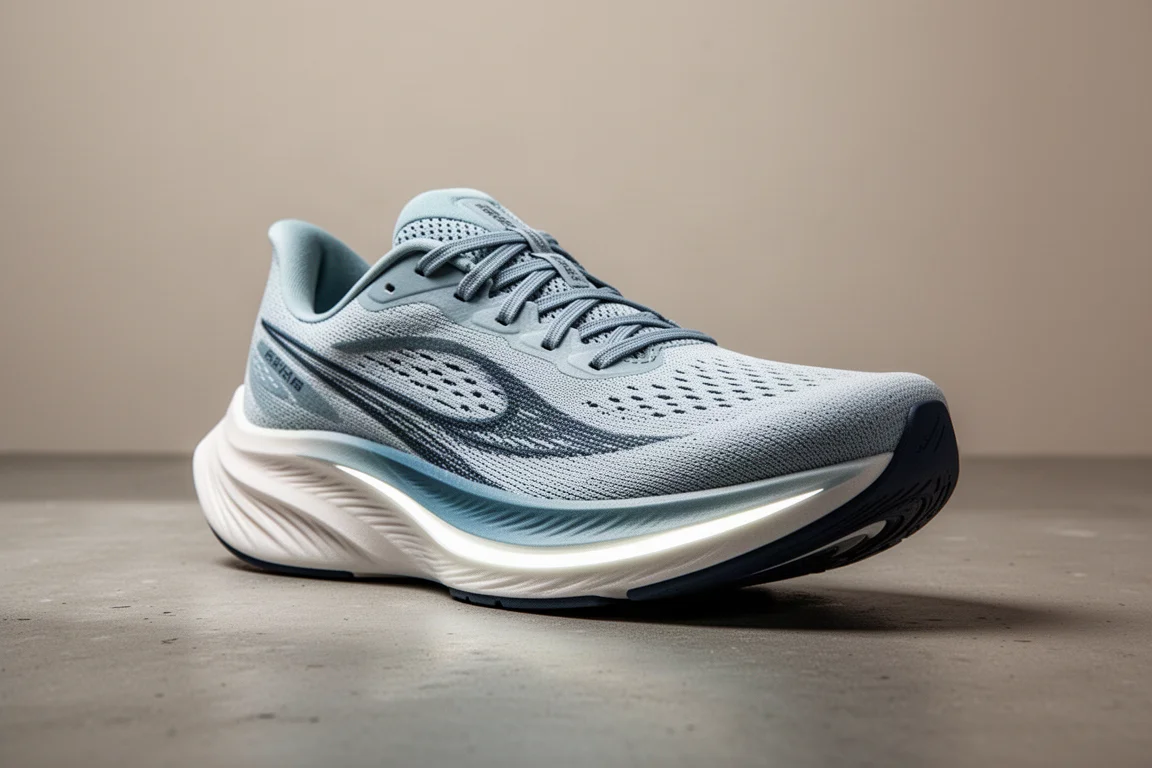
Adidas Adizero Boston 12
The Boston 12 is a fantastic shoe and one of the cheapest in this group. It does exactly what it says it will do: a genuine plated trainer with a slightly racy feel that some may find a touch too firm for pure easy running, but a strong value pick for faster days and tempo work.
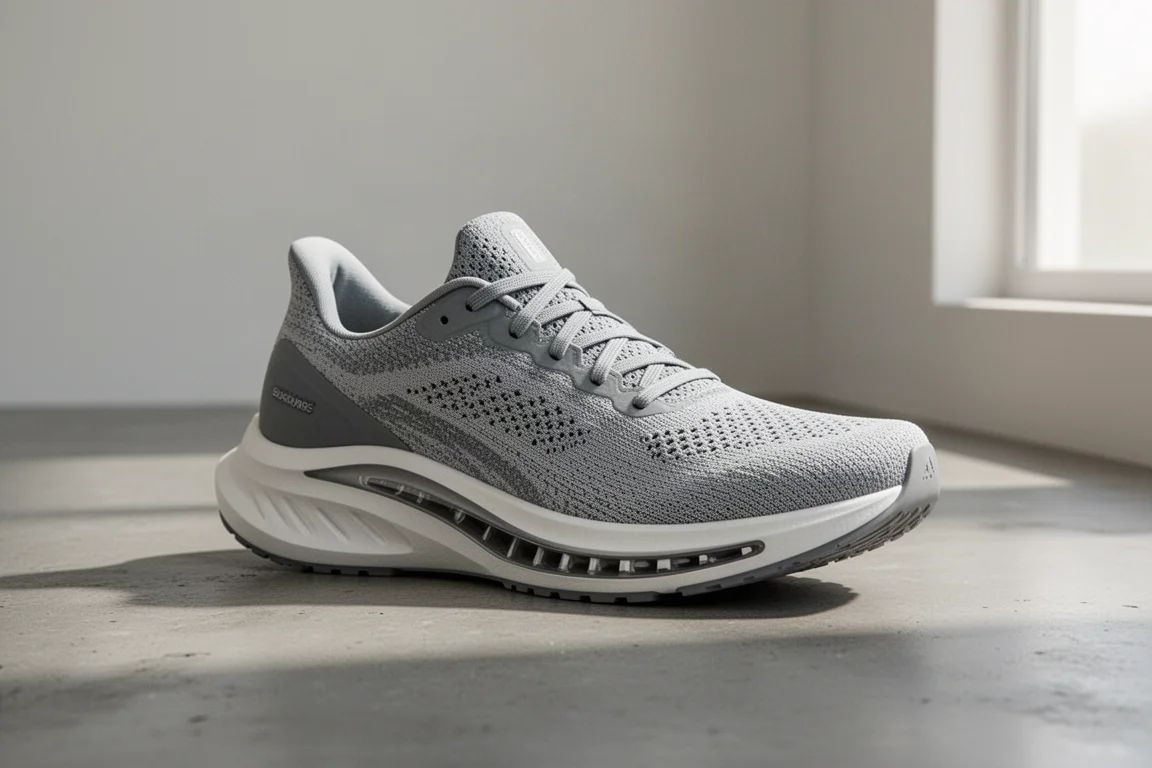
New Balance SC Trainer v2
The SC Trainer v2 pairs FuelCell foam, a carbon plate, and a rocker geometry with a geometry tuned for comfort rather than aggression. It is heavier than its SC Elite v3 race sibling and feels much slower in transition, which is precisely the point: it is built to handle easy miles in a plated package.
Asics Magic Speed 3
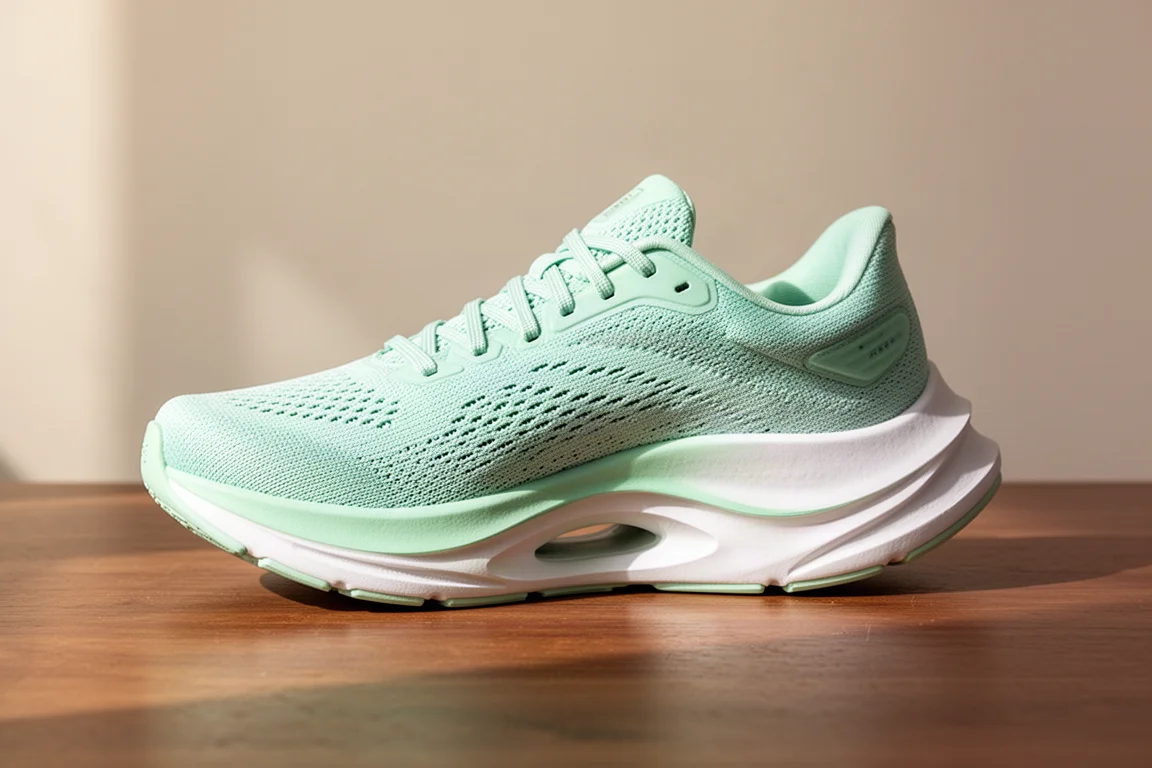
The Magic Speed 3 is the best fit for the brief of a cheaper alternative to a full racing shoe. It is not the most versatile shoe here; it is very racy and very much a race-day option. At a price below the top carbon shoes, it can serve as a second-tier racing shoe alongside a carbon shoe, or as your only racing shoe if you do not want to spend big. It has produced very similar times to carbon shoes in real racing.
Hoka Bondi X
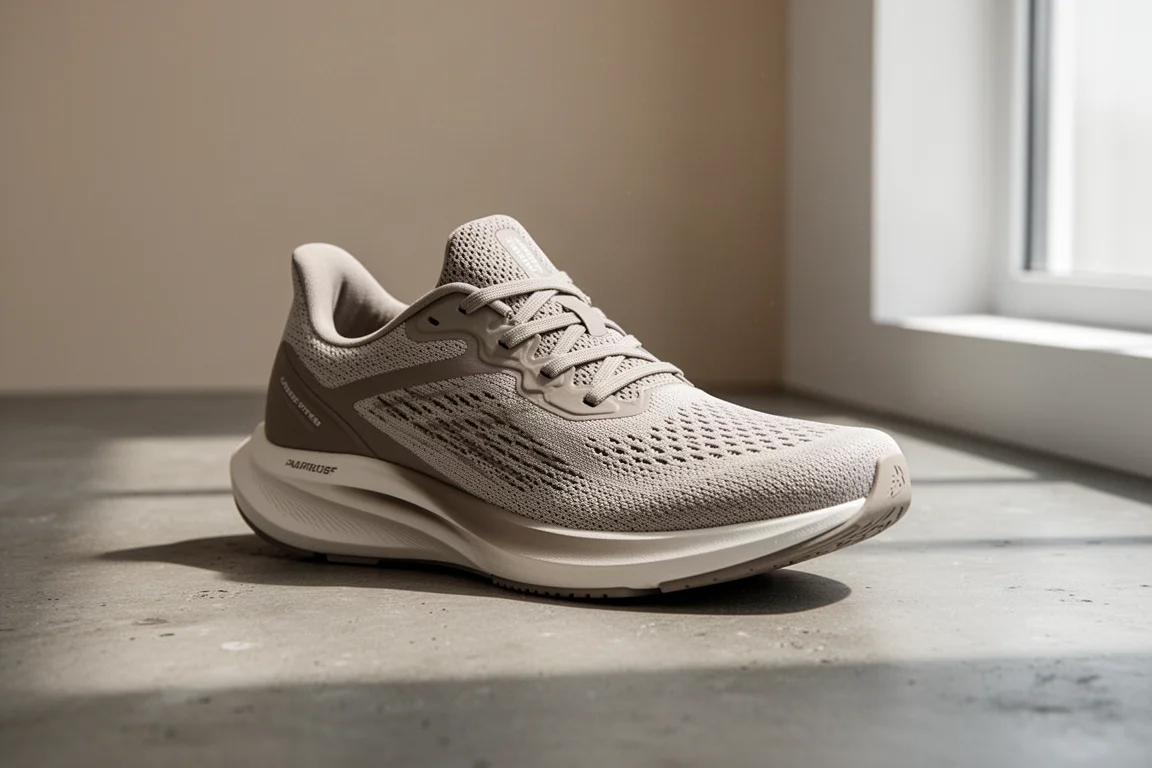
The Bondi X is a curious one. It is hard to say exactly what it was designed for, but it fits the broad super trainer idea: high-end tech, including a plate, in a shoe built around cushioning rather than speed. It is also an example of how simply adding a plate and an X to a shoe name does not always make a shoe better.
Buying Advice
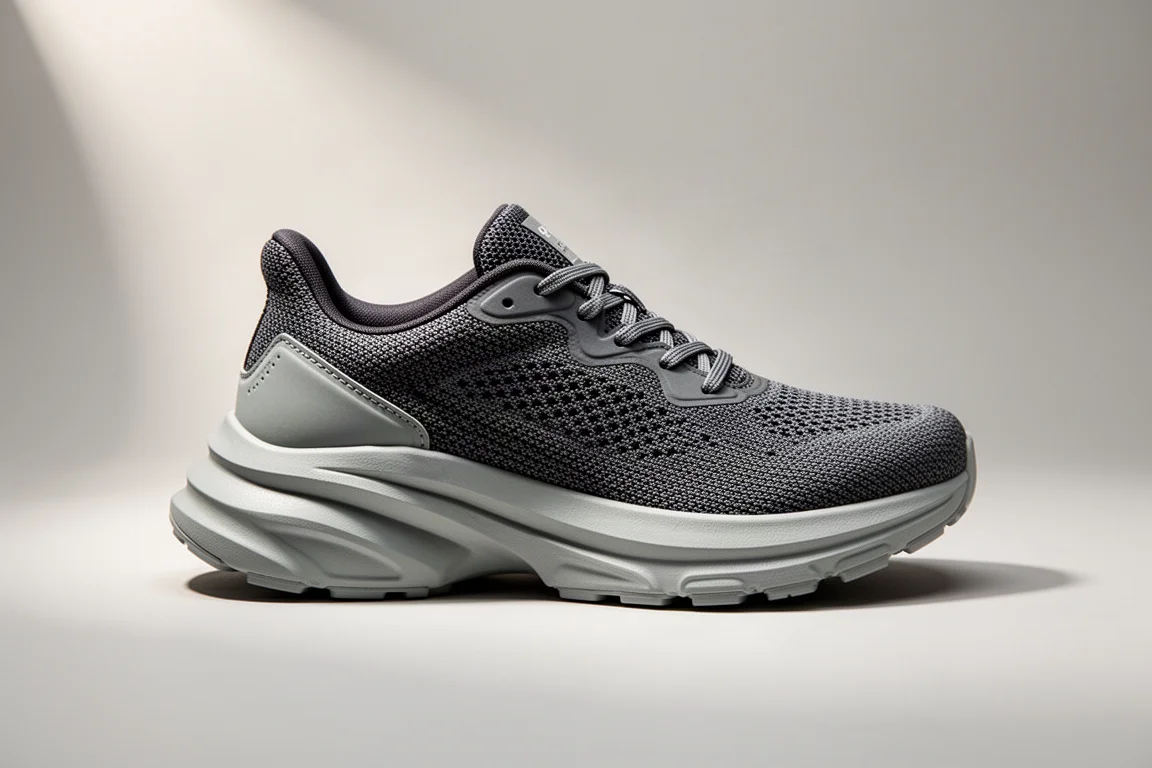
If you are building a rotation from scratch, a super trainer makes sense as the versatile middle shoe between a cushioned daily trainer and a carbon race shoe. If you already own older carbon shoes, be honest with yourself: those are often cheaper now and may cover your fast sessions just as well.
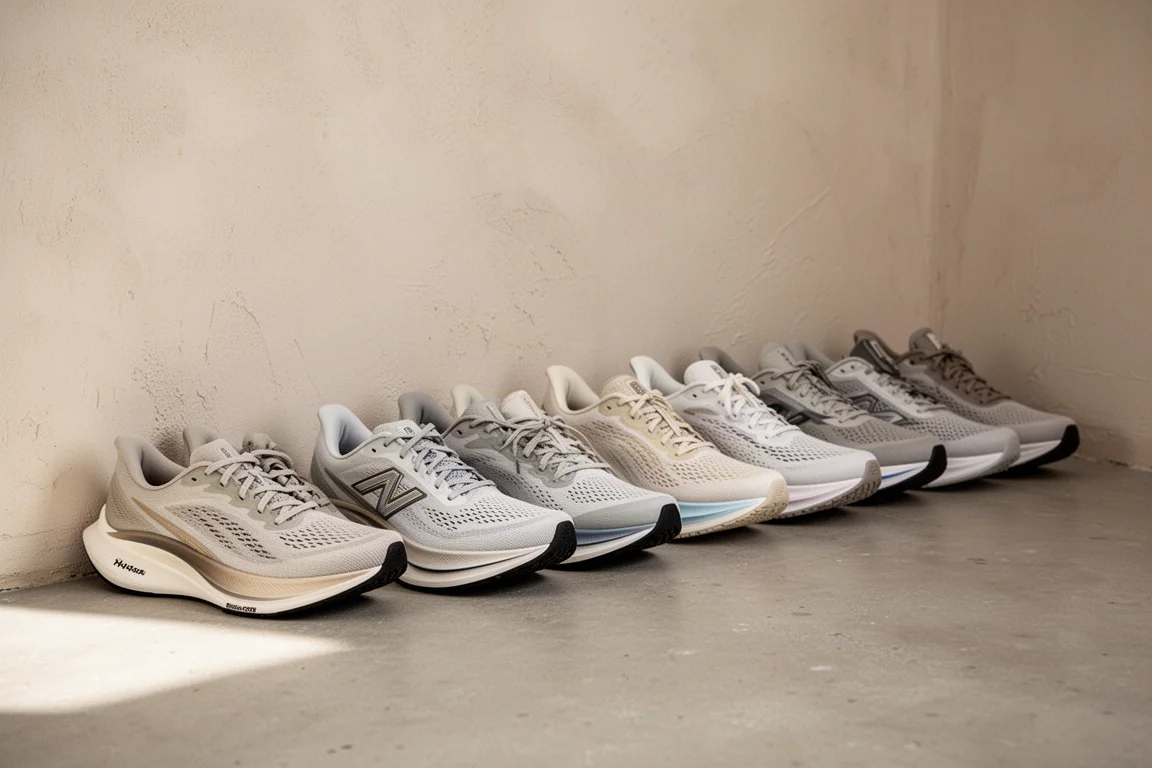
Choose based on what you actually do. For an all-round shoe that can race and recover, the Endorphin Speed 3 is still the safest pick. For maximum fun on daily runs, try the Superblast. For a racy value option, the Boston 12 or Magic Speed 3 fit best. And if you simply want a great trainer without paying for a plate, the Mach 5 proves you can skip the tech entirely.
Conclusion
Super trainers are now a massive part of the running shoe market, and some of the best shoes available sit in this category. But the label alone does not guarantee value. The best of them, like the Endorphin Speed 3, the Superblast, and the Boston 12, earn their price through versatility and feel. The rest can be nice shoes sold at super shoe prices without super shoe performance. Pick the shoe that matches your running, not the marketing.
Further reading
Related Reviews

Running Shoes
Best Road-to-Trail Running Shoes: Three Versatile Options for Mixed Terrain
A practical guide to three road-to-trail running shoes that handle both pavement and mild trails, with clear strengths and trade-offs for different runner types.

Running Shoes
Best Running Shoes for Achilles Tendonitis: Three Options Explained
Three running shoes with different heel drops and support features designed to help reduce Achilles tendon pain during walking and running.

Running Shoes
Best Running Shoes for Women: Five Top Choices Ranked
A ranked guide to five women's running shoes, from versatile daily trainers to high-performance racing options, with real strengths and trade-offs for each.