Running Shoes
Best Super Trainers Head to Head: Puma Deviate Nitro 2 vs Hoka Mach X
Two super trainers built with race-day ingredients for everyday miles. We compare ride, stability, price, and who each shoe suits best.
Introduction
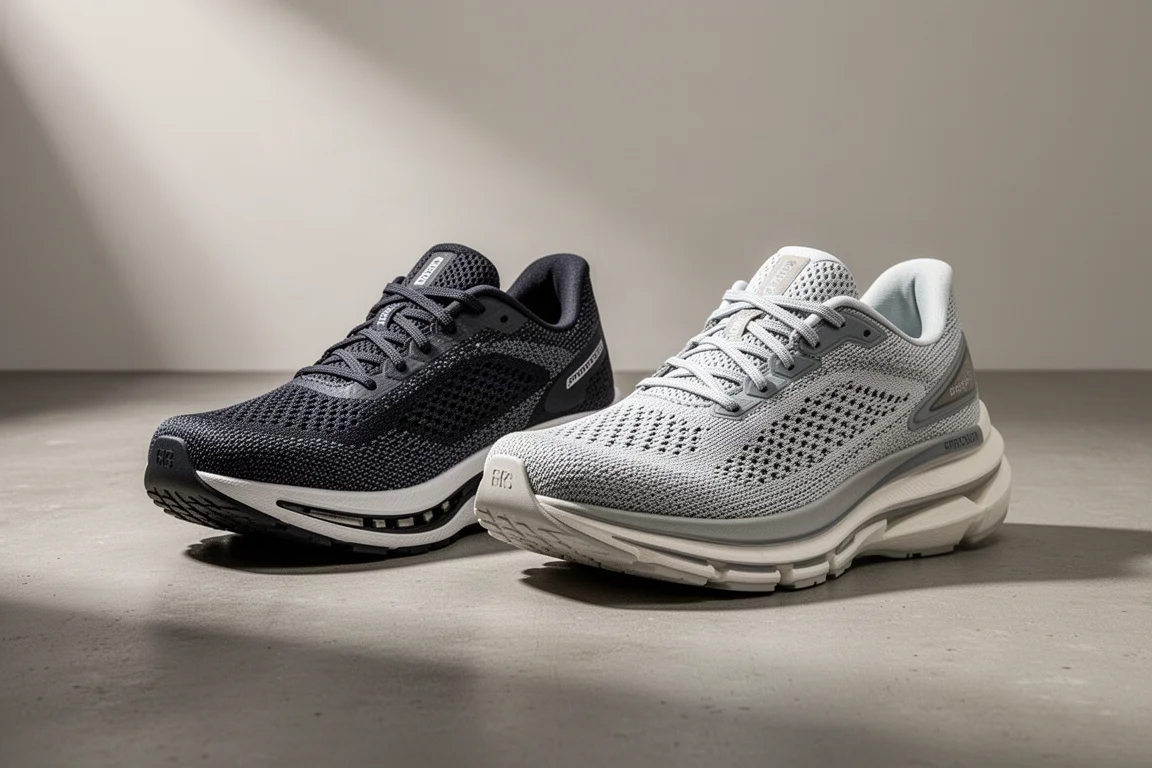
Super trainers have quietly become the most interesting category in running shoes. The idea is simple: take the foam, plate, and underfoot feel from a race-day shoe, then wrap it in a more structured upper with a bit more rubber for durability. The result is a daily trainer that feels genuinely fun at tempo pace instead of just adequate on easy miles.
Two shoes sit near the top of this category right now: the Puma Deviate Nitro 2 and the Hoka Mach X. Both weigh almost nothing between them apart from each other, both mix premium foam with a plate, and both can honestly handle nearly every run on your calendar. The real question is which trade-offs suit your feet and your budget.
What Makes a Super Trainer?
A super trainer typically pairs a fancy, responsive foam with some form of plate, whether that is Pebax, carbon, or another composite. What separates it from a race-day shoe is the packaging: a more structured upper, more rubber underfoot, and a slightly more forgiving overall build.
The payoff is a daily experience that feels more like a tempo shoe. You get the squish and bounce of race-day ingredients, but in a shoe you can lace up every day without worrying about burning through it in a single training block.
Hoka Mach X: Premium Ride, Premium Price
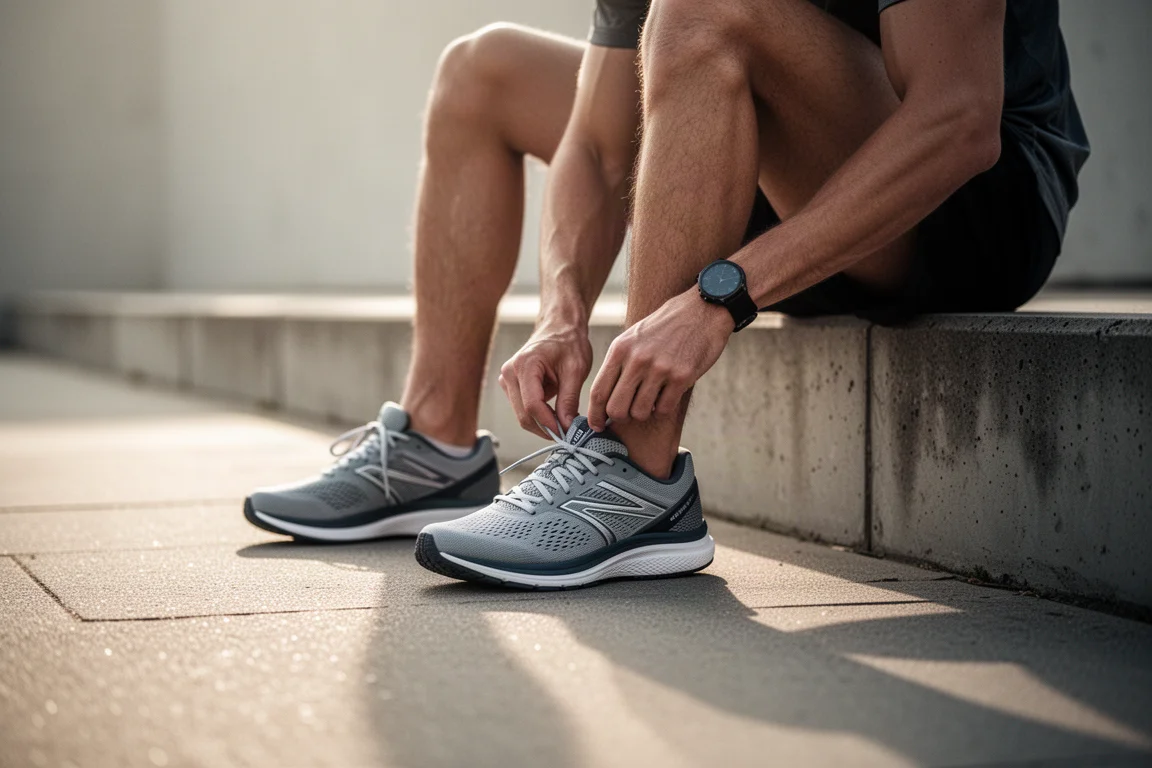
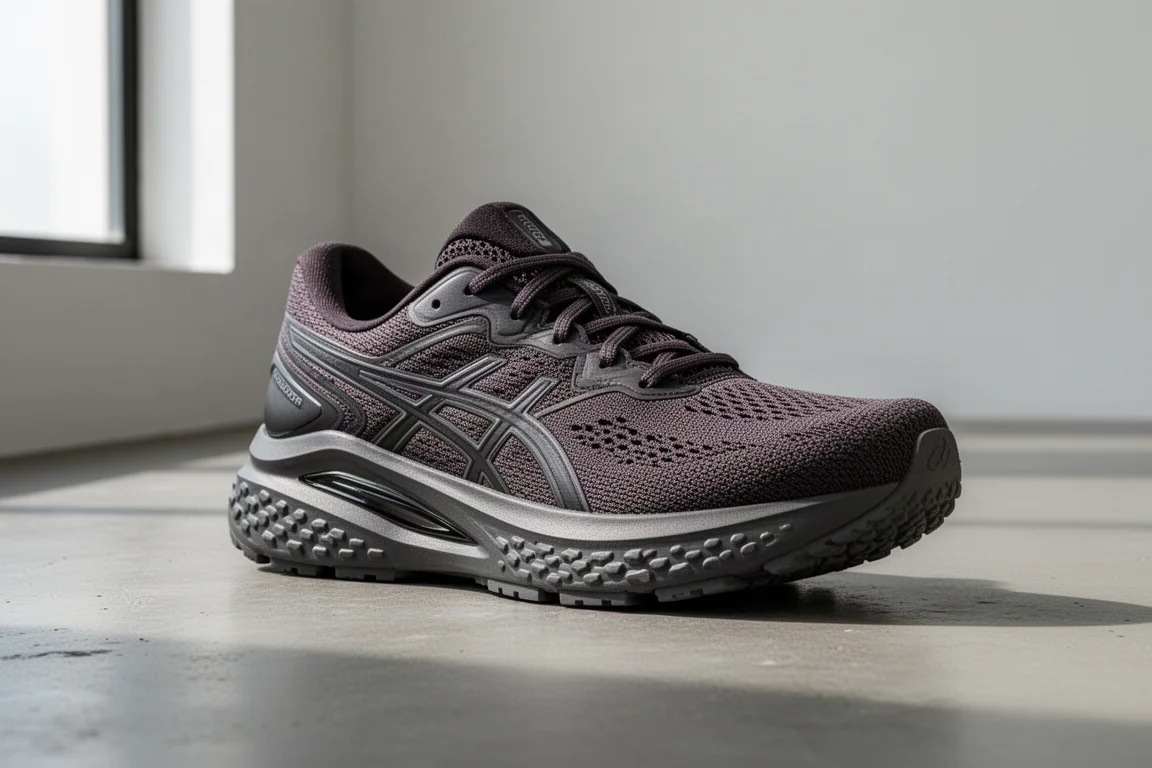
The Hoka Mach X is a fairly recent release, and its construction explains the appeal. A layer of the same responsive PEBA foam used in the Rocket X 2 sits right under the foot, giving you soft bounce and squish exactly where you want it. Beneath that sits a more typical EVA foam, which adds structure and durability and keeps the ride stable. A Pebax plate sits between the two.
The upper is a breathable Jacquard weave with a well-padded collar and heel counter. The platform is notably wide, which makes the Mach X feel impressively stable and accommodating, especially for wider feet. At 7.9 ounces in a women’s US 7.5, it is not a lightweight outlier, but the ride more than makes up for it.
At $180, it carries a higher price than its rival here. You are paying for premium ingredients, though, and the versatility is real: easy runs, steady miles, and pace work all work in this shoe because the Pebax plate keeps the ride lively when you push.
Puma Deviate Nitro 2: Best Value in the Category
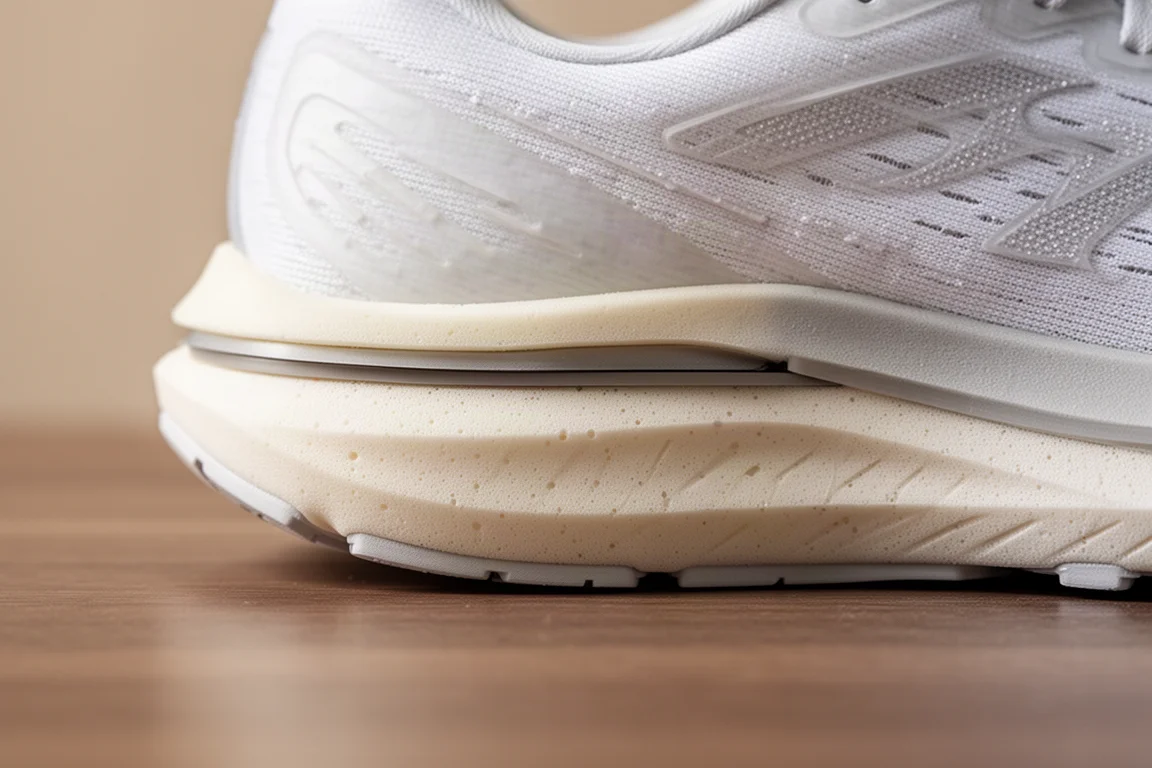
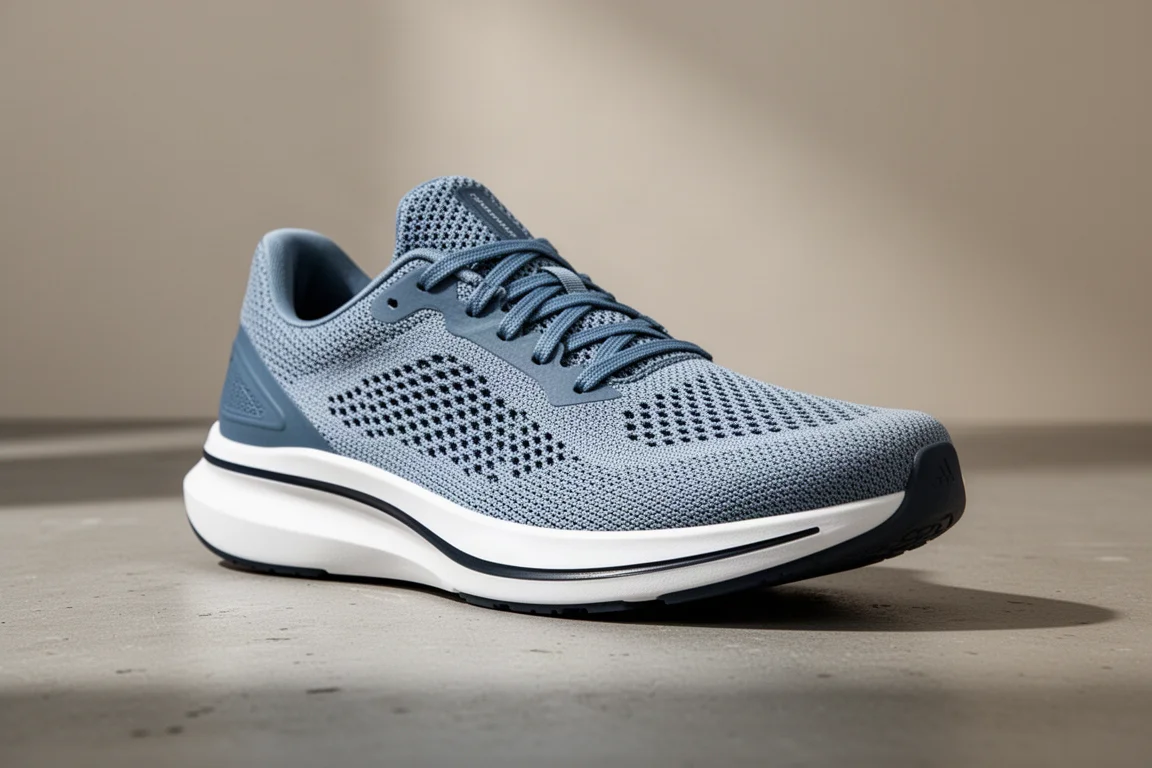
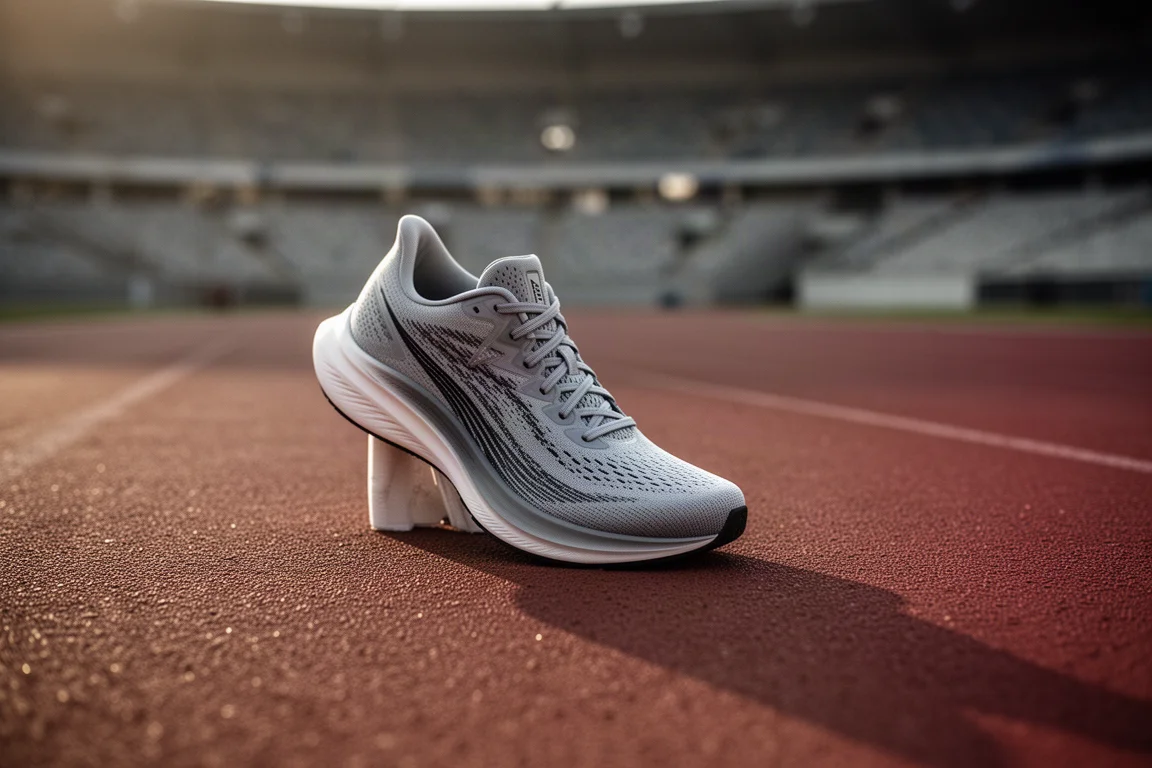
The Puma Deviate Nitro 2 stacks Puma’s Nitro Elite foam, a nitrogen-infused foam rather than PEBA, over a denser layer of regular Nitro foam. Between them sits a carbon-infused plate. Note the wording: this is not a full carbon plate. It is a step-down plate, mixing carbon with a material like Pebax or TPU to add strength and rigidity without the aggressive geometry of a premium race plate.
The traditional foam underneath gives this shoe a more stable feel through the heel, and the structured upper, which resembles a Jacquard weave, is breathable and comfortable with a traditional fit. The PumaGrip rubber outsole is a genuine highlight and holds up well on wet surfaces.
At $160, this is the value pick, though “bargain” undersells it. You get squish, bounce, and responsiveness in a shoe that feels good from the first step and should hold up over serious mileage. It came in at 7.8 ounces in a women’s US 7.5, essentially identical to the Hoka.
Head to Head: How Close Are They?
Extremely close, it turns out. The weights are nearly identical, the constructions follow the same formula of premium foam over a denser base with a plate in between, and both uppers are breathable and well structured. Both shoes can genuinely do everything from easy recovery miles to faster tempo work.
The differences come down to feel and fit. The Mach X has a wider, more stable platform and accommodates wider feet better. The Deviate Nitro 2 counters with a lower price, a grippy outsole, and a ride that many testers placed among the best daily trainers available.
Buying Advice: Which One Should You Pick?
Neither pick is wrong here. One tester leaned toward the Mach X for its stability, wide platform, and roomier fit for wider feet. The other went with the Deviate Nitro 2, citing the price and the sheer amount of shoe you get for the money, placing it in the top tier of daily trainers overall.
One clarification on expectations: neither shoe is a race-day pick. If you want to race a 5K or 10K, a dedicated racing shoe is the better tool. These are daily trainers with tempo-day capability, and that is exactly how they shine.
If budget matters most, the Puma delivers essentially the same kind of ride for $20 less and should last. If stability and a wider fit matter more, the Hoka justifies its premium.
Conclusion
The Puma Deviate Nitro 2 and Hoka Mach X prove that super trainers can deliver race-day ingredients in a package built for everyday mileage. The Hoka wins on stability and fit accommodation, the Puma wins on value and outsole grip, and both are easy shoes to recommend. Pick based on your fit needs and budget, and you will be happy either way.
Further reading
Related Reviews

Running Shoes
Best Road-to-Trail Running Shoes: Three Versatile Options for Mixed Terrain
A practical guide to three road-to-trail running shoes that handle both pavement and mild trails, with clear strengths and trade-offs for different runner types.

Running Shoes
Best Running Shoes for Achilles Tendonitis: Three Options Explained
Three running shoes with different heel drops and support features designed to help reduce Achilles tendon pain during walking and running.

Running Shoes
Best Running Shoes for Women: Five Top Choices Ranked
A ranked guide to five women's running shoes, from versatile daily trainers to high-performance racing options, with real strengths and trade-offs for each.