Running Shoes
Best Super Trainers 2026: Five Daily Performance Shoes Compared
Five performance daily trainers with distinct personalities, from geometry-first rockers to max-cushion foam monsters, and who each one is really for.
Introduction
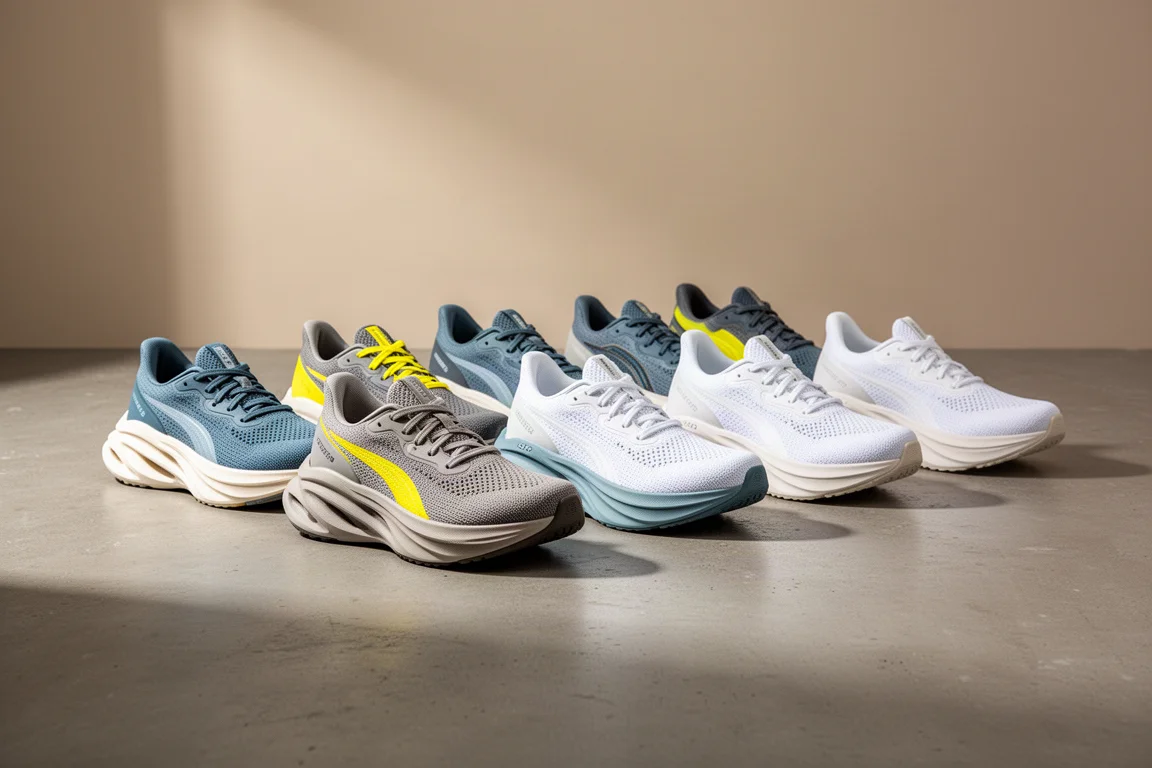
The “super trainer” category used to be simple: one shoe that could do easy miles, long runs, and even the odd workout. In 2026 it is anything but simple. The market has split into geometry-first daily trainers, max-cushion mile-eaters, and speed-capable hybrids that blur every line.
We tested and discussed five of the most talked-about shoes in this space: the Saucony Endorphin Azura, Asics Superblast 3, Asics Megablast, Adidas Adizero Evo SL, and Saucony Endorphin Pro 4. Each one has a clear identity, and picking between them depends far more on your stride and training phase than on any spec sheet.
Evaluation Criteria
We judge these shoes on four things: foam quality and bounce, geometry and rocker character, stability under fatigue, and speed capability. A great super trainer should be protective enough for long runs yet energetic enough to pick up the pace without fighting the shoe.
Stack height matters here too, though not as an absolute. Some of us now find it hard to commit to anything under around 38 mm for daily rotation, while others happily keep a lower, faster shoe around for hill sprints and short intervals.

One underrated factor is what we call shoe-training-cycle fit. The same shoe can feel brilliant during a fitness building phase and forgettable during heavy marathon-specific work, so consider where your training currently sits before buying.
Saucony Endorphin Azura: Geometry First
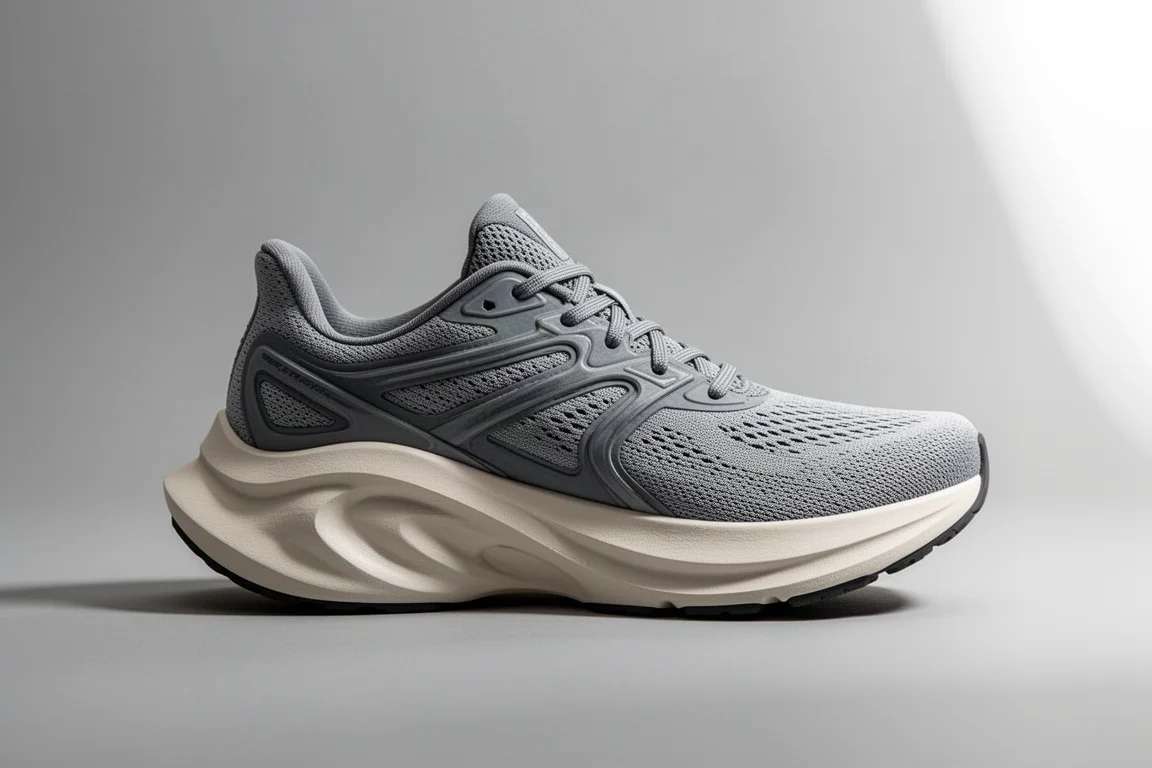
The Endorphin Azura is the most geometry-driven shoe of the group. Its PWRRUN PB midsole is a tried-and-true formula rather than the star of the show, but the aggressive rocker and stable, robust platform make it feel like a shoe built to progress through paces. Start easy, shift gears, and it rewards you all the way down.
At $150 it undercuts many daily trainers while offering a genuine step up from standard offerings. It runs a little long, and that extra forefoot room is a plus if you are prone to extensor tendonitis or just like space up front. The foam is not super compressive; it rebounds sharply, more like a tennis ball than a marshmallow, and it needs a forefoot-leaning stride to feel its best. If you want excitement in the foam, the Megablast is worth the extra money, but if you value a protective, reliable ride, this is a huge step up from typical daily trainers at a similar or lower price.
Asics Superblast 3: The Big Stable Mile-Eater
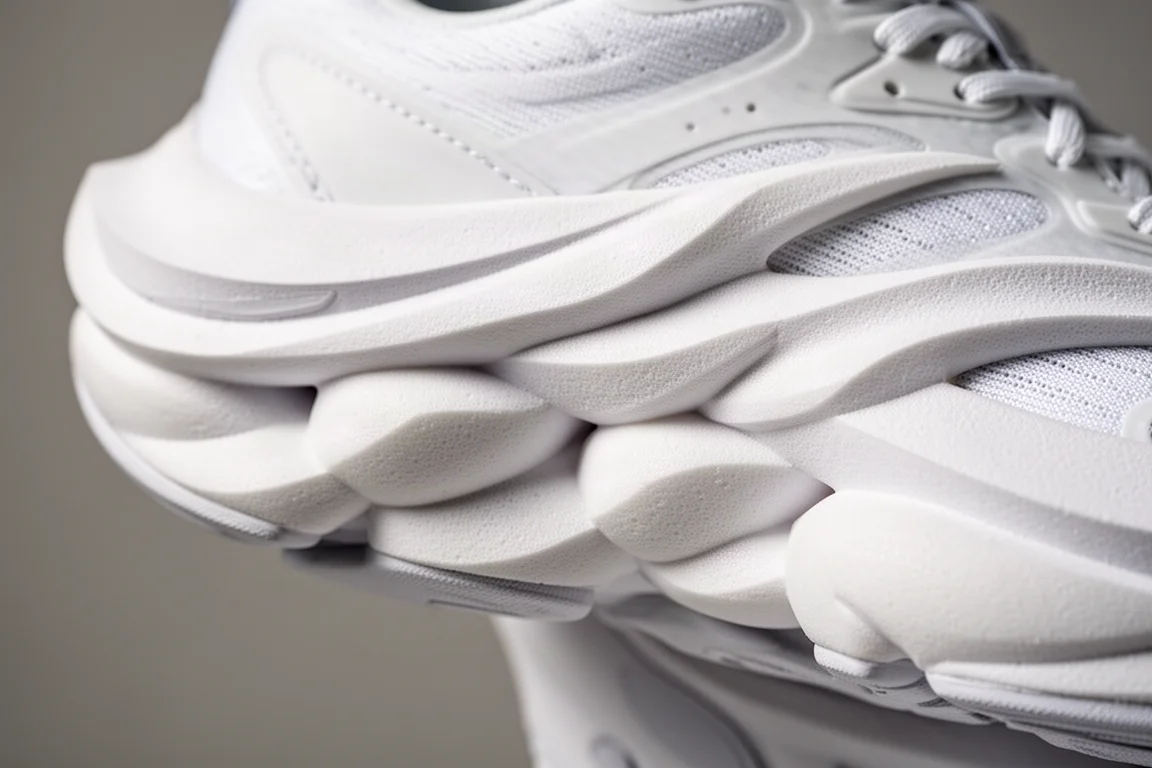
The Superblast 3 surprised us. FF Leap on the top layer is genuinely soft, the real thing rather than a diluted version, and Asics paired it with a much larger quotient of FF Blast Plus underneath, around 30 mm at the bottom plus extra in the heel, specifically to add stability. The result is a shoe that feels like the best version of the Novablast: softer, bouncier, very stable in the back, and comfortable in a way the first two versions never were.
The classic Superblast chop is still there in the firm lower layer. Some runners love that four-foot bounce when they hit it right; others get the stuck-in-mud feel if they let the heel land and do not push off cleanly through the forefoot. It is a biomechanical lottery, so try before committing if you can. Best use case: daily miles, recovery runs, and relaxed long runs. At faster paces the big stack works against it, though the energetic FF Blast partially compensates.

The upper is the best Asics has put on this shoe, with the Nimbus lacing system, a thin tongue, flat laces that avoid lace bite, decent volume for slightly wider feet, and a genuinely comfortable heel. If you loved the Novablast, this is the long-run version of it.
Asics Megablast: The Speed-Capable Benchmark
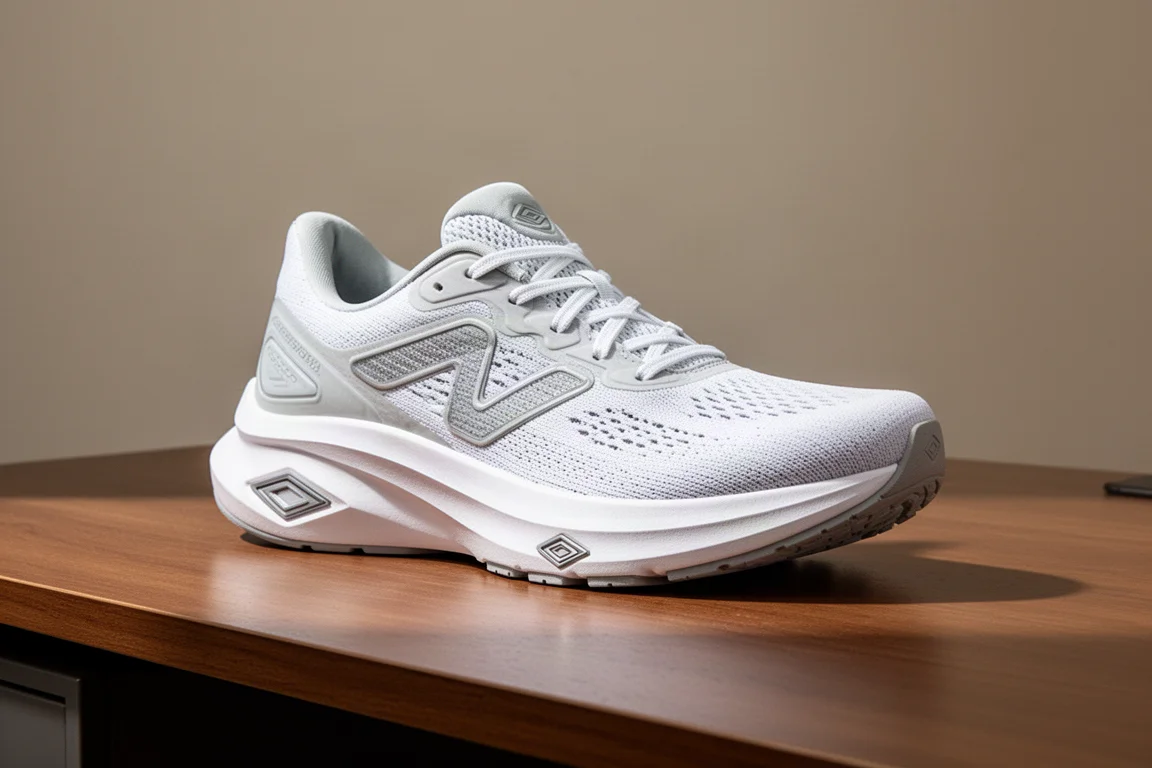
Objectively, the Megablast is arguably the best super trainer ever made. What separates it from everything else is that the bounce comes from the foam itself rather than the geometry. Put an ordinary foam in the Megablast’s shape and you would get something like a Nimbus; put almost any foam in the Azura’s rocker and it would still ride similarly. That is how good the FF Leap here really is.
It is a big, wide shoe with serious foam underfoot, but it stays light and peppy when you get on the forefoot. Speed capability and long-run capability together are what define a true super trainer, and the Megablast is the shoe that defines the category right now. One caveat: the upper fit is divisive, with some runners getting lace bite when locking it down while others find the roomy fit ideal. If your training includes race-pace work alongside everyday miles, this is the safest premium pick in the category.
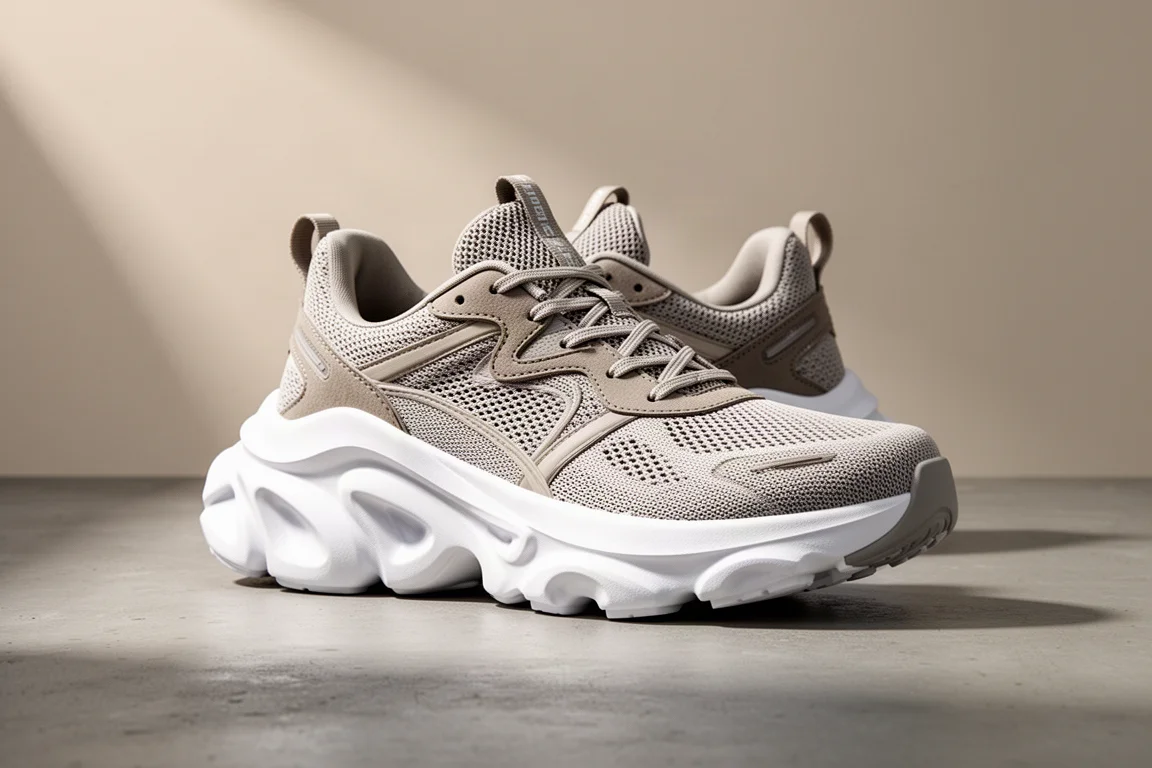
Adidas Adizero Evo SL: The Steady Daily Specialist
The Evo SL resists the super trainer label, and after 700 miles across three pairs, our verdict is that it is better understood as a straight-up daily trainer. Its sweet spot is aerobic to moderate effort, roughly 9:00 down to 7:30 per mile pace. Push it into the low sevens and sixes and you will want something with more aggression or a plate.
It belongs to the same family as the Azura: an ultimate progression-run shoe where you start slow and finish fast. Neither is quite a super trainer in the truest sense, but both are excellent at what they actually do. The Evo SL has earned a devoted following, and the ride is smooth enough that some runners happily do nearly all their miles in it. Note that the model line has expanded into many variants, which has made choosing between them genuinely confusing, so double-check exactly which version you are ordering.
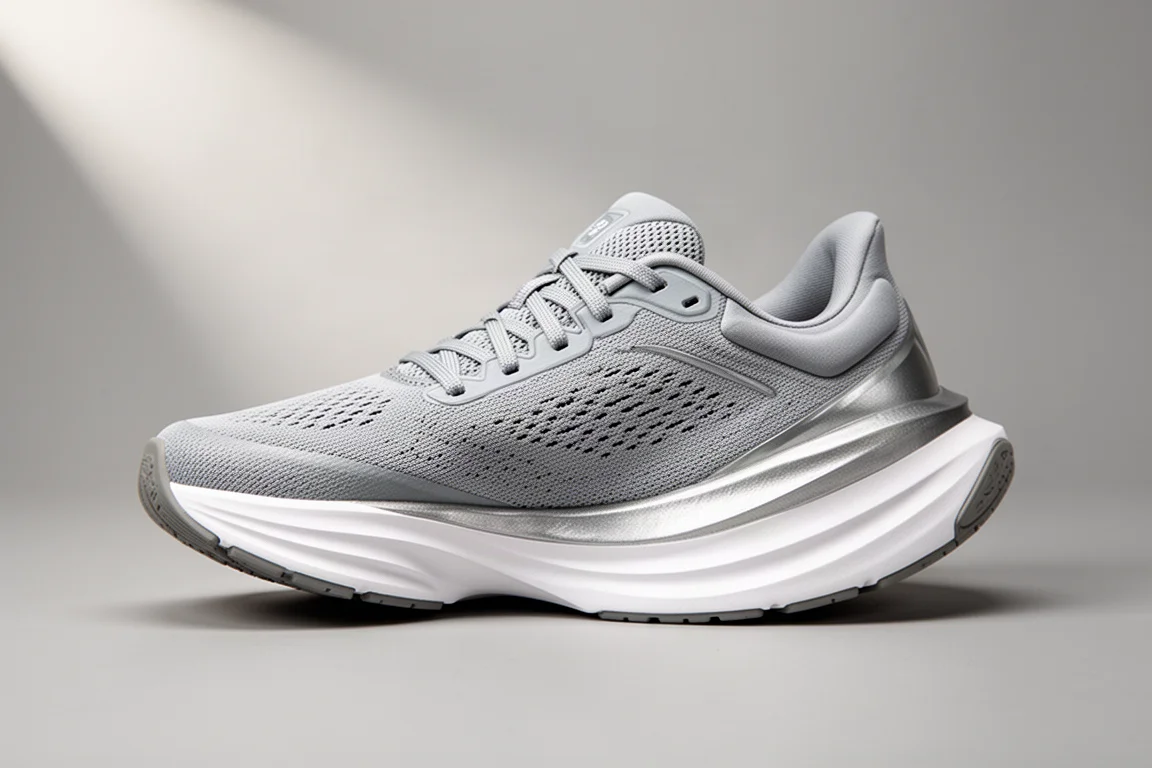
Saucony Endorphin Pro 4: Fast-Only Hardware
The Endorphin Pro 4 is not a daily trainer and should not be bought as one. It requires you to be genuinely running fast and up on the forefoot for it to feel good at all, and it feels noticeably firmer than the Endorphin Speed shoes. Landing flat at slower cadences turns it into a stiff, unforgiving shoe.

For runners who like firm, snappy race hardware and can power it properly, it works well for tempo days and sessions where the pace stays high. It is not a comfort-first choice and not a beginner’s shoe, since step-in comfort is minimal. If you gravitate toward softer platforms, look elsewhere in this list; if you want a plated shoe that only wakes up when you do, this is exactly that.
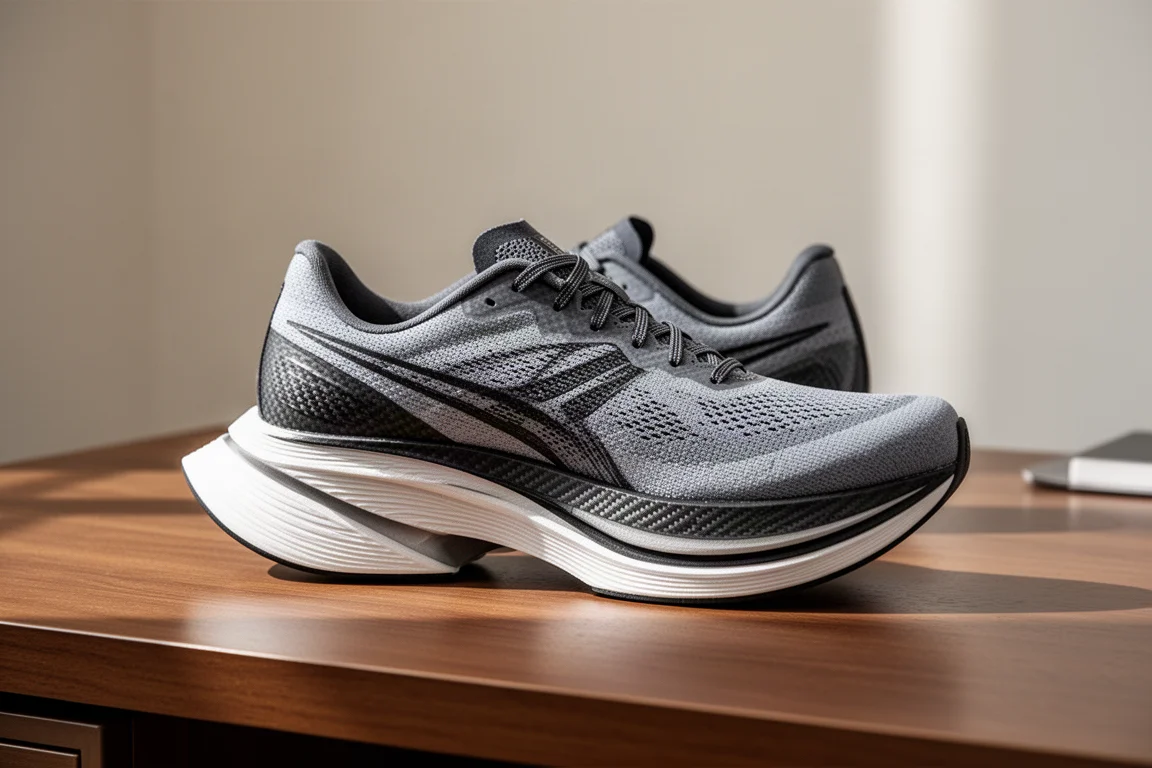
Which One Should You Buy?
If you want one premium shoe that can genuinely do everything from long runs to race-pace work, the Megablast is the benchmark. If you want maximum comfort and stability for daily miles and relaxed long runs, the Superblast 3 is the most comfortable version of that formula yet. If your budget sits around $150 and you love an aggressive rocker that shifts through paces, the Azura is exceptional value. If you mostly run steady aerobic miles, the Evo SL remains a superb dedicated daily trainer. And if you only want something for fast sessions, the Pro 4 rewards committed forefoot running.
A final note on fit: the Azura runs slightly long, so check sizing carefully if you are between sizes, while the Megablast’s upper may not suit anyone between two fit preferences.
Conclusion
There is no single best super trainer in 2026, because the category has splintered into shoes that specialize. Match the shoe to your stride, your long-run pace, and your current training cycle, and any of these five can earn a permanent spot in the rotation.
Further reading
Related Reviews
Running Shoes
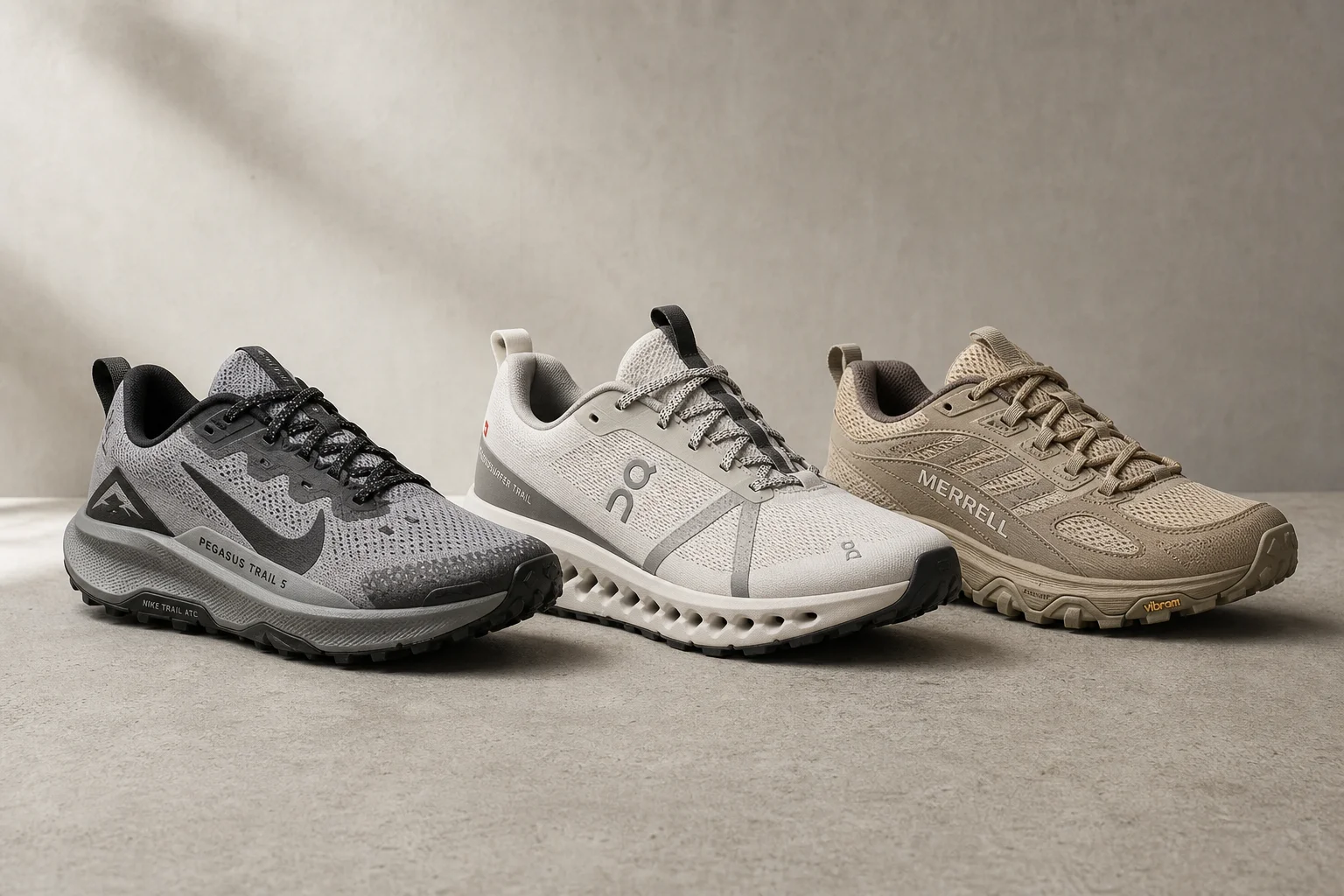
Best Road-to-Trail Running Shoes: Three Versatile Options for Mixed Terrain
A practical guide to three road-to-trail running shoes that handle both pavement and mild trails, with clear strengths and trade-offs for different runner types.
Running Shoes
Best Running Shoes for Achilles Tendonitis: Three Options Explained
Three running shoes with different heel drops and support features designed to help reduce Achilles tendon pain during walking and running.
Running Shoes
Best Running Shoes for Women: Five Top Choices Ranked
A ranked guide to five women's running shoes, from versatile daily trainers to high-performance racing options, with real strengths and trade-offs for each.