Running Shoes
Best Super Trainer Running Shoes: 7 Plated Trainers That Sit Between Daily Training and Race Day
A practical look at the super trainer category, what defines it, and seven shoes that meet the criteria, from the Nike Tempo Next% to the Adidas Adizero Boston 12.
Introduction
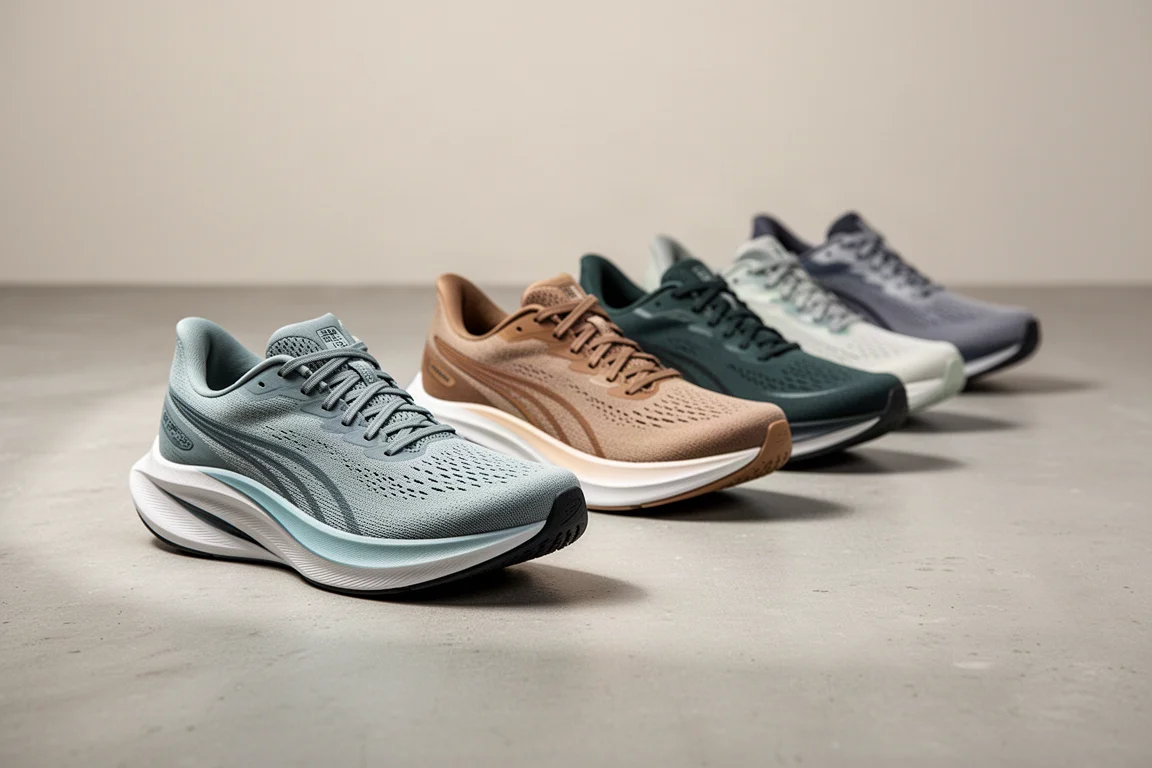
Super trainers have become one of the most talked-about segments in running footwear. They sit in the gap between everyday daily trainers and the marathon racing shoes known as super shoes, promising race-inspired technology in a package that can survive everyday training. The category was pioneered by the Nike Tempo Next% in 2020, and now nearly every major brand has a contender. Here is what defines the category and seven shoes that qualify.
What Makes a Super Trainer a Super Trainer
The working definition comes down to four key elements, with a shoe needing to hit at least three of them to earn the label:
- A plate. This can be a carbon fiber plate, a carbon composite plate, a plastic or nylon plate, or even a midfoot shank. The point is some reinforcement that adds rigidity and pop to the platform.
- Sub-nine-ounce weight. Daily trainers generally fall in the eight to ten ounce range, while speed shoes run six to nine ounces. Super trainers mostly land below nine ounces.
- The brand’s best foam. Whether it is Pebax foam, supercritical EVA, or supercritical TPU, at least one foam in the midsole needs to be top tier. Dual-foam midsoles are common here, but one of the two must be the real deal.
- Shared design DNA with the brand’s racer. Midsole geometry, upper, naming, and overall vibe should carry through from the marathon racing shoe these models are positioned to complement.
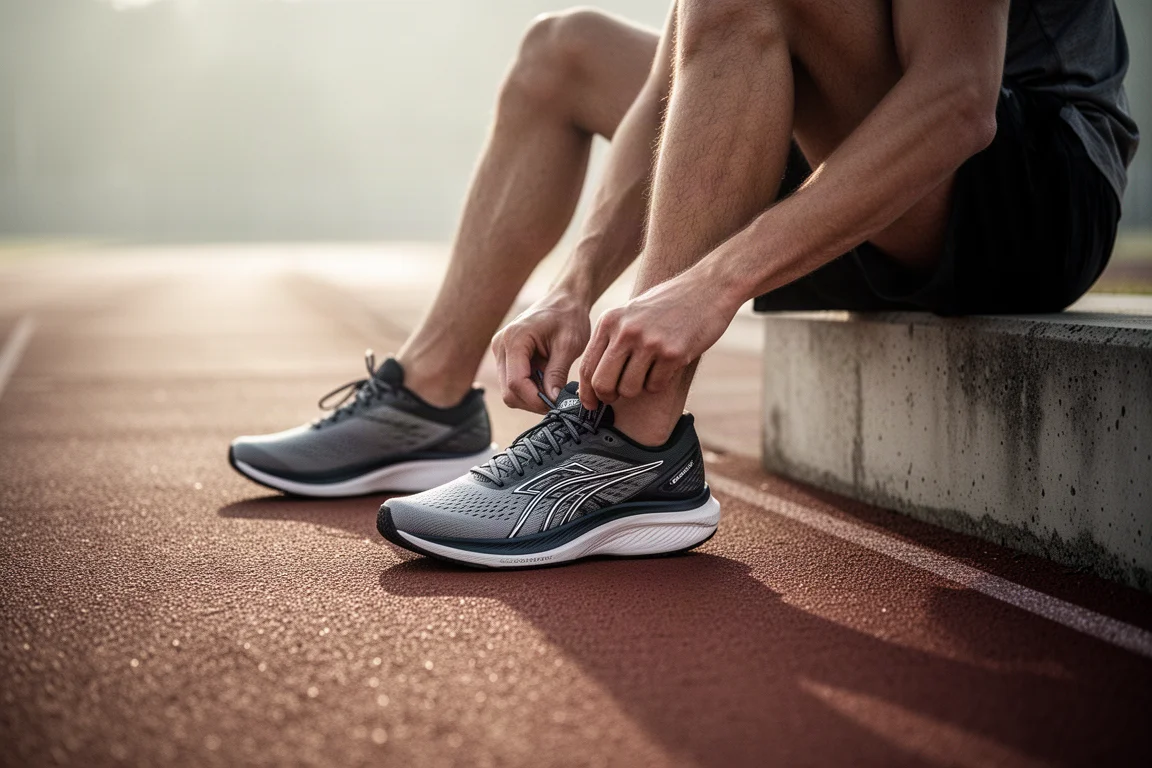
On the daily-trainer side of the equation, super trainers typically bring better durability than pure race shoes, with more substantial outsole coverings that hold up over the long term. They also tend to come in around 50 to 75 dollars cheaper than their super shoe counterparts. Most sit at 200 dollars or below, with the core of the market in the 160 to 180 dollar range. A 250 dollar shoe should not be called a super trainer; at that price you should be racing in it.
The Shoes That Qualify
Against those criteria, here are the seven shoes that make the cut.
Nike Tempo Next%
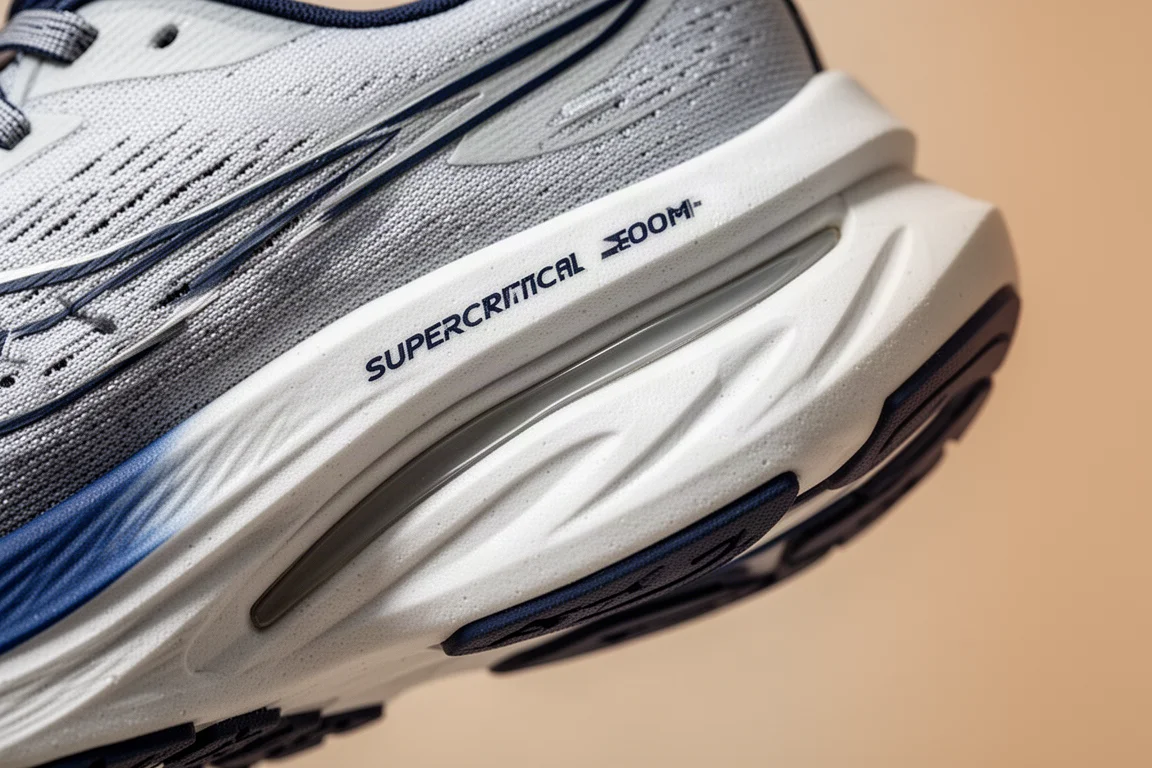
The shoe that started it all. Released in 2020 to replace the Pegasus Turbo, it served as the training companion to the Alphafly and defined the super trainer category. It checks every box: ZoomX Pebax foam, a carbon composite plate, and a sub-nine-ounce weight at 8.9 ounces. As a three-year-old shoe it does not get as much attention as newer releases, but it remains the template for the category.
Saucony Endorphin Speed 3
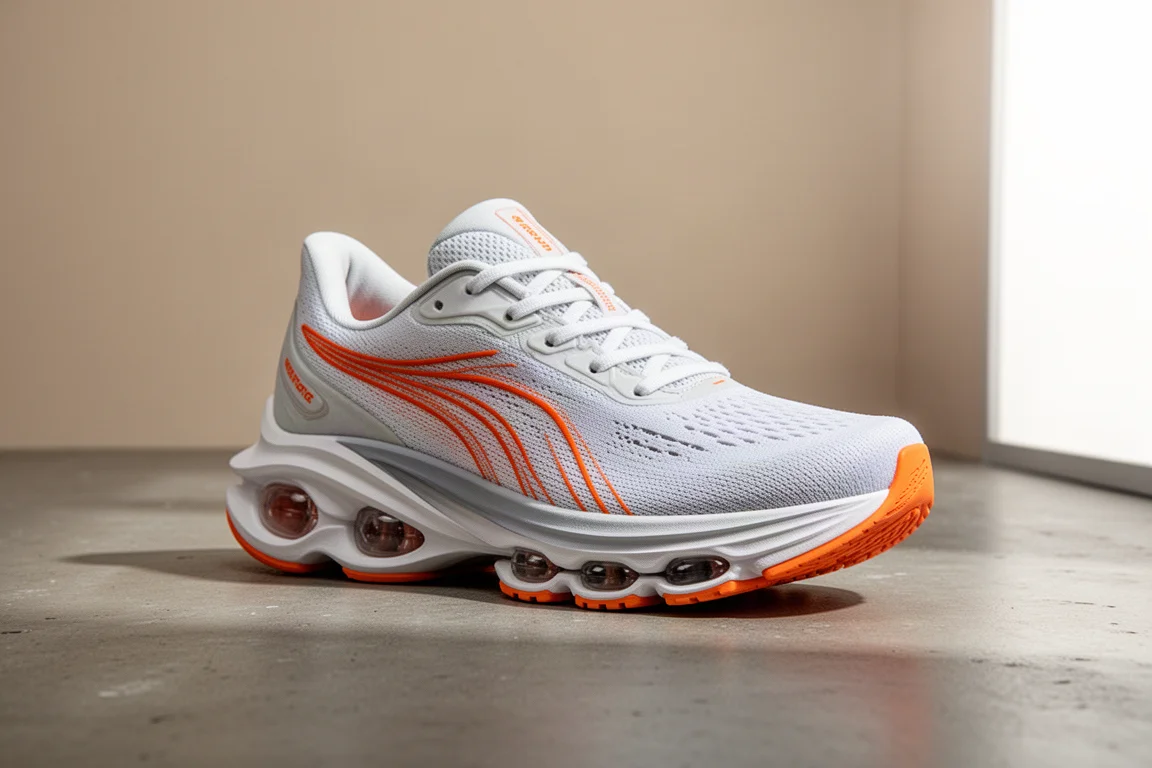
A four-for-four qualifier. It uses Pebax foam, a nylon plate, comes in under nine ounces, and is positioned as the training companion to the Endorphin Pro 3. It is a favorite for faster everyday runs, making the wearer feel faster and snappier without being a dedicated structured-workout tool.
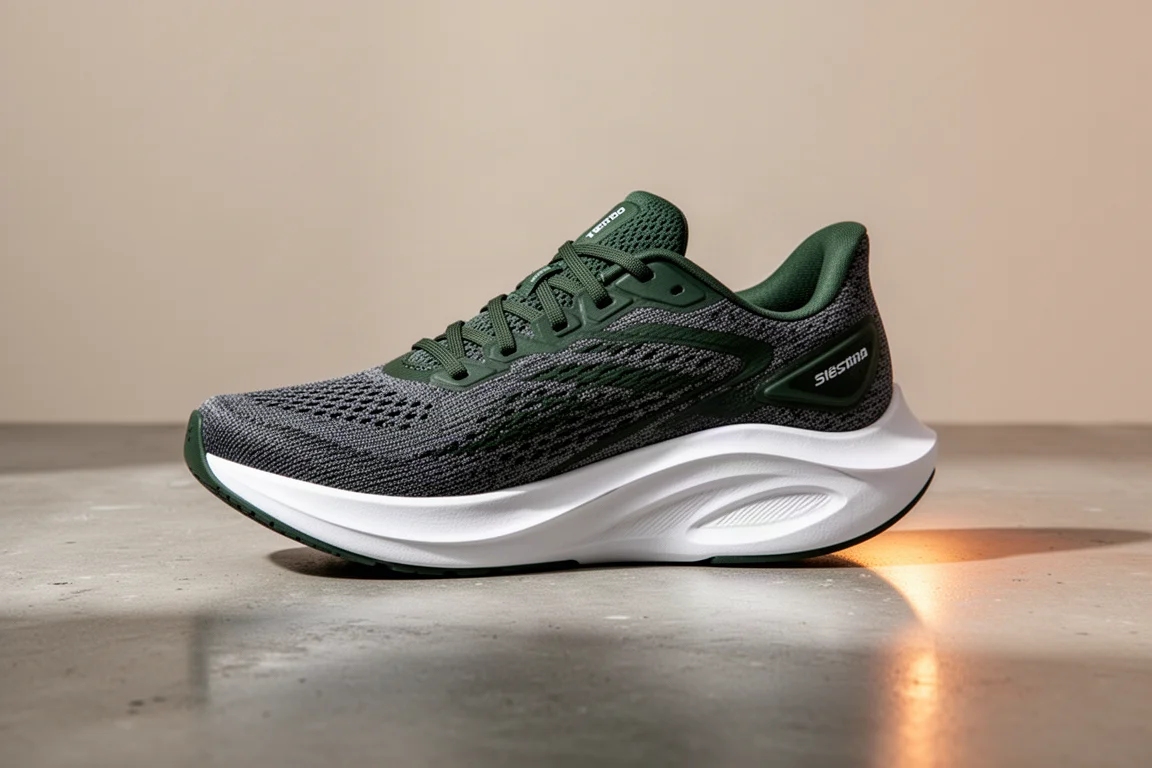
New Balance SC Trainer V2
This one uses the brand’s top-tier FuelCell supercritical TPU foam and a carbon fiber plate, but it misses the sub-nine-ounce weight requirement. Hitting three of the four criteria still earns it super trainer status.
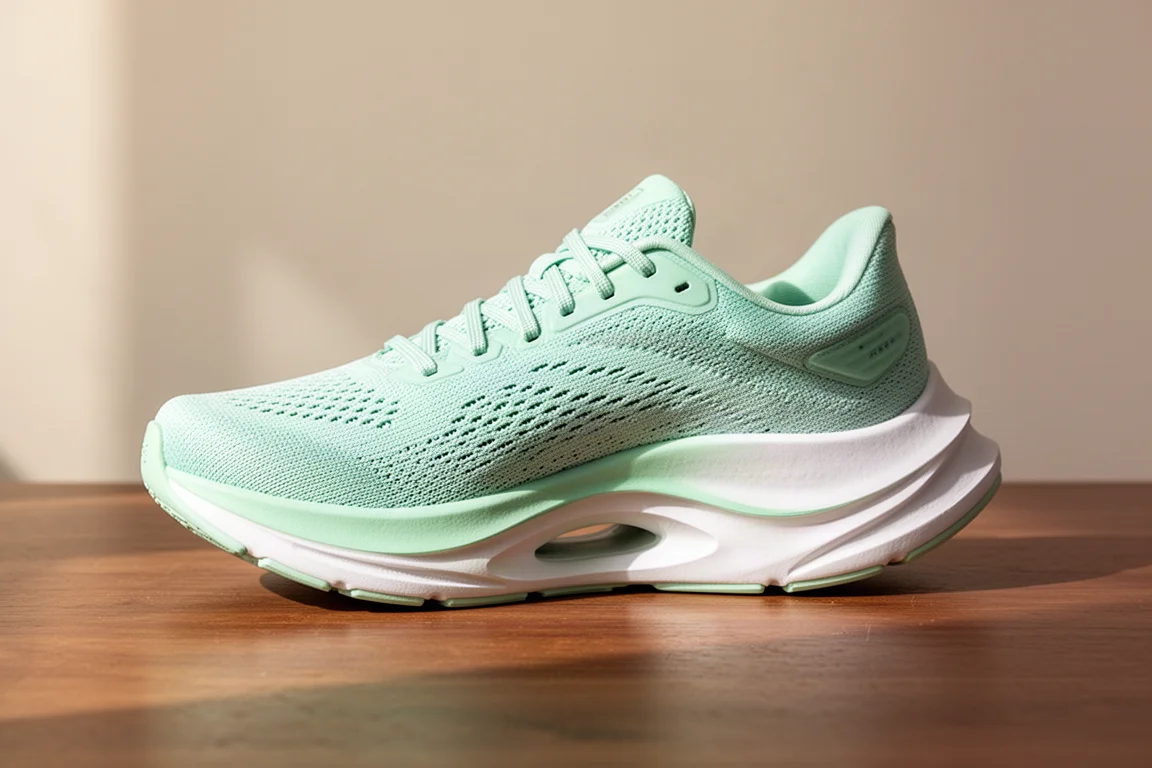
ASICS Magic Speed 3
This shoe has a full-length carbon fiber plate and a sub-nine-ounce weight of 7.7 ounces in a US men’s nine sample size, and it is positioned as a training companion to the MetaSpeed Edge Sky. It lacks the brand’s best foam, but the FF Blast Turbo foam it does carry is among the best on the market today, also found in the Novablast, Nimbus, and Cumulus. It is super soft and responsive, nearly as good as some other brands’ racing foams.
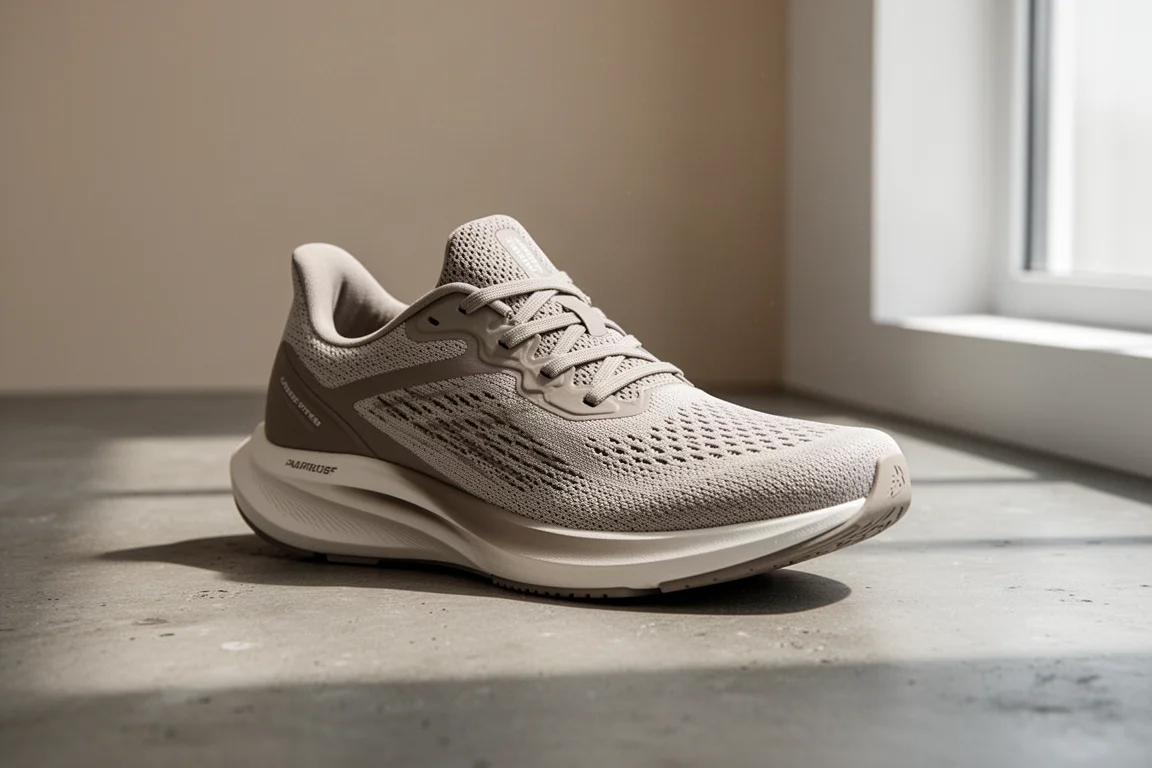
Puma Deviate Nitro 2
A dual-foam midsole here, with one of the foams being the supercritical Pebax-based Nitro Elite. It also carries a carbon plate and mirrors the setup of Puma’s racing shoe, earning it a clear place in the category.
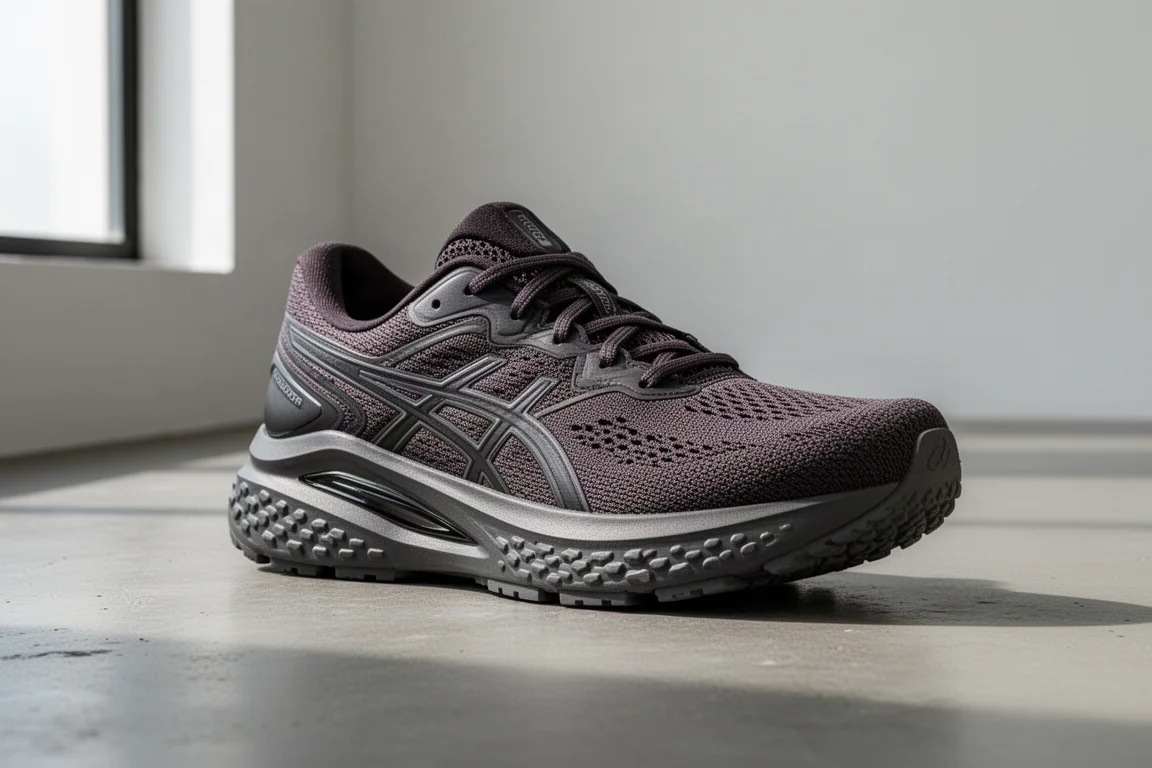
Hoka Mach X
The Mach X uses Pebax foam like the Rocket X 2 and carries a plastic plate. It does not come in under nine ounces and runs a bit on the heavier side, but the plate and foam combination still qualifies it as a super trainer.
Adidas Adizero Boston 12
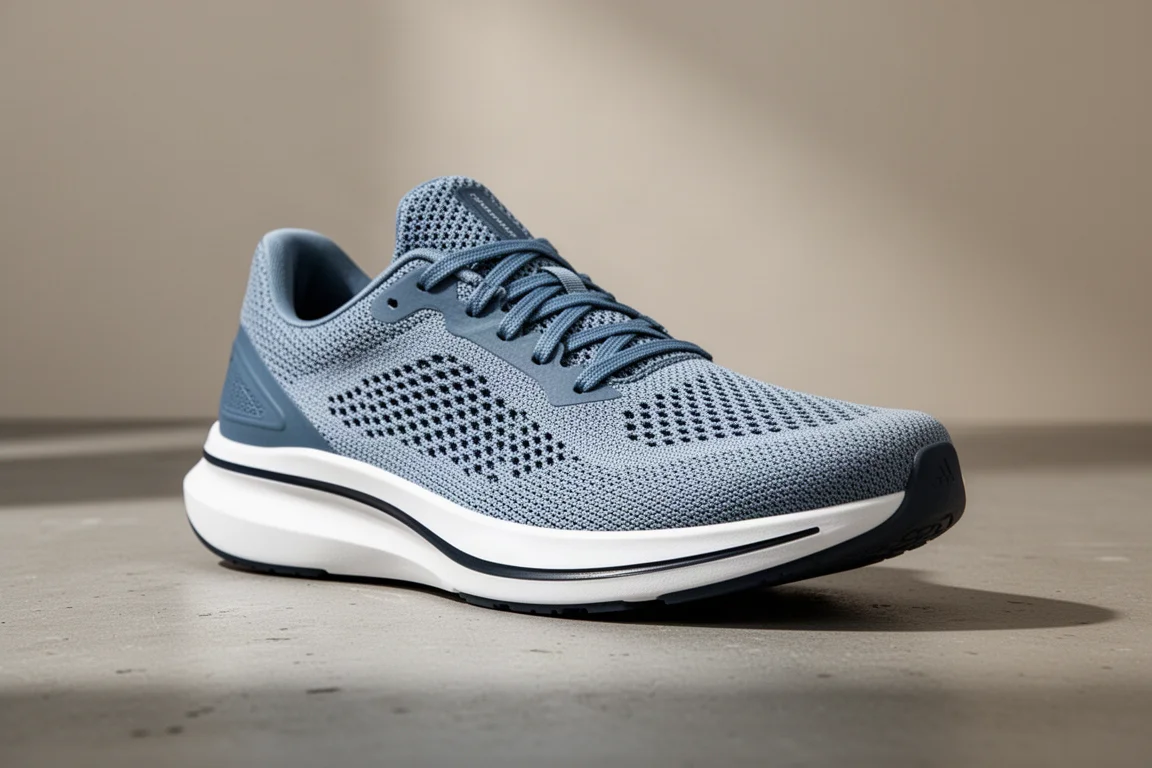
The Boston 12 brings Lightstrike Pro supercritical foam, a plate, and Adidas energy rods, and it is the training companion to the Adizero Adios Pro 3. It weighs in over nine ounces but still qualifies as a super trainer on the strength of its foam, plate, and shared racer DNA.
How to Use Super Trainers in Your Rotation
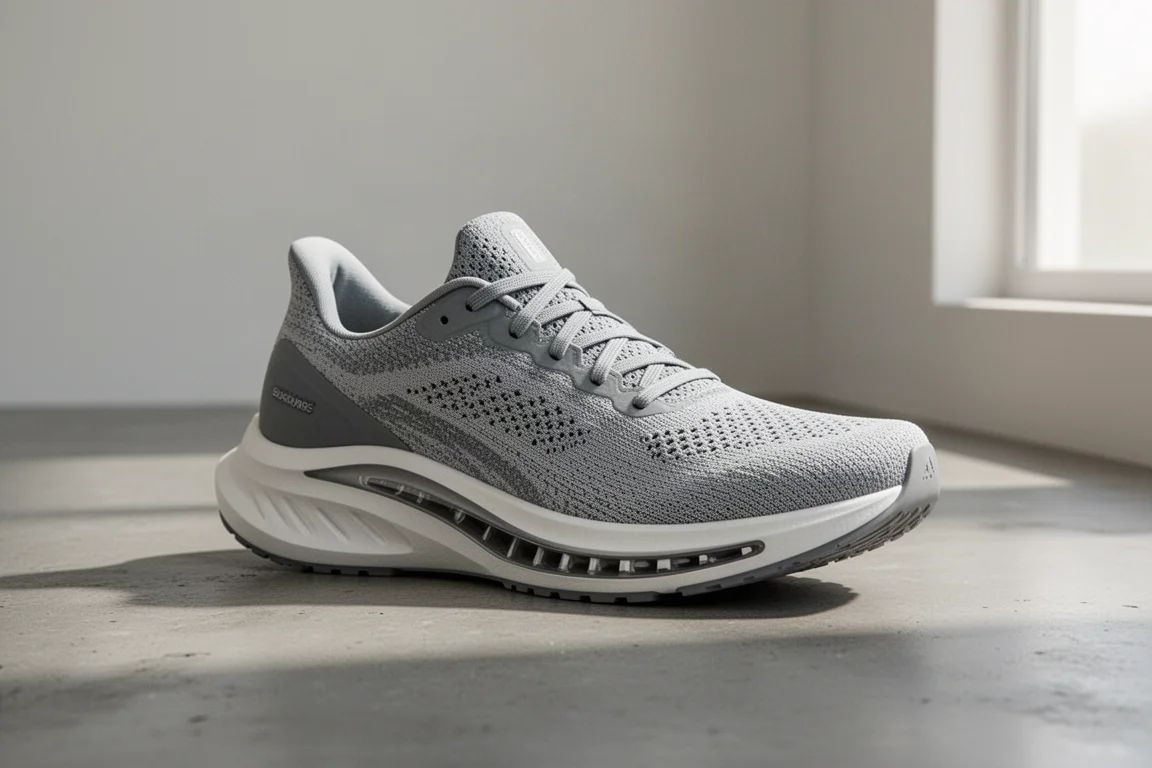
If a super trainer inspires you to get out the door and push a bit more on training days, it may earn its place. A plated shoe like the Endorphin Speed 3 can make faster everyday runs feel snappier, and many runners enjoy that sensation without needing a structured workout. That said, regular training with a mix of plated and non-plated shoes is a sensible approach, and there is no strict need for this market segment to exist at all.
The category emerged because brands saw white space and an opportunity, and once one shoe took off, every brand had to participate. Whether this proves to be a category with lasting staying power or a temporary fad remains to be seen. Carbon plates are clearly here to stay, but that does not mean running in plated shoes every day is necessary.
Overall Buying Advice
If you want one pick from this list, the Saucony Endorphin Speed 3 is the strongest all-rounder for faster everyday running. The Nike Tempo Next% remains a compelling option for those who want the original, especially at its age. For those who do not mind a bit of extra weight, the New Balance SC Trainer V2 and Adidas Adizero Boston 12 deliver premium foam and plate setups, while the ASICS Magic Speed 3, Puma Deviate Nitro 2, and Hoka Mach X each offer their own blend of plate, foam, and racer-derived design.
Whichever direction you go, the practical rule holds: super trainers shine as training companions, not as replacements for a dedicated race shoe, and most of the market sits comfortably in the 160 to 180 dollar sweet spot.
Conclusion
Super trainers occupy a genuine middle ground: race-day technology, everyday durability, and a friendlier price than the marathon racers they imitate. The seven shoes here all meet most or all of the category’s defining criteria, and the best choice depends on whether you prioritize weight, foam feel, or durability in your daily rotation.
Further reading
Related Reviews

Running Shoes
Best Road-to-Trail Running Shoes: Three Versatile Options for Mixed Terrain
A practical guide to three road-to-trail running shoes that handle both pavement and mild trails, with clear strengths and trade-offs for different runner types.

Running Shoes
Best Running Shoes for Achilles Tendonitis: Three Options Explained
Three running shoes with different heel drops and support features designed to help reduce Achilles tendon pain during walking and running.

Running Shoes
Best Running Shoes for Women: Five Top Choices Ranked
A ranked guide to five women's running shoes, from versatile daily trainers to high-performance racing options, with real strengths and trade-offs for each.