Running Shoes
5 Super Trainer and Race Shoe Pairings That Actually Work Together
Five training shoe and race shoe combinations with a similar ride feel, from the Mizuno Wave Rebellion Flash 3 and Hoka Cielo X1 2.0 to the Asics Megablast and Puma Deviate Nitro Elite 3.
Introduction
A good running rotation usually works because your shoes are different: higher and lower stack, softer and firmer, different drops. That variety spreads stress across your body instead of hammering the same muscles and tendons every day.
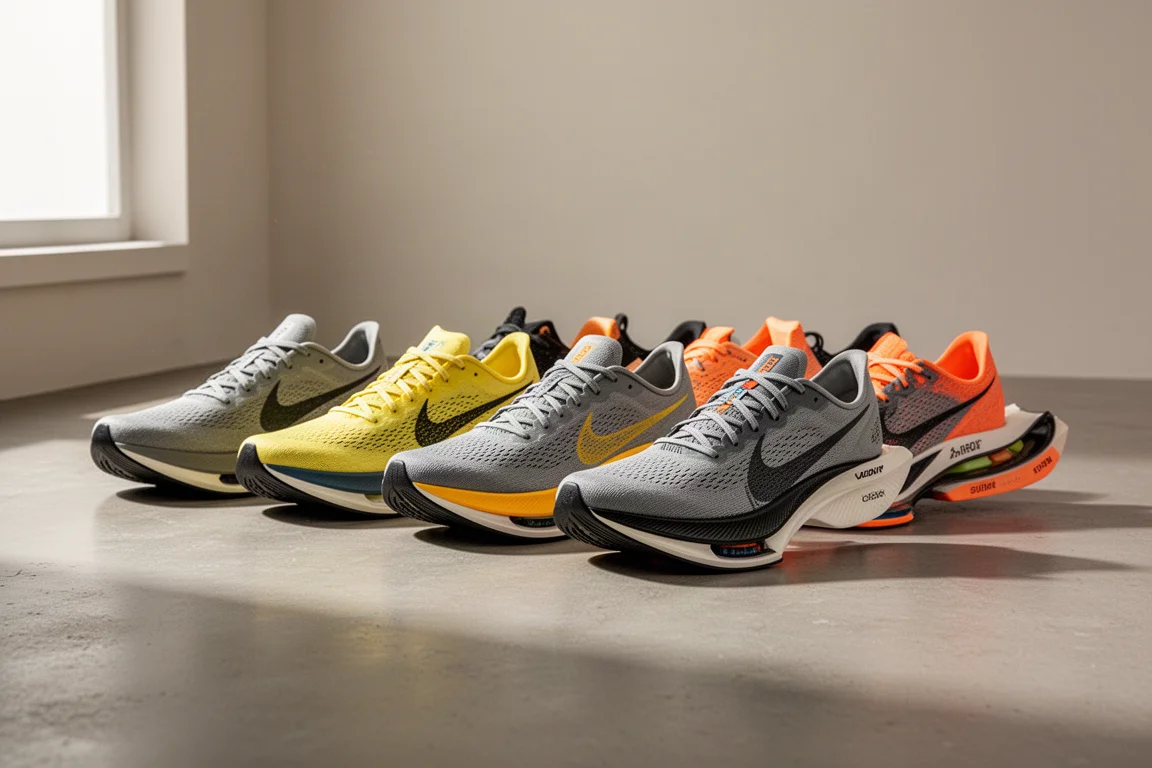
But there is one case where similarity makes sense: pairing a fast super trainer with a race shoe that feels close to it. If you plan to race in a shoe you do not want to log heavy miles in, a trainer with a near-identical ride prepares the same muscles for race day without racking up miles on the racer itself.
Below are five pairings where the trainer and the race shoe genuinely belong together. They are not ranked in order of quality; each suits a different type of runner.
The Case for Matching Ride Feel
Most of the time, deliberately duplicating ride feel in a rotation is a mistake. You want your calves to feel one way after a hard 5K workout and another way after a recovery run, not the same every day.
The exception is race-day preparation. A trainer that mimics your race shoe’s stack, rocker, and foam feel trains the exact mechanics and muscles you will use when it counts, while keeping the race shoe fresh. Every pairing below was chosen because the two shoes share geometry, foam character, and landing behavior.
The Cushion Cruiser: Mizuno Wave Rebellion Flash 3 and Hoka Cielo X1 2.0
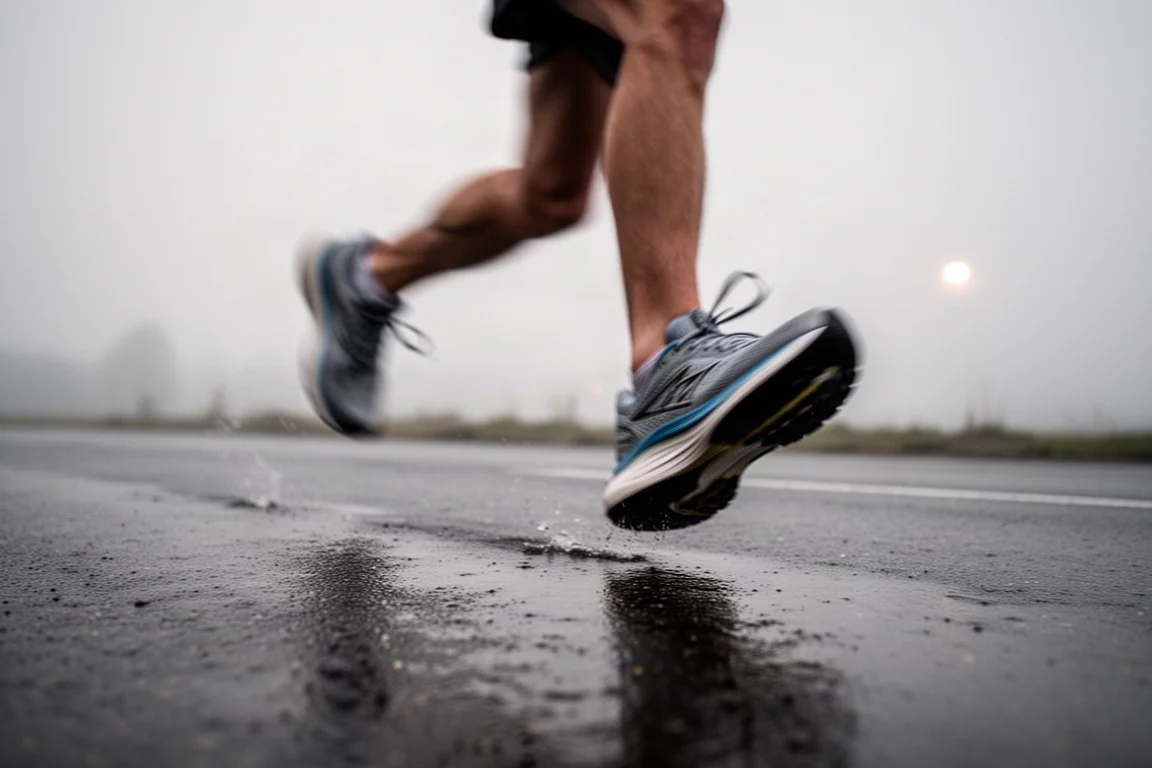
This was the pairing that inspired the whole list. The Mizuno Wave Rebellion Flash 3 and the Hoka Cielo X1 2.0 share a big stack of foam through the midfoot, an aggressive heel bevel rocker, and lots of cushion. Run in one, then the other, and the experience is nearly identical.
The Flash 3 is a no-plate feel shoe with generous forefoot cushion that stays fun, floaty, and cruisy at easy paces yet comes alive when you push. The Cielo X1 2.0 is the race shoe of the pair, but the Flash 3 may even feel better at genuine speed. If you race in the Cielo X1 2.0, the Flash 3 is the obvious training companion: a fast, cushioned shoe that prepares you for the race-day feel without touching your race-day shoe.
The Tank Pairing: Brooks Hyperion Max 3 and Asics Metaspeed Sky Tokyo
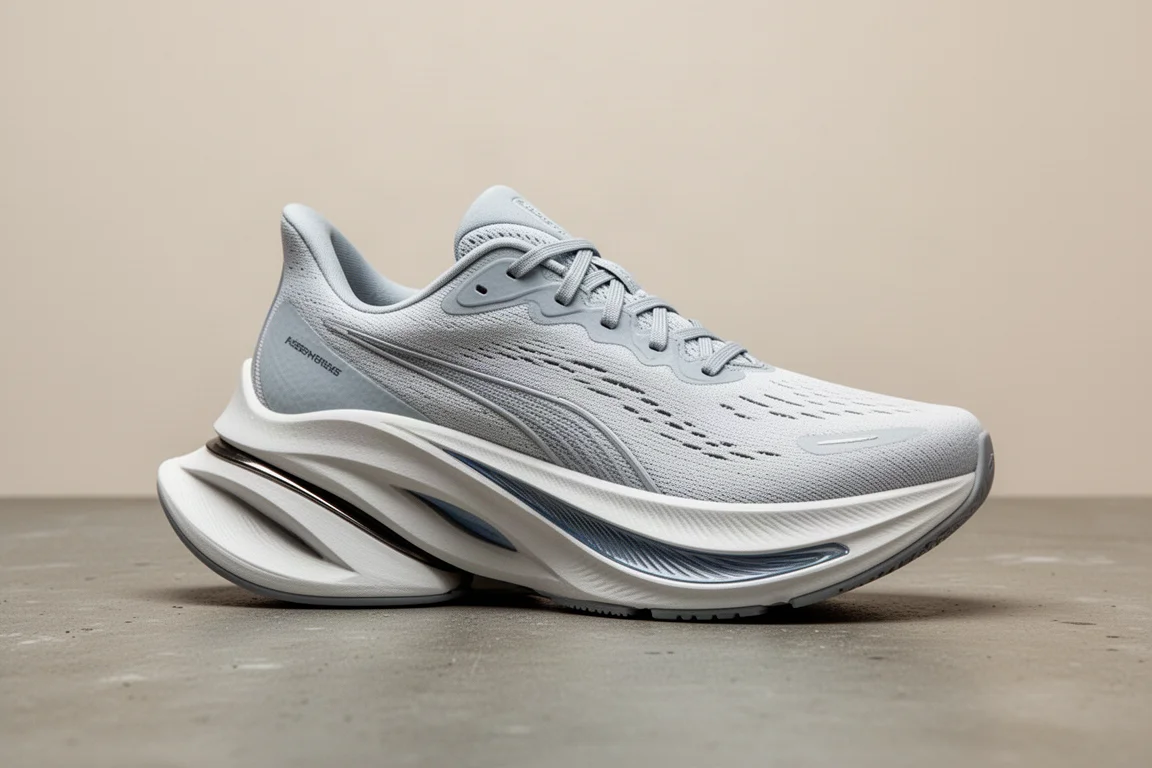
The Brooks Hyperion Max 3 is one of the heaviest shoes in the super trainer category, and it feels noticeably substantial after handling lighter racers. What you get in return is dual-foam construction, high cushion, plenty of bounce, a rocker, and a more normal, balanced ride.
The Asics Metaspeed Sky Tokyo, by contrast, is surprisingly normal-feeling for a race shoe. Both sit in a Goldilocks softness zone, with a softer top layer in the Hyperion Max 3 and a bouncy bottom foam layer in the Sky Tokyo. That makes this the pairing that will work best for the most people, especially bigger runners.
It is also the natural marathon training setup: the Hyperion Max 3 absorbs your long runs, while the Sky Tokyo takes over for marathon-pace work and workouts. The heavier trainer also means race day delivers a genuine lightness benefit when you switch.

The Aggressive Pairing: Adizero Evo SL and Puma Fast-R 3
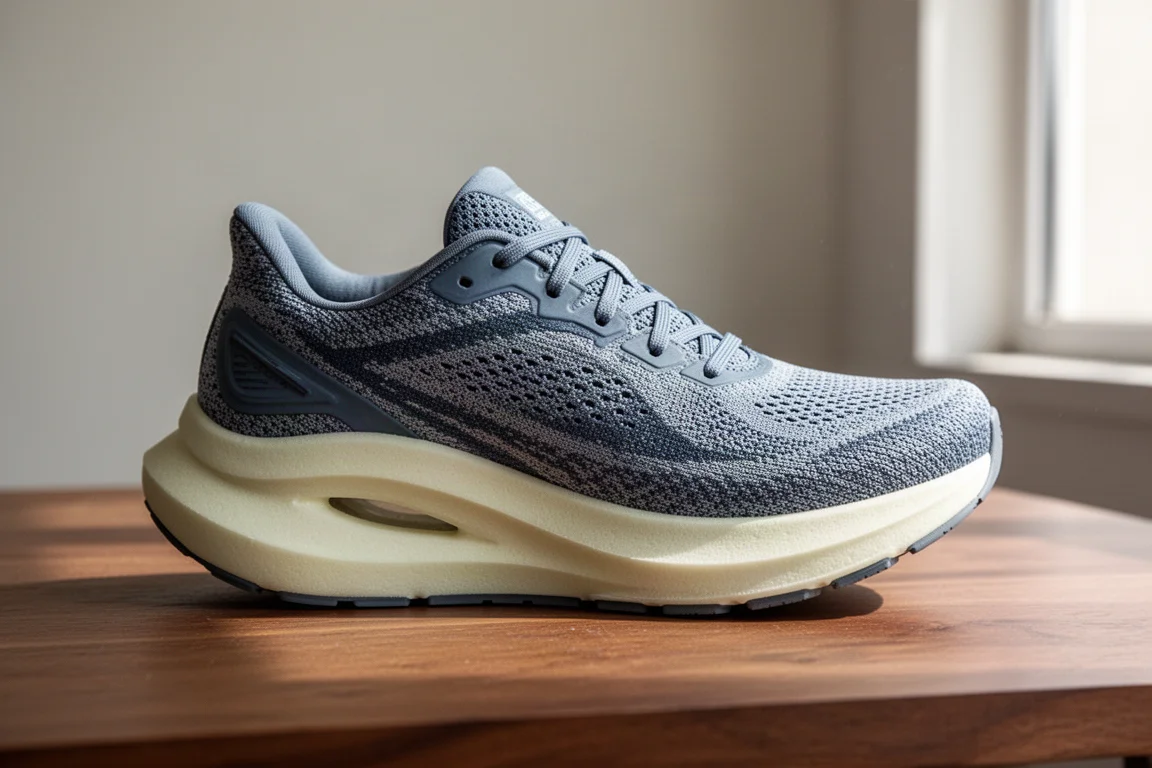
If you like an aggressive ride that rewards power at the front of the shoe, this is the pairing. Both the Adizero Evo SL and the Puma Fast-R 3 have outstanding rockers that get you up on your toes and reward popping off the front of the platform with real bounce underfoot.
Neither shoe feels great when landing on the back of the platform, making these the least heel-strike-friendly and least relaxed-easy-mile shoes on this list. That is the point. The Evo SL helps clean up your form when you are working on running faster, and it is excellent value at around $150, roughly half the price of the Fast-R 3, with a very similar underfoot feel, drop sensation, and cushion character.
If you are preparing to race a marathon in the Fast-R 3, the Evo SL is the perfect companion shoe. Just know both want a higher cadence and front-foot power, not a lazy jog.
The Reliable Pairing: Adizero Boston 13 and Mizuno Wave Rebellion Pro 3 Low
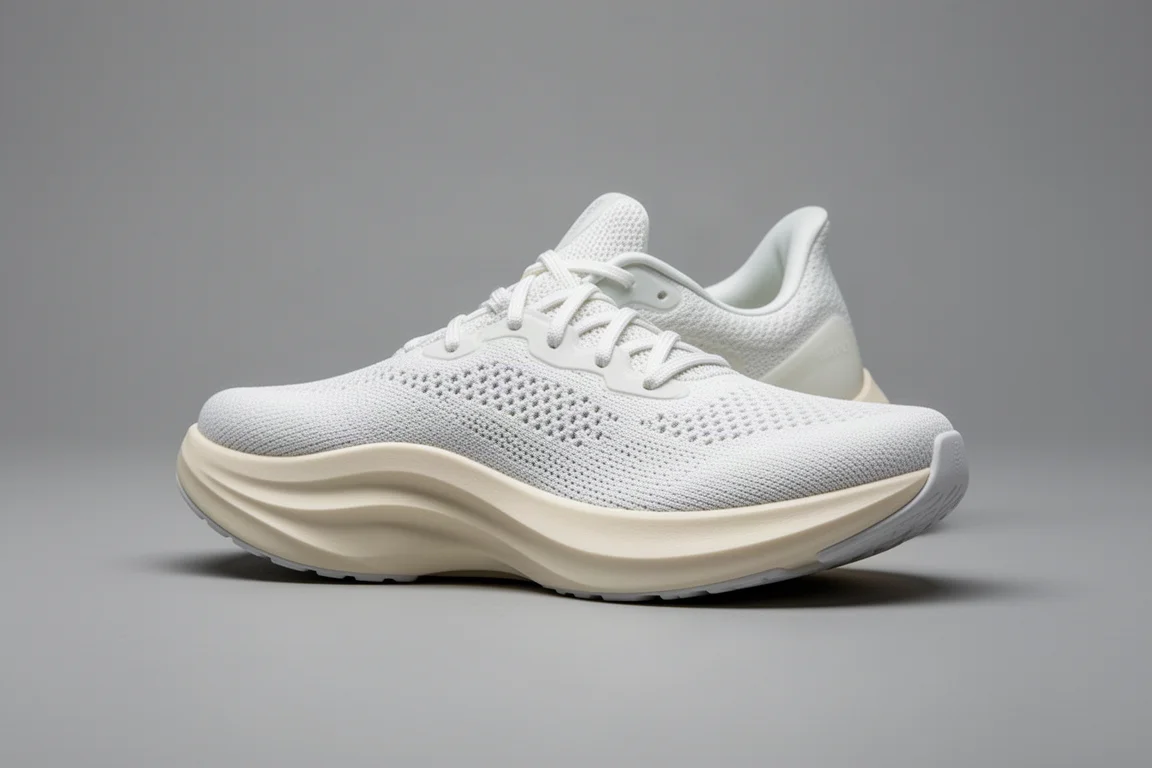
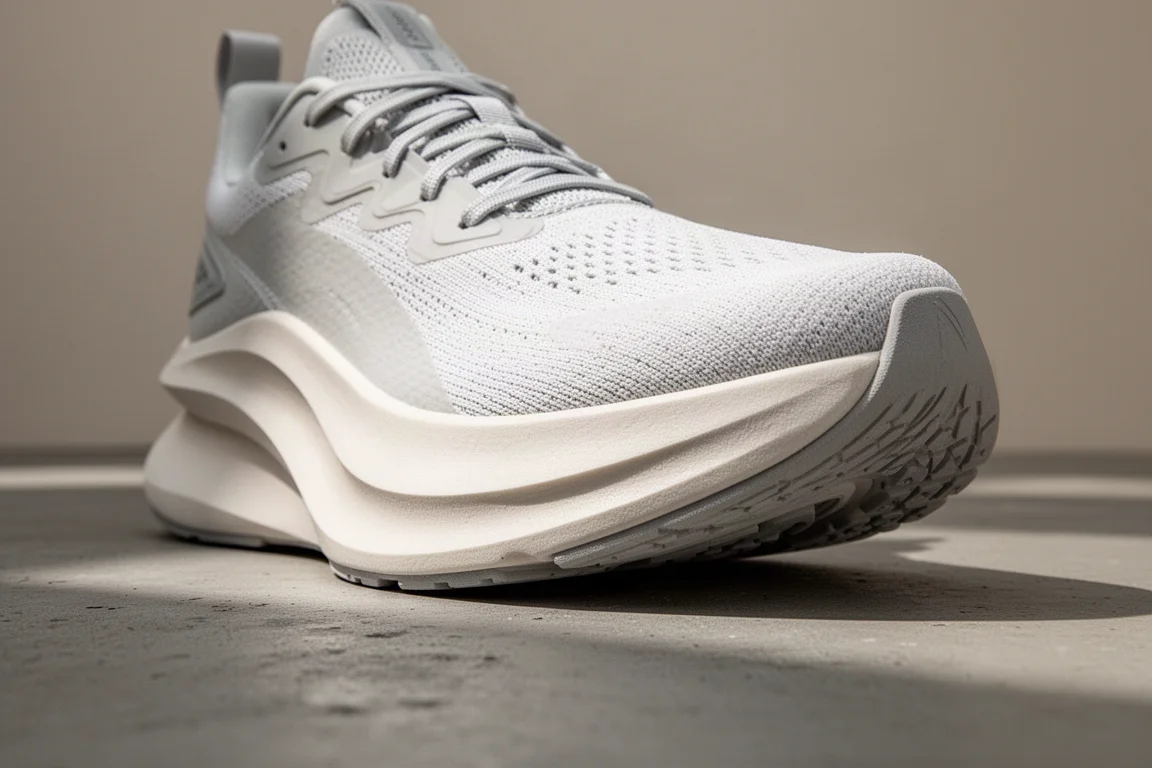
For runners who want a more traditional experience with modern tech still on board, the Adizero Boston 13 and the Mizuno Wave Rebellion Pro 3 Low are the pair. Both have flatter, more normal geometry, stay stable, and will not punish you for heel landing, yet both still feel good pushing off the front.
The Boston 13 has a 36mm heel with around a 6mm drop on paper, though it rides even lower, using Lightstrike Pro foam in a very usable package. It handles everything from 10-mile runs to 20-mile efforts. It will not make you instantly feel fast the way an Evo SL does; you have to do the work. That is also why it is valuable: a shoe that teaches you how to run fast.
The Wave Rebellion Pro 3 Low keeps some Mizuno heel bevel character and Energy XP foam, but in a more normal, durable form. It reminded us of the Adios Pro 3 era: not the fastest of the fast, but extremely reliable and never off-putting.
The Explosive Pairing: Asics Megablast and Puma Deviate Nitro Elite 3
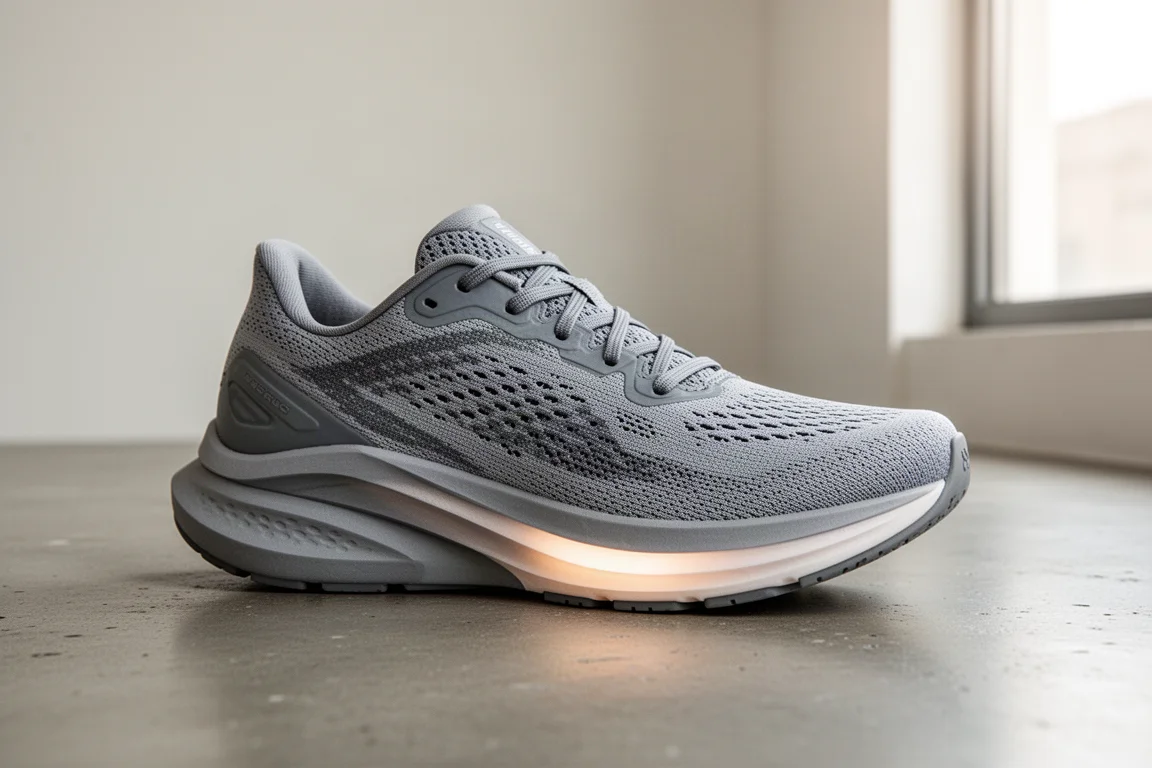
The Asics Megablast is genuinely explosive, durable, well cushioned in the heel, and shaped with a nice rocker. Pairing it with the Puma Deviate Nitro Elite 3 might raise eyebrows, but the two share a lot: explosive bounce, strong grip, great stability, and a ride that works across a wide range of paces.
Both take some break-in, and both settle into a bouncy, propulsive rhythm once going. Both also use aliphatic TPU foams in similar geometries, tuned to a Goldilocks firmness that edges firmer for their categories. That means the ride will not throw you off your game, which makes it accessible to a lot of runners while remaining highly capable at top speed.
The Deviate Nitro Elite 3 deserves more attention than it gets. It delivered some of the fastest workouts in a full year of testing, and if you can find a colorway in your size, it remains a race shoe that simply works.

Overall Buying Advice
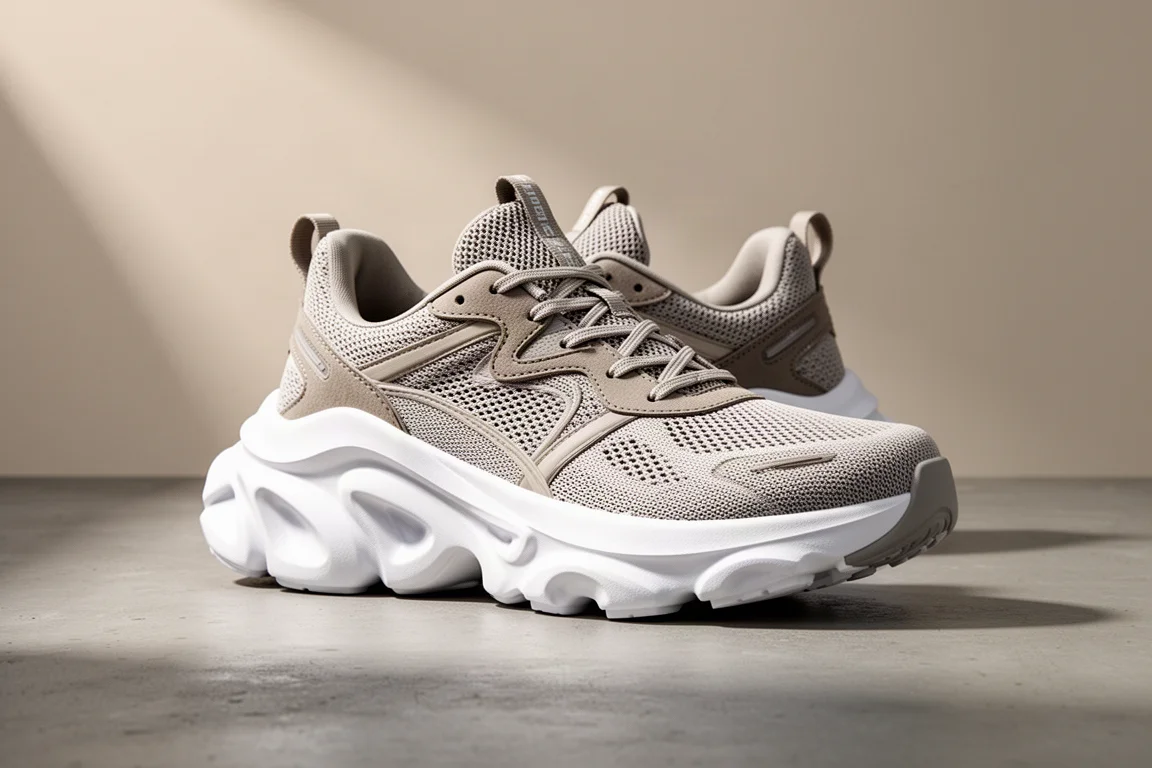
If we had to pick one pairing, the Megablast and Deviate Nitro Elite 3 combination takes the personal top spot, followed by the Sky Tokyo and Hyperion Max 3, then the Boston 13 with the Pro 3 Low, the Evo SL with the Fast-R 3, and finally the Cielo X1 2.0 with the Wave Rebellion Flash 3. Your ranking will depend entirely on which ride personality suits you.
One caution: because matched pairings put similar stresses on the body, keep a higher-drop or lower-drop daily trainer and recovery shoe in the rotation so you still vary the load. A race-similar trainer is a tool for race preparation, not a reason to abandon rotation variety.
Conclusion
Pairing a trainer with a race shoe of similar character is one of the smarter ways to build a focused rotation. Match your race-day feel in training, protect the race shoe’s lifespan, and keep one wildly different shoe in the mix for daily variety. Whichever pairing fits your stride, each of these five is built on shoes with proven, well-loved ride qualities.
Further reading
Related Reviews

Running Shoes
Best Road-to-Trail Running Shoes: Three Versatile Options for Mixed Terrain
A practical guide to three road-to-trail running shoes that handle both pavement and mild trails, with clear strengths and trade-offs for different runner types.

Running Shoes
Best Running Shoes for Achilles Tendonitis: Three Options Explained
Three running shoes with different heel drops and support features designed to help reduce Achilles tendon pain during walking and running.

Running Shoes
Best Running Shoes for Women: Five Top Choices Ranked
A ranked guide to five women's running shoes, from versatile daily trainers to high-performance racing options, with real strengths and trade-offs for each.