Running Shoes
Best Super Shoes Ranked: 15 Racing Shoes, Tiered and Explained
Fifteen carbon-plated racing shoes sorted into tiers, with what each one does well, where it falls short, and who it actually suits.
Introduction
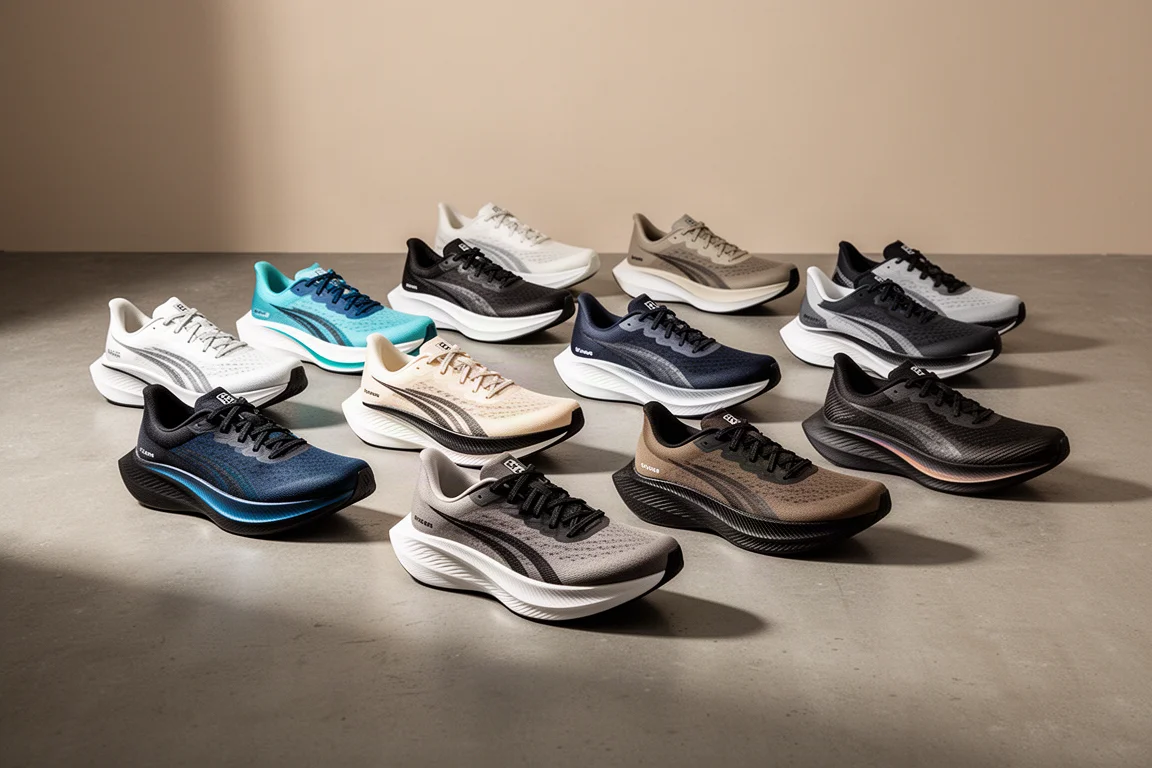
Super shoes have turned racing into a crowded market. Every brand now has at least one carbon-plated racer, and choosing between them has become genuinely difficult. Rather than comparing spec sheets, this roundup puts fifteen recently tested racing shoes into tiers, focusing on what matters in real use: fit, midsole feel, durability, and whether the shoe suits the distances you actually race.
Tier A: The Standouts
These are the shoes that earned top marks across fit, performance, and durability.
Asics Metaspeed Sky Paris
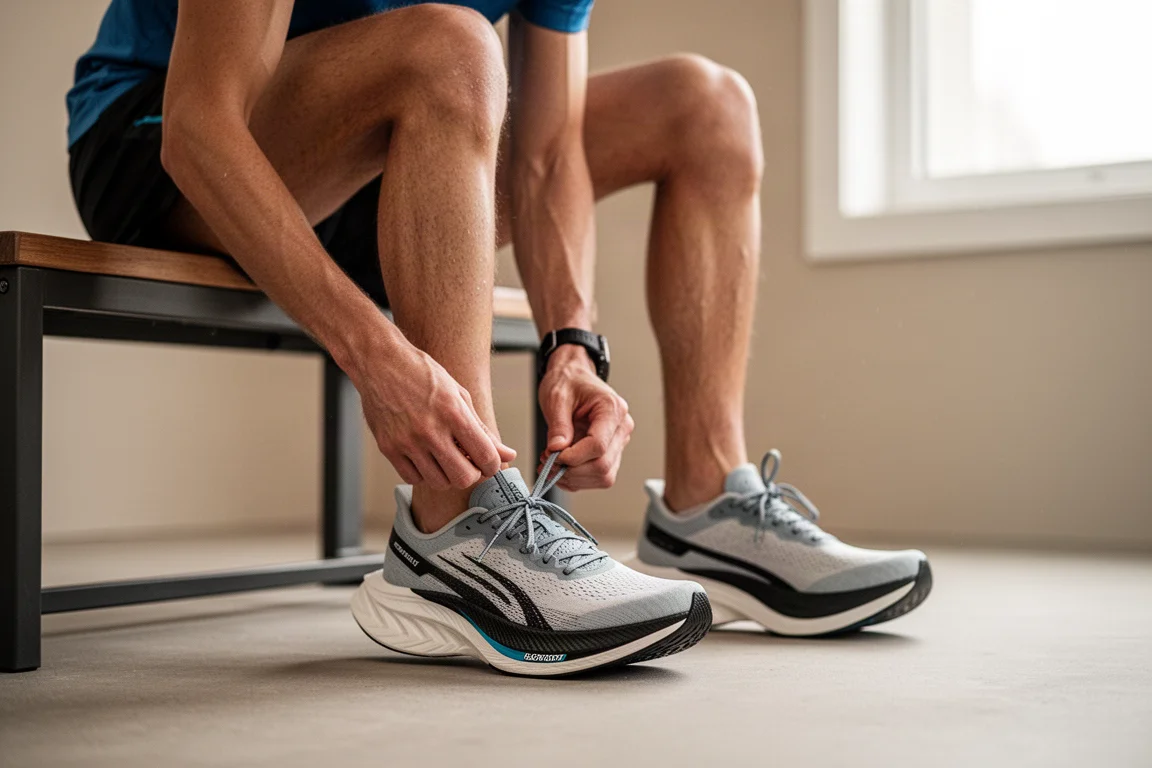
The Metaspeed Sky Paris is super light, delivered plenty of personal bests in testing, and works across the board from 5K right through to the marathon. The midsole held up well under heavy use, and the upper is more traditional but very lightweight and breathable, making lockdown easy to dial in. The only weakness is the outsole rubber, which is starting to wear down and no longer has the grip pattern it launched with, approaching 100 miles. Even so, it is one of the best options out there right now.
Saucony Endorphin Pro 4
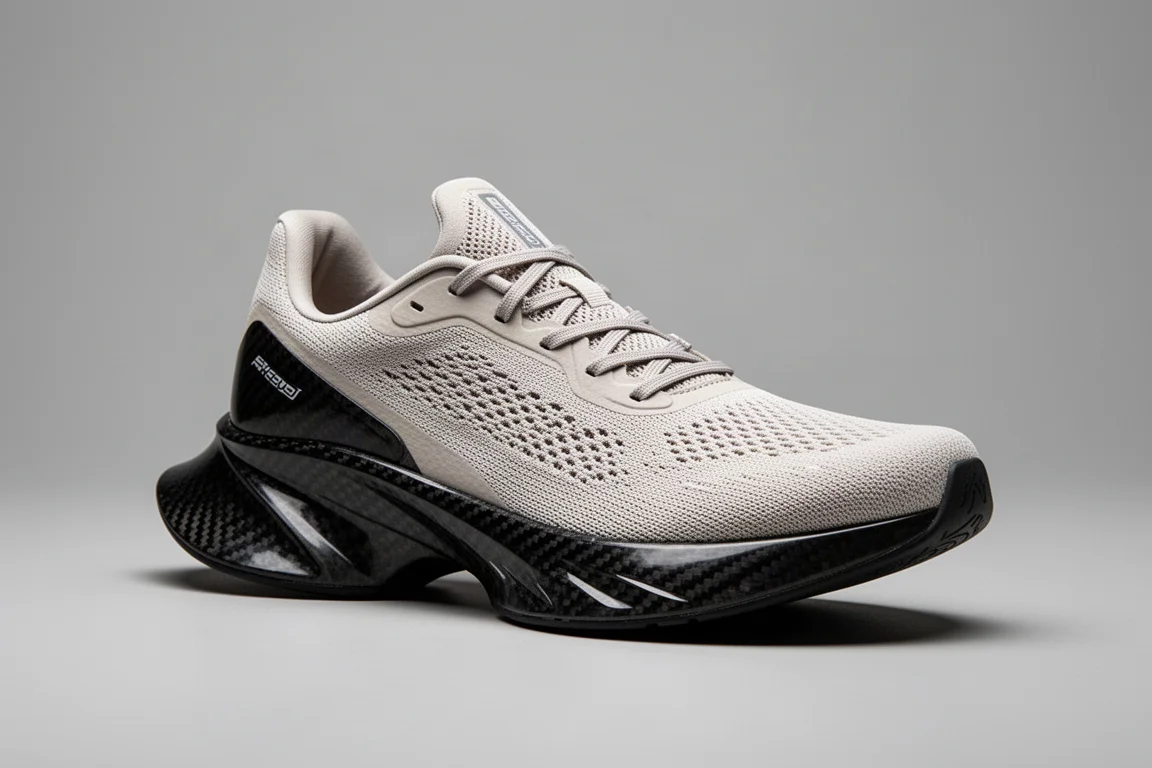
The Endorphin Pro 4 feels like the pinnacle of the Endorphin Pro series, a greatest hits of everything that worked in versions one through three. The outsole is a clear improvement, including in wet grip, and the upper is easy to fit precisely. The midsole is responsive enough to handle anything from 5K to a marathon, and it is the most usable shoe here for training as well: the construction is hardy, with no tearing even on exposed areas. If you want one versatile shoe that does not need to be babied, this is a top pick.
Nike Alphafly 3
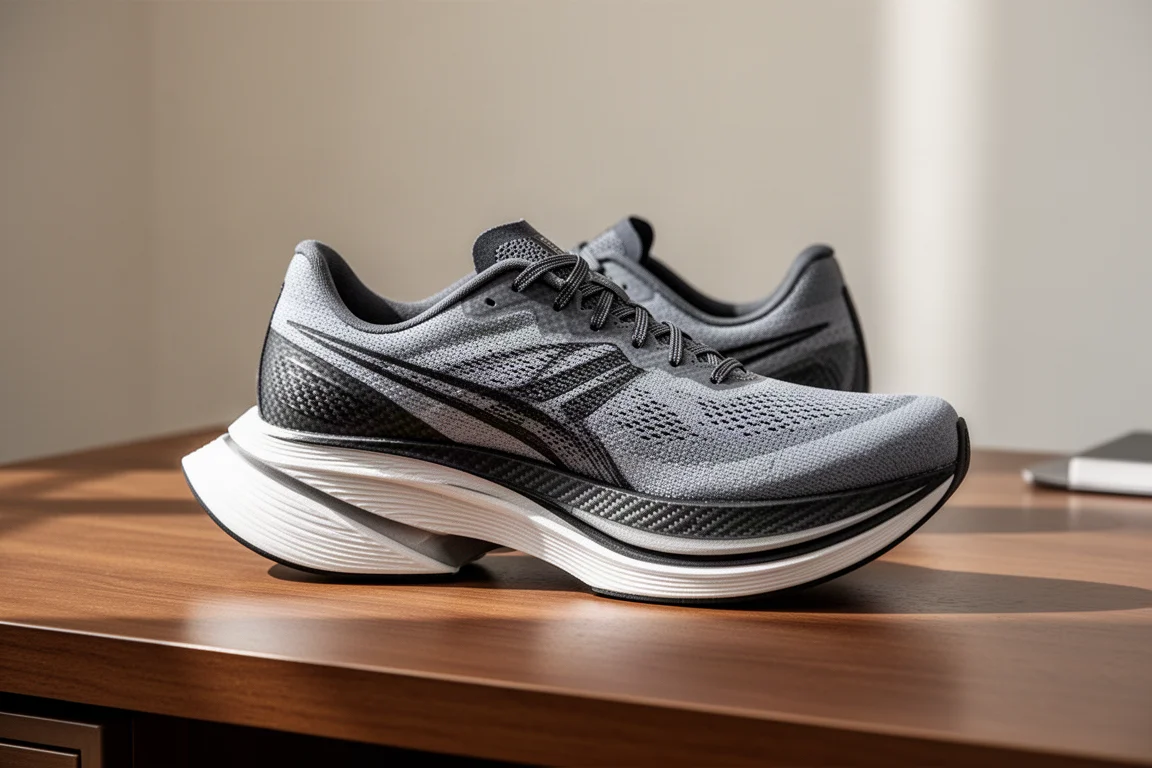
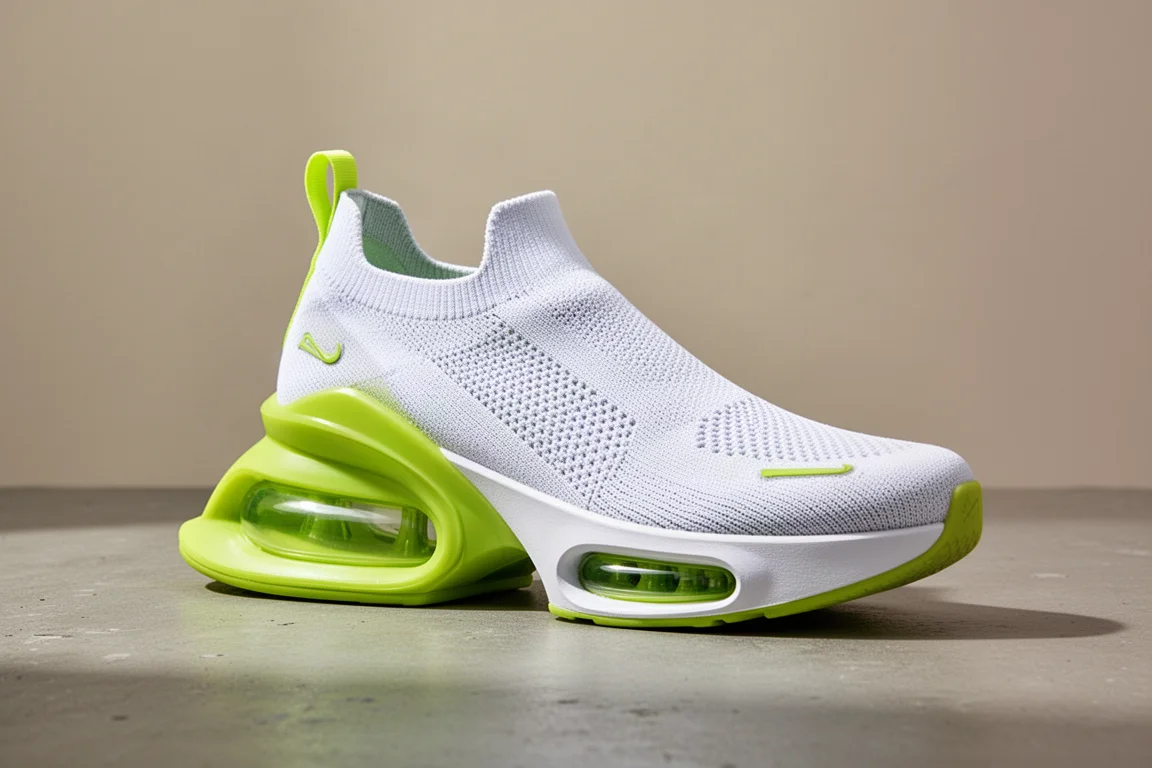
The Alphafly 3 did not impress on the very first run, but it got better and better as miles accumulated and is now one of the favorites. It leans toward half marathon and marathon distances, with slightly relieved weight over the previous version. The shoe encourages a heel-biased landing that rolls you onto very responsive forefoot air units, which sit freer in the midsole than before. It is addictive, fun, and energizing to run in, and the upper fit is excellent with barely any lace tension needed for lockdown. The catch: it is slightly heavier than some rivals, very compressive, and either works brilliantly for you or feels like a clog.
Tier B: Great Shoes With One Catch
These are strong performers held back by fit quirks, durability questions, or narrow use cases.
Nike Vaporfly 3
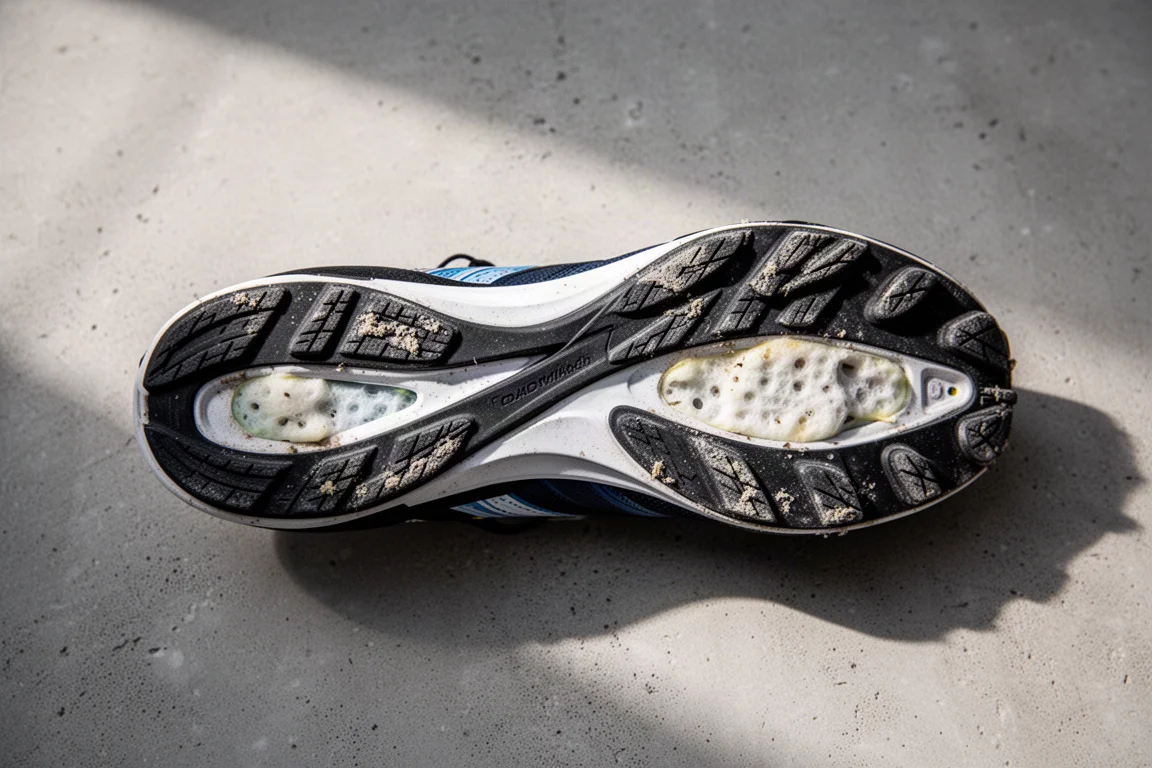
The Vaporfly 3 delivers everything you would expect from the line: nimble feel, ZoomX midsole foam, and decent outsole durability after 100 miles. But the oddly shaped upper keeps it out of the top tier, with a somewhat parachute-like toe box fit. It has not changed much from earlier versions and felt less exciting to run in than previous iterations. For many runners it is still a top option, but rivals have caught up.
Adidas Adios Pro 3
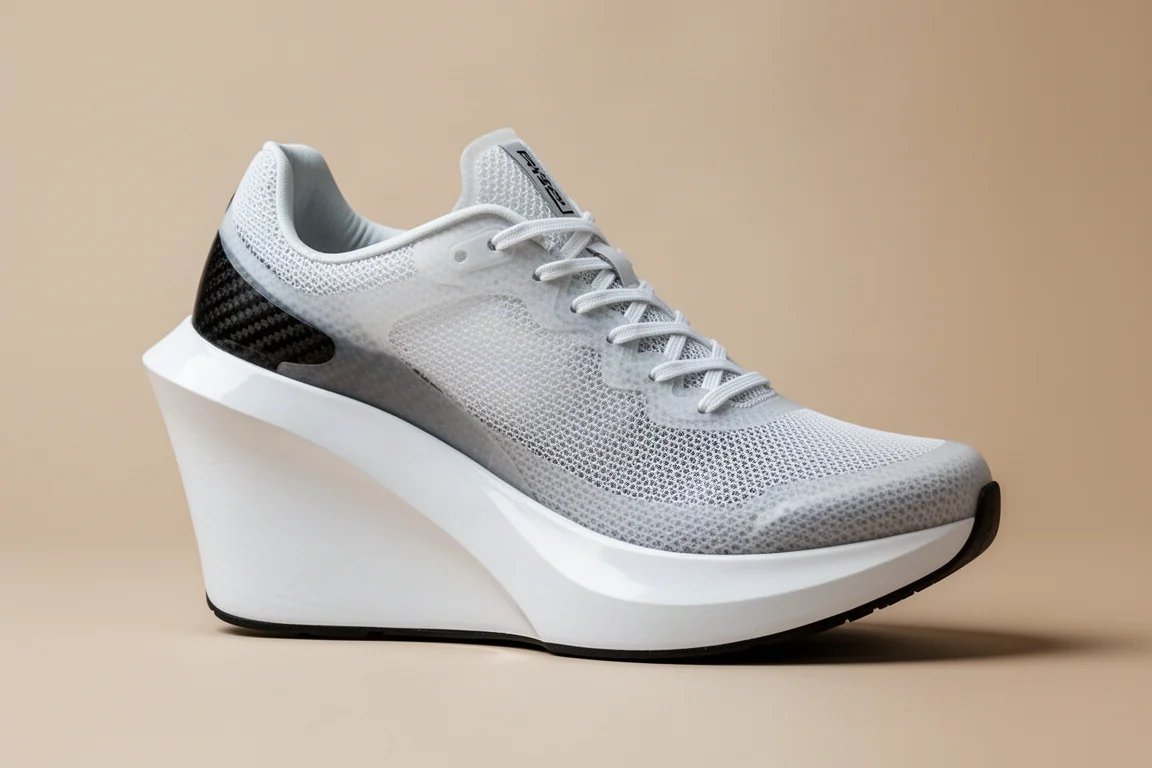
The Adios Pro 3 has an outstanding midsole and outsole: the foam breaks in and feels better the more you use it, it is far more durable than ZoomX, and the Continental rubber grips like any other premium Adidas shoe. It is probably a good training option too, given how responsive it is. What spoils it is the upper, particularly around the first eyelets, where getting a good fit proved difficult. A great midsole and outsole let down by fit.
On Cloudboom Echo 3
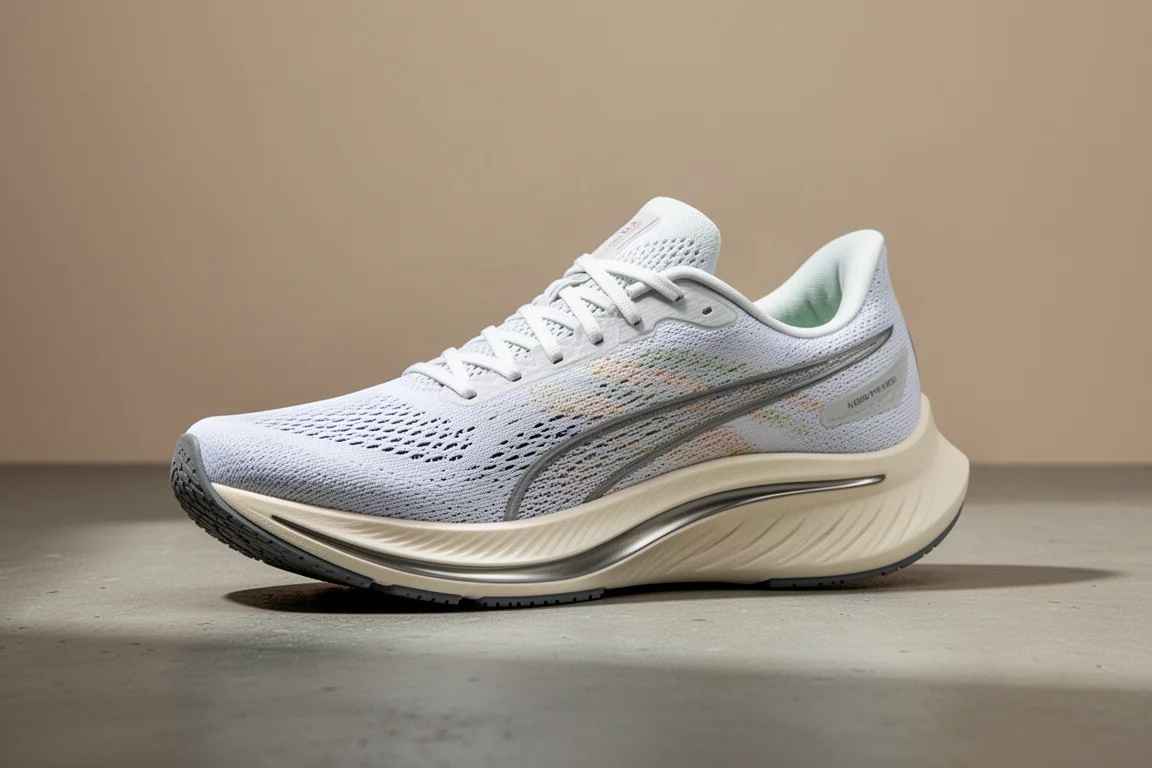
The Cloudboom Echo 3 grew more enjoyable with every run. It recalls classic old-school Adidas racers but with far more stack in a responsive material, and it shines for shorter fast bursts like 400m or 800m repeats. The upper fits better than the Nike or Adidas options here. Two things hold it back: the outsole rubber is wearing down noticeably, especially in the heel, it lacks the soft bouncy feel many runners want, and it carries a hefty price tag. It is still the best On shoe tried across the whole range.
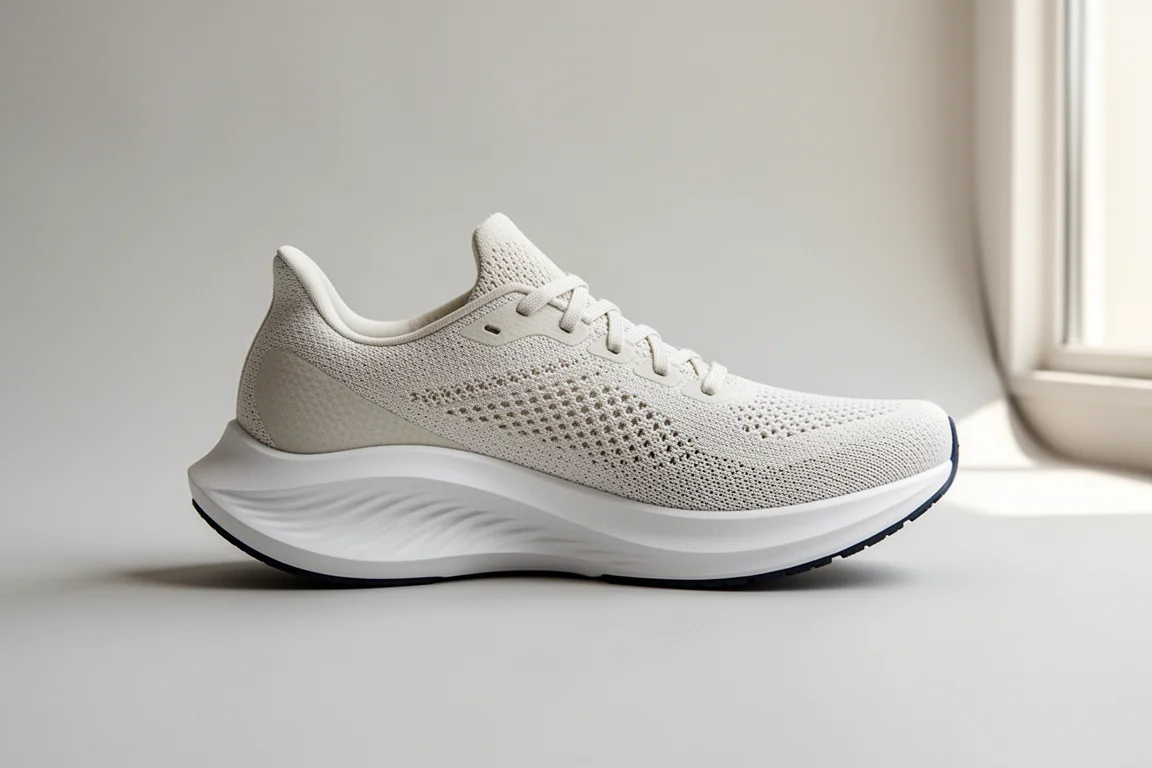
Saucony Endorphin Elite
The Endorphin Elite is the outlier of the group: very rigid, very low to the ground, and stripped of all unnecessary weight. It demands that you run fast to get anything from it, and it takes time to get used to. It is a 10K to full marathon shoe rather than an all-rounder, and it is one of the more expensive models here. A lot of exposed midsole would get chewed up quickly in training, so it is not a shoe you would want to run daily miles in. A niche pick for pure race day.
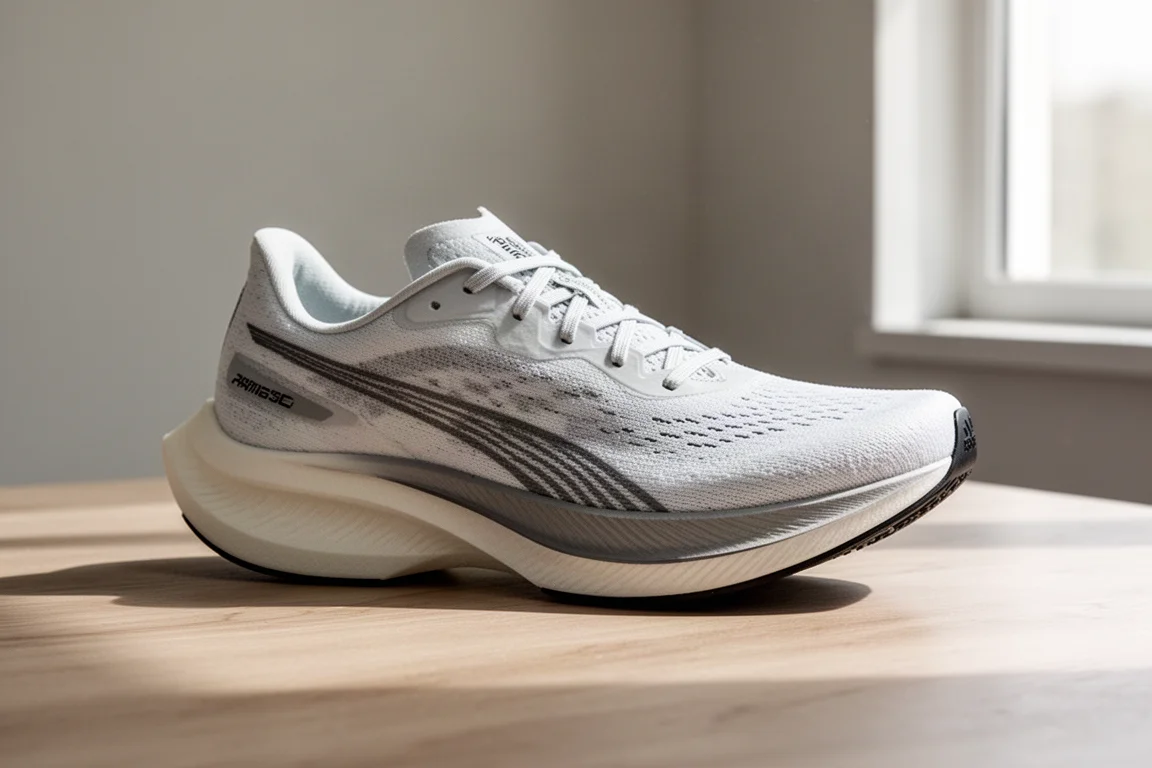
Puma Fast-R Nitro Elite 2
Easily Puma’s best super shoe yet. It packs 40mm of heel stack and plenty of squashy foam, with a superb upper that needs almost no lace tension to lock down, on-point grip, and a pointed toe that never catches over 100 miles of use. Durability is excellent, with barely any midsole or outsole wear after 100 miles. The main issue is weight: it is a heavy shoe, even compared to the Alphafly 3, and heavier runners may bottom out the foam too easily.
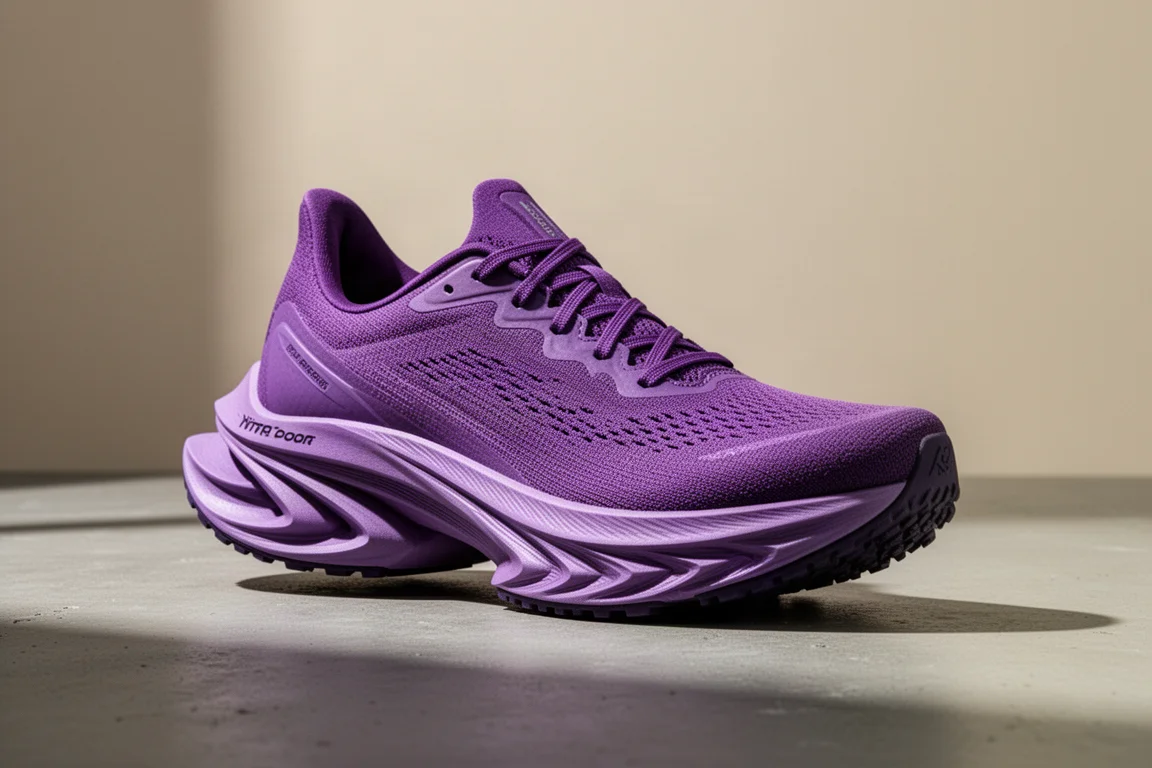
Adidas Takumi Sen 10
The Takumi Sen 10 is an out-and-out race shoe and an absolute standout on weight, durability, and its firm, propulsive feel. It has energy rods, Continental rubber, and a glove-like upper, all at a genuinely nice price that comes in well below most of the shoes in this list. The limitation is cushioning: for most runners, it simply does not have the stack required for a marathon, so it shines at half marathon distance and below.
Tier C: Capable, But Compromised
Solid shoes that miss the top tiers on cushioning, durability, or speed.
Hoka Rocket X2
The Rocket X2 is a nifty compressive shoe with a very soft heel feel and a rigid forefoot. The problem is control: at half marathon to marathon efforts it felt too controlling, and at 5K and 10K paces with faster cadences it needed more power to hit top speeds. It comes at a slightly nicer price than most rivals, but the rear section of the shoe shows foam tearing that falls well short of the longevity of something like the Adios Pro 3.
Puma Deviate Nitro Elite 2
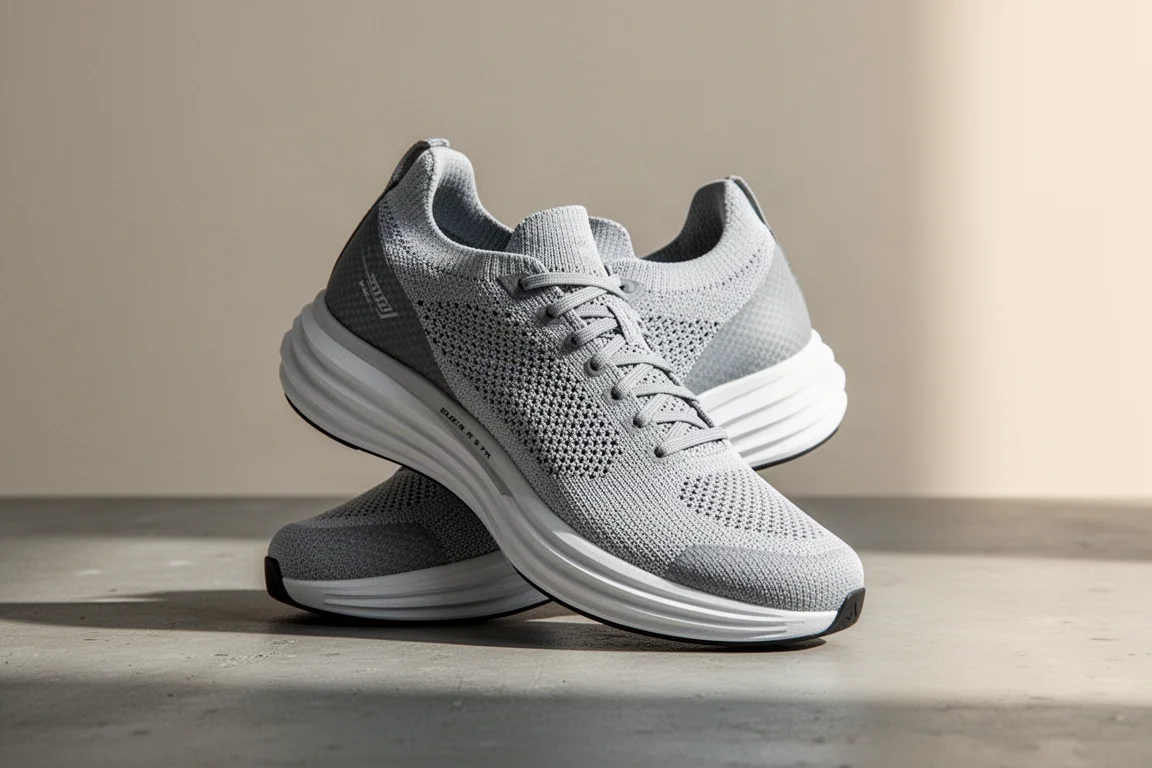
The Deviate Nitro Elite 2 has been out a while, is available in loads of colorways, and can often be picked up at a good discount. It is a nimble shoe with a very natural feel, partly because the heel stack sits just below 40mm, and it never feels unstable. Lacing is standardized, the outsole is great, and the breathable upper lets the shoe avoid shaping how you run. It is probably not the speediest or most propulsive option out there, and for a marathon most runners would want more cushion and stack.
Under Armour Flow Velocity Elite
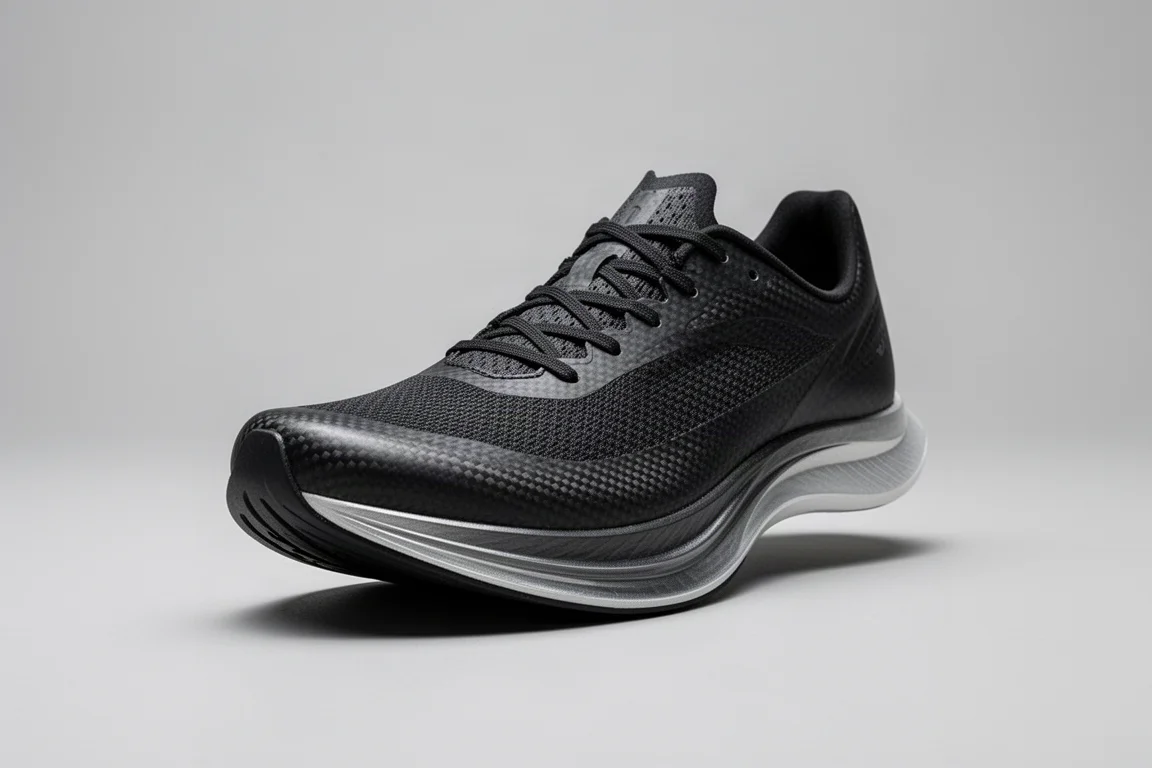
The Flow Velocity Elite uses an interesting setup with two different foams and hits max stack height. The upper is nice and conforming with a good fit, and durability is solid thanks to the Flow foam layering under the rubber sections of the midsole. The open question is cushioning: it may not have enough for a full marathon, but for everything below that distance it is pretty useful.
Tier D: Niche Picks for Specific Runners
These shoes work only for the right runner, the right pace range, or both.
Hoka Cielo X1
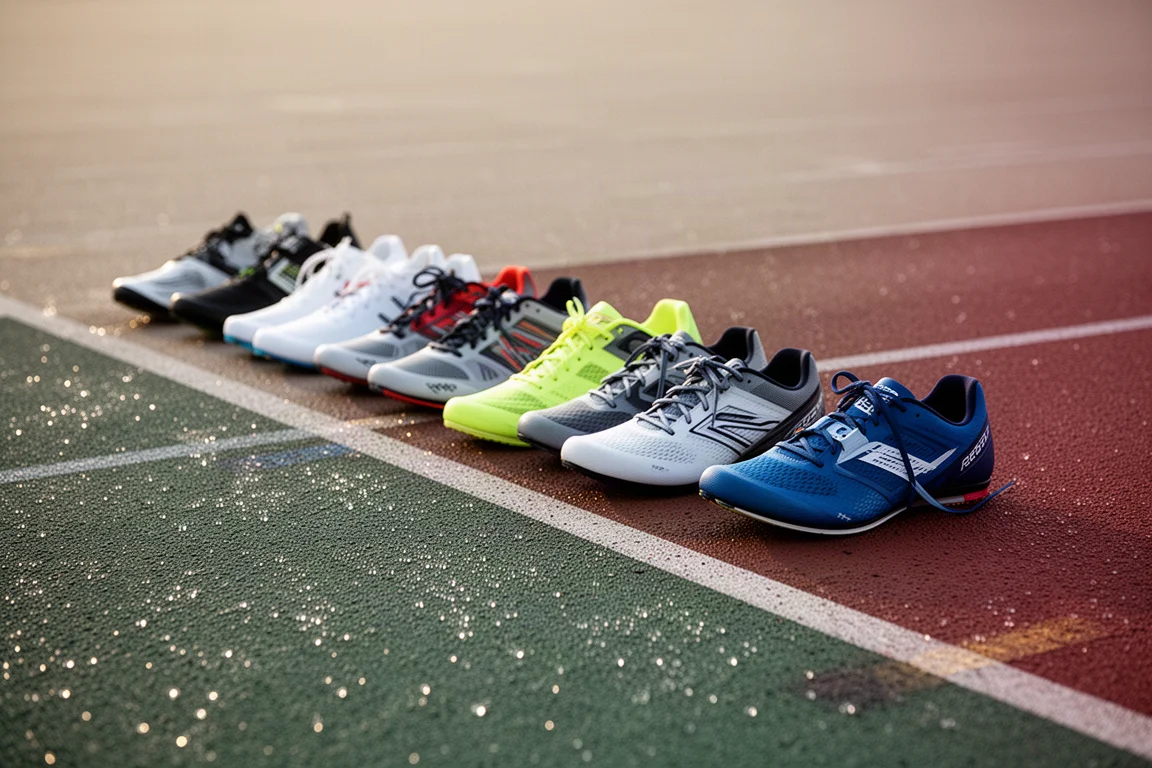
The Cielo X1 fits the super shoe bill with 40mm of heel stack, and it reads as Hoka’s attempt at a more stable carbon-plated racer. The upper is an acquired taste, and like the Rocket X2 it needs more effort to reach 5K and 10K speeds, though it feels fine as a marathon shoe where weight matters less. At around £250 in the UK it is very expensive, and considering the weight it almost feels more like a training option than an out-and-out race shoe. Great for training, less convincing for racing.
Mizuno Wave Rebellion Pro
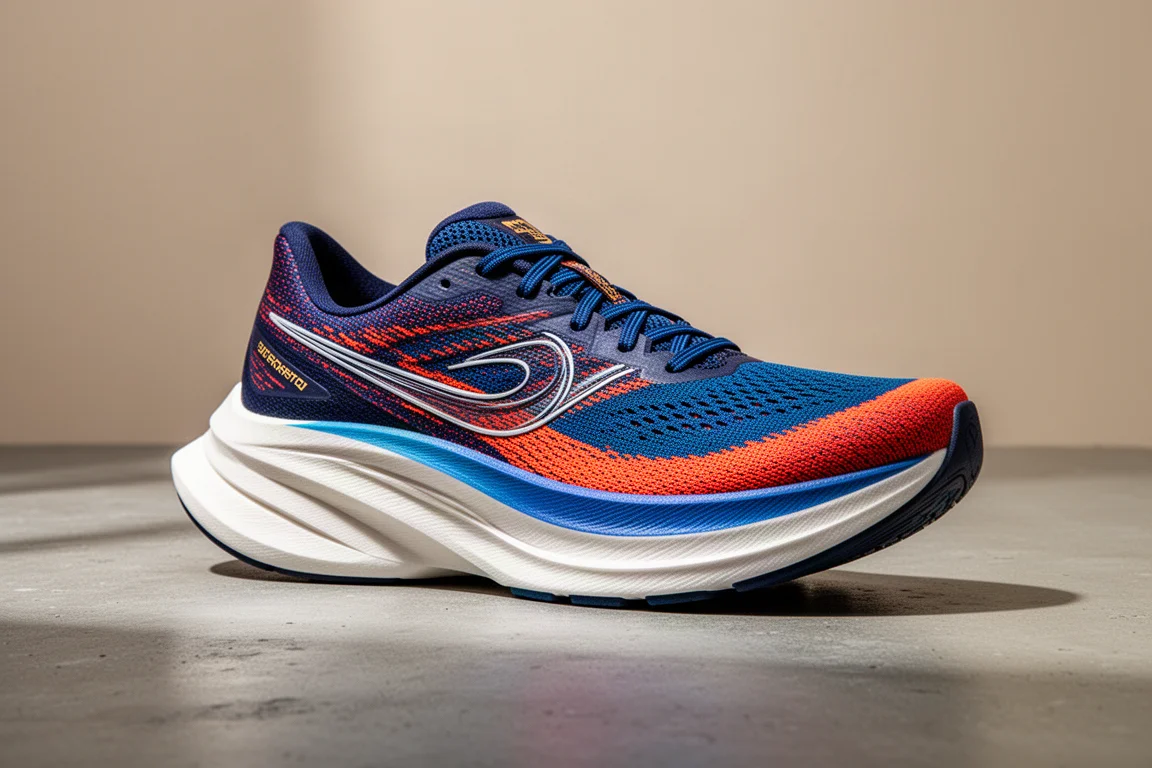
The Wave Rebellion Pro is one for enthusiasts, thanks to its very extreme heel bevel and an aggressive cutout that ends in the arch area. It needs break-in time, but for the right person it is a genuinely fun and exciting option. Heavier runners may bottom it out, and it commands a very specific range of paces. The combination of firmer foam with so much material cut away makes it an odd match for lighter runners trying to get the best from it.
Kailas KD 900x LD
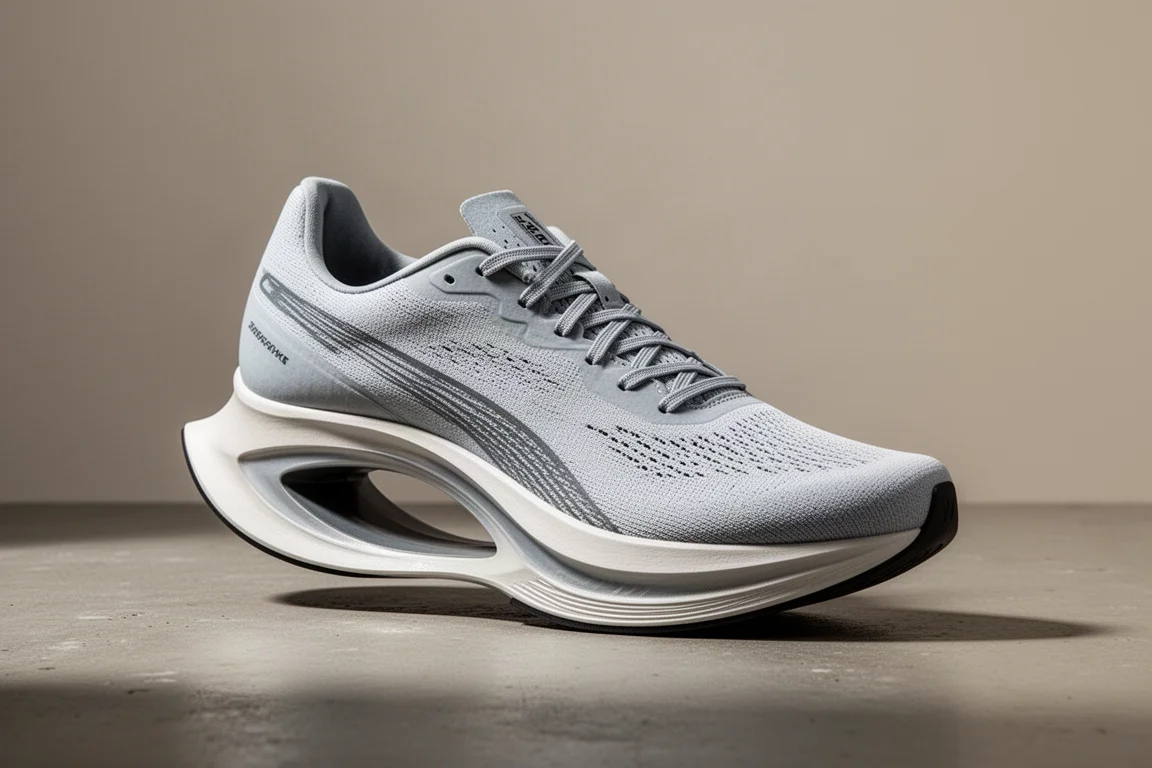
The KD 900x LD is a firmer, very narrow shoe with a glove-like upper. It felt good as a 5K or 10K option, but if you want a versatile super shoe this is not it. The stack sits slightly below maximum, and it is heavier than expected, with better alternatives that hit the spot more convincingly.
Overall Buying Advice
If you want one shoe for almost everything, the Saucony Endorphin Pro 4 and Asics Metaspeed Sky Paris are the safest top-tier picks, combining race-day speed with enough durability for training. The Nike Alphafly 3 is the most exciting marathon option if it suits your stride. On a tighter budget, the Adidas Takumi Sen 10 delivers genuine race-day performance for shorter distances at a lower price. And if your priorities are fit quirks, durability, or very specific pace ranges, the tier notes above should point you toward the right match.
Conclusion
There is no single best super shoe, but there is almost certainly a best super shoe for you. Fit counted for more than anything in these tiers: the best midsoles in the group were held back by uppers that would not lock down, while the top picks paired strong foam, grip, and durability with uppers that disappear on foot. Match the shoe to your race distance, be honest about your pace and weight, and the right tier becomes easy to find.
Further reading
Related Reviews

Running Shoes
Best Road-to-Trail Running Shoes: Three Versatile Options for Mixed Terrain
A practical guide to three road-to-trail running shoes that handle both pavement and mild trails, with clear strengths and trade-offs for different runner types.

Running Shoes
Best Running Shoes for Achilles Tendonitis: Three Options Explained
Three running shoes with different heel drops and support features designed to help reduce Achilles tendon pain during walking and running.

Running Shoes
Best Running Shoes for Women: Five Top Choices Ranked
A ranked guide to five women's running shoes, from versatile daily trainers to high-performance racing options, with real strengths and trade-offs for each.