Running Shoes
Best Super Shoes for the Masses: Four Max-Cushion Trainers Compared
Four durable, max-stack super shoes with more substantial uppers, compared for training, long runs, and race day.
Introduction
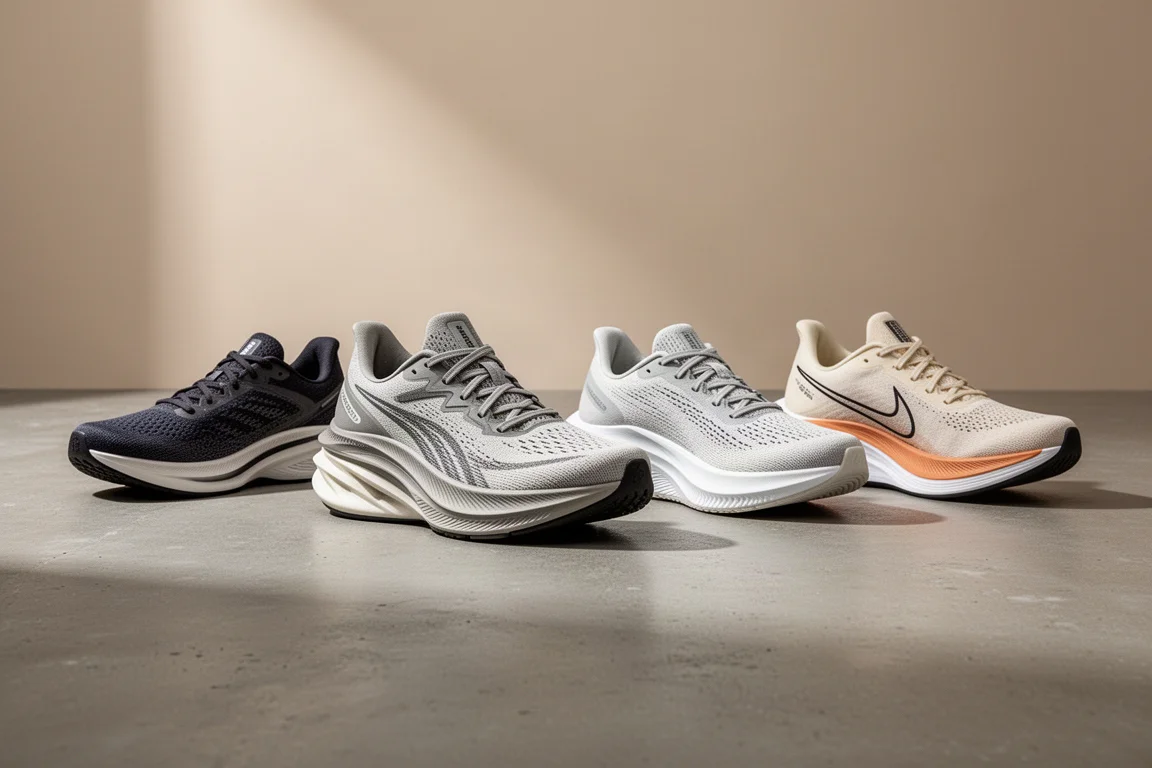
Max-cushioned super shoes have grown into a category of their own. Rather than the light, fragile race-day-only models, these are the shoes with generous stack heights, more substantial uppers, and outsole rubber built to survive real training. This comparison looks at four of them: the New Balance FuelCell SC Trainer v3, the Puma Deviate Nitro 3, the Asics SuperBlast 2, and the Hoka Cielo X1. All four target the same idea: super shoe propulsion and cushion you can log serious miles in.
What These Shoes Have in Common
Across the four pairs, the numbers are remarkably close. Weights are similar, with the Deviate Nitro 3 the heaviest by only a few grams. The Deviate Nitro 3 is also the lowest in stack at around 39 mm in the heel, while the Cielo X1 and SuperBlast 2 sit taller at roughly 47 to 48 mm, making them the more maximally cushioned options of the group. Every shoe here has a drop in the typical 6 to 8 mm range.
Aside from the Puma, all four offer a wider forefoot landing platform, with the SuperBlast 2 easily the widest in the heel. Three of the shoes carry carbon plates; the SuperBlast 2 is the plateless one. In terms of midsole feel, the SC Trainer v3 and Cielo X1 are the softest, while the SuperBlast 2 delivers a denser, more consistent squash.
New Balance FuelCell SC Trainer v3
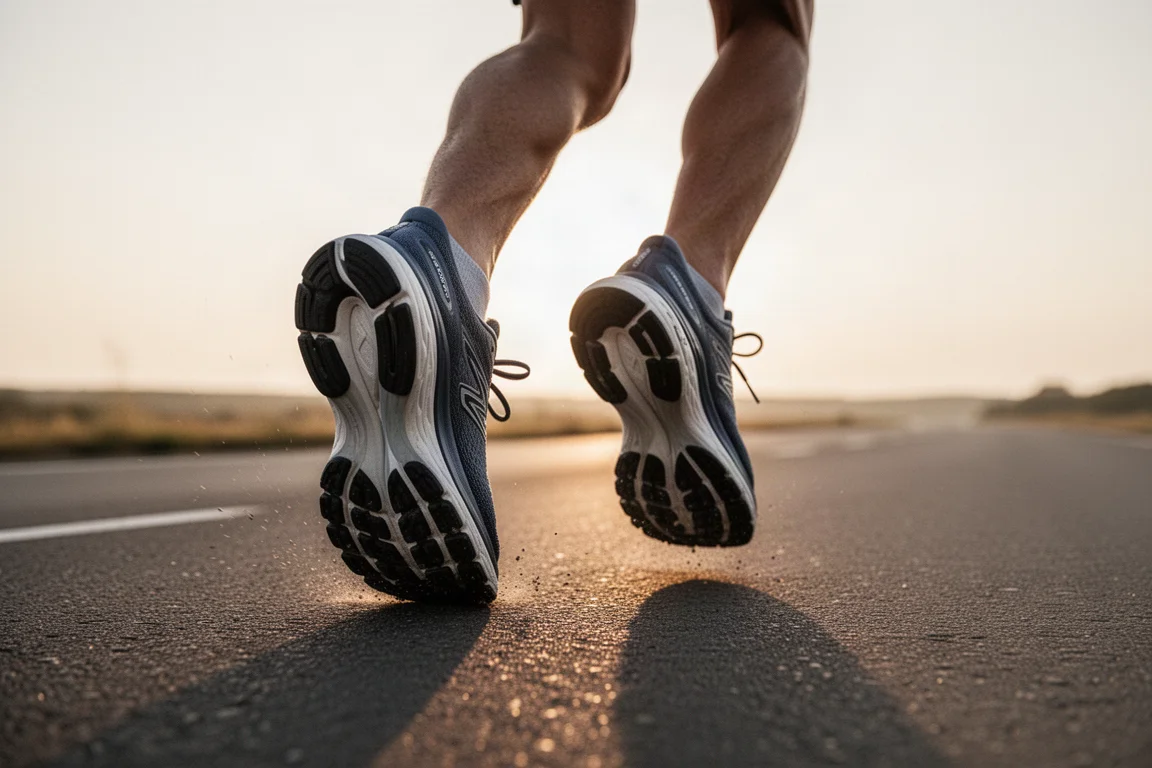
The SC Trainer v3 is the most balanced shoe of the group in terms of weight distribution across upper, midsole, and outsole. Its upper is a more conventional, breathable material, and the ride is softer and more natural than many rivals, bending more easily to how you want to run rather than forcing you onto a fixed rocker. It is also a noticeably more propulsive shoe, working especially well when you raise the effort level, which is why it holds its own as a race option over a range of distances.
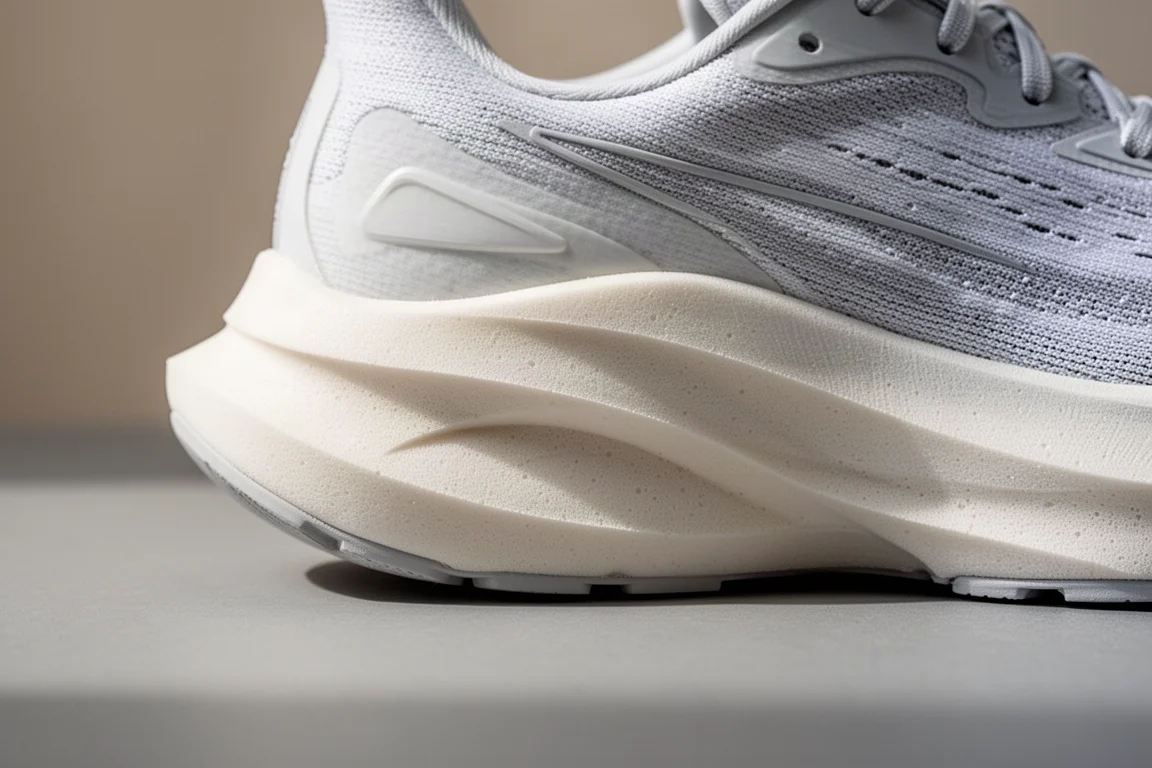
Outsole grip is good, though some forefoot wear can appear early and the energy arc underfoot can collect debris. The soft, compressive foam keeps improving with break-in miles, and the shoe gets better the longer you run in it. It is expensive at retail, which is worth factoring in, but the durability and versatility justify it if your budget allows. If you want one shoe for faster training, longer efforts, and even racing, this is the one that does the most.
Hoka Cielo X1
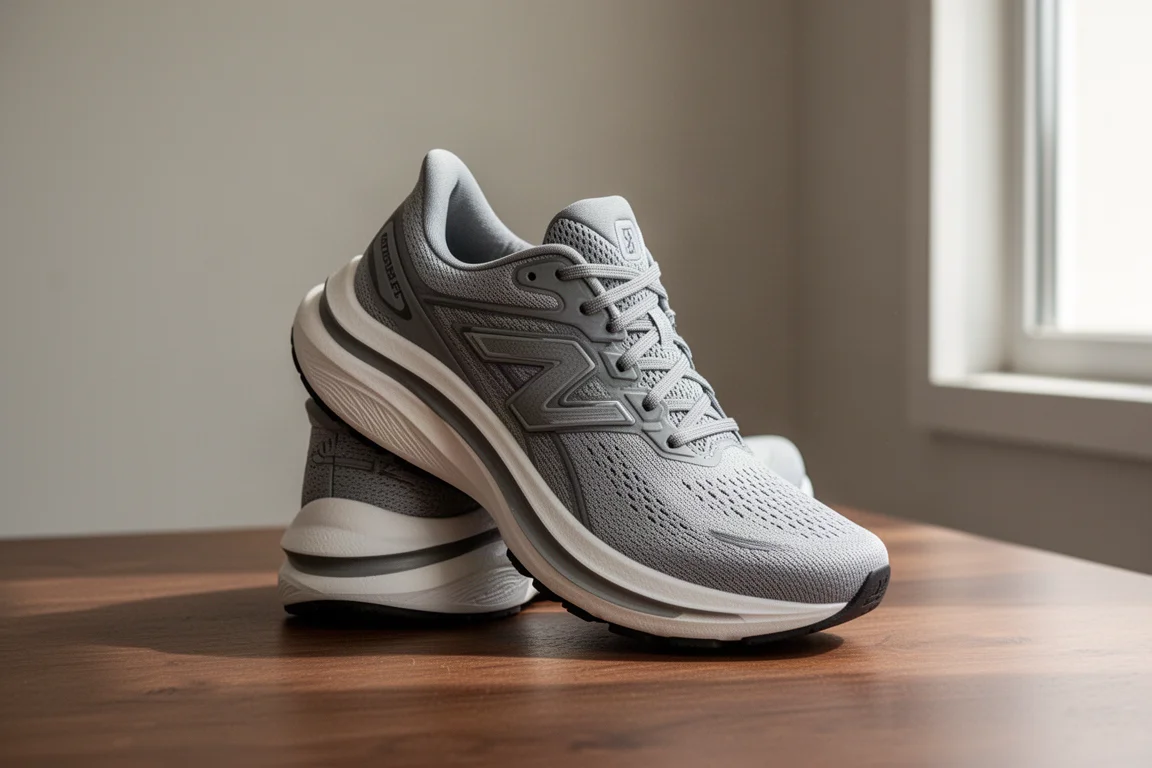
The Cielo X1 is the closest rival to the SC Trainer v3 and a very different ride. Its knit upper is warmer and more suited to cooler temperatures, and the heavily beveled heel and pronounced rocker push you forward in a way that feels more controlling. It shines at half and full marathon pace rather than at 5K or 10K efforts, where that aggressive geometry can feel restrictive. Midsole softness is excellent, with a lively, responsive return.
The winged carbon plate, visible around the arch and lateral forefoot, adds stability late in long runs and marathons, but it may not suit everyone’s taste. Outsole rubber is thick and generous, and grip is strong on both shoes. The shoe feels a little bottom-heavy compared to the New Balance, likely due to that thicker outsole and plate design. If your focus is long, steady miles and marathon build-ups in cooler weather, the Cielo X1 makes a strong case.
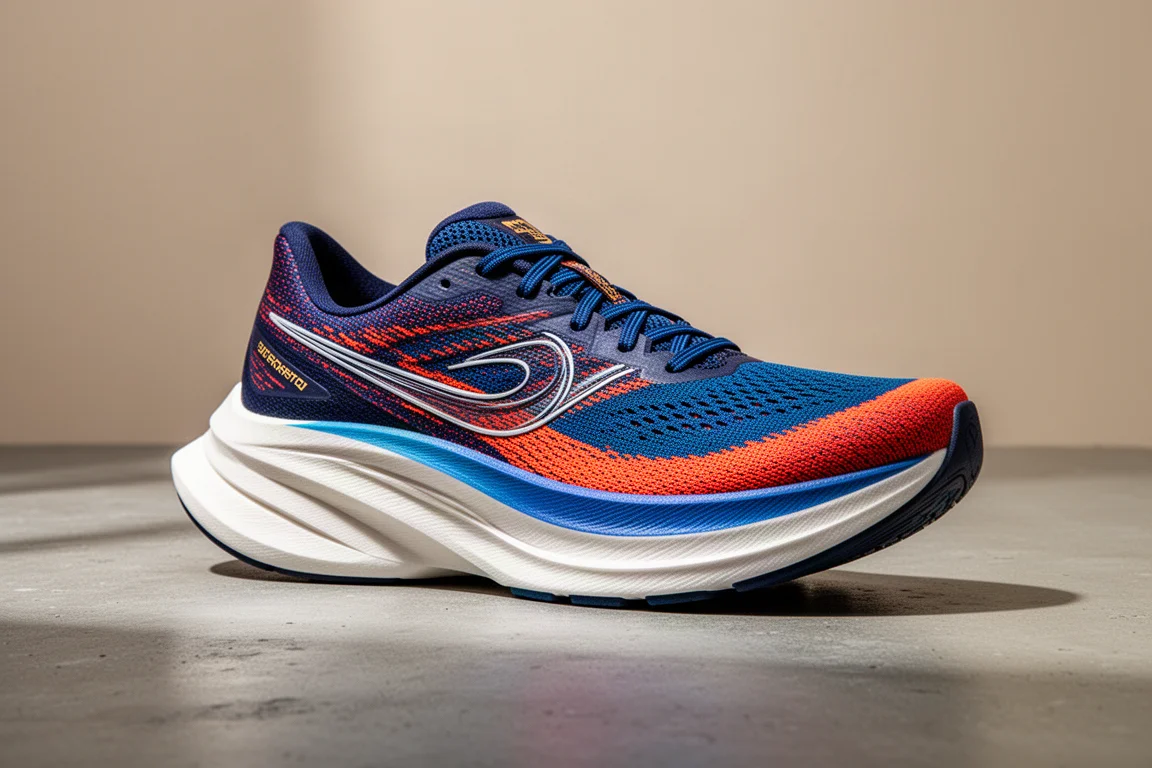
Asics SuperBlast 2
The SuperBlast 2 is one of the standout shoes in this category. Despite packing roughly 47 to 48 mm of heel stack, it comes in around 11 grams lighter than the SC Trainer v3, which is an impressive feat of foam engineering. The midsole feel is denser and slightly hollow rather than deep-squishy, but the consistency of the foam across the footbed makes it remarkably stable and easy to run in across most training paces.
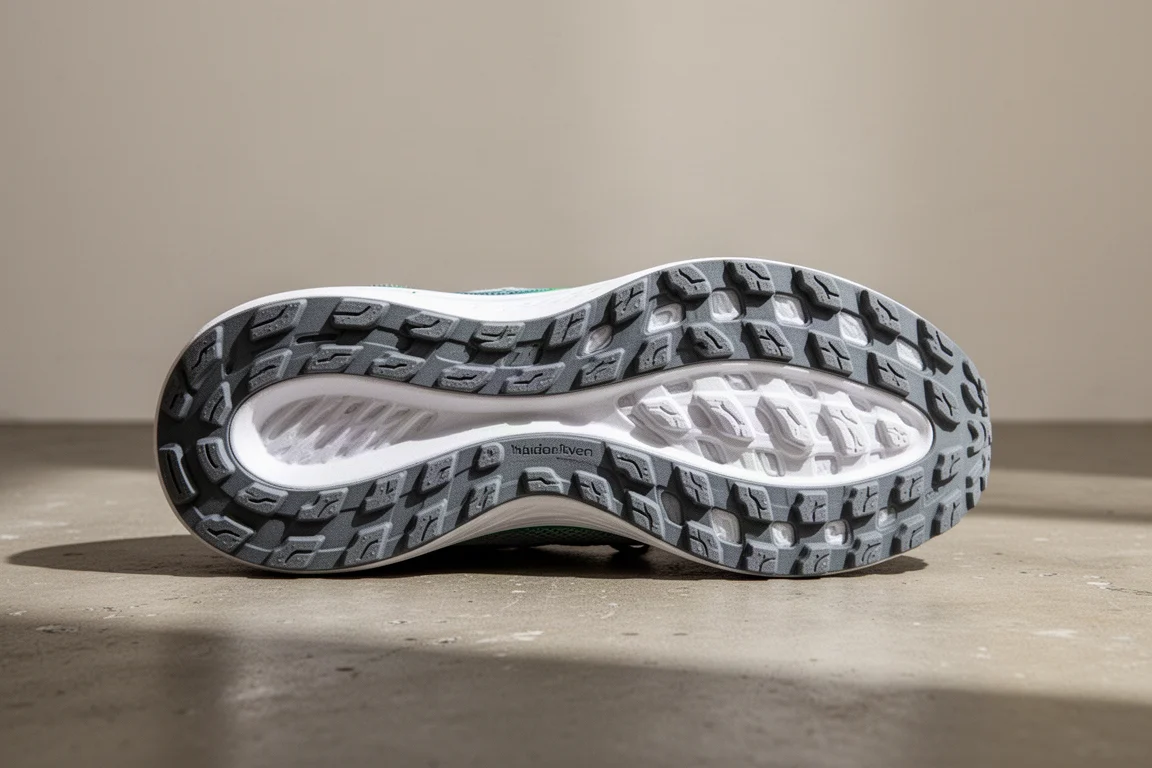
The outsole has been improved over the first version and now grips superbly, with no cutouts for grit to lodge in. Fit, breathability, and stability are all excellent, and there are no pull tabs to get in the way. It is also cheaper than the SC Trainer v3 in some markets, making it exceptional value. As a cruising, long run, and recovery shoe it is brilliant, and it ranks among the best shoes in the category this year. If you want super shoe cushion for everyday training without the thrill ride, this is the pick.
Puma Deviate Nitro 3
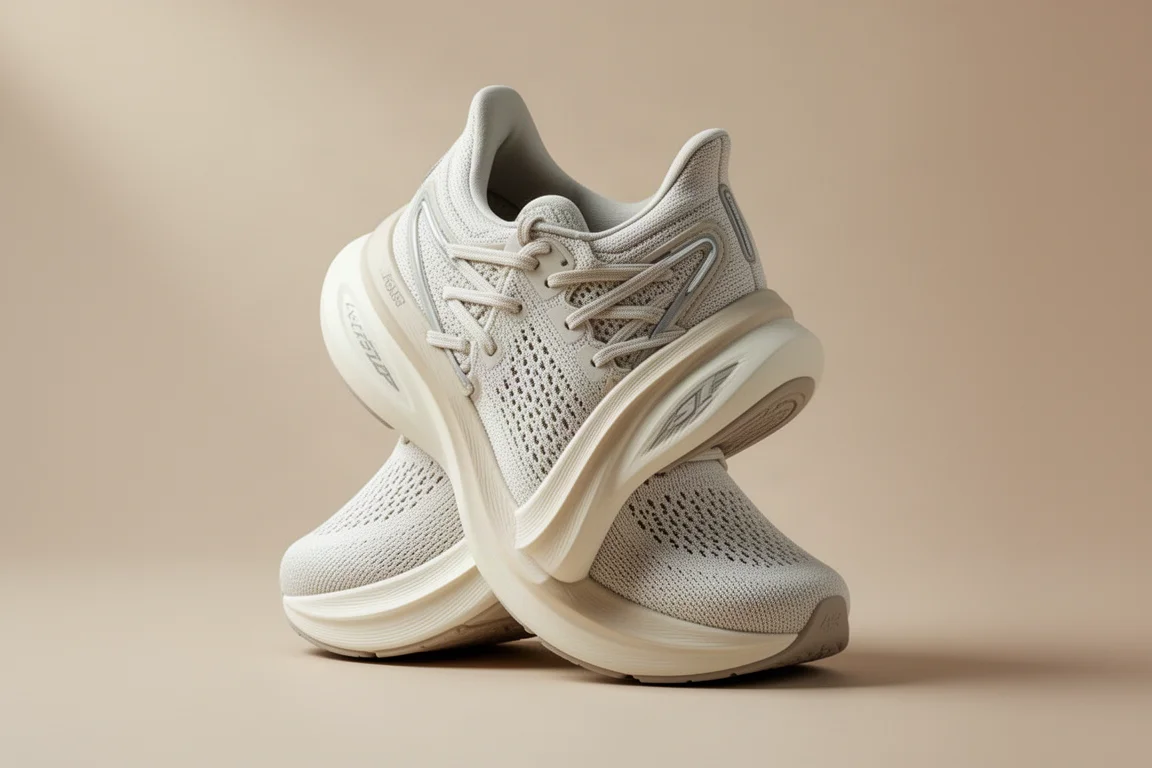
The Deviate Nitro 3 is the value play of this comparison, and it is not close. It carries a dual-layer foam setup with a very soft layer on top and a firmer layer beneath, plus a carbon plate, yet it costs significantly less than the New Balance. Stack height is only slightly lower, and the drop feels similar in practice at around 7 to 8 mm. Puma has nudged it further toward being a long run trainer rather than a pure racer, with a small weight increase over the v2.
On foot it feels more conventional and a little narrower than the SC Trainer v3, with a rocker that suits runners who increase their cadence and rely on the shoe’s forward roll. It performs well at faster paces and is arguably better than the New Balance at slower efforts, without losing stability late in long runs. For anyone building toward a marathon on a budget, the Deviate Nitro 3 is the tool to have in the collection.
Which One Should You Buy?
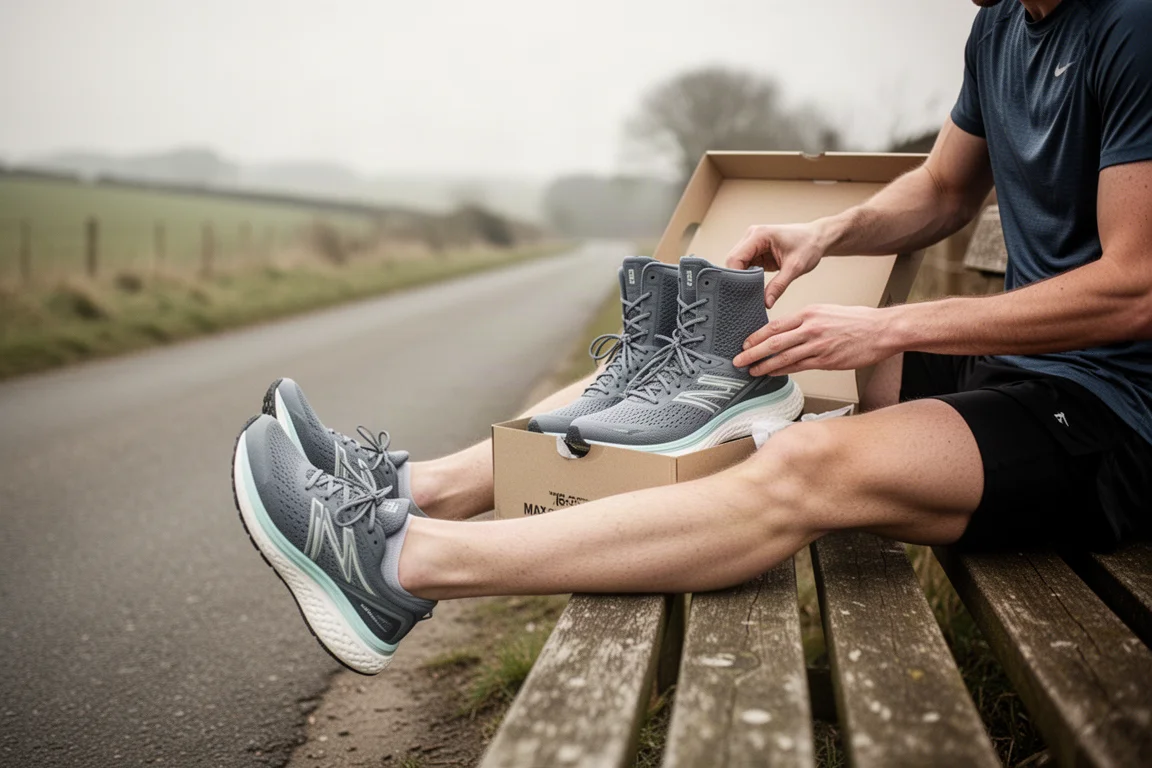
If you want the most versatile, propulsive option and price is no obstacle, the SC Trainer v3 is the strongest all-rounder, and it would be the pick for racing over the SuperBlast 2. If maximum softness and a warmer upper for cool-weather long runs matter most, the Cielo X1 delivers. If you want the best combination of cushion, weight, and price for everyday training, the SuperBlast 2 is hard to beat. And if value is the priority, the Deviate Nitro 3 packs most of the same technology for considerably less.
Conclusion
These four shoes prove that super shoes for the masses are now a real category: more durable, more substantial, and usable for both training and racing. Pick the SC Trainer v3 for versatility and propulsion, the Cielo X1 for long, steady efforts, the SuperBlast 2 for all-round training value, and the Deviate Nitro 3 if budget comes first.
Further reading
Related Reviews

Running Shoes
Best Road-to-Trail Running Shoes: Three Versatile Options for Mixed Terrain
A practical guide to three road-to-trail running shoes that handle both pavement and mild trails, with clear strengths and trade-offs for different runner types.

Running Shoes
Best Running Shoes for Achilles Tendonitis: Three Options Explained
Three running shoes with different heel drops and support features designed to help reduce Achilles tendon pain during walking and running.

Running Shoes
Best Running Shoes for Women: Five Top Choices Ranked
A ranked guide to five women's running shoes, from versatile daily trainers to high-performance racing options, with real strengths and trade-offs for each.