Running Shoes
Best Super Shoes for Hilly and Twisty Courses: 7 Racing Shoes Ranked by Terrain
How rockers, stack height, and foam compliance change which super shoe you should pick for hilly, twisty, or flat race courses.
Introduction
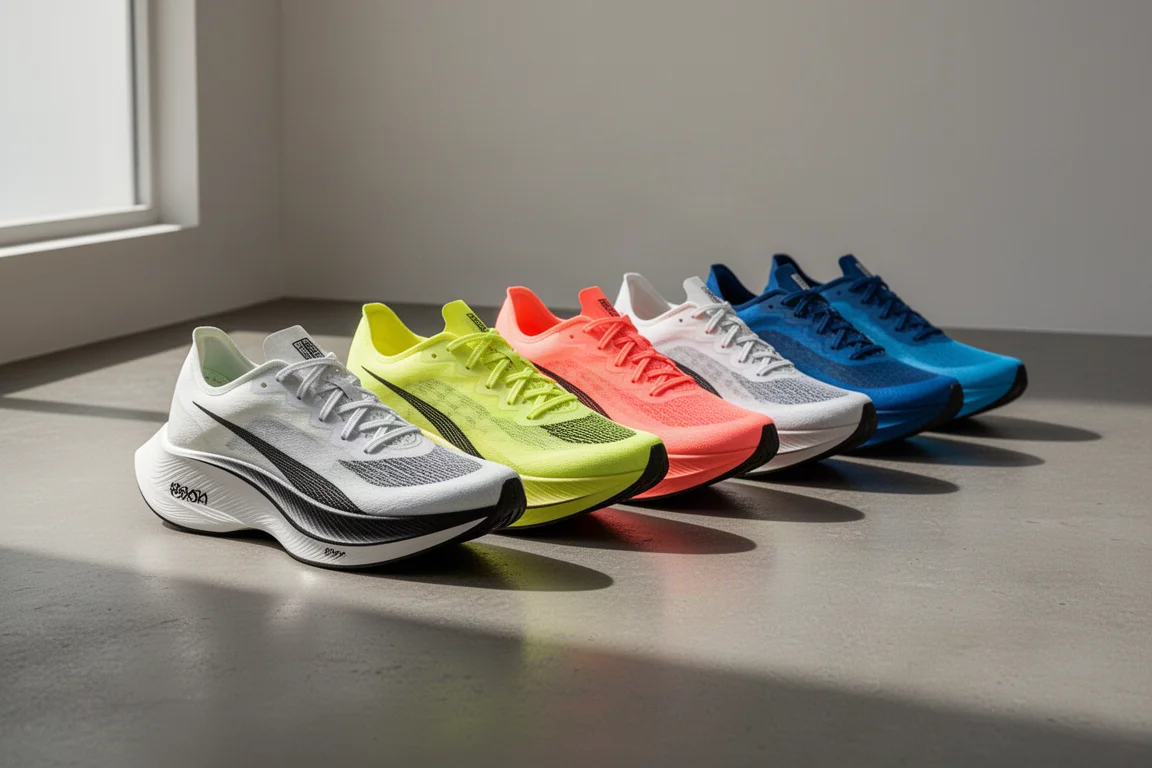
Not every racing shoe fits every course. A shoe that feels effortless on long straightaways can feel unstable in tight corners or sketchy on steep downhills, especially when super shoe foams are highly compliant and already shifting under your foot. This roundup looks at seven popular super shoes through the lens of terrain: how each behaves on turns, hills, and changes of surface, and who each one suits best.
How Hills Change the Equation
Course profile matters more than most runners expect. On flat ground, nearly any well-designed super shoe will deliver its promised efficiency, but add turns, grass, dirt, or steep gradients and the differences become obvious.
The research backs this up in an interesting way. One treadmill study on the Saucony Endorphin Pro found the same amount of running economy improvement across inclines, declines, and flat conditions. A study on the original Nike Vaporfly 4% also found benefit in all three situations, but slightly less on hills: roughly 2.8% improvement on the incline, about 3.8% on the flat, and 2.5% on the decline, with notable variability.

There is also a strong personal preference element. Very sharp toe-spring rockers can feel great at cadence on the flats but fight you on climbs, while very soft, compliant midsoles can feel stable on flat ground and loose on sharp descents. Practicing on similar terrain before race day is the best way to know which type suits your mechanics.
Saucony Endorphin Pro (Versions 1 and 2)
The original Endorphin Pro and its second version stand out for their smooth, gradual rocker. Rather than an aggressive curve, they feel like rhythmic shoes that keep you in step, which is exactly why they hold up well on rolling or steeper courses. A good forward lean from the trunk, and these will send you up a hill more readily than most of the field.
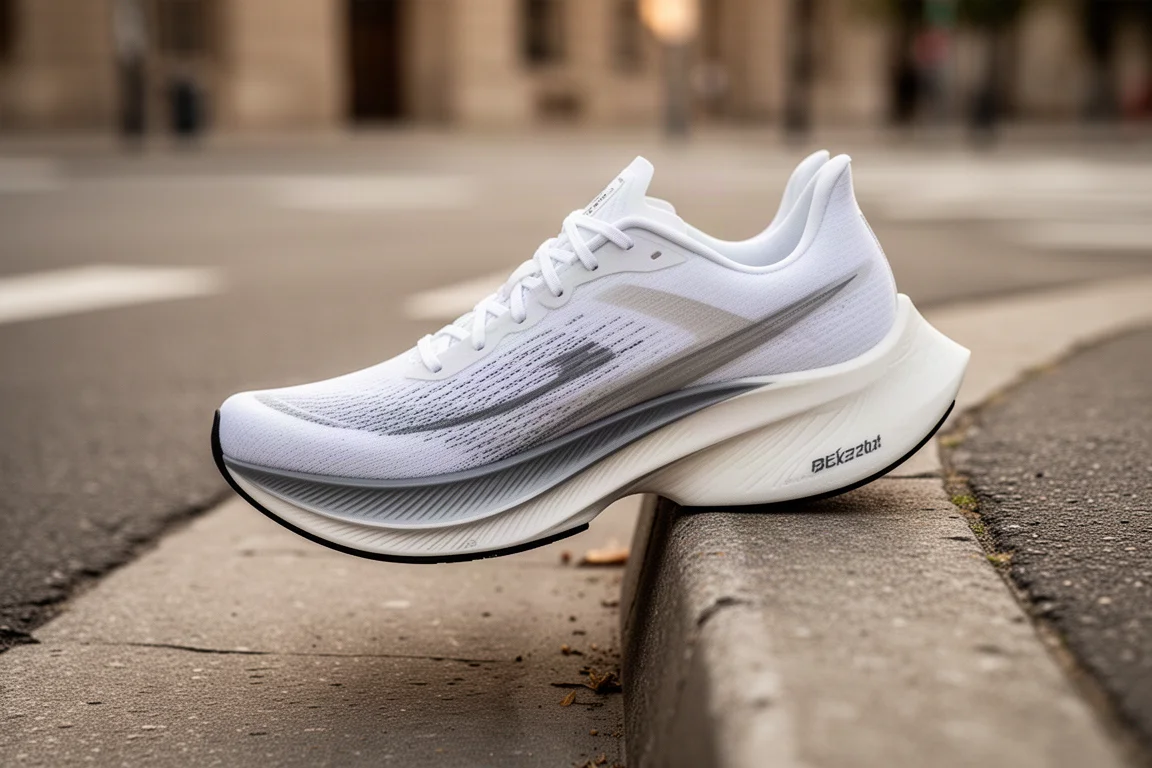
For runners who want a super shoe that stays predictable when the grade changes, versions 1 and 2 remain a smart pick, particularly where the course has more climbing than your everyday training loop.
Saucony Endorphin Pro 3
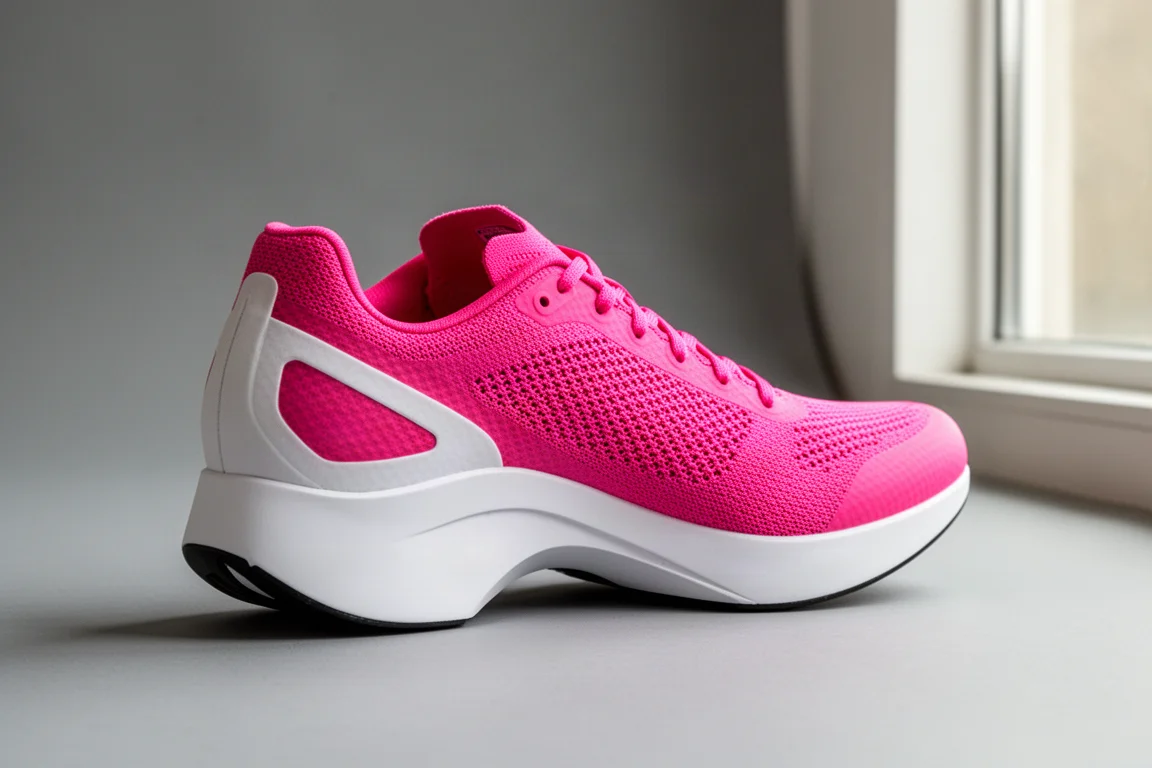
The Endorphin Pro 3 is a phenomenal shoe on paper and on the flats, but the increased stack makes it a little softer and harder to use on steep terrain. Pair that added softness with the sharper rocker and you get a double whammy on hills: the shoe performs brilliantly on straightaways yet can feel like it is working against you on climbs.
If your target race is rolling or flat, the Pro 3 is easy to recommend. If the course features sustained steep hills, the earlier versions or a lower-stack alternative may serve you better.
View more details for Saucony Endorphin Pro 3
Nike Vaporfly 4%
The original Vaporfly 4% remains the most-studied super shoe of the bunch, with documented running economy improvements on flat, uphill, and downhill conditions. The gains are only slightly reduced on hills, which makes it a reasonable choice even for courses with some climbing.
It is a shoe many runners find quick and reliable across a range of courses, and its rockered geometry is generally forgiving. If you want one racing shoe that can handle everything from a 5K to a marathon without a dramatic weakness, this one stays on the shortlist.
New Balance FuelCell RC Elite
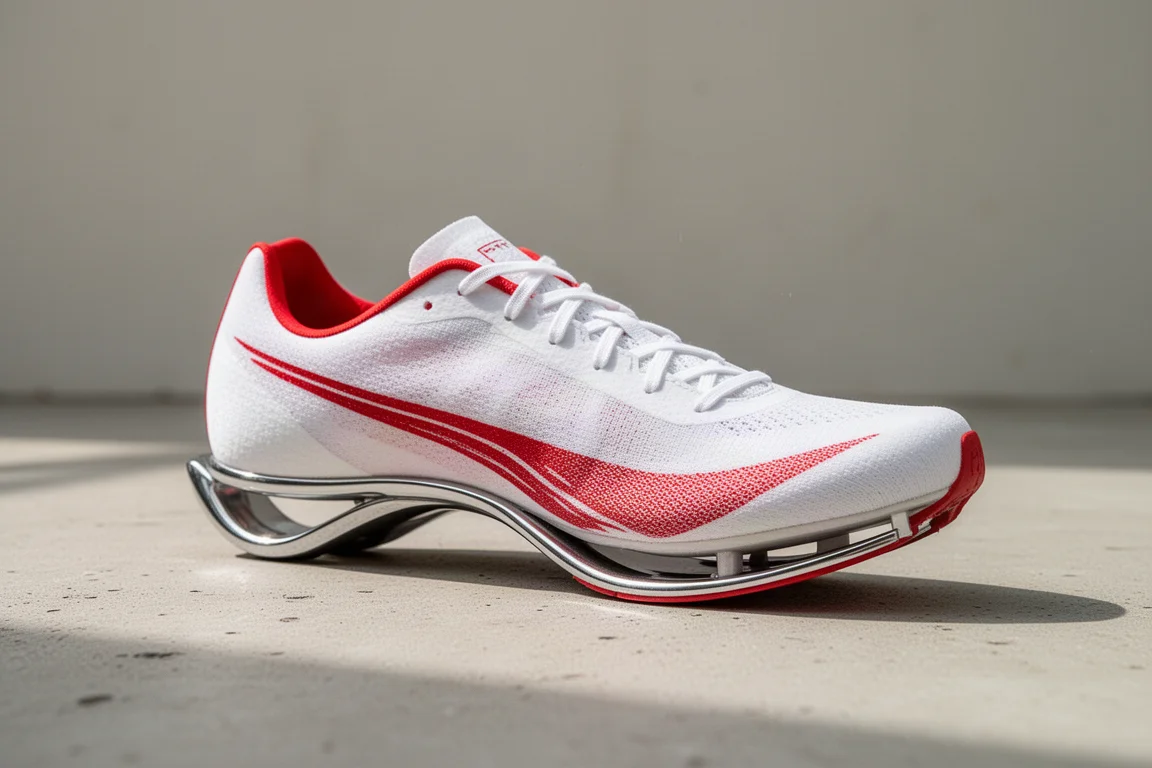
The FuelCell RC Elite, particularly version 1, is a joy on flats and gradual downhills. The catch is the very compliant midsole: on sharp downhills you hit the ground harder and can feel the shear through the foam, even though the grip itself is good. On steep up-and-down courses it can feel like too much cushion working against you.

This is not a bad shoe at all, it is simply a circumstance-dependent one. Choose it for fast, even courses where its softness becomes an advantage rather than a liability.
Nike Alphafly 2
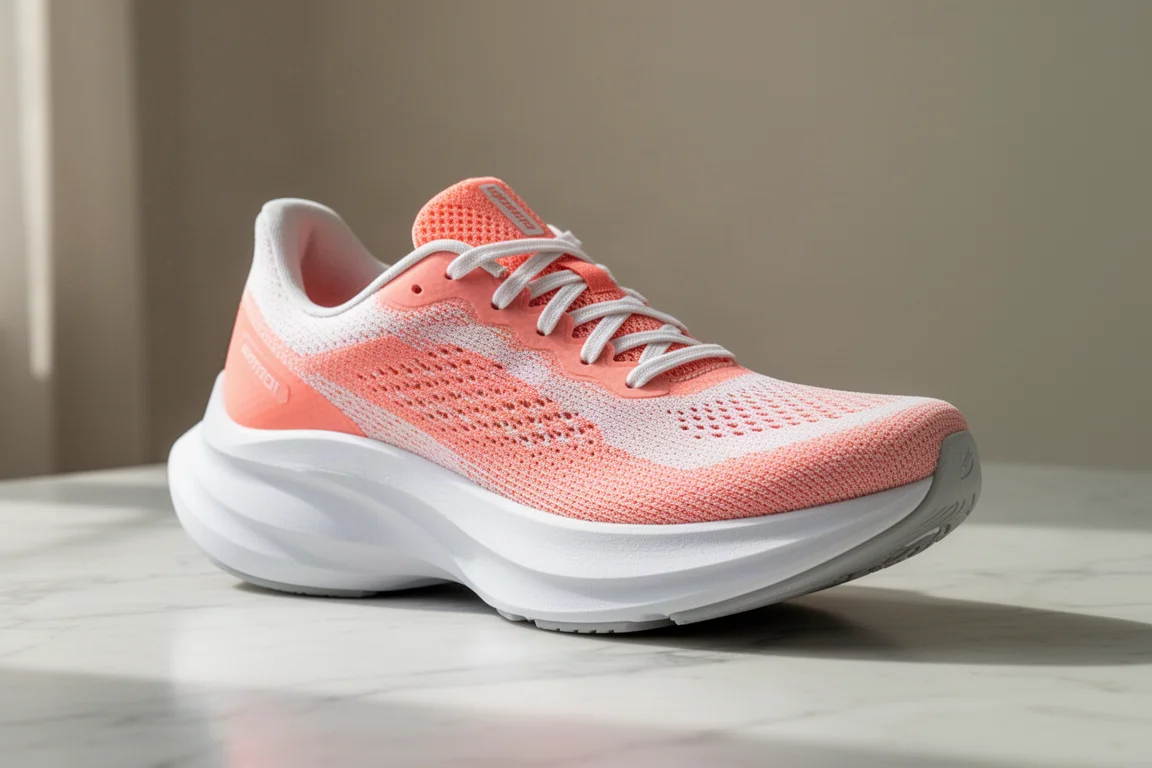
The Alphafly 2 cleaned up many of the fit complaints of the original Alphafly 1, which some runners found narrow in the midfoot and prone to arch pain beyond 15 miles. For the marathon, the Alphafly 2 is a shoe you can trust: it locks down well in the upper, the sole flares in the forefoot, and it has world-record pedigree in the marathon.
The trade-off is weight. Around 8.5 ounces in some sizes, it is heavy for a racing shoe, which makes it feel like a lot of shoe at half marathon or 5K pace. It is a marathon-first pick, and less obviously the right call for shorter, faster efforts.
ASICS Metaspeed Sky
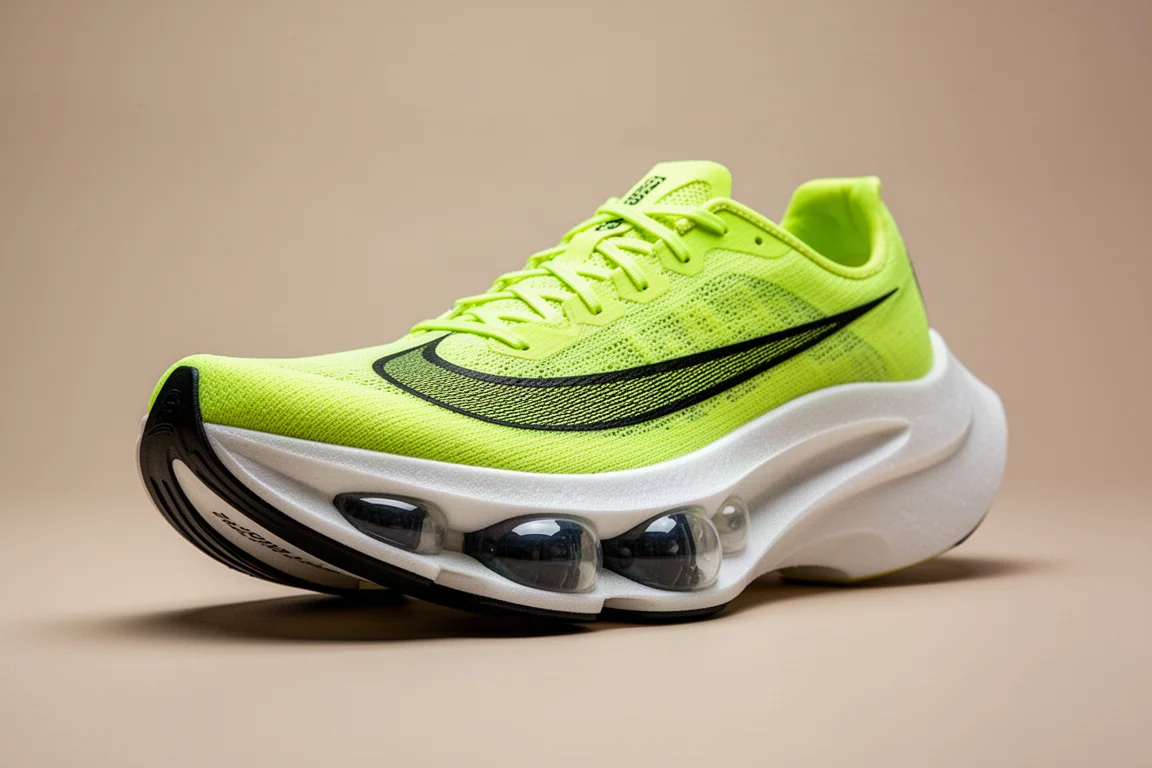
The Metaspeed Sky features a pronounced aggressive rocker that many runners struggle to utilize on climbs. Uphill, mechanics naturally shift toward the forefoot, and with a sharp toe spring you can end up sitting on the end of the rocker without ever getting to propel through it.
On flat, fast courses where you can hold a consistent rhythm, the Sky rewards you. For anything with sustained climbing, a smoother-rockered, lower-stack alternative is usually the better match.
ASICS Metaspeed Edge Plus
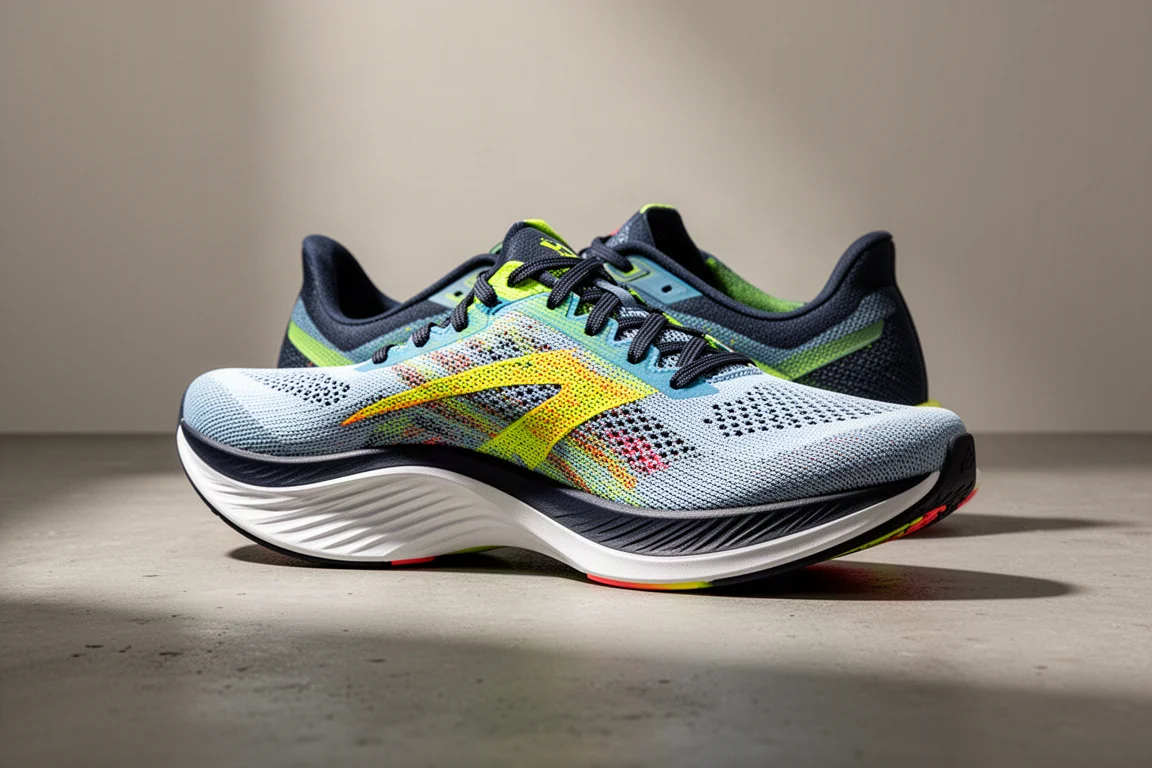
For the most extreme non-trail courses you can throw at a racing shoe, including dirt turns, sharp hills, and sharp declines, the Metaspeed Edge Plus is the pick here. The foam feels firmer than most super shoes while still offering good bounce, the sole flare in the forefoot works well for stability, and traction underfoot is genuinely good.
It is a jack-of-all-trades super shoe: grounded, predictable, and comparable to the Alphafly or Vaporfly for many mechanics across 5K through marathon distances. If you want one shoe you never have to second-guess on a technical course, this is it.
Overall Buying Advice
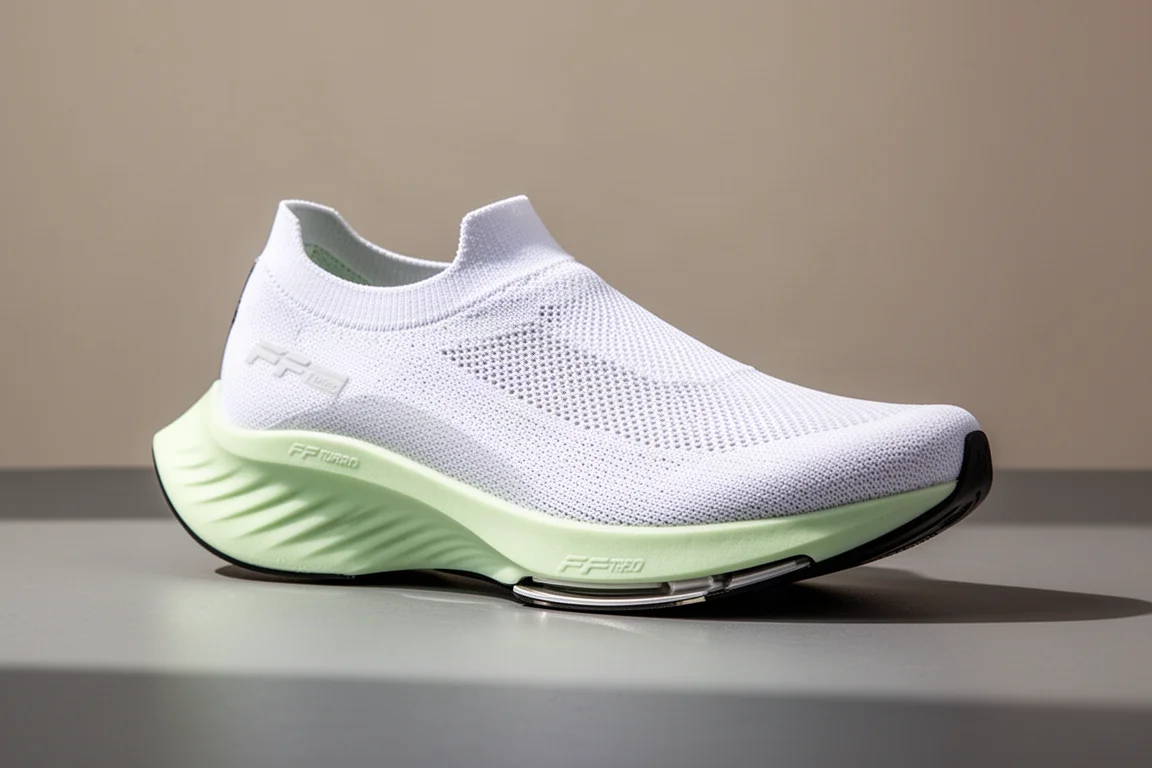
The more extreme the course, the more neutral and predictable you want your shoe to be: less rocker, less bounciness, less compliance in the foam. On long straightaways with almost no turning, aggressive rockered shoes shine and are worth the gamble. On gradual gradients and gentle turns, almost any super shoe will do the job.

Match the shoe to the course before you match it to the marketing. Test cornering and surface changes on a training run, and pay attention to how your feet feel beyond the 15 to 16 mile mark if you are targeting a marathon, because problems tend to show up well before mile 20.
Conclusion
There is no single best super shoe, only the right super shoe for your course. Smooth rockers and lower stacks favor hills, soft compliant midsoles favor fast flats, and grounded, firmer platforms like the Metaspeed Edge Plus favor the most technical road courses. Pick for the terrain, and the speed will follow.
Further reading
Related Reviews

Running Shoes
Best Road-to-Trail Running Shoes: Three Versatile Options for Mixed Terrain
A practical guide to three road-to-trail running shoes that handle both pavement and mild trails, with clear strengths and trade-offs for different runner types.

Running Shoes
Best Running Shoes for Achilles Tendonitis: Three Options Explained
Three running shoes with different heel drops and support features designed to help reduce Achilles tendon pain during walking and running.

Running Shoes
Best Running Shoes for Women: Five Top Choices Ranked
A ranked guide to five women's running shoes, from versatile daily trainers to high-performance racing options, with real strengths and trade-offs for each.