Running Shoes
Best Super Shoes Compared: Hoka, Puma, Adidas and Nike Race Day Options
Four carbon-plated racing shoes tested across fit, cushioning, grip and value, with a clear pick for different runners and race distances.
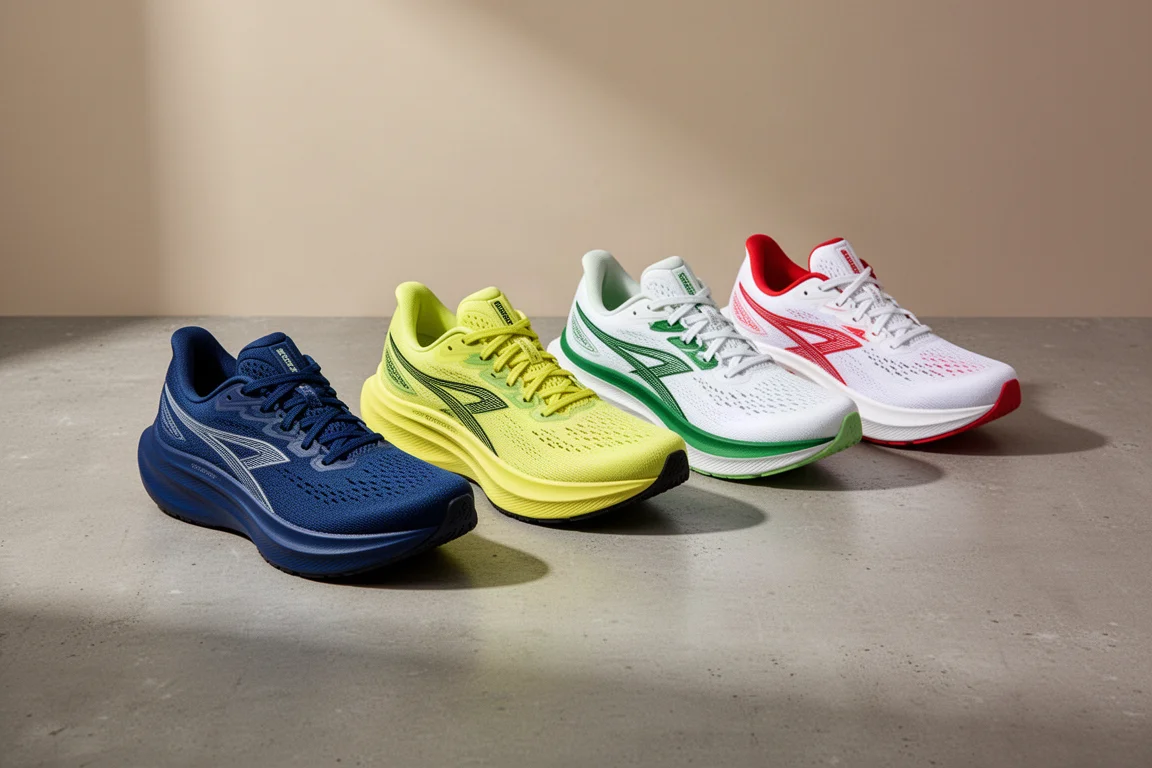
Introduction
Choosing a carbon-plated racing shoe has never been harder. Four of the most talked-about super shoes go head to head here: the Hoka Rocket X2, the Puma Deviate Nitro Elite 2, the Adidas Adizero Adios Pro 3 and the Nike ZoomX Vaporfly Next% 3. Each was assessed on upper fit, midsole cushioning, outsole traction and value for money, with the differences between them genuinely subtle and worth understanding before spending serious money.
How the Four Were Compared
All four shoes were tested in the same size (Euro 46), though sizing is worth flagging early. The Adidas, Nike and Puma options all fit true to size for a UK 11, while the Hoka needed a half size up to get enough length in the toe. That is a small detail, but not a dealbreaker once you know it.
On weight, the Vaporfly Next% 3 is easily the lightest of the group, sitting well over half an ounce below the Puma and roughly a full ounce lighter than the Adidas and Hoka. Cushioning softness is broadly similar across all four, with the ZoomX midsole the softest and the Hoka and Puma not far behind, though softer is not always better. For shorter races like a 5K, 10K or half marathon, a firmer and more responsive platform can be the smarter choice, while marathon runners may want that extra cushion.
Stack geometry also differs. The Vaporfly runs the most aggressive with an eight millimetre drop, the Puma sits with a taller 14 millimetre heel, and both Adidas and Hoka opt for a more conservative five millimetre heel-to-toe drop.
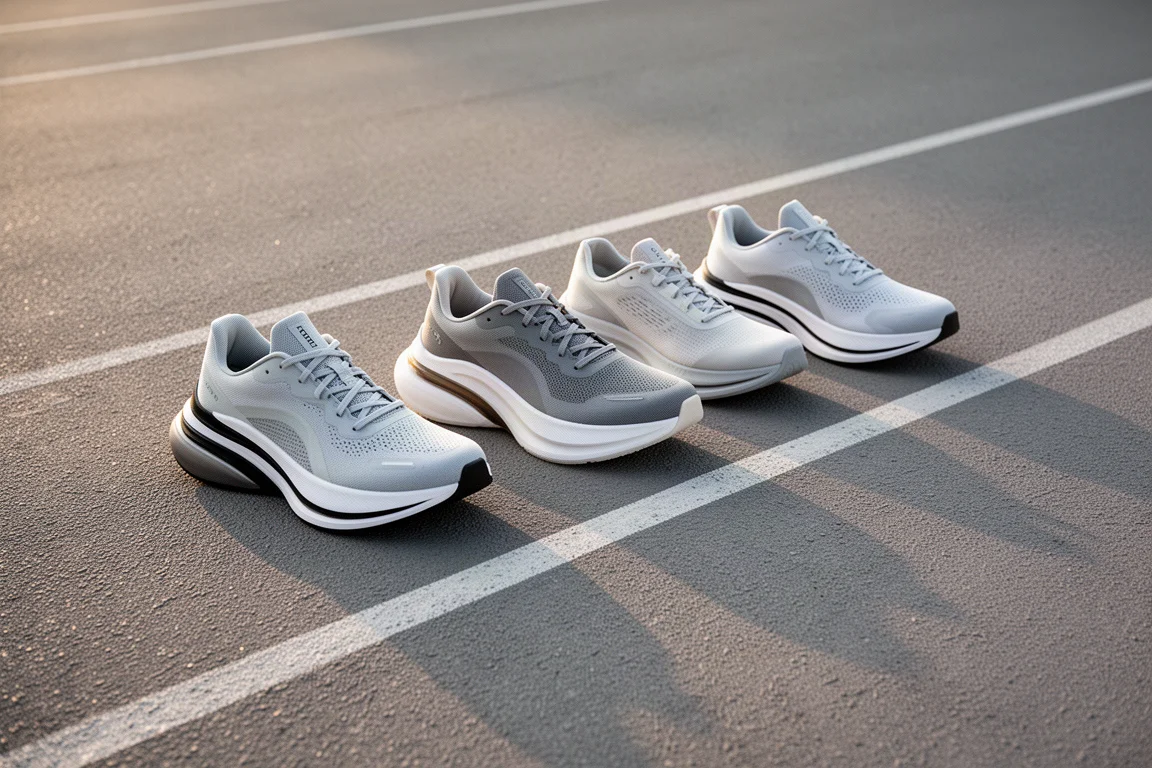
Hoka Rocket X2
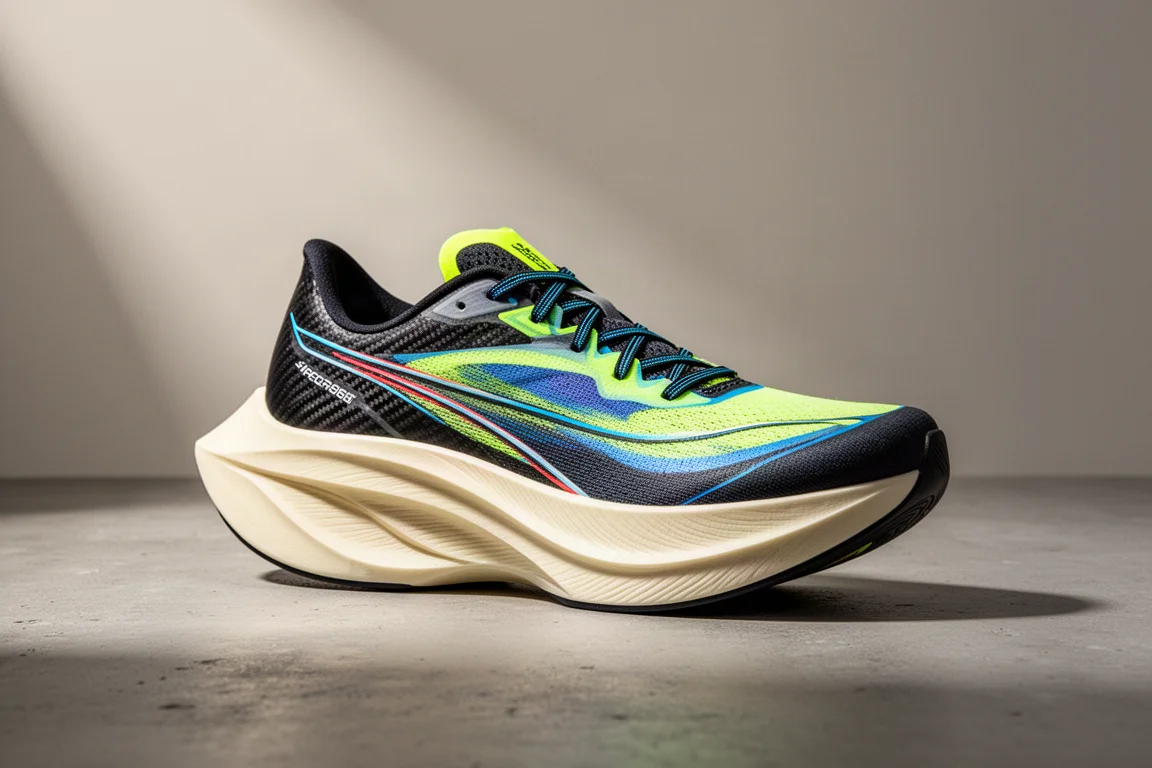
The Rocket X2 has won over plenty of runners since launch, raising the bar for Hoka with a lighter, nimbler and very cushioned ride. It scored well in the upper category thanks to a simple, light design with minimal overlays, though heel support is not its strength and sizing needs care. Fit issues are minimal if you lace it properly, but the first two lace loops can run overly tight in the morning, and the coarse laces do not stretch much. At its price, you should not have to work that hard for a good fit.
In the midsole, it shines at tempo and faster efforts. Kilometre reps at 5K effort felt fantastic, and it holds up well even at marathon pace. That soft foam comes at a cost, though: it is less stable than the Puma or Adidas options and does not feel quite as propulsive as the Vaporfly, possibly down to its forked plate. The outsole carries a huge amount of rubber, more than a racing shoe arguably needs, and grip on corners is good. It is somewhat of an all-or-nothing shoe with a flexible heel area that will not suit everyone, which holds back its value score at the asking price.
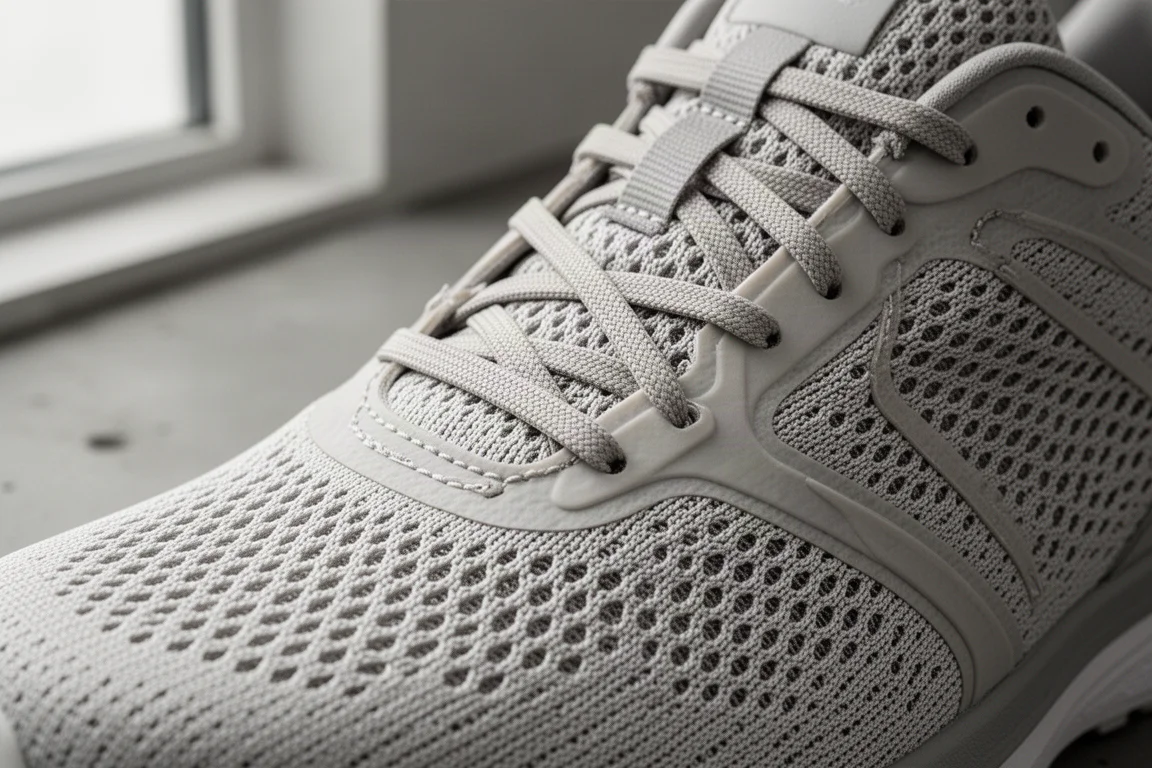
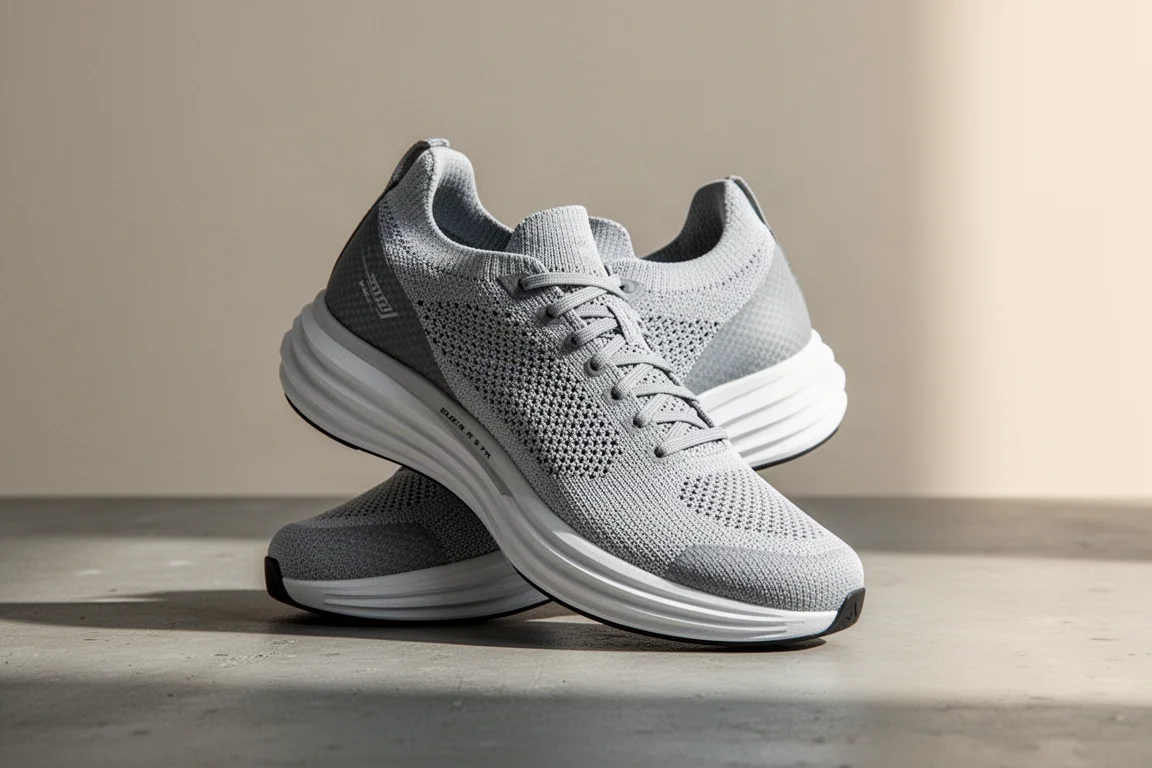
Puma Deviate Nitro Elite 2
The Deviate Nitro Elite 2 took the top spot overall in this comparison, and the appeal is easy to see. The upper is a lesson in simple design: put your foot in, tighten the laces, tie the bow and you are done. The tongue stays exactly where it should, the heel counter is ample, and rearfoot cushioning is good. It scored maximum marks for fit.
Its midsole is the most usable of the four day to day. The stack is slightly lower, the plate feels less prominent, and it is the most stable platform here, making it genuinely forgiving and cushioned rather than demanding. It lacks the outright long-range propulsion of the Vaporfly or the Hoka, and it does not feel quite as fast, but that trade makes it a strong trainer-racer hybrid. The Puma Nitro foam is better suited to a broader range of paces than the peba-based foams in some rivals, which prefer tempo pace and above.
The outsole is outstanding. The Continental rubber grip is unmatched, and after around 100 kilometres the outsole shows virtually no wear, performing well in both wet and dry conditions on road and pavement. Factor in a price roughly £60 below the Vaporfly Next% 3 and it is hard to argue with.
Adidas Adizero Adios Pro 3
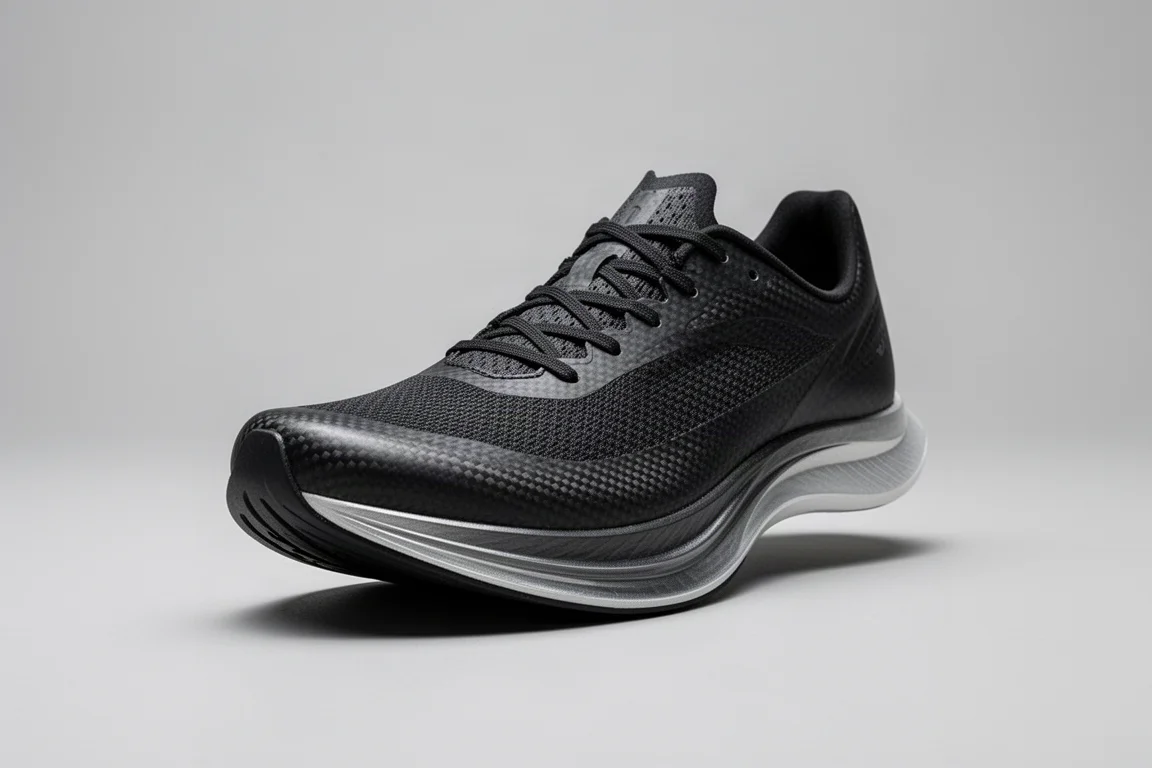
The Adios Pro 3 is now firmly a marathon shoe. It is more stable than the V1 and V2 before it, and that prominent rocker helps you roll onto your toes, but a fair amount of material is cut out around the arch area and it feels less engaging and aggressive than its predecessors. It is also a step back in the upper compared with the excellent earlier versions: the lacing needs careful tension to work well, the coarse laces barely stretch, and fit can feel too tight early in the day when feet are not yet swollen.
Where it earns its keep is durability and grip. After around 100 miles the outsole rubber shows almost no wear whatsoever, and the traction performs reliably in wet and dry conditions on road and pavement, with strong cornering grip. If the upper works for you out of the box, this is a very solid pick for marathon day, even if it is less versatile down at 10K and below than the V2 was.
Nike ZoomX Vaporfly Next% 3
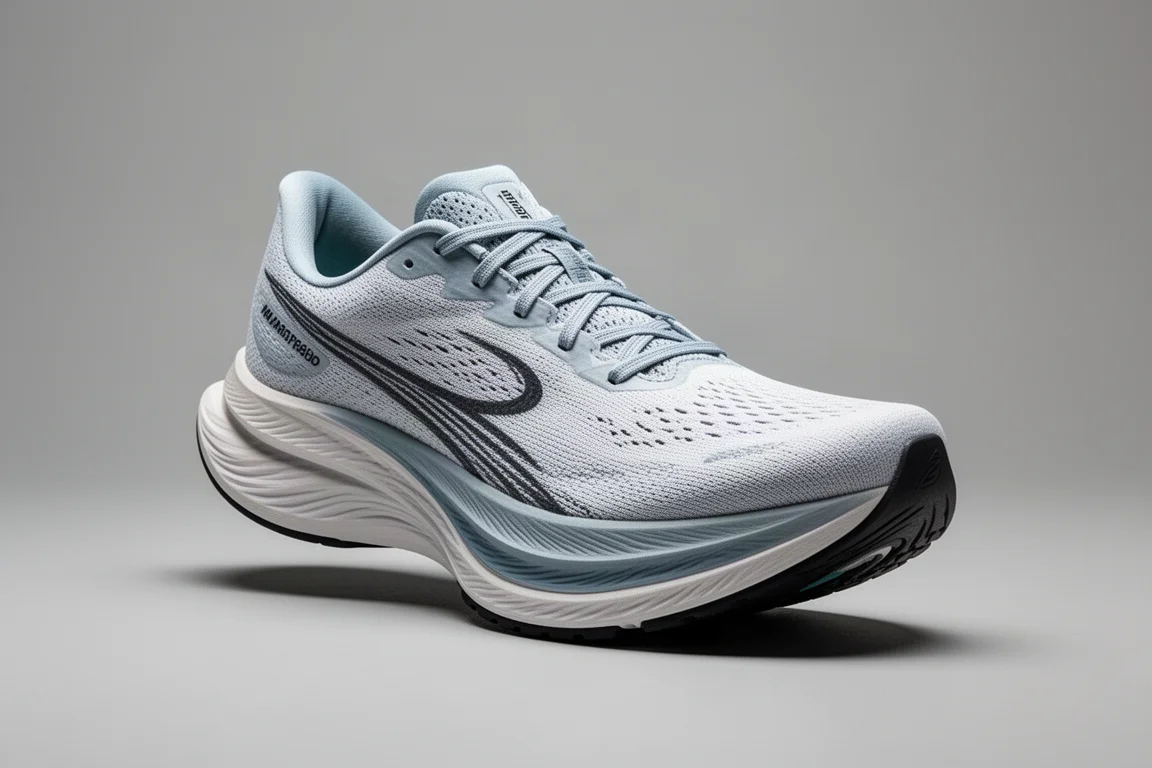
The Vaporfly Next% 3 remains the king of the midsole in this group. It is the most versatile of the four across paces, superb at 5K and 10K efforts and brilliant even at marathon pace, where it makes hard efforts feel almost easily sustainable. Its ZoomX foam is the softest here, and the forked plate and lightweight build make it the most nimble shoe of the bunch. If you want the lightest, most responsive race shoe available, it still takes some beating.
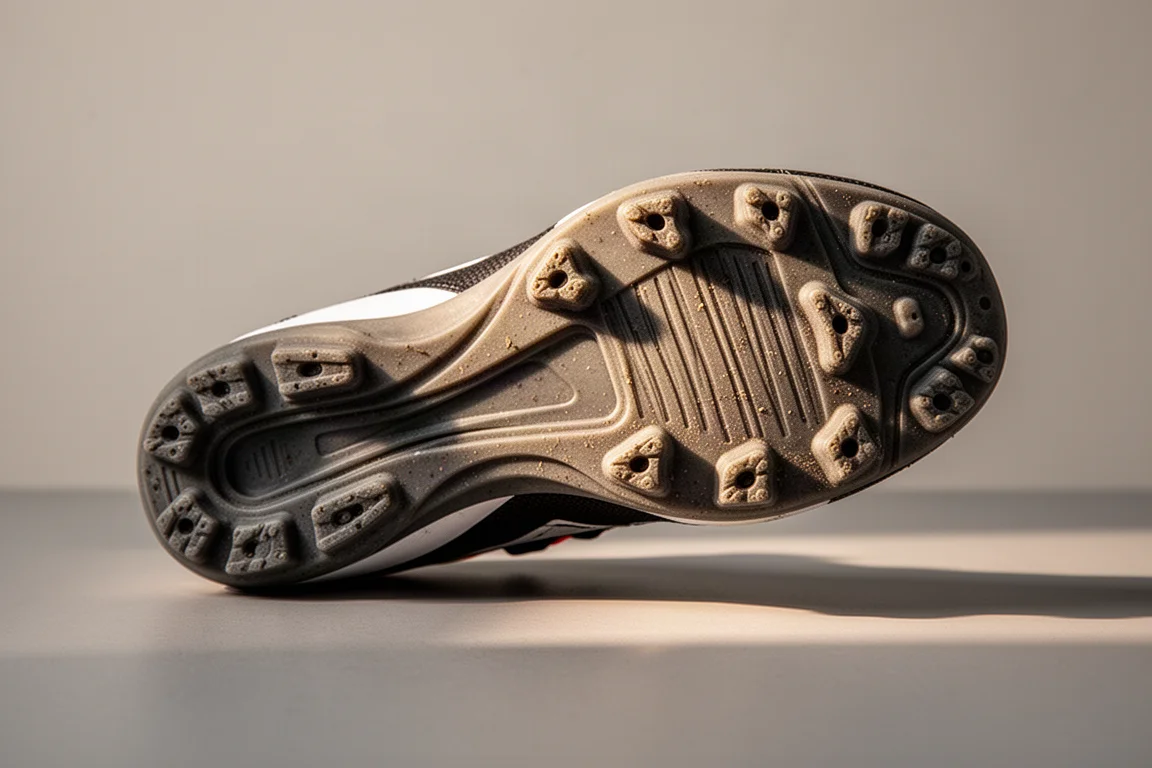
The compromises sit elsewhere. The toe box is extremely roomy, which is great for voluminous forefeet but less so for narrower feet, and sizing across Vaporfly generations has been inconsistent. The tongue apparently needs an instruction manual to position correctly to avoid lace pressure at the edges. More concerning is the outsole: the rubber is thin, and visible shedding appeared after only around 36 miles of road and pavement running. The waffle lugs work well on grip, but the durability is poor, which limits this shoe to road and concrete use and will put some runners off using it for training. Still, on overall performance it finished a close second here.
Buying Advice
These four shoes finished within touching distance of each other overall, so treat the rankings as a guide rather than a verdict. Very little now separates the top super shoes, and one that works brilliantly for you may not work at all for someone else.
If you want the fastest, most versatile midsole from 5K through the marathon and accept the durability trade-off, the Vaporfly Next% 3 is still the benchmark. If you want one shoe that can double as a trainer and racer, offers the best grip and durability, and costs roughly £60 less than the Nike, the Puma Deviate Nitro Elite 2 is the pick for more people. If you are targeting a marathon specifically and value a durable outsole, the Adios Pro 3 deserves a look. And if you want a light, cushioned alternative with a simple, comfortable upper, the Rocket X2 is worth trying, provided you size up half a size and accept its flexible heel.

Where possible, test these shoes on foot before buying. The differences between them are subtle and only really show themselves over familiar paces and distances.
Conclusion
There is a super shoe for almost every runner in this group. The Puma edges the overall ranking on balance, value and usability, the Nike remains the performance king with a durability asterisk, the Hoka is a lighter cushioned alternative with fit quirks, and the Adidas is the durable marathon specialist. Match the shoe to your race distance, fit needs and budget, and any of them can earn a place on the start line.
Further reading
Related Reviews

Running Shoes
Best Road-to-Trail Running Shoes: Three Versatile Options for Mixed Terrain
A practical guide to three road-to-trail running shoes that handle both pavement and mild trails, with clear strengths and trade-offs for different runner types.

Running Shoes
Best Running Shoes for Achilles Tendonitis: Three Options Explained
Three running shoes with different heel drops and support features designed to help reduce Achilles tendon pain during walking and running.

Running Shoes
Best Running Shoes for Women: Five Top Choices Ranked
A ranked guide to five women's running shoes, from versatile daily trainers to high-performance racing options, with real strengths and trade-offs for each.