Running Shoes
Best Super Shoes 2026: Six Racing Shoes Compared
From the new ASICS Metaspeed Paris lineup to Saucony and Hoka's fastest racers, here is how six top-tier super shoes differ in design and ride.
Introduction
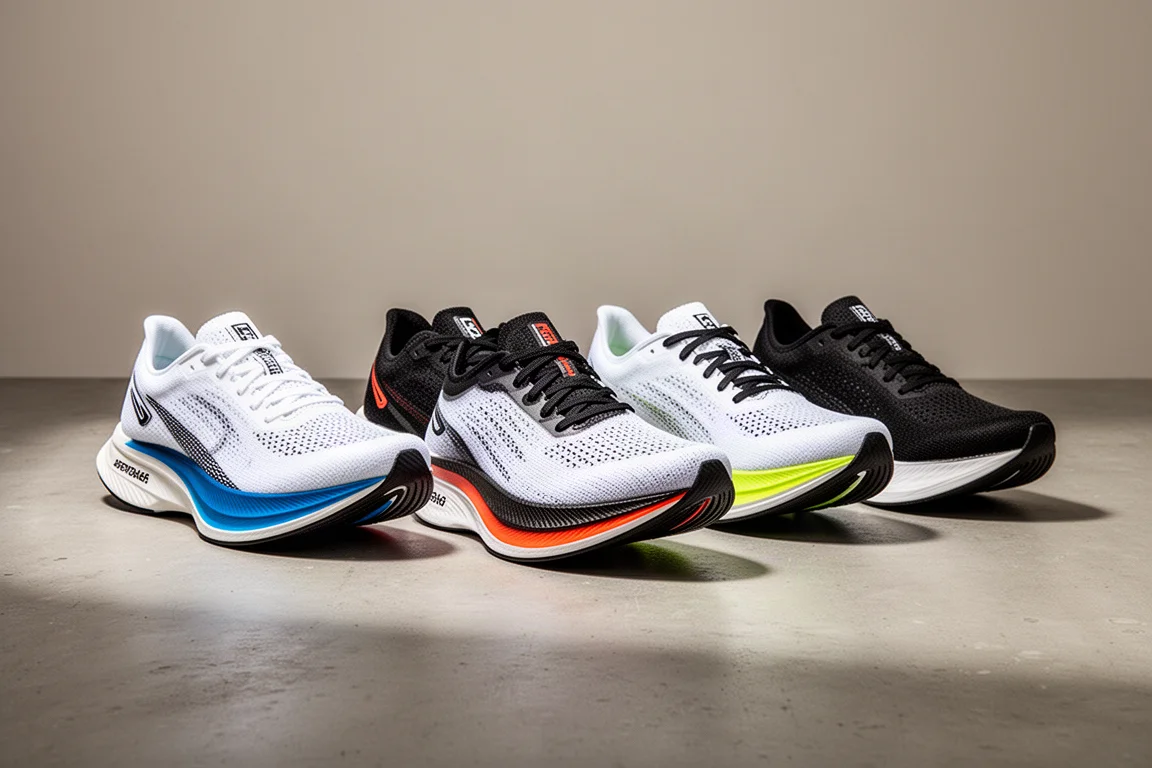
The super shoe market keeps moving fast, and the latest generation of carbon-plated racers shows just how specialized these shoes have become. Two new models from ASICS, the Metaspeed Sky Paris and Metaspeed Edge Paris, sit alongside proven Saucony and Hoka options that take noticeably different approaches to geometry. Understanding the design differences between them is the key to picking the right racer for your mechanics.
What Makes the ASICS Metaspeed Paris Update Different
The Sky Paris and Edge Paris are the first versions of these models with significant changes to more than just the upper. Both shoes drop meaningful weight: the Edge is 25 g lighter than its predecessor, and the Sky is 22 g lighter. The Edge now comes in at 185 g (6.5 oz) in a men’s size medium, making it lighter than many of its direct rivals, while the Sky sits at 183 g (6.45 oz). You can feel that immediately when you put them on.
Both shoes also move to a new FF Turbo Plus midsole, a full-thickness PEBA-based foam blend. ASICS indicates improved energy return with this new compound, though specific figures have not been published. Another major change: the Edge previously had an 8 mm drop compared to the Sky’s 5 mm, and now both shoes share a 5 mm drop, with heel and forefoot stack heights of roughly 39 mm and 34 mm (about half a millimeter more in the Edge heel).
ASICS Metaspeed Sky Paris: Built for Stride Runners
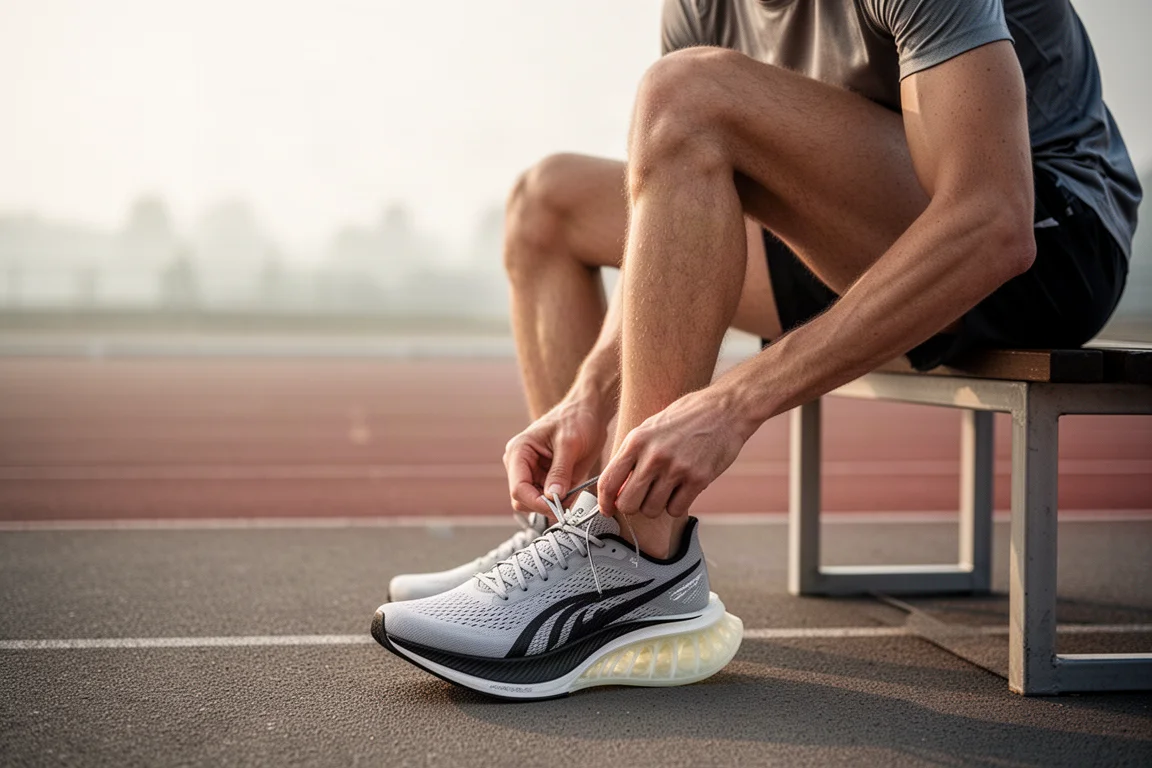
The Sky Paris is designed around what ASICS calls stride runners, athletes who load more through the forefoot and spend less time in ground contact. To support that, the plate sits flatter and closer to the foot, which increases the amount of compressible foam underneath it in the forefoot. Research on plate position suggests that a plate closer to the foot can increase running economy benefit, since more foam sits below it to absorb loading. The Sky also features a large medial forefoot flare and a later, sharper-angled forefoot rocker.
The new foam compound changes the ride substantially compared to the original Sky. Where the earlier version compressed heavily in the heel and felt like something you had to climb out of, the Paris version bounces back immediately and turns over with far less effort. That said, the sharper forefoot rocker still makes it harder to settle into a rhythm unless your mechanics match the design.
ASICS Metaspeed Edge Paris: Built for Cadence Runners
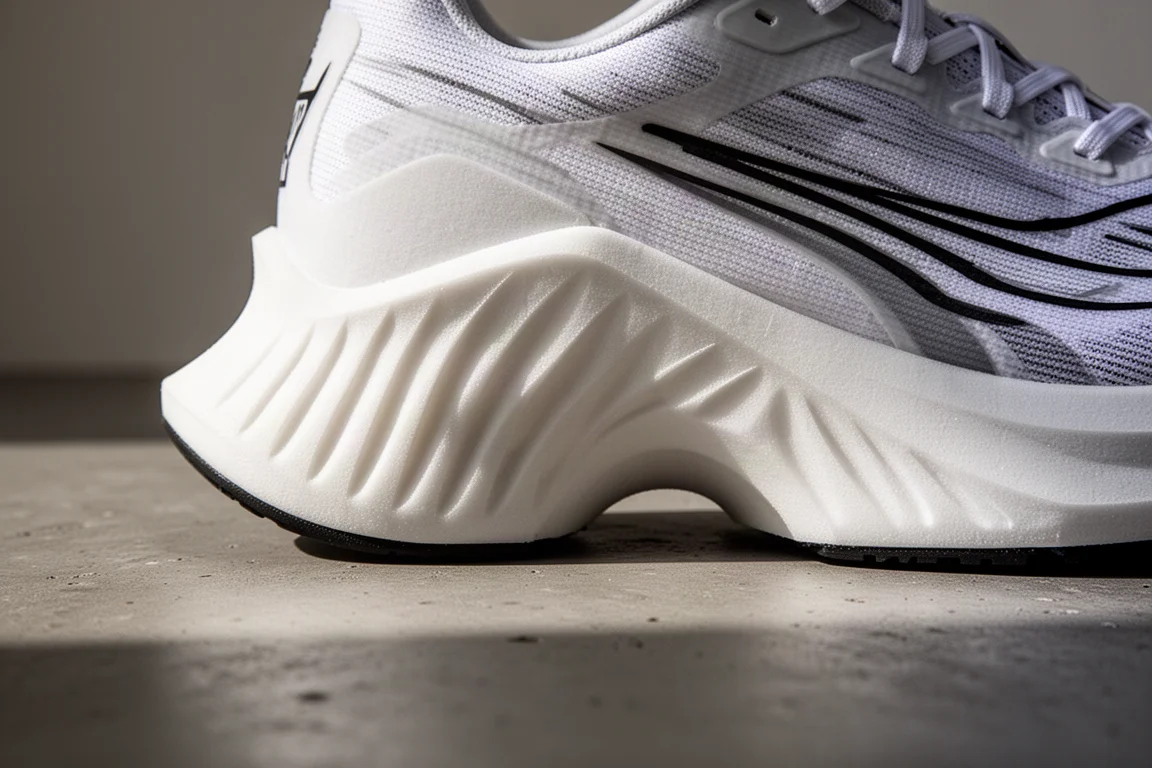
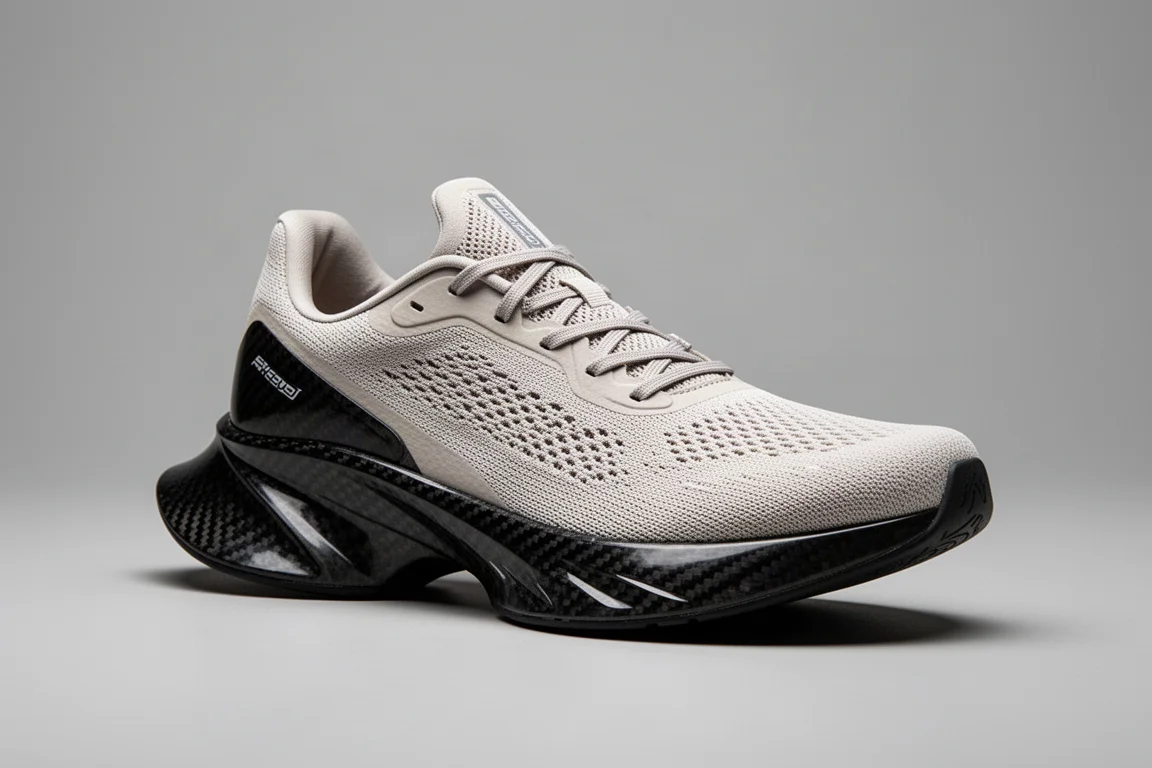
The Edge Paris takes the opposite approach for what ASICS calls cadence runners, who land a bit more toward the heel and have more frequent ground contacts. Its plate is more curved, dipping down into the midsole in an S-shape, which concentrates the compressible foam under the heel. The forefoot rocker starts earlier and is more gradual than the Sky’s.
In practice, this makes the Edge Paris remarkably easy to run in. The earlier rocker lets you fall into a propulsive rhythm right away, and it is comfortable even at easier paces, not just at race effort. It is a shoe many runners could happily pull out for a race with very little adjustment to their mechanics.
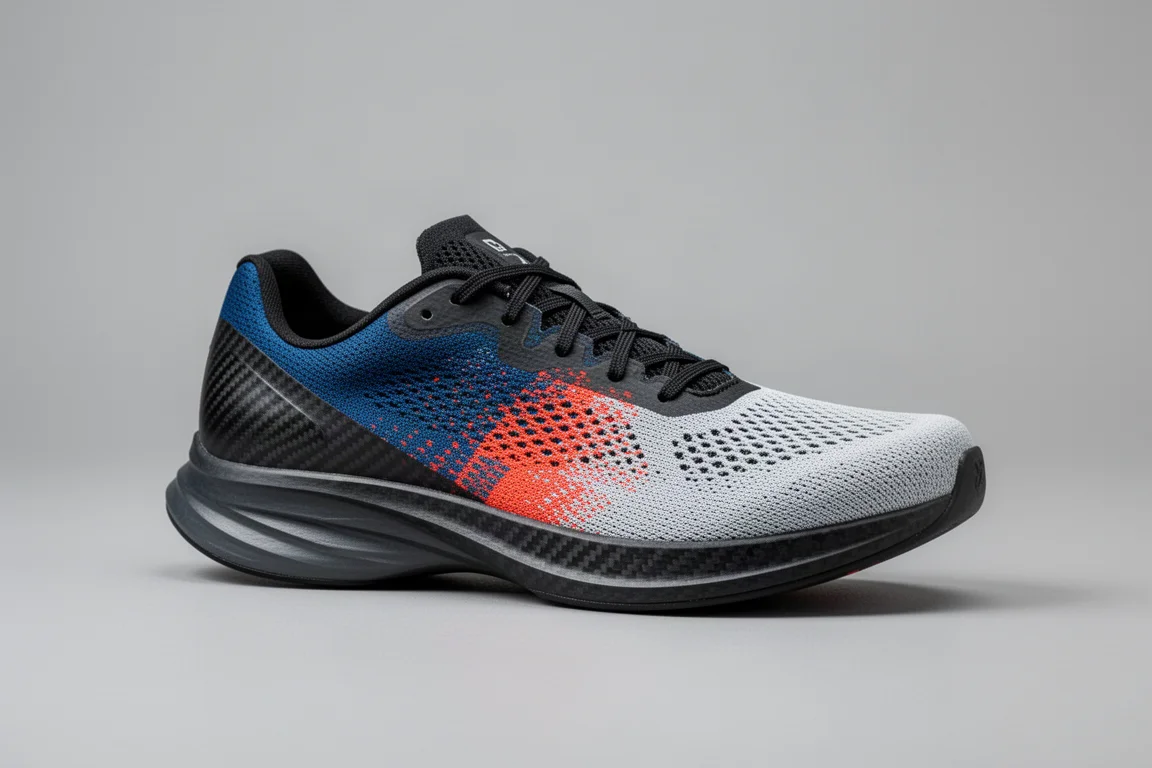
Saucony Endorphin Pro 3 vs Endorphin Elite
Saucony splits its racing lineup the same way. The Endorphin Elite has a later, sharper forefoot rocker, while the Endorphin Pro 3 uses an earlier, more gradual one. For runners who struggle with later-stage rockers, the Pro 3 tends to feel far more rhythmic, while the Elite rewards forefoot-dominant mechanics and faster efforts. The same principle applies as with the ASICS pair: match the rocker placement to how you naturally load the shoe.
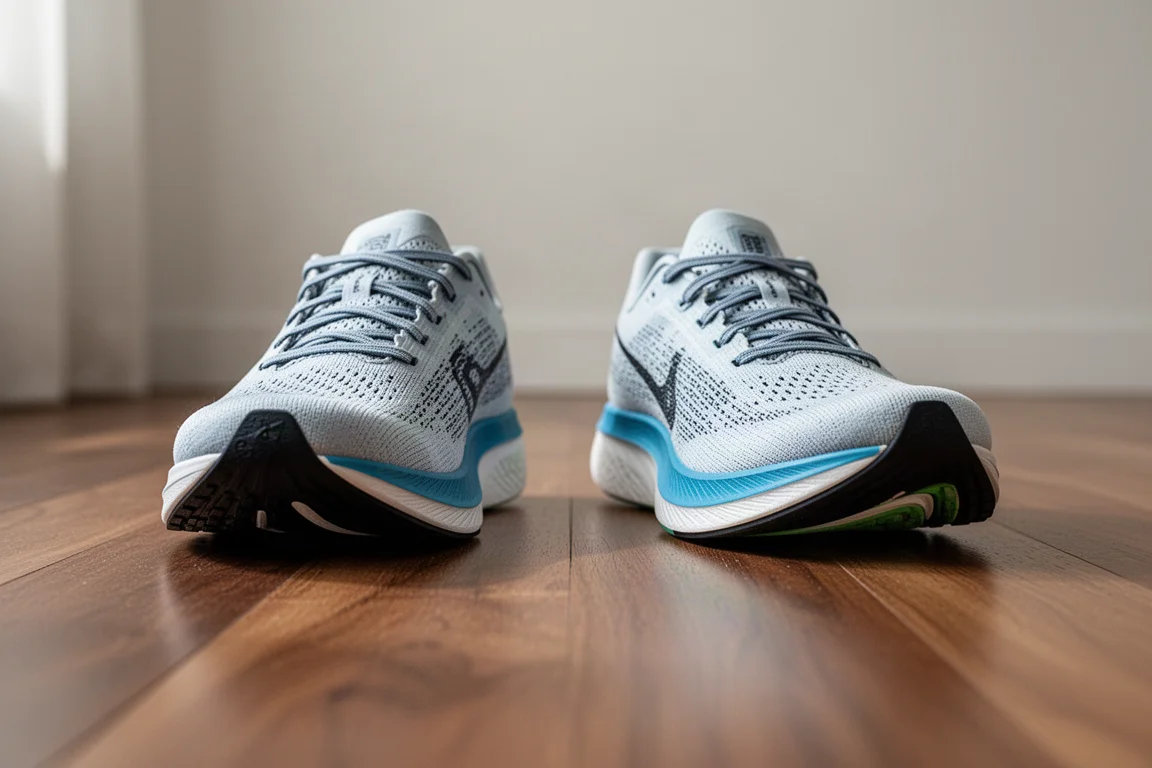
View more details for Saucony Endorphin Pro 3
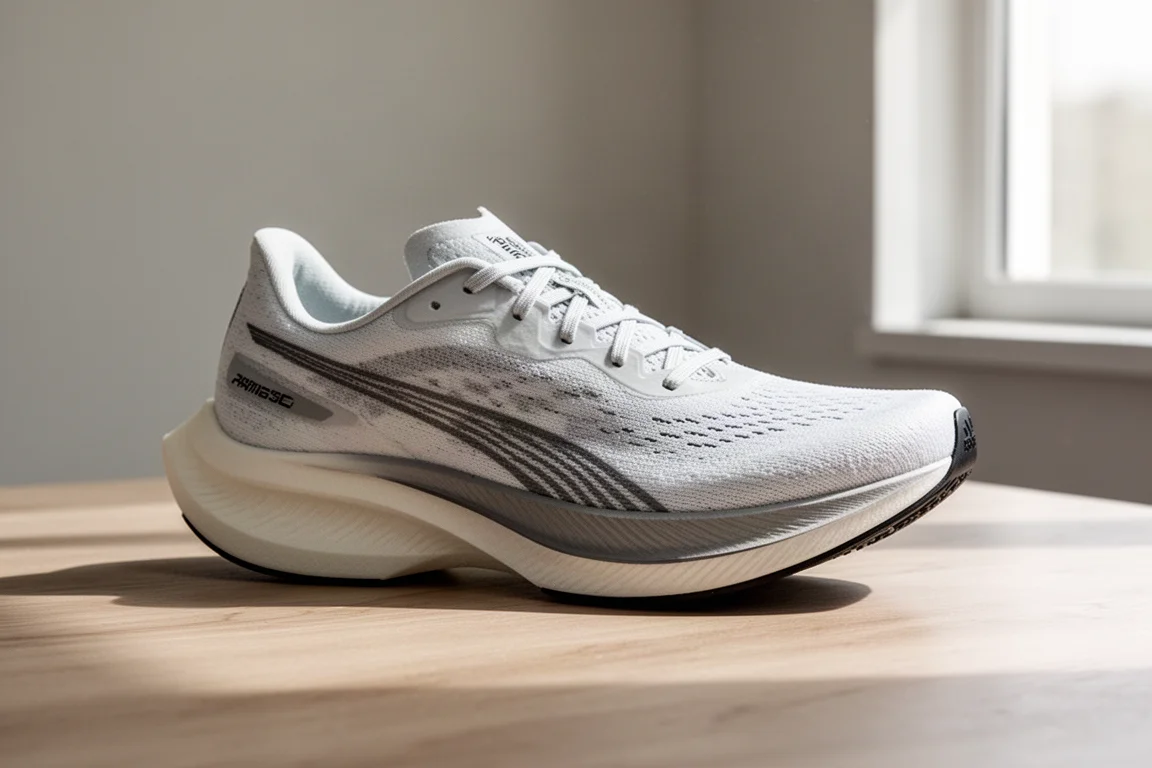
Hoka Rocket X2 vs Cielo X1
Hoka offers a similar contrast. The Rocket X2 stays flatter through the midfoot and then hits a later, sharper forefoot rocker, which makes it a shoe that really only comes alive at genuinely fast paces. The Cielo X1, by contrast, uses a full-length rocker that starts earlier and rolls more gradually, so you can drop into rhythm immediately whether you are warming up or picking up the pace. Again, the geometry difference is the deciding factor, not the foam quality.
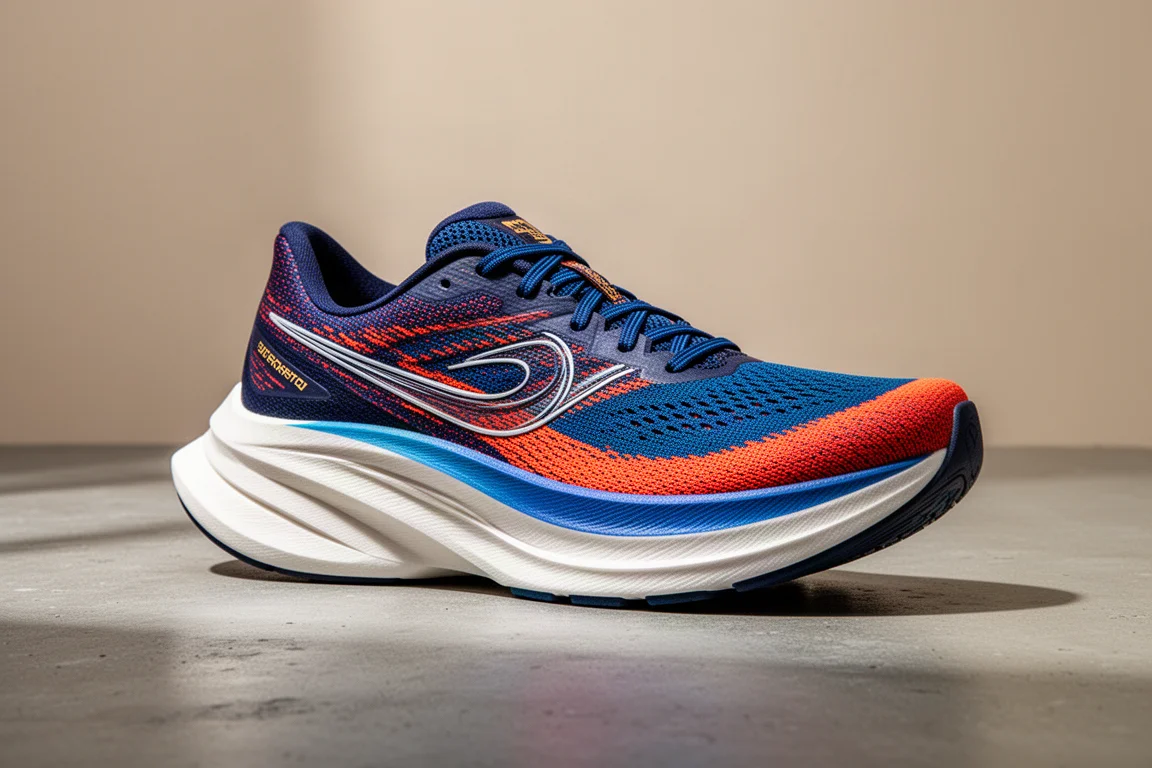
Overall Buying Advice
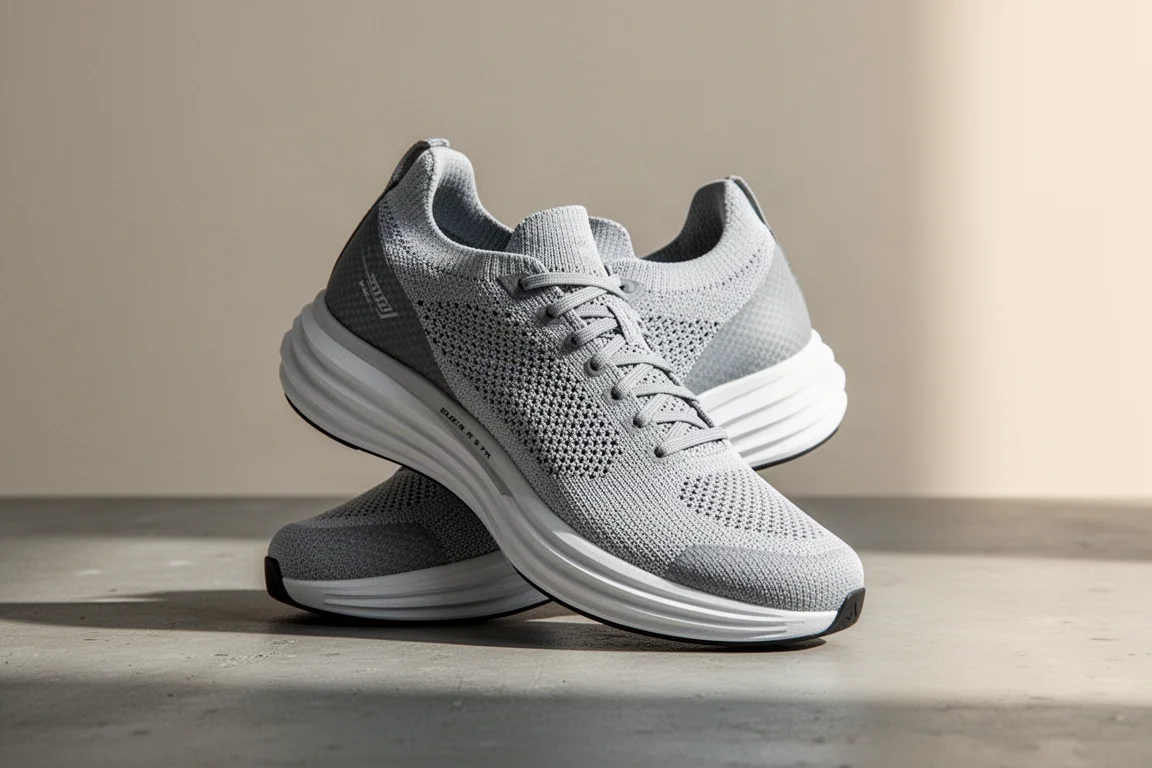
The clearest takeaway across all six shoes is that rocker placement and plate geometry matter as much as foam or weight. If your mechanics are forefoot-dominant and you want maximum forefoot foam, the Metaspeed Sky Paris or Endorphin Elite fit that profile. If you prefer an earlier, more gradual rocker you can settle into at any pace, look at the Metaspeed Edge Paris, Endorphin Pro 3, or Cielo X1. The Rocket X2 is the most pace-sensitive of the group and rewards truly fast running.
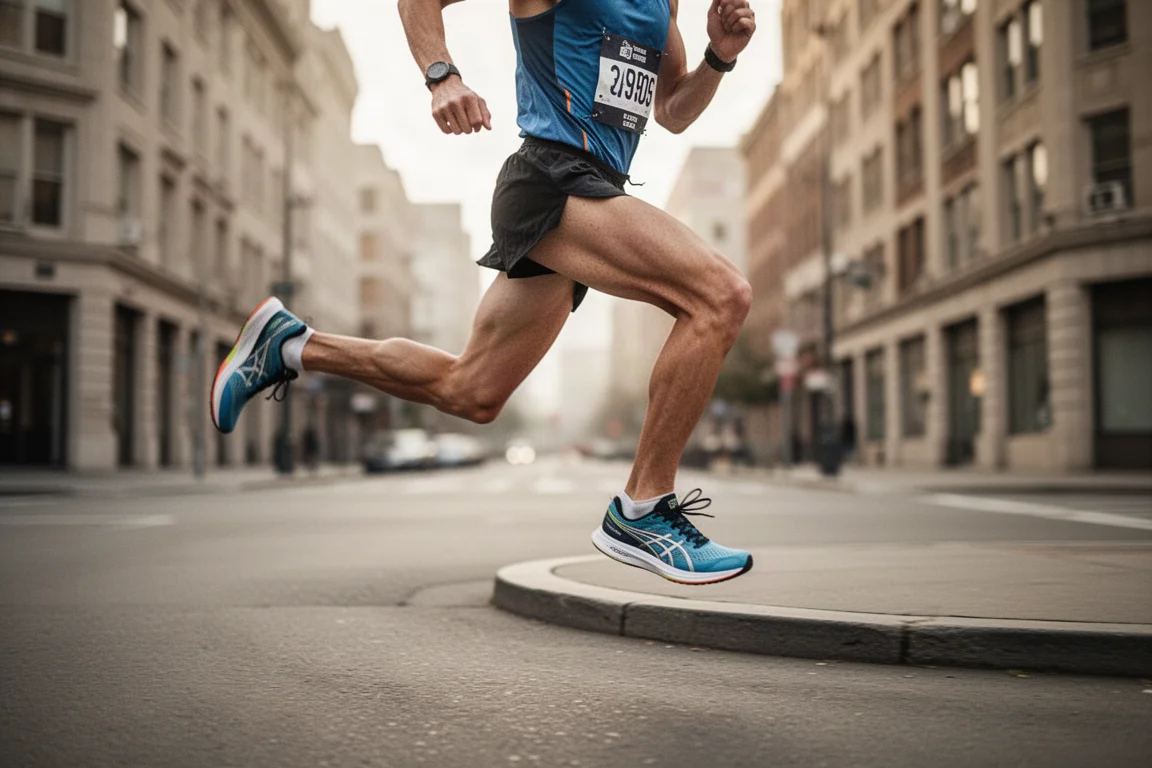
Both ASICS shoes retail at $250, consistent with the current pricing of top-tier racing shoes. Given how much money these shoes cost, it is worth being honest about which design suits you before buying, rather than simply choosing the newest release.
Conclusion
The super shoe category has matured into two clear design philosophies: later, sharper rockers with forefoot-focused foam for stride runners, and earlier, gradual rockers with heel-focused foam for cadence runners. The new ASICS Metaspeed Paris pair illustrates this split perfectly, and Saucony and Hoka offer strong alternatives on both sides. Pick the geometry that matches your stride, and any of these shoes can deliver a genuinely fast ride.
Further reading
Related Reviews

Running Shoes
Best Road-to-Trail Running Shoes: Three Versatile Options for Mixed Terrain
A practical guide to three road-to-trail running shoes that handle both pavement and mild trails, with clear strengths and trade-offs for different runner types.

Running Shoes
Best Running Shoes for Achilles Tendonitis: Three Options Explained
Three running shoes with different heel drops and support features designed to help reduce Achilles tendon pain during walking and running.

Running Shoes
Best Running Shoes for Women: Five Top Choices Ranked
A ranked guide to five women's running shoes, from versatile daily trainers to high-performance racing options, with real strengths and trade-offs for each.