Running Shoes
Puma Fast-R Deviate Nitro Elite 2 and the Super Shoe Rivals Worth Comparing
A closer look at Puma's new flagship racer, plus two strong alternatives at lower price points for marathon and race day.
Introduction
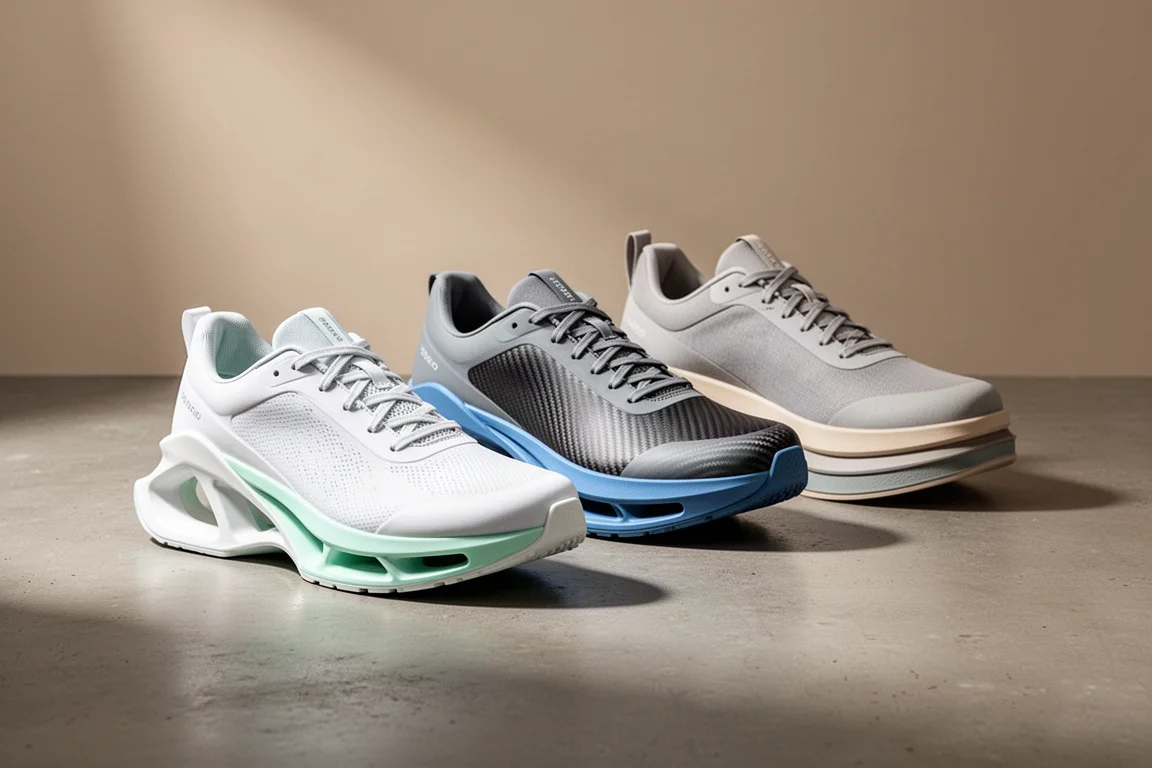
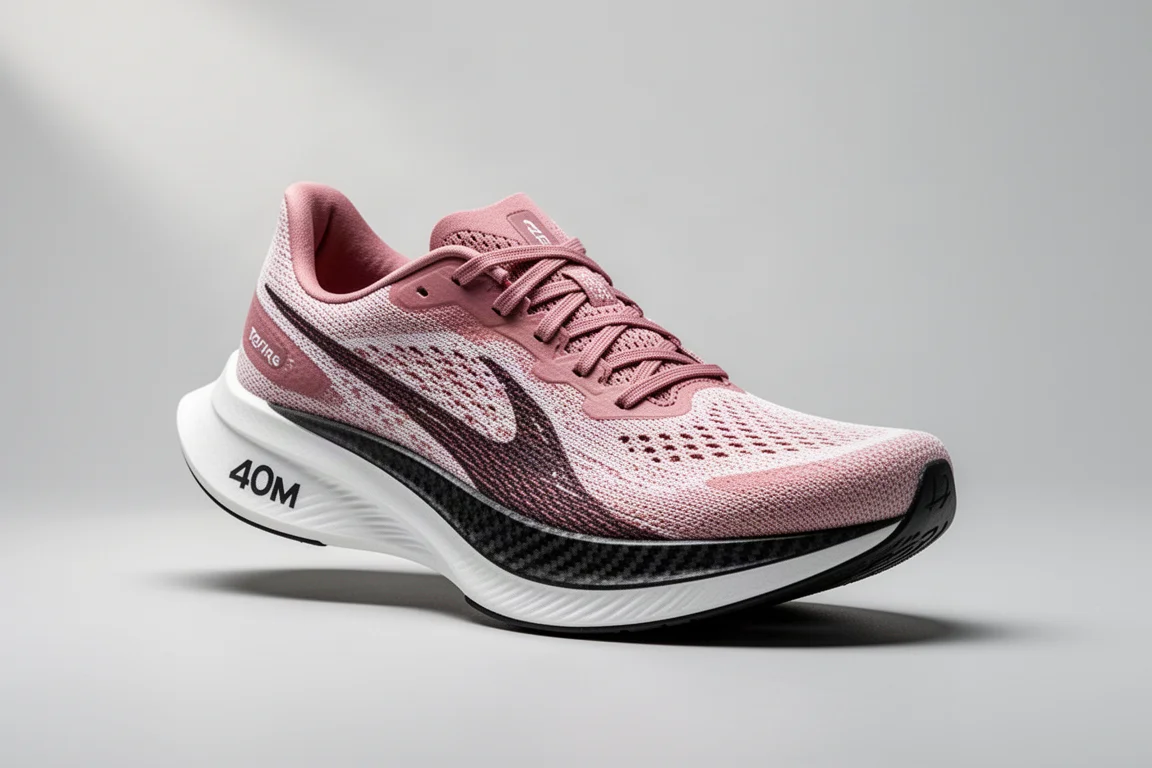
Few super shoes have generated as much conversation in 2024 as the Puma Fast-R Deviate Nitro Elite 2. Puma has rebuilt its flagship racer from the midsole up, and the result is a shoe that aims to deliver a premier super foam experience with a durability claim that few of its rivals can match. In this guide, we break down what makes it special, then look at two strong alternatives: the Saucony Endorphin Pro 3 and the Asics Metaspeed Sky Plus.

Puma Fast-R Deviate Nitro Elite 2: Specs at a Glance
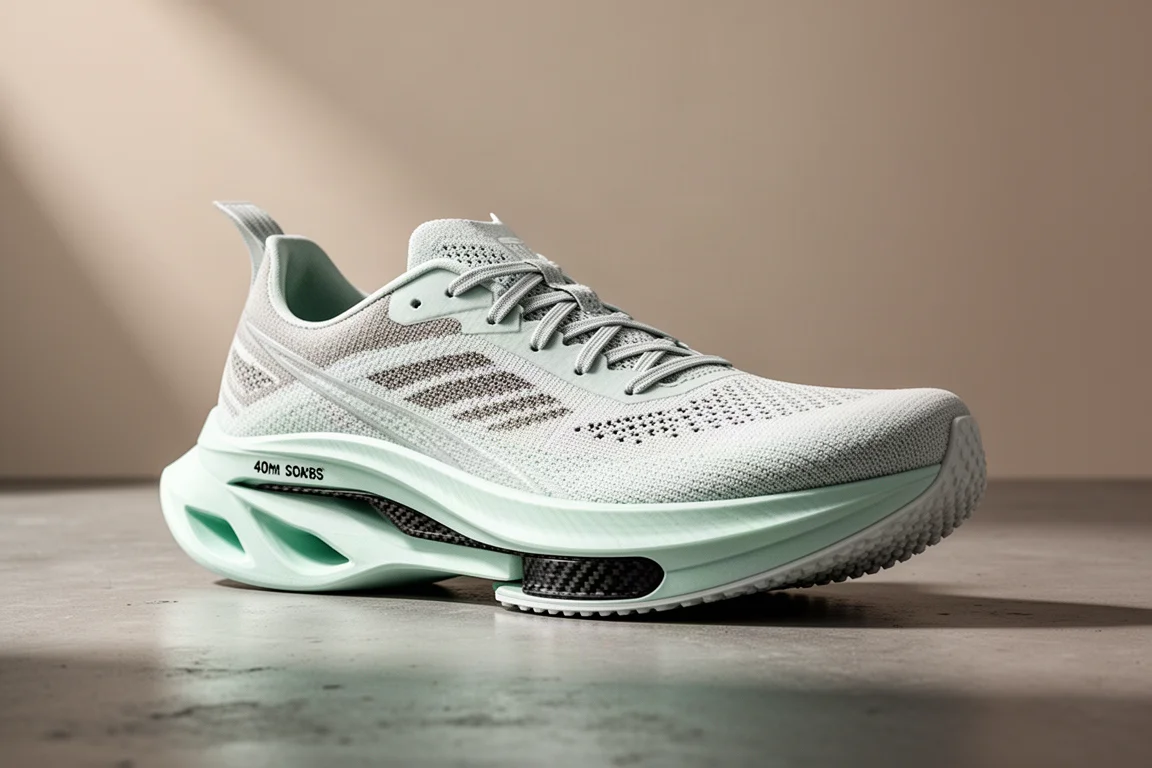
The Fast-R Deviate Nitro Elite 2 sits at the maximum allowable stack height under World Athletics racing rules at 40 mm, with an 8 mm drop that leaves 32 mm of foam in the forefoot. Like its predecessor, it uses a decoupled forefoot and heel with an exposed carbon fiber plate, but this version is 4 mm taller in both the heel and forefoot than last year’s shoe. Weight comes in at a respectable 240 g or 8.4 oz.
Midsole and Foam Technology
The big story is the foam. Puma still calls it Nitro Elite, but the material has changed from the previous PEBA-based formula to an aliphatic TPU foam produced with a light or non-compression molding technique. Instead of molding each midsole individually, Puma produces a large sheet of foam and cuts the midsole pieces from it, then applies light compression to set the final shape.
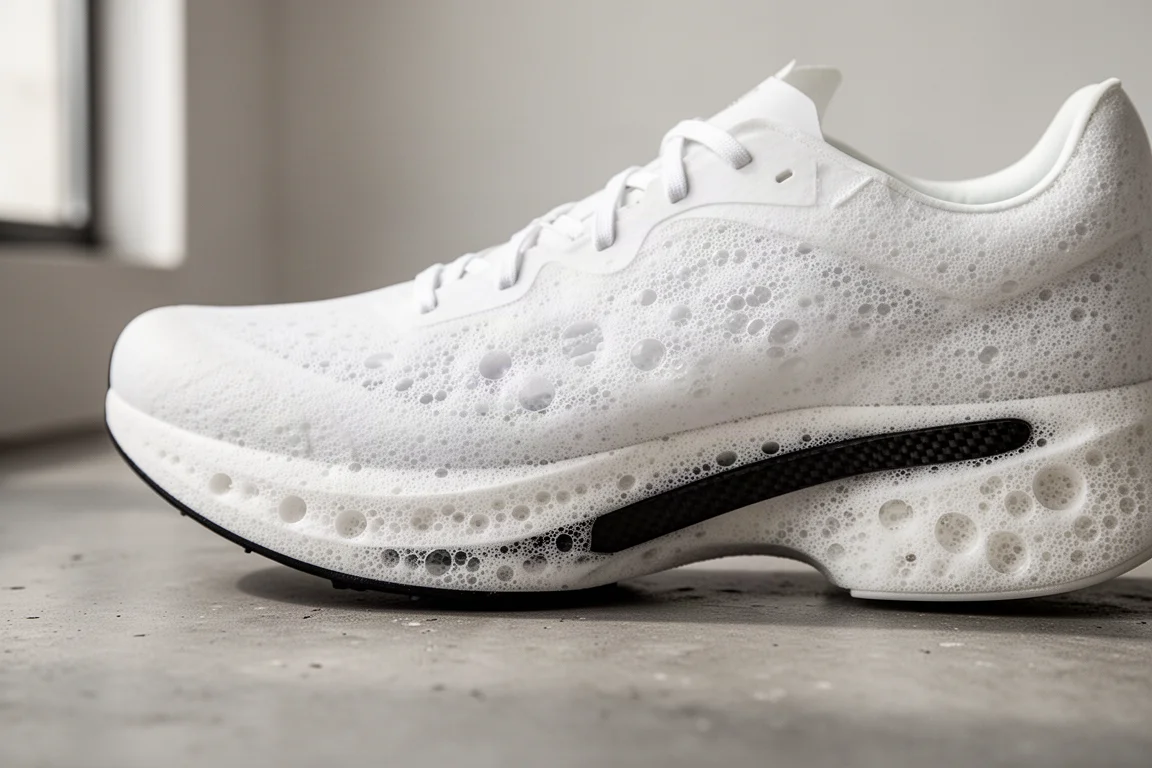
The goal is a foam that is airier and less dense, with more room to compress under load and a more pronounced decompression afterward. That translates into a cushioned landing that gives energy back sharply on toe-off. The critical part for buyers: Puma claims this foam should retain its race day properties up to the 250-mile mark, a stark contrast to single-race super foam designs. PumaGrip rubber protects the forefoot, with additional pods shielding the heel.
Ride and On-Foot Feel
On the road, the foam is the standout. The shoe compresses smoothly to absorb impact, then returns the energy with a noticeable pop, and the very rigid carbon plate adds a snappy feel to each stride. Threshold mile repeats feel responsive, half marathon effort feels smooth rather than jarring, and at marathon pace the shoe settles in comfortably and helps you lock into your effort.
Heel strikers get a genuine surprise here: despite a heel that looks like it lands on a tiny peg, the shoe feels more stable in the heel than many recent super shoes, thanks to a generous landing pad. The decoupled heel and forefoot never feels like a gimmick, and the underbite, the extended portion of the carbon plate under the toe, becomes noticeable at 5K pace and faster, where it provides a satisfying platform to push off. The Ultraweave upper locks the foot in securely with a comfortable tongue and a stabilizing tail fin at the heel, while the overall fit leans race-like.
Saucony Endorphin Pro 3
The Saucony Endorphin Pro 3 shares a lot of character with the Puma Fast-R Deviate Nitro Elite 2 but dials the aggression back a notch. There is a little more softness in the forefoot, a slightly gentler carbon plate, and a fit that is far more accommodating than the race fit of the Puma. A channel cut out in the forefoot adds to the comfort, making it one of the most forgiving super shoes available and an easy recommendation for a wide range of runners.
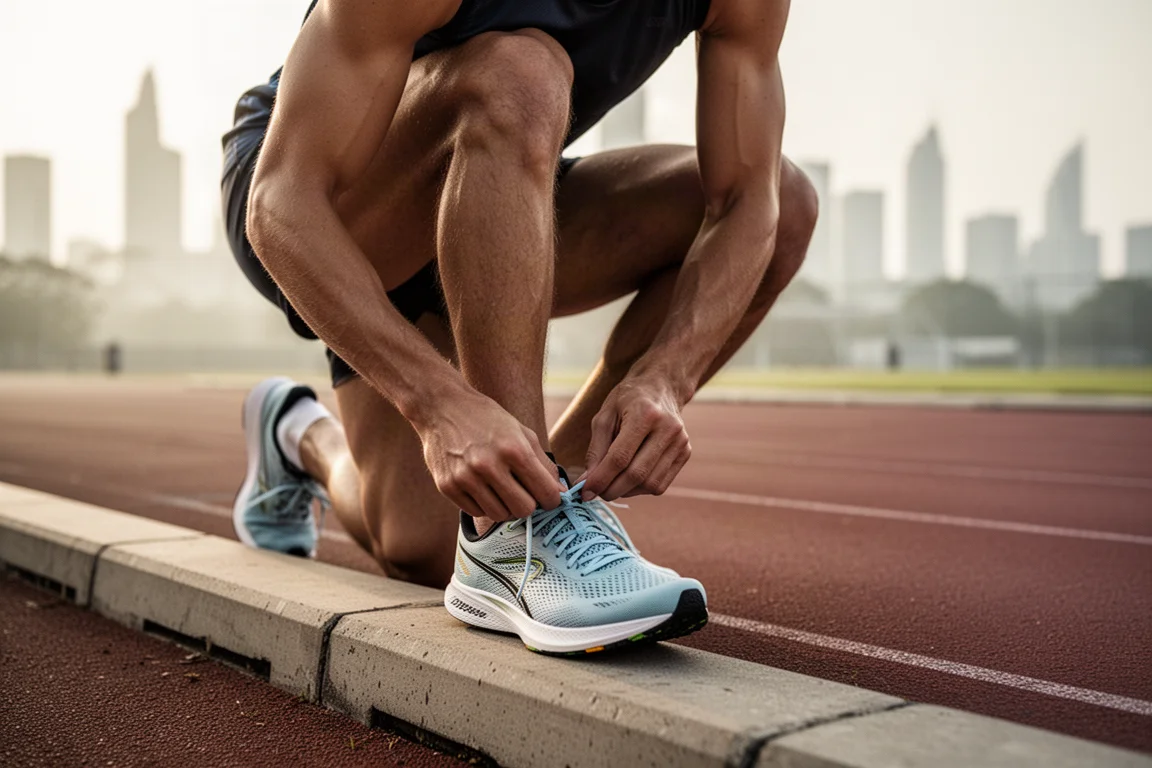
At $225, it undercuts the Puma by a meaningful margin, and with the Endorphin Pro 4 expected soon, there is a reasonable chance of finding the Pro 3 on sale as remaining inventory clears.
Asics Metaspeed Sky Plus
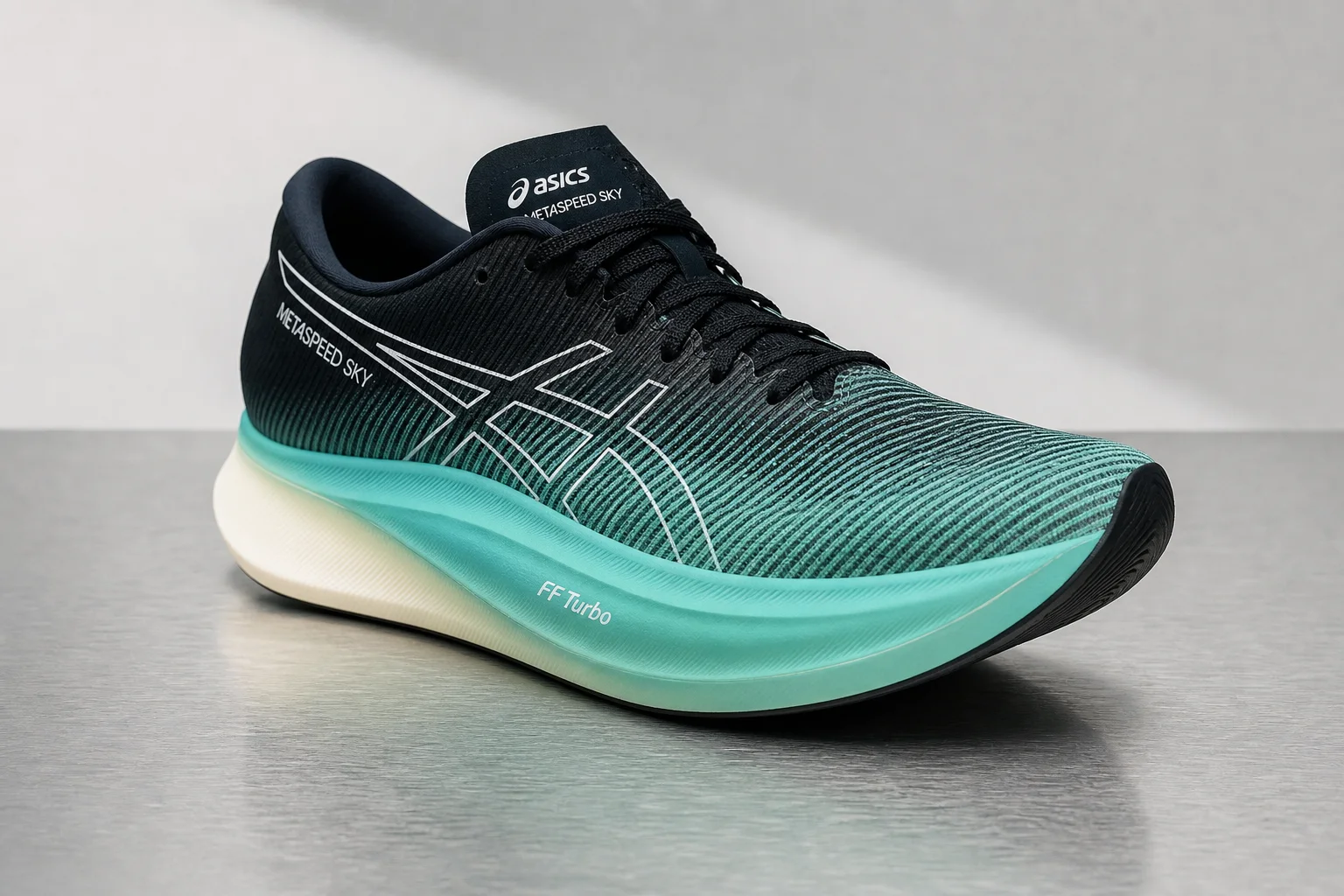
The Asics Metaspeed Sky Plus is the closest match in overall feel to the Puma. Its FF Turbo foam is a little less compressive and slightly firmer, but it snaps back quickly, delivering a lively decompression that suits runners who like a shoe that feels light on foot and a touch twitchy. Both shoes offer a generous forefoot landing pad, but the Metaspeed Sky Plus has a noticeably narrower heel, so runners who want more substance to land on at the back may prefer the Puma, while those who like a lighter, quicker feel may lean Asics.

At $250, it comes in $10 below the Fast-R Deviate Nitro Elite 2, and like most super shoes in an Olympic year, an updated version should arrive within a few months.
Buying Advice
If you want the most complete package and value the durability claim of 250 miles at race day properties, the Puma Fast-R Deviate Nitro Elite 2 at $260 is a serious contender for your race day slot. If comfort and a more forgiving fit matter more, or you want to spend less, the Saucony Endorphin Pro 3 at $225 is an easy pick, especially if a sale appears before the Pro 4 lands. If you prefer a firmer, snappier, lighter-feeling ride and can live with a narrower heel, the Asics Metaspeed Sky Plus at $250 is well worth a look.
For a full Puma rotation, the Fast-R Deviate Nitro Elite 2 pairs naturally with the Puma Deviate Nitro 2 for tempo days, a shoe that mixes squishy comfort with some spring, and the Puma ForeverRun for easy and recovery days, a max-cushion neutral stability option built around soft supercritical foams.
Conclusion
The Puma Fast-R Deviate Nitro Elite 2 is a strong way for Puma to open 2024: a max-stack carbon racer with an airy, responsive TPU foam, better heel stability than it looks, and an unusually bold durability claim. The Endorphin Pro 3 remains the comfort-first alternative at a lower price, and the Metaspeed Sky Plus matches the Puma’s snap with a lighter feel. Whichever you choose, all three are capable of carrying you through your fastest races and the rigors of marathon day.
Further reading
Related Reviews

Running Shoes
Best Road-to-Trail Running Shoes: Three Versatile Options for Mixed Terrain
A practical guide to three road-to-trail running shoes that handle both pavement and mild trails, with clear strengths and trade-offs for different runner types.

Running Shoes
Best Running Shoes for Achilles Tendonitis: Three Options Explained
Three running shoes with different heel drops and support features designed to help reduce Achilles tendon pain during walking and running.

Running Shoes
Best Running Shoes for Women: Five Top Choices Ranked
A ranked guide to five women's running shoes, from versatile daily trainers to high-performance racing options, with real strengths and trade-offs for each.