Running Shoes
Best Super Shoes of 2022: Six Racing Shoes Worth a Close Look
A rundown of six standout racing shoes from 2022, covering unique designs, stability, and which distances each one suits best.
Introduction
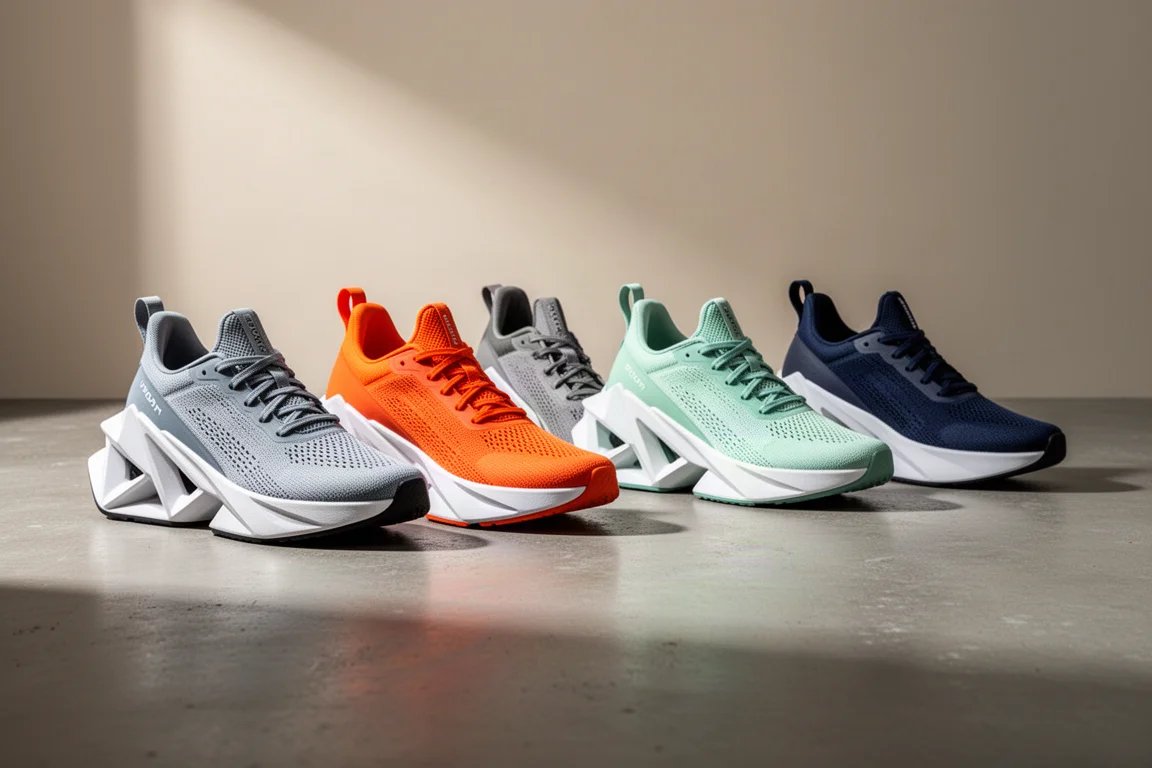
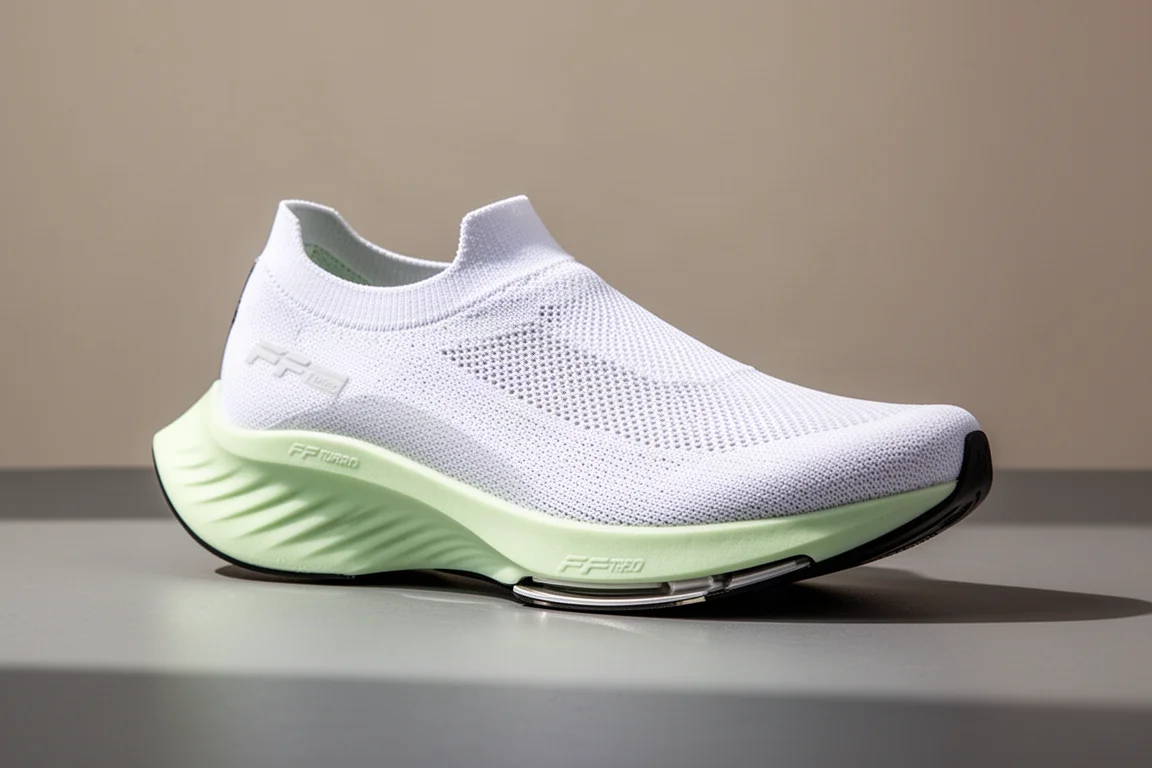
The first half of 2022 delivered an unusually deep crop of racing shoes. Major brands each shipped one or more high-stack, plated racers, and the differences between them are bigger than the spec sheets suggest. Geometry, foam pairings, and platform width now matter as much as raw stack height, and each of these shoes rewards a different type of runner.
This roundup highlights six shoes that stood out across three questions: which designs are genuinely unique, which platforms feel most stable, and which shoes we would personally reach for at different distances.
The Most Unique Design: Puma Fast-R Nitro Elite
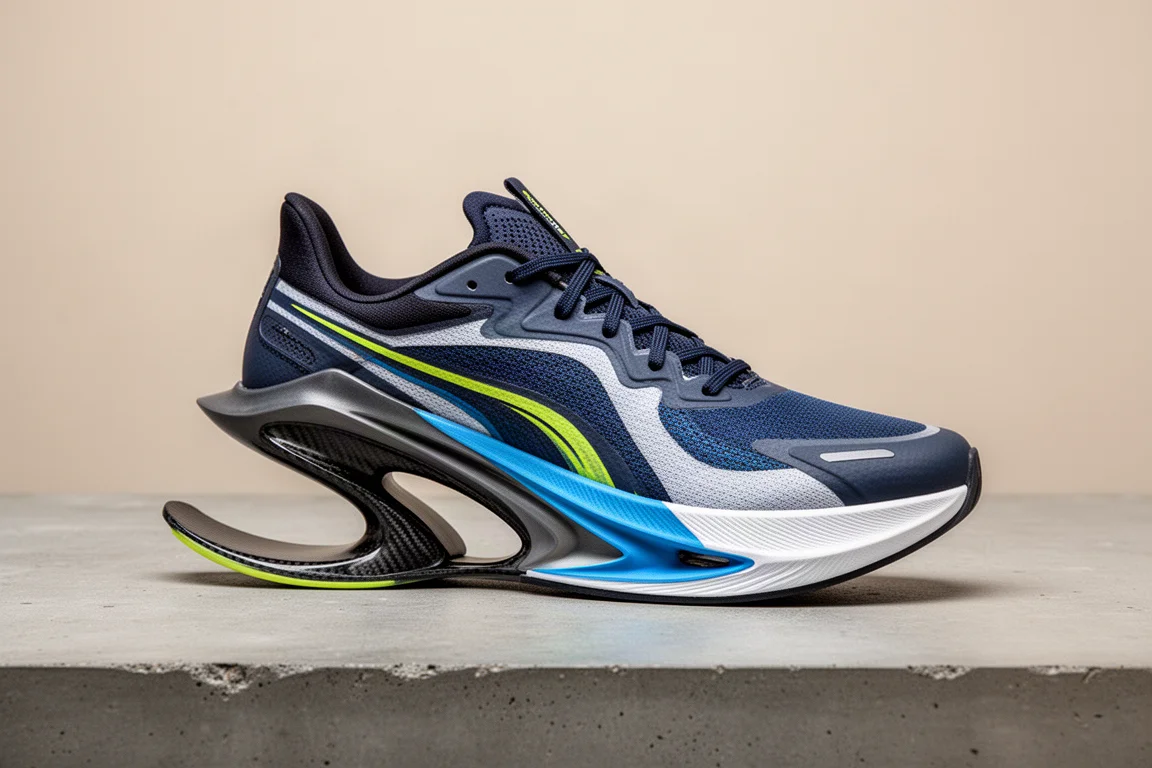
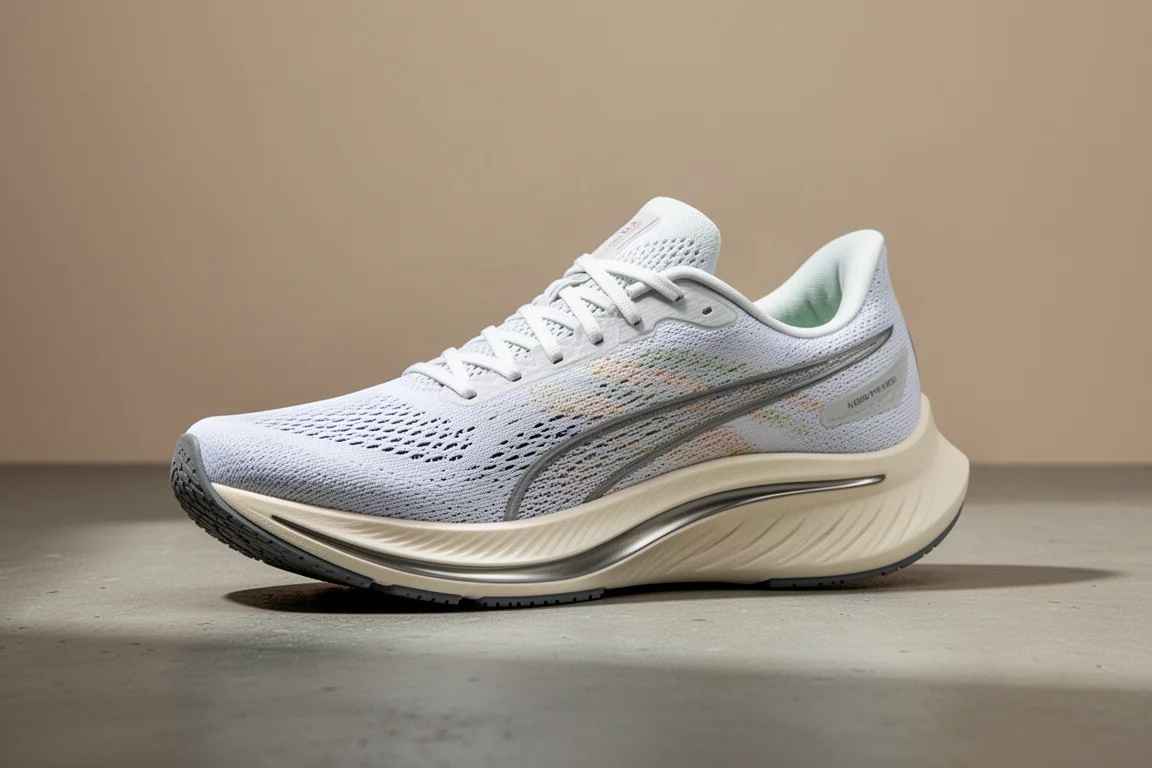
The Fast-R Nitro Elite is the shoe that pushed furthest into new territory this year. It uses a dual-density midsole with a decoupled heel and forefoot, connected strictly by the carbon plate: a more traditional EVA in the heel and a Peba-based Nitro Elite foam up in the forefoot. There is a hint of torsional movement, but the whole thing tunes together well and the ride is unlike anything else in the lineup.
What makes it even more interesting is that its designers were candid that this geometry suits some runners better than others. Runners who tend to land a little farther forward seem to get along with it best, while others may prefer the brand’s more traditional racing option. Having that kind of variety on the market is a good thing, since every runner’s mechanics differ.
The Most Stable Racing Shoes
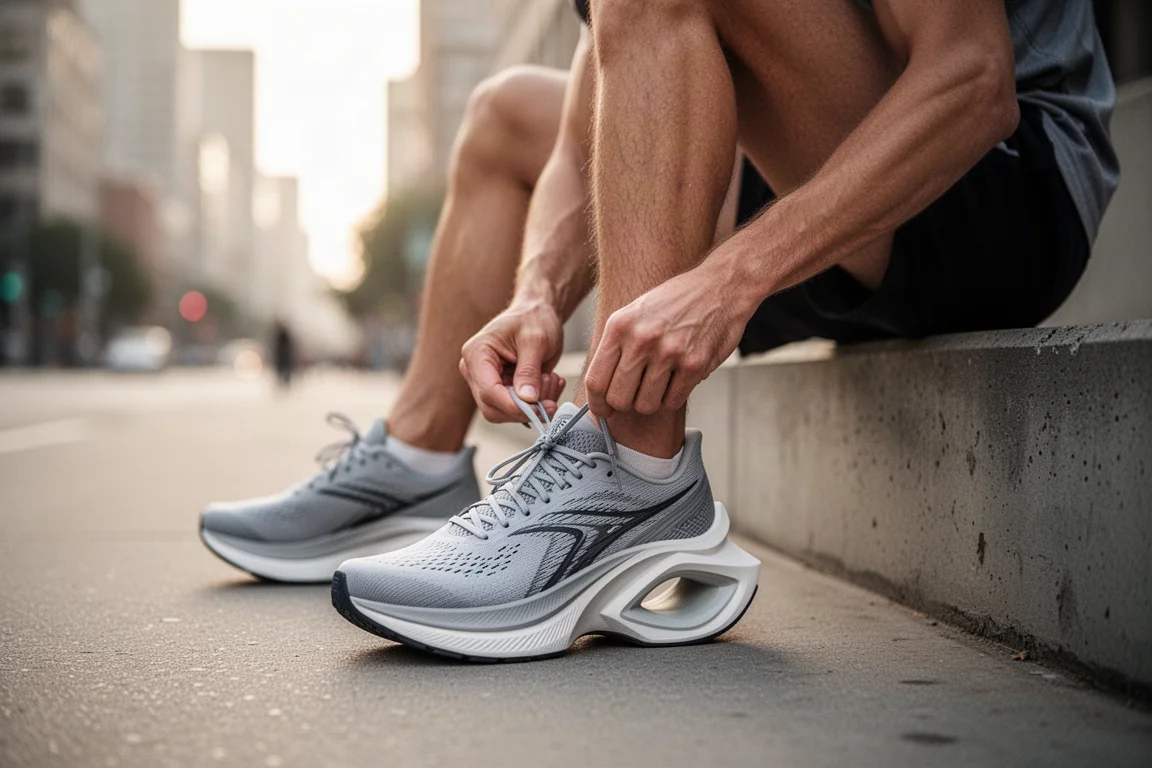
Stability in a super shoe is not about a medial post. With very tall stacks and soft foams, some inherent instability is unavoidable, so the best platforms here are the ones that keep the foot centered and confident through turns and fatigue, in whichever direction a given runner needs guidance.
The Adidas Adios Pro 3 earns a place on this podium. The previous version was heavily laterally biased, which worked well for some runners but poorly for anyone with rearfoot instability. Version 3 adds outsole flare in both directions to center the rider, making it a safer long-distance racer, though that comes at the cost of the short-distance versatility the older shoe had. It also holds up well, with the outsole remaining intact past 60 miles for one tester who never got more than 40 out of the previous version.
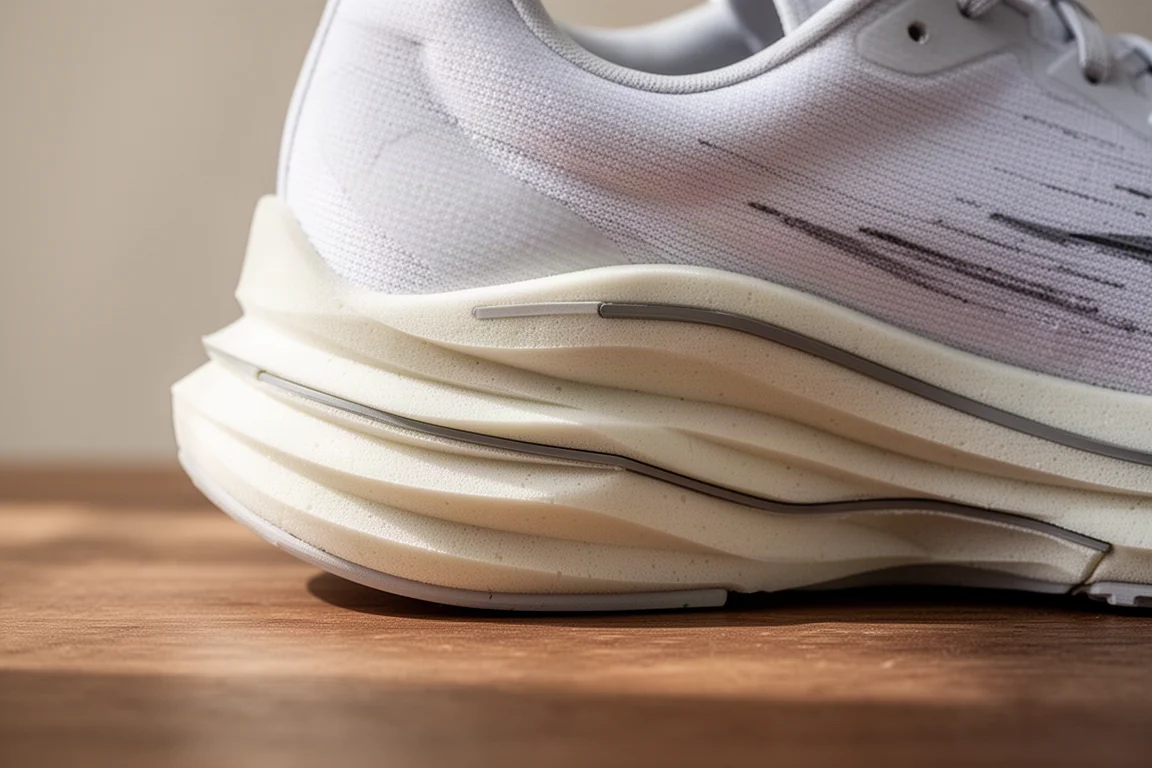
The Asics Metaspeed Edge Plus is another confidence-inspiring platform. The base feels wide, traction is solid, and the whole shoe delivers the kind of grounded feel that makes navigating turns at pace feel safe. The Nike AlphaFly 2 rounds out the group: the forefoot was widened and moved slightly, the gap toward the heel was filled in, and sidewall use improved, so it feels more continuous underfoot than its predecessor even though it gained a little weight.
Long-Distance Favorites
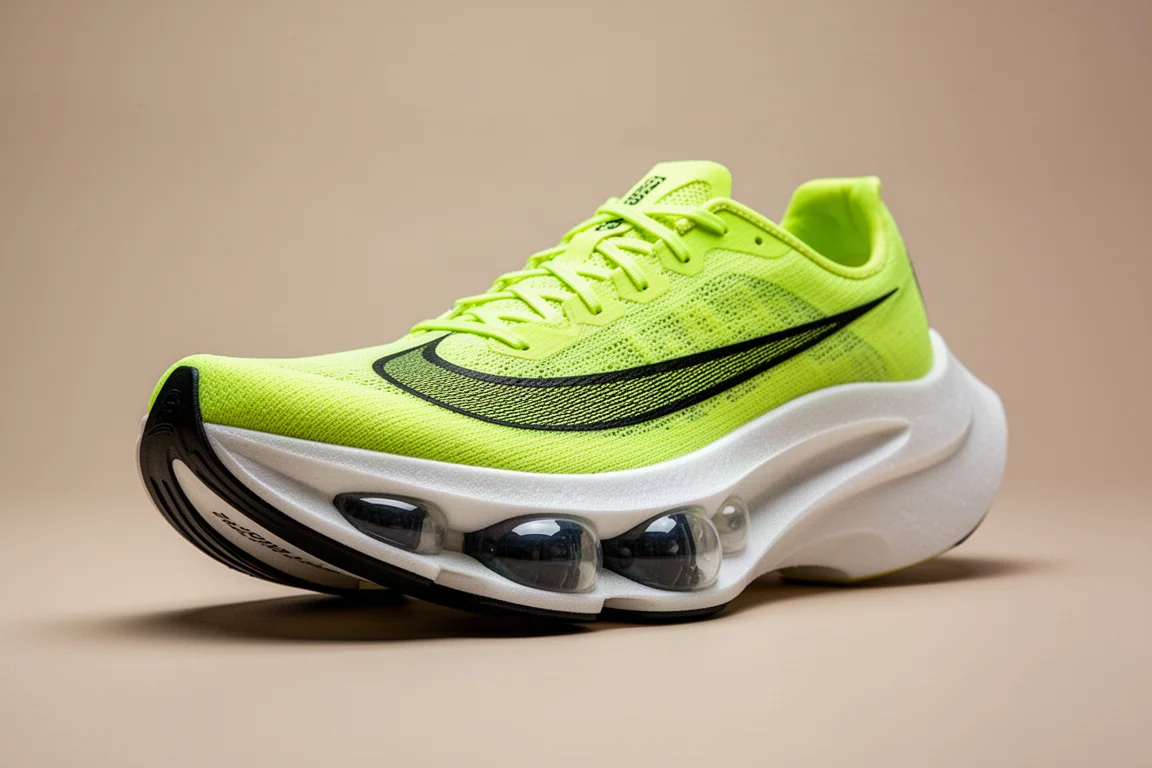
For marathon-length efforts, the Metaspeed Edge Plus and the AlphaFly 2 are the two shoes that inspire the most trust. The Edge Plus weighs around 7.4 ounces with roughly 39 millimeters of stack at the heel and an 8 millimeter drop, and it feels grounded the entire way. Durability has been excellent, with the exposed foam wearing slowly even past the point where most racing midsoles tear up.
The AlphaFly 2 feels slightly more reserved than the original but more comfortable over the full distance. Its bounce is enormous and it will rip your stride open, but that is exactly the kind of energy that demands control. Runners who can handle it tend to love it; those who cannot may find it overwhelming over two hours.
Short-Distance Picks
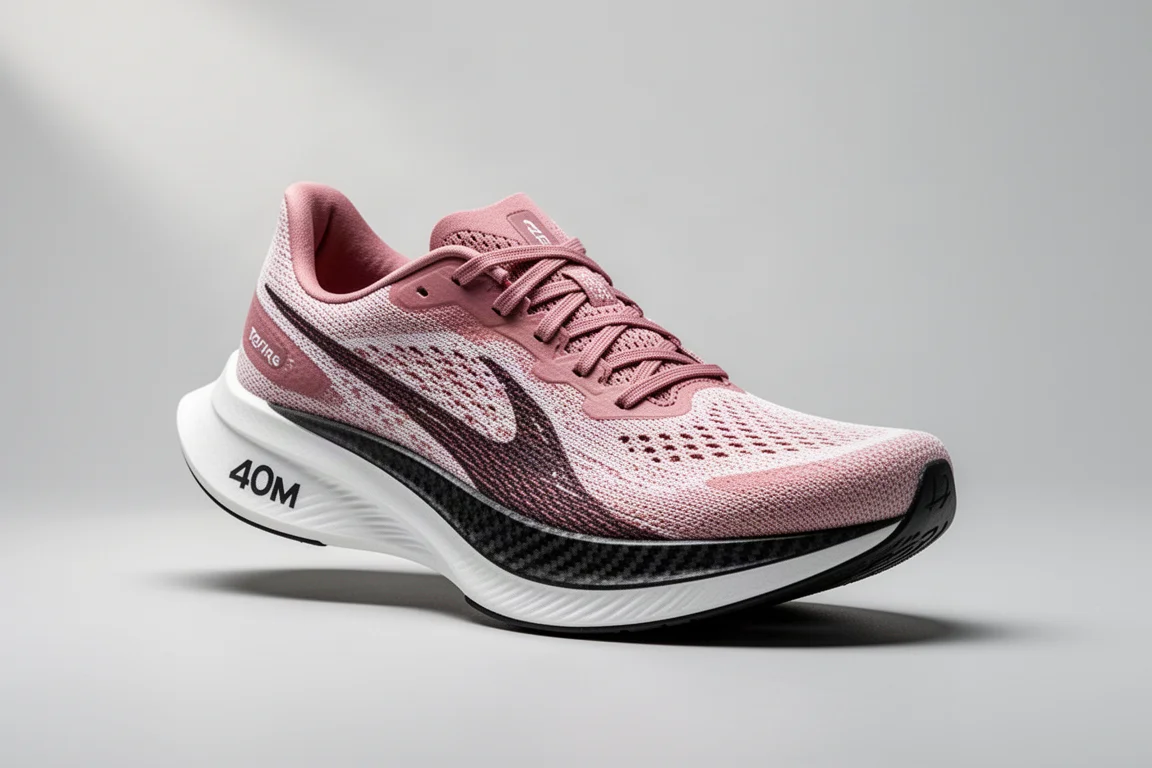
Over 5K to 10K distances, the Saucony Endorphin Pro 3 is the shoe that keeps coming up. The update filled in the previously cut-away midfoot and added high sidewalls on both sides with a well-tuned Speedroll, locking the foot in better than almost any racer on the market. The new foam is bouncier and softer thanks to the max stack height, and that bounce rips the stride open in a way that feels almost alarming in the best sense. It is a genuine 5K-to-10K weapon, though some runners may notice midfoot translation as distances stretch toward the half marathon and beyond.
The Puma Fast-R Nitro Elite is the other short-distance favorite. It is lightweight, the thin booty-style upper with a few added power tape overlays hugs the foot, and the forefoot is bouncy in a way that makes picking up the pace genuinely fun.

Stability Step-Downs: Fast Shoes Without the Extreme Platforms
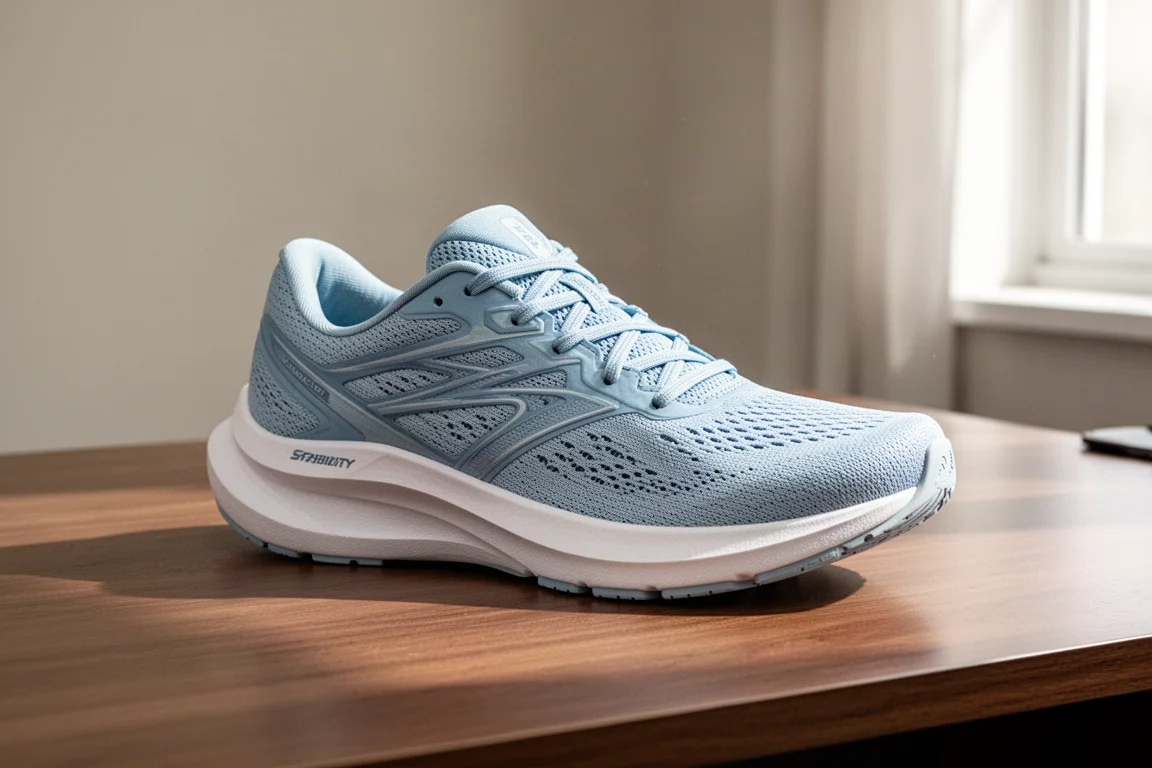
Not everyone responds well to tall, soft, plated racers, and that is worth planning for before race day. The Saucony Tempest was designed exactly for this gap: it comes in at 8.9 ounces for a men’s size 9, remarkably light for a true stability shoe, with a Peba-based foam in the center and firmer EVA acting as well-integrated guide rails on both sides. Runners sensitive to stability features have done well in it, and it is light enough to carry real pace.
Buying Advice
The single most useful rule when choosing a racing shoe is this: pick the shoe you are most confident and comfortable in, not the one that tests fastest for someone else. Over a full marathon, comfort and trust in the platform carry the final miles far more than any marginal performance difference. Train in your race-day shoe so there are no surprises, and match the shoe’s character to your own mechanics rather than the hype around it.
It is also worth remembering that a plate does not automatically make a shoe faster. Plates exist to stabilize foam and guide motion, and runners who do not get along with stiff platforms can be just as quick in well-designed plateless performance trainers.
Conclusion
The 2022 racing shoe market rewards self-knowledge. The Fast-R Nitro Elite leads on unique geometry, the Adios Pro 3 and Metaspeed Edge Plus lead on stable confidence, the AlphaFly 2 and Endorphin Pro 3 deliver the most aggressive bounce for those who can control it, and the Tempest gives stability-seeking runners a genuinely fast step-down. Pick based on your mechanics and your race distance, and any of these six can earn a starting spot.
Further reading
Related Reviews

Running Shoes
Best Road-to-Trail Running Shoes: Three Versatile Options for Mixed Terrain
A practical guide to three road-to-trail running shoes that handle both pavement and mild trails, with clear strengths and trade-offs for different runner types.

Running Shoes
Best Running Shoes for Achilles Tendonitis: Three Options Explained
Three running shoes with different heel drops and support features designed to help reduce Achilles tendon pain during walking and running.

Running Shoes
Best Running Shoes for Women: Five Top Choices Ranked
A ranked guide to five women's running shoes, from versatile daily trainers to high-performance racing options, with real strengths and trade-offs for each.