Running Shoes
Best Super Max Stack Running Shoes: Prime X Strung 2 vs the Competition
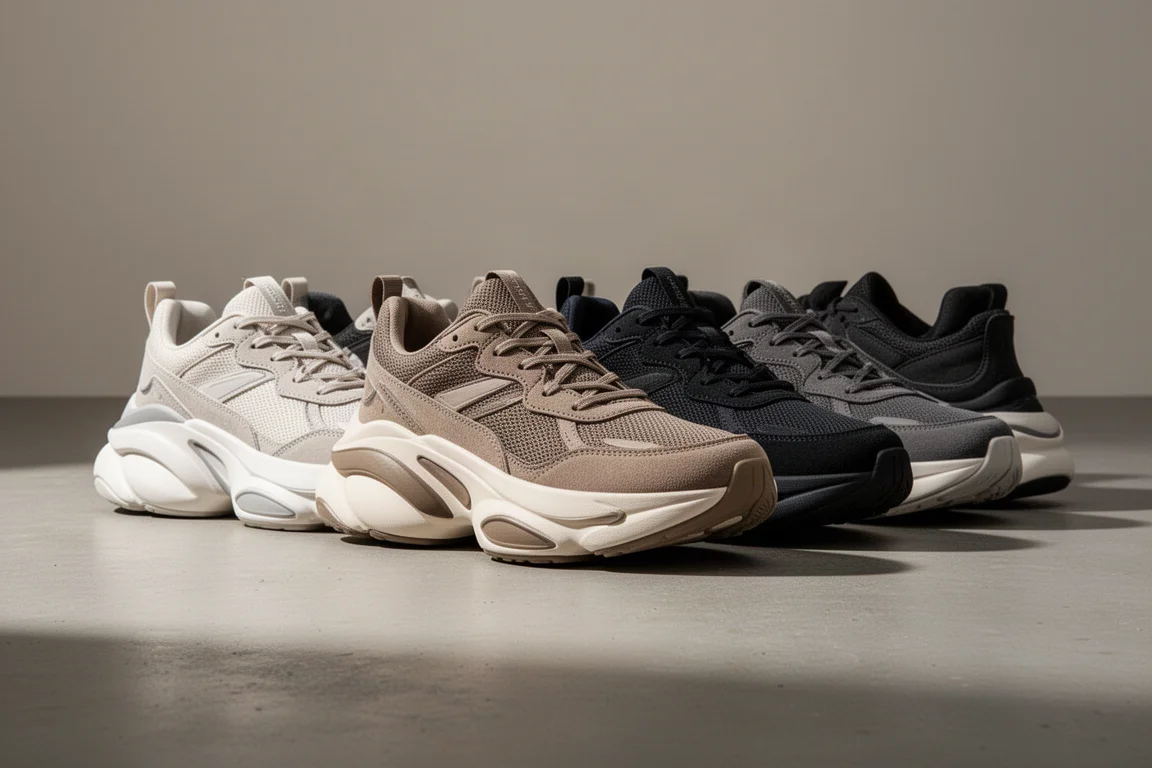
Four towering trainers face off: the Adidas Prime X Strung 2, its OG predecessor, the Saucony Skyward X, and the Puma MagMax.
Introduction
Super max stack shoes are the loudest category in running right now: anything above roughly 42 mm of heel stack, loaded with foam, plates, and attitude. Four of the most interesting options are the Adidas Prime X Strung 2, the Prime X Strung OG that started the whole 50 mm trend, the Saucony Skyward X, and the Puma MagMax. Each takes a different approach to the same idea: maximum foam, maximum fun, and a stack height you would never find on a legal race day shoe.
This breakdown looks at how each shoe is built, what it is genuinely good at, and where the money is best spent.
What Makes a Super Max Stack Shoe
Anything above 42 mm in the heel counts as super max stack territory. Many of these shoes borrow elements from race shoes, which separates them from traditional max cushion trainers like the Brooks Hurricane. The Saucony Skyward X, Puma MagMax, and both Prime X Strung models all carry race-derived foam, with the Skyward X adding a carbon fiber plate for stability.
The important distinction is intent. Some of these shoes are engineered for comfort and stability with speed as a bonus. Others, like the Prime X Strung, started life as a racing shoe with a stack height that exceeds the 40 mm World Athletics limit, meaning elite athletes cannot use it for certified race results. Hobby runners face no such restriction, which is part of the category’s charm.
Adidas Prime X Strung 2
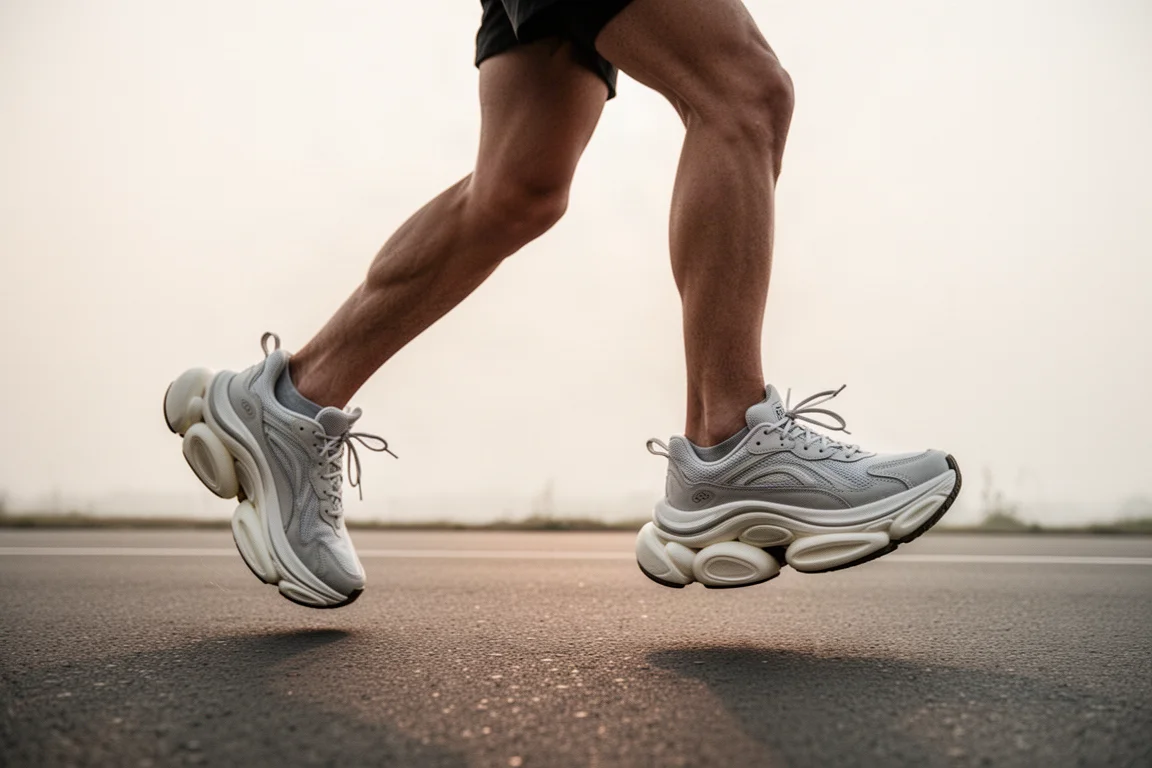
The Prime X Strung 2 is the most expensive of the group at a $300 MSRP, and it is built like a premium product. It uses 100% Light Strike Pro race foam in two different densities: a firmer version in the lower layer and a softer version up top, designed to create a trampoline-like effect. Two carbon plates sit somewhere in the stack, and the Strung upper is a woven thread construction that looks like a spiderweb rather than traditional mesh. Continental rubber covers the outsole, delivering some of the best grip available.
On the scale it came in at around 324 to 329 grams in a men’s 10.5, roughly on par with the Skyward X and MagMax despite its lighter upper and narrower base. Light Strike Pro is simply a dense compound, which is also why bigger runners tend to love Adidas shoes: the foam holds up under heavier force far better than softer supercritical foams.
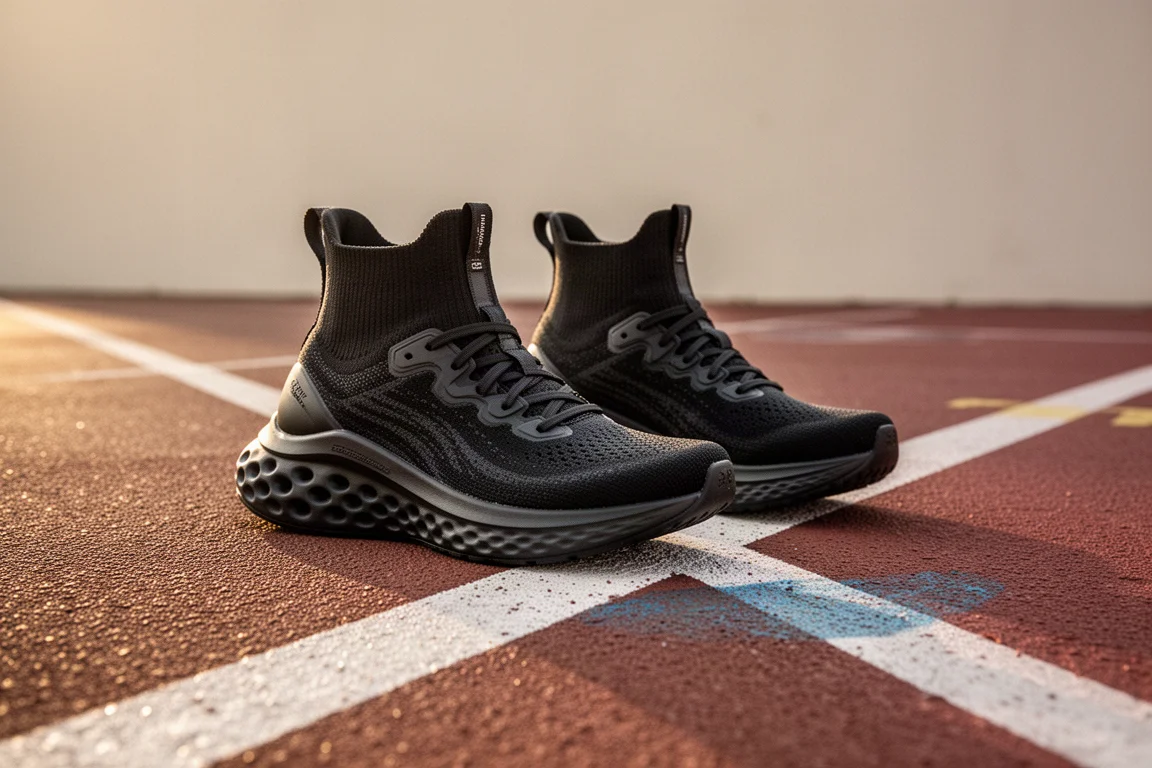
The biggest change from the OG is a widened base, reportedly around 12% wider in hobby-jogger math. That still leaves it visually half the width of the Skyward X or MagMax, so this remains a narrow, tall, stability-challenged shoe. The trade-off is character: once the pace drops below roughly 7:10 per mile, the shoe comes alive with a unique pushing sensation on landing, more than simple plate snap or rocker geometry. At slower paces it feels heavy and bulky, and the bounce needs break-in time to show up.
Fit is a genuine question mark. The toe box is shallow and snug with a clear race fit, and the heel collar bit at the achilles during testing. The sock-style upper differs noticeably from the OG’s traditional laced tongue. This is a workout and long-run-with-work shoe, not an everyday cruiser, and at $300 it fails the versatility test even while passing the fun test. Waiting for one of Adidas’ frequent sales is strongly advised.
Adidas Prime X Strung OG
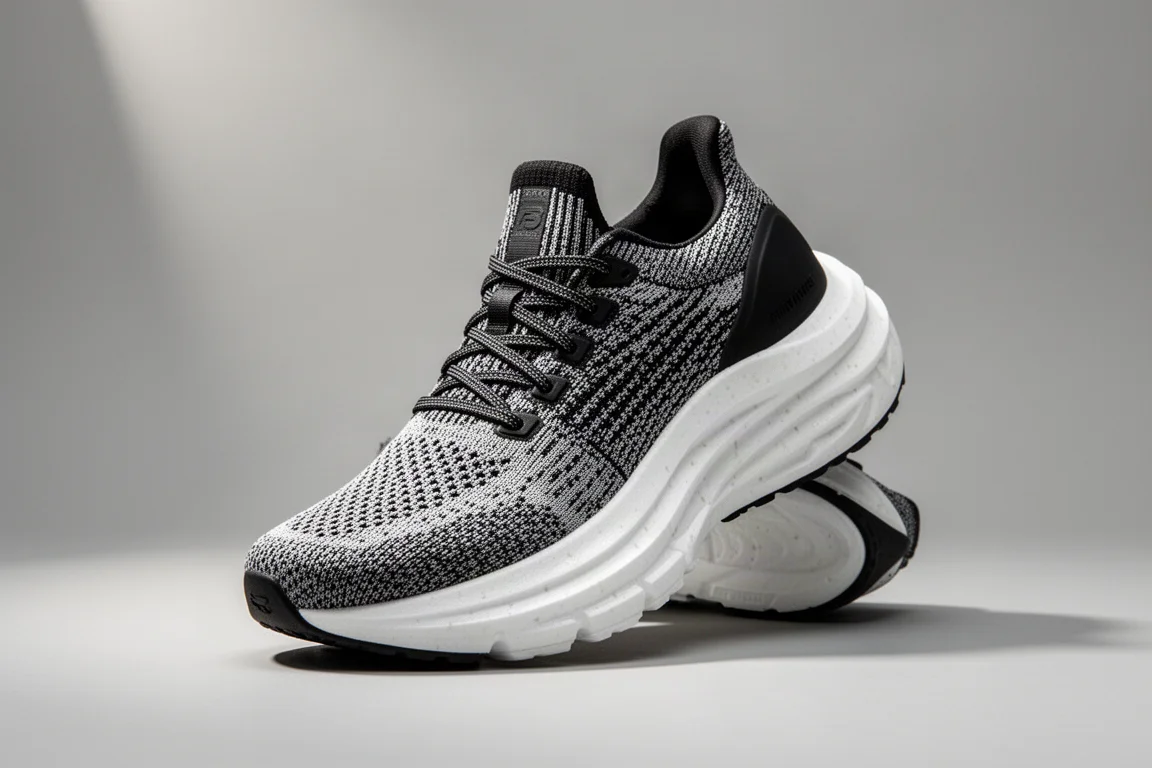
The OG is the shoe that started it all: one of the first running shoes to push to 50 mm of stack, engineered from the ground up as the best possible marathon racer, rules be damned. Stability was clearly not the design priority. Compared side by side, its heel is roughly half the width of the Skyward X, making it one of the most unstable shoes on the market. That makes it a poor choice for recovery jogs and relaxed miles.
What you get in exchange is a lighter package. It weighed in at around 275 grams, a full 50 grams less than the Strung 2, and it feels more spry for it. The traditional laced upper with a tongue also fits more comfortably for many foot shapes than the newer sock-style construction. Light Strike Pro here is firmer out of the box and rewards miles with improving bounce.
This remains the pick for runners who want the most racing-flavored super max stack experience and are comfortable managing the narrow platform. Like the Strung 2, it regularly shows up discounted, and the OG’s original MSRP sits around $225.
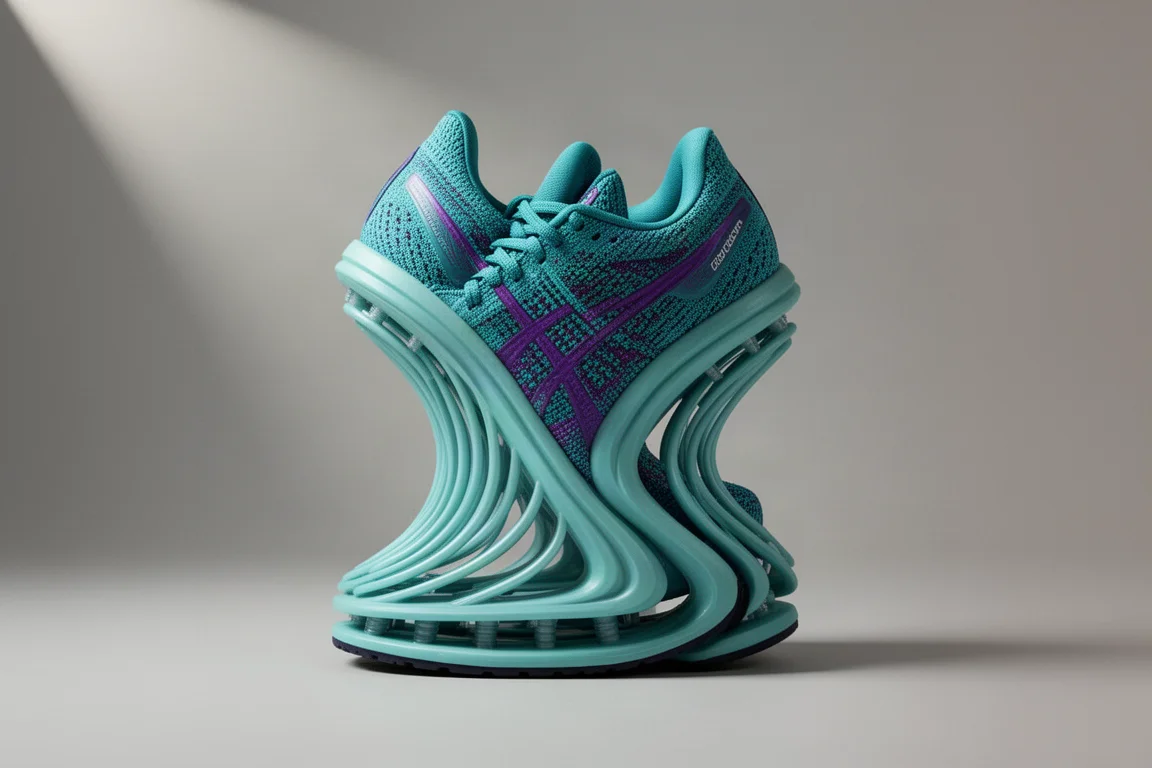
Saucony Skyward X
The Skyward X is arguably the most complete shoe in the category and a strong contender for favorite super max stack trainer of the year. It takes the qualities people loved in classic plated trainers and amps everything up: it is fast, fun, bouncy, and comfortable, like mixing a lightweight tempo trainer with a plush daily shoe.
Construction-wise, it layers a full top deck of race foam above the carbon plate with training foam below, which is one reason it costs less than the Prime X Strung 2. Its defining feature is the platform: the heel is roughly double the width of either Prime X Strung, baking in genuine stability and structure.

It has an impressively wide pace range, feeling good anywhere from around 7:50 down to about 6:10 per mile, and it rewards a midfoot to forefoot strike to get the full benefit of the front foam. At $225 and around 332 grams, it delivers a level of versatility the Prime X Strung 2 has to work very hard to justify matching. For runners who want one super max stack shoe that can do everything, this is the safest bet.

Puma MagMax
The MagMax is the wildcard of the group: nearly 50 mm of stack with no plate at all. Puma pulled this off by using a firmer training formulation of its previous-generation race foam and an extremely wide base, again roughly double the heel width of the Prime X Strung. The result is the most stable and most forgiving super max stack shoe here.
At $180 and 323 grams, it is also the value leader. It excels at exactly the thing the Prime X Strung struggles with: relaxed miles. You can clomp along at 8:30, 9, or even 10 minute pace with sloppy form and it simply gets the job done comfortably, while still having enough bounce to run down into the fives when you want to. Of the group, it is the best choice for everyday cruising and recovery runs where you do not want to think about what is on your feet.
If there is a complaint, it is that the firm foam formula and no-plate design give it less pop than the Skyward X at faster paces, and the colorway options lean loud. But for sheer easy-mile contentment, nothing in this comparison touches it.
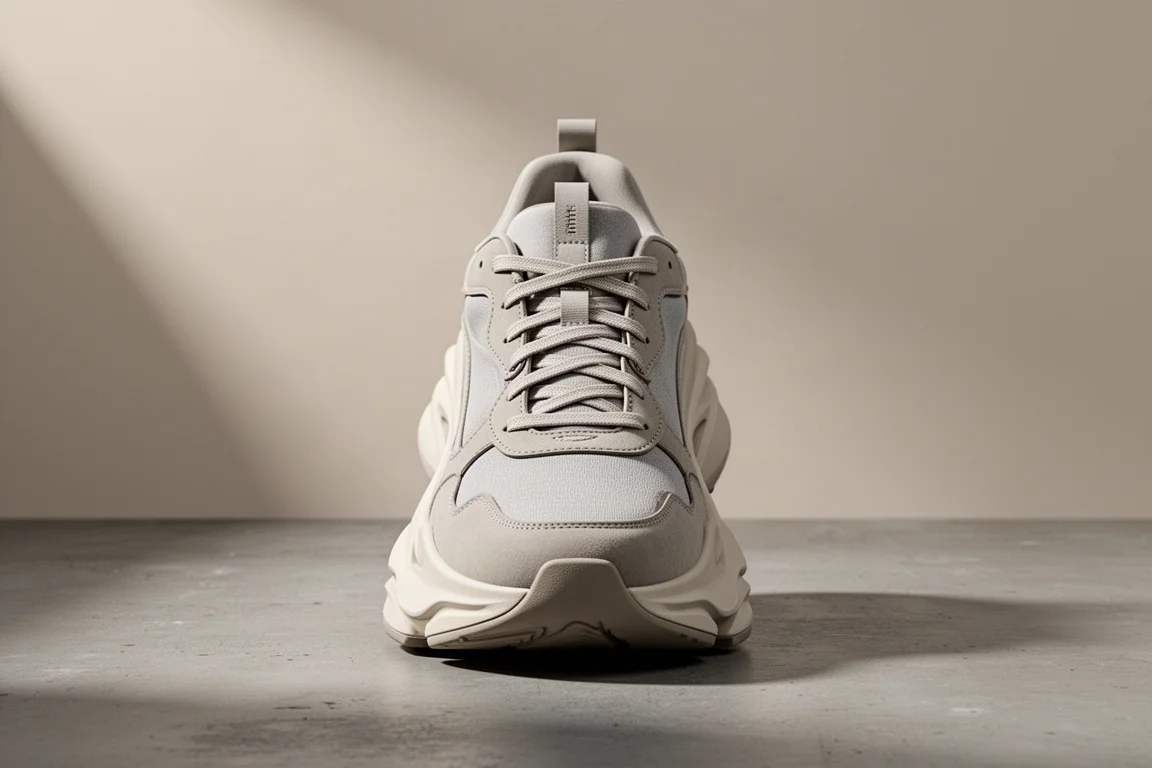
Buying Advice: Which One Should You Get
The right answer depends entirely on how you run. The Skyward X and MagMax are neck and neck as the two best super max stack shoes for everyday use: stable, comfortable, and genuinely fun, with the MagMax better for slow relaxed miles and the Skyward X better for pace variety. Both cost $225 or less.
The Prime X Strung 2 only makes sense if you specifically want a tall race-flavored shoe for faster workout miles, long runs with marathon-pace sections, and you can find it well below its $300 MSRP, which happens regularly. The OG serves the same purpose at a lower price and lighter weight, if you can live with its narrow, twitchy platform.
Whatever you choose, never pay full sticker price on any of these. Sales and discount codes on super max stack shoes are common, and secondary marketplaces for gently used running shoes regularly turn up pairs in near-pristine condition at half the retail price.
Conclusion
Super max stack running shoes reward runners who match the shoe to the mission. For versatile everyday miles, the Skyward X is the benchmark. For relaxed cruising at the best price, the MagMax wins. For fast, tall, race-adjacent fun, the Prime X Strung 2 delivers, provided you catch a discount and can tolerate the fit quirks. And for the purists who want the original 50 mm outlaw racer, the OG remains one of the most distinctive shoes ever made.
Further reading
Related Reviews
Running Shoes
Best Road-to-Trail Running Shoes: Three Versatile Options for Mixed Terrain
A practical guide to three road-to-trail running shoes that handle both pavement and mild trails, with clear strengths and trade-offs for different runner types.
Running Shoes
Best Running Shoes for Achilles Tendonitis: Three Options Explained
Three running shoes with different heel drops and support features designed to help reduce Achilles tendon pain during walking and running.
Running Shoes
Best Running Shoes for Women: Five Top Choices Ranked
A ranked guide to five women's running shoes, from versatile daily trainers to high-performance racing options, with real strengths and trade-offs for each.