Running Shoes
Best Race Shoes for a Sub-3 Marathon: Five Core Picks Plus Two Worth Considering
Seven carbon-plated race shoes evaluated for sub-3 marathon pace, from the Puma Deviate Nitro Elite 3 to the Diadora Gara Charcoal Thunder.
Introduction
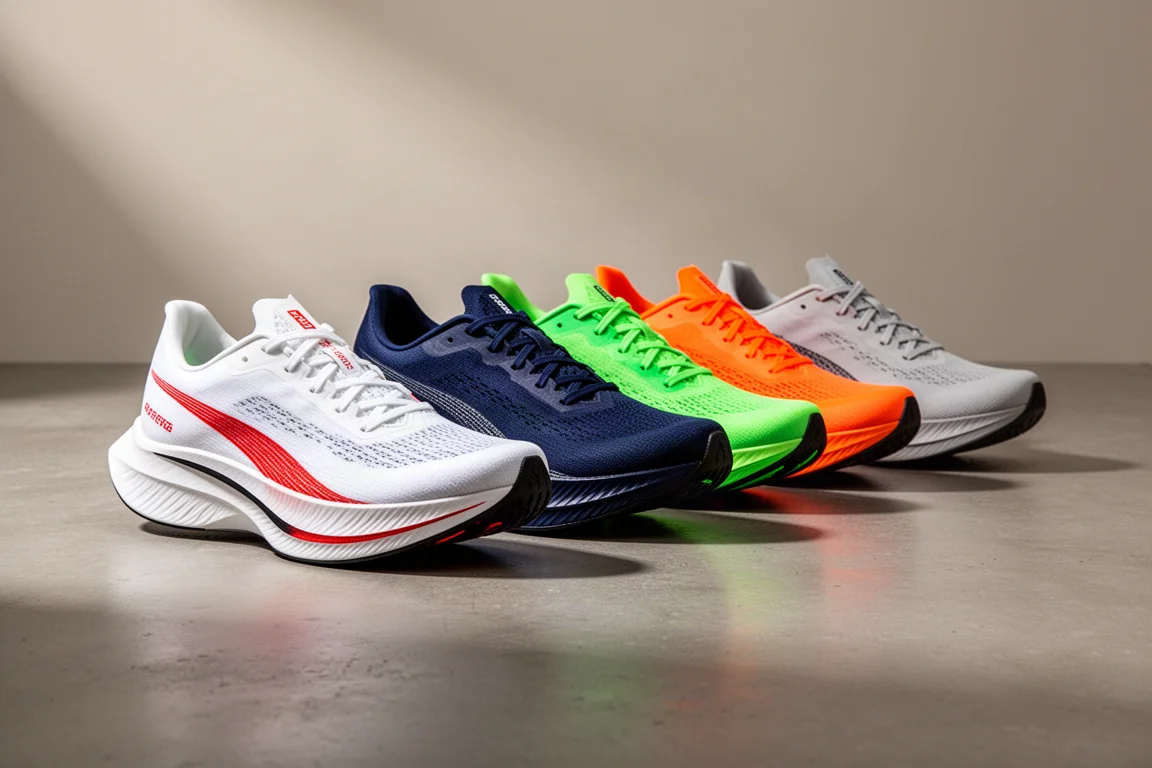
Choosing a race shoe for a sub-3 marathon attempt is a different exercise from picking a shoe for a four-hour race. At 6:00-per-mile pace or faster, every shoe in this roundup sits in a narrow band around 220 to 230 grams, and small differences in foam firmness, rocker geometry, and weight suddenly matter. The picks below are ranked from lowest price to highest, with two honorable mentions first. One note up front: the Adidas Adios Pro 4 has not been tested for this list, so it does not appear here, though it may well belong on a future list.
Two Honorable Mentions Before the Core Five
Both of these shoes just missed the core list for one simple reason: they lean slightly more comfort-oriented than the five picks that follow, and at sub-3 pace a faster-feeling shoe usually wins.
Yell X1
The Yell X1 was arguably the hobby-jogger race shoe of 2024. It stacks two different types of PEBA foam, a softer layer on top and a firmer one underneath, and adds a pronounced rocker that produces a smooth, bouncy ride. It handled long runs at race pace well, including two 22-mile efforts with eight miles at around 6:00 pace, and 6-flat tempo work felt entirely legitimate.
So why honorable mention? Weight. In a typical size it runs 250 to 260 grams, while every other shoe in this roundup clusters around 220 to 230 grams. On race day, when the difference between a PR and a near-miss comes down to seconds, that extra mass is the kind of thing you do not want in your head.
Saucony Endorphin Pro 4 ($225)
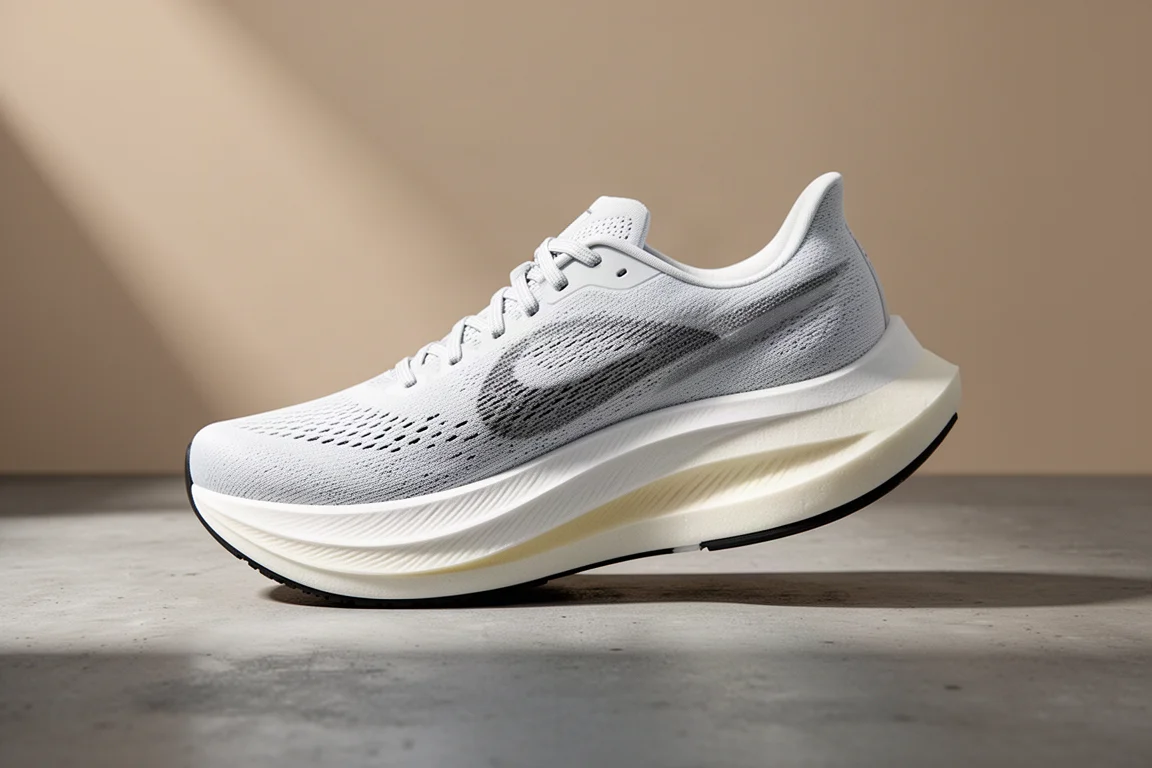
At $225, the Endorphin Pro 4 remains one of the best value race shoes available. It is durable, comfortable, fun, and slightly soft, built on a softer dual-layer PEBA foam bed with a full carbon plate. The catch is that at true sub-3 paces, several shoes in this list simply feel faster.
There is a split character here: at around 2:40 marathon fitness, with race paces between 5:50 and 6:10, the Endorphin Elite feels better matched. But for a first sub-3 effort at around 2:55 pace, the Pro 4 was genuinely great and the Elite felt too aggressive. Match the shoe to your actual pace, not your target pace.
Puma Deviate Nitro Elite 3 ($230): Best Value Sub-3 Race Shoe
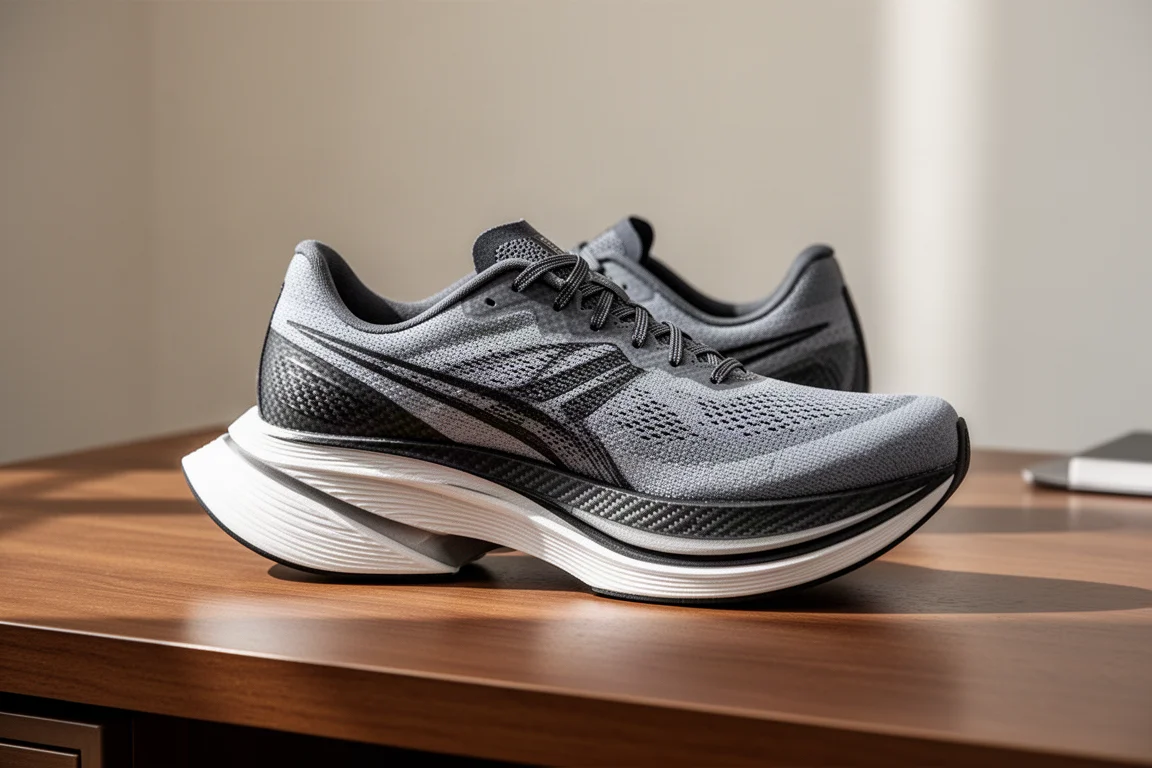
Starting the core list at $230, the Puma Deviate Nitro Elite 3 grew enormously after a rocky first run. That first outing required so much force and aggression into the front of the platform that the ride felt awkward and stomp-heavy, even though the pace numbers were excellent. The second run, 20 miles with threshold segments in the 5:30s and 5:40s, changed everything: the foam came alive.
Give this shoe 20 to 30 miles of break-in. Once settled, it is extremely lively, sitting somewhere between a softer, zippier Lightstrike Pro and a more aggressive version of the Endorphin Pro 4. If you miss the feel of the old Vaporfly, this has that Hornet-like aggressive character, just a touch firmer.
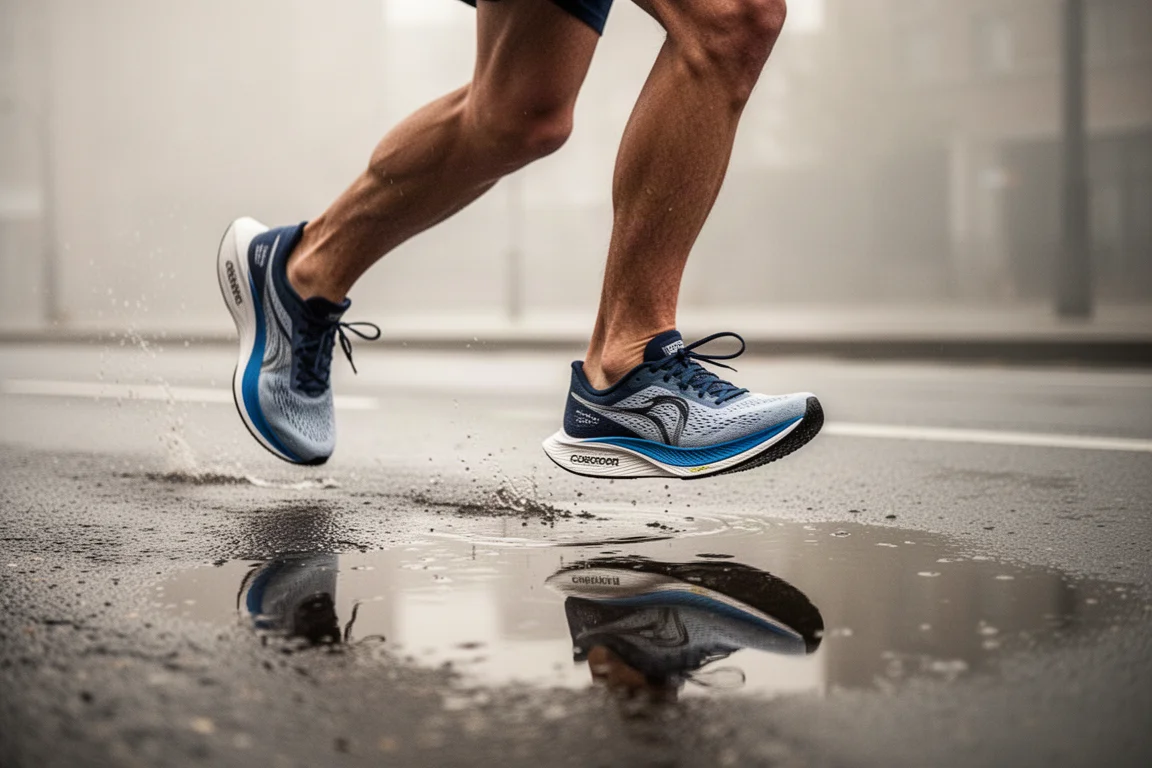
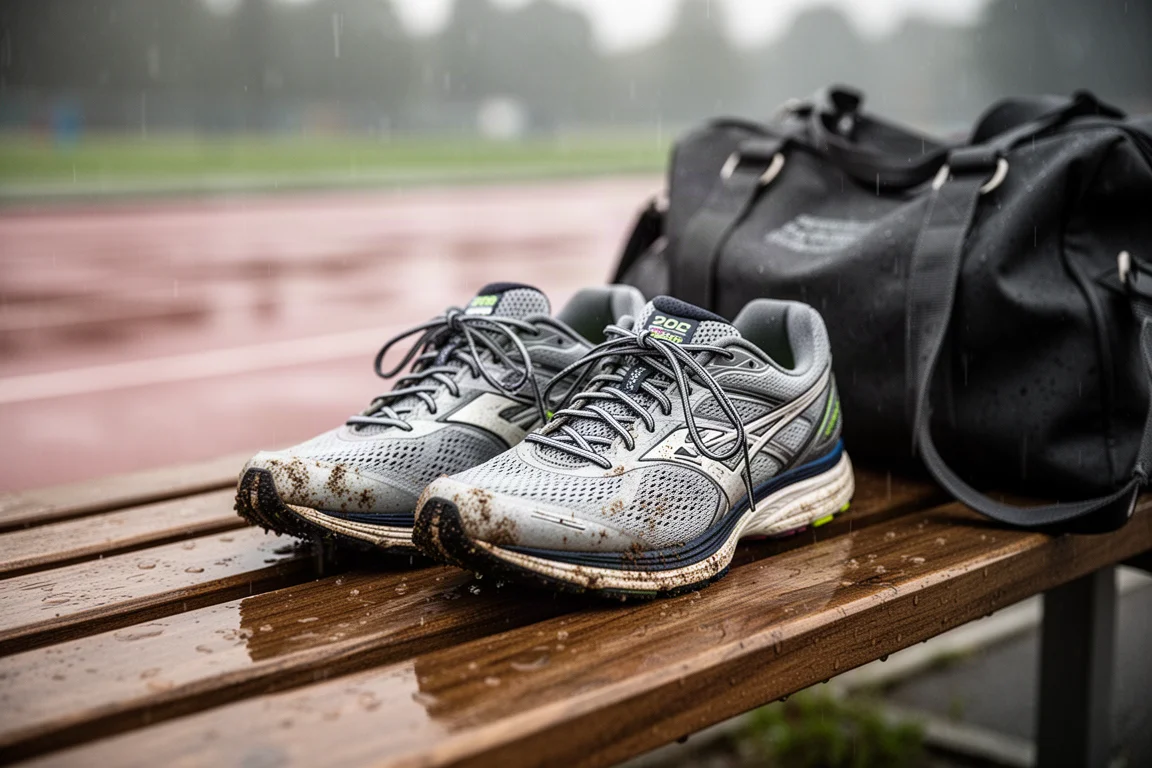
One honest trade-off: the foam aggressively cuts off at the back, so the shoe encourages and requires midfoot-to-forefoot form. And the grip is outstanding. A threshold workout in pouring rain produced missed pace targets everywhere, but the shoe gripped and ripped the entire time. This may be the best wet-weather race shoe on the market right now.
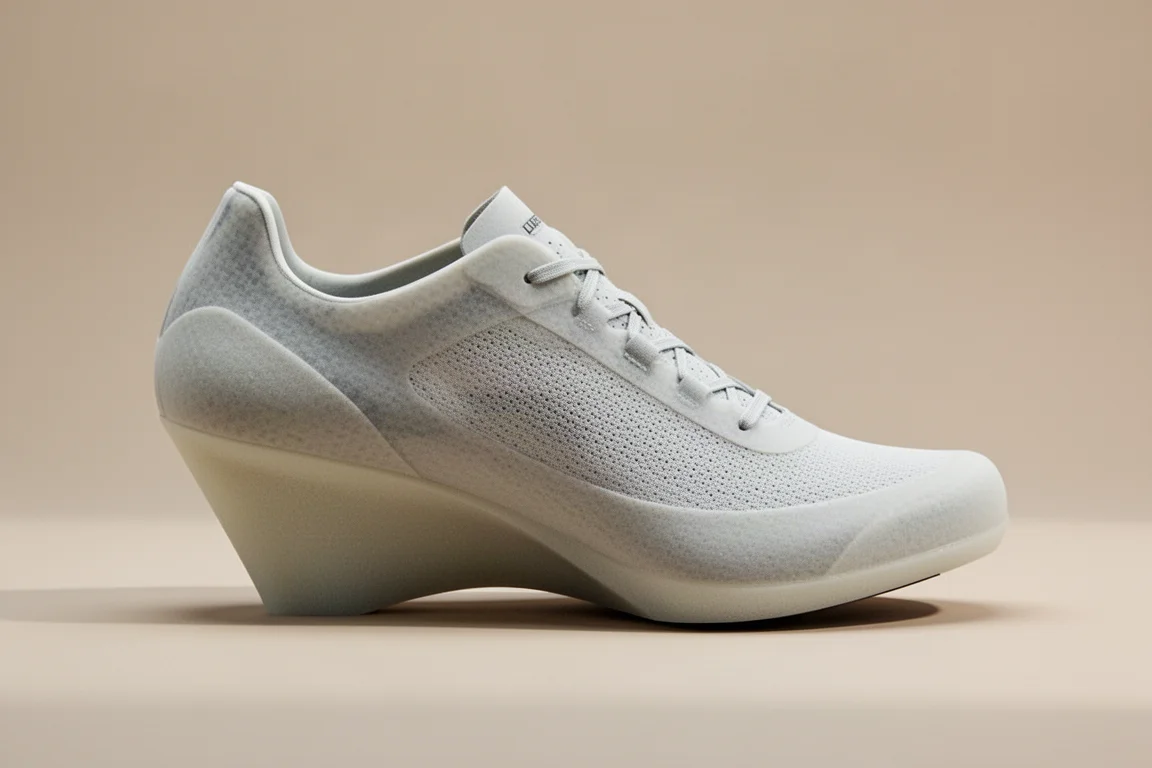
Saucony Endorphin Elite ($275): The Best Rockered Ride
At $275, the Endorphin Elite is a different animal from the Pro 4. It uses a firmer Snappy foam rather than the softer PEBA of the Pro, paired with a full carbon fiber plate and an aggressive rocker that flings you forward with every roll. The two standout rockers of this generation are here and on the Yell X1: the X1 is the comfort rocker, and this is the aggressive one.
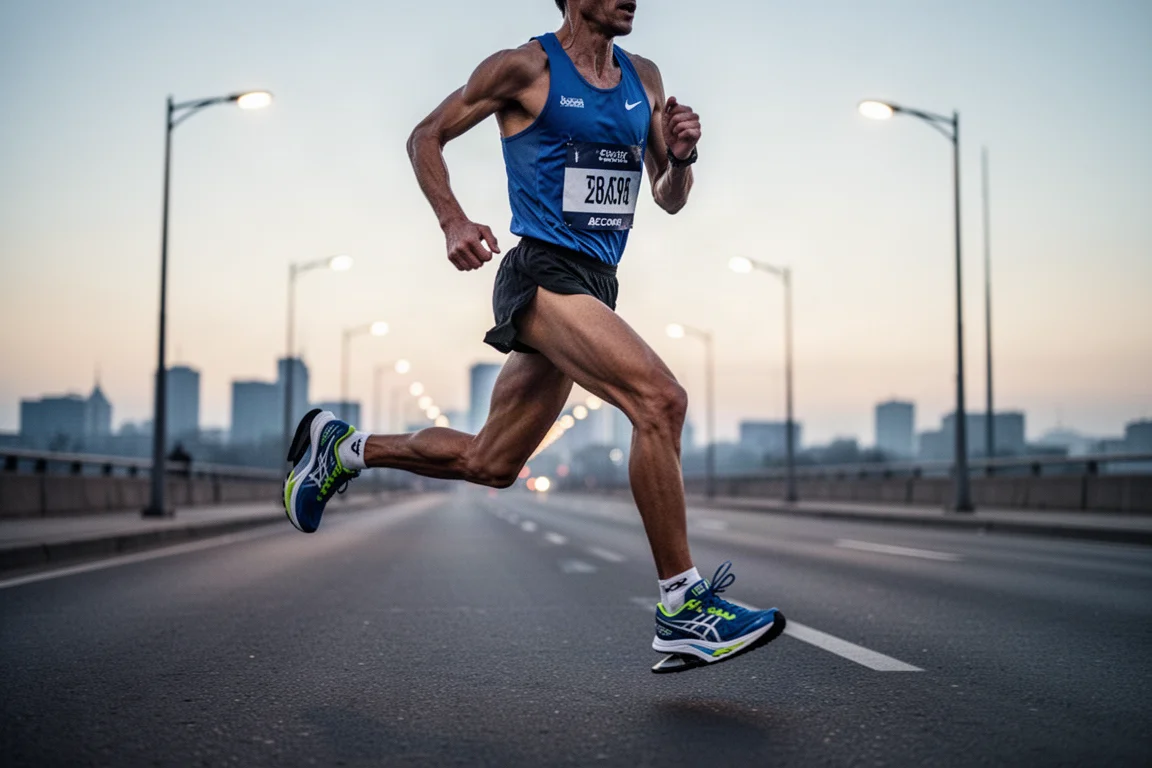
This was one of three finalists considered for a Chicago Marathon attempt, and it earned that status with a 16-mile run averaging 5:57 pace, the longest and fastest training run of the block, on which the shoe simply disappeared on foot. The trade-off is harshness. Below roughly 6:00-per-mile pace it feels superb, but at slower paces it can feel punishing, which is why it is not recommended for runners not yet at sub-3 pace.
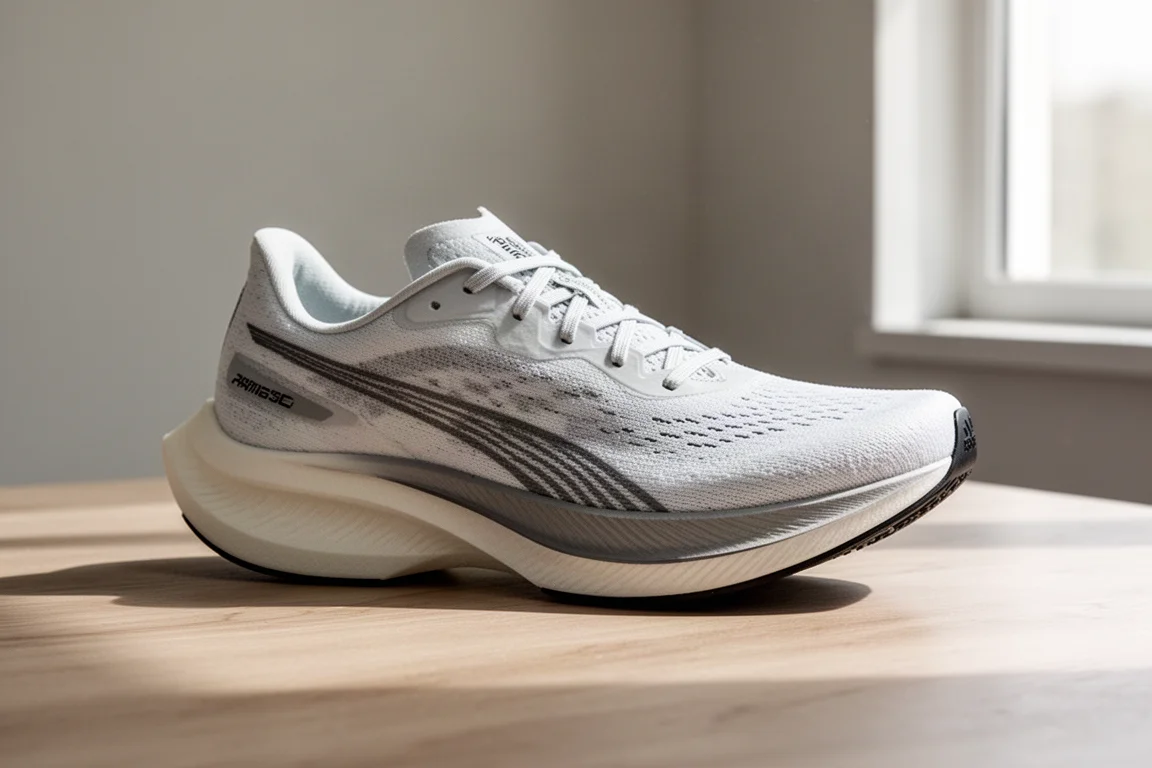
On Cloudboom ($280): The Goldilocks Ride
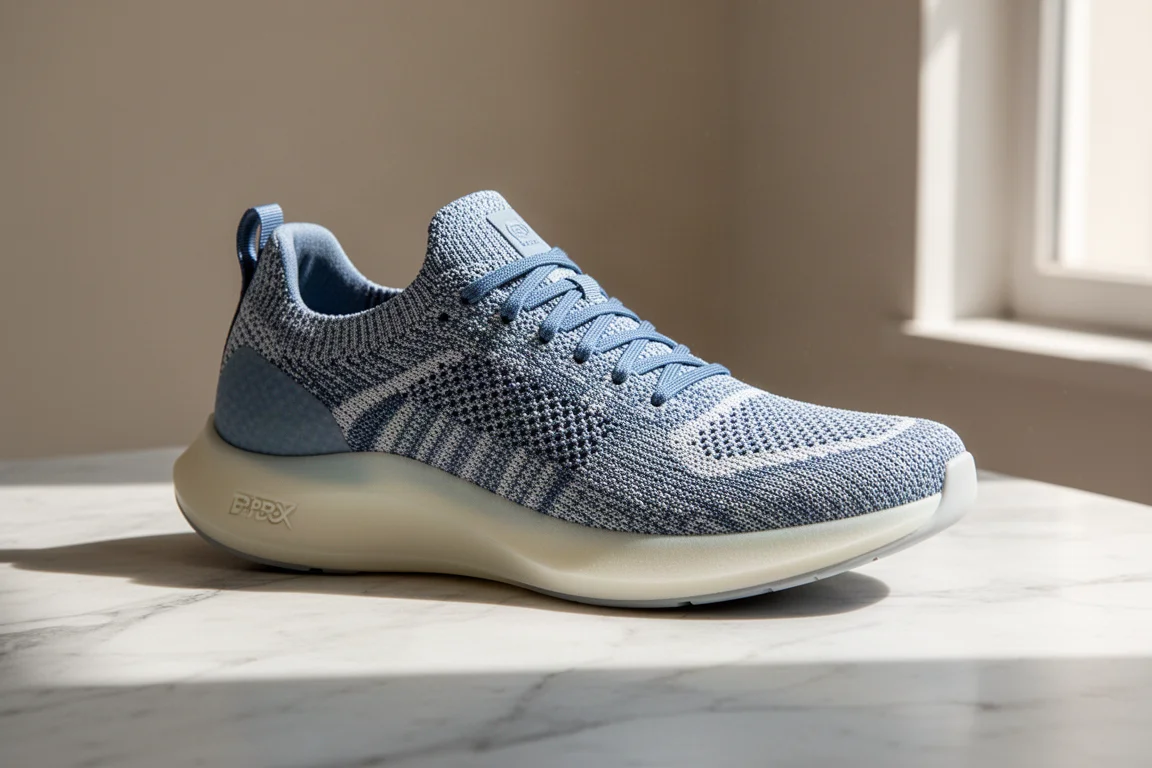
The Cloudboom’s calling card is its insole. On has used a very thick insole that adds a soft, deep cushioning feel and a bouncy ride unlike anything else tested, and unlike any other race shoe tried. Compared to the Yell X1 it has more snap and less weight, and compared to the Endorphin Elite it is far less harsh. Not as aggressive as the Alphafly, not as soft as the Gara: this is the Goldilocks shoe, and it is the pick that will work best for most people chasing a sub-3.
Wet-weather performance was also strong, tested during another rain-soaked run. The upper, however, has quirks: the laces needed replacing, and there is a noticeable bump near the toe box that was distracting on some runs. Once past those issues, the shoe was fine.
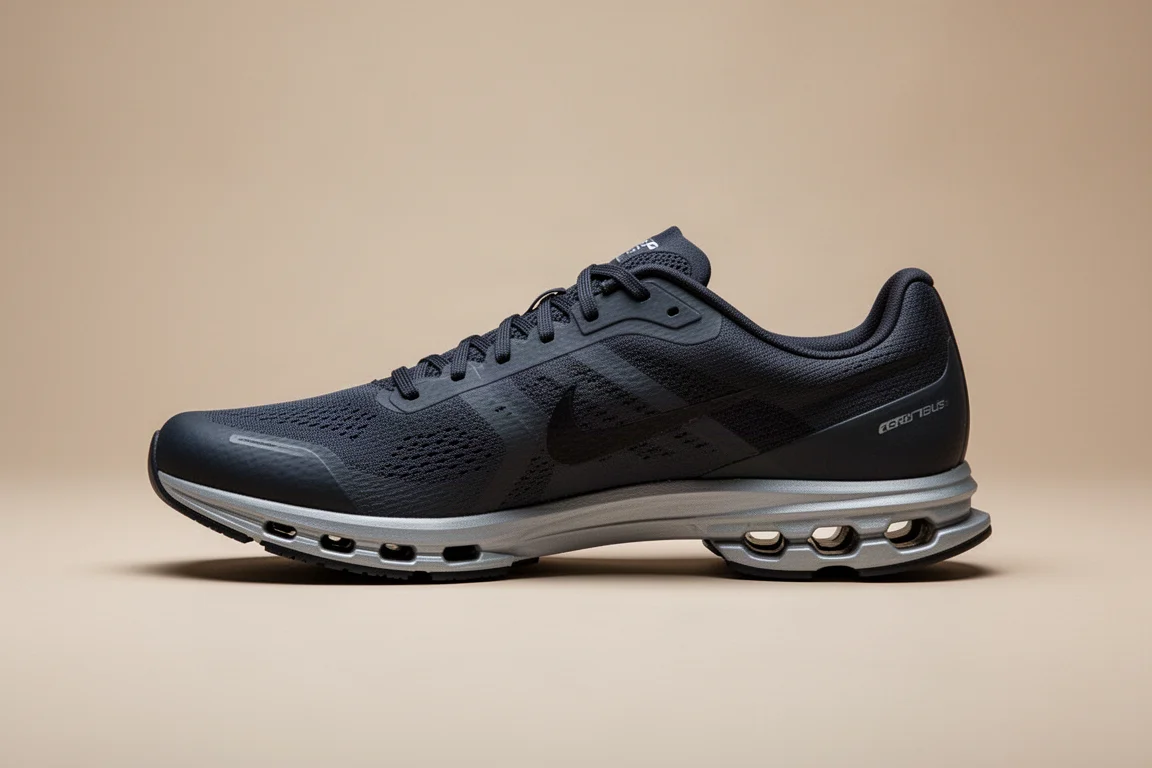
Nike Alphafly ($285): The Most Aggressive
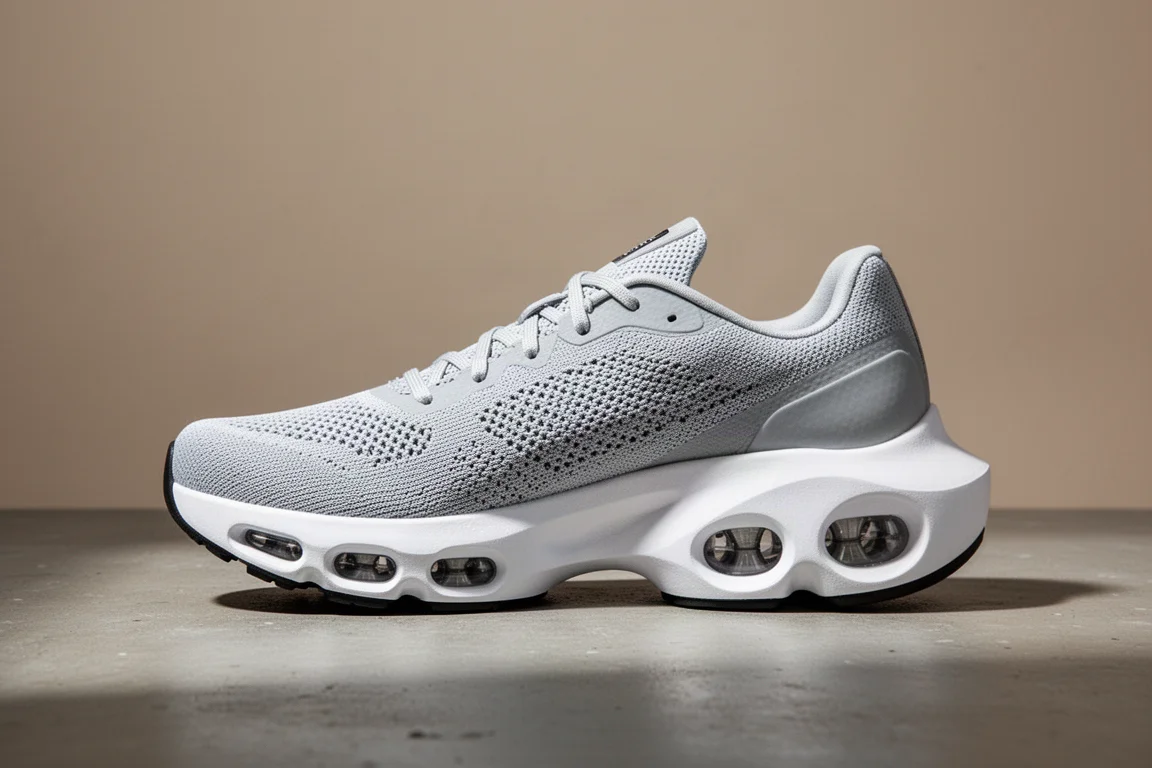
The Alphafly, alongside the Endorphin Elite, is the most aggressive shoe in this roundup. The reason is the Air Pods in the forefoot, sitting under a top layer of race foam with a full carbon fiber plate. The bounce is unlike anything else, and if you can optimize your stride to pop off those front Air Pods, you will be golden.
This is a shoe you have to learn to use. It does not require break-in so much as technique: it encourages a certain forefoot-forward form, and rearfoot strikers may find themselves leaning forward and pressing off the front. The higher drop feel can also work the hips at faster paces, worth keeping in mind if you have had similar issues with other high-drop racers. Once dialed in, it is super fast, and it carries the fastest marathon result of any shoe here: Kelvin Kiptum wore it when he set the marathon world record.
Diadora Gara Charcoal Thunder ($300): The Best Soft Race Shoe
At a $300 MSRP, the Diadora Gara Charcoal Thunder is the softest shoe in this list, and if you are a lighter runner or simply love a soft ride while chasing a sub-3, this is the best soft race shoe on the market. It compresses noticeably but not to the point of bottoming out, and there is far more protection underfoot than in the Vaporfly, making it a strong alternative for anyone who loved the Vaporfly 2 but not the 3.
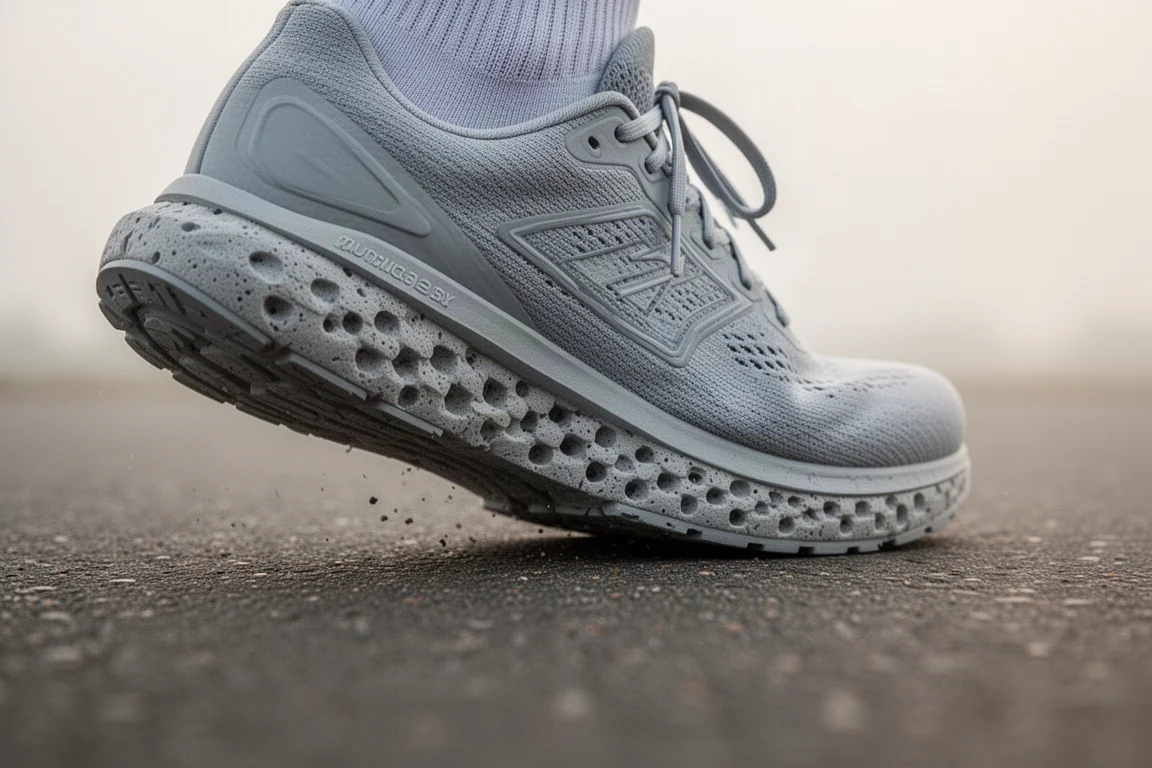
Why it fell out of the final three for Chicago: at current marathon pace just below 6:30 per mile, the forefoot felt a touch too soft, creating a debate about how much power was actually being returned. There is a clear tipping point somewhere between 6:20 and 6:40 pace: great at 6:40 to 6:50, marginal below 6:30. For smaller runners, faster runners, or anyone whose marathon pace sits above that threshold and who prioritizes cushioning, this is an easy recommendation. Discount codes offering around $50 off have also circulated, which improves the value case considerably.
Buying Advice: Which One Fits Your Sub-3 Attempt
Summing up the core five: the Puma Deviate Nitro Elite 3 is the best value sub-3 race shoe at $230. The Saucony Endorphin Elite delivers the best rockered ride of the bunch. The On Cloudboom is the best all-round ride for most people, comfortable without being sluggish. The Nike Alphafly is the most aggressive pick for taking a real chunk out of a PR. And the Diadora Gara Charcoal Thunder is the best soft race shoe. Between the honorable mentions, the Yell X1 suits riders who want smooth comfort and can accept the weight, and the Endorphin Pro 4 is the value pick for anyone whose pace sits slightly above true sub-3 range.
Conclusion
At sub-3 pace, shoe choice is about matching character to stride: aggressive rocker and firm foam for strong forefoot strikers, plush insole comfort for long race-day efforts, or a lively broken-in platform for those willing to put in 20 to 30 miles of patience. All seven shoes here are legitimate race tools; the right one is simply the one whose personality matches yours.
Further reading
Related Reviews

Running Shoes
Best Road-to-Trail Running Shoes: Three Versatile Options for Mixed Terrain
A practical guide to three road-to-trail running shoes that handle both pavement and mild trails, with clear strengths and trade-offs for different runner types.

Running Shoes
Best Running Shoes for Achilles Tendonitis: Three Options Explained
Three running shoes with different heel drops and support features designed to help reduce Achilles tendon pain during walking and running.

Running Shoes
Best Running Shoes for Women: Five Top Choices Ranked
A ranked guide to five women's running shoes, from versatile daily trainers to high-performance racing options, with real strengths and trade-offs for each.