Cookware
Best Stovetop Griddles Tested: Six Options From Budget to Premium
We tested six highly rated stovetop griddles from $24 to $250 for heating speed, evenness, heat retention, warping, and handle comfort. Here is what held up and what did not.
Introduction
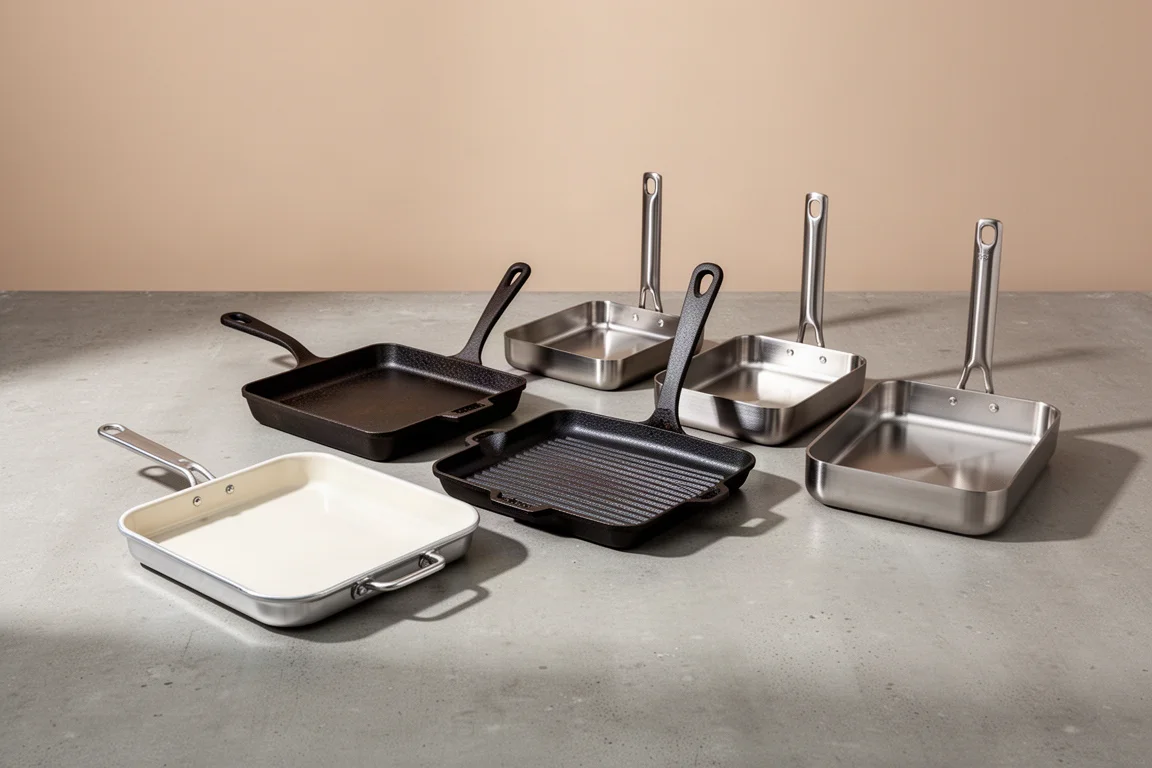
Are stovetop griddles worth buying, or are they just another bulky pan taking up space in your kitchen? And if you do get one, which brand is actually the best? To answer both questions, we tested six of the highest-rated griddles on the market, from $24 all the way up to $250.
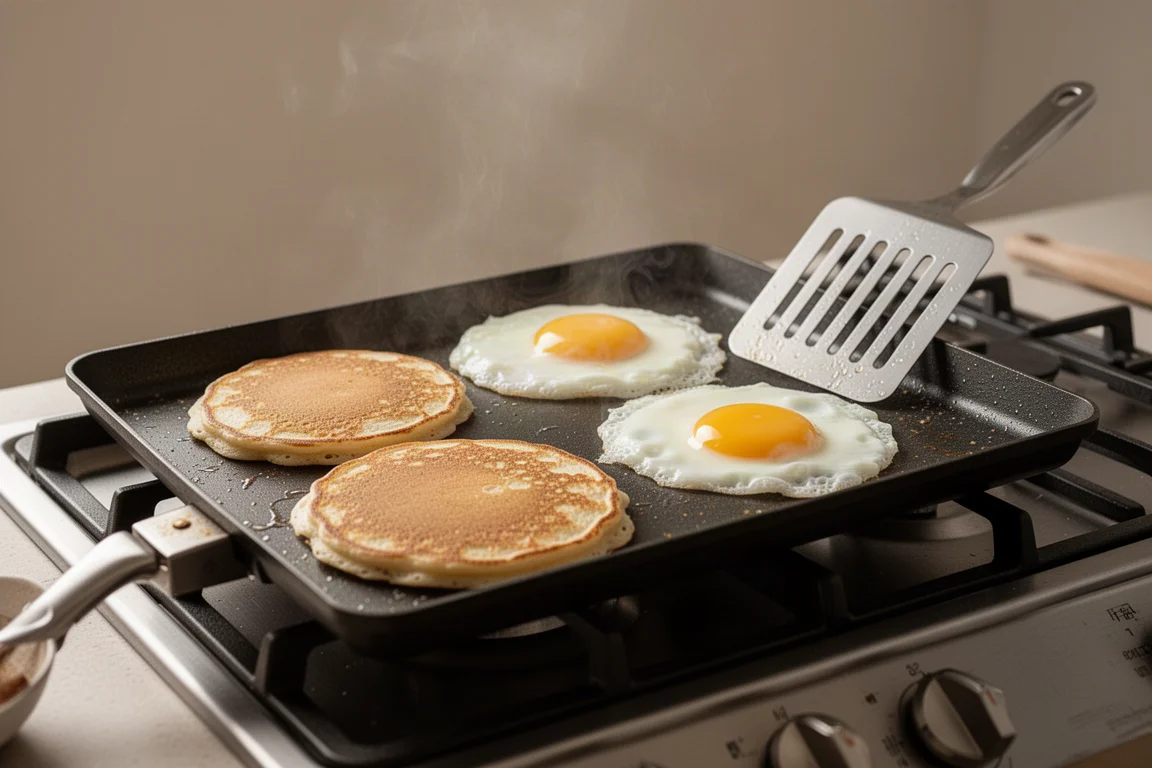
Beyond cooking eggs, pancakes, fish, chicken, steak, sandwiches, and vegetables, each griddle went through a series of controlled tests. Here is how the results stacked up, starting with the least expensive option and ending with the most expensive.
How We Tested
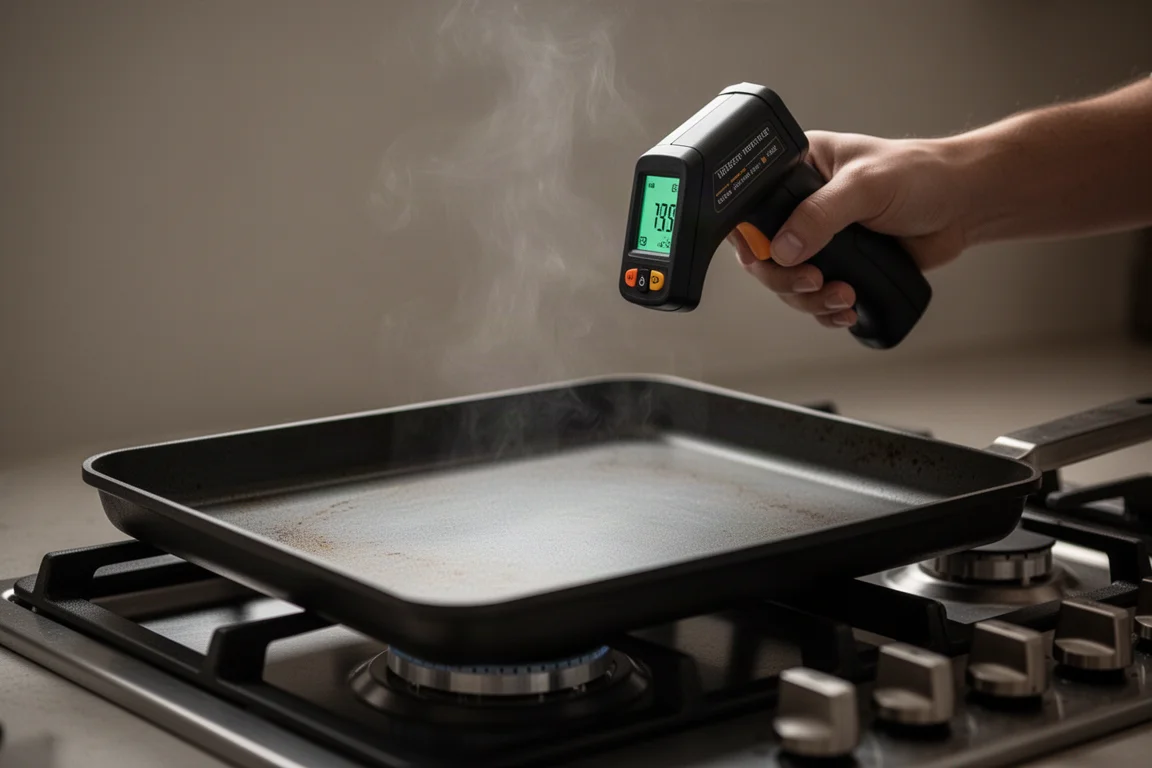
Heating speed and evenness were measured by preheating each griddle for 4 minutes on medium and recording multiple areas of the pan with a thermal camera and a surface thermometer. Heat retention was tested by heating each griddle to exactly 400°F, removing it from the stove, and measuring the surface temperature after 5 minutes.
Warping was checked right out of the box and again while heating to 450°F. We also measured how hot the handles got after 10 minutes on medium heat, and compared weight, thickness, handle design, and cleaning ease across the group.
Nordic Ware Stovetop Griddle
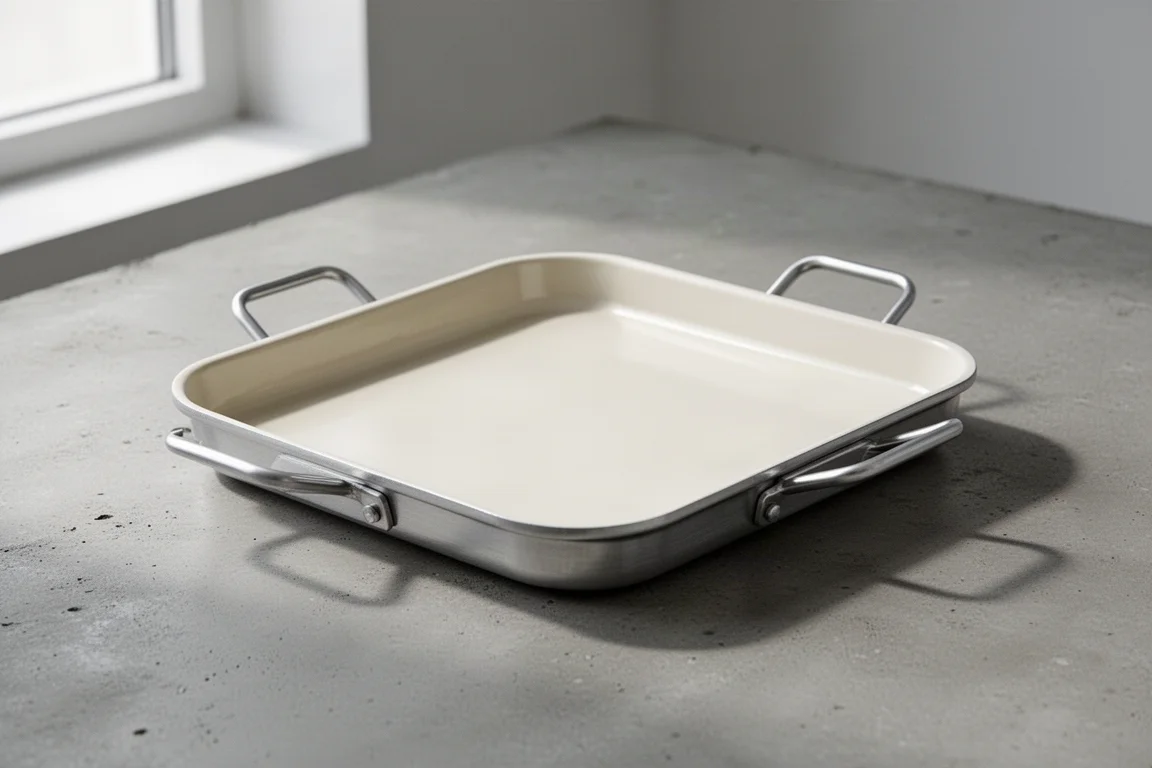
The Nordic Ware griddle is made in the USA from aluminum with a ceramic non-stick coating, and it is the least expensive griddle in this comparison. It is also the lightest of the six and tied for the smallest. On the positive side, it heats faster than any other griddle tested, the non-stick surface is ideal for eggs, and the low weight makes it easy to clean and store.
The downsides, however, are significant. It started flat but warped so badly during testing that it wobbled and spun around on the stovetop. It also had the worst heat retention of the group, the tiny handles get extremely hot, and it is not compatible with induction.
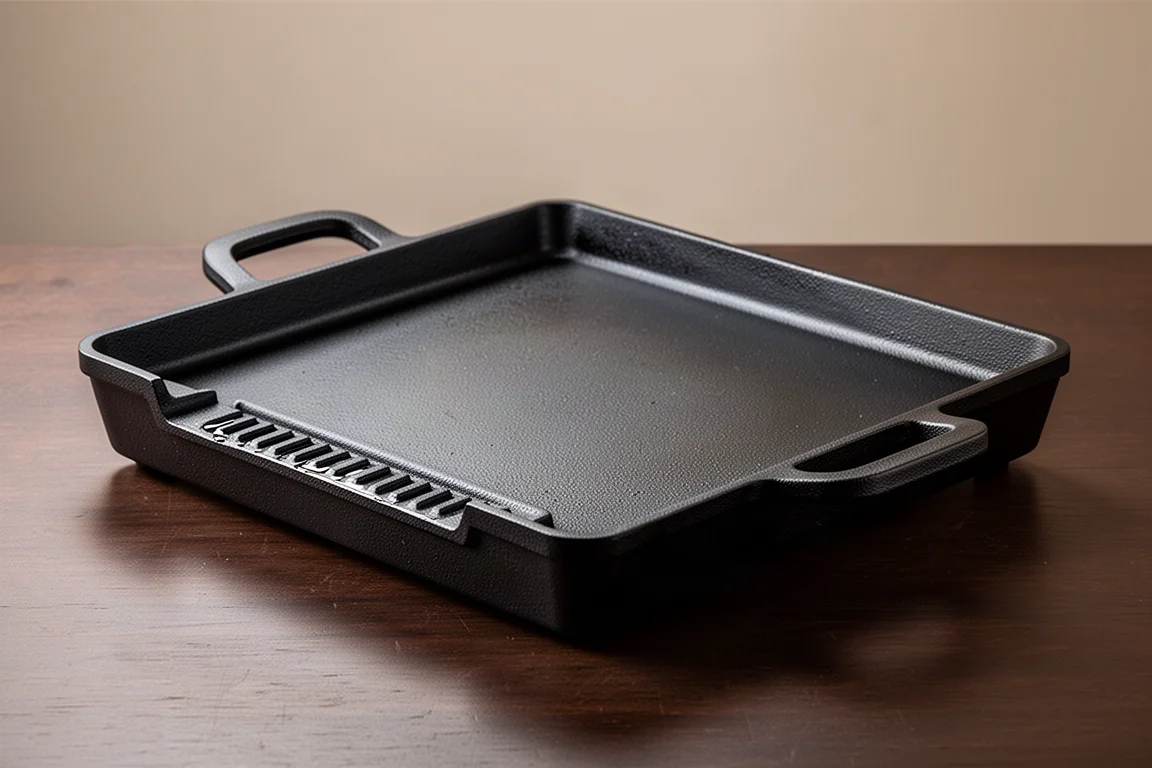
Lodge Cast Iron Griddle
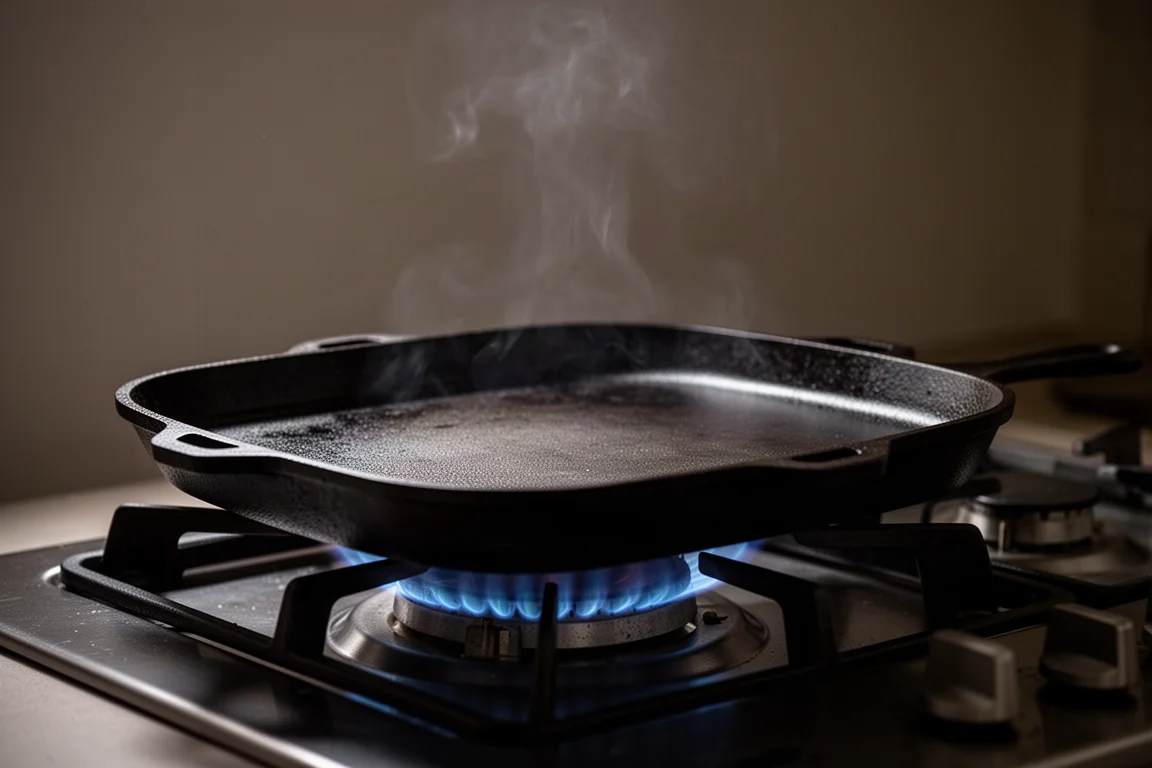
The Lodge cast iron griddle is made in the USA and comes preseasoned. It is reversible, with a flat griddle on one side and a grill on the other. It is the thickest and heaviest griddle tested, though the cooking surface is relatively small. Its biggest advantages are durability and heat retention: there is no coating that can wear down, it stayed completely flat during the warping test, and it had the best heat retention of the group, which matters when cooking big batches of food.
The trade-offs are real. It is by far the slowest griddle to heat and takes a long time to reach searing temperatures, and it reacts slowly when you adjust the burner. Cold spots where the griddle is not directly over the heat source are unavoidable. The worst part is that it has no real handles, just small corner loops, so it feels like you are dropping a brick on a glass cooktop. You also need a little oil or butter, though the preseasoned surface does release food well.
Lodge Carbon Steel Griddle
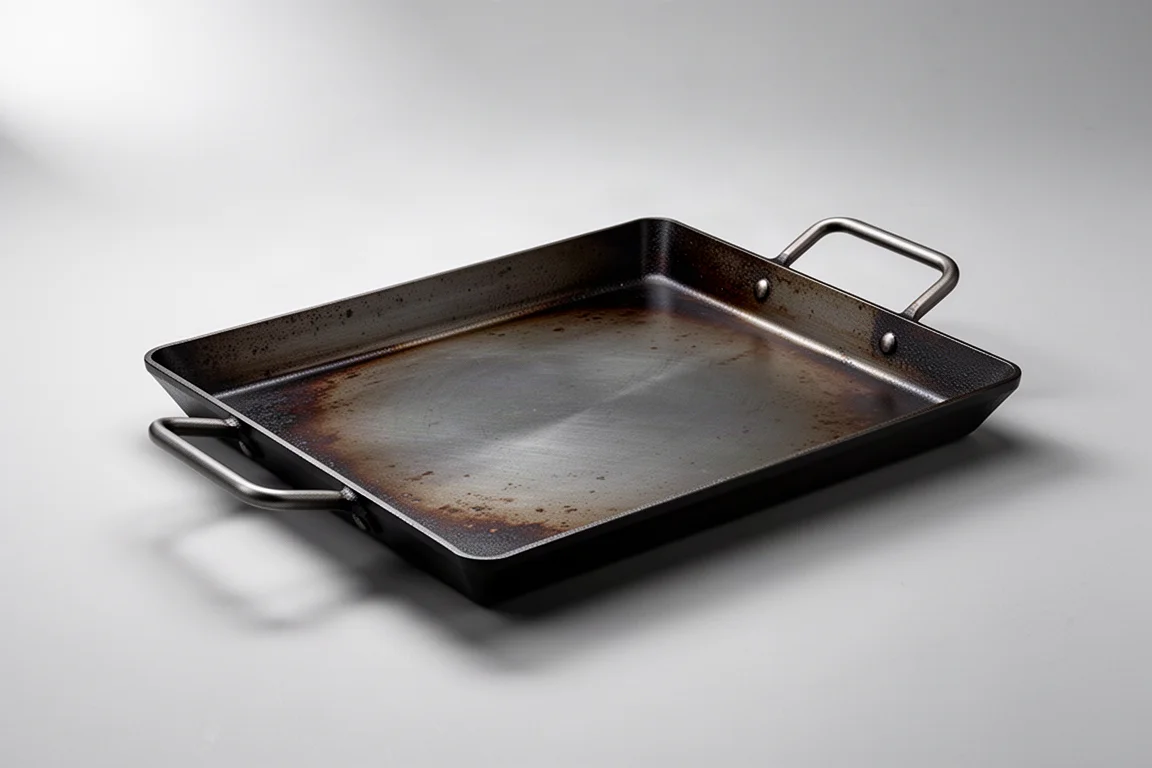
Lodge’s carbon steel griddle is also made in the USA and comes preseasoned, with key differences from the cast iron version: it is over 2 lb lighter, it has sidewalls that contain food, the cooking surface is slightly larger, and it comes with bigger, easier-to-hold handles.
Unfortunately, it has a major flaw. Out of the box it did not sit flat, and once heated, the warping got worse to the point where it wobbled and shifted around. Lodge states on its website that it is not intended for smooth top stoves, and customer service confirmed it might warp on a flat electric cooktop. Beyond the warping, the build quality is underwhelming: the cooking surface is rough, the handles get hot, and seams are visible in the corners where the metal was pressed together. None of these are dealbreakers alone, but together the griddle feels cheap.
HexClad Griddle
The HexClad griddle is made of three-ply stainless steel with the brand’s signature hybrid surface, designed so a spatula glides along the raised stainless steel instead of scraping directly against the ceramic non-stick coating underneath. Stress testing showed the steel does provide some protection, but there is still plenty of space between the ridges for the coating to get scratched, and like all non-stick coatings, this ceramic layer will wear down over time from scratches, heat, and repeated use.
While the coating lasts, though, performance is excellent. Eggs slid right off and cleanup was easy. It also heated more evenly than the other griddles, with the smallest temperature difference between the hottest and coldest spots. The vertical handles are well designed, with tops that stay cool, although the stems closer to the pan do get hot. The two biggest downsides are price and warping: it costs more than twice as much as Lodge despite being made in Asia instead of the US, and in testing the middle bowed upward slightly, causing oil to flow toward the edges.
Made In Carbon Steel Griddle
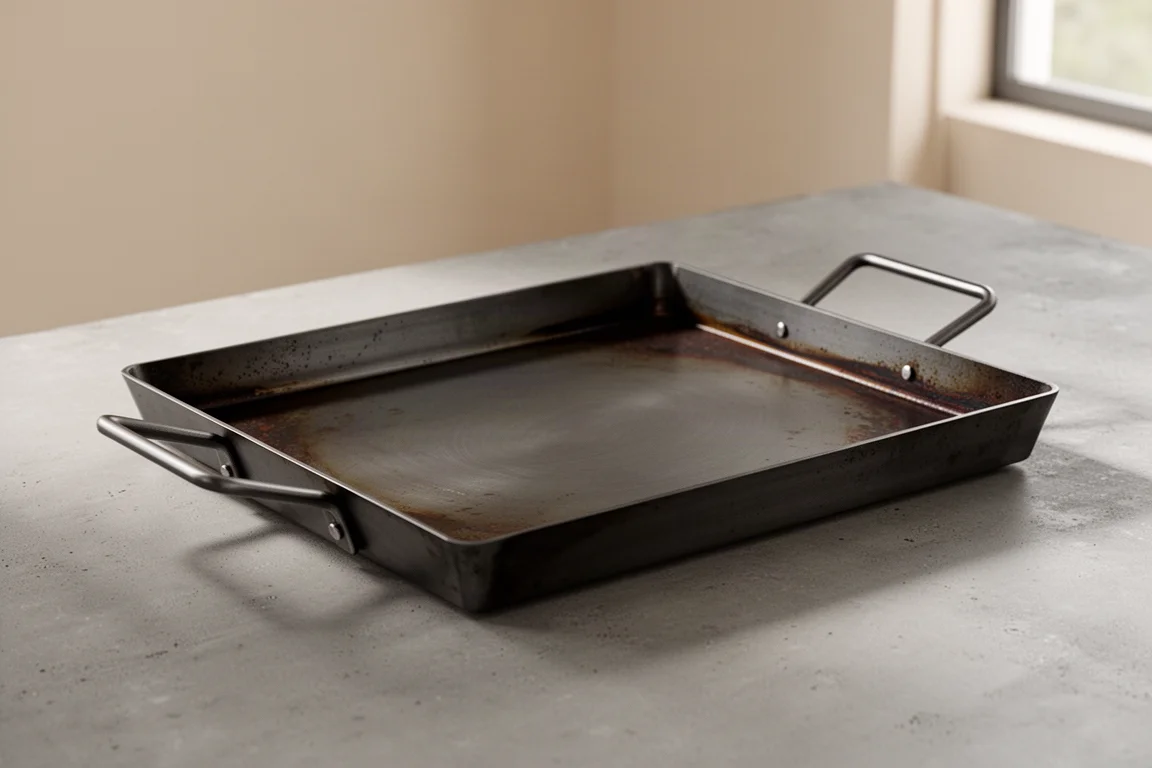
The Made In carbon steel griddle is made in Sweden. It is heavy, with long handles, low walls, and a large cooking surface. Its main advantages are versatility and durability. Unlike the Nordic Ware and HexClad options, it does not rely on a non-stick coating, so it should last a lifetime. Compared to Lodge cast iron, the handles make it much easier to move and place gently on a cooktop. Compared to Lodge carbon steel, it is thicker, smoother, has no seams in the corners, and, most importantly, actually works on flat induction and electric cooktops.
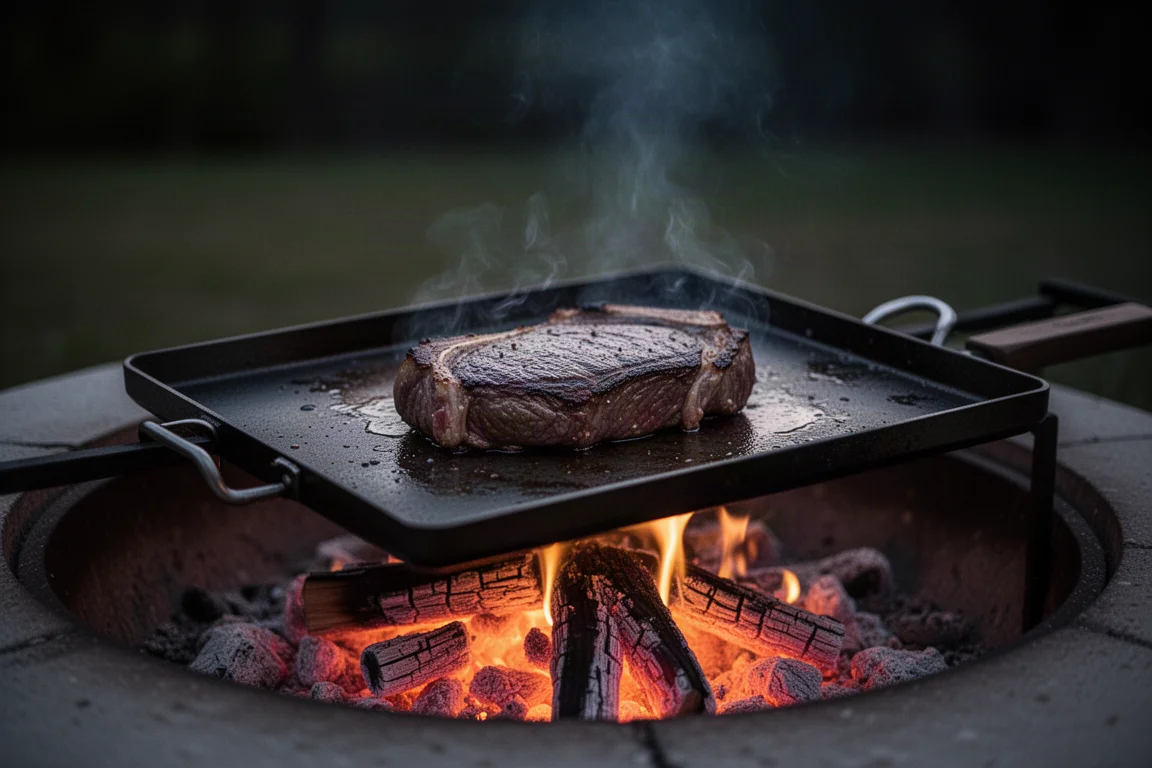
Outdoors it is a true workhorse: over a fire pit, the open flame got it piping hot, it seared a steak perfectly, and the baked-on oils only improved the seasoning. It is not perfect, though. It warps slightly on a flat cooktop, enough to shift a bit when scraping hard with a spatula, sometimes requiring you to hold the handle to keep it steady, though it never teeters and spins like the Lodge or Nordic Ware. The handles stay fairly cool but are flat with edges that are not the most comfortable to grip. You need to be careful not to scratch your sink when cleaning, and because the handles stick out, it will not fit in a 24-inch oven. The preseasoned surface is slick enough for eggs but not nearly as forgiving as non-stick, especially since keeping heat perfectly even across such a large surface is difficult.
Hestan Griddle
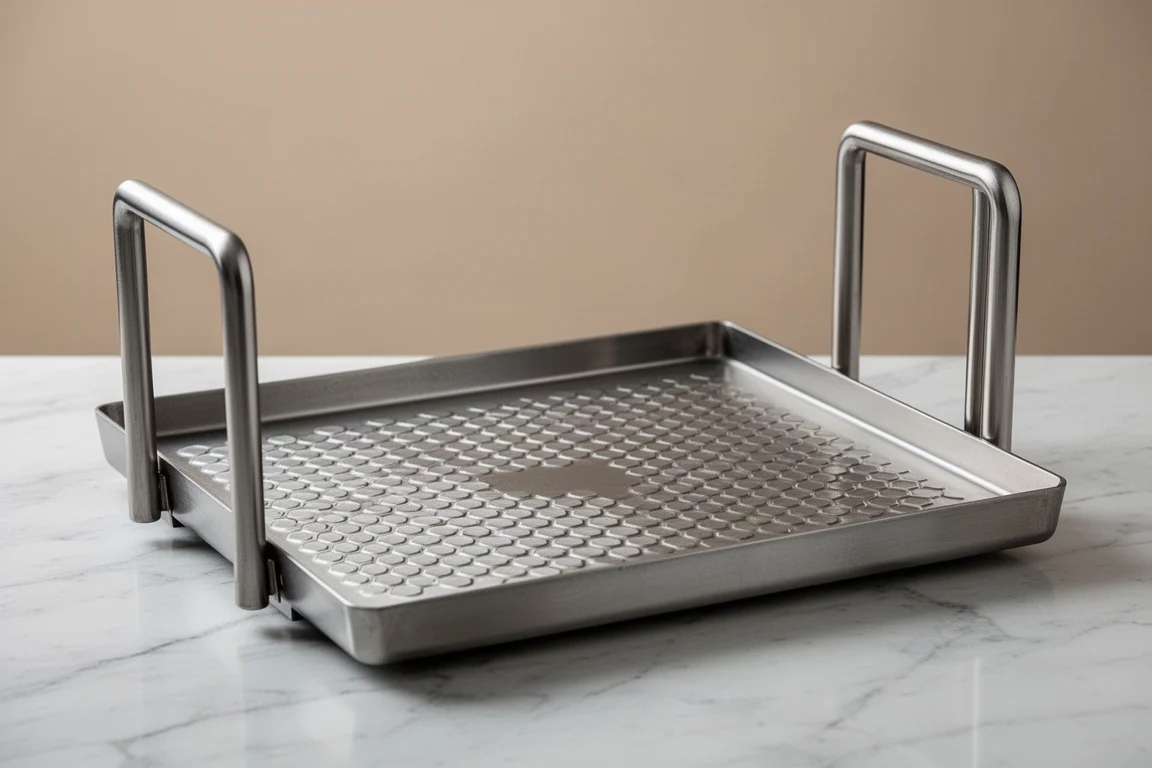
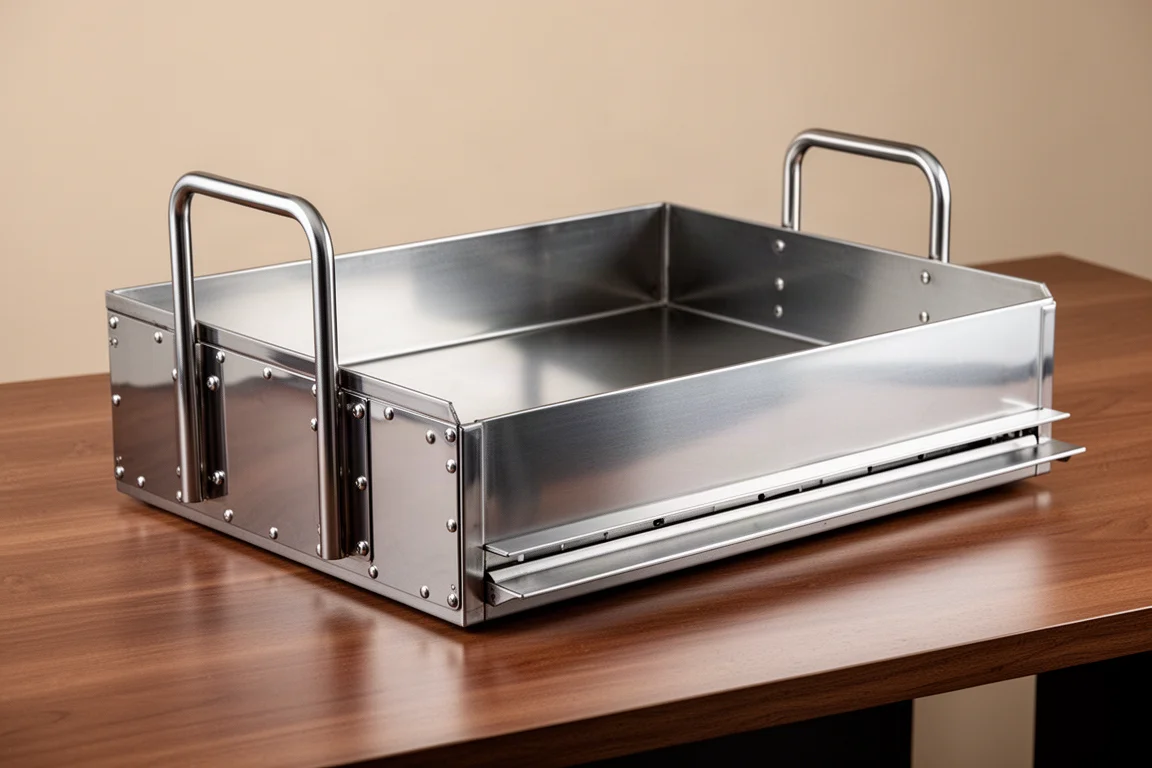
The Hestan griddle is the most expensive and largest griddle tested. It is made of three-ply stainless steel with tall sidewalls, flush rivets, and big vertical handles that stay cool. The cooking surface is big enough for 10 slices of bread, and it can even double as a roasting pan.
In testing, it took a while to heat, and any area not directly over a burner stayed much cooler. When eggs were cracked near the edges, the whites did not set right away and flowed toward the drip channel. Once fully preheated, though, the sections over the burners performed well and were surprisingly non-stick for stainless steel. It also had the second-best heat retention of the group. The main drawback is that you are paying a premium for size that most cooktops cannot heat evenly, so only part of the surface cooks the way you would expect. Outdoors over a fire pit, the steak cooked fine, but the stainless steel discolored and burned oil into the metal, so despite claims of being grill safe, it is really an indoor griddle.
Buying Advice: Which Griddle Should You Get
First, are stovetop griddles even worth it? The honest answer is that they are not essential for every kitchen. Because they span multiple burners, none of them heat perfectly evenly, and hot and cold spots are simply the nature of these pans. Performance also depends heavily on your burner setup: a bridge burner that links two burners together delivers much better results than a standard stove. In many cases, one large round pan or two smaller pans will be easier to manage. That said, griddles do have their place for big batches of pancakes, grilled sandwiches, or turning an outdoor grill into a flat top.
With all of that in mind, the top pick for most people is Made In. It is incredibly durable and versatile, works well on any cooktop, and can handle extremely high heat.
Hestan and HexClad are also worth considering, for different reasons. Hestan is huge and doubles as a roasting pan, but you need to preheat it well to avoid cold spots on the sides. HexClad is the best option for eggs and other sticky foods, though the non-stick coating will eventually fail. Lodge cast iron works well on gas stoves and grills, but skip it if you have a flat cooktop because it is difficult to safely put down and pick up. Nordic Ware and Lodge carbon steel are not recommended: the warping was so bad that both were basically unusable.
View more details for Made In Carbon Steel Griddle
Conclusion
A stovetop griddle can be a genuinely useful tool for batch cooking and flat-top style searing, but only if it stays flat on your cooktop and matches your burner setup. For most kitchens, the Made In carbon steel griddle is the safest long-term pick, while HexClad suits non-stick fans and Hestan suits anyone who needs maximum surface area. If your stovetop is a standard flat or glass top, the warping issues seen with the Nordic Ware and Lodge carbon steel griddles make them hard to recommend.
Further reading
Related Reviews
Cookware
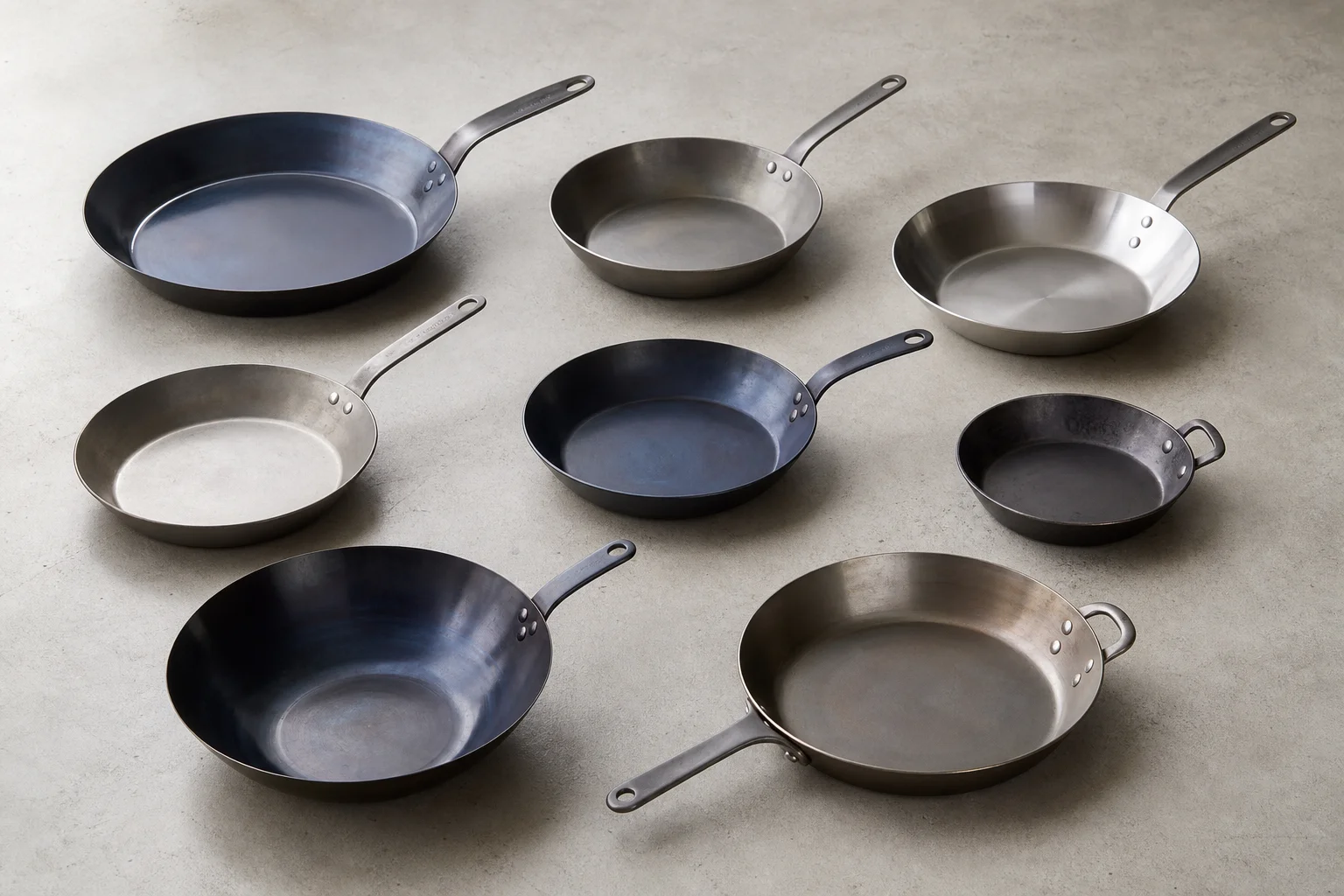
Best Carbon Steel Pans Tested: Which Brands Deliver Real Value
We tested eight popular carbon steel pans with controlled durability, heat, and cooking tests. Here's which ones perform best and which to avoid.
Cookware
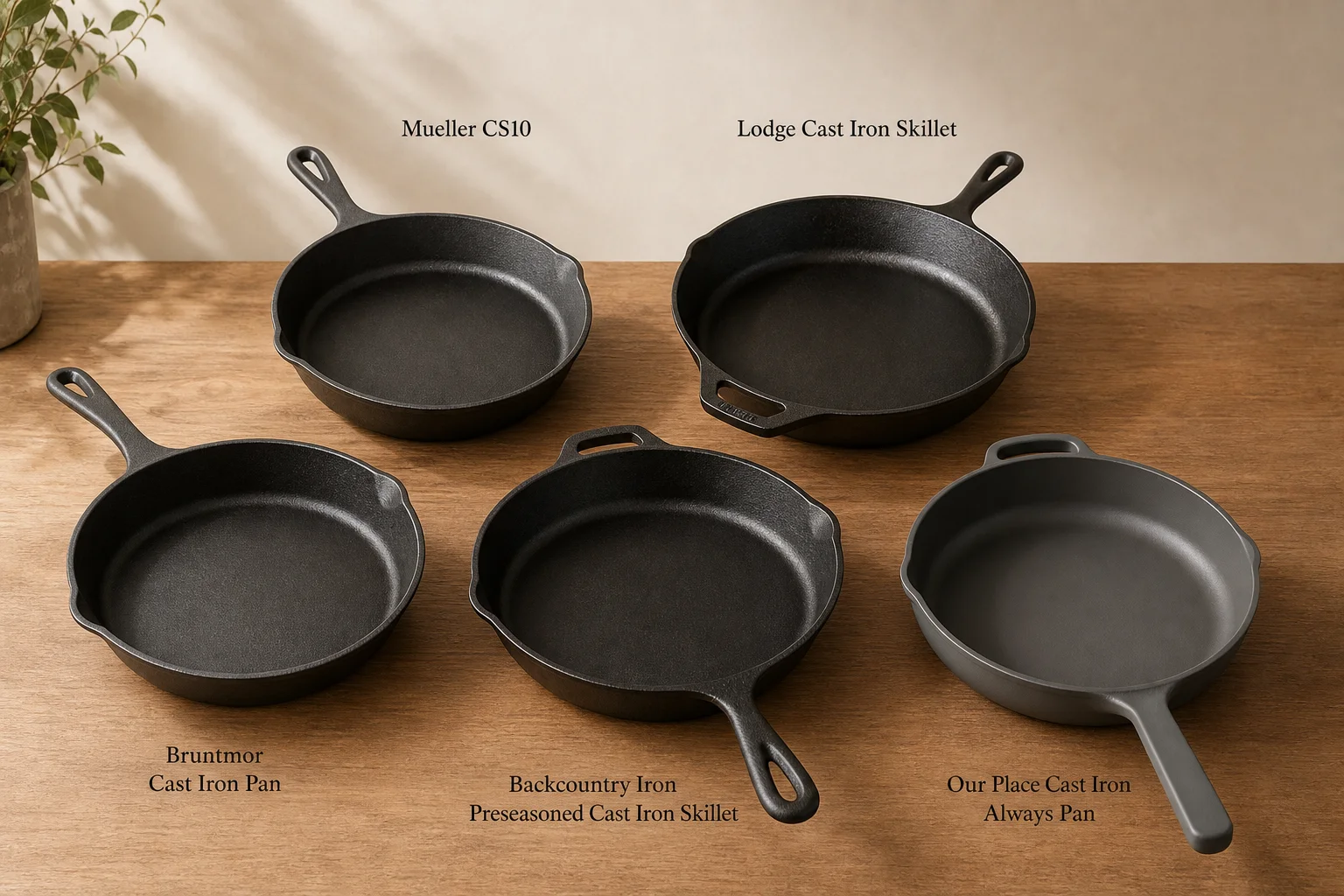
Best Cast Iron Pans 2026: Five Options from Budget to Premium
A practical breakdown of five cast iron skillets, from affordable Mueller to premium Our Place, with clear strengths and trade-offs for different cooking needs.
Cookware
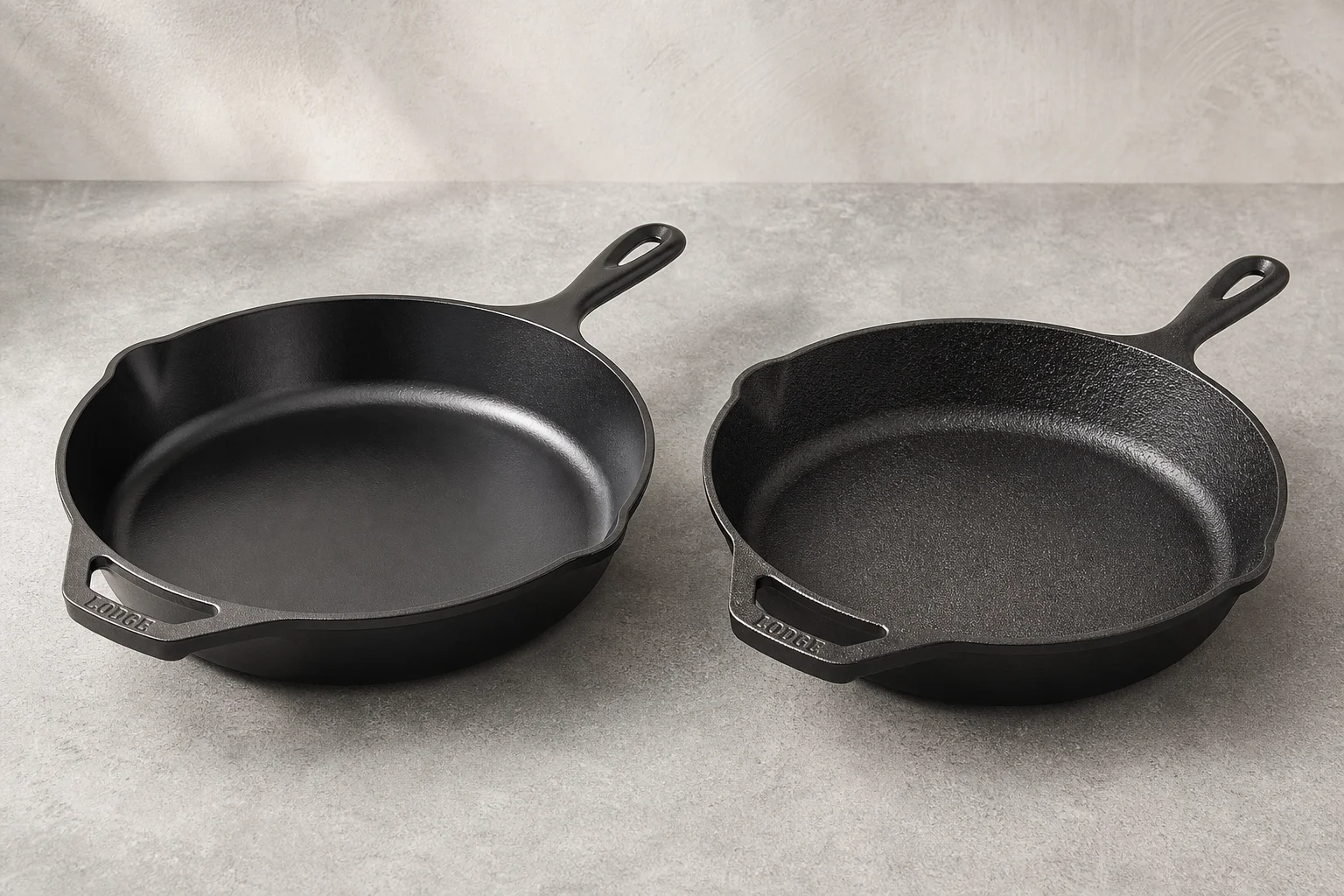
Best 12-Inch Cast Iron Skillets: Premium Craftsmanship vs. Reliable Budget Option
Two standout 12-inch cast iron skillets tested for heat retention, surface finish, and durability. One premium choice and one budget-friendly alternative that both deliver.