Kitchen Appliances
Best Stand Mixers 2026: Four Picks for Every Home Baker
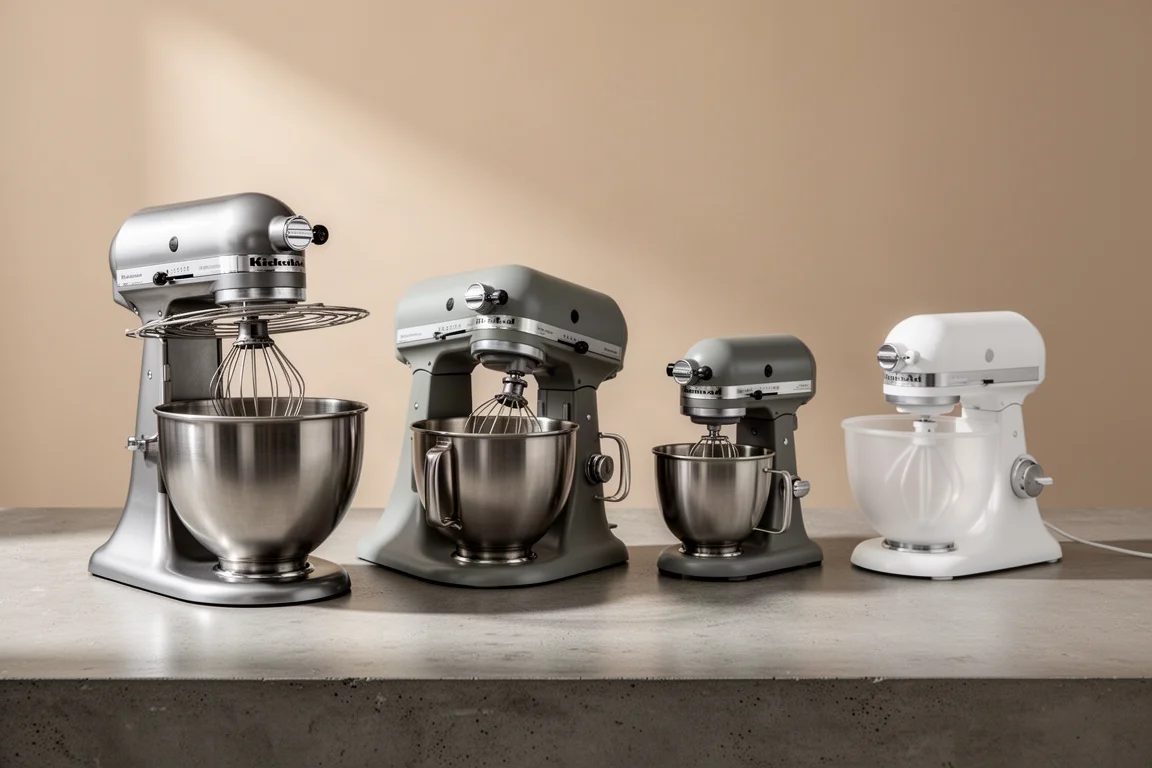
Four stand mixers tested across whipping, creaming, and heavy dough kneading, from a budget workhorse to a premium bread machine.
Introduction
A good stand mixer is essential for serious home bakers. It needs to handle both big and small jobs, from whipping just two egg whites to kneading double batches of bread dough. To find out which models actually deliver, we put a wide range of stand mixers through their paces, from machines priced just around a hundred dollars up to roughly $750.
We ran every mixer through the three core attachments: the whisk, the paddle, and the dough hook. Testers of varying skill levels also tried each machine and gave feedback on how easy it was to use, and every part was hand washed after each test. The result is a shortlist that covers four very different types of baker.
How We Evaluated Each Mixer
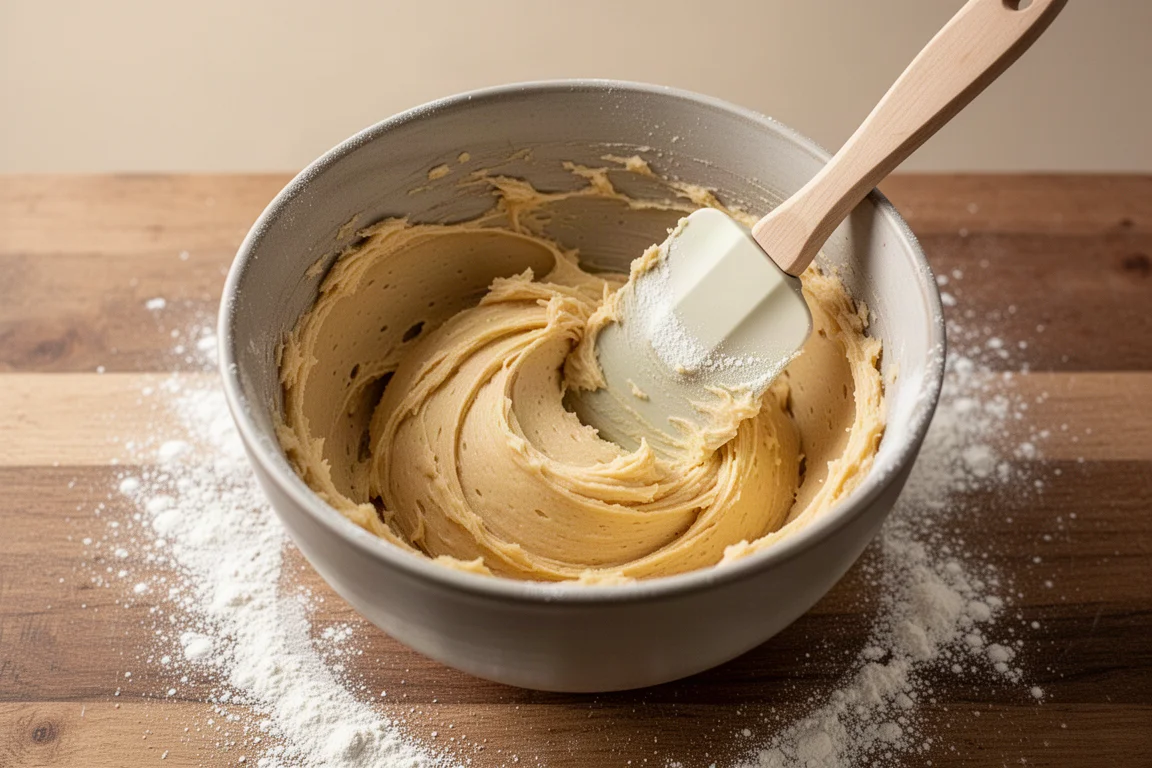
We started with light whipping tasks, using the whisk to beat just two egg whites to stiff peaks. Most mixers handled these small-volume jobs without trouble. The real differences emerged once we moved to paddles and beaters, creaming butter and sugar for cookie dough and reverse-creaming butter into dry ingredients for cake batter. A few models left ingredients lining the sides and bottom of the bowl, forcing far more scraping than better designs required.
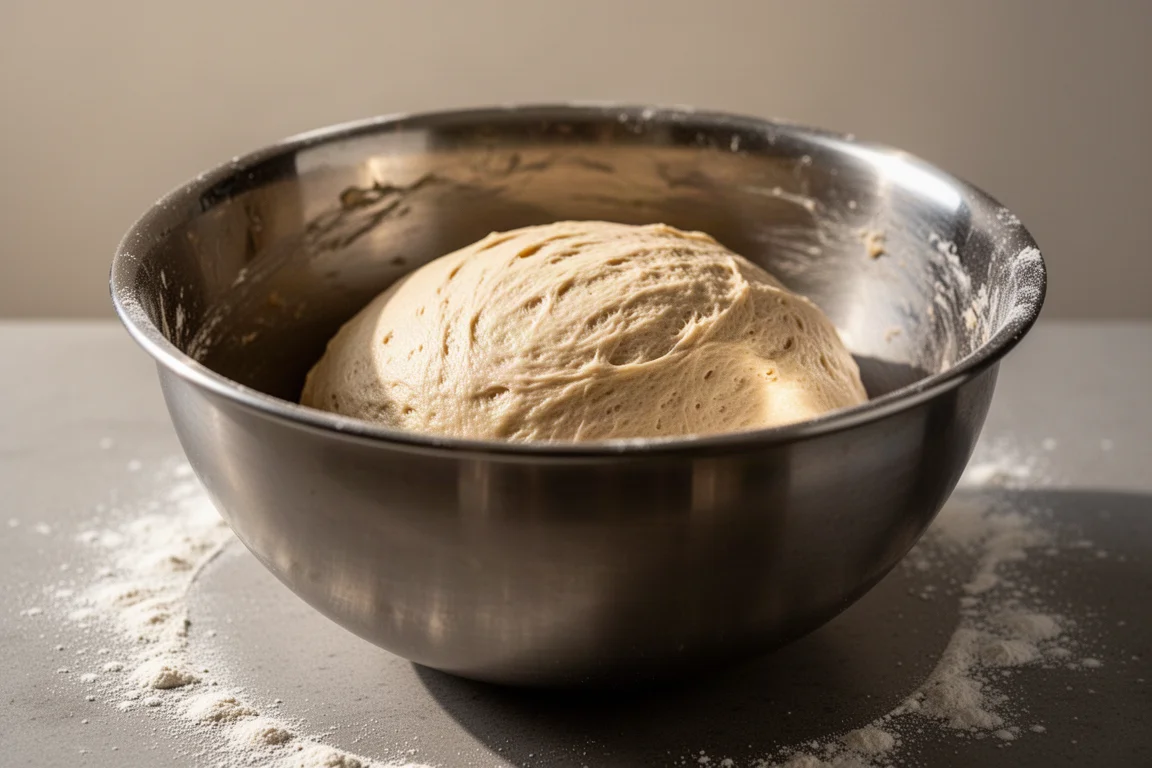
The biggest gap appeared during heavy-duty kneading with the dough hook. Here, wattage turned out to be a deceptive spec. The true measure of a mixer is torque: the rotational force that pushes batter or dough around the bowl. Hand mixers spin their beaters quickly but lack the torque to budge stiff dough, and an underpowered stand mixer has the same problem. When a motor slows or stalls under load, that strain also makes burnout far more likely. Some machines visibly struggled; others stayed cooler, quieter, and steadier.

Paddle Performance: Creaming and Cake Batters
Most of the mixers we tested could get through creaming and cake batter tasks, but bowl coverage varied noticeably. Models that left streaks of butter and pockets of dry flour along the walls and bottom demanded constant stops to scrape, which slows down any baking session and adds frustration.
This is the kind of difference that only shows up in side-by-side testing, and it separated the merely adequate machines from the ones you would happily use every week.
What Else to Look For in a Stand Mixer
Tilt-Head vs Bowl-Lift: Which Style Fits Your Kitchen
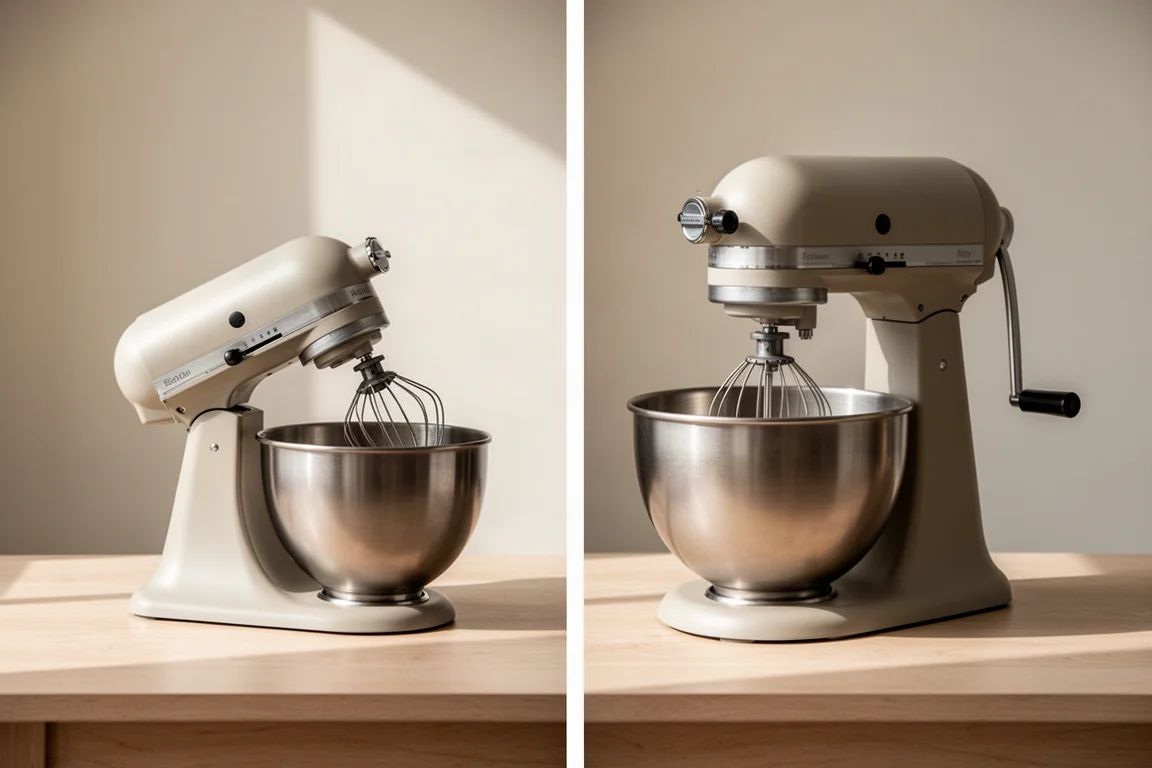
On tilt-head models, the entire horizontal top of the mixer lifts up out of the bowl. Bowl-lift models use a crank to raise and lower the bowl instead. Tilt-head mixers have to be smaller and less powerful, and they tend to max out at around five quarts. They also need overhead clearance to lift the head, though the payoff is easier access to the bowl. Bowl-lift models are bigger and more powerful, ranging from five to eight quarts, and need no extra headroom since only the bowl moves, but reaching the bowl’s contents is less convenient.
There is also a third layout worth knowing: motors in the base with the bowl mounted on top. This design offers excellent access to ingredients and appears in European mixers such as the Ankarsrum.
Weight, Feet, and Usable Capacity
Heavier mixers rock and walk less during heavy-duty mixing, because more of the motor’s power goes into moving the dough rather than the machine. Suction feet can anchor a lightweight mixer to the countertop, but we found that once the suction cups wore down, they lost grip and the mixers skated away.
Bowl capacity claims deserve skepticism too. A five-quart or seven-quart label only applies if you fill the bowl to the very rim. As a rough rule, subtract about two quarts from any stated capacity. In our testing, mixers with a stated four-and-a-half to five-quart capacity actually held about three quarts, which was enough for double batches of dough. Anything smaller could not manage that.
Attachment Materials
We strongly prefer uncoated stainless steel whisks, paddles, and hooks. Steel is non-reactive and durable. Coated aluminum tends to chip over time, and uncoated aluminum oxidizes if left wet or run through the dishwasher, forming a grayish residue that can end up in food. Plastic parts are lighter and easier to handle, but when critical pieces like the hub that attaches a whisk are thin plastic, durability becomes a real concern.
A Note on KitchenAid Kneading Limits
KitchenAid has placed time and speed limits on all of its stand mixers for kneading: do not exceed speed two with the dough hook, do not knead for more than two minutes at a time, and keep total mixing and kneading time to four to six minutes. Many bread recipes call for much longer kneading times and higher speeds. We did not experience problems kneading longer during our testing, but KitchenAid states that exceeding these limits will damage the mixer and void the warranty. If you plan to put a lot of dough through your mixer, this is worth factoring into your decision.
Best Overall for Heavy Dough: Ankarsrum Original
If you want a mixer that can literally handle everything, especially large amounts of heavy bread and pizza dough, the Ankarsrum Original is the one worth investing in. Its bowl-on-top, motor-in-base design gives excellent access to ingredients and suits long, demanding kneading sessions better than any tilt-head machine we tested.
At the top of the price range we examined, around $750, it is a serious commitment, but it is the pick for bakers who treat dough work as a regular part of their routine rather than an occasional project.
Best Value for Most Bakers: KitchenAid Classic Series 4.5 Quart
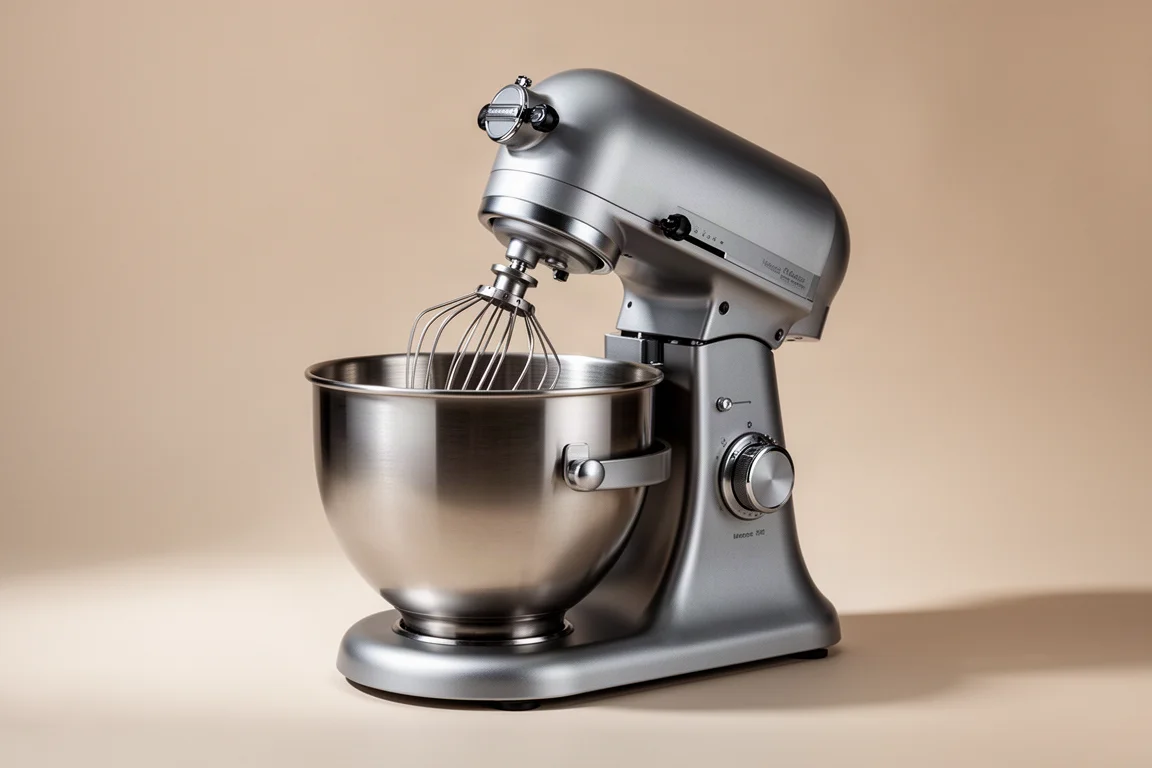
For solid performance at a moderate price, the KitchenAid Classic Series 4.5 Quart stand mixer is our suggestion. It delivered dependable results across whipping, creaming, and cake batters, and its roughly three-quart usable capacity was enough to handle double batches of dough.
The trade-off to keep in mind is KitchenAid’s kneading guidance. If your baking leans heavily toward long, frequent bread sessions, the official speed and time limits may feel restrictive.
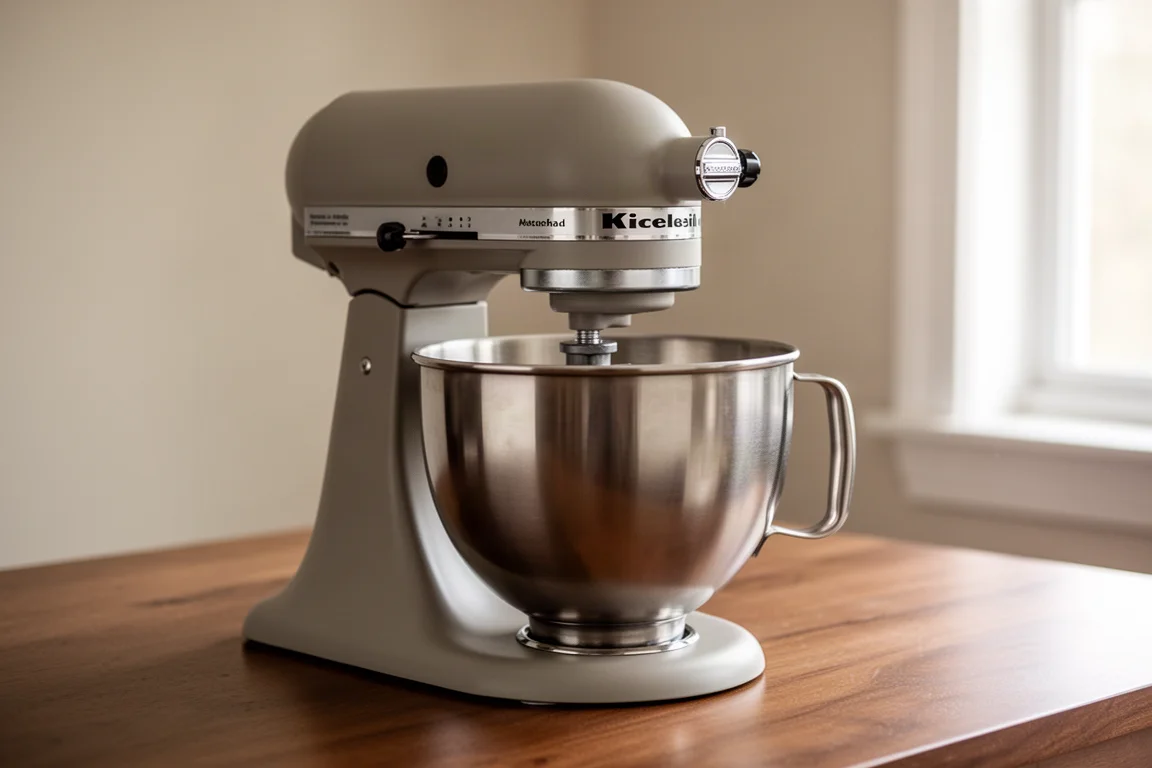
Best for Small Kitchens: KitchenAid Artisan Mini 3.5 Quart
If space constraints are a concern, the KitchenAid Artisan Mini 3.5 Quart is the petite option worth considering. It keeps the familiar tilt-head workflow in a much smaller footprint, which makes it a sensible choice for apartments, shared kitchens, or anyone who stores their mixer in a cabinet between uses.
As with the Classic Series, the same kneading time and speed limits apply, so it is best suited to everyday baking rather than constant heavy dough work.

Best Budget Pick: Farberware 6 Speed
On a tight budget, the Farberware 6 Speed is our recommendation. It was slightly underpowered on tough doughs, but otherwise performed really well at a fraction of the price of the other mixers we tested.
For bakers whose work is mostly whipping, creaming, and lighter mixing tasks, it covers the essentials without stretching the budget, and it is a reasonable entry point if you are not yet sure how much use a stand mixer will get in your kitchen.

Which Stand Mixer Should You Buy
The right choice depends on what you bake. Heavy bread and pizza dough bakers should stretch for the Ankarsrum Original. Most home bakers will be well served by the KitchenAid Classic Series 4.5 Quart. Small kitchens and light bakers should look at the Artisan Mini, and budget shoppers get genuine value from the Farberware 6 Speed.
Before buying, check the usable capacity rather than the stated number, favor uncoated stainless steel attachments, and think honestly about how much kneading you plan to do, since that single factor eliminates more mixers than any other.
Conclusion
After putting these four machines through whipping, creaming, and dough kneading side by side, the pattern is clear: torque, usable capacity, and build quality matter far more than wattage figures or capacity labels. Match the mixer to the kind of baking you actually do, and any of these four picks can earn its counter space.
Further reading
Related Reviews
Kitchen Appliances
Arboleaf Smart Kitchen Scale Review: Connected Cooking Made Simple
A Bluetooth-enabled kitchen scale that syncs with a nutrition-tracking app, offering real-time weight monitoring and recipe guidance for home cooks.
Kitchen Appliances
Best Air Fryer Toaster Ovens Under 100: Five Practical Options for Budget-Conscious Kitchens
Five air fryer and toaster oven combinations that deliver real cooking performance without breaking the bank, each with distinct strengths for different kitchen needs.
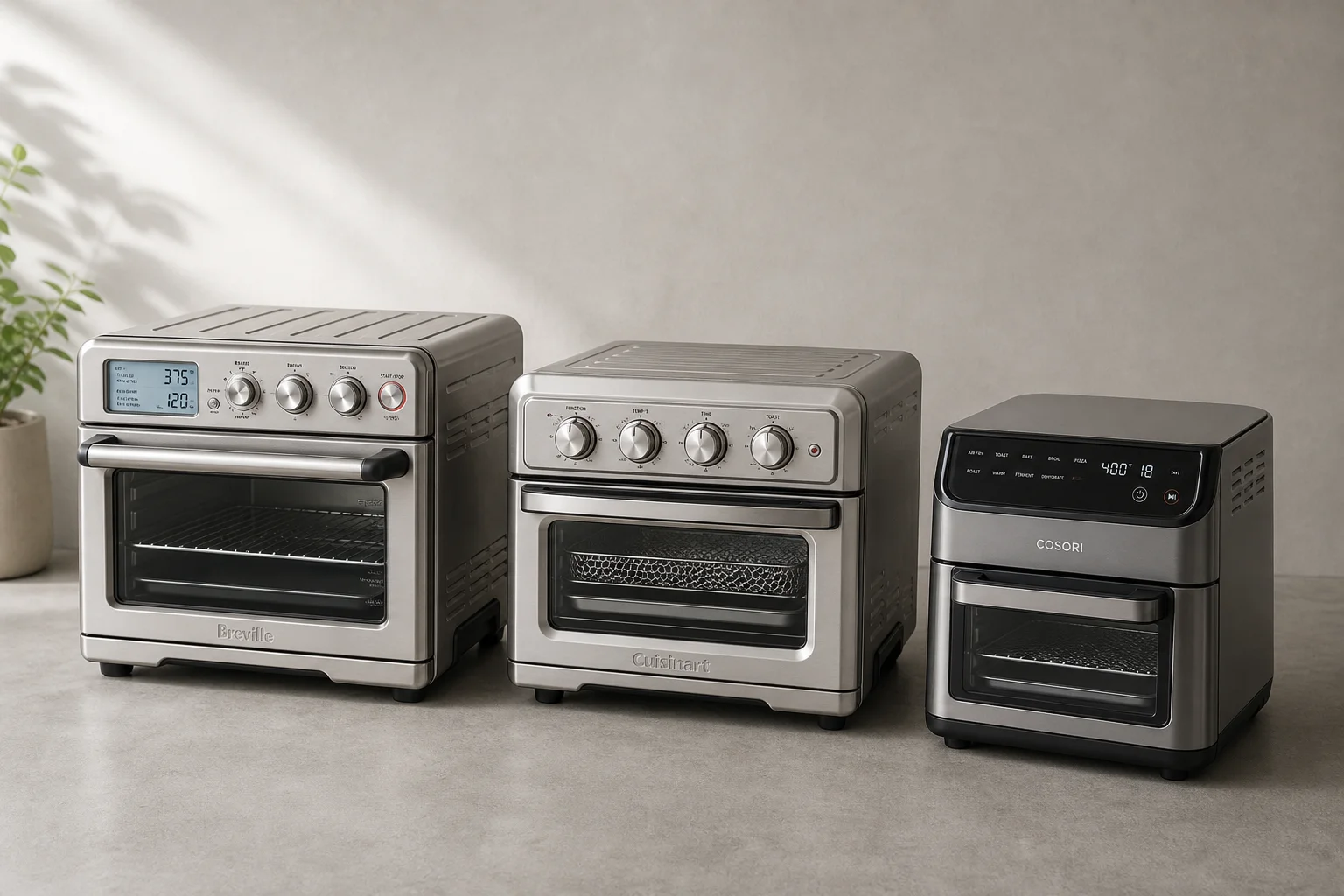
Kitchen Appliances
Best Air Fryer Toaster Ovens: Three Top Picks for Multi-Function Cooking
Three high-performing air fryer toaster ovens tested for versatility, ease of use, and real-world cooking results. Find the right fit for your kitchen.