Kitchen Appliances
Stand Mixer Showdown: Hamilton Beach vs Kenmore vs Ankarsrum vs KitchenAid
Three stand mixers at very different price points went head to head against a 15-year-old KitchenAid. Here is how each one scored across quality, performance, user experience, and versatility.
Introduction
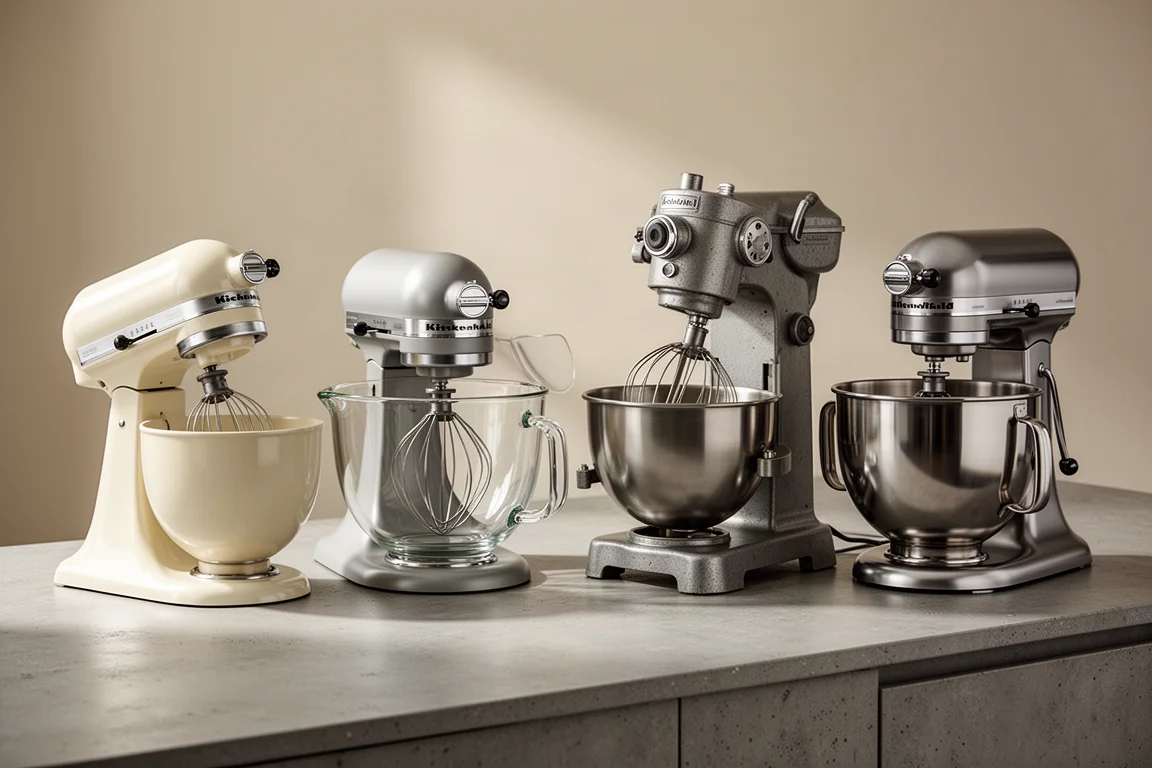
A KitchenAid stand mixer is the default answer for most home bakers, but it is far from the only one on the shelf. To find out whether the alternatives actually deserve a spot on your counter, three very different mixers were put through the same series of real baking tests: a budget Hamilton Beach at $154, a mid-tier Kenmore at $585, and a premium Ankarsrum at $1,237. Each one was compared against a KitchenAid bowl-lift model that has been in daily use for 15 years, and every mixer was purchased outright with no brand involvement.
The results were genuinely surprising. The cheapest mixer scored just 47 out of 100, the mid-tier option landed at 54, and the expensive, unusual Ankarsrum ran away with the top score at 81. But price context changes that picture dramatically, and the fine print matters as much as the final numbers.
How Each Mixer Was Scored
Every mixer was ranked out of 100 points across four categories: quality and durability, performance, user experience, and versatility, with a few bonus points where a design earned them. Performance carried the most weight at 40 points and was tested with three recipes: whipping a very small volume of egg whites to stiff peaks, creaming butter and sugar and mixing cookie dough, and kneading a thick pizza dough.
The small-volume egg white test is a deliberately tough one, borrowed from the approach of challenging mixers with amounts they are not sized for. Many mixers handle medium volumes comfortably but fail badly at the extremes, and that is exactly where the differences between these four became obvious.

The Baseline: KitchenAid After 15 Years
The reference point here is a KitchenAid bowl-lift model that has survived 15 years of constant baking. The lever raises and lowers the bowl, it has outlasted everything else in the kitchen, and the huge attachment ecosystem is a real, ongoing advantage. That longevity is exactly why KitchenAid keeps its reputation.
It is not flawless, though. It is extremely loud, the coated attachments chip over time, and the whisk is a two-part design with a stainless whisk and an aluminum hub that oxidizes in the dishwasher, leaving gray residue that has shown up in white buttercream. The speed control also jumps to a pace that sends flour and icing sugar puffing into the air, when a gentle ramp-up would be friendlier. These are annoyances rather than dealbreakers, and they explain why the bar for the challengers was set fairly high.
Hamilton Beach: The Budget Tilt-Head
At $154, the Hamilton Beach is a classic-looking tilt-head mixer with a very light, all-plastic body that weighed in at just 8.5 pounds. Suction cups on the bottom are meant to keep it planted during heavier mixing, but they did not feel especially strong. The upside of the light build is easy storage: it lifts in and out of a cupboard without effort.
There are genuinely thoughtful touches for the price. The tilt head offers generous ingredient clearance, the speed dial labels what each of the seven speeds is for, a splash guard is included, and the whisk is stainless with only a plastic hub. Replacement parts are available online, and the mixer carries an impressive 5-year warranty, though it is oddly tucked inside the instruction manual rather than advertised. Quality and durability scored 11 out of 20, which feels fair for something that is basic and somewhat cheap-feeling but priced accordingly.
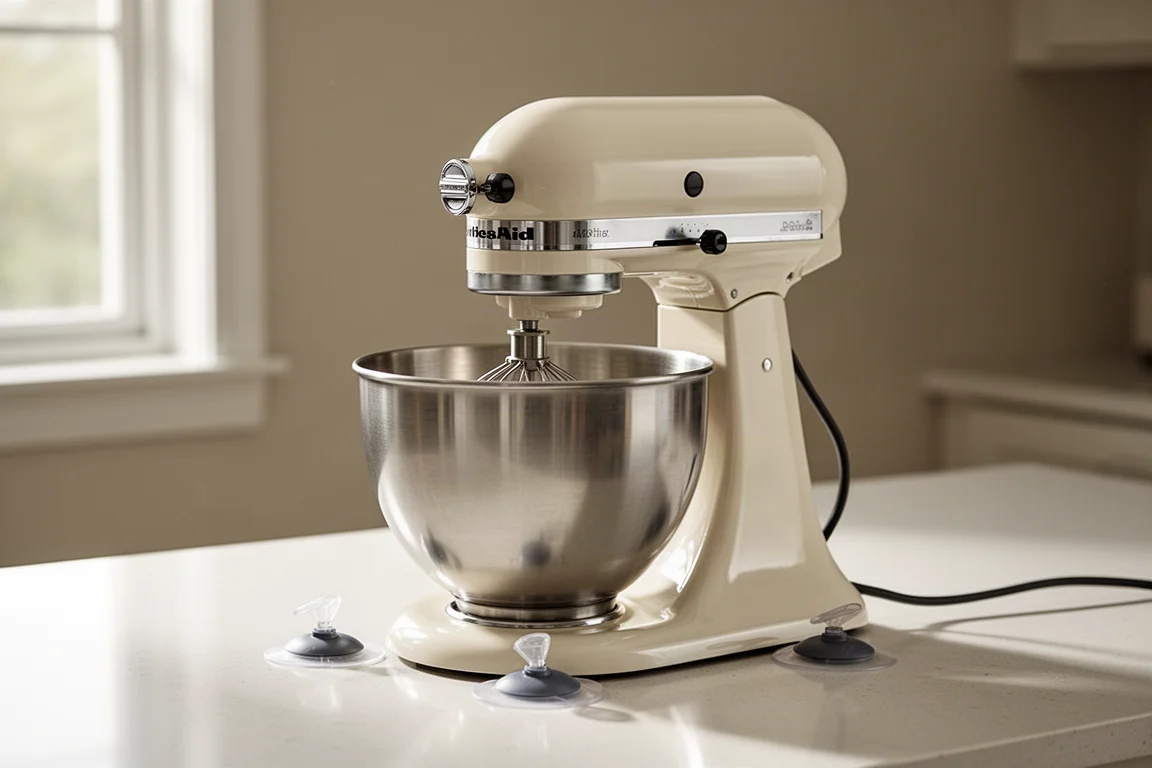
Performance is where the low price shows. In the small-volume egg white test, the whisk barely reached the bottom of the bowl: after 12.5 minutes, more than double the usual four to six minutes, there was still unwhipped liquid pooling underneath and the mixer was rocking back and forth. That test earned just 2 out of 9. The cookie dough test went better, with the paddle incorporating ingredients well and scoring 10 out of 15, though the whisk left the butter and sugar dense rather than light and fluffy and the machine strained audibly. Pizza dough was the low point, with a dough hook that seemed too small for the machine, a dough that shredded instead of balling up, and a final texture that tore rather than stretched, scoring 4 out of 15.
Kenmore: The Heavyweight With a Top Pour Hole
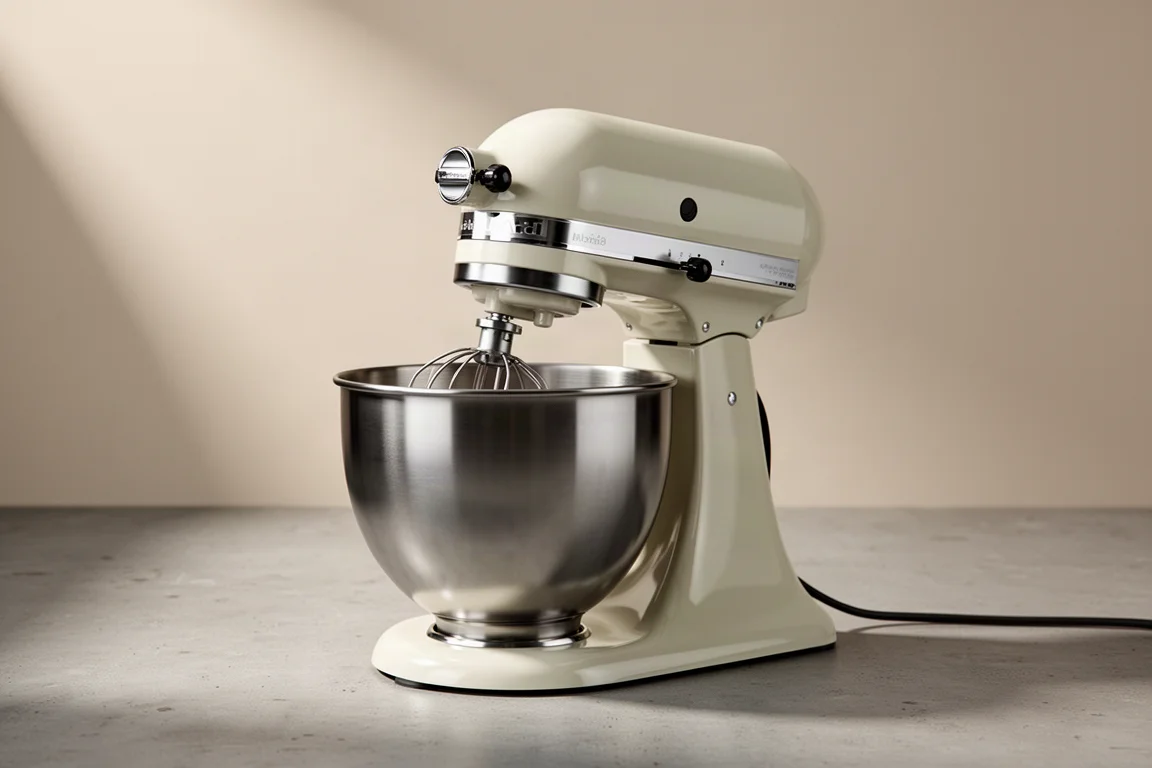
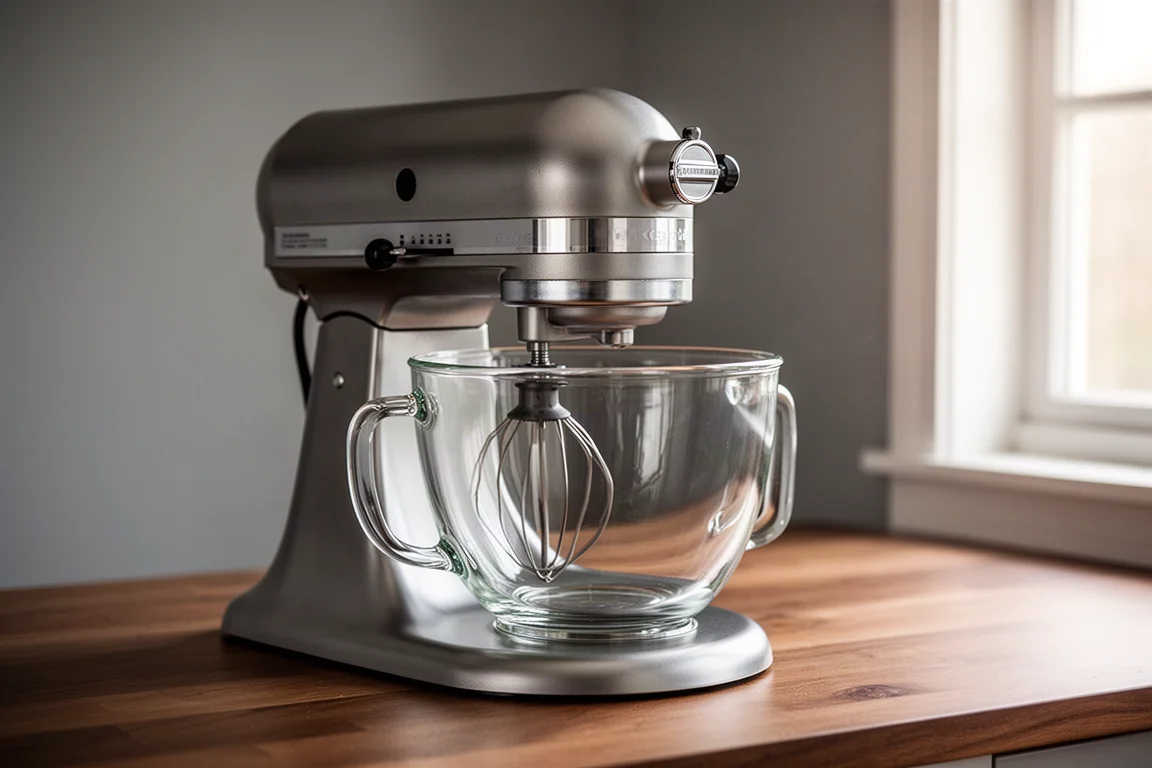
The Kenmore, at $585, is a different animal entirely: a 30-pound tilt-head machine whose weight comes largely from a thick glass bowl. That heft makes it feel genuinely durable, and the metal lever that raises the head feels far more premium than a plastic button. The design details are where it shines: a removable splash-guard insert for easy cleaning, a secure gasket-sealed splash guard, a glass bowl with a lid, and even bonus egg separator and grater accessories that slot into dedicated holes.
The standout feature is the pour hole in the top of the head. Instead of tilting the head back and squeezing ingredients in past the attachments, you simply drop them through the top, even while the mixer runs. It also has a work light above the bowl, though its benefit is subtle. Quality scored 13 out of 20, with deductions for a speed knob that is stiff and hard to read, plastic on the bottom of the bowl, an aluminum whisk hub that makes the whisk not dishwasher safe, and a serious drawback: no replacement parts could be found online at all.
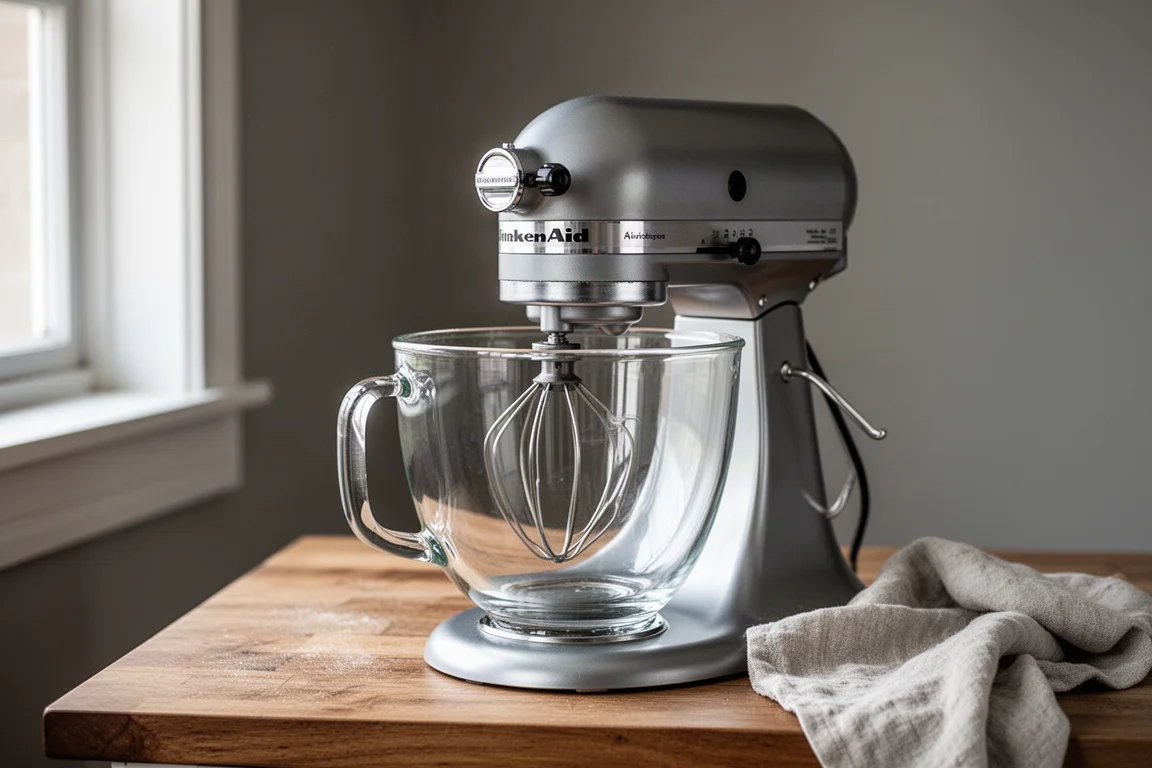
In testing, the story was mixed. The small-volume egg white test was the worst result of the day at 1 out of 9: the whisk never touched the mixture, and the mixer roared like a jet engine while leaving liquid pooling at the bottom of its wide, flat bowl. Cookie dough scored 7 out of 15, with the tiny paddle struggling against the oversized bowl and flour caking to the sides unmixed. But the pizza dough test was a genuine surprise: after 10 minutes of kneading, not a single scrape-down had been needed, the dough developed real stretch, and it earned 11 out of 15.
The Ankarsrum: A Completely Different Machine
The Ankarsrum, at $1,237, looks and works like nothing else in this comparison. The motor lives in the base for a low center of gravity, an overhead arm carries the attachments, and it is the bowl that rotates rather than the attachment. A built-in scraper keeps ingredients moving down the sides, and you look straight down into the open top to watch everything and add ingredients while it runs. It weighed only 18 pounds despite feeling heavy-duty everywhere, and it comes with separate bowls for dough work and whisking, a proofing cover for bread, a hefty cookbook, a detachable power cord, a 7-year warranty, and an attachment range that rivals or exceeds anything else, including turning it into a blender.
That versatility comes with a catch: a steep learning curve. Attachment setup involves pins, positioning rules, and a lot of second-guessing, and the price point makes it grating that some components, like the whisk’s plastic gears, still feel like plastic. Quality scored 18 out of 20, the best of the three, but not a perfect score for exactly that reason.
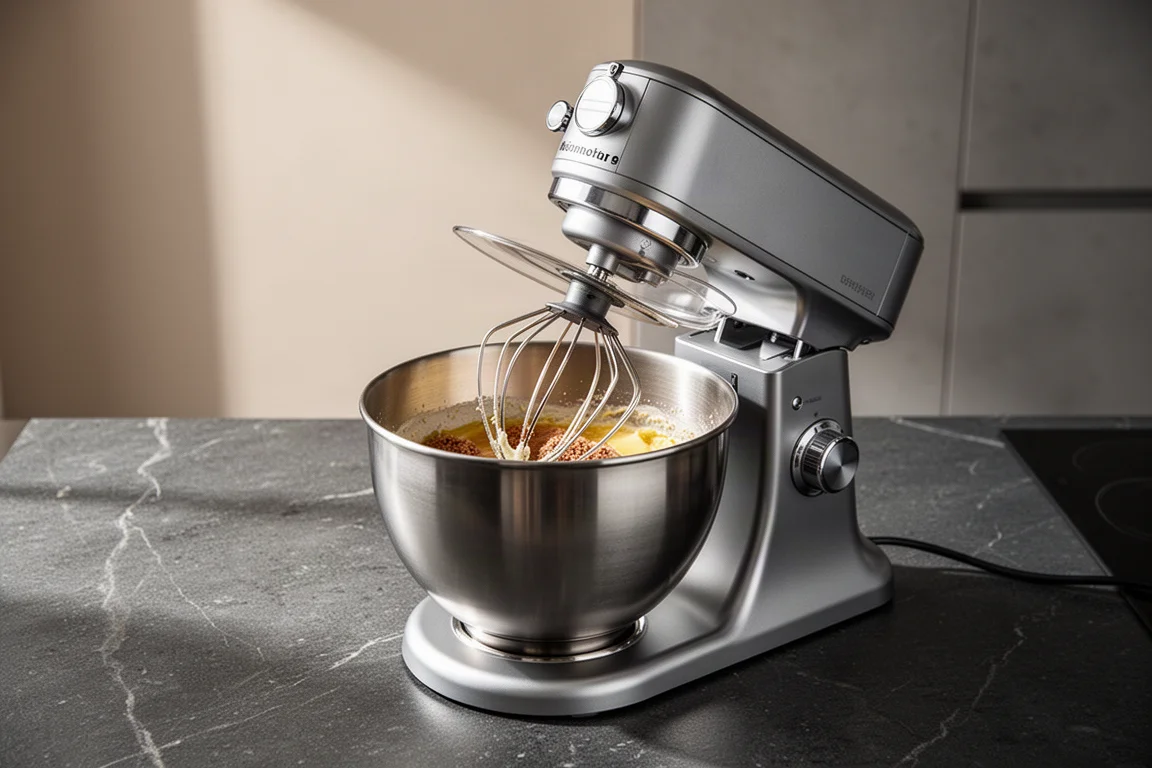
In performance, the Ankarsrum was on another level where it counted. The small-volume egg white test was a night-and-day result: stiff peaks in 1 minute 17 seconds, versus the typical four to six minutes, with no scraping needed at all. A perfect 9 out of 9. The cookie dough test earned 11 out of 15, producing the lightest, fluffiest creamed butter of the day, docked for needing more side-scraping than expected and for a restriction that the cookie whisk cannot be used with cold butter, which rules out shortbread-style recipes unless you switch to the metal bowl and dough roller. The pizza dough test was the frustrating one: following the recipe book’s own recommendation to use the dough roller, the dough never came together across two attempts, and even after adding more dough the texture stayed tight and unstretchable. The machine handled the load beautifully, but the setup proved finicky, and the test was scored 12 out of 15 with personal reservations about the final result.
Final Scores and the Price Question
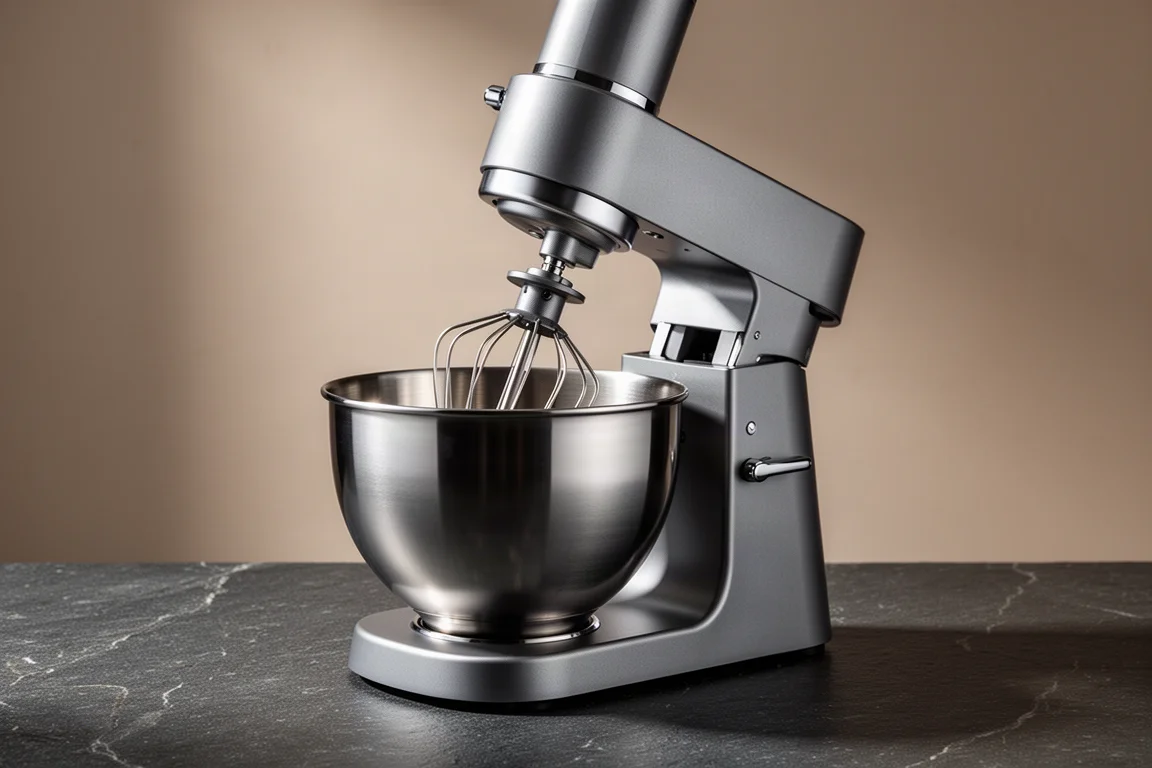
The raw totals were 47 out of 100 for the Hamilton Beach, 54 for the Kenmore, and 81 for the Ankarsrum. User experience scores were close: 14, 13, and 16 respectively, because each mixer excelled somewhere and stumbled somewhere else. The Hamilton Beach was ear-piercingly loud and looked its price; the Kenmore looked genuinely nice on a counter but had a stiff control dial; the Ankarsrum feels industrial and confusing at first but rewards anyone who climbs its learning curve.
Price context changes the recommendations considerably. At $154, the Hamilton Beach is hard to recommend as a stand mixer when a good hand mixer could do much of the same work, and cheaper stand mixers likely outperform it. At $585, the Kenmore costs enough that a KitchenAid is a realistic alternative, and beyond the top pour hole it did not clearly beat a 15-year-old KitchenAid in anything else. The Ankarsrum is the performance winner by a wide margin, but at $1,237 it only makes sense for serious bakers, pastry chefs, and appliance enthusiasts who will actually use its versatility and push through its learning curve. For everyone else, an easier-to-use KitchenAid remains the sensible default.

Conclusion
This comparison delivered a clear hierarchy and a clear caveat. The Ankarsrum is the most impressive mixer here by a wide scoring margin, with a self-scraping rotating bowl, blistering small-batch whipping, and unmatched expandability, but its price and learning curve make it a specialist’s machine. The Kenmore is thoughtfully designed and a capable dough kneader, yet its missing replacement parts and price make it a hard sell. The Hamilton Beach is honest about what it is: basic, light, and best treated as an entry-level option rather than a KitchenAid rival. The 15-year-old baseline held its ground, proving that longevity and ecosystem still count for a great deal in this category.
Further reading
Related Reviews
Kitchen Appliances
Arboleaf Smart Kitchen Scale Review: Connected Cooking Made Simple
A Bluetooth-enabled kitchen scale that syncs with a nutrition-tracking app, offering real-time weight monitoring and recipe guidance for home cooks.
Kitchen Appliances
Best Air Fryer Toaster Ovens Under 100: Five Practical Options for Budget-Conscious Kitchens
Five air fryer and toaster oven combinations that deliver real cooking performance without breaking the bank, each with distinct strengths for different kitchen needs.
Kitchen Appliances
Best Air Fryer Toaster Ovens: Three Top Picks for Multi-Function Cooking
Three high-performing air fryer toaster ovens tested for versatility, ease of use, and real-world cooking results. Find the right fit for your kitchen.