Running Shoes
Best Super Racing Shoes for Runners Who Need Mild Stability
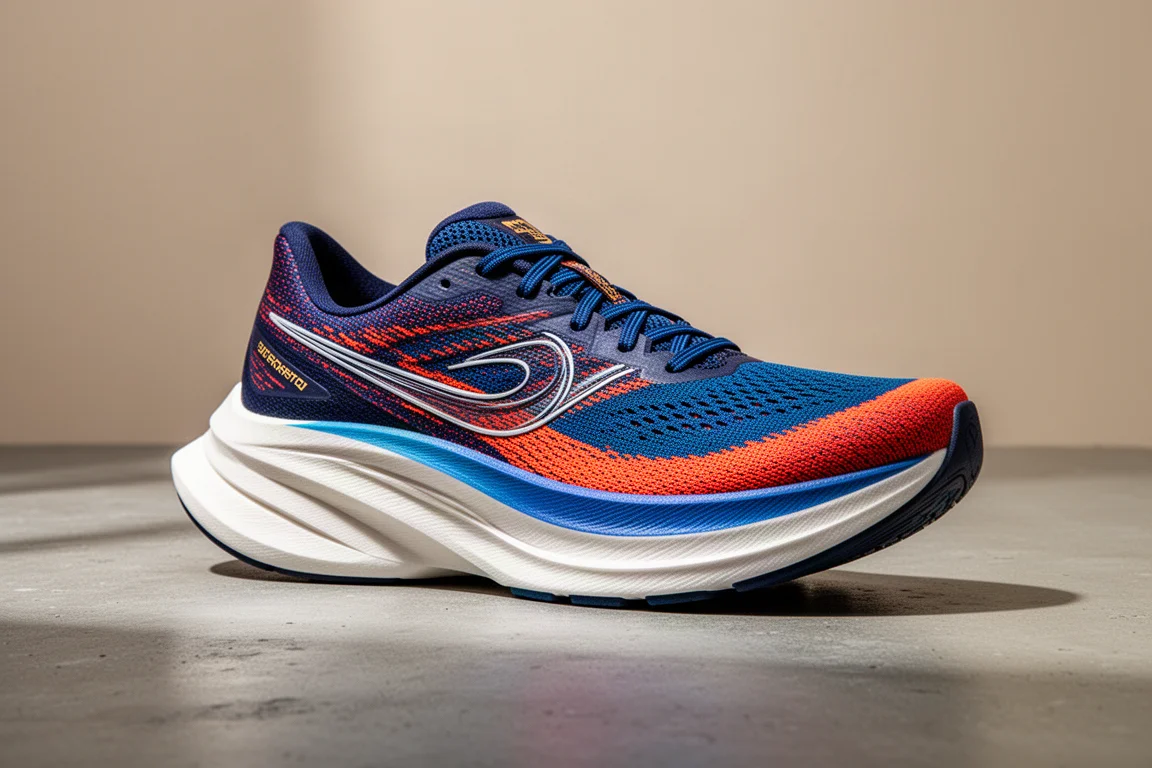
Four fast super shoes that quietly offer stable elements, with clear guidance on which one suits your stability needs.
Introduction
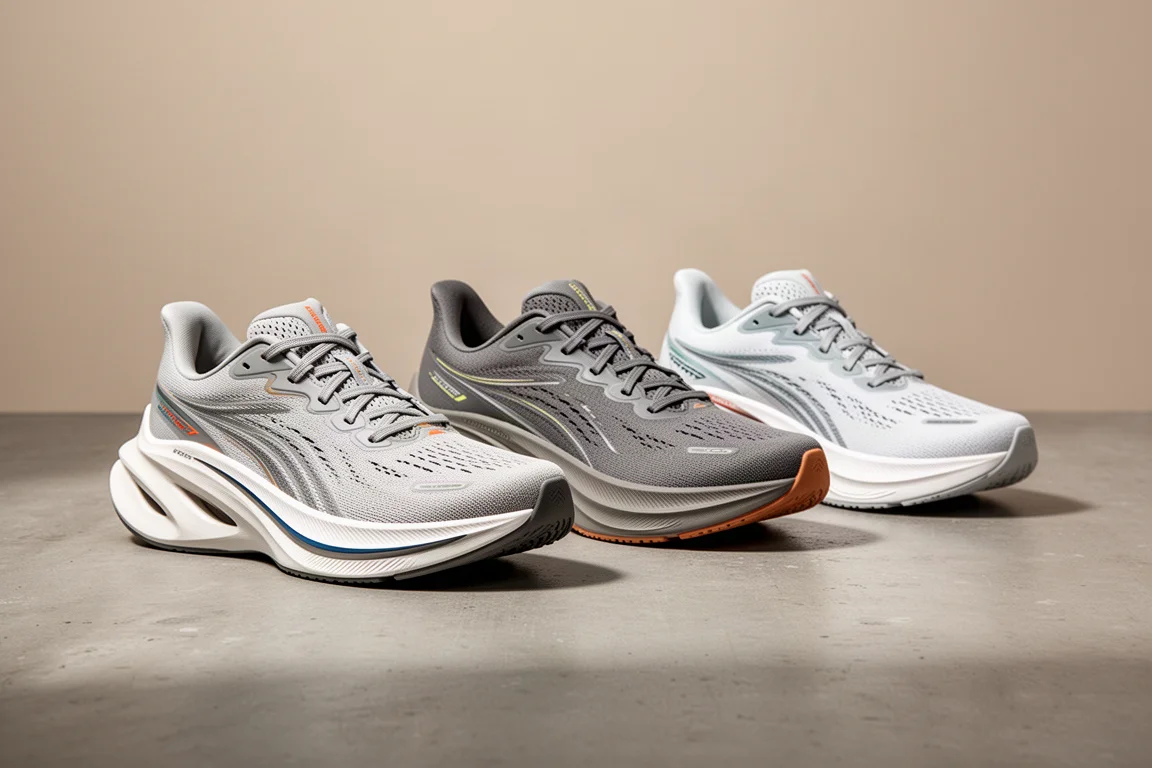
True stability racing shoes have all but disappeared from the market. If you typically need mild stability, or you run best in stable neutral shoes, the pickings among super racing shoes are slim. The few stability options that remain are either trainers that can stretch to marathon distance or the lightest stability shoe available, and neither has the super foam or plate you expect from a race-day shoe.
That leaves a narrow set of super shoes that quietly offer stable elements that can work for different runners. This guide breaks down four of them, what each one does well, and which stability need each one is best matched to.
Hoka Rocket X 2
Coming in at about 224 g (7.9 oz) in a men’s size 10, with a 36 mm heel, 31 mm forefoot, and a 5 mm drop, the Rocket X 2 is one of the most stable super racing shoes out there. Massive sidewalls on both the medial and lateral sides keep you centered, the platform sits on the wider side without narrowing at the midfoot, and a sculpted gap in the middle adds to the centered feel. It is also very stiff, and while not the softest, it runs a touch firmer for such a tall shoe while still delivering plenty of bounce.
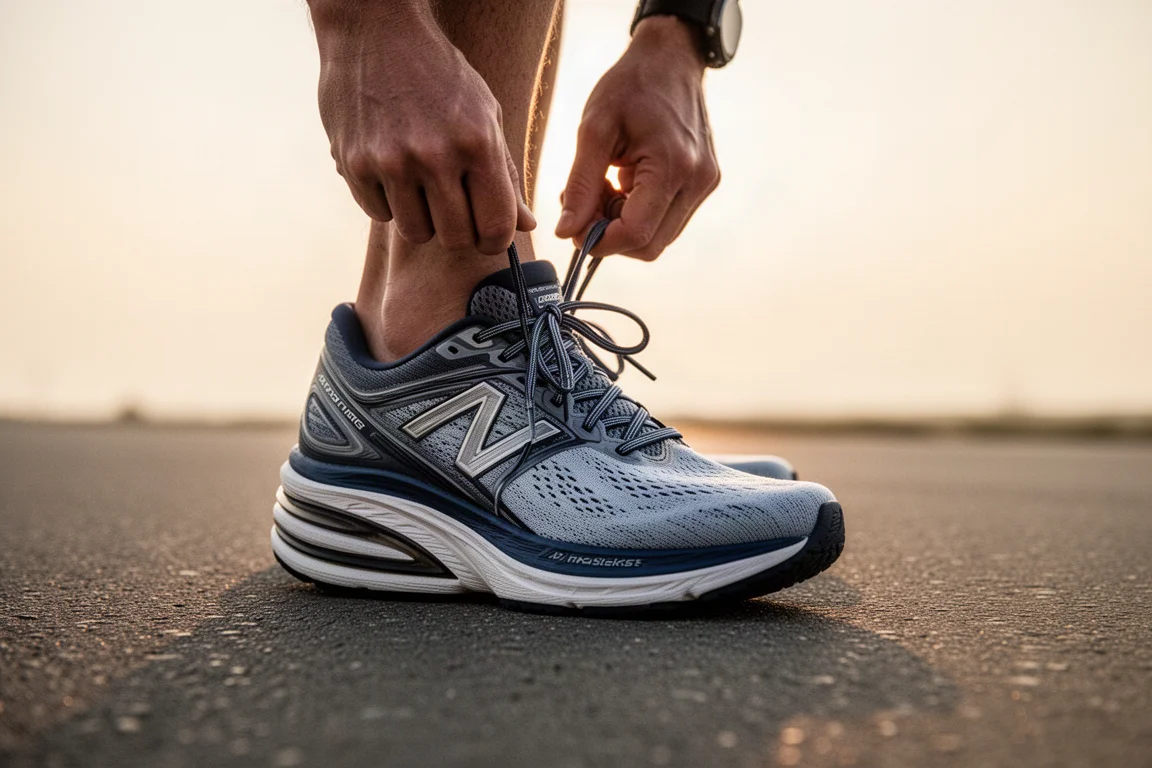
Durability has been strong, and it rolls nicely through the gait. The main caveat is fit: the volume is low and slightly narrow, and many runners will want to go up a half size to avoid pressure on the toes. The 5 mm drop is also the lowest here, and it feels even lower because the forefoot is aggressive. Runners with calf tension issues may find it challenging, but if you like a low-drop option, this is arguably the most stable of the group.
Saucony Endorphin Elite
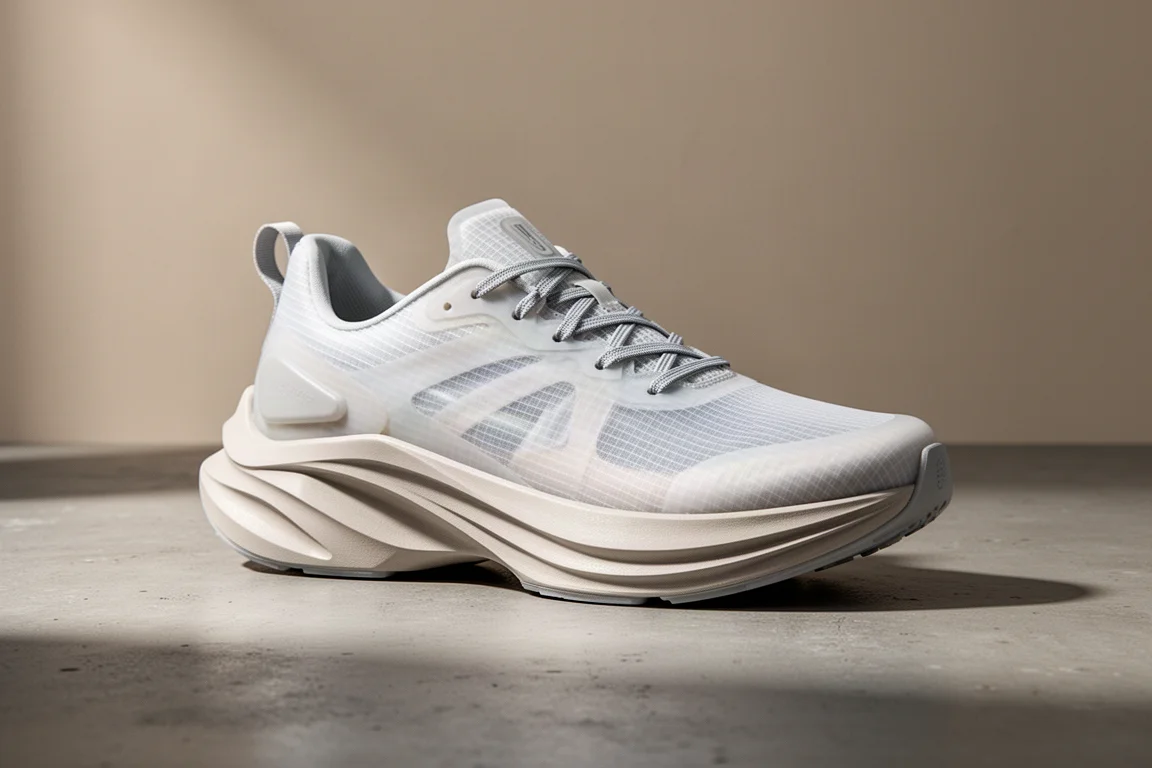
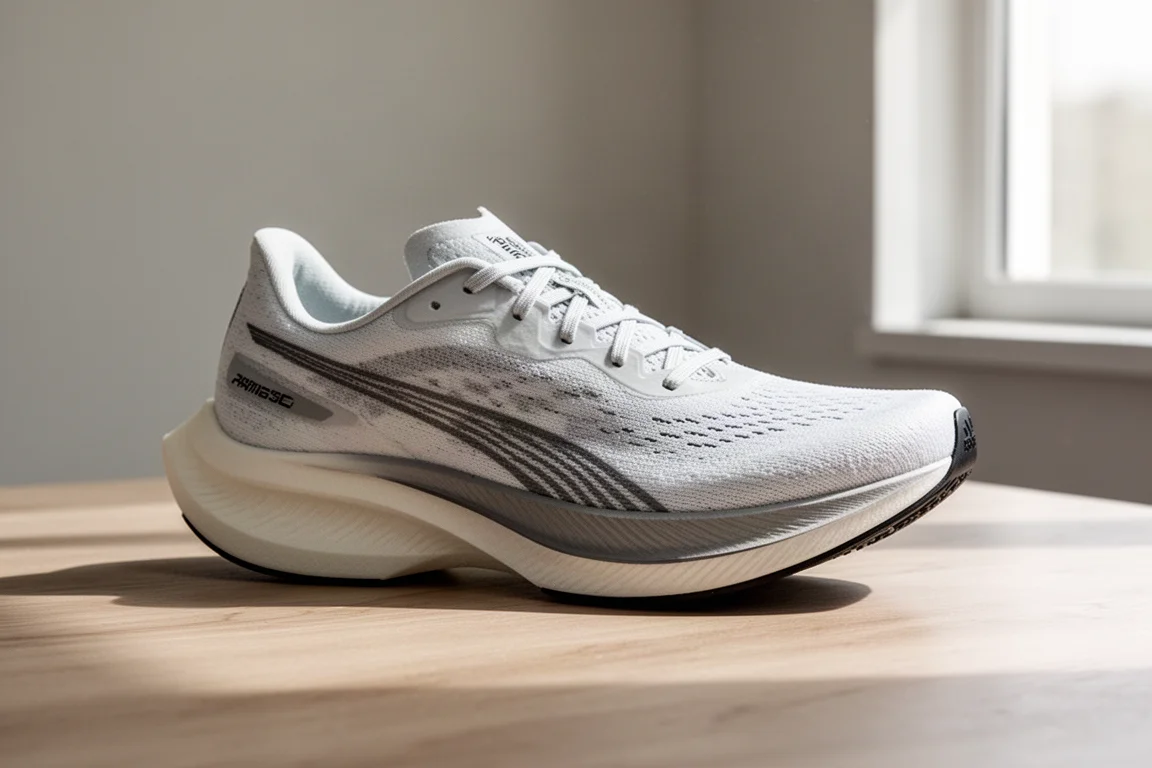
The lightest shoe of this group at 214 g (7.6 oz) in a size 10, with a tall 39.5 mm heel, 31.5 mm forefoot, and an 8 mm drop, the Endorphin Elite pairs the PWRRUN HG foam with near full-length sidewalls from heel to forefoot. The sidewalls are not as prominent as the Rocket X 2’s, but combined with a wide forefoot, a slightly wider heel, and a filled-in midfoot, they provide useful mild guidance through the full length of the shoe.
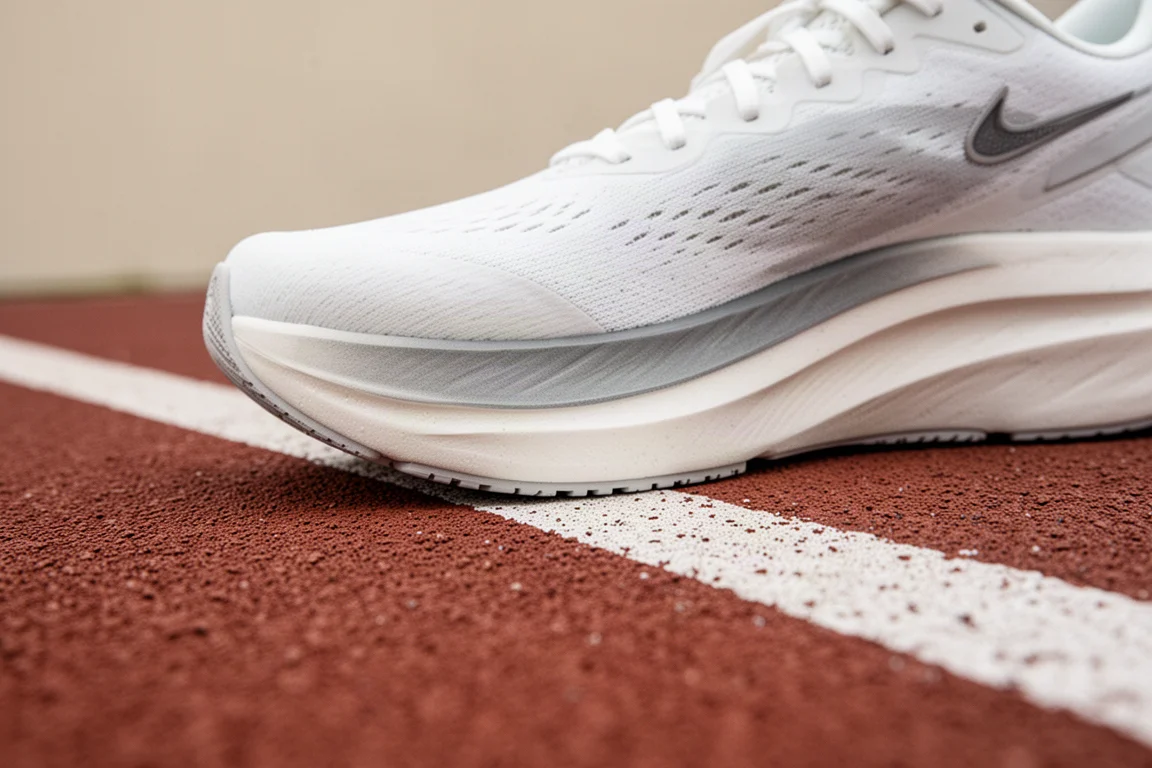
The firmer, highly responsive foam adds to the stable character, and it has been a favorite for longer distances even though plenty of 5Ks have been run in it too. Heel and forefoot guidance is where it works best; runners with midfoot instability may find it only okay. There is no heel counter, which makes it a nice pick for runners with Haglund’s deformity or heel sensitivity. The wider forefoot may not suit narrow feet, and there have been some minor durability concerns, but for a fast marathon shoe with sidewalls, this one works well.
Saucony Endorphin Pro 4
At 228 g (8 oz) in a size 10, with the highest stack of the Saucony pair at 40 mm heel and 32 mm forefoot on the same 8 mm drop, the Endorphin Pro 4 uses PWRRUN PB with an internal layer of PWRRUN HG for a very stiff ride. It also has the highest volume fit of the group, so wider or higher-volume feet may find it the most accommodating here, though the fit may need to be locked down for a secure feel.
Where this shoe differs is the location of its guidance. The midfoot is where it shines: the platform is wide, filled in on the medial side, and flanked by solid sidewalls on both sides. The heel is more neutral and the forefoot is good without being exceptional, but the stiffness helps throughout. The late forefoot rocker makes it snappy for 5K work, and the smooth heel transition suits 10K to marathon efforts. For runners who need mild midfoot guidance, this is likely the best bet of the group, with fatigue staying low even past 12 miles.
Hoka Cielo X1
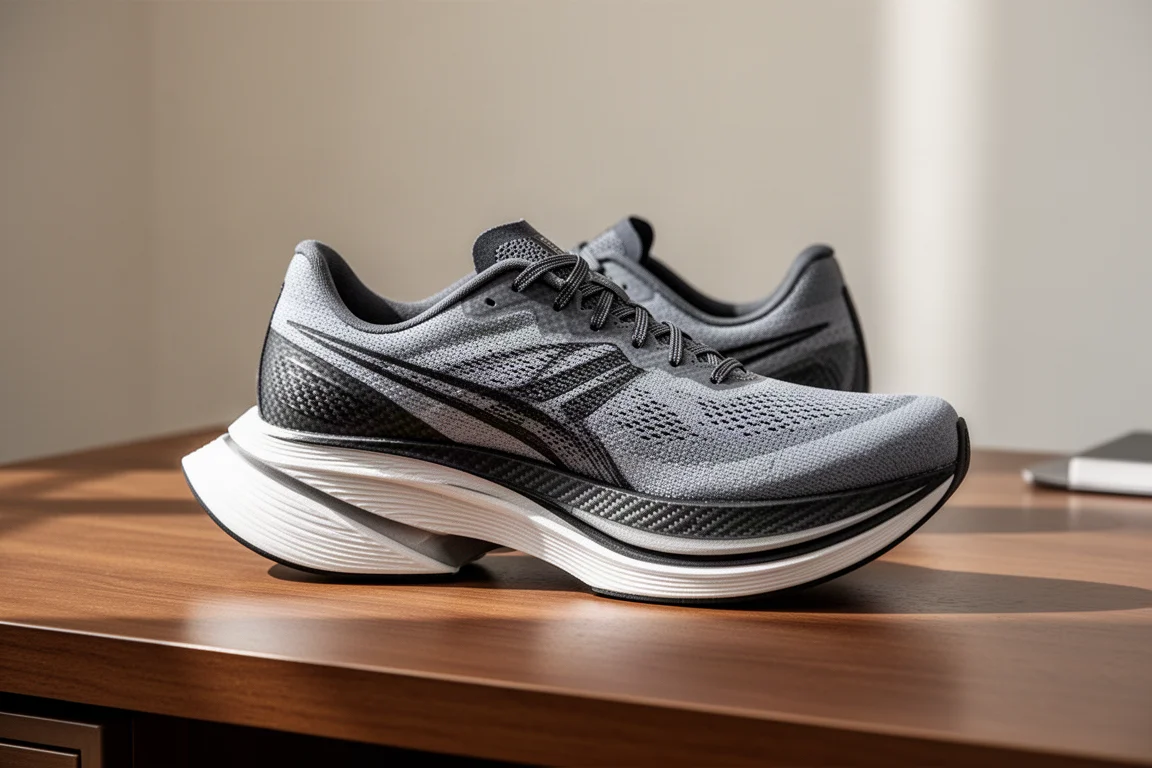
The heaviest of the group at 260 g (9.2 oz) in a size 10, with the tallest stack at 46 mm heel and 39 mm forefoot on a 7 mm drop, the Cielo X1 is also among the bounciest. Sidewalls run on both the medial and lateral sides, but the defining trait is the strong lateral bias of the outsole. Through the midfoot it almost feels like a mild medial post, subtly guiding runners who tend to collapse inward. For those with medial stability or pronation needs, this is arguably the most aggressive medial-guidance option here, especially through the heel and midfoot.
That design is a hard no for runners with lateral instability or a history of ankle sprains, since the shoe pushes you outboard. Durability is also questionable, particularly for runners who scuff their heels. If general softness and a lateral-biased ride do not bother you and you need help controlling medial motion, the Cielo X1 can be a surprisingly capable race-day pick.
Which One Should You Pick
The Rocket X 2 is the best general stable-neutral super shoe, provided you can handle the lower drop. The Endorphin Elite suits runners who want solid full-length sidewalls, especially in the heel and forefoot, plus a firmer but extremely responsive midsole. The Endorphin Pro 4 is the strongest choice for mild midfoot guidance, with a wider midfoot fit and a very stiff ride. The Cielo X1 is the pick for runners with medial stability needs who are not bothered by softness or lateral bias.
Conclusion
None of these are true stability racing shoes, but each offers stable elements that can genuinely work for runners who need some guidance. Match the shoe to where you need help: heel and forefoot, midfoot, or medial control, and one of these four should fit the bill.
Further reading
Related Reviews

Running Shoes
Best Road-to-Trail Running Shoes: Three Versatile Options for Mixed Terrain
A practical guide to three road-to-trail running shoes that handle both pavement and mild trails, with clear strengths and trade-offs for different runner types.

Running Shoes
Best Running Shoes for Achilles Tendonitis: Three Options Explained
Three running shoes with different heel drops and support features designed to help reduce Achilles tendon pain during walking and running.

Running Shoes
Best Running Shoes for Women: Five Top Choices Ranked
A ranked guide to five women's running shoes, from versatile daily trainers to high-performance racing options, with real strengths and trade-offs for each.