Running Shoes
Best Stable Neutral Super Racing Shoes: Hoka Rocket X3, Saucony Endorphin Pro 4, and 361 Flame 4 Compared
Three plated super racing shoes that work for runners with stability needs, compared on weight, stack, stability mechanisms, and durability.
Introduction
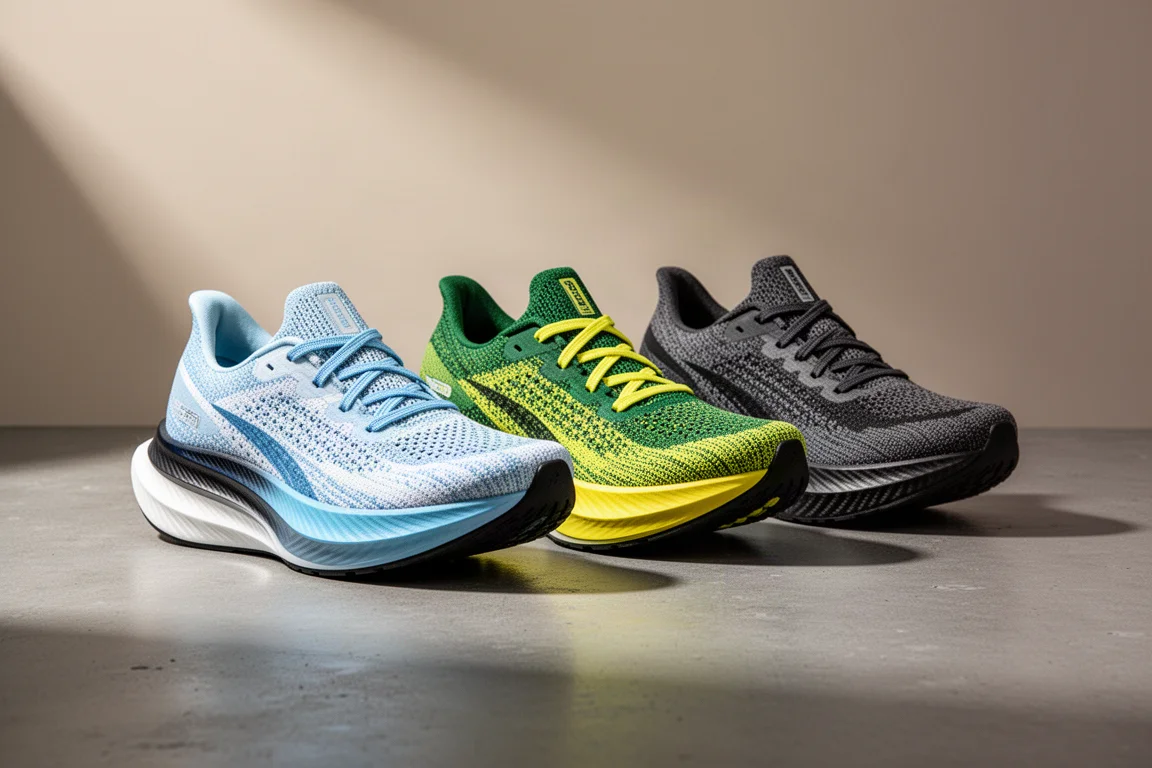
For runners with stability needs, the super racing shoe category has shrunk to three genuinely viable options. There are no true stability super racing shoes on the market anymore, and the last lightweight stability racing shoe, the Brooks Hyperion GTS series, has been officially discontinued. If you liked it, your best hope is catching it on sale.
What remains is the stable neutral category: shoes without medial posts or corrective geometry, but with design features that give stability-focused runners enough support to race fast and go long. The 2025 list has dropped from five shoes to three. The Saucony Endorphin Elite 2 sits at the opposite end of the stability spectrum, and the Hoka Rocket X 1.5 also lost its stable neutral status. That leaves the Hoka Rocket X3, the Saucony Endorphin Pro 4, and the 361 Flame 4.
All three have been taken through long runs, fast workouts, and racing, with combined mileage well over 200 miles. Here is how they compare.
Specs at a Glance
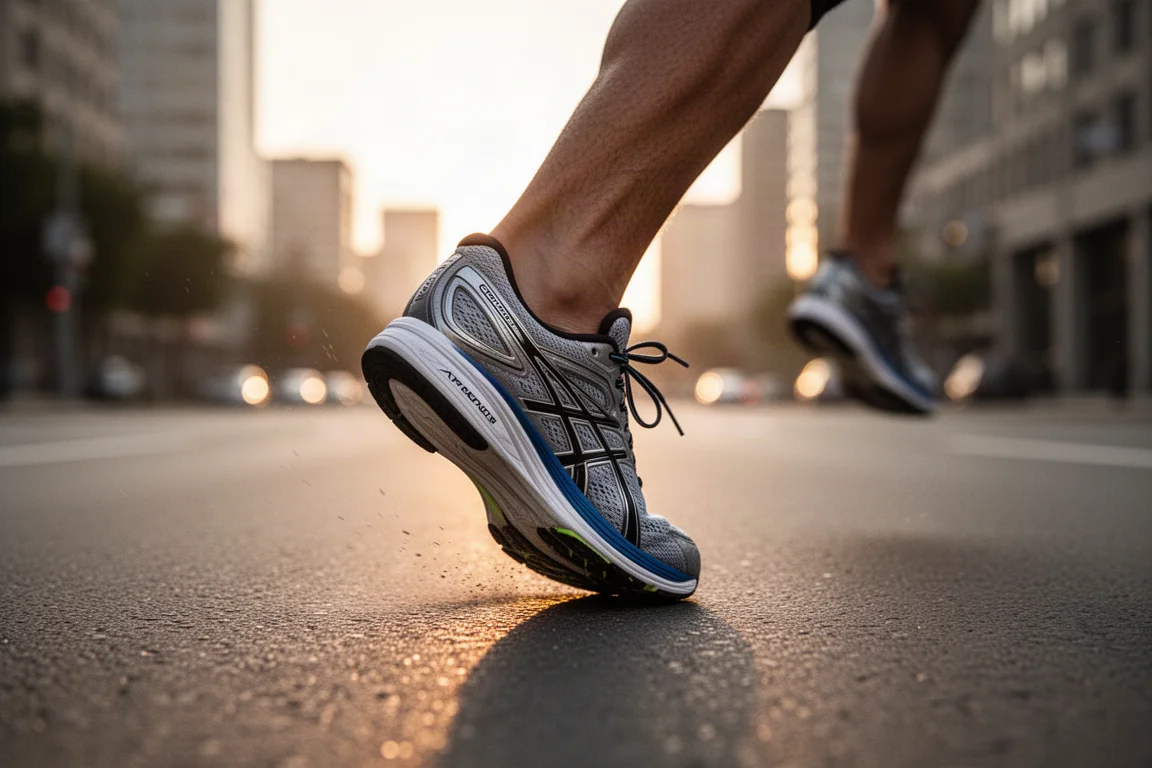
In a men’s size 10, the weights are remarkably close. The Hoka Rocket X3 is the lightest at 7.7 oz (218 g). The 361 Flame 4 follows at roughly 7.8 to 7.9 oz (224 g), and the Saucony Endorphin Pro 4 is the heaviest of the group at 8 oz (228 g).
Stack heights and drops are also similar. The Rocket X3 measures 40 mm in the heel and 33 mm in the forefoot for a 7 mm drop, though it feels lower than that on foot. The Endorphin Pro 4 sits at 40/32 mm with an 8 mm drop that does feel like 8 mm. The Flame 4 comes in lowest at 36/30 mm with a 6 mm drop.
With numbers this close, the real decision comes down to how each shoe creates stability and which kind of stability you actually need.
Why Stable Neutral Matters
A stable neutral shoe has no medial post and no internal geometry designed to force your foot into one position. Instead, it uses passive features that add just enough resistance to keep you centered. For runners with stability needs, these features are often the difference between being able to race in a super shoe or not.
Long runs in all three of these shoes went without issue, which is one of the clearest signs that a shoe qualifies as stable neutral. From 5K up to a marathon, they can work for a lot of runners who need some support.
Stability Mechanisms to Look For
Several design features separate a stable neutral racing shoe from an ordinary one, and knowing them makes choosing between these three much easier.
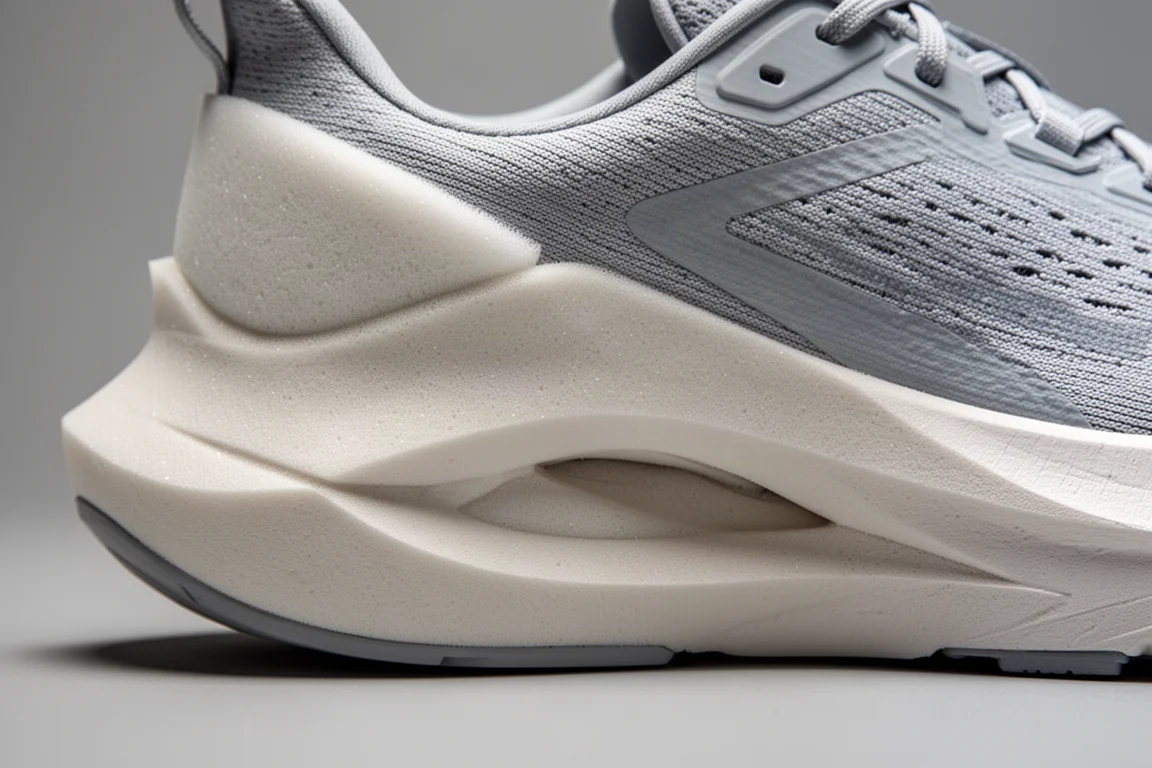
Sidewalls. The midsole rises up around the sides of your foot and acts like bowling alley bumpers: if you roll toward one side, the wall provides resistance and pushes you back toward center. The Rocket X3 has the most prominent and longest sidewalls of the group, on both the medial and lateral sides.
A filled-in midfoot. A wider midfoot means more material under the center of your foot, so if you drift inward or outward, you fall into resistance rather than a void. The Rocket X3’s midfoot is especially filled in.
A central guidance groove. When a groove runs through the center of the shoe, your body follows the path of least resistance: material creates resistance, empty space does not. This nudges you to stay in the middle.
Bevels. Heels are beveled in different directions, which changes where you land and stay. The Rocket X3’s heel is beveled strongly lateral, which matters a lot if you have lateral instability.
Outsole asymmetry. More outsole material on one side firms up that side and angles toe-off. The Rocket X3 has more outsole on one side and a cutout on the other, angling push-off slightly lateral.
The plate. The plate itself can add resistance, and in the Flame 4 it scoops up around the forefoot, which is a major part of that shoe’s forefoot stability.
Hoka Rocket X3
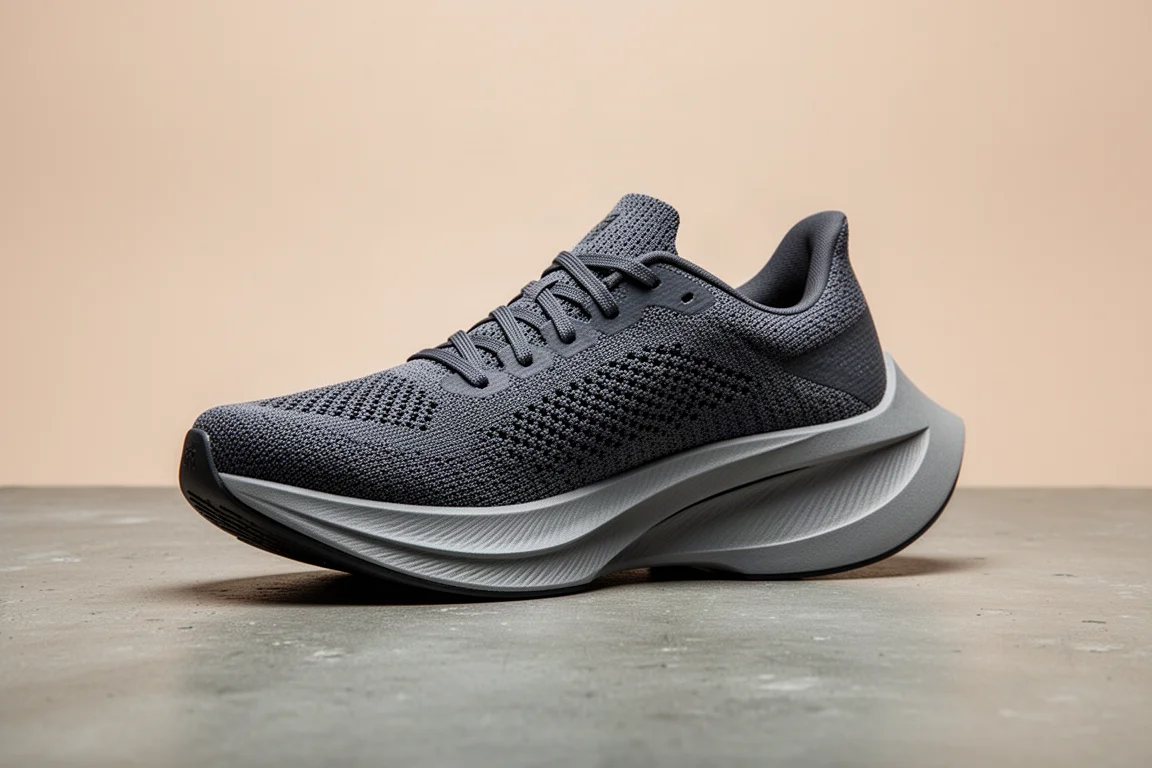
The Rocket X3 is the lightest, snappiest, and most aggressively biased shoe of the three. It is also the most medially stable throughout the length of the shoe: prominent medial sidewalls, a filled-in midfoot, a laterally beveled heel, and asymmetric outsole placement that angles toe-off lateral. If you need medial stability along the whole shoe, this is the best fit of the three.
That same design cuts both ways. If you have lateral stability needs, this is absolutely not your shoe. The lateral heel bevel, filled midfoot, and sidewalls push you firmly lateral; a co-reviewer found the shoe bothered her ankle because it pushed her so far to that side.
It is a snappy, lively ride that works especially well over longer distances. Heel strikers get the most out of it, because the heel is the most responsive part of the shoe and bounces you forward nicely. The forefoot is firmer and less responsive, and the plate curves upward aggressively enough that getting up on your forefoot does not feel great. Runners who want to stay on the forefoot may prefer the Endorphin Pro 4 instead.
Two caveats: the upper is narrow, so wide feet will struggle, and the outsole durability is poor. At 30 miles, the outsole on one test pair is already ripping through. The midsole is fine, but expect well under 100 miles if you are hard on outsoles.
Saucony Endorphin Pro 4
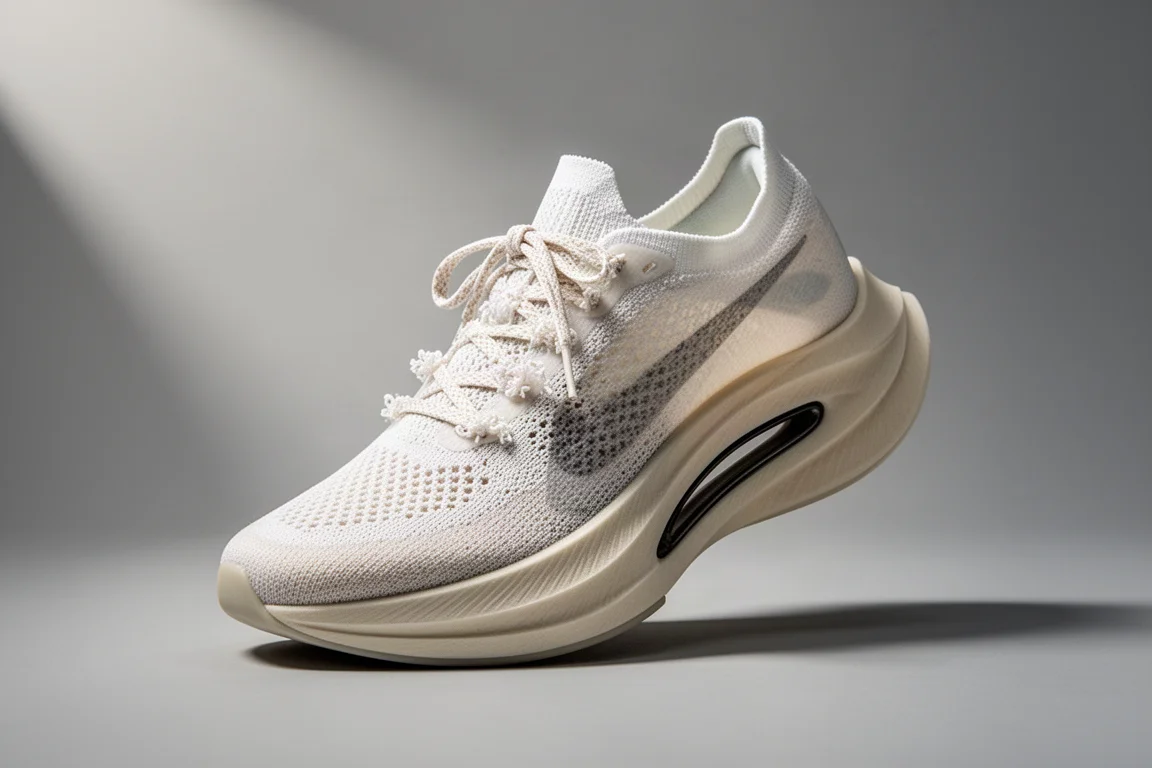
The Endorphin Pro 4 is the most centered shoe of the three. Rather than pushing you in one direction, it keeps you in the middle throughout the length of the shoe, which makes it a good match if you have a bit of lateral instability or a bit of medial instability and just want a balanced, neutral-leaning ride.
It stands out for its stiffness and cushioning. The forefoot is very stiff and noticeably snappy once broken in, though the shoe needs time to break in, and the heel is very well cushioned with a smooth heel transition once it settles. There is no posterior lateral bevel, so expect that break-in period before it feels its best. The cushioning is more balanced than the Rocket X3, which adds versatility, and it handles everything from a 5K to long distances well.
The sidewalls here run the entire length of the shoe, even into the forefoot, and the midfoot is filled in. The upper is the opposite of the Rocket X3’s: high volume, with plenty of room. If you have a wider foot or want extra space, this fits much better, though laces may need to be tied down firmly for a secure fit.
Durability is a real strength. At 150 miles, the outsole looks phenomenal, and the midsole has only firmed slightly from an already slightly firm character. If you want a durable super racing shoe with a centered ride, this is the strongest pick here.
361 Flame 4
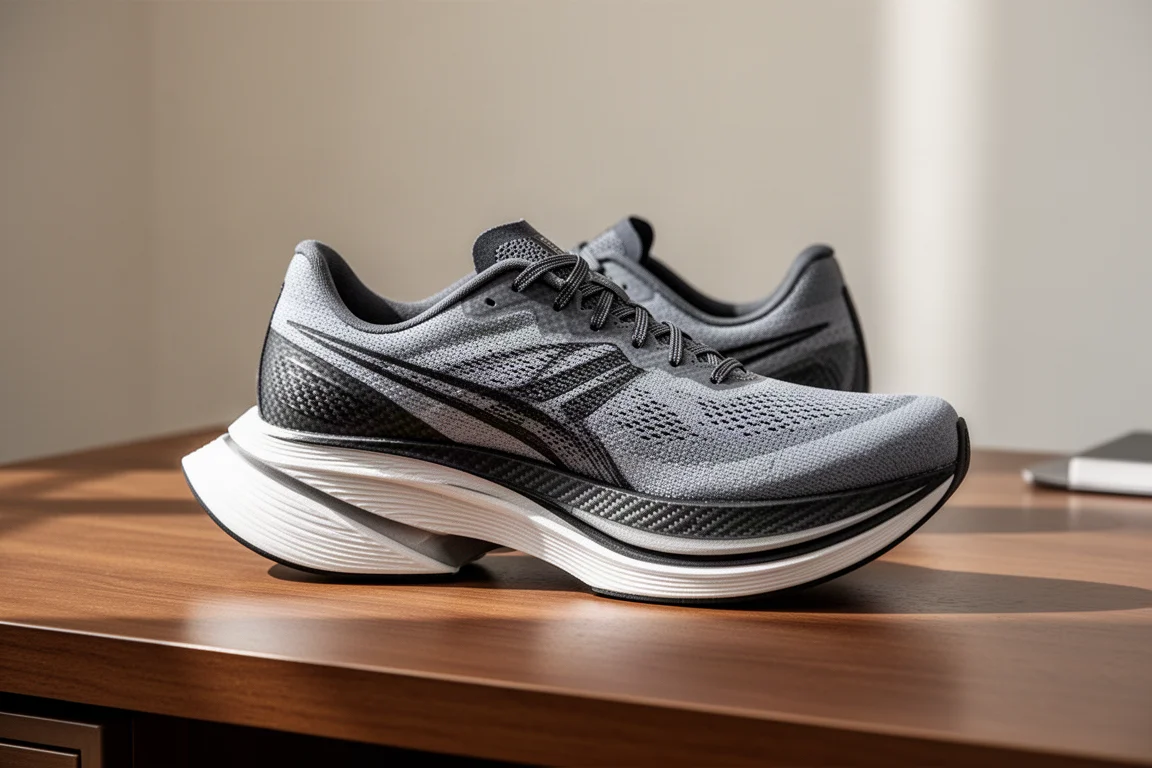
The Flame 4 is the surprise of this group. The original version was stiff but so firm and uncomfortable that it was easy to write off. This version is genuinely impressive, and it comes from 361’s entry-level racing and lightweight trainer line rather than a flagship super shoe.
It has a full-length plate and a super foam midsole, though the firmest of the three, so do not expect plushness. What it delivers instead is the best forefoot stability of the group. The plate scoops up around the foot, the sole flares wide in the forefoot, and the central groove keeps you centered. If forefoot stability is your priority, nothing here does it better.
The ride is very centered with a nice posterior lateral heel bevel. The midfoot tapers and is not as wide as the other two, so if you are very sensitive to a narrow midfoot, check that first, but once rolling it did not cause any midfoot issues.
Where it really wins is value and durability. At 50 miles the midsole shows almost no denting, and it can often be found for around $160 on sale, while the other two sit in the $225 to $250 range. It is also the most versatile of the three: unlike most super shoes, it handles easy runs and daily training in addition to racing and long runs. If you want a lightweight trainer-racer, this is the one.
Durability and Outsoles
Outsole durability is the clearest divider between these shoes. The Rocket X3 is the clear disappointment: its outsole is already wearing through at 30 miles, and it is unlikely to reach 100 miles. The Endorphin Pro 4 is one of the most durable options at 150 miles with an outsole in great condition. The Flame 4 is arguably the best of all, barely dented at 50 miles and far cheaper to replace.
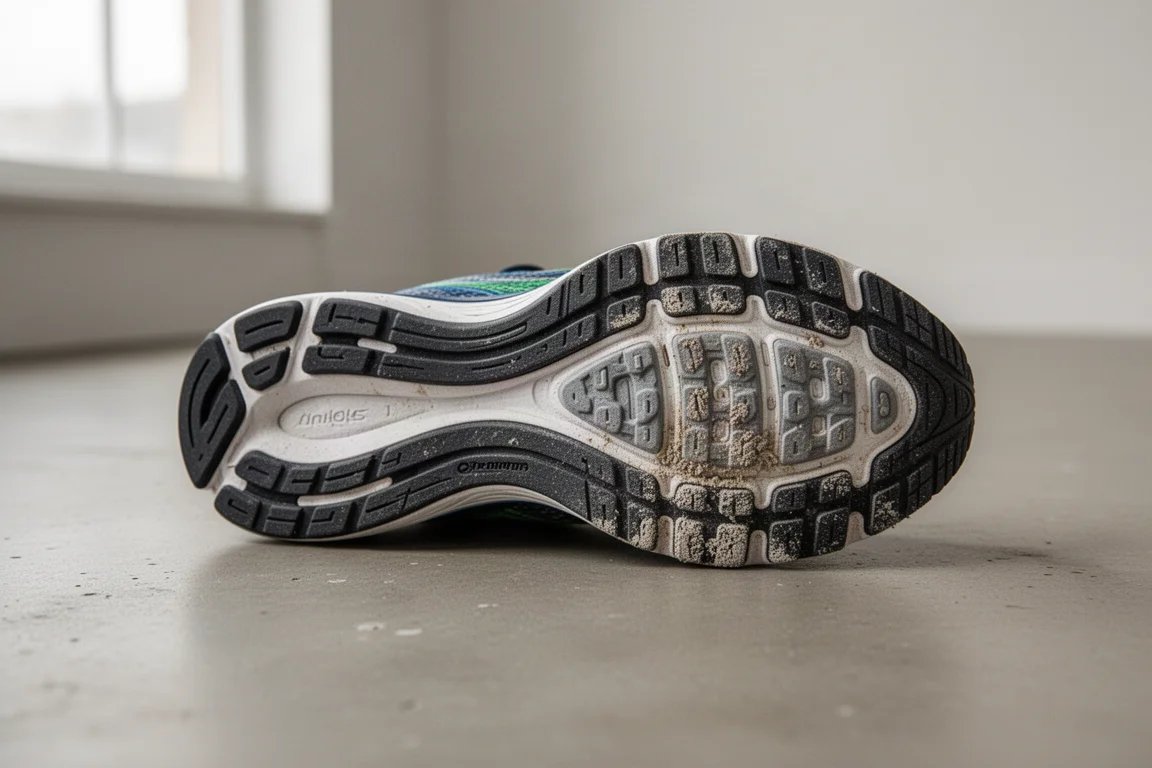
If you tend to chew through outsoles, the Rocket X3 is not the shoe for you. The Endorphin Pro 4 and Flame 4 both hold up far better over time.
Overall Buying Advice
All three shoes are legitimate stable neutral super racing options that can carry stability-focused runners from 5K all the way through a marathon, as long as you work on your stride. They are not full stability shoes, but the mechanisms they use are real and effective.
Which One Should You Buy
Match the shoe to your specific stability pattern and priorities. The Rocket X3 is the lightest and snappiest, and the most biased: it suits medial stability needs along the whole shoe, narrow feet, and heel strikers, but it pushes lateral and its outsole wears fast. The Endorphin Pro 4 is the most centered, with the most balanced cushioning, a stiff snappy forefoot, and a high-volume upper, making it the best all-round pick for general central stability. The Flame 4 is the cheapest, the most durable, and the most versatile, with the best forefoot stability of the three.
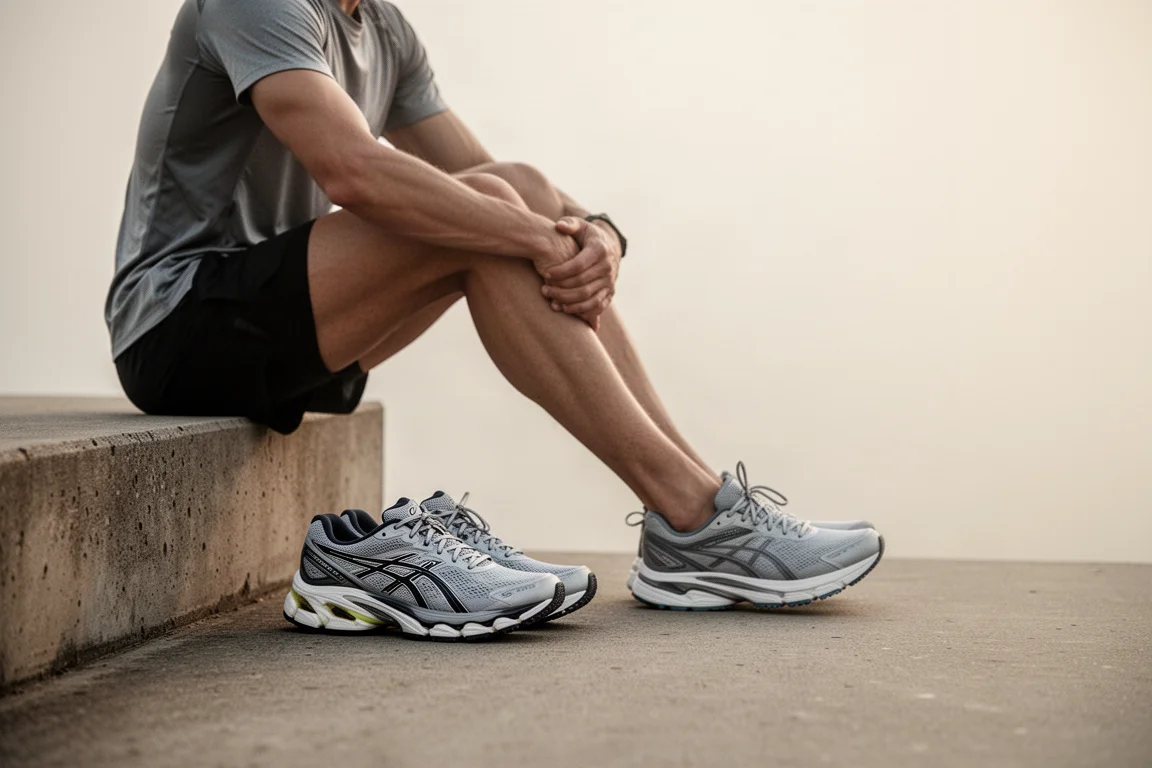
If you are unsure, the Endorphin Pro 4 is the safest general choice, the Flame 4 is the best value, and the Rocket X3 rewards runners who specifically need medial support and can accept the durability trade-off.
Conclusion
Stable neutral super racing shoes have become the last real option for stability-needing runners who want to race fast, and these three each earn their place. The Rocket X3 leads on weight and medial support, the Endorphin Pro 4 on centered balance and durability, and the Flame 4 on versatility and price. Whichever fits your foot and your stability pattern best is the right one to race in.
Further reading
Related Reviews

Running Shoes
Best Road-to-Trail Running Shoes: Three Versatile Options for Mixed Terrain
A practical guide to three road-to-trail running shoes that handle both pavement and mild trails, with clear strengths and trade-offs for different runner types.

Running Shoes
Best Running Shoes for Achilles Tendonitis: Three Options Explained
Three running shoes with different heel drops and support features designed to help reduce Achilles tendon pain during walking and running.

Running Shoes
Best Running Shoes for Women: Five Top Choices Ranked
A ranked guide to five women's running shoes, from versatile daily trainers to high-performance racing options, with real strengths and trade-offs for each.