Running Shoes
Best Stable Neutral Running Shoes: Three Picks That Balance Structure and Freedom
Three running shoes that prove stability does not require a heavy medial post: wide platforms, smart sidewalls, and balanced geometry that keep you centered without getting in the way.
Introduction
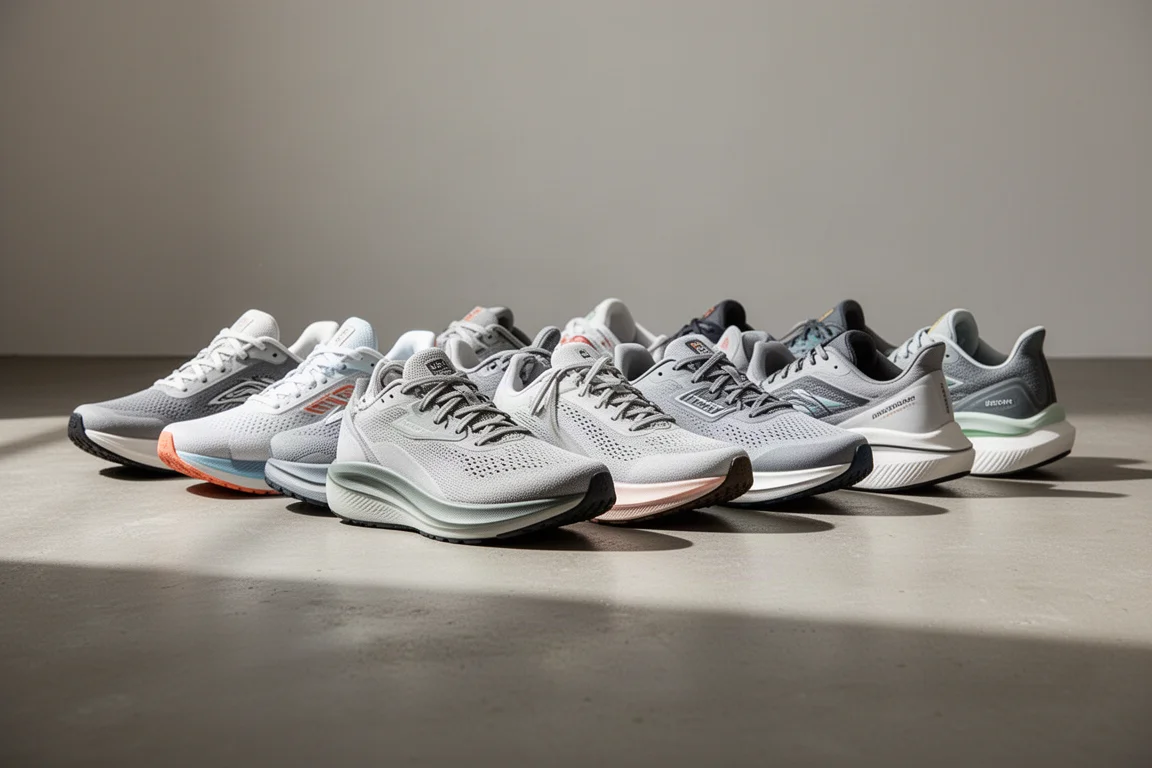
Stability does not always mean a dense medial post or a plastic piece running through the midfoot. The lines between neutral and stability have blurred, and a growing group of technically neutral shoes now offer platforms that keep your foot centered: wider bases, sidewalls, outsole flaring, and geometry that moves you forward cleanly. This roundup covers three standout stable neutral picks and who each one suits best.
What Stable Neutral Actually Means
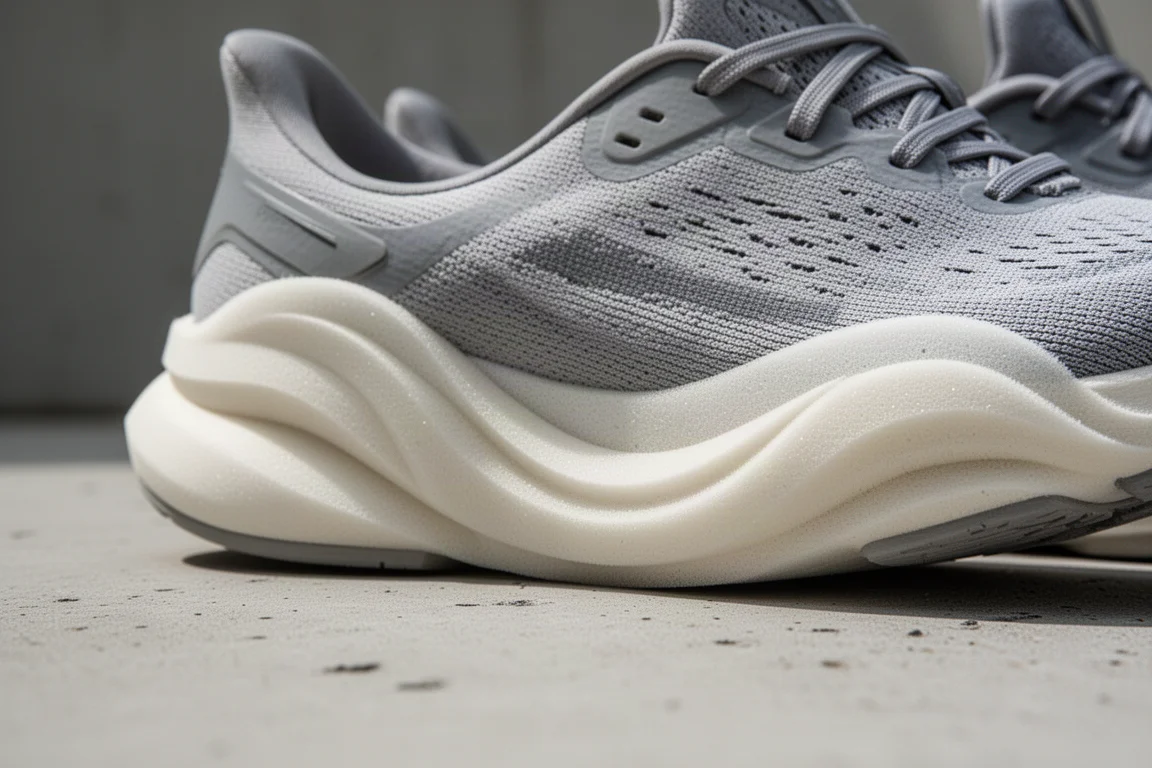
Traditionally, a stability shoe meant visible structure: a harder foam wedge on the inside edge or a supportive insert through the midfoot. Modern stable neutral shoes achieve the same goal differently. A wider base under the foot, flared outsoles, high but non-intrusive sidewalls, and well-tuned geometry all guide the foot without pressing on it.
The key distinction is intrusiveness. A good stable neutral shoe feels secure underfoot yet never pushes against your foot or dictates your stride. That balance is what separates the three shoes below.
New Balance Fresh Foam More v4
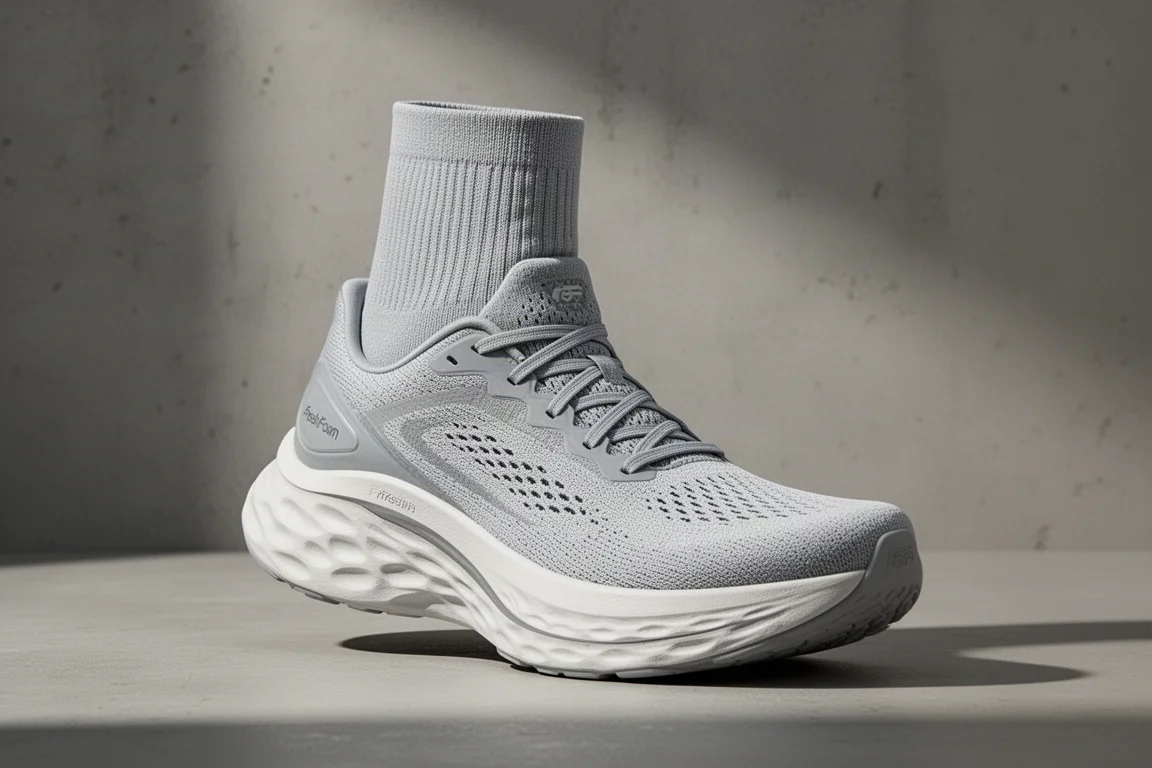
The Fresh Foam More v4 hits nearly every box a stable neutral shoe should. The outsole flare is executed very well, with a slight posterior lateral bevel that speaks to thoughtful geometry. Sidewalls on both sides of the shoe are high without being intrusive, guiding the foot rather than gripping it, and they taper slightly down into the forefoot for runners who need extra structure up front.
Crucially, the midfoot is not narrowed. The outsole stays wide, giving the shoe a genuinely stable platform. Despite all that structure, it remains on the lighter end for this kind of shoe at 10.4 ounces. Testers have taken it to 15 to 16 miles with zero fatigue issues in the small intrinsic muscles of the foot and hip, and feedback from runners who genuinely needed more stability has been consistently positive. The forefoot is relatively flexible, making it a strong choice for runners who want a stable platform but do not want a stiff ride.
One fit note: the More v4 tends to run wider, which is great news for wider feet but worth considering if yours are narrow.
Saucony Endorphin Shift 3
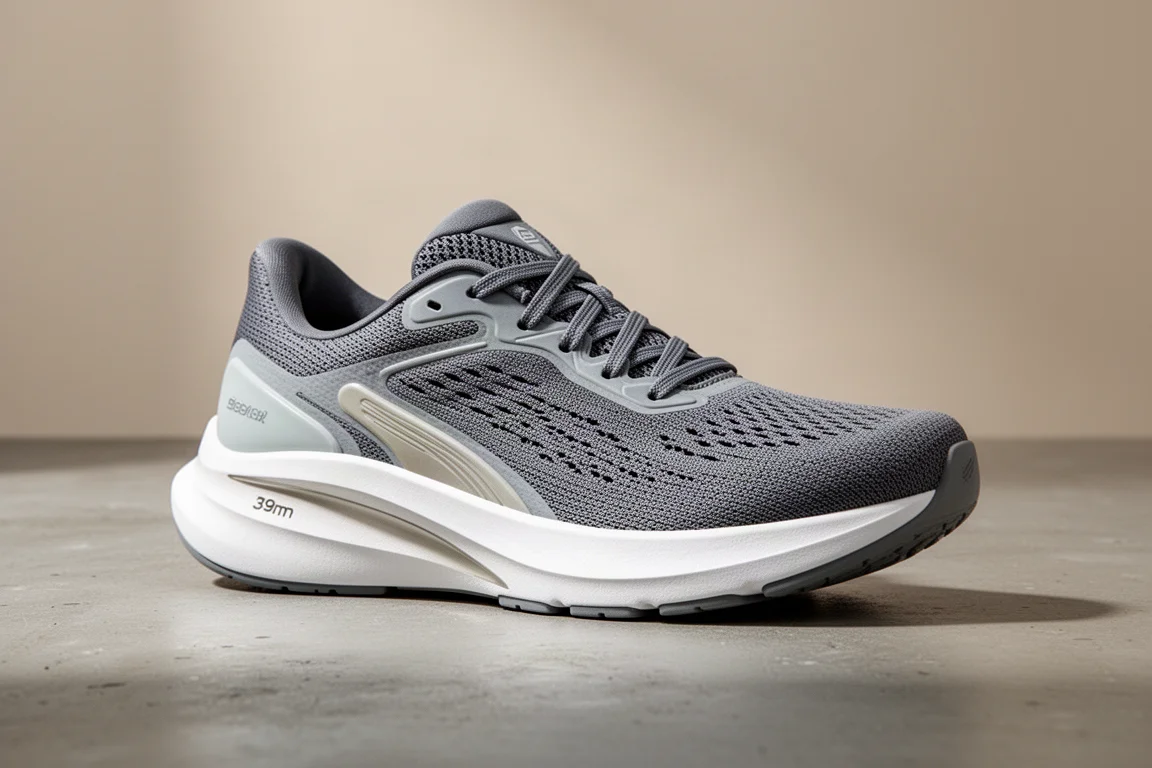
The Endorphin Shift has been a definition of stable neutral since its first version, and the third edition refines the formula. It sits on a wide platform underfoot, with a plastic cup wrapping around the sidewalls to create a structured heel cradle. Above that plastic piece, a softer heel counter keeps the in-step feeling comfortable, so you get structure without a harsh, rigid heel.
The big change for v3 is the removal of the plastic piece that dove down on the medial side, replaced by that C-shaped cup. It still adds resistance to compression on both the medial and lateral sides of the posterior shoe, limiting how much the foam deforms under load.
The defining difference is forefoot flexibility: unlike the More v4, the Shift 3 is stiff through the front. It runs on a rocker but has no plate, which makes it a go-to recommendation for runners who need a stable platform but cannot push through big toe extension comfortably. Specs: 39 mm heel, 35 mm forefoot, 9.4 ounces for the regular version, and around $150.
Fit runs slightly more snug than previous versions, which suits runners with narrower feet looking for a secure, stable ride. It is a road-focused tool; with a high stack, it is not a shoe you would confidently take onto technical trails.
On Cloudgo
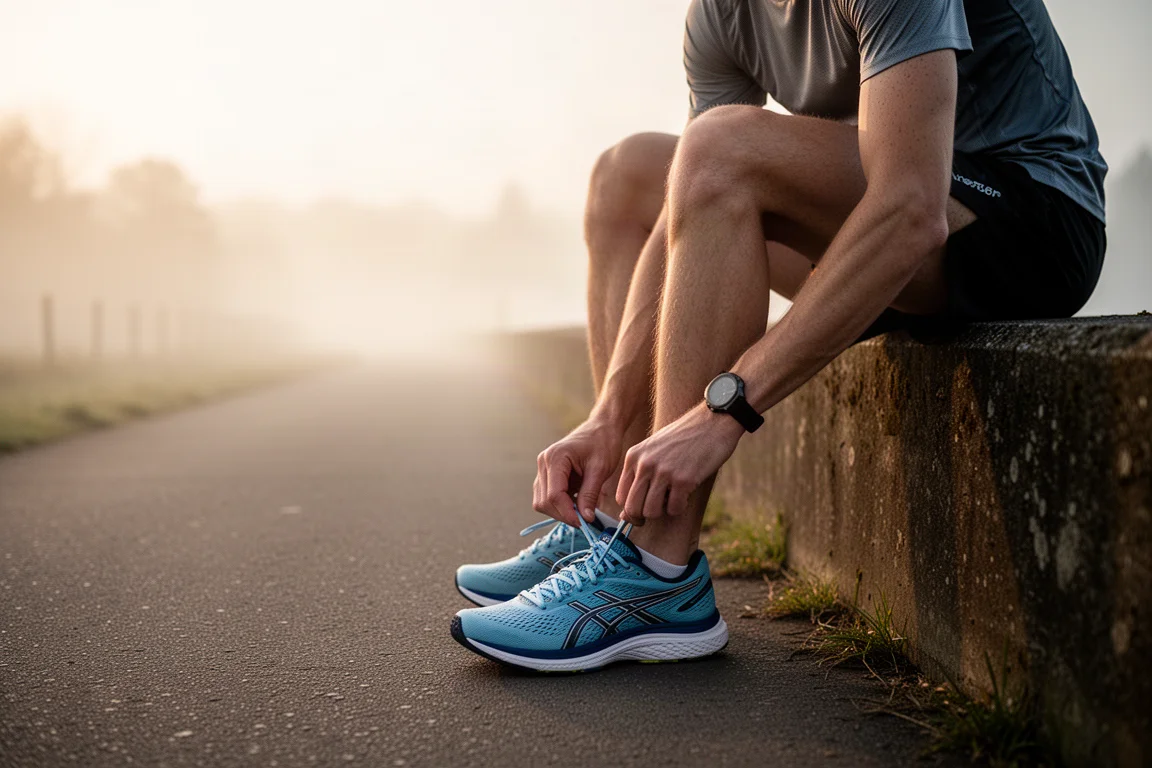
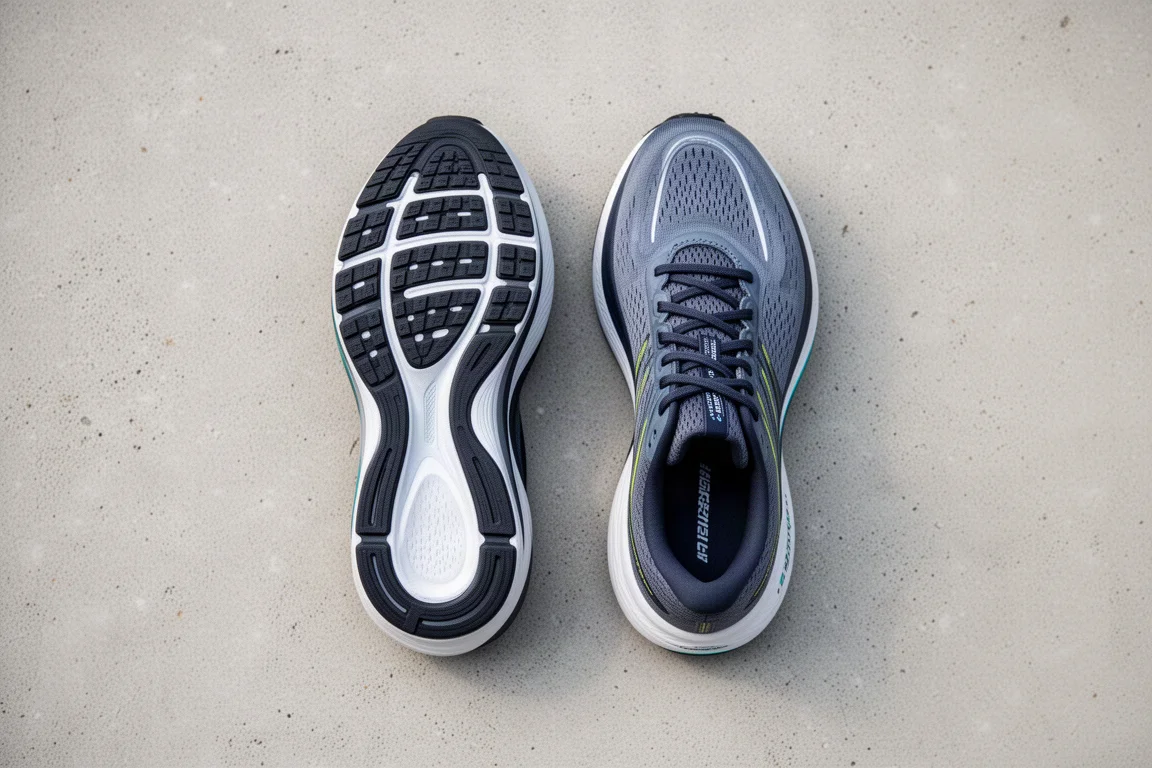
The Cloudgo takes a subtler approach. It does not have a super wide base or dramatic sidewalls; it is still very much a neutral shoe. What it offers instead is balance. The geometry is rounded out and centered, with a groove running down the midline, and the base is neither overly wide nor narrow. The upper locks the foot down well without stretching too much.
Stability here is about confidence in where you can take the shoe. Unlike the high-stack Shift 3 or the More v4, the Cloudgo feels at home almost anywhere, from road to light mixed terrain. A plate in the midsole firms the ride up slightly, though it still leans a bit soft underfoot. Nothing about the shoe is overly dramatic; it simply does the stable neutral job well and earns frequent reach-for status. It rounds out a top-three trainer list nicely.
Buying Advice: Choosing Between Them
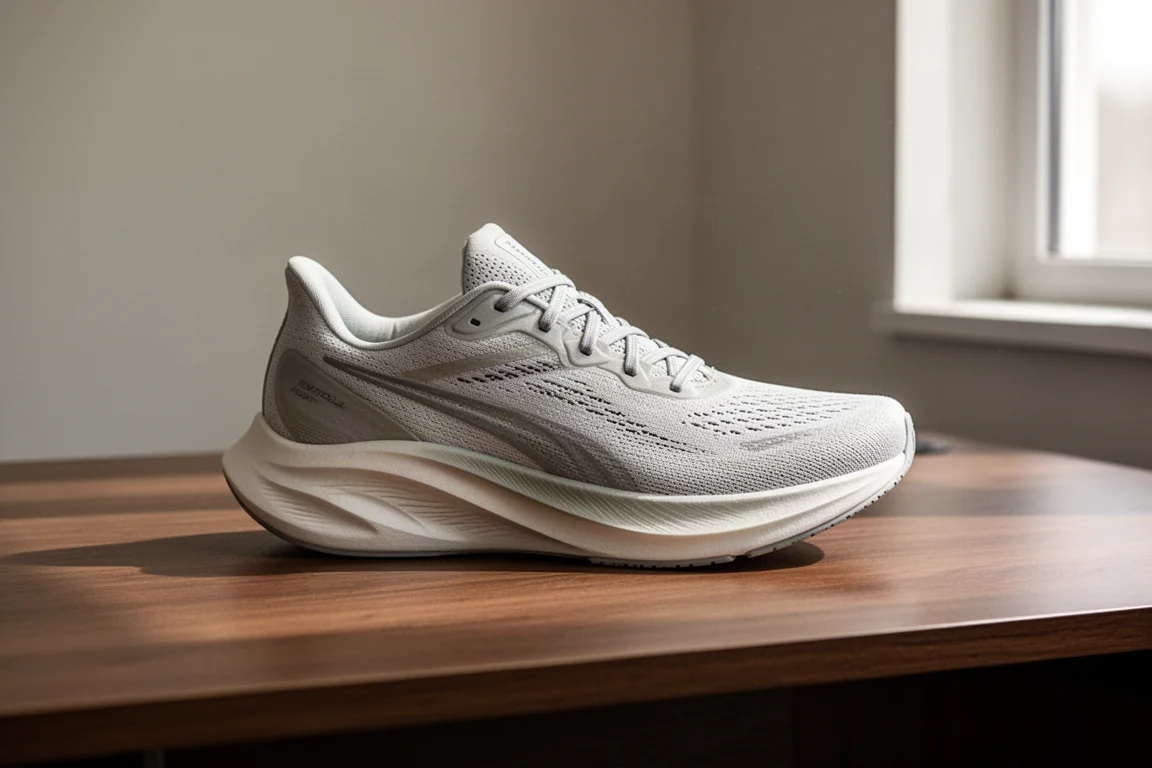
All three live in the same category but serve noticeably different feet and needs. The More v4 is the widest, most accommodating option with a flexible forefoot, ideal for long, easy mileage and runners who want structure that never feels intrusive. The Shift 3 pairs that stable platform with a stiff, rockered forefoot, making it especially useful for runners with limited big toe extension, and its snugger fit flatters narrower feet. The Cloudgo is the most balanced and versatile, a centered neutral ride you can take almost anywhere.
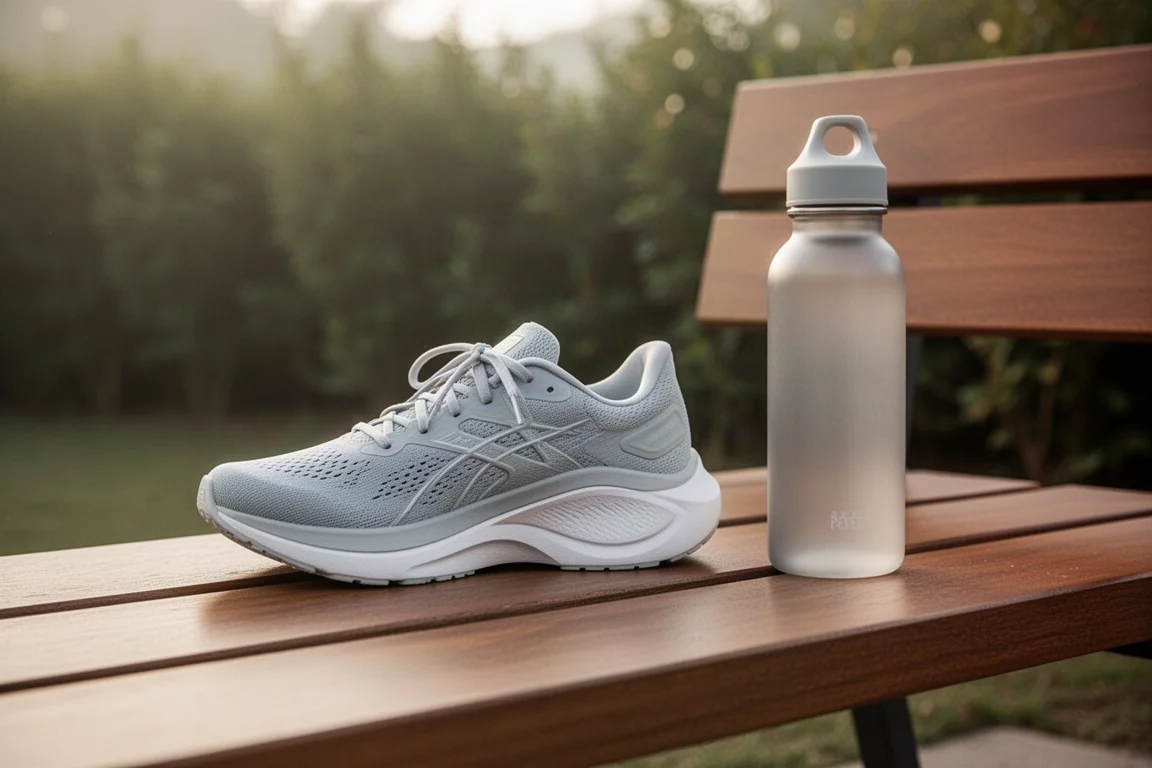
If you can, try them on with the width of your foot in mind first, then decide how much forefoot stiffness you want. That single distinction, flexible versus rockered and stiff, is the clearest dividing line between these three.
Conclusion
Stable neutral has matured into one of the most useful categories in running footwear. The New Balance Fresh Foam More v4 delivers the most complete execution of the concept, the Saucony Endorphin Shift 3 remains the benchmark for a structured, rockered platform, and the On Cloudgo proves subtle balance can be just as effective as visible structure. Match the shoe to your foot shape and stride needs, and any of the three will keep you centered without getting in your way.
Further reading
Related Reviews

Running Shoes
Best Road-to-Trail Running Shoes: Three Versatile Options for Mixed Terrain
A practical guide to three road-to-trail running shoes that handle both pavement and mild trails, with clear strengths and trade-offs for different runner types.

Running Shoes
Best Running Shoes for Achilles Tendonitis: Three Options Explained
Three running shoes with different heel drops and support features designed to help reduce Achilles tendon pain during walking and running.

Running Shoes
Best Running Shoes for Women: Five Top Choices Ranked
A ranked guide to five women's running shoes, from versatile daily trainers to high-performance racing options, with real strengths and trade-offs for each.