Running Shoes
Best Stable Neutral Racing Shoes 2026: Five Fast Options for Runners Who Need Structure
Three genuine stable neutral racers plus two honorable mentions that may still work, covering weight, stack, stability, and durability for 2026.
Introduction
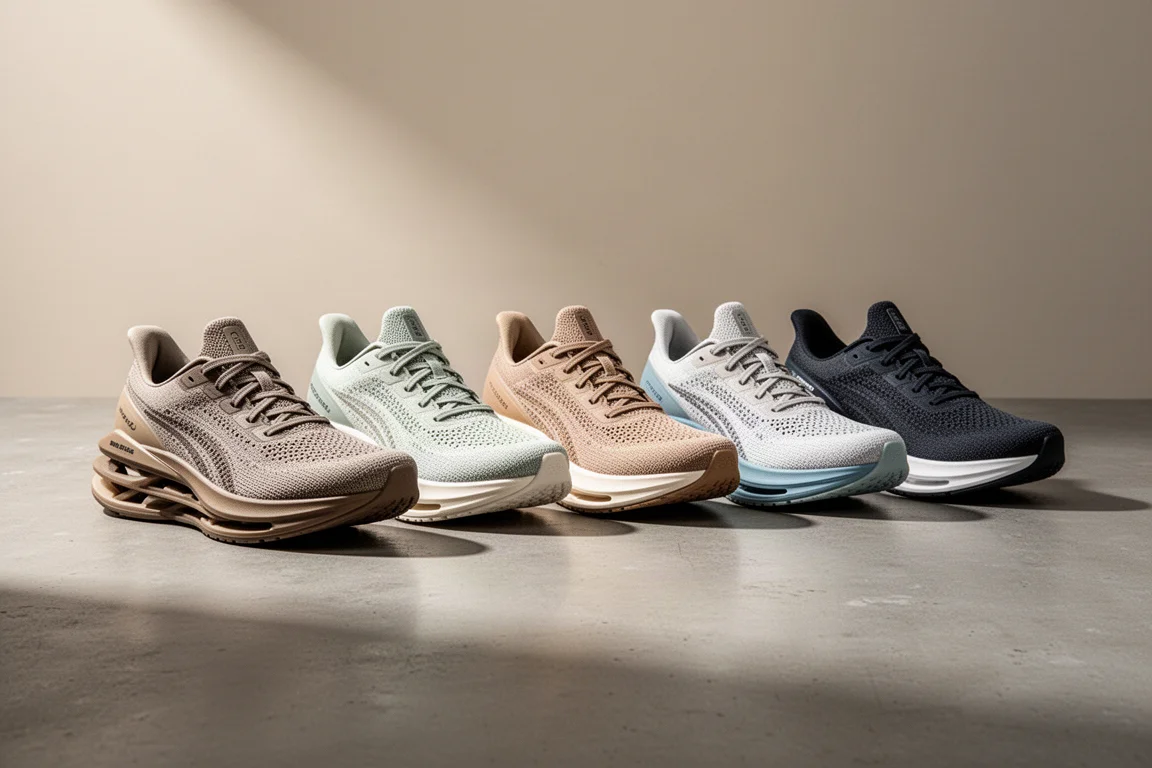
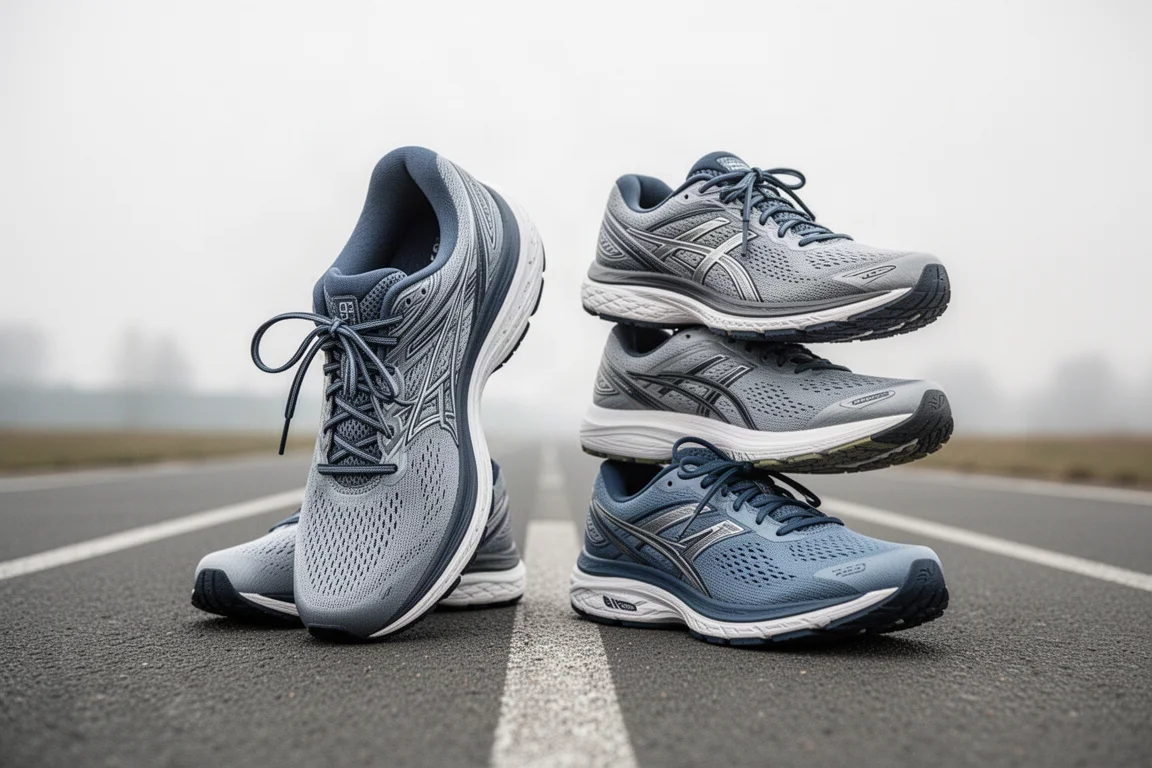
True stability racing shoes have essentially disappeared. With the last dedicated option long discontinued, runners who need structure but still want to race fast have to look for shoes where geometry and construction quietly deliver guidance without being marketed as stability. This 2026 roundup covers three solid stable neutral racing options, plus two shoes that do not fully fit the category but may still work for some runners.
The three main picks are the Hoka Rocket X 3, the 361 Flame 5, and the On Cloudmonster 3 Hyper LS. The last one is not race-legal by stack height rules and is not plated, but it is stable, so it earns its place. Here is how they compare.
What Makes a Racing Shoe Stable?
None of these shoes is marketed as a stability shoe. Instead, each relies on design elements that companies build for other reasons: raised sidewalls, filled-in midfoots, straight last shapes, and plate geometries that keep the foot locked in the middle rather than letting it roll in either direction. The result is guidance that works for runners with mild to moderate stability needs who still want speed.
Quick spec overview:
| Shoe | Weight (men’s 10) | Stack (heel / forefoot) | Drop |
|---|---|---|---|
| On Cloudmonster 3 Hyper LS | 7.6 oz / 214 g | 45 / 39 mm | 6 mm |
| Hoka Rocket X 3 | 7.7 oz / 218 g | 40 / 33 mm | 7 mm |
| 361 Flame 5 | 8.5 oz / 250 g | 39 / 33 mm | 6 mm |
| Saucony Endorphin Pro 5 | 7.8 oz / 222 g | not stated | not stated |
| New Balance SC Elite v5 | not stated | not stated | not stated |
Hoka Rocket X 3: The Aggressive All-Rounder
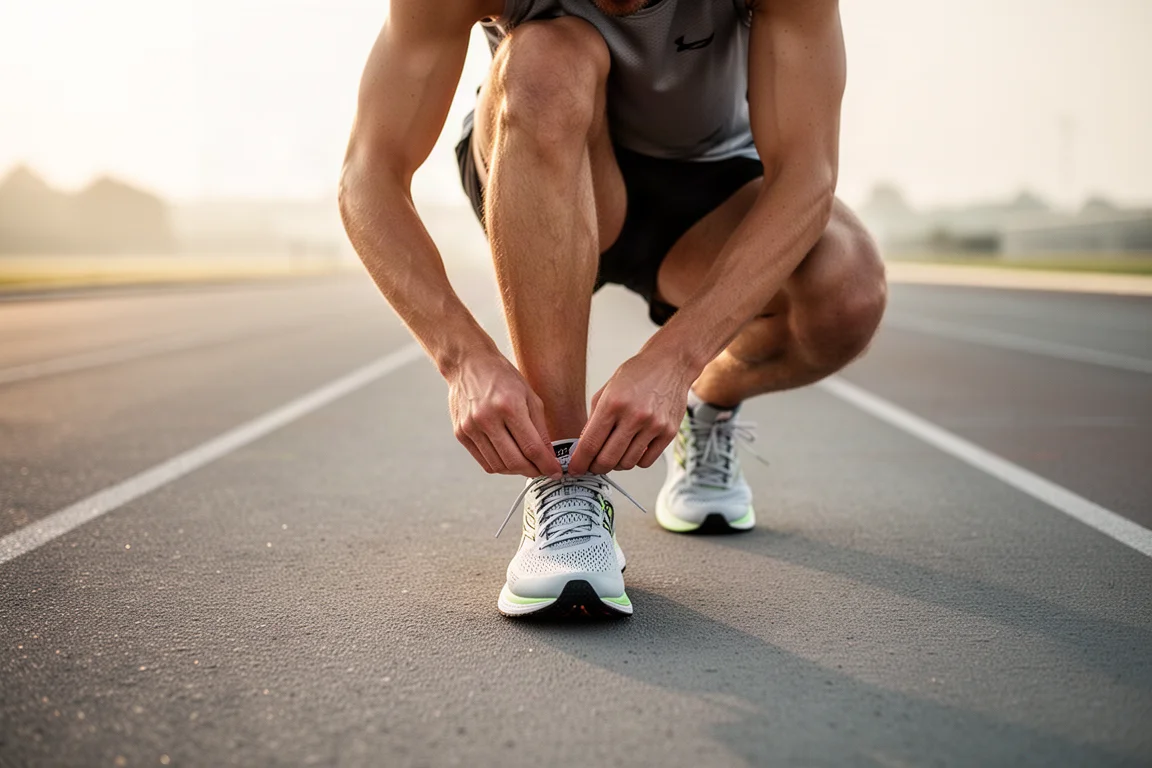
The Rocket X 3 has been the go-to stable neutral racer for a couple of years, building on a strong Rocket X 2. It is the most aggressive of the three main picks: heavily plated, immediately stable, with generous sidewalls and a nicely filled-in midfoot. It is a very straight-lasted shoe, so it is not biased in one direction, and the carbon plate plus internal guidance line keeps you centered.
The main caveat is fit. This shoe runs narrow, so narrow-footed runners will love it while wider feet will struggle, even with loosened laces. It is also the highest drop of the three on paper (7 mm) but feels lower, almost negative-drop in the forefoot, because the forefoot rocker comes off slightly late and creates a bit of a speed-bump sensation. It is very snappy and fast, and it has proven itself over a 5K race, though handling longer distances demands good calf flexibility.
The serious downside is durability. Around 30 miles in, the outsole is already tearing and the midsole is being chewed through, a problem that also appeared in version two. If you are hard on midsoles, look at the other two options instead. If you are gentle on shoes, this one is fast, versatile across distances, and the limiting factor is simply you.
361 Flame 5: The Most Stable and Durable of the Group
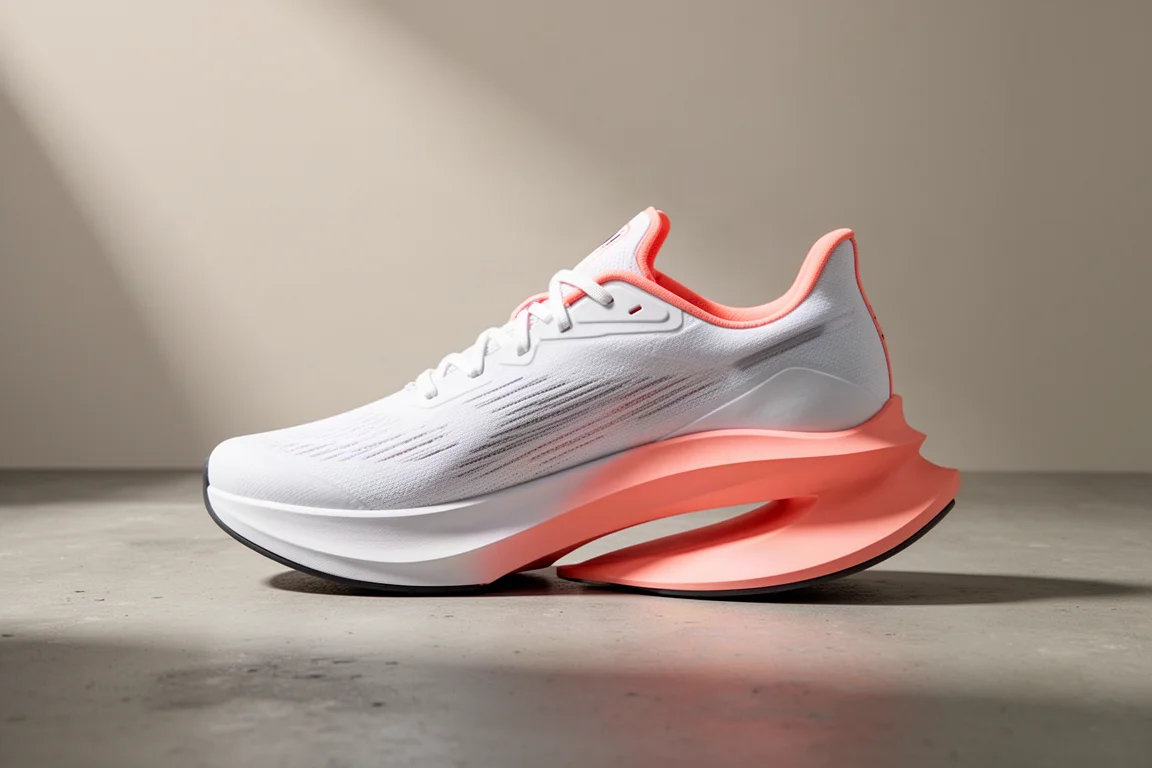
The Flame 5 gained weight over version 4 (8.5 oz / 250 g), but it is far more stable, snappier, and faster. It has a slightly wider fit with a roomy forefoot, and it runs true to size, maybe just a touch long, which works well given the noticeable toe guard. One significant warning: the heel counter is rock hard. If you have heel sensitivity, like Achilles insertion issues, this shoe can be genuinely painful. If that is not a problem for you, that structure actually works in its favor.
The midsole is where the magic happens. It is durable beyond belief, looking brand new at 40 miles of road and treadmill use, and the firmer, stiff foam combined with a carbon plate with winglets that wrap the foot makes this the most guided shoe here. You are locked in the middle, not pushed in one direction. Once broken in (about 5 to 6 miles), the plate compression can even feel like a medial post. Runners with medial arch issues report no soreness here, which is rare among unstable super shoes.
It is the heaviest of the three and not the pick for a 5K, but it shines at 10K, half marathon, and marathon distance, and it handles racing and training alike thanks to its durability.
On Cloudmonster 3 Hyper LS: The Unexpected Favorite
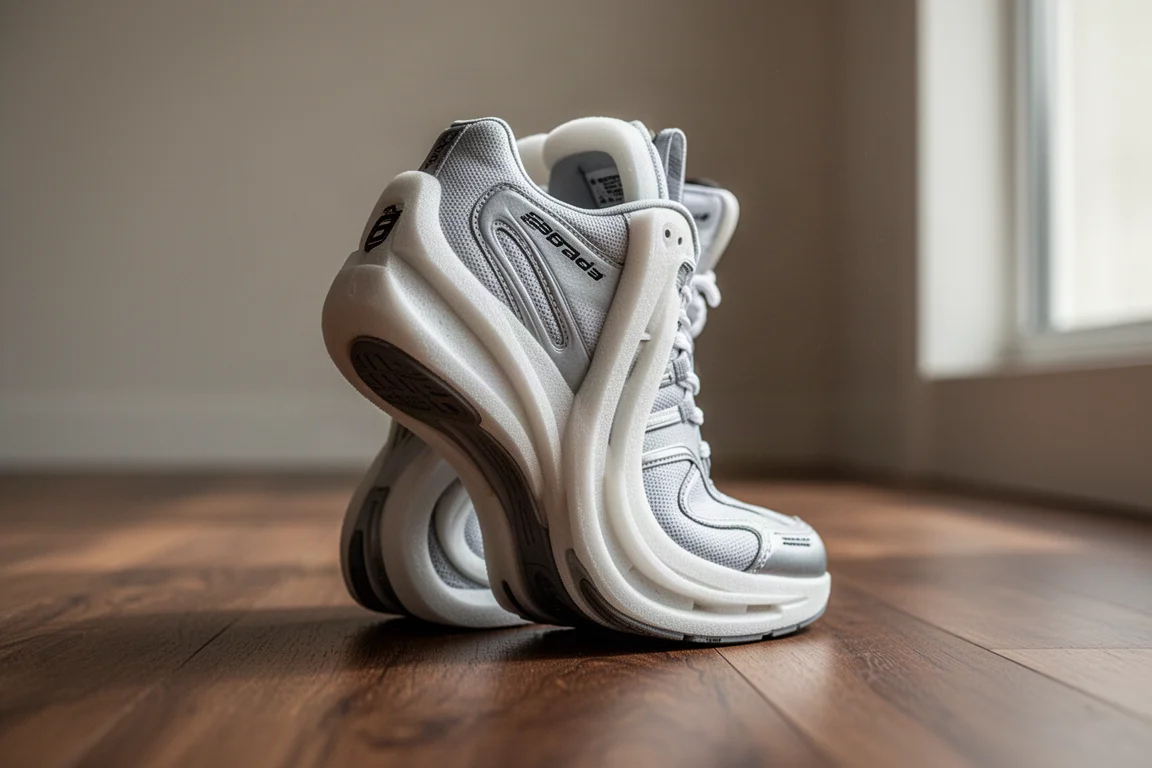
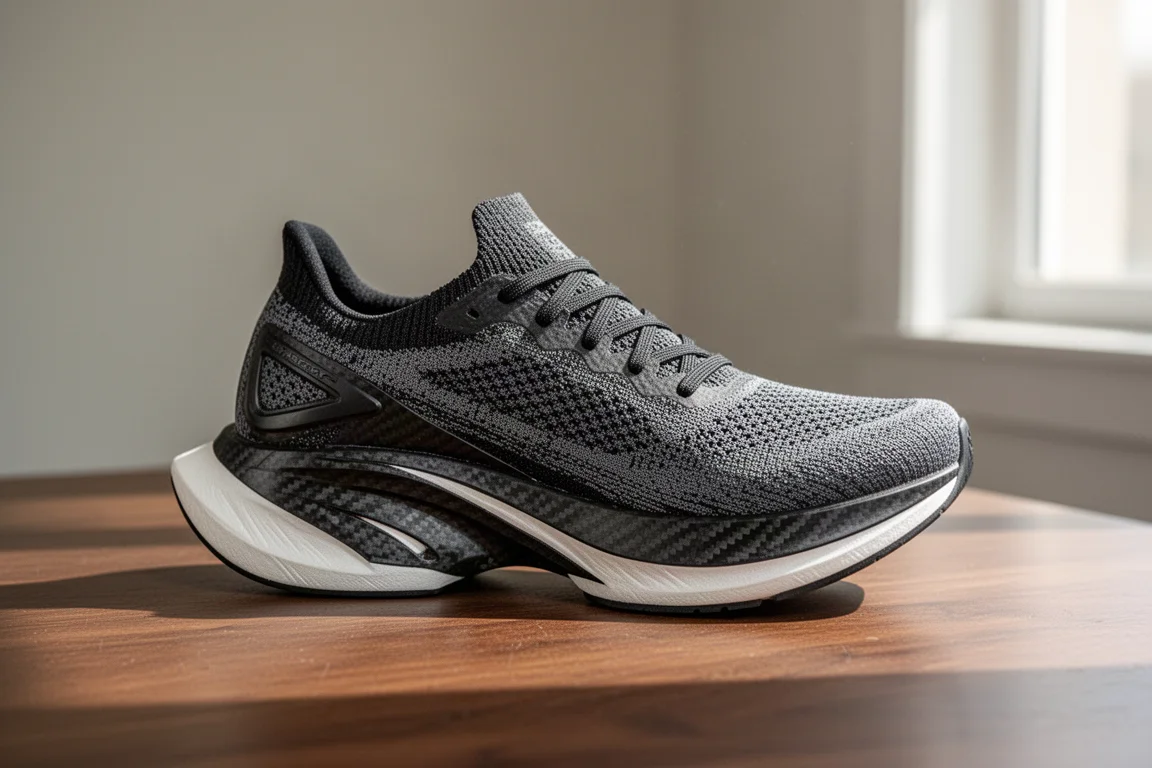
The Cloudmonster 3 Hyper LS (Light Speed) was expected to be a gimmick. Instead, it has become a favorite of the year after 100 miles. It is the lightest of the group at 7.6 oz / 214 g, though it is not race-legal by stack height (45/39 mm, 6 mm drop) and it has no plate. It is still one of the stiffest shoes here, with huge sidewalls that rise super high, a high medial arch, and super foam sitting into a base of CloudTec EVA that makes it remarkably stable without slowing it down.
Two fit notes: sizing is odd, with the tested size 10 corresponding to a 28.5 in Japanese sizing, and you cannot dial in the laces, so getting the size right matters. Once in, the fit is excellent with zero slippage or blisters. Also, this is absolutely not a sockless shoe. Wear tall socks or your skin will get torn up.
Medial arch aching during a track workout (a sign of just how stable it is) broke in over time. For runners with mild to moderate stability needs along the full length of the shoe, this may be the stable neutral racer, even though it was never meant to be one. It is not for truly neutral mechanics, and it is not for athletes fast enough to compete at a high level where the stack height matters. For everyone else, it handles fast intervals, tempos, and long runs with zero concern, and durability is excellent at 100 miles despite On’s mixed outsole reputation.
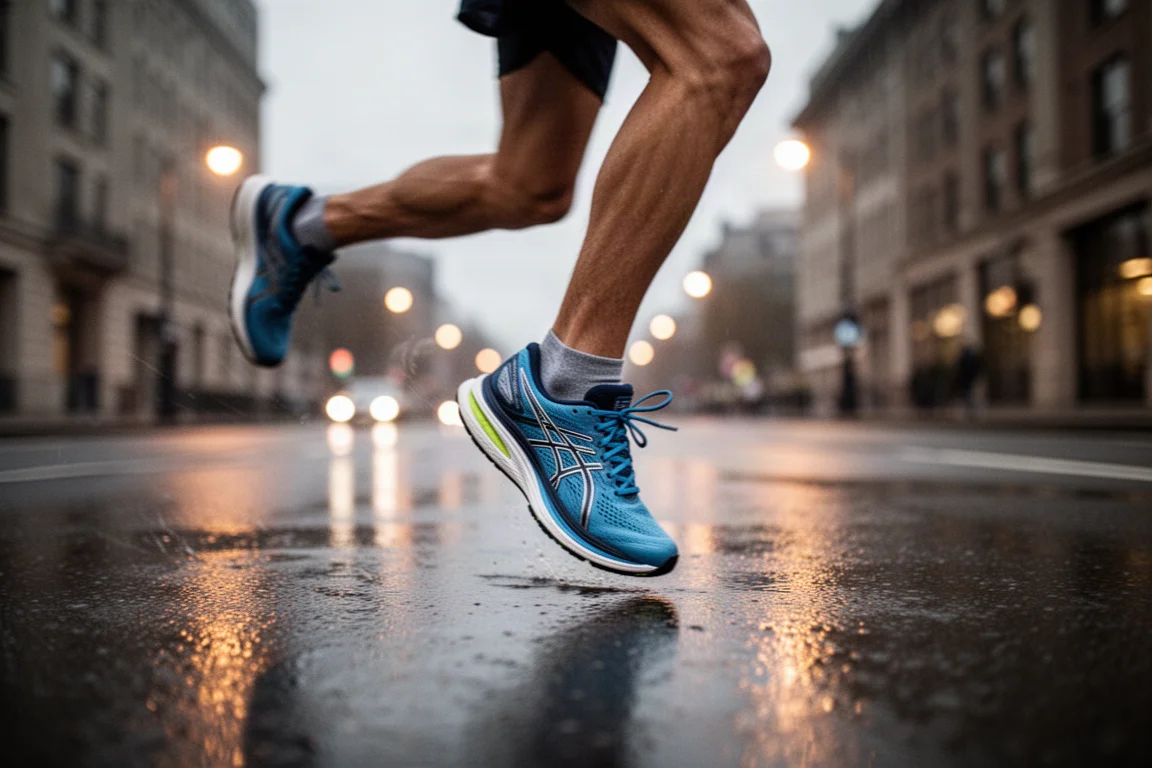
At $280, it is the most expensive of the group and technically a super trainer rather than a super shoe, but it is stiff enough to race in.
Honorable Mentions: New Balance SC Elite v5 and Saucony Endorphin Pro 5
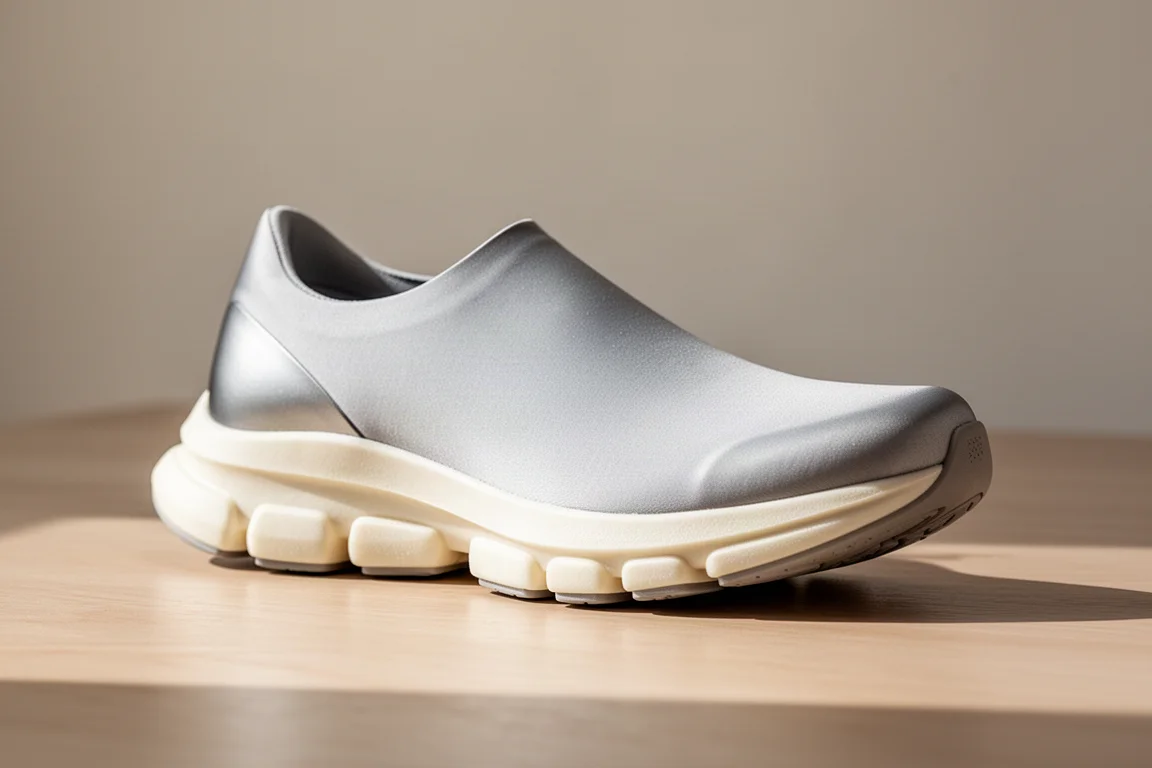
The New Balance SC Elite v5 has no business being stable, with a narrow midfoot and narrow rearfoot, yet after 100 miles including many long runs it has delivered surprising lateral guidance. The plate design seems to keep the foot sitting outward rather than rolling inward. It is not stable neutral, and it is not the best option, but runners with very mild needs may find it works. The wider toe box and comfortable upper are genuine pluses, it is durable, and it is simply a fun shoe. The super stiff plate is a big change from the relaxed version 4 and needs break-in time.
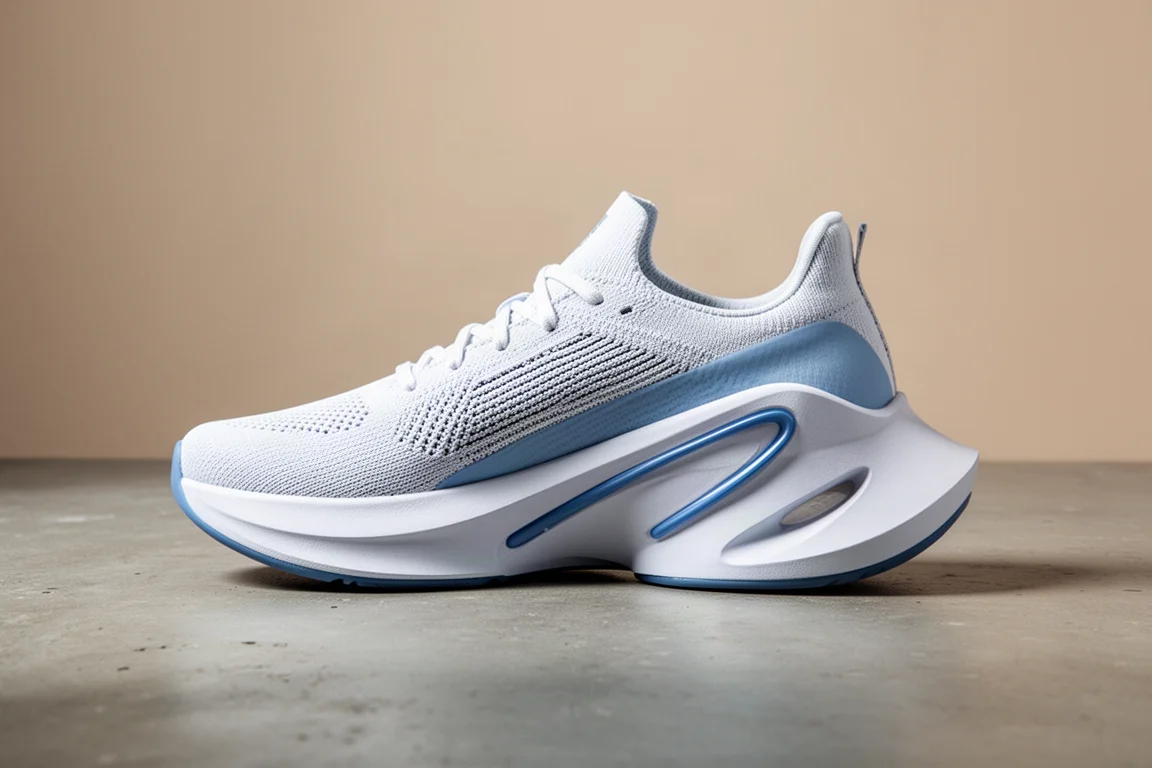
The Saucony Endorphin Pro 5 has belonged in the stable neutral conversation since version 3, but version 5 is less snappy as it shifts toward trainer-racer duty. The plate changed to a two-prong design that is no longer full width, and added lateral flare creates problems in the forefoot: too much flexibility and lateral flare that drives the foot inward, which bothered multiple wearers needing forefoot medial stability. However, for rearfoot and midfoot stability, it performs well, with large sidewalls and a filled-in midfoot, especially once the initially clunky shoe breaks in. At 7.8 oz / 222 g it is not the lightest, and it is not as snappy as earlier versions, but it still rolls well and durability is good so far.
Buying Advice
- Hoka Rocket X 3: best for narrow feet, a lower-drop feel, and the most true super-shoe racing experience of the group, if you are not hard on shoes.
- 361 Flame 5: best for wider feet, maximum stability and guidance, and runners who want a durable shoe for both racing and training.
- On Cloudmonster 3 Hyper LS: best for mild to moderate stability needs who want a light, snappy shoe at any pace, as long as race-legal stack height is not a requirement and you wear tall socks.
- New Balance SC Elite v5: worth a look only for very mild stability needs, and a great pick if you want a wider toe box.
- Saucony Endorphin Pro 5: works for rearfoot and midfoot stability seekers who do not need forefoot medial support.
Prices range from roughly the $160 to $180 range up to around $275 to $280, so there is meaningful variety depending on budget and how much shoe you need.
Conclusion
Stability-focused runners no longer have a dedicated racing shoe to buy, but 2026 offers real alternatives. The Rocket X 3 delivers aggressive, plated speed for narrow feet. The Flame 5 is the most stable and durable, ideal for longer races. The Cloudmonster 3 Hyper LS is the surprise of the year: light, stiff, and stable despite its unconventional design. The SC Elite v5 and Endorphin Pro 5 fill the gaps for runners whose needs are mild or localized to the rearfoot. Matching the shoe to your foot shape, sensitivity, and stability level matters more than any single spec sheet.
Further reading
Related Reviews

Running Shoes
Best Road-to-Trail Running Shoes: Three Versatile Options for Mixed Terrain
A practical guide to three road-to-trail running shoes that handle both pavement and mild trails, with clear strengths and trade-offs for different runner types.

Running Shoes
Best Running Shoes for Achilles Tendonitis: Three Options Explained
Three running shoes with different heel drops and support features designed to help reduce Achilles tendon pain during walking and running.

Running Shoes
Best Running Shoes for Women: Five Top Choices Ranked
A ranked guide to five women's running shoes, from versatile daily trainers to high-performance racing options, with real strengths and trade-offs for each.