Running Shoes
Best Stable Neutral Performance Trainers 2026: Run Fast Without Losing Stability
Seven performance trainers that let runners with stability needs pick up the pace, with real specs, strengths, and trade-offs to weigh before buying.
Introduction
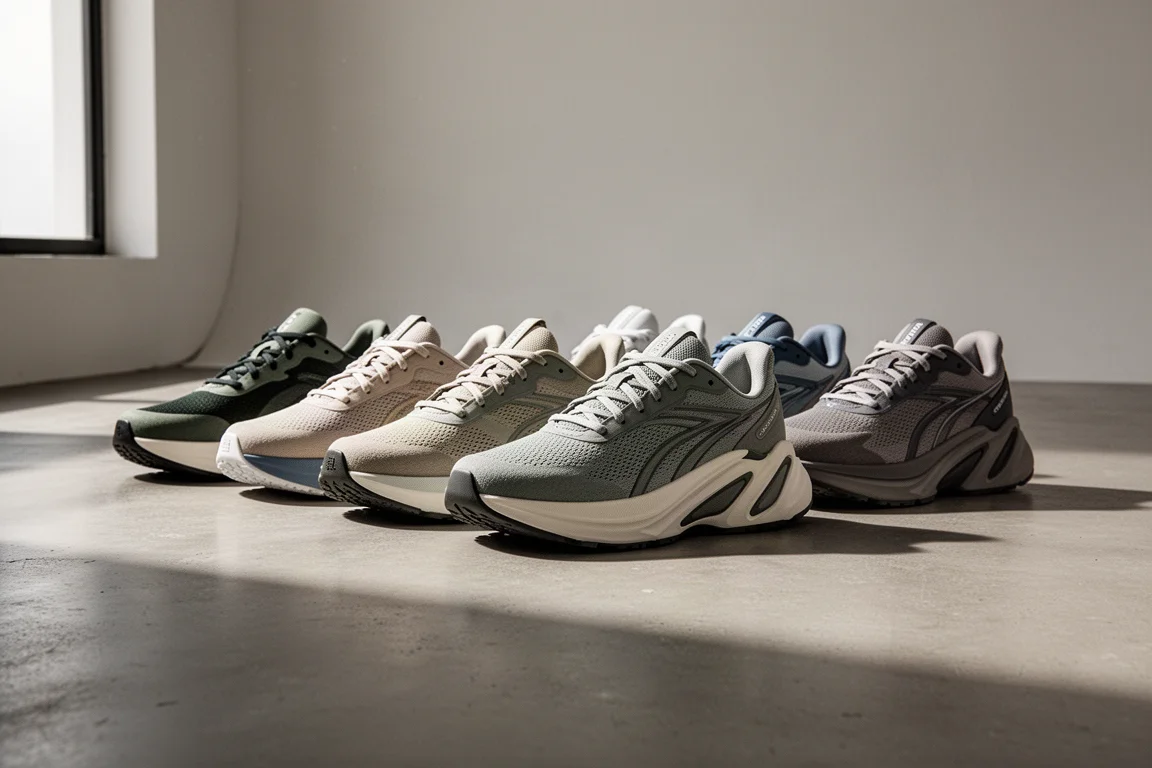
If you have stability needs, the last couple of years have been frustrating. True stability racing shoes have nearly disappeared, and most performance trainers on the market work against you: tall stacks, soft foams, and narrow midsoles that quietly punish anyone with medial stability needs. Even shoes with plates and super foams often feel wobbly at speed.
Stable neutral shoes fill that gap. They are not stability shoes, but they carry design features that make them far steadier underfoot while still letting you train hard, run workouts, and race. This roundup covers the best options for runners who want to run fast without giving up a stable ride. Nearly all of them have been tested over 100 miles of real running, with the Hoka Mach X 3 sitting around 50 miles.
What Makes a Shoe Stable Neutral?
A stable neutral shoe has no medial post and no wedging. Instead, it uses geometry to resist unwanted motion. The most common features:
- A wider sole. More width, especially with more sole flare, resists lateral motion and adds frontal plane rigidity. A wide sole simply flexes less than a narrow one.
- A filled-in midfoot. This matters most for runners with medial stability needs, which describes most people shopping in this category.
- Sidewalls. The midsole rises up around the side of the foot, working like bumpers at a bowling alley. It does not stop you from rolling, but it gives resistance. Most shoes here add sidewalls on both the lateral and medial sides.
- Clever cutouts and geometry. A lateral cutout with a filled-in midfoot, like on the ASICS Azura, biases the shoe laterally, which suits medial stability runners even though it is technically a neutral shoe.
- Dual-layer midsoles. A softer midsole set into a firmer encasing cage behaves like built-in sidewalls.
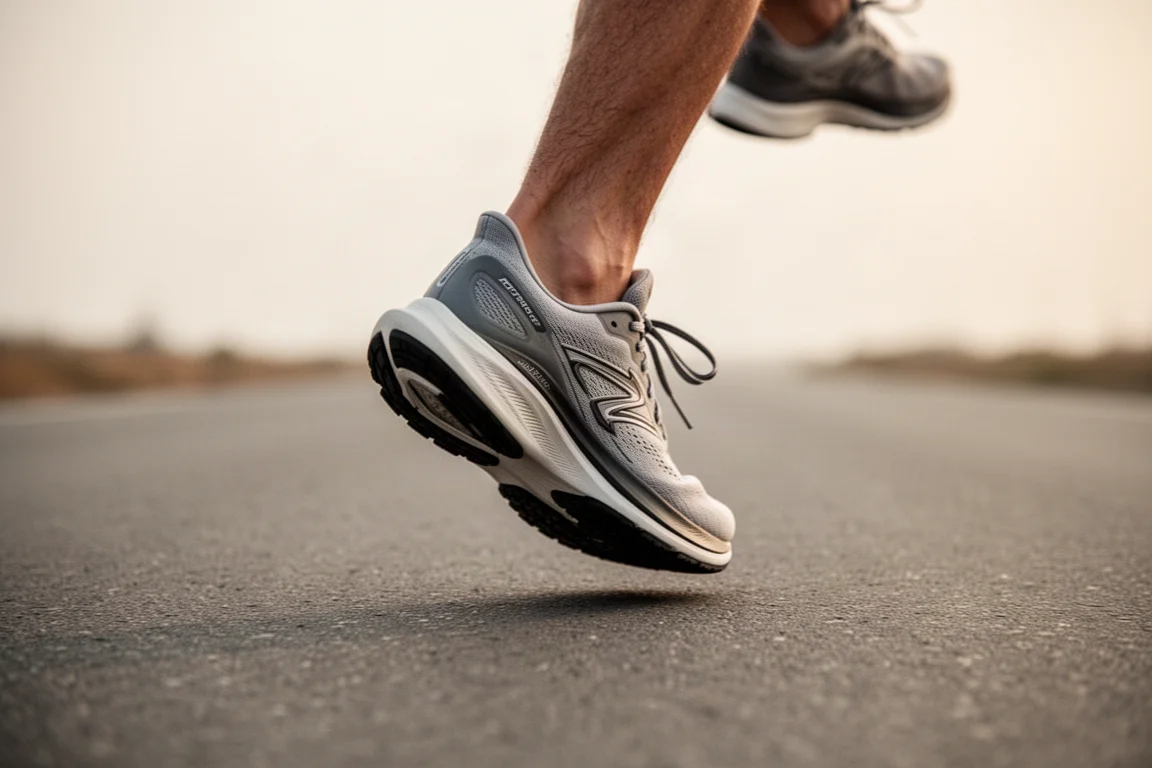
Keep these features in mind as you read through the picks. None of these shoes have the usual stability hardware, so the stable feel comes entirely from shape and construction.
Specs at a Glance
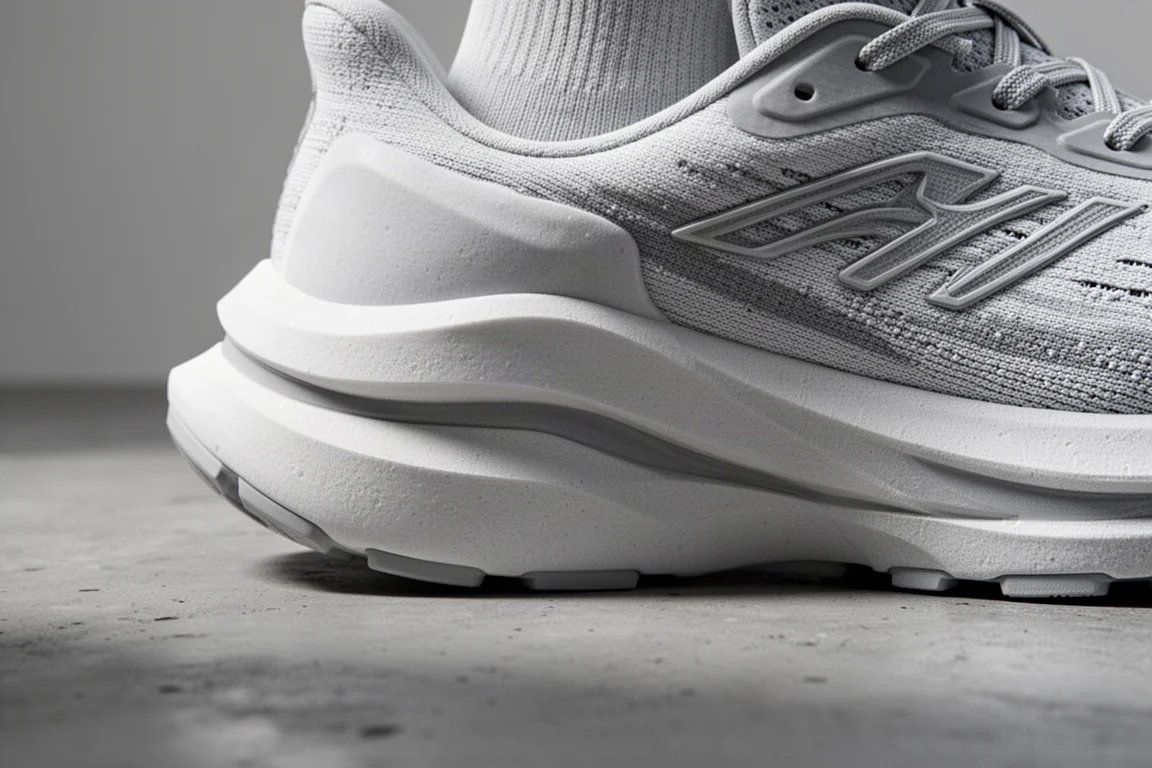
All weights are measured in a men’s size 10. These are tall shoes across the board, as is the case everywhere right now.
| Shoe | Weight | Heel | Forefoot | Drop |
|---|---|---|---|---|
| On Cloudmonster 3 Hyper | 9.6 oz (272 g) | 46 mm | 40 mm | 6 mm |
| On Cloudmonster 3 Hyper LS | 7.5 oz (212 g) | tall stack | tall stack | 6 mm |
| Saucony Kinvara | 8.7 oz (245 g) | 41 mm | 33 mm | 8 mm |
| Hoka Mach X 3 | 9.8 oz (278 g) | 46 mm | 41 mm | 5 mm |
| Puma Deviate Nitro Elite | 7.9 oz (225 g) | 37 mm | 29 mm | 8 mm |
| ASICS Metaspeed Sky | 8.3 oz (234 g) | 45 mm | 37 mm | 8 mm |
| ASICS Megablast | light for its size | tall stack | tall stack | 8 mm |
The Cloudmonster 3 Hyper genuinely feels like a 6 mm drop shoe rather than anything higher; the midsole compresses underfoot, which brings the effective drop down. The Mach X 3 has one of the lowest drops here and is the only plated option in the group, though it is not the stiffest plated shoe around. The Deviate Nitro Elite is the only shoe here that is technically race legal, though that matters mostly to runners competing at a high level.
On Cloudmonster 3 Hyper
The Cloudmonster 3 Hyper is one of the favorite performance trainers of 2026, and for good reason. It is not the lightest shoe in this category, but the top layer of Pebax over the heel makes it very bouncy, and the platform underneath is genuinely stable. The upper is one of the best parts: slightly wider without being baggy, buttery smooth, and comfortable enough that it never bothered a sensitive Achilles insertion or Haglund’s deformity.
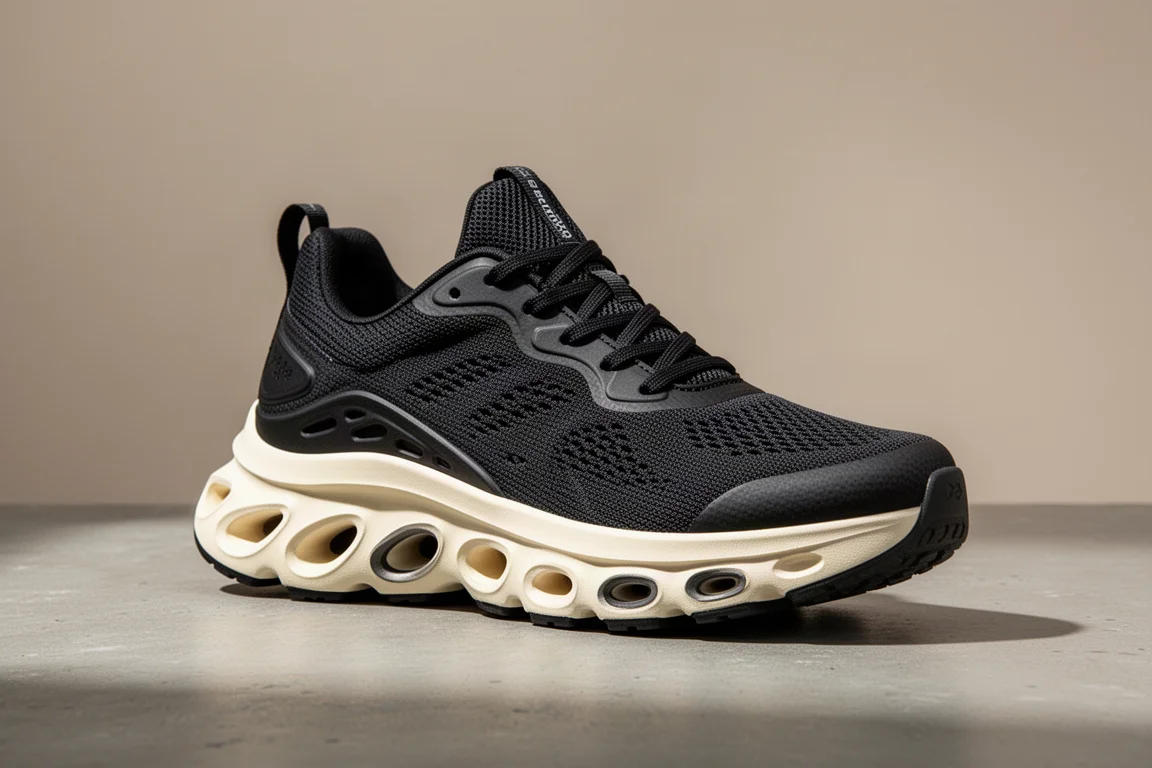
This is a true do-it-all shoe. Easy miles and long runs come easy, yet it is bouncy and fast enough for workouts, long tempo runs, and track intervals. After 100 miles there is no outsole wear to speak of, which points to strong durability. The CloudTec midsole is not the widest, but the softer PEBA foam sits in an encasing firmer EVA layer that comes up around the foot, and not a single run has produced midfoot soreness. For runners who need both medial and lateral stability, this is one of the better matches in the group.
On Cloudmonster 3 Hyper LS (Lightspray)
The LS, or Lightspray, version is the preferred pick of the two, mainly because it is dramatically lighter at 7.5 oz (212 g). That weight drop makes it one of the favorite workout shoes in the group, and the natural first choice for a longer race: light, responsive, and impressively stable for something so airy.
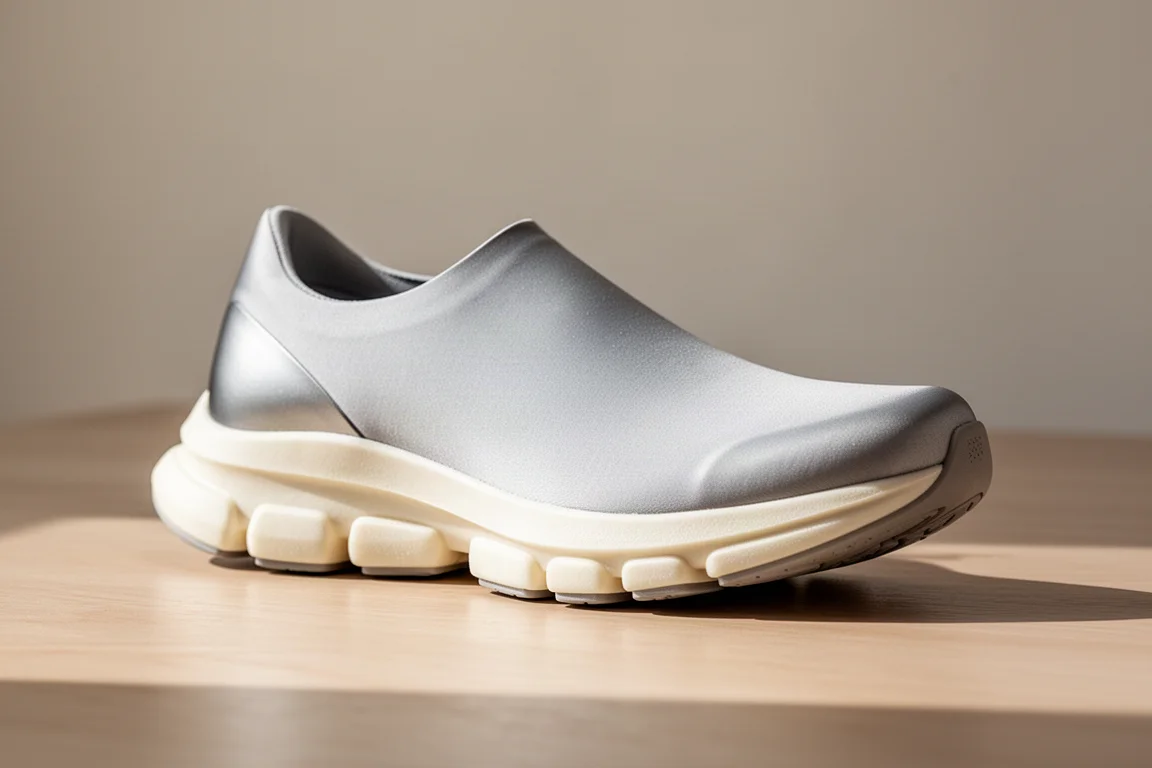
The stability comes from very high sidewalls and a tall medial arch, making it probably one of the more stable shoes you could race in. The softer PEBA foam sits inside an encasing bottom layer of firmer EVA, which keeps everything centered. Long-distance racing is where it shines; shorter races are less of a sure thing, but for anything long it is an excellent option. Training-wise, the standard Hyper remains the more versatile pick, while the LS is the faster, lighter tool.
Saucony Kinvara
The Kinvara is an alternative to the Saucony Speed and, like the Cloudmonster, it is non-plated yet surprisingly stiff. It has the most significant forefoot rocker of the entire group: you land on the rearfoot, a nice bevel guides the transition, and the shoe simply rolls you forward. Short fast efforts like track intervals are a struggle in it, but long runs, tempo runs, and long up-tempo efforts are excellent, and at 8.7 oz it is light enough to consider for a half marathon or marathon.
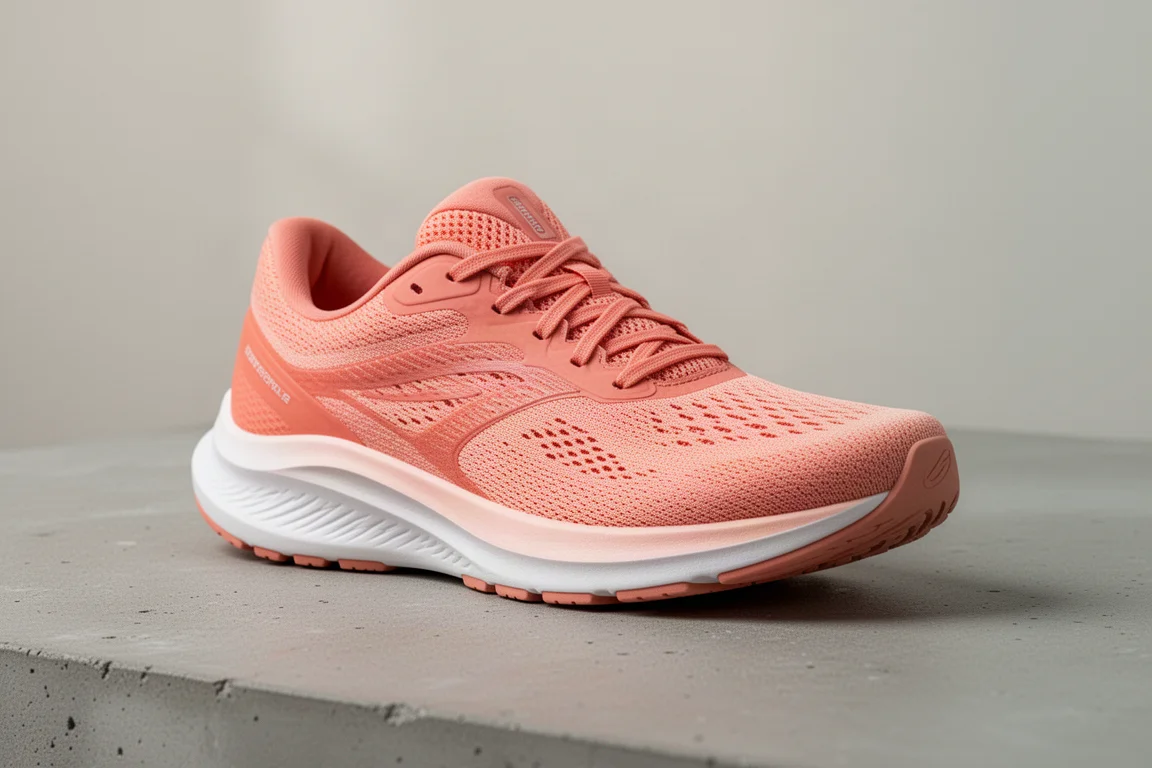
What makes it stable is the medial sidewall combined with a lateral cutout, which together make the shoe feel like it almost has a medial post. For medial stability needs, that is a genuinely useful trick in a neutral shoe. The fit has enough width but runs very low volume: secure with zero heel slippage, but a poor match for high-volume feet unless you are willing to break it in. After 100 miles there is some wear on the exposed PowerRun PB foam, but the rest of the outsole is holding up well. Expect that foam to firm out around 70 to 80 miles; the shoe stays good, just less bouncy in the later miles.
Hoka Mach X 3
The Mach X 3 beats out the Mach 7 as the better performance trainer, thanks to a top layer of PB foam and the fact that it is the only plated shoe in this group. It has significant sidewalls, an extremely bouncy ride, and one of the softest rides of the group. Around 50 miles in, the outsole has not come loose, though durability has historically been a weak point for this line, so that is worth watching.
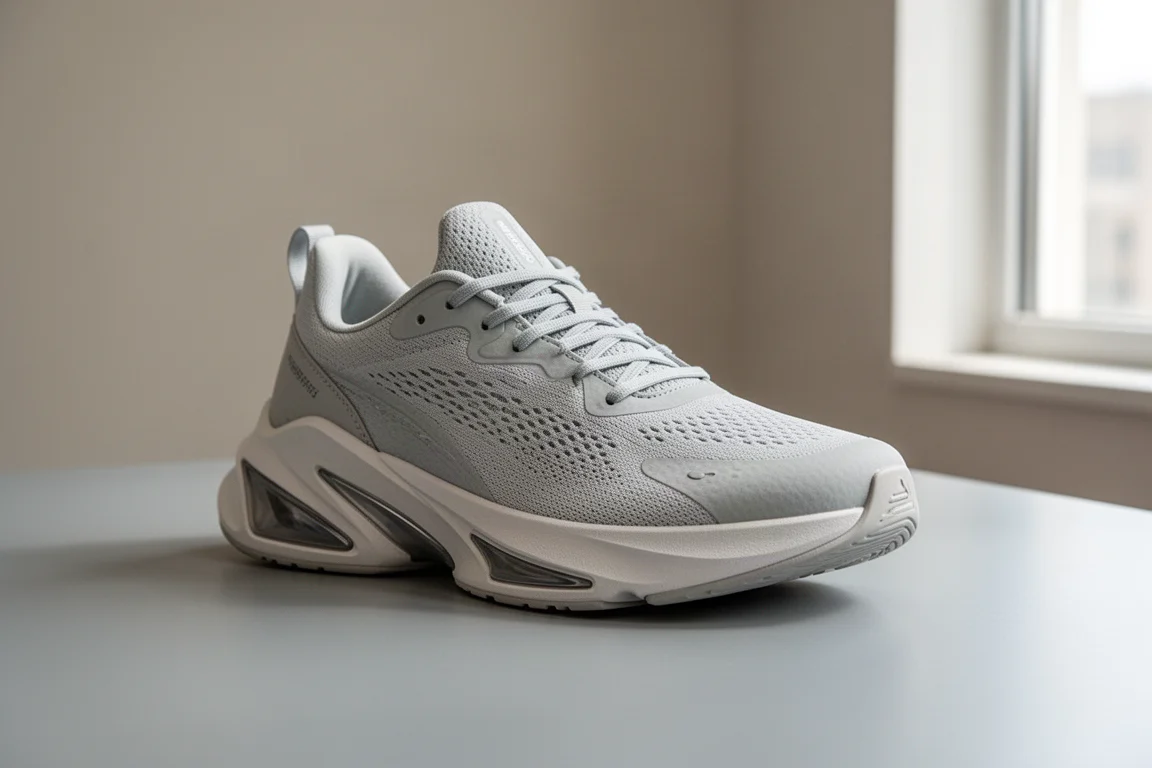
Like the Azura, it uses a lateral cutout and a wider, filled-in medial midfoot to stay inherently stable. Unlike the others, it does not produce that pressing-against-the-sidewall feeling; it just keeps the foot on the platform, which shows up over long miles as noticeably less fatigue. The fit is the classic narrow, low-volume Hoka shape, so it suits narrow feet best, and the low heel collar demands a firm lace lockdown to avoid heel slippage. The firmer heel counter initially bothered a sensitive heel, though that settled with more miles. A raised lateral outsole edge also helps prevent excessive resupination.
Puma Deviate Nitro Elite
The Deviate Nitro Elite is the lightest shoe here at 7.9 oz (225 g) and the only one that is technically race legal. The first miles can feel underwhelming: the Nitro foam reads firmer and less bouncy than expected. Around 40 to 50 miles, the midsole softens and gets noticeably more fun, and at 110 miles it has become a genuinely enjoyable shoe.
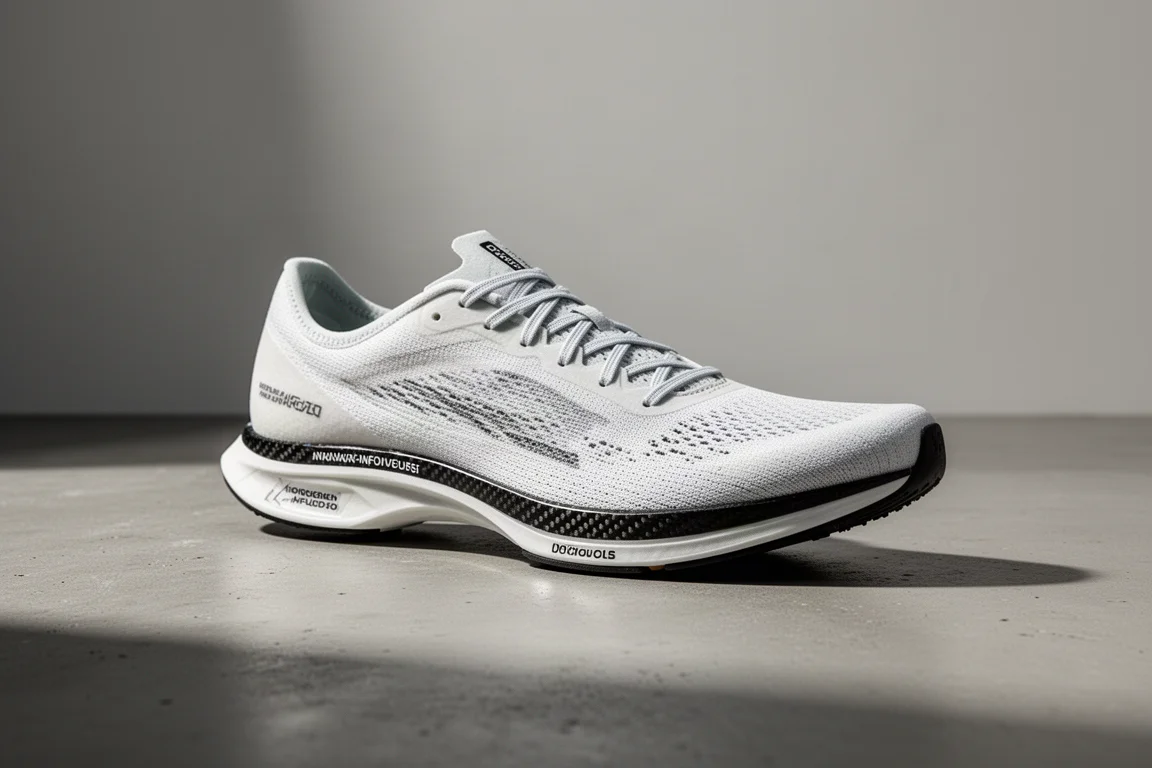
The width runs on the wider side, with sidewalls and a separated lateral section that compresses on landing, adding lateral guidance before centering the foot again, a design that grows more stable as it breaks in. The upper is a classic Puma fit: snug and low volume at first, but it stretches into a sock-like feel over time. One important quirk is the forefoot rocker, which Puma angles outward. If you need help resupinating or, like many medial-pronators, you want help stabilizing and pushing off the big toe side, that works in your favor. If you do not want to be pivoted laterally, this is not the shoe for you. It does a little bit of everything well, with daily training and tempo runs as its sweet spot, but it is not the fastest option here for pure speed.
ASICS Metaspeed Sky
The Metaspeed Sky rounds out the list as a dedicated speed-day option, coming in at 8.3 oz (234 g) with a 45 mm heel and 8 mm drop. It follows the same tall-stack, bouncy formula as the rest of this group and slots in as the race-focused counterpart to the training-first picks above.
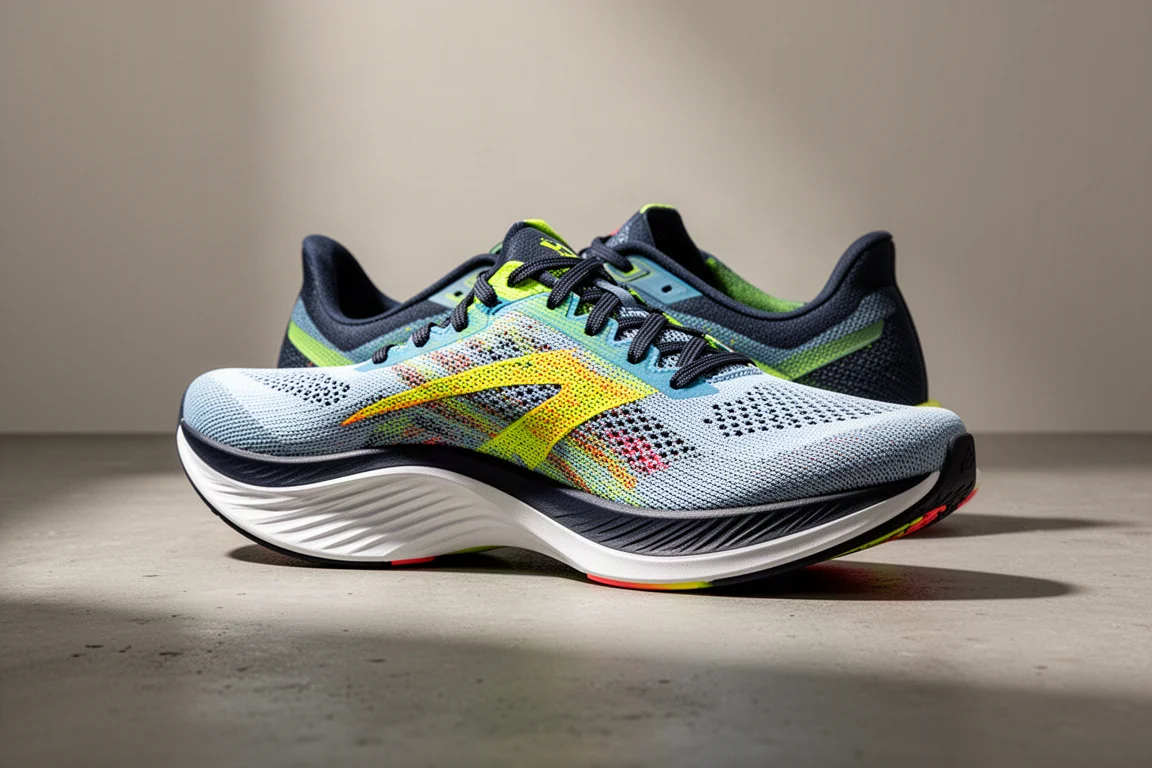
It is included here as the shoe to reach for when the priority shifts from stable daily miles toward racing, and it pairs naturally with the more forgiving trainers in this list. Runners who rotate between a stable trainer for the week and a lighter race-day shoe will find this the natural complement to the Cloudmonster or Kinvara.
ASICS Megablast
No surprise here. For years the Superblast was the classic stable neutral performance shoe, but the newest version went super soft and lost much of that stable character. The Megablast fixes it: a wide midsole, a nicely filled-in midfoot, and a responsive but not soft FF Turbo Squared foam. Sidewalls you sit into make it very stable.
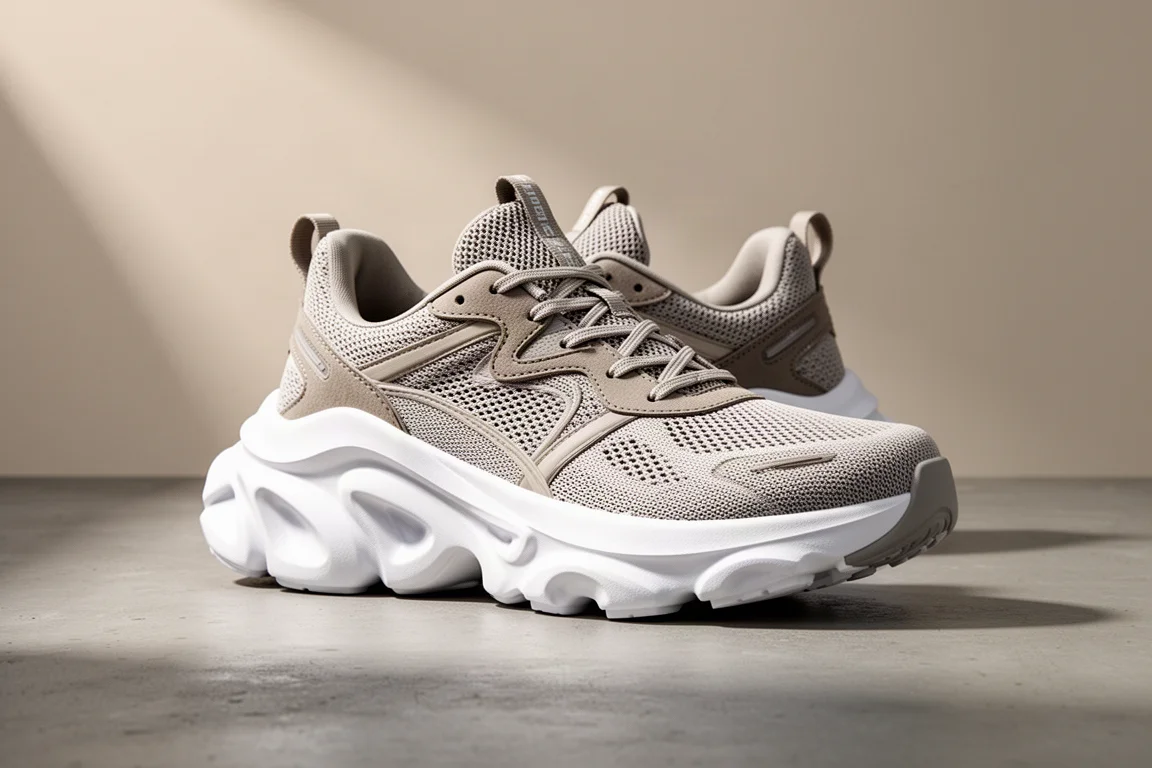
It is a big shoe that stays light, and it is surprisingly stiff without a plate, so it is responsive enough for longer races and even interval work. Transition is fairly good. The upper is one of the most comfortable here, with generous padding around the Achilles for anyone with heel sensitivities, and the midfoot hold is secure. The main caveat is the forefoot, which tapers heavily. It runs true to size, but if narrow toe boxes bother you, look elsewhere. For wide, general stability needs it is an excellent match alongside the Cloudmonster 3 Hyper.
Choosing Between Them
Different shoes in this group favor different stability directions and paces. The Cloudmonster 3 Hyper, ASICS Megablast, and Deviate Nitro Elite work best for runners with both medial and general stability needs. The Azura and the Mach X 3 lean more laterally biased. The Cloudmonster 3 Hyper LS is the fastest of the bunch, and the best choice for racing at speed. The Deviate Nitro Pure label sums up its character: it becomes very much your shoe after break-in, though it is probably the least well suited if you want to run as fast as possible.

On fit, the Cloudmonster 3 Hyper is the widest of the group, while the Mach X 3 is among the narrowest, so let your foot shape guide the choice. The Kinvara and Megablast both roll you along efficiently for longer miles rather than relying on pure bounce.
Conclusion
2026 has been a good year for runners with stability needs. Dedicated stability shoes are getting faster and picking up super foams, and the stable neutral performance trainer category is quietly thriving. None of these are full stability shoes, but each offers a stable platform that can still handle workouts and racing. Match the shoe to your stability direction, your foot volume, and the distances you race, and there is a genuinely fast option here for almost everyone.
Further reading
Related Reviews

Running Shoes
Best Road-to-Trail Running Shoes: Three Versatile Options for Mixed Terrain
A practical guide to three road-to-trail running shoes that handle both pavement and mild trails, with clear strengths and trade-offs for different runner types.

Running Shoes
Best Running Shoes for Achilles Tendonitis: Three Options Explained
Three running shoes with different heel drops and support features designed to help reduce Achilles tendon pain during walking and running.

Running Shoes
Best Running Shoes for Women: Five Top Choices Ranked
A ranked guide to five women's running shoes, from versatile daily trainers to high-performance racing options, with real strengths and trade-offs for each.