Running Shoes
Best Stability Running Shoes: 7 Models for Every Kind of Support Need
From simple daily trainers to full-length medial support and rare fast options, seven stability shoes that each solve a different problem.
Introduction
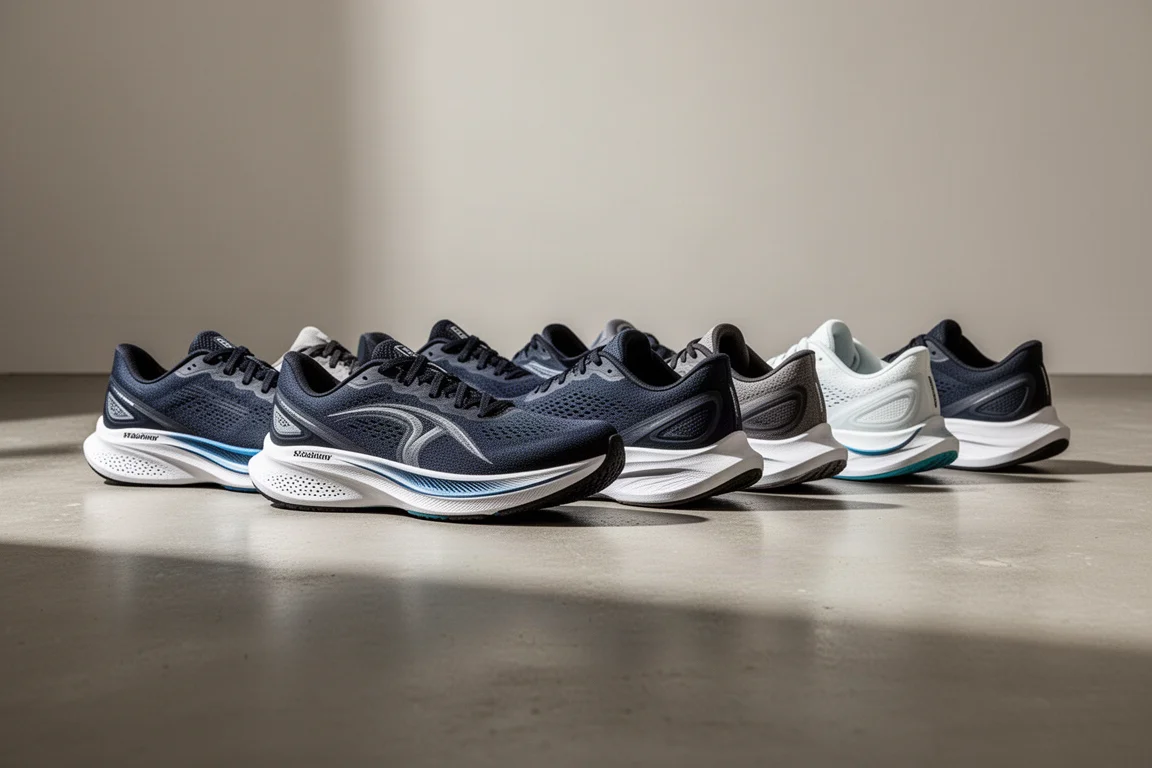
For years the stability category in running footwear was shrinking, losing some genuinely good shoes along the way. That trend has finally started to reverse, and there are now several strong options at different levels of support, cushioning, and speed. The catch is that every shoe on this list works for a different type of runner, so the goal here is to help you match the right level and style of stability to your own needs.
Who Actually Needs a Stability Shoe?
The honest answer is more individual than most marketing suggests. The simplest and most reliable filter is comfort: if a stability shoe feels genuinely comfortable, you run further in it without niggles, and it does not create new problems, that is a strong signal it suits you.
Injury history helps predict fit as well. Pronation itself is not a problem. It simply describes the way the medial arch collapses inward to absorb shock and then stiffens back up to push off. People who over-control or under-control that motion can accumulate stress, and a history of pronation-related issues such as posterior tibialis or anterior tibialis strain, shin splints, plantar fasciitis symptoms that ease in stable shoes, or certain Achilles tendon problems can all point toward stability for daily miles. That does not mean you can never run neutral or race in a neutral shoe. It just means a stability trainer may help with prevention and day-to-day comfort.
Best Simple Starting Point: ASICS GT-2160
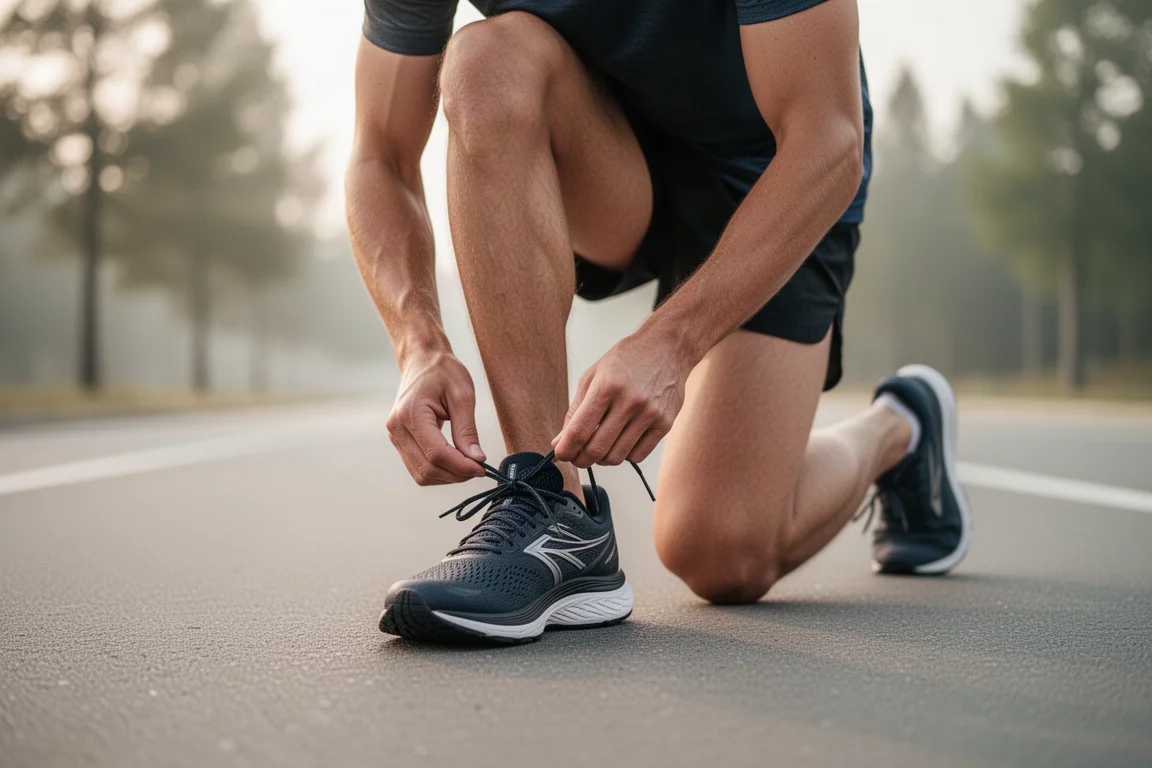
For newer runners or anyone who wants stability without complexity, the ASICS GT-2160 is the natural first stop. It is one of the lighter shoes in the category at around 272 to 274 grams (9.7 oz) in a men’s size 10, with a moderate 36.5 mm heel and 28.5 mm forefoot stack for an 8 mm drop. It is slightly firm with a touch of flexibility and a slightly snug fit, so narrower or normal-width feet will feel most at home.
Stability comes from ASICS’ 3D Guidance system: targeted sections of the midsole compress more than others as you fatigue and press into the shoe, pushing back up into the medial side with a touch of lateral support. Add sidewalls and a wider base shape and you get a mostly mid-foot stable ride with smooth heel transition and snappy toe-off. It is versatile enough to handle easy miles, quicker pacing, long runs, and for many runners even a marathon, all without a plate. If you have a wider foot or want softer cushioning, the ASICS Kayano series is a sensible alternative.
Best Cushioned and Centered: Puma ForeverRun Nitro 2
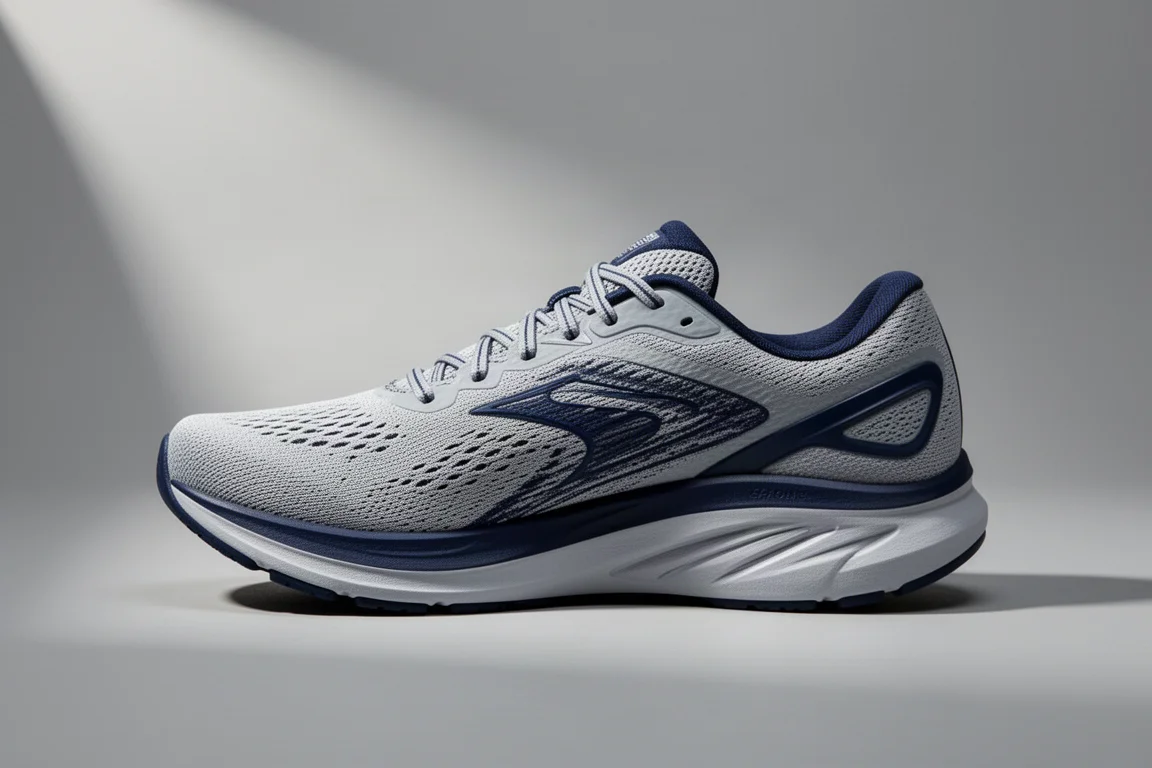
The first version of this shoe underwhelmed, but the ForeverRun Nitro 2 was rebuilt from top to bottom and is now one of the most pleasant surprises in the category. The Nitro foam has real bounce, though the shoe carries some heft at 305 to 308 grams (10.9 oz) in a size 10, with a 38 mm heel, 28 mm forefoot, and 10 mm drop that feels lower than it looks on paper.
This is the most guidance-based shoe here. Instead of a post, the Run Guide system pairs a softer inner midsole with a firmer outer layer, plus sidewalls and a heel clip that cradles the heel on both sides. The result is centered stability rather than a forced direction, which makes it one of the few options that works for both pronators and supinators, and a mild-support choice overall. It runs wider with lower volume, so wide-but-shallow feet are an ideal match, and the slightly scratchy upper softens completely once you start running. Early durability is excellent, and while it is not the fastest shoe, it holds a quicker pace far better than most cushioned stability options.
Best Full-Length Medial Support: New Balance 860 v14
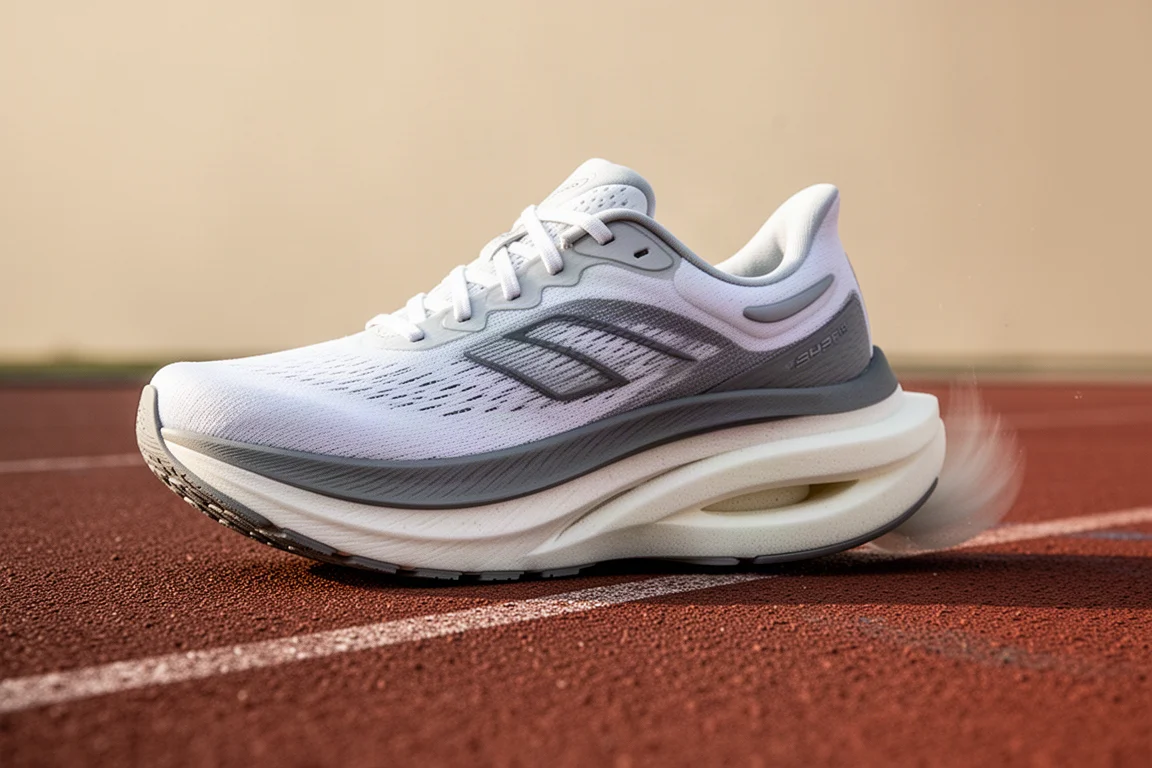
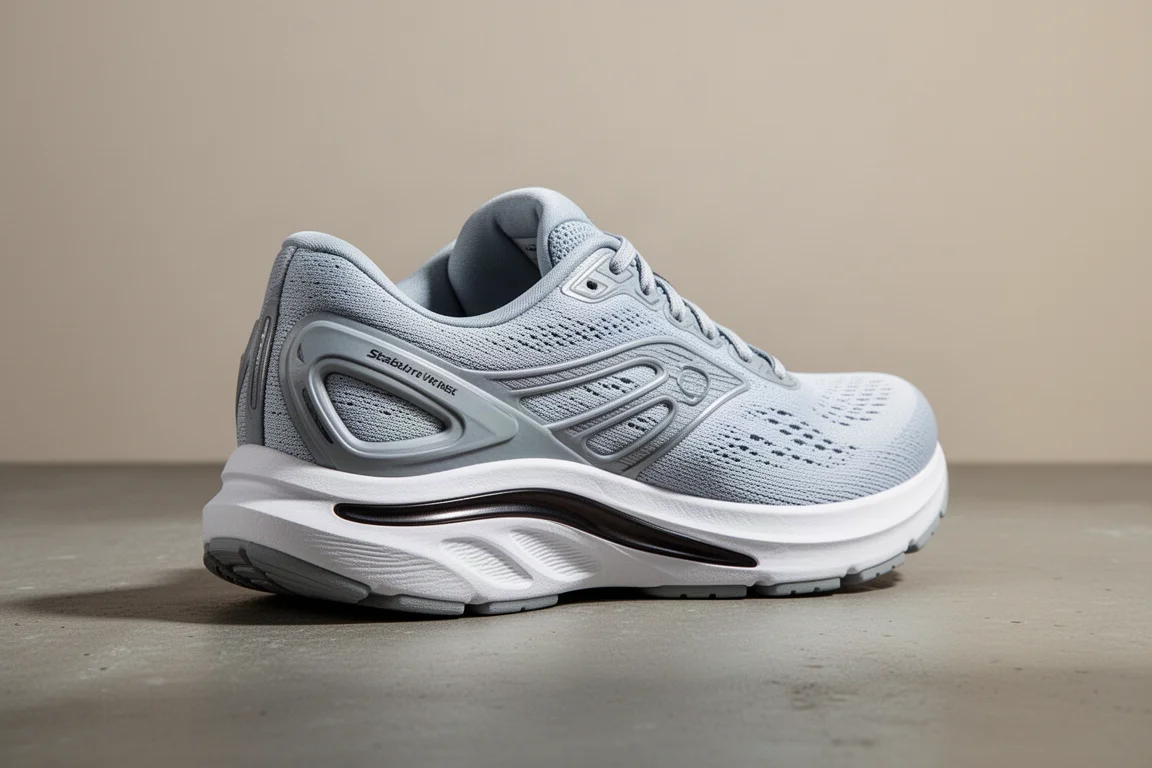
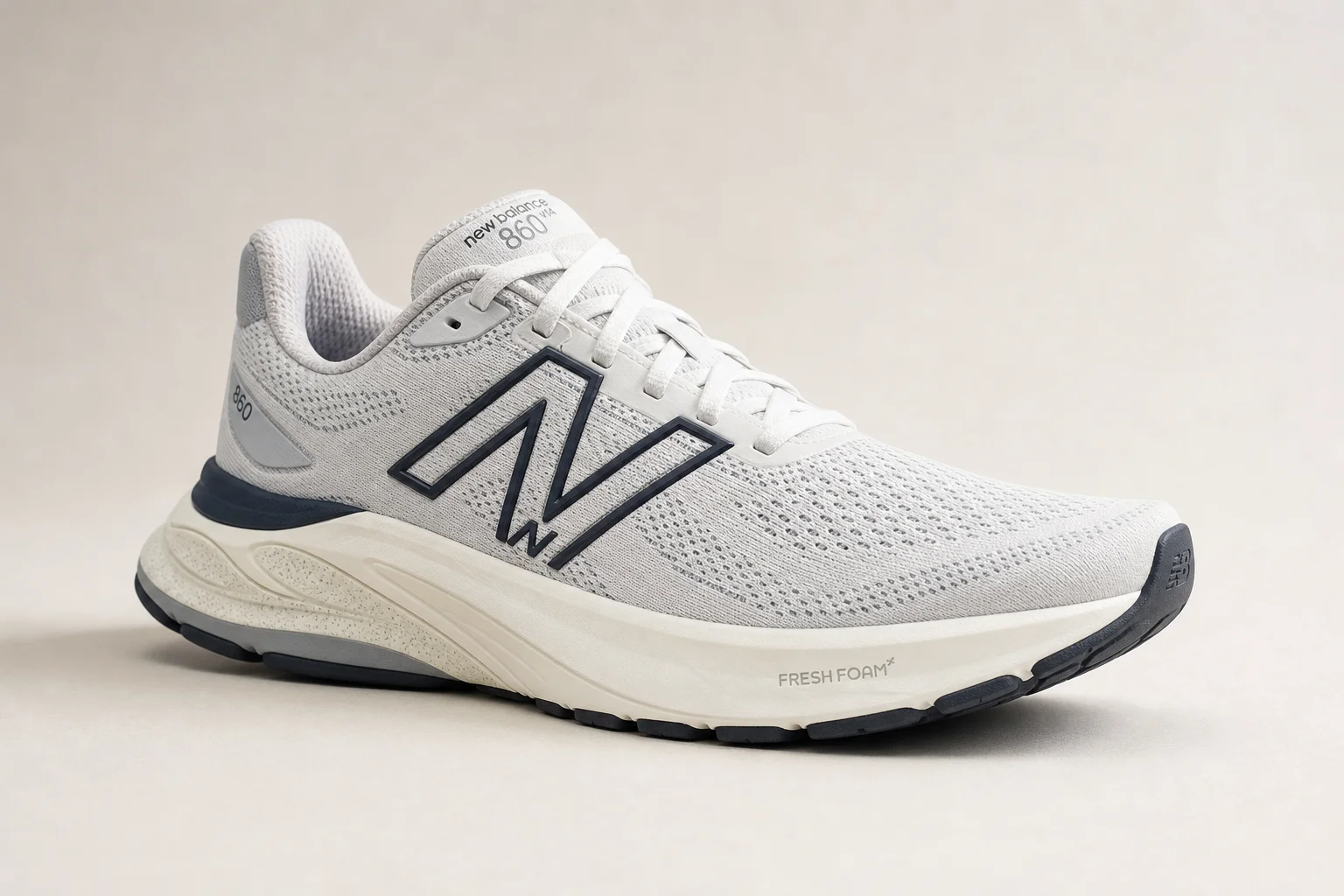
Most stability shoes focus on the heel or midfoot, but pronation also happens at the forefoot, and some runners need support along the entire inner side of the foot. The 860 v14 addresses this with a completely new approach: instead of the older, heavier medial post, it uses a medial elevation running the full length of the shoe, built from two foams. A softer top layer fills most of the lateral side and a slightly firmer layer fills most of the medial side, so the foot is held in a supported position from heel to toe.
That design suits runners whose natural foot position sits more inward, and anyone who needs forefoot, midfoot, and heel stability together. It matches the Puma’s weight at 308 grams (10.9 oz) in a size 10, with a 38 mm heel, 30 mm forefoot, and 8 mm drop. The ride is moderately soft and well cushioned rather than bouncy, with a rolling rocker shape and a well-executed heel bevel, and it doubles as a genuinely good walking shoe. Fit runs slightly short and normal to slightly wide, so size carefully. Supinators should look elsewhere, but for full-length medial support this is one of the best additions to the market in years.
Best for a Traditional Firm Post: Brooks Glycerin GTS 22
If mild-to-moderate support is not enough for you, the Glycerin GTS 22 offers the highest level of rearfoot and midfoot stability on this list. It is also the heaviest at 328 grams (11.6 oz) in a size 10, with a 38 to 39 mm heel, 28 to 29 mm forefoot, and 10 mm drop depending on how you measure. The lighter alternative in the Brooks line is the Adrenaline, but the DNA Tuned foam here adds bounce underfoot that offsets the listed weight nicely.
Brooks describes a lateral guide roll, but in practice this is overwhelmingly a medial-support shoe. If you need a lot of support on the inner side and other shoes are not delivering it, this is the one to try. The ride sits in a balanced middle ground, neither soft nor firm, with a pleasant bounce in the heel. The upper is premium and comfortable for long miles of running or walking, and the fit starts normal and breaks in wider over time; at around 50 miles laces need tightening to keep the security you want. A wide version is available.
Best Fast Stability Option: Saucony Tempest 2
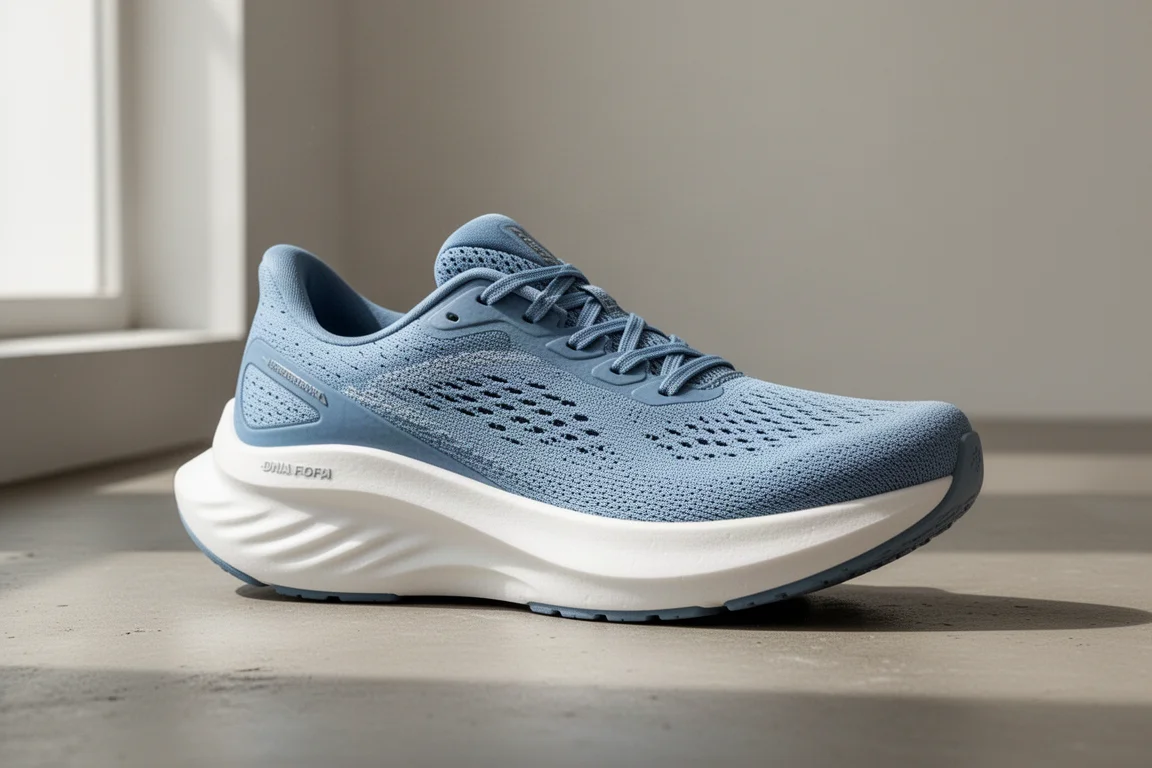
Faster stability shoes are rare, and the Tempest 2 is arguably the best-executed one for most people. It is the lightest stability shoe here with a super foam in it, tied for the category lead at 272 grams (9.6 oz), built on a full-length layer of Pwobon PB. The ride is on the firmer end throughout, reminiscent of the firmer Pwobon PB of an earlier generation of racing shoes, and there is no plate, though the thicker platform still delivers noticeable stiffness.
Support is stronger than the Puma-style centered design suggests on paper, with real heel and midfoot guidance. The limiting factor is fit: it runs genuinely narrow, so narrow feet or runners who want a snug racing fit will thrive, while wider feet may feel squeezed. For racing a marathon or half marathon with super foam and stability intact, this is currently one of the best options available, and it would be even better in a future version that softens the ride and widens the fit slightly.
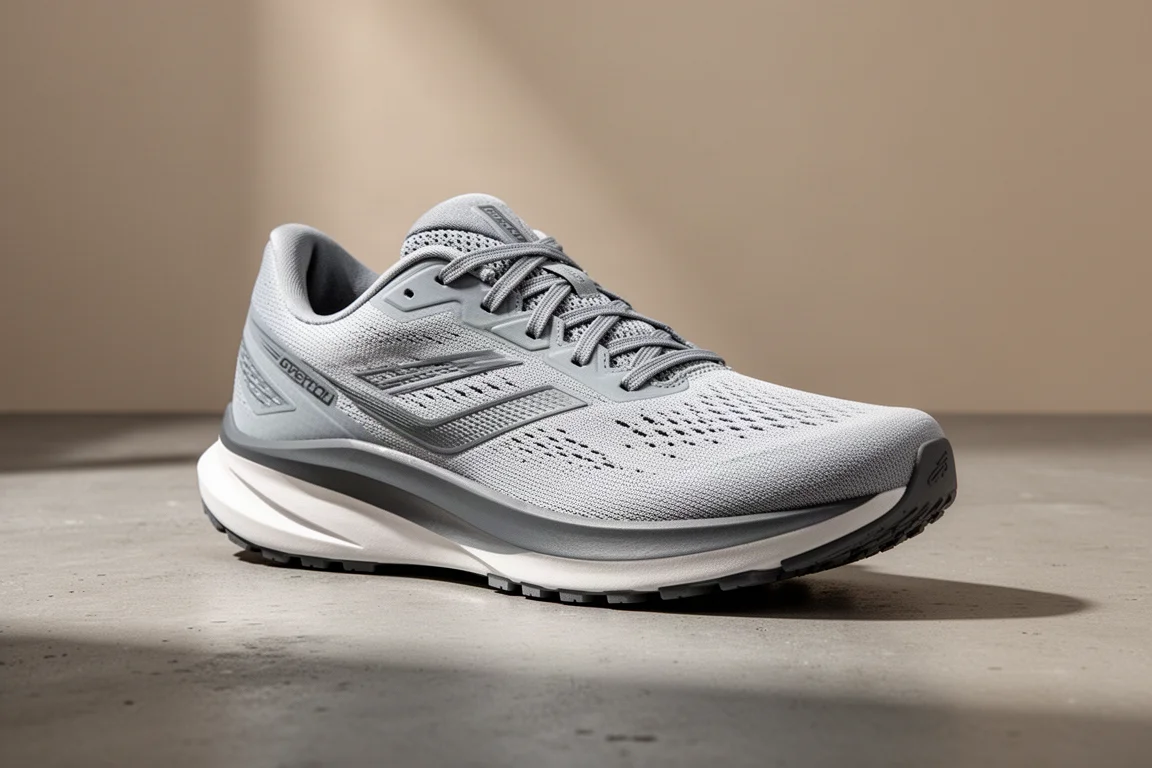
Best Softer Super Foam Alternative: Adidas Supernova Solution 2
The Supernova Solution 2 has quietly become a long-run favorite. It pairs a bouncy Dreamstrike Plus top layer with a flexible, softer ride than the Tempest, and a wider fit that opens the door for runners the Tempest excludes. Over 100 miles of testing included long runs and workouts, and while it is not as snappy, it still carries super foam for those who want it.
The trade-off is patience. The stability takes several runs to break in, and it is concentrated almost entirely in the heel, pushing you medially. Runners with lateral sensitivities should be careful, and anyone needing forefoot stability will find this shoe insufficient. But if you want something softer, more flexible, wider-fitting, and still supportive at the rearfoot, it is a compelling alternative.
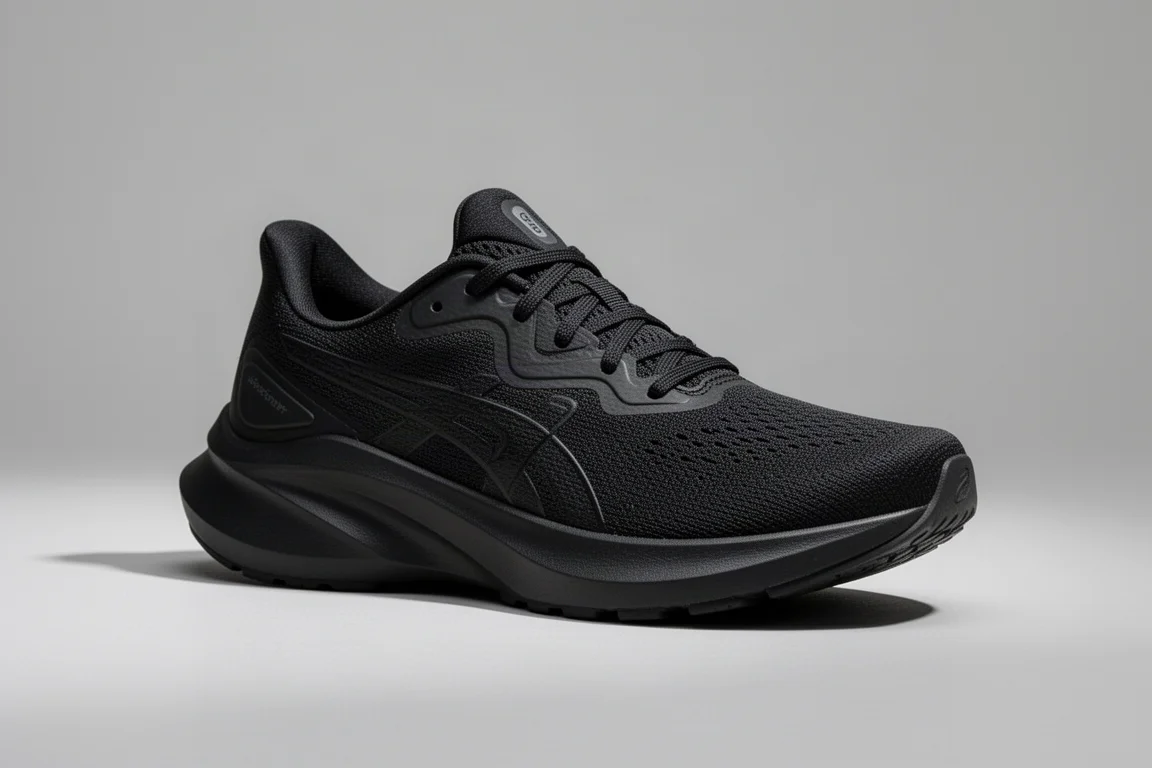
Best for Long-Distance and Forefoot Stability: Mount to Coast P1
Ultramarathon runners on road, and anyone covering very long distances with forefoot stability needs, have almost no options. The Mount to Coast P1, launched in 2024, is the closest thing the stability category has to a genuine long-distance racing shoe. It weighs a relatively light 10.3 oz in a size 10, with a 37 mm heel and 27 mm forefoot stack on a full-length PEBAX-based midsole.
The foam is highly shock absorbing rather than maximally bouncy, and the standout feature is a plate that extends toward the forefoot, providing genuine bounce and support for runners who collapse at the forefoot over long miles. Durability is a real highlight: at 80 miles the outsole still looks phenomenal. The upper and rearfoot need refinement, as the shoe feels slightly clunky at the back and takes miles to break in, and the fit runs a touch short, so size carefully. Still, credit where it is due: this is the most promising step yet toward a stability racing shoe, particularly over ultramarathon distances.

How to Choose Between Them
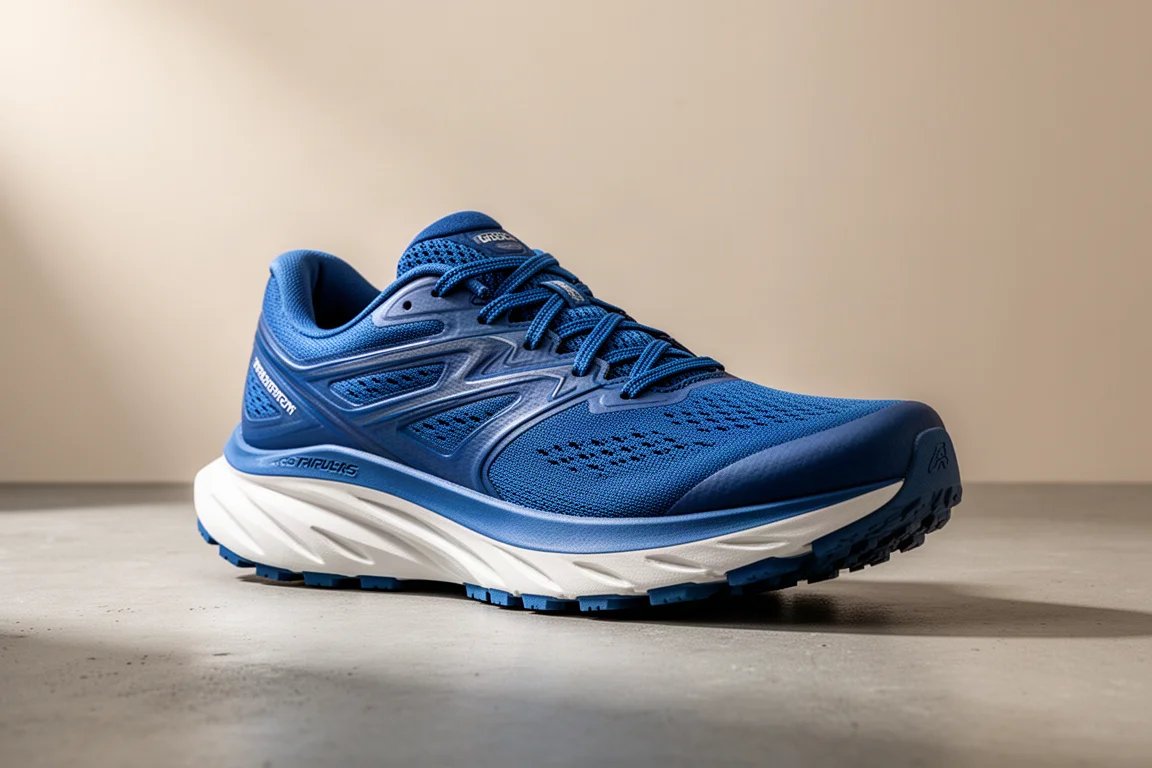
Match the shoe to the support level and style you actually need. For high rearfoot and midfoot stability, the Brooks Glycerin GTS 22 is the clear pick. For centered, moderate guidance that works for pronators and supinators alike, the Puma ForeverRun Nitro 2 is excellent. For a simple, versatile daily trainer, start with the ASICS GT-2160. For medial support along the entire foot including the forefoot, the New Balance 860 v14 is unmatched right now. And for speed, the Saucony Tempest 2 leads, with the Adidas Supernova Solution 2 as a softer, wider alternative and the Mount to Coast P1 for long-distance and forefoot-focused needs.
Conclusion
Stability footwear is in the best shape it has been in years, and there is no single best shoe for everyone. Comfort remains the strongest filter, injury history the best predictor. Get the fit and support level right for your feet and mechanics, and any of these seven can carry your daily miles, and in some cases your races, comfortably and reliably.
Further reading
Related Reviews

Running Shoes
Best Road-to-Trail Running Shoes: Three Versatile Options for Mixed Terrain
A practical guide to three road-to-trail running shoes that handle both pavement and mild trails, with clear strengths and trade-offs for different runner types.

Running Shoes
Best Running Shoes for Achilles Tendonitis: Three Options Explained
Three running shoes with different heel drops and support features designed to help reduce Achilles tendon pain during walking and running.

Running Shoes
Best Running Shoes for Women: Five Top Choices Ranked
A ranked guide to five women's running shoes, from versatile daily trainers to high-performance racing options, with real strengths and trade-offs for each.